


How to Choose the Right Email Tool for Your PT Practice
Practice Size Matters
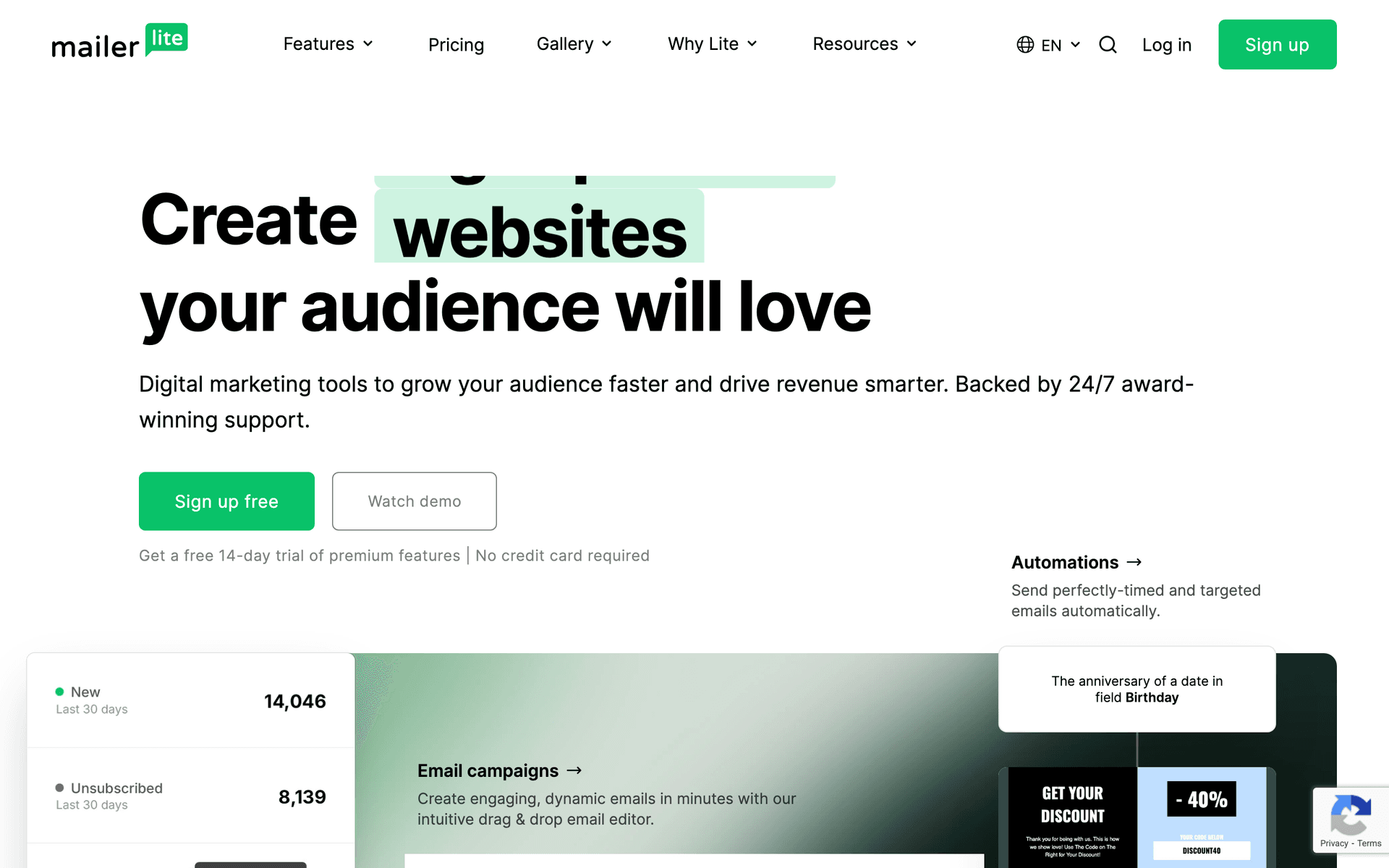
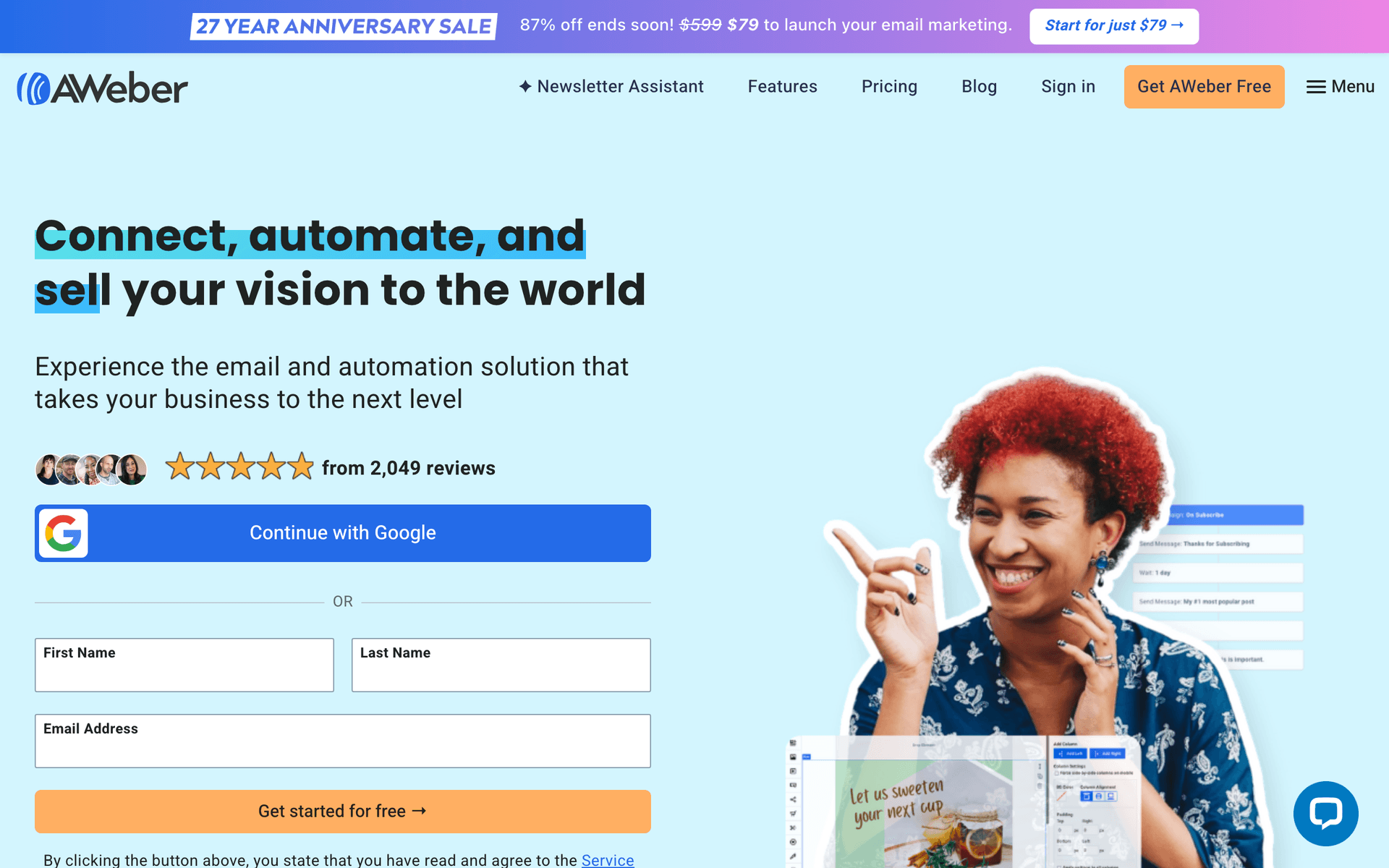
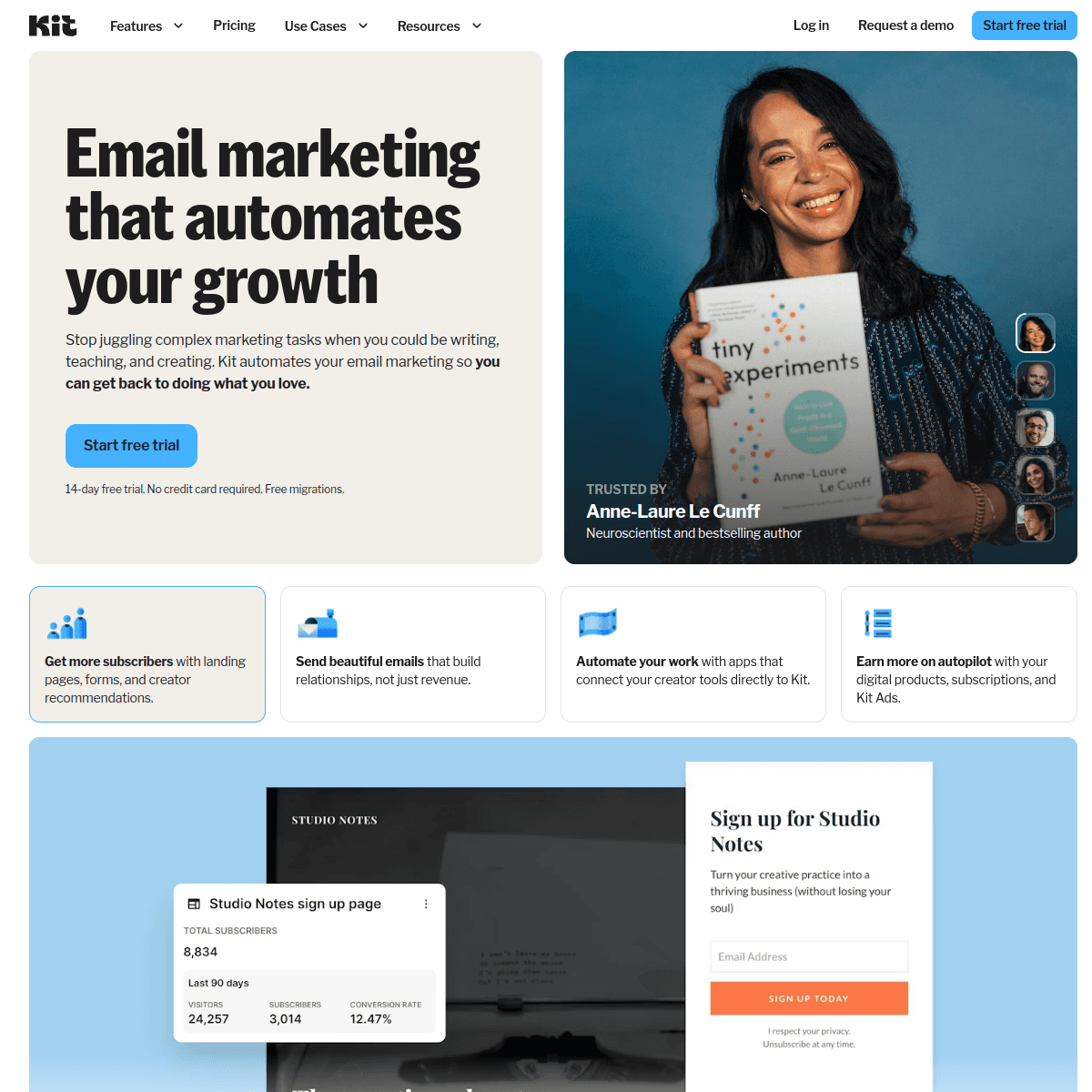
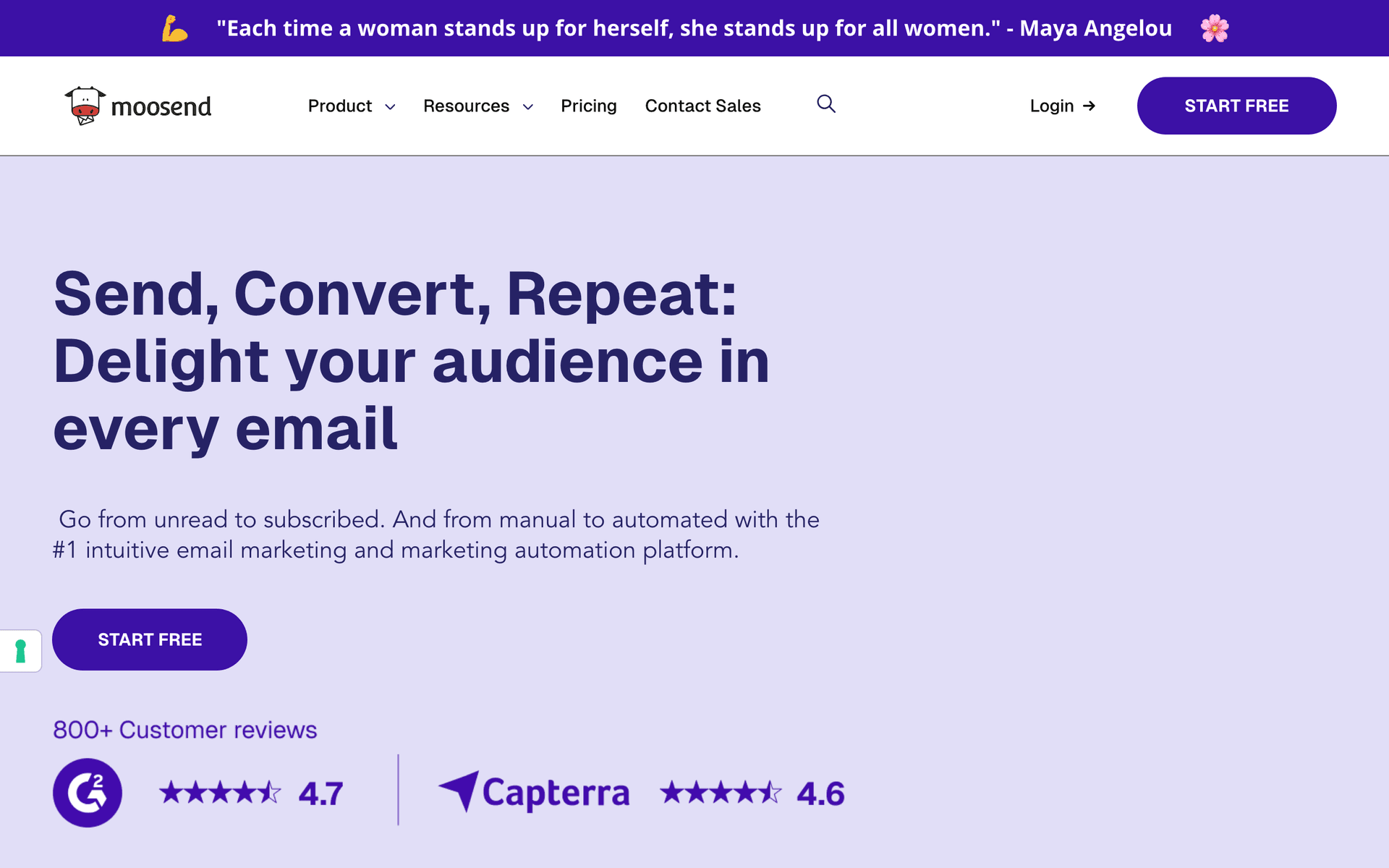
Solo PTs or small clinics can use simpler tools like Sequenzy or MailerLite. Your priority is appointment reminders, HEP support, and post-discharge follow-up without technical complexity.
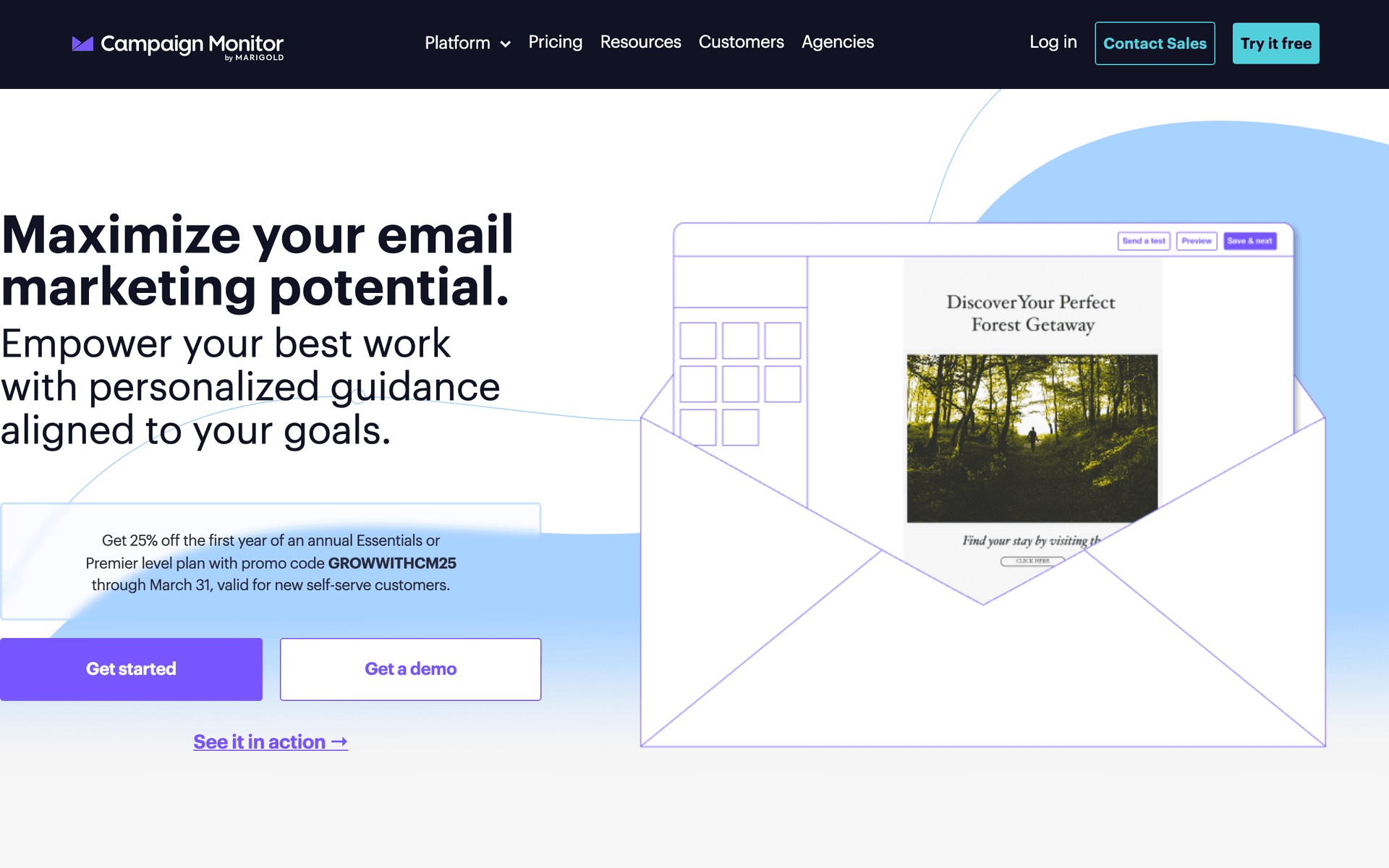
Multi-location practices need platforms like ActiveCampaign or HubSpot that handle location-based segmentation and team coordination.
Technical Comfort Varies
If you or your staff are not technical, prioritize ease of use over features. A simple tool you actually use beats a powerful one gathering dust. Many practices invest in complex platforms and never get past basic newsletters.
Budget Calculation Is Critical
PT practices operate on tight margins. Calculate your tool's cost at your actual patient list size, not the starting price. A tool costing $10/month for 500 contacts might cost $200/month when years of patient records are factored in.
What Actually Works for PT Practices
Automate the Essentials
Every practice should have automated appointment reminders and HEP support sequences. Practices automating these see better attendance and improved patient outcomes. These two automations take 30 minutes to set up and run indefinitely.
Physical Therapy Email Benchmark Table
| Email type | Healthy open rate | Healthy click or confirmation rate | Practice metric to watch |
|---|---|---|---|
| Appointment reminder | 45-62% | 18-30% confirmation clicks | No-show and late-cancel rate |
| Home exercise support | 34-48% | 6-12% exercise-link clicks | HEP adherence and plan completion |
| Post-discharge follow-up | 32-45% | 5-10% reply or booking rate | Reactivation and review requests |
| Monthly wellness newsletter | 26-38% | 3-6% click rate | Past patient engagement |
Keep It Simple
Practices trying to build complex 10-email sequences rarely finish. Start with 3 sequences: appointment reminders, HEP support, and post-discharge follow-up. Add more later as you get comfortable.
| Patient stage | Email sequence | Best timing | Content guardrail |
|---|---|---|---|
| New patient | Welcome and expectations | Same day through day 5 | Keep guidance general and practical |
| Active plan of care | Appointment and HEP support | Before visits and weekly | Do not include diagnosis-specific PHI in marketing emails |
| Discharged patient | Maintenance check-ins | Day 7, day 30, day 90 | Focus on general recovery habits |
| Past patient | Wellness education | Monthly | Invite return visits without implying a condition |
Track What Matters
Open rates are nice to know, but patient retention and plan-of-care completion rates matter more to your business. Track these monthly and correlate with your email program to understand the real impact.
Getting Started
- Import your patient list from your EMR or practice management system
- Set up appointment reminder emails - your highest-impact automation
- Create a home exercise support sequence for better compliance
- Send a monthly wellness newsletter with exercise tips and prevention advice
- Build a post-discharge follow-up for long-term patient retention
| Sequence | Trigger | Recommended cadence | Primary outcome |
|---|---|---|---|
| Appointment reminder | Visit scheduled | 3 days before and day before | Patient arrives prepared |
| HEP support | Exercise plan assigned | Day 0, day 3, day 7 | Better exercise consistency |
| Post-discharge | Final visit completed | 1 week, 1 month, 3 months | Maintain relationship and prompt reviews |
| Reactivation | No visit for 6-12 months | Seasonal or quarterly | Past patient books evaluation if needed |
Start simple and expand later. Any of these tools will work better than not doing email marketing.
What Physical Therapists should prioritize first
For Physical Therapists, email works when it supports trust, timing, and clear patient communication. The software matters, but the operating habit matters more: collect the right contacts, send messages at the right moments, and keep the content useful enough that people keep opening.
Start by comparing the ranked tools above around the workflows you will actually run. A good tool for Physical Therapists should make it easy to segment contacts, write a campaign quickly, automate the obvious follow-ups, and see whether the email produced a booking, sale, reply, renewal, or return visit.
The first workflows to build are usually simple. For this page, the natural starting points are Appointment Reminder Sequence, Home Exercise Program Support, Post-Discharge Follow-Up, New Patient Welcome. Do not build a complicated journey until those basics are working.
A practical rollout looks like this:
| Week | Focus |
|---|---|
| 1 | Import contacts, clean segments, and write the first useful campaign. |
| 2 | Launch the highest-value reminder or follow-up automation. |
| 3 | Add one educational or trust-building email that is not a promotion. |
| 4 | Review opens, clicks, replies, bookings, purchases, or returned customers. |
The most important page-specific ideas are Automate home exercise program reminders to improve compliance; Create a post-discharge follow-up sequence that drives reactivations; Send appointment reminders that reduce no-shows by 25-35%. Those should become your first campaigns before you worry about advanced automation.
Choose the tool that makes this cadence realistic. If a platform has more features but makes weekly sending harder, it is the wrong fit. If a simpler platform helps the team communicate consistently and measure the result, it will usually produce more value.
Last pass before choosing
For Physical Therapists, the deciding question is practical: which option makes the next real campaign easier to send and easier to improve? If the page still feels close, ignore the broad feature list and build one workflow in the tool you are leaning toward. Use real copy, real segment logic, real links, and the reporting view you would use after launch.
A good choice should reduce operational drag. You should know who owns the list, who writes the emails, who checks performance, and what happens when a campaign underperforms. If those answers are vague, the platform will not fix the process.
Use the first month as a trial of habits, not just software. Send one useful campaign, launch one automation, review the results, and improve one thing. The tool that makes that loop feel natural is the better fit.