
How to Choose the Right Email Tool
The best email marketing tool depends on your situation:
Volume of inquiries matters. High-volume bridal artists need robust automation for follow-ups and portfolio delivery. Artists with occasional bookings can manage with simpler tools.
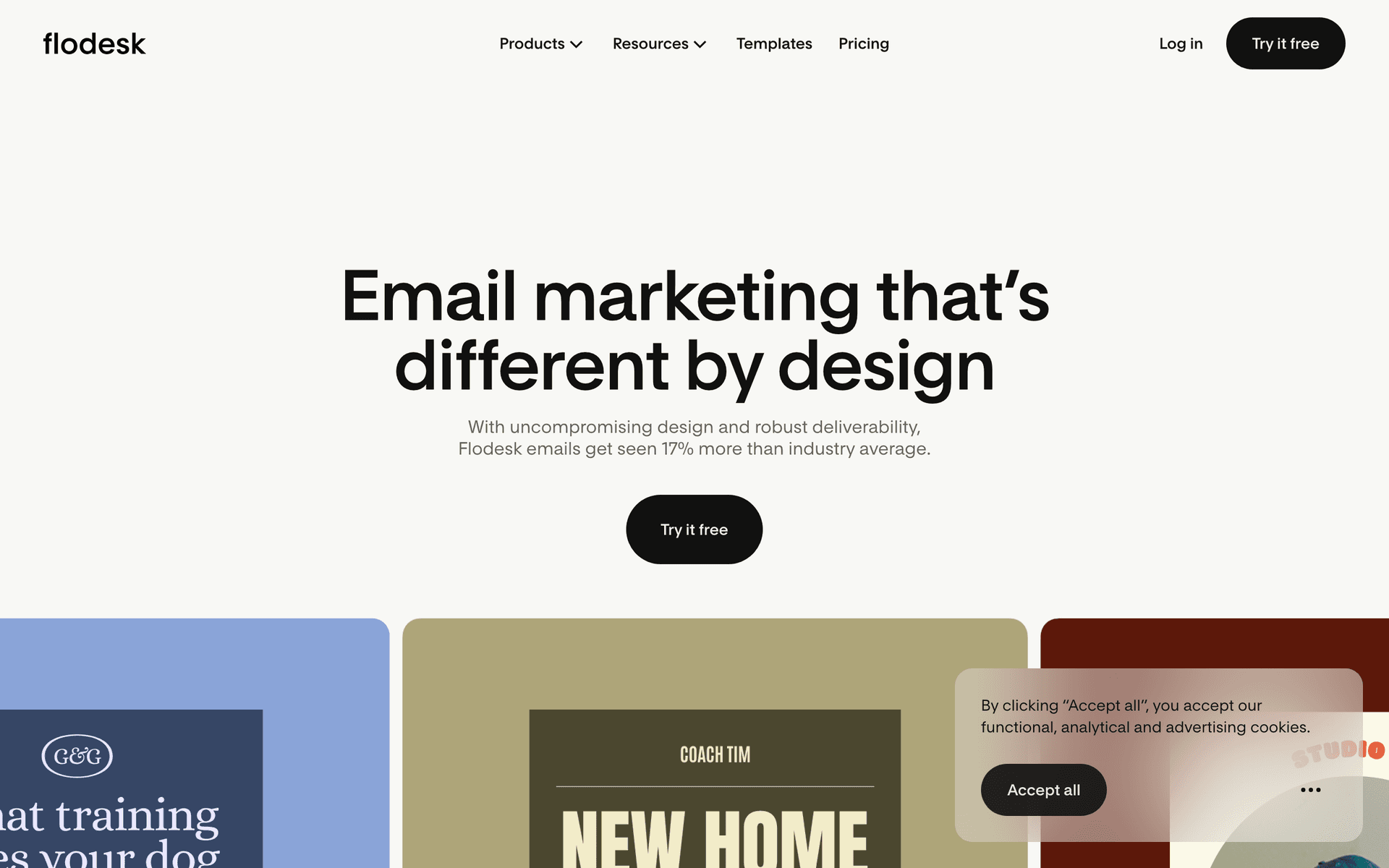
Visual focus is essential. Your work is visual by nature. Choose platforms with strong image handling and beautiful templates that showcase your artistry. Flodesk excels here, and Sequenzy supports clean visual layouts.
Budget is real. Most makeup artists run lean operations. Calculate cost at your expected list size before committing. Free tiers from Sequenzy, Mailchimp, and MailerLite let you start at zero cost.
What Actually Works for Makeup Artists
After talking to many makeup artists about email marketing:
Speed wins inquiries. Brides often book the first professional who responds. Automated inquiry sequences that fire within one hour are worth more than any other marketing investment.
Portfolio emails convert. Sharing your best work regularly keeps you top of mind when occasions arise. Beautiful imagery in email reminds subscribers of your talent between social media posts.
Personal touches matter. Anniversary emails, behind-the-scenes content, and genuine personality build the trust that leads to referrals. Clients refer artists they feel connected to, not just artists whose work they admire.
Makeup Artist Email Benchmarks
Makeup artists often see higher engagement than generic business newsletters because subscribers know the artist personally or are planning a specific event.
| Email type | Healthy open rate | Healthy click or reply rate | Booking signal |
|---|---|---|---|
| Bridal inquiry follow-up | 50-75% | 15-35% reply/click | Consultation booked |
| Portfolio showcase | 32-48% | 5-12% | Gallery or booking page visit |
| Seasonal availability | 35-55% | 8-18% | Date request |
| Past client anniversary | 45-65% | 10-25% reply | Referral or repeat service |
| Workshop or lesson invite | 28-42% | 4-10% | Seat reserved |
Makeup Booking Season Table
Each booking season needs different lead time. Prom and wedding emails work best when they arrive before clients feel rushed.
| Season | Start emailing | Best content angle |
|---|---|---|
| Bridal season | 4-6 months before peak dates | Bridal trials, testimonials, wedding-day timeline |
| Prom | 6-8 weeks before local school dates | Before-and-after looks and limited availability |
| Holiday parties | Early November | Glam looks, group bookings, office events |
| Graduation photos | 6-8 weeks before sessions | Camera-ready natural glam |
| Editorial or brand shoots | Quarterly | Recent creative work and production availability |
The Makeup Artist Email System
Three automations drive the most value:
Bridal inquiry follow-up is your highest-ROI sequence. A 4-email sequence over 10-14 days with portfolio images, testimonials, and consultation offers converts significantly more inquiries than a single response.
Portfolio showcase welcome series introduces new subscribers to your best work over 2 weeks. This builds trust and positions you as an expert before any booking conversation.
Anniversary and re-engagement keeps past clients connected. A simple annual email on their wedding anniversary or event date with their original look photo maintains the relationship for future referrals.
Makeup Client Segment Table
Segment by occasion first. The same portfolio image can work differently depending on whether the reader is a bride, a prom client, or a commercial producer.
| Segment | Email content | CTA |
|---|---|---|
| Bridal inquiry | Bridal gallery, trial process, timeline clarity | Book a consultation |
| Past bride | Anniversary note, referral thank-you, future events | Refer a friend |
| Prom client | Trend looks, availability, prep checklist | Reserve your date |
| Editorial contact | Creative portfolio and behind-the-scenes work | Discuss a shoot |
| Beauty lesson prospect | Skill-building tips and lesson outcomes | Schedule a lesson |
Getting Started
Pick a tool from this list. Then:
- Import your client and inquiry list from your booking system
- Set up a bridal inquiry follow-up sequence as your first automation
- Create a welcome series showcasing your best portfolio work
- Build seasonal campaigns for your next peak booking period
- Send a monthly newsletter featuring recent work and availability
Start with the inquiry follow-up - it has the most immediate impact on bookings and revenue. Expand from there as you see results.
What Makeup Artists should prioritize first
For Makeup Artists, email works when it supports clear communication, consistent follow-up, and measurable customer action. The software matters, but the operating habit matters more: collect the right contacts, send messages at the right moments, and keep the content useful enough that people keep opening.
Start by comparing the ranked tools above around the workflows you will actually run. A good tool for Makeup Artists should make it easy to segment contacts, write a campaign quickly, automate the obvious follow-ups, and see whether the email produced a booking, sale, reply, renewal, or return visit.
The first workflows to build are usually simple. For this page, the natural starting points are Bridal Inquiry Follow-Up, Portfolio Showcase Series, Seasonal Looks Campaign, Client Anniversary and Rebooking. Do not build a complicated journey until those basics are working.
A practical rollout looks like this:
| Week | Focus |
|---|---|
| 1 | Import contacts, clean segments, and write the first useful campaign. |
| 2 | Launch the highest-value reminder or follow-up automation. |
| 3 | Add one educational or trust-building email that is not a promotion. |
| 4 | Review opens, clicks, replies, bookings, purchases, or returned customers. |
The most important page-specific ideas are Respond to bridal inquiries within one hour with automated follow-up; Use high-quality before-and-after images in every email; Build seasonal campaigns around peak booking periods. Those should become your first campaigns before you worry about advanced automation.
Choose the tool that makes this cadence realistic. If a platform has more features but makes weekly sending harder, it is the wrong fit. If a simpler platform helps the team communicate consistently and measure the result, it will usually produce more value.