
How to Choose the Right Email Tool for Your Dealership
Dealership size matters. Single-point dealers can use simpler tools. Larger groups need CRM integration and multi-location management.
Staff capabilities. Consider who will actually manage email. Sales staff need simple tools they will actually use. Marketing teams can handle complexity.
Database size is critical. Dealerships accumulate thousands of customer records. Contact-based pricing gets expensive fast. Pay-per-email pricing (Sequenzy) keeps costs proportional to actual email activity.
Quick Decision Framework
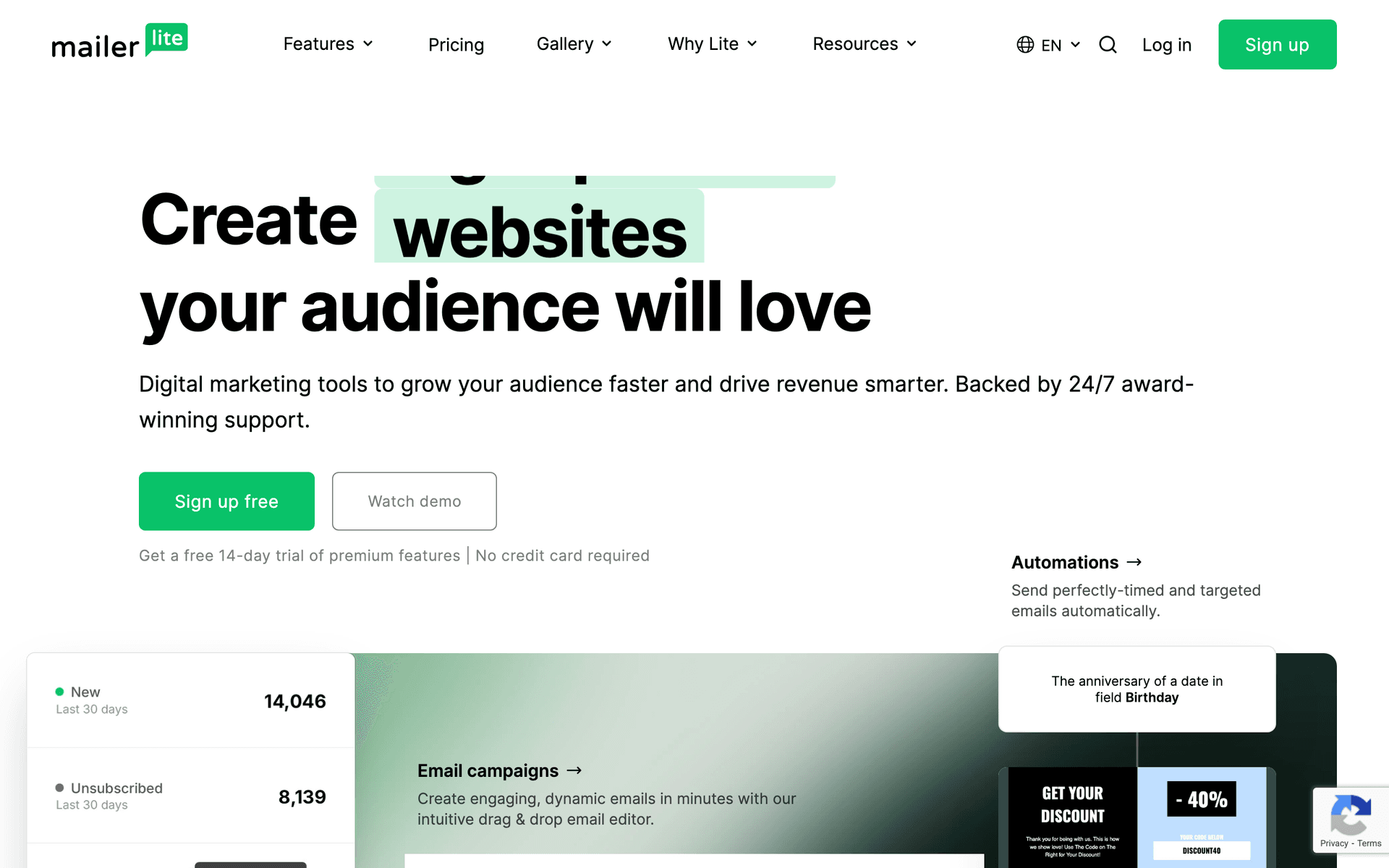
- Just getting started: Sequenzy (free up to 2,500 emails) or MailerLite (free up to 1,000 contacts)
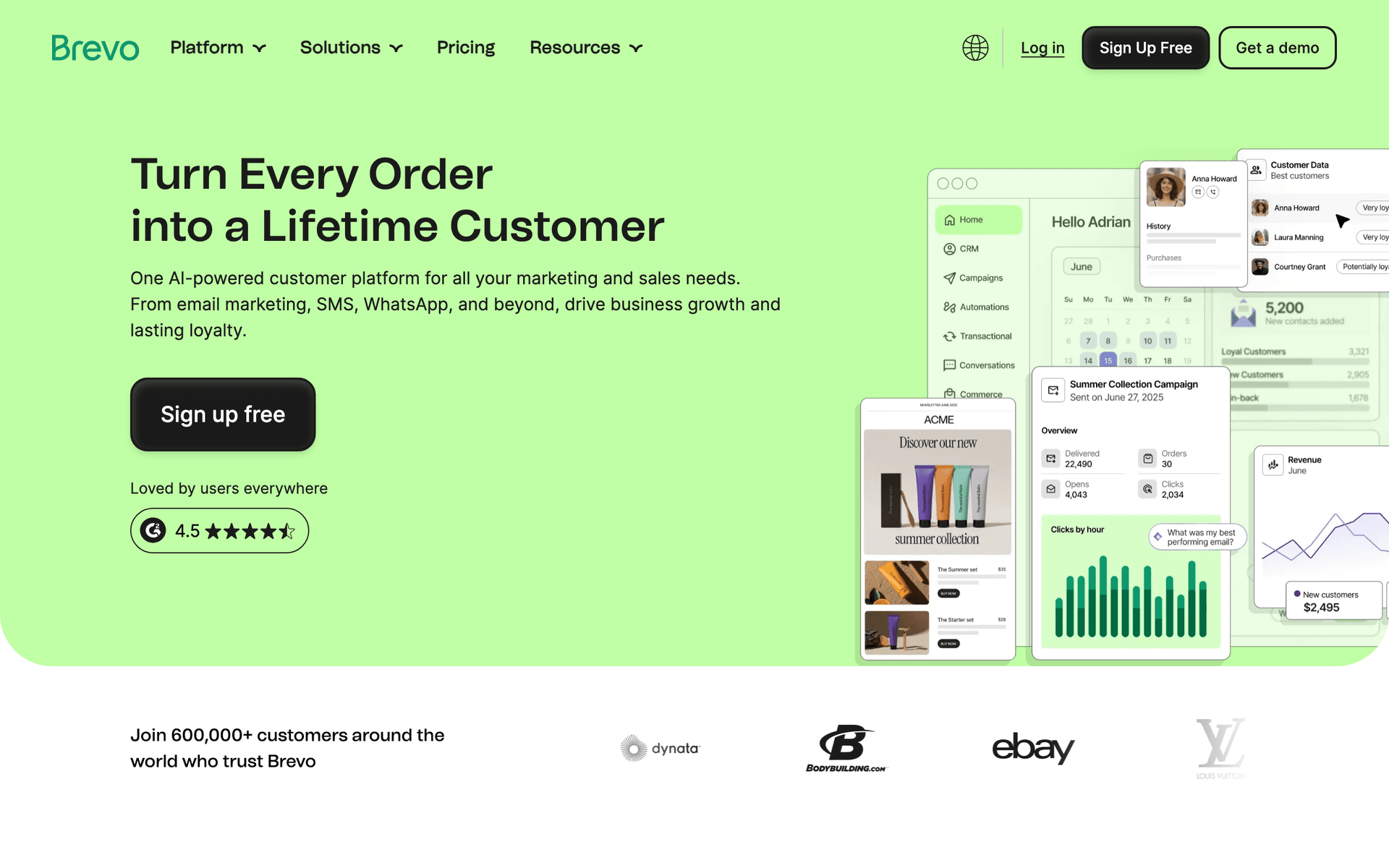
- Want email plus SMS: Brevo for both channels affordably
- Need CRM and lead scoring: ActiveCampaign for dealer groups with marketing staff
- Large database, moderate volume: Sequenzy (pay per email, not per contact)
- Simplest possible setup: Sequenzy with AI-generated lead and service sequences
Dealership Platform Fit
| Dealership type | Best-fit email need | First automation to build | Avoid |
|---|---|---|---|
| Independent used dealer | Fast lead follow-up | Inquiry response and inventory match | Heavy enterprise CRM setup |
| Franchise dealer | Service and purchase lifecycle | Maintenance reminders | Generic newsletters only |
| Multi-location group | Location and salesperson routing | Lead nurture by store | One list for every rooftop |
| Service-led dealership | Vehicle-specific scheduling | Mileage and season reminders | Sales-only campaigns |
| Large customer database | Predictable sending costs | Trade-in and service segments | Per-contact pricing cliffs |
What Actually Works for Car Dealerships
Service Reminders Drive the Most Revenue
Service reminder emails have the highest ROI of any dealership email type. Customers appreciate the reminder, your service department stays busy, and regular service customers have 3x higher repurchase rates. This should be the first automation you implement.
Speed Wins Leads
Following up within an hour of an inquiry dramatically increases close rates compared to next-day follow-up. Automated email sequences make instant follow-up possible even when your sales team is with other customers.
Trade-In Timing Creates Easy Opportunities
Reaching out to previous buyers at the 3-4 year ownership mark - when most people start thinking about their next vehicle - generates warm opportunities. A valuation offer with new model information at the right moment in the ownership cycle converts at rates that cold marketing cannot match.
Post-Purchase Onboarding Builds Service Loyalty
The 90 days after purchase are critical for establishing the service relationship. A post-purchase sequence that checks in on satisfaction, shares vehicle tips, and introduces the service department at the right moment converts new buyers into long-term service customers.
Dealership Lifecycle Email Map
| Customer moment | Email to send | Timing | Business goal |
|---|---|---|---|
| Website inquiry | Vehicle recap and next step | Within 1 hour | Book test drive |
| Test drive completed | Questions and similar inventory | Same day | Keep active lead engaged |
| Vehicle purchased | Welcome and review request | Day 1-7 | Build trust and reviews |
| First service window | Maintenance intro | 60-90 days after purchase | Establish service habit |
| 3-4 years ownership | Trade-in valuation | Ownership anniversary | Start upgrade conversation |
The Dealership Email System
For Every Lead
- Same day: Thank you with vehicle recap
- Day 2: Answer common questions
- Day 5: Share current incentives
- Day 10: Gentle follow-up with second test drive offer
For Every Purchase
- Day 1: Congratulations and welcome
- Day 7: Satisfaction check and review request
- Day 30: Vehicle tips and features they might have missed
- Day 90: First service appointment introduction
Ongoing Customer Communication
- Monthly newsletter with inventory highlights and service specials
- Service reminders based on vehicle-specific maintenance schedules
- Trade-in campaigns at 3-4 year ownership marks
- Seasonal promotions and end-of-year deals
Dealership Email Benchmarks
| Email type | Healthy open rate | Primary conversion | Revenue impact |
|---|---|---|---|
| New lead follow-up | 35-50% | Test drive booked | Vehicle sales pipeline |
| Service reminder | 30-45% | Appointment scheduled | Service department revenue |
| Trade-in valuation | 25-38% | Appraisal request | Upgrade opportunities |
| Post-purchase review | 35-55% | Review click | Local reputation |
| Seasonal service special | 22-32% | Service coupon redemption | Off-peak service demand |
Getting Started This Week
- Import your customer database from your DMS
- Set up automated lead follow-up for every inquiry
- Create service reminder sequences based on common maintenance schedules
- Build a post-purchase onboarding series for new buyers
- Train your team to collect emails from every interaction
Start with service reminders and lead follow-up. They generate the most immediate revenue impact and run on autopilot.
What Car Dealerships should prioritize first
For Car Dealerships, email works when it supports clear communication, consistent follow-up, and measurable customer action. The software matters, but the operating habit matters more: collect the right contacts, send messages at the right moments, and keep the content useful enough that people keep opening.
Start by comparing the ranked tools above around the workflows you will actually run. A good tool for Car Dealerships should make it easy to segment contacts, write a campaign quickly, automate the obvious follow-ups, and see whether the email produced a booking, sale, reply, renewal, or return visit.
The first workflows to build are usually simple. For this page, the natural starting points are Lead Follow-Up, Post-Purchase Onboarding, Service Reminder, Trade-In Opportunity. Do not build a complicated journey until those basics are working.
A practical rollout looks like this:
| Week | Focus |
|---|---|
| 1 | Import contacts, clean segments, and write the first useful campaign. |
| 2 | Launch the highest-value reminder or follow-up automation. |
| 3 | Add one educational or trust-building email that is not a promotion. |
| 4 | Review opens, clicks, replies, bookings, purchases, or returned customers. |
The most important page-specific ideas are Follow up on leads within one hour; Segment service reminders by vehicle and mileage; Build trade-in campaigns at the right ownership age. Those should become your first campaigns before you worry about advanced automation.
Choose the tool that makes this cadence realistic. If a platform has more features but makes weekly sending harder, it is the wrong fit. If a simpler platform helps the team communicate consistently and measure the result, it will usually produce more value.