
How to Choose the Right Email Tool for Your Repair Shop
The best email marketing tool depends on your shop's size, staff, and technical comfort level. Here is how to think about the decision.
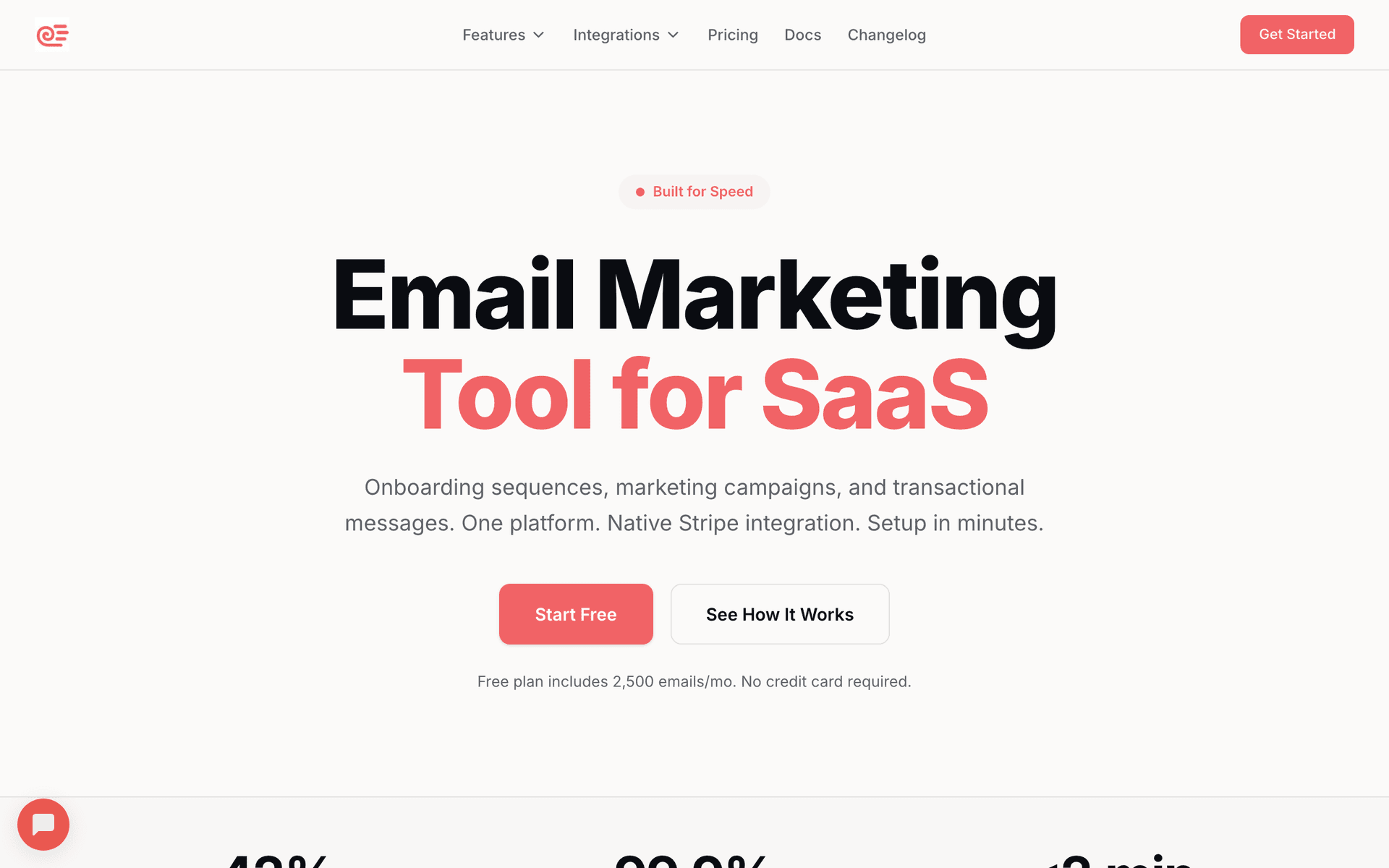
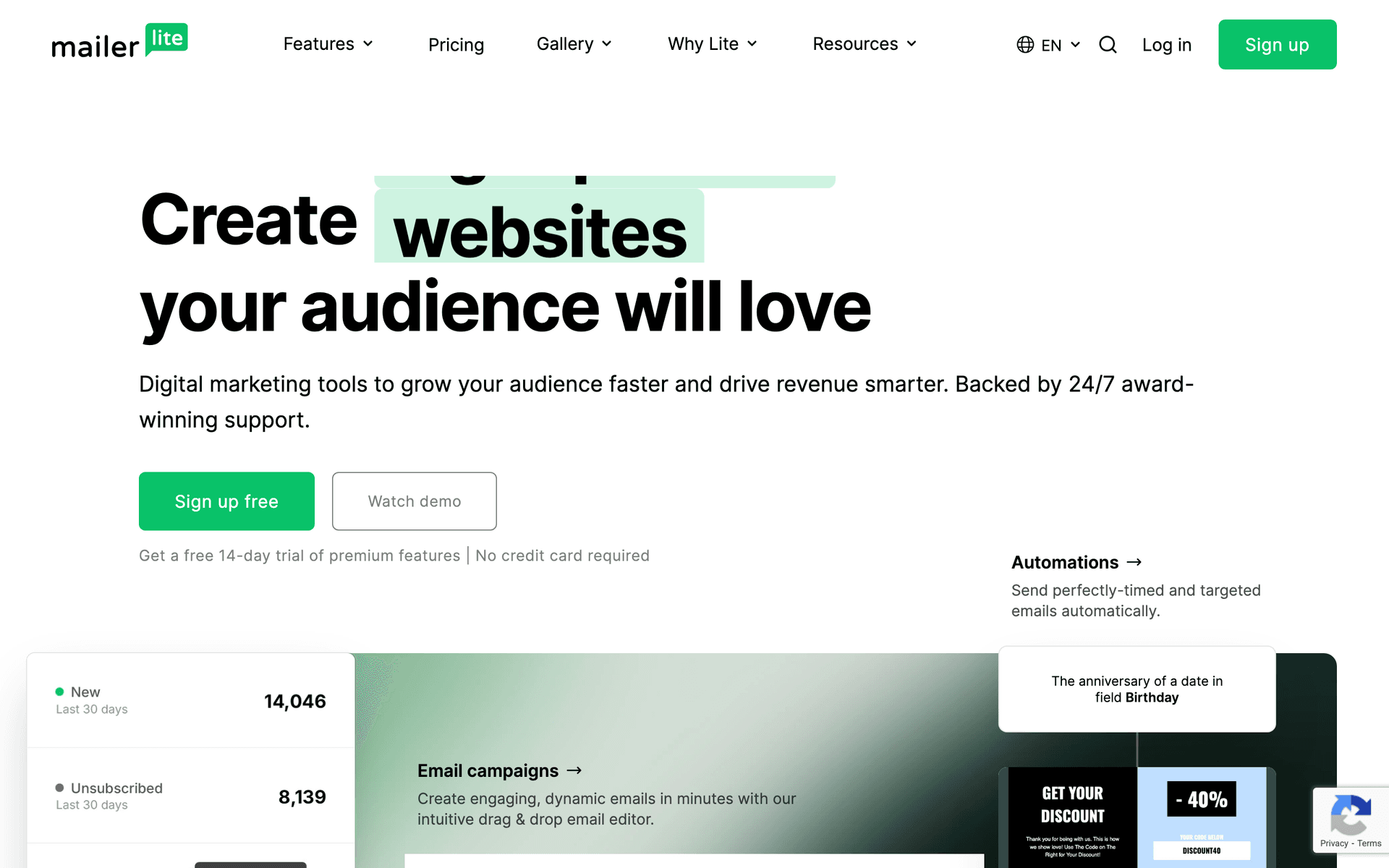
Single-bay and small operations need tools that are phone-friendly and require minimal setup. You are the mechanic, the service advisor, and the marketing department. Look for platforms with AI-generated sequences and simple interfaces - Sequenzy and MailerLite fit this profile best.
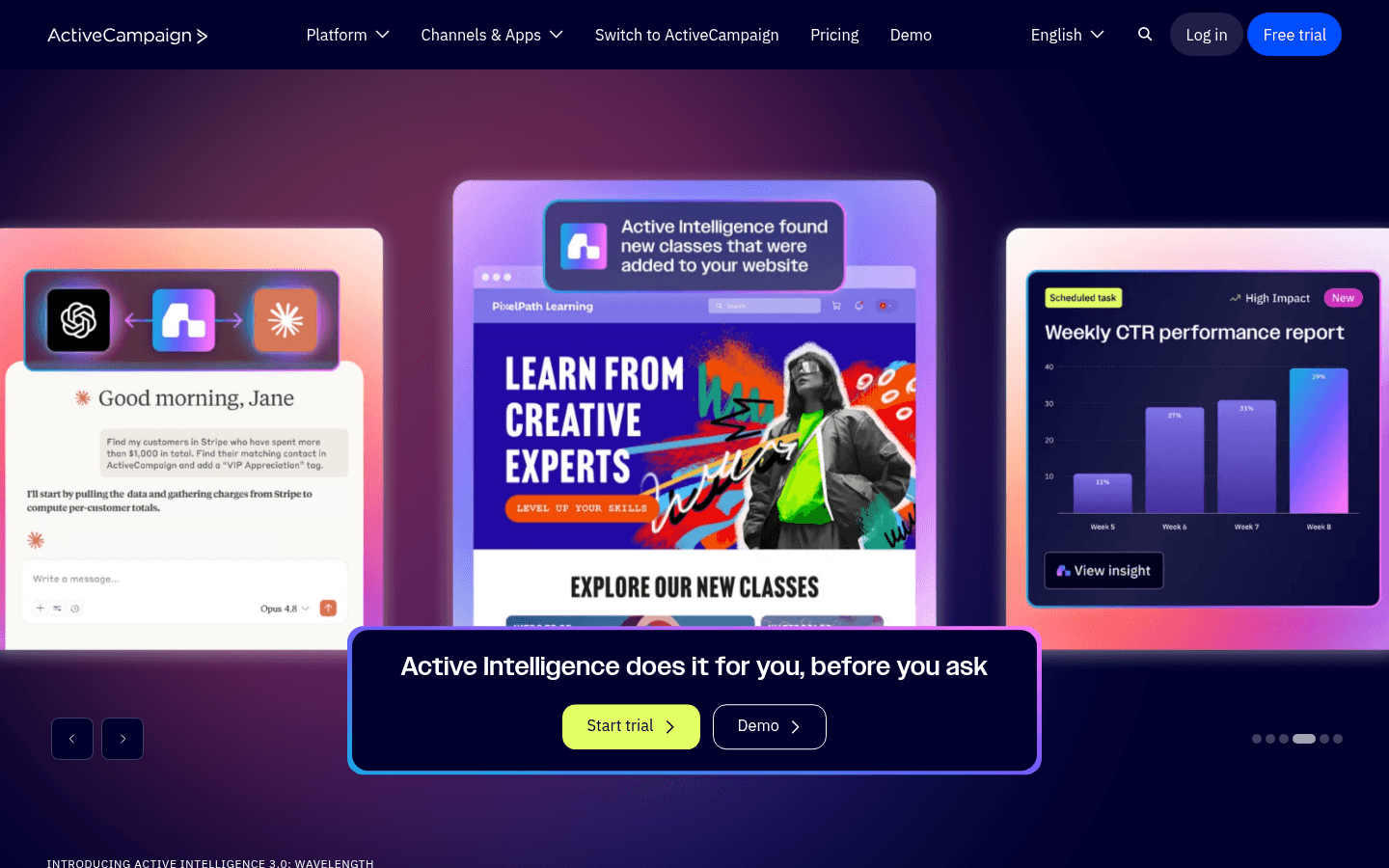
Multi-bay shops with front desk staff can handle more complexity and benefit from CRM features. Having someone dedicated to customer communication makes platforms like ActiveCampaign worthwhile because the setup investment pays off with better customer tracking and segmentation.
Multi-location operations need centralized management with per-location customization. ActiveCampaign or HubSpot handle this well, though HubSpot's cost is only justified for larger franchise networks.
Quick Decision Framework
| Shop situation | Best tool direction | Why it fits | First workflow |
|---|---|---|---|
| Tight budget or just starting | MailerLite or Sequenzy free tier | Covers basic reminders without adding cost | Oil change reminder |
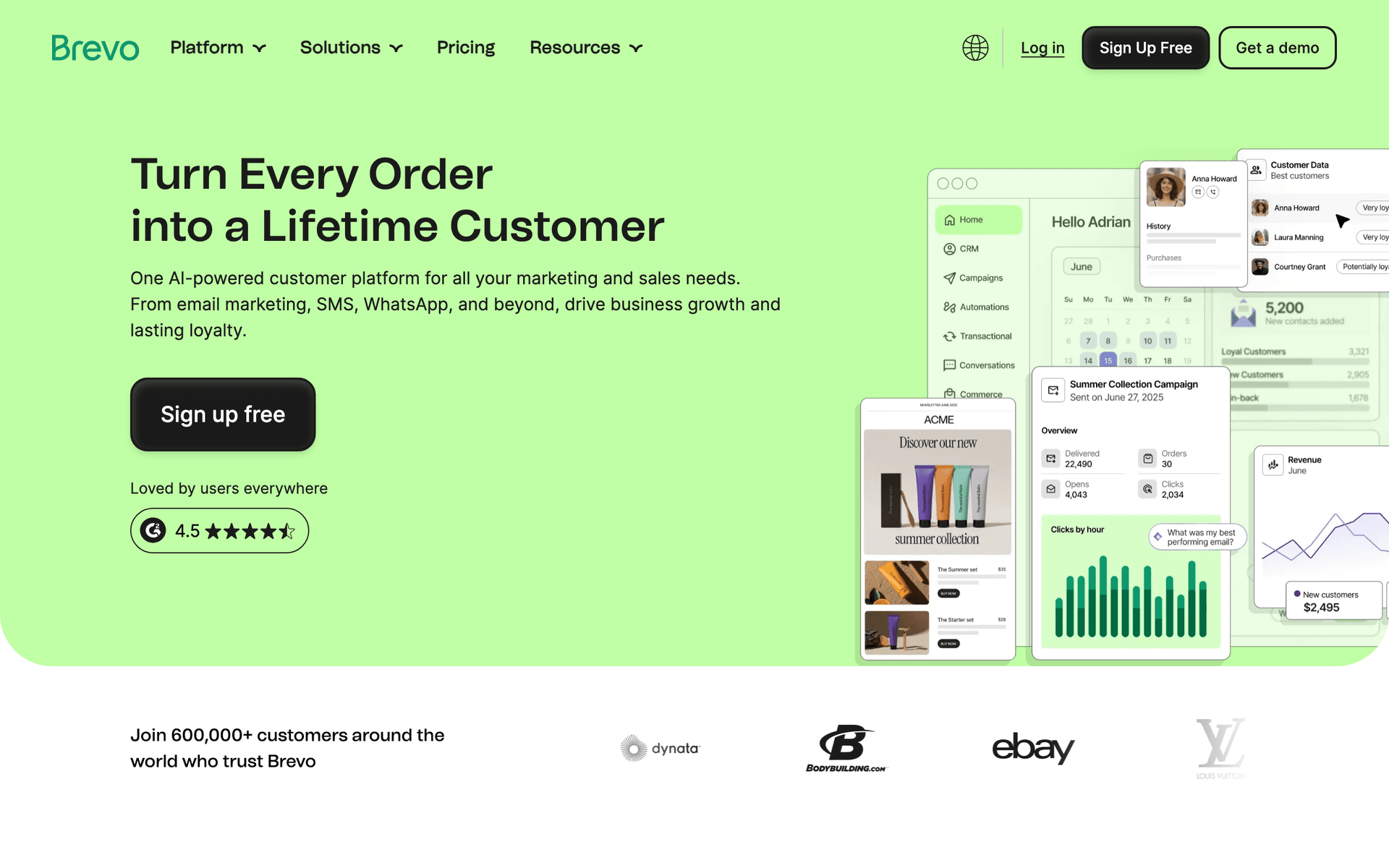
| Email plus SMS needed | Brevo | Combines marketing email with time-sensitive texts | Appointment reminders |
| Dedicated office staff | ActiveCampaign | CRM and advanced automation can be maintained | Service history segmentation |
| Simplest setup wanted | Sequenzy | AI-generated service sequences reduce setup work | Post-repair follow-up |
| Large customer database, moderate sends | Pay-per-email platform | Avoids paying for dormant contacts | Seasonal campaigns |
Best Fit by Auto Repair Workflow
Best email marketing tool for oil change and maintenance reminders
Sequenzy is the strongest fit when the shop wants reminders written and scheduled quickly without building every sequence from scratch. It works well for oil changes, tire rotations, brake checks, seasonal inspections, and other predictable repeat-service messages.
Best email marketing tool for appointment reminders and pickup texts
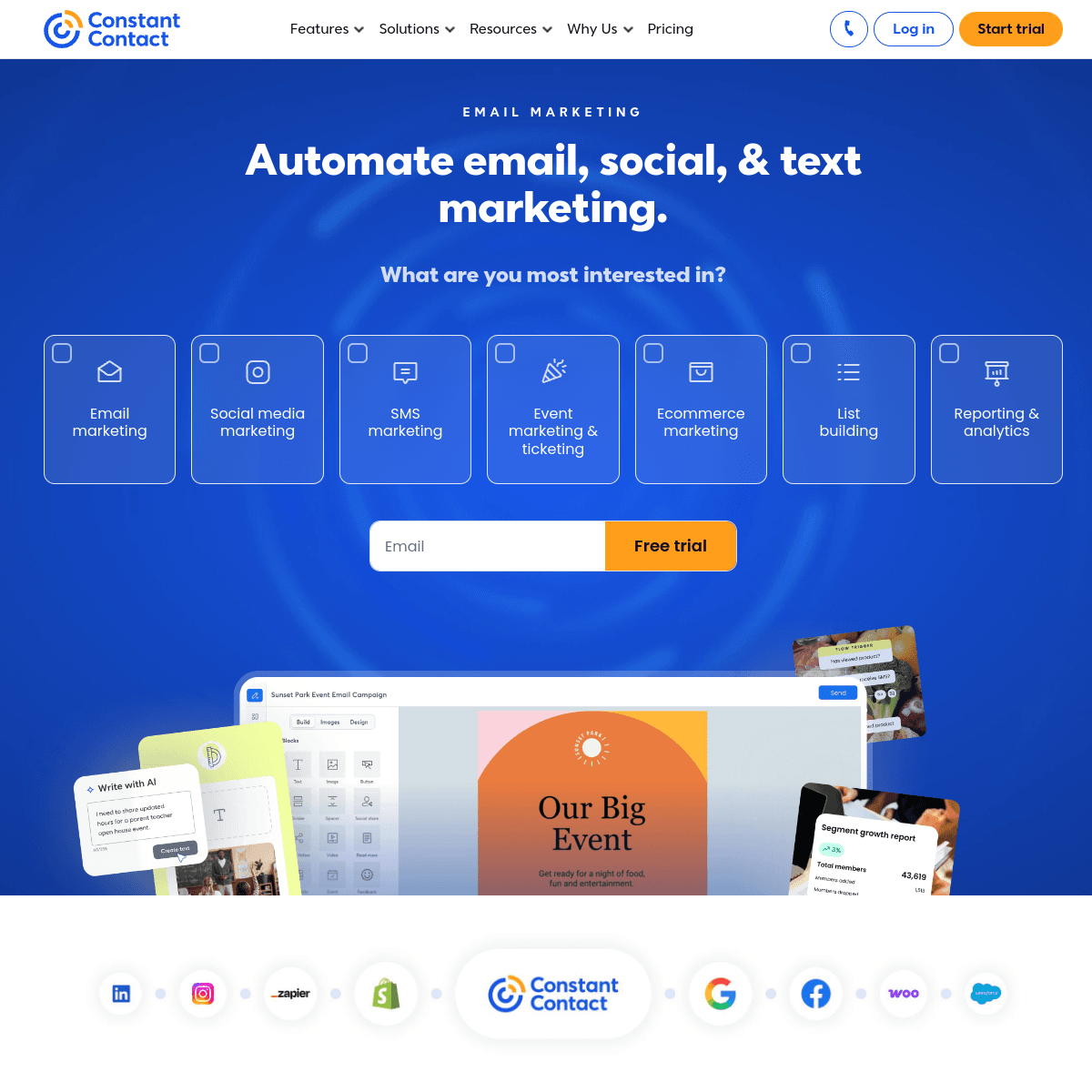
Brevo is the better fit when the shop wants email campaigns plus SMS reminders in the same platform. Use it for appointment confirmations, "your car is ready" notices, and time-sensitive service updates where customers may not check email fast enough.
Best email marketing tool for multi-location repair shops
ActiveCampaign fits larger operations with front-desk staff, separate locations, service histories, and more complex customer segments. The extra setup only pays off when someone owns the CRM and automation process.
What Actually Works for Auto Repair Shops
These strategies consistently drive revenue for repair shops that implement them.
Service Reminders Are Your Revenue Engine
Automated service reminders are the single highest-ROI email type for auto repair shops. A well-timed reminder sequence for oil changes alone can drive 12-20% of recipients to book. Multiply that across tire rotations, brake inspections, and seasonal services, and reminders become your most reliable revenue generator. Set up separate reminder tracks for each major service type with appropriate timing intervals.
Post-Repair Follow-Up Builds Trust and Reviews
Following up within 48 hours after any repair builds trust faster than any marketing campaign. A simple "how is your vehicle running?" email catches problems early, shows you care about quality, and creates a natural opening for a review request. Shops that implement systematic post-repair follow-up see 3-4x more Google reviews than those that do not.
Seasonal Campaigns Fill Slow Periods
Winter prep, spring AC checks, summer road trip inspections, and fall brake services create natural campaign opportunities throughout the year. Start seasonal promotions 6 weeks before the season - earlier than you think is necessary. Early bookings spread the work out and reduce the feast-or-famine cycle.
Educational Content Overcomes Trust Barriers
Auto repair has a perception problem - many customers assume shops recommend unnecessary work. Counter this with educational emails that explain why services matter without selling anything. A monthly email about "what happens when you skip a timing belt replacement" or "signs your brakes need attention" builds the expertise trust that turns skeptical visitors into loyal customers.
Integration Recommendations for Repair Shops
Shop Management Software
If you use Mitchell, ShopWare, Tekmetric, or another shop management system, check whether your email platform can receive data from it. The ideal setup pulls service dates and vehicle information from your shop management system to trigger email reminders automatically. Some require middleware like Zapier to connect.
Online Scheduling
Connect your email booking links to your online scheduling system. Every email should have a one-tap link to book an appointment. The fewer steps between reading the email and confirming an appointment, the more bookings you will get.
Google Business Profile
Tie your post-repair follow-up emails to Google review requests. A direct link to your Google Business Profile review page in the follow-up email makes leaving a review effortless. More reviews improve your local search visibility for "auto repair near me" searches.
Common Workflows That Drive Revenue
The Maintenance Reminder System
Set up separate automated sequences for each major service:
| Service reminder | Timing | Customer value | Shop value |
|---|---|---|---|
| Oil changes | 4.5 months, 5.5 months, 6.5 months | Prevent engine wear and missed maintenance | Reliable repeat bookings |
| Tire rotations | Every 6 months | Extend tire life and improve safety | Brings customers back between major repairs |
| Brake inspections | Annually or when mileage indicates | Catch safety issues early | Creates trust and higher-value work |
| Major milestones | 30K, 60K, and 90K miles | Keep the vehicle on schedule | Larger maintenance tickets |
| Seasonal prep | 6 weeks before season change | Avoid weather-related failures | Fills slow periods with preventive work |
The Trust-Building Post-Repair Flow
- Same day: Service summary with what was done and what was inspected
- Day 2-3: "How is everything running?" satisfaction check
- Day 7-10: Review request (only if previous email was opened or clicked)
- Day 30: Educational content about upcoming maintenance needs
The Win-Back Campaign
- 6 months since last visit: Friendly check-in with a seasonal maintenance checklist
- 7 months: Vehicle safety tip related to their car's mileage
- 8 months: Direct offer - free inspection or discounted oil change to come back
What a Healthy Email Program Looks Like for Repair Shops
After 1-2 years of consistent email collection and marketing, a healthy repair shop email program should look like this:
| Metric | Healthy benchmark | What it tells you | Improve it by |
|---|---|---|---|
| List size | 1,000-5,000 contacts | Enough reach for meaningful reminder volume | Collect email on every repair order and estimate |
| Monthly growth | 30-80 new contacts | Intake process is working | Train advisors to ask during check-in |
| Open rate | 25-32% | Subject lines and sender trust are healthy | Use service, vehicle, and timing specificity |
| Service reminder conversion | 12-20% book | Reminders are driving appointments | Tune timing by service interval |
| Unsubscribe rate | Under 0.3% | Frequency and relevance are acceptable | Segment by service history |
| Email-attributed appointments | 15-25% | Email is a real revenue channel | Add seasonal and win-back flows |
If your list is under 500 contacts, prioritize email collection from every customer interaction before investing in complex automation. A simple welcome email and monthly newsletter serve you well while you build the list.
Getting Started This Week
Pick a tool from this list. Then follow this plan:
- Import your customer list from your shop management system, spreadsheets, or wherever you store customer data
- Set up service reminder automation for your most common service (usually oil changes) based on time since last service
- Create a post-repair follow-up sequence that checks in on satisfaction and requests a review
- Plan your next seasonal campaign for whatever season is approaching
- Train your service advisors to collect emails from every customer interaction
Start with these foundations. They run on autopilot and generate bookings while you focus on turning wrenches. Add complexity and refinement after the basics are working.