




How to Choose the Right Email Tool for Your Acupuncture Practice
Choosing an email marketing platform as an acupuncturist comes down to three factors that matter more than feature lists.
Practice size determines complexity needs
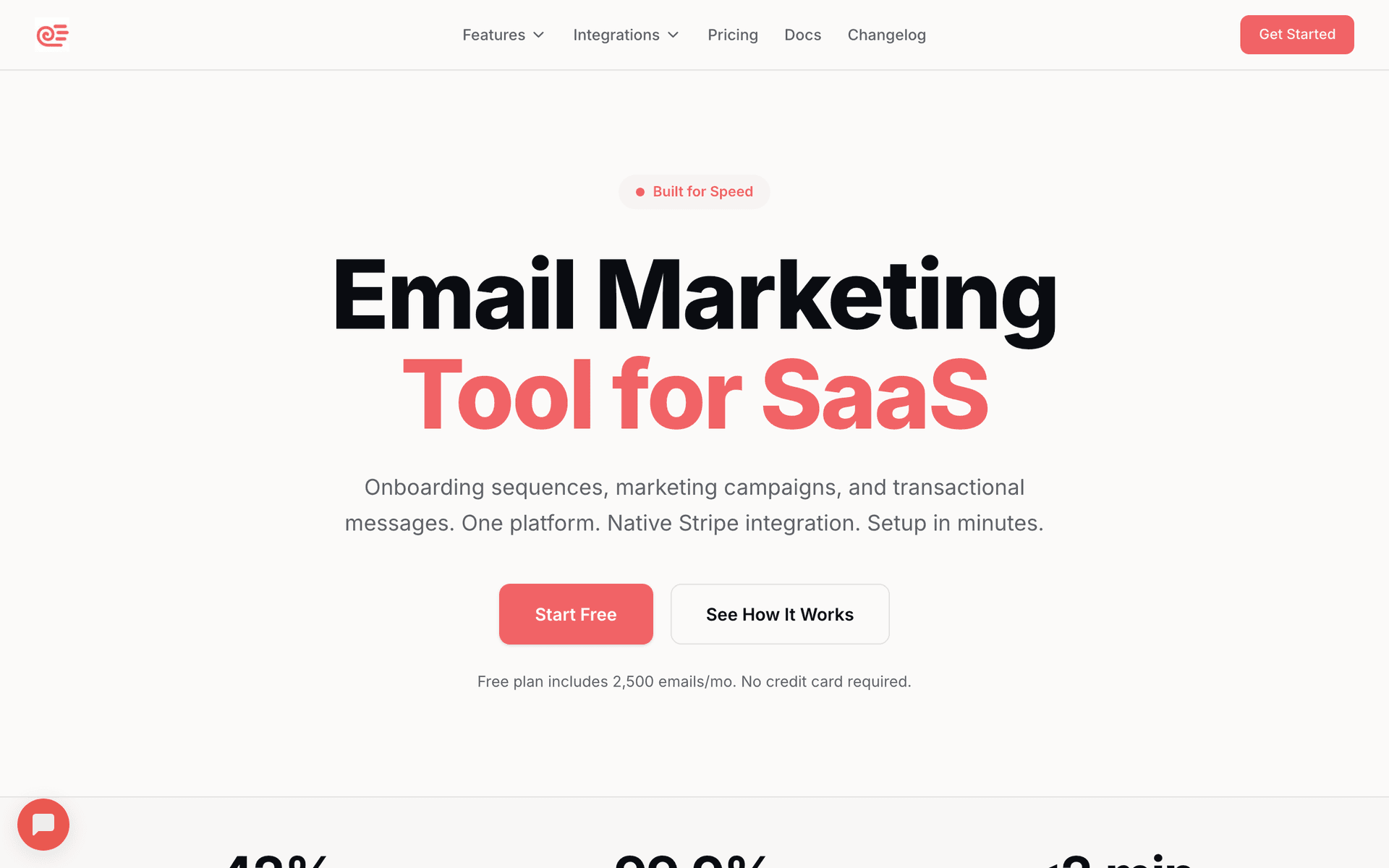
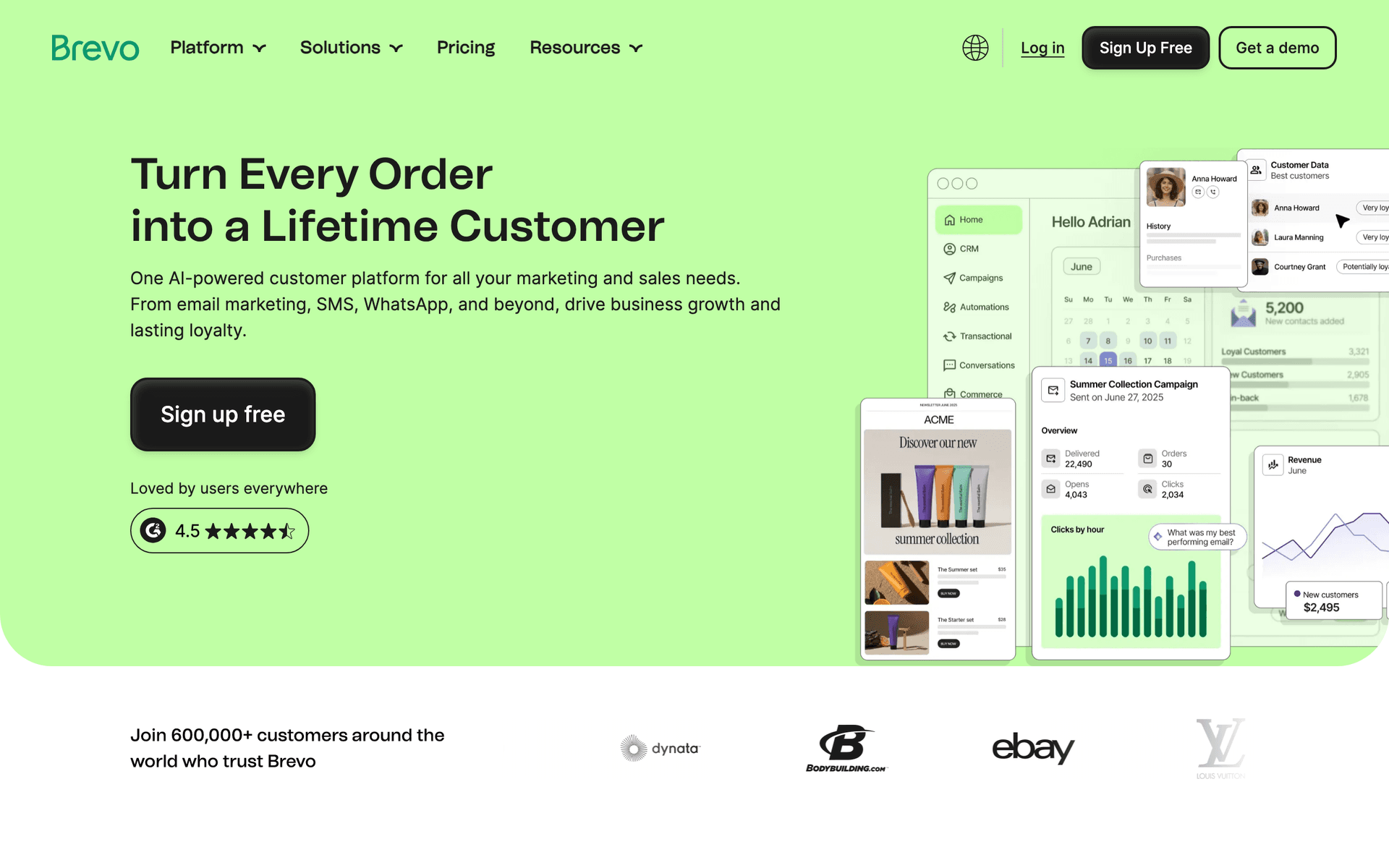
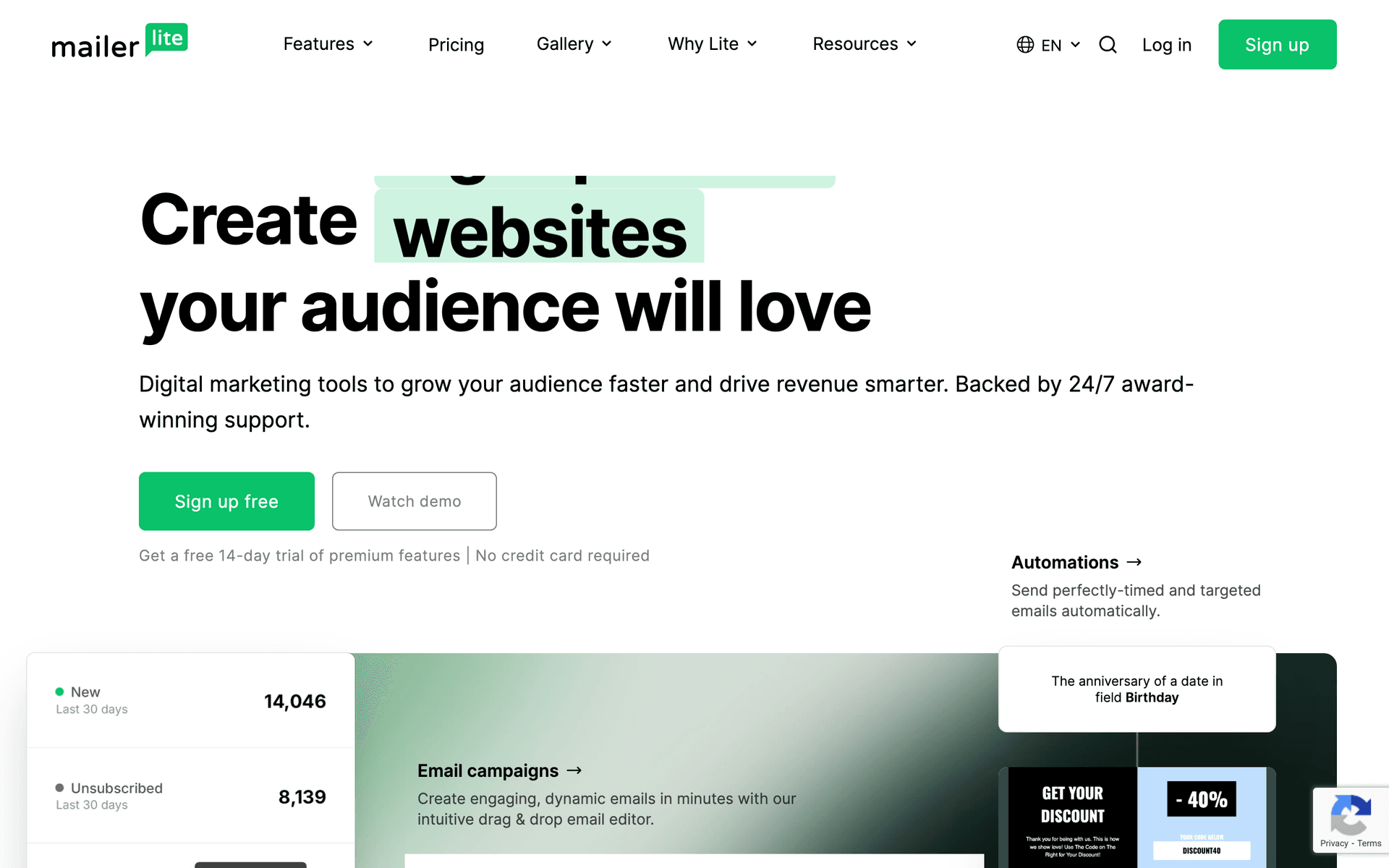
Solo practitioners running a single-room practice need simple tools they can manage in 15 minutes per week between patients. Sequenzy, MailerLite, or Brevo fit this profile perfectly. You should not be spending more time on email marketing than you spend with a patient.
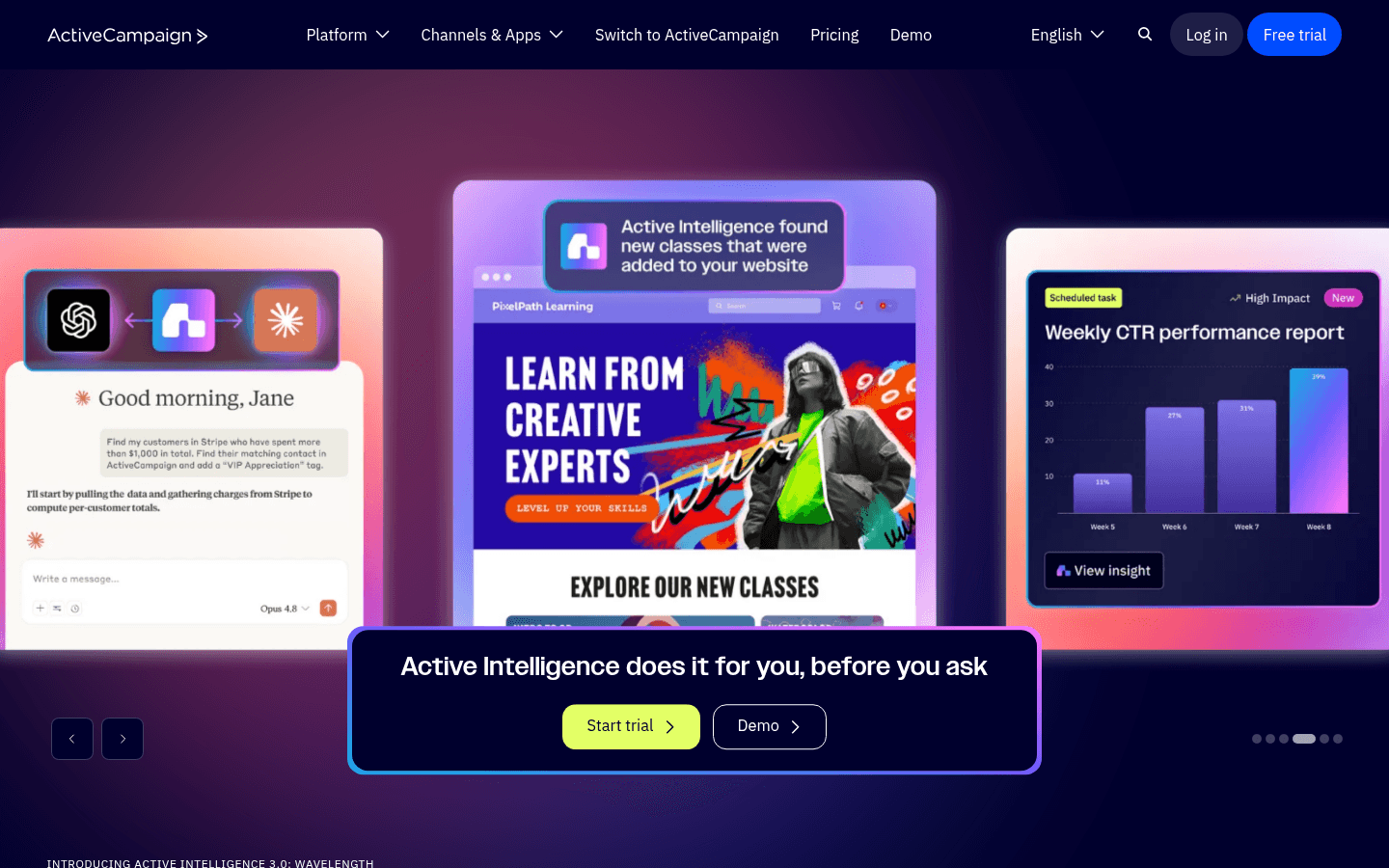
Multi-practitioner clinics with front desk staff can benefit from more structured tools like ActiveCampaign, where patient tagging, automated follow-ups, and CRM tracking help manage a larger patient volume systematically.
| Practice setup | Tool need | Best first sequence | Keep it simple by |
|---|---|---|---|
| Solo practitioner | Fast editor, reminders, basic tags | New patient aftercare and rebooking | Writing one monthly wellness note instead of weekly campaigns |
| Multi-practitioner clinic | Shared contact records and condition tags | Treatment-plan adherence reminders | Using standard templates across practitioners |
| Specialty clinic | Condition-specific segments | Fertility, pain, anxiety, or migraine education series | Tagging by treatment goal at intake |
| Wellness practice with products | Email plus simple ecommerce tracking | Herbal formula education and reorder prompts | Separating educational content from product offers |
Your wellness philosophy should show in your emails
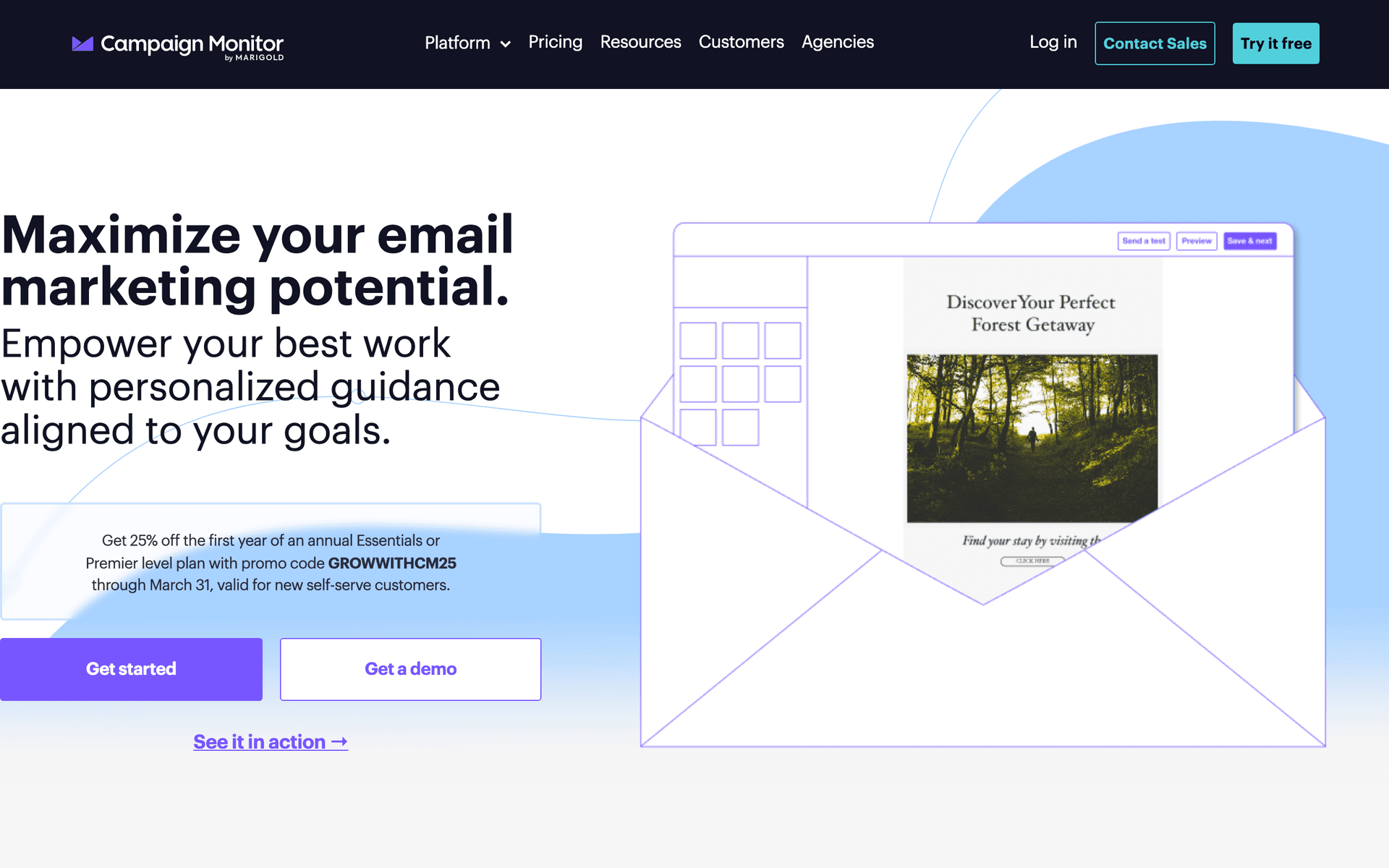
Your email marketing is an extension of your practice. The visual design, tone, and content should reflect the holistic, patient-centered approach that defines acupuncture. Choose a platform that produces clean, calm-looking emails - not flashy corporate templates. MailerLite and Campaign Monitor excel at this aesthetic. Sequenzy keeps designs simple and professional.
Budget reality for wellness practitioners
Most acupuncture practices run lean. Calculate your email tool cost at your actual patient list size - not the starting price. A practice with 2,000 past and current patient contacts pays $30-$50/month on per-contact platforms but only $49/month on Sequenzy (or $0 on the free tier if you send fewer than 2,500 emails monthly). Over a year, the difference funds several continuing education courses.
What Actually Works for Acupuncturists
Seasonal content is your unique advantage
No other healthcare provider sends content aligned with the Five Element theory and seasonal transitions. Your spring liver support email, summer heart health tips, and autumn lung care guidance are content that only an acupuncturist can offer. Patients find this fascinating and genuinely useful. Build your entire content calendar around the four seasons and you have a year of compelling, unique email content.
Education builds treatment commitment
Patients who understand why acupuncture works are more committed to their treatment plans. Use email to educate between sessions - how meridians relate to their specific condition, what research says about acupuncture for their complaint, and what lifestyle factors support their treatment. This education reduces no-shows by 20-30% because patients understand the value of consistency.
Gentle persistence brings patients back
Life gets busy. Patients mean to rebook but forget. A gentle email 7 days after a missed appointment - not pressuring, just caring - brings many patients back. "We noticed you missed your last session. Everything okay? Here is a link to rebook when you are ready." This simple automation recovers significant revenue over a year.
Building Your Acupuncture Email Strategy
The four essential automations every practice needs
| Automation | Trigger | Timing | Patient benefit |
|---|---|---|---|
| New patient welcome | First appointment completed | Same day, then 48 hours later | Aftercare guidance and confidence about what to expect |
| Treatment plan reminders | Upcoming appointment or recommended cadence | 2-3 days before the next session | Better adherence and fewer missed appointments |
| Missed appointment follow-up | No-show or canceled visit without rebooking | Within 48 hours | Caring nudge with an easy path back |
| Seasonal wellness series | Equinox, solstice, or seasonal transition | 1-2 weeks before the season changes | Practical TCM-aligned tips and seasonal tune-up bookings |
Monthly content that builds your practice
Between seasonal emails, maintain monthly contact with a brief wellness newsletter. Include one actionable health tip, one brief update about your practice, and one invitation (book a session, attend a workshop, try a new treatment). Keep it under 300 words. Patients appreciate brevity and value.
Condition-specific sequences for common treatments
Build 4-6 email sequences for your most common treatment areas - chronic pain, fertility, stress and anxiety, digestive health, migraine, and insomnia. When a new patient comes in for a specific concern, tag them and trigger the relevant educational series. These sequences build confidence in the treatment plan and position you as an expert in their specific condition.
Integration Recommendations for Acupuncture Practices
Your email tool should complement your existing practice software:
- Practice management software (Jane App, Cliniko, SimplePractice): Some email tools integrate with practice management systems to sync patient data. Check if your practice software offers email integration before choosing a platform.
- Booking system: Include direct booking links in every reminder email. If your booking system generates a shareable link, add it to your email templates.
- Payment processor: If you sell herbal products or wellness packages, tools with payment integration (like Sequenzy with Stripe) track which emails drive purchases.
What a Healthy Patient Email List Looks Like
A well-maintained acupuncture practice email list typically includes:
| Patient segment | Typical share | Best content | Email goal |
|---|---|---|---|
| Active patients | 30-40% | Appointment support, condition education, seasonal wellness | Complete the treatment plan |
| Inactive patients | 30-40% | Seasonal tune-ups, gentle rebooking, new service updates | Bring previous patients back |
| Prospects | 10-20% | How acupuncture works, first-visit expectations, condition guides | Reduce hesitation and book the first visit |
| Referral contacts | 5-10% | Specialty highlights and professional updates | Encourage practitioner and patient referrals |
Clean your list annually by removing contacts who have not opened any email in 12 months. Before removing, send a re-engagement email offering a seasonal wellness tip and asking if they want to stay subscribed. A smaller, engaged list performs better than a large, inactive one.
Healthy growth for an acupuncture practice email list is 15-25% per year, driven primarily by new patient intake, website signups, and referrals.