Updated 2026-03-15

Best Email Marketing Tools for Wineries

Grow your wine club, promote new releases, and fill your tasting room with the right email marketing platform.

Running a winery means balancing production with direct-to-consumer sales. You need to keep wine club members engaged, announce new releases, promote events, and bring visitors back to your tasting room. Email marketing is your direct line to wine enthusiasts who love your brand. But most email tools are built for generic businesses. Here are 13 platforms that actually work for wineries, ranked by ease of use, automation features, and value for money.

TL;DR

For most wineries, Sequenzy offers the best value - AI-generated wine club sequences and release announcements starting free for up to 2,500 emails/mo, with pay-per-email pricing that works well for wineries with large customer databases built over years. MailerLite is the best budget alternative with a generous free tier and clean interface that winery staff can manage between tastings.

Why Wineries Need Email Marketing

Retain Wine Club Members

Wine clubs are your recurring revenue. Email keeps members engaged between shipments and reduces churn.

Announce New Releases

New vintages and limited releases deserve excitement. Email builds anticipation and drives pre-orders.

Fill Your Tasting Room

Weekends and events need visitors. Email drives reservations and brings past guests back.

Build Loyalty Beyond the Bottle

Share your story, vineyard updates, and winemaker notes. Email creates connection that builds brand loyalty.

Wineries Email Marketing Benchmarks

Know these numbers before you start. They'll help you set realistic goals and pick the right tool.

30-40%
Average Open Rate

Wineries typically see higher open rates than most industries because wine club members are genuinely interested in the content. Shipment previews and new release announcements regularly exceed 40%.

3-6%
Average Click Rate

Click rates vary by email type. New release announcements with purchase links see 5-6%. Monthly newsletters average 3-4%. Event invitations with RSVP links perform best at 6-8%.

Thursday or Friday, 5-7pm local time
Best Send Time

Wine-related emails perform best in the late afternoon and early evening when people are thinking about dinner and weekend plans. Thursday and Friday outperform other days for purchase-oriented emails.

70-80% annually
Wine Club Retention Rate

Well-run wine clubs retain 75-80% of members year over year. Email engagement is the strongest predictor of retention - members who open emails regularly are 3x less likely to cancel than those who stop opening.

Important Tips Before You Choose

Lessons from winerieswho've been doing this for years. Save yourself the trial and error.

Build anticipation for shipments with a 3-email preview sequence

Send a teaser 3 weeks before shipment with the winemaker's notes, a detailed preview 1 week before with food pairing suggestions, and a shipping confirmation on send day. Members who know what is coming are less likely to skip or cancel their shipment.

Photograph every stage of the winemaking process for email content

Harvest, crush, barrel, bottling - each stage makes compelling email content that connects members to your wine's story. Schedule a monthly behind-the-scenes email featuring whatever stage you are in. This content performs better than promotional emails and costs nothing to create.

Segment by red vs white preference and club tier

Track what each member drinks and segment accordingly. Red-only members do not need to hear about your new Sauvignon Blanc, and your all-inclusive club members want first access to limited releases. This simple segmentation dramatically improves click rates.

Use limited-quantity messaging honestly

If you only produced 200 cases of a wine, say so. Real scarcity drives urgency. Fake scarcity ('hurry, selling fast!') on wines you have plenty of damages trust. Wine enthusiasts are sophisticated buyers who know the difference.

Create a tasting room visit follow-up that converts to club memberships

The 48 hours after a tasting room visit is your best conversion window. Send a thank-you email with the wines they tasted, a link to purchase their favorites, and a wine club invitation highlighting member-only benefits. Follow up at day 7 with the club pitch if they did not join.

Send weather and harvest updates during growing season

Wine club members love feeling connected to the vineyard. Short updates about spring bud break, summer heat, or harvest timing make them feel like insiders. These emails have some of the highest open rates because they are genuine and time-sensitive.

13 Best Email Marketing Tools for Wineries

Our Top Pick for Wineries
#1
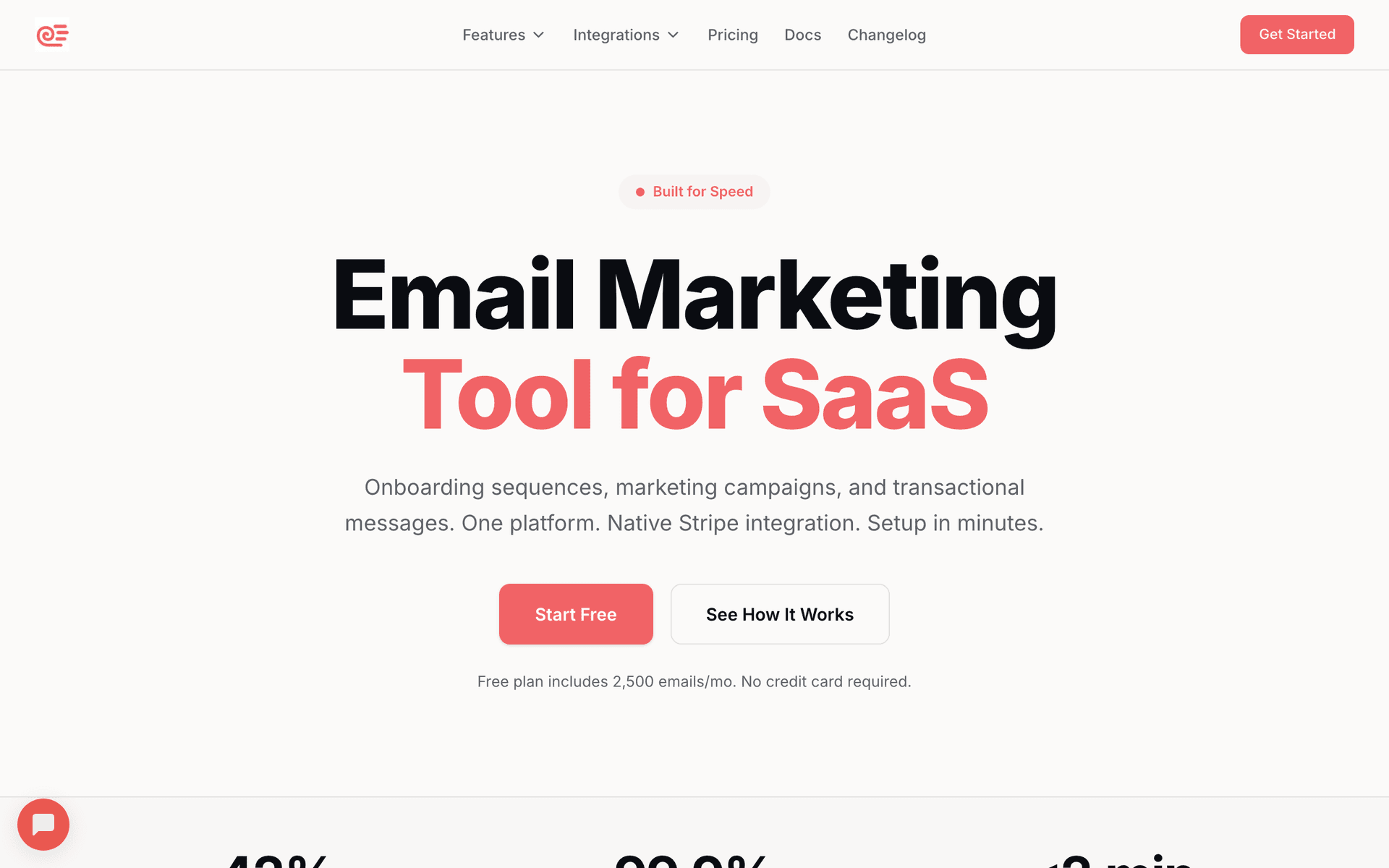
Sequenzy

AI-powered email marketing built for service businesses. Creates member sequences automatically.

Visit

Sequenzy is a strong fit for wineries because the AI sequence builder creates wine club updates, release announcements, and event invitations in seconds - describe what you need and the AI generates a complete email sequence with subject lines, body copy, and timing. This matters for wineries where the person managing email is usually also managing the tasting room, events, and production. The free tier covers up to 2,500 emails per month, which is enough for small wineries with under 500 active contacts to get started at no cost. Pay-per-email pricing at $29/month for 50,000 emails works well for wineries with years of accumulated customer data. Most wineries have collected thousands of emails from tasting room visitors over the years, and per-contact pricing tools charge you for every one of those contacts even if you only email them occasionally. With Sequenzy you only pay for what you actually send. The interface is simple enough to use between tastings, and the direct founder support means you talk to a person, not a chatbot, when you need help.

Best for
Wineries wanting automated member communication without complexity
Pricing
Free up to 2,500 emails/mo, then $29/mo for 50K emails (unlimited contacts)

Pros

  • AI writes release and event sequences
  • Simple interface for winery staff
  • Pay for emails sent, not contacts stored
  • Direct founder support

Cons

  • Launched in 2025, less track record
  • No built-in SMS
  • Fewer templates than established competitors
#2
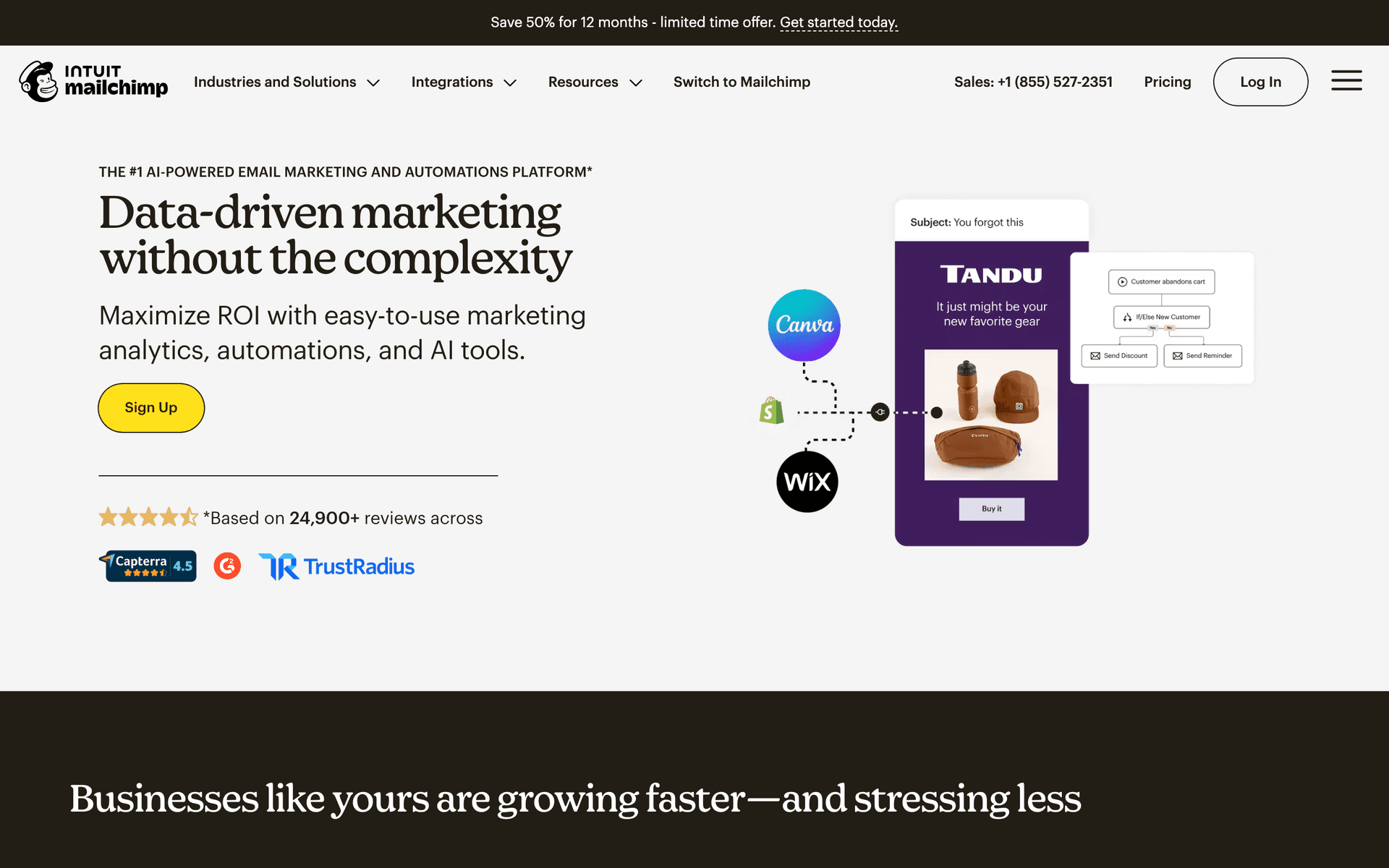
Mailchimp

The most popular email marketing platform. Solid features but can get expensive.

Visit

Mailchimp is the name everyone knows, and many wineries already use it. The visual templates work well for showcasing bottles and vineyards with large image blocks, and the drag-and-drop editor makes it straightforward for non-technical staff. The template library has designs that suit the premium aesthetic wineries need. The frustration comes as your list grows - wineries accumulate thousands of contacts over years of tasting room visits, and Mailchimp's contact-based pricing charges for every one of them. A winery with 5,000 contacts paying $75/month to email them once or twice a month is common. Integration with some e-commerce platforms helps track wine sales, though the automation is basic compared to dedicated e-commerce tools. The free tier at 500 contacts is fine for brand-new wineries but most outgrow it within a year.

Best for
Wineries wanting a well-known platform
Pricing
Free up to 500 contacts, then $13-350/month

Pros

  • Extensive templates
  • Many integrations
  • Strong deliverability
  • Good analytics

Cons

  • Gets expensive fast
  • Interface overwhelming
  • Support has declined
  • Not designed for wineries
#3
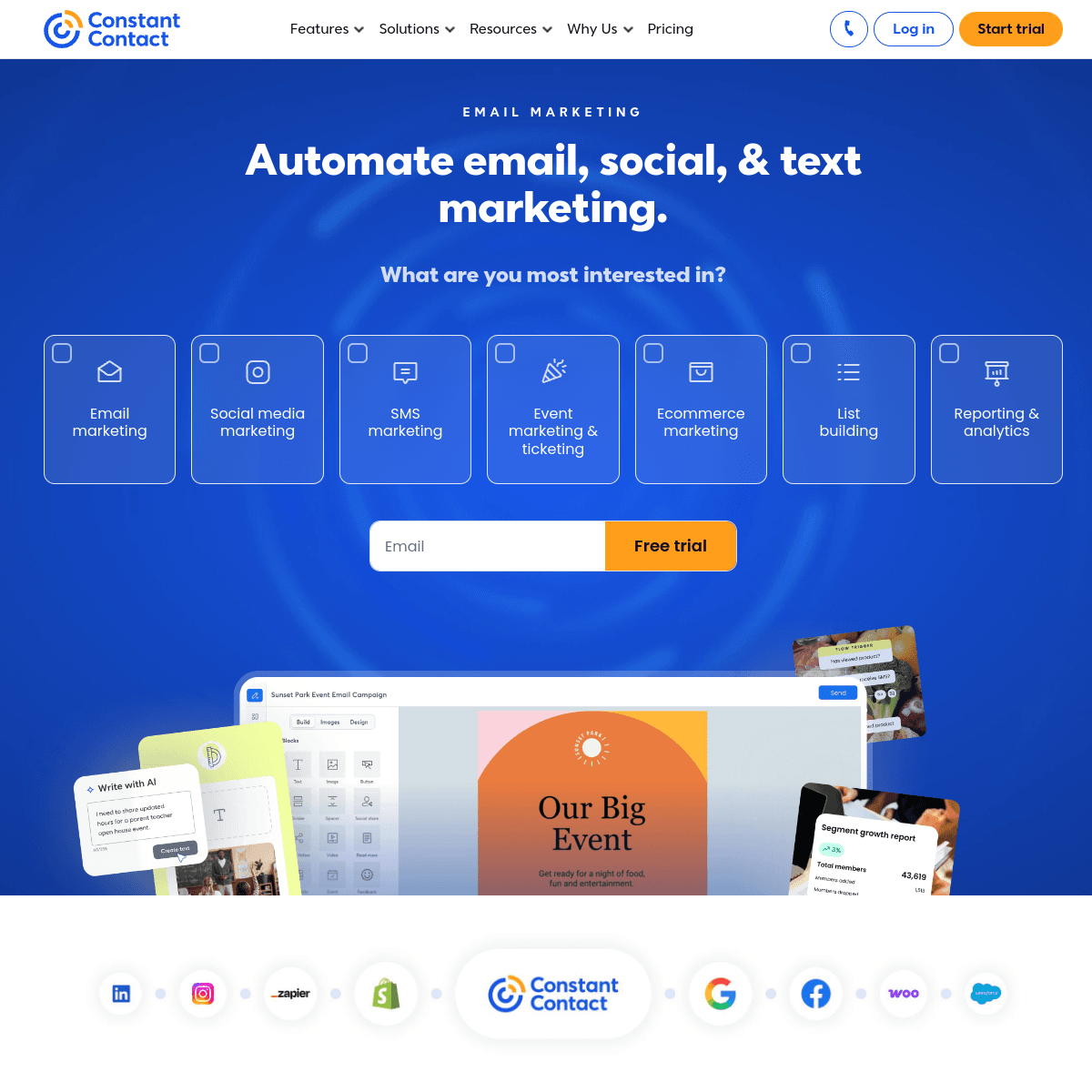
Constant Contact

Long-standing email platform popular with small businesses.

Visit

Constant Contact is reliable and straightforward, which matters for winery teams that do not have a dedicated marketing person. Phone support is genuinely helpful when you need it - you call, talk to a human, and they walk you through your issue. The event management features are a genuine differentiator for wineries that host regular events. You can create event pages, manage RSVPs, send invitations, and track attendance all within the platform. For wine dinners, harvest parties, and tasting events, this saves you from needing a separate event tool. The templates are a bit dated compared to Mailchimp or Campaign Monitor, and the automation is basic - you can set up simple welcome sequences but complex multi-step flows are limited. A bit pricier than alternatives, but the phone support and event features are worth it for wineries that value those.

Best for
Wineries wanting simple email with phone support
Pricing
From $12/month for 500 contacts

Pros

  • Very easy to use
  • Excellent phone support
  • Event management
  • Social integration

Cons

  • Limited automation
  • Dated templates
  • Higher prices
  • Basic segmentation
#4
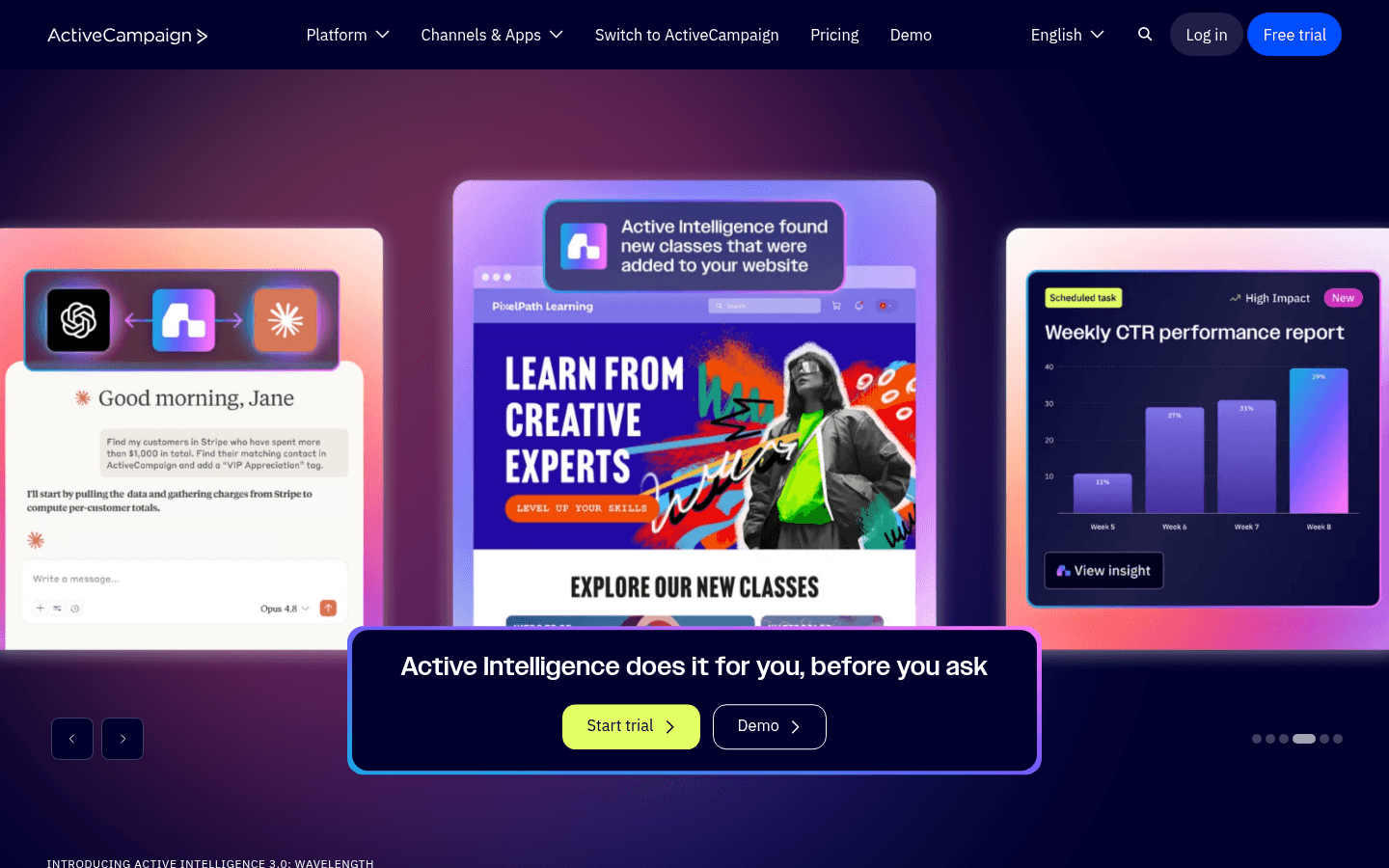
ActiveCampaign

Powerful automation platform with a learning curve.

Visit

ActiveCampaign is the most powerful automation tool on this list, and for larger wineries with dedicated marketing staff, it unlocks sophisticated email strategies. Build sequences based on wine preferences (red, white, sparkling), purchase history (average order value, frequency), club tier (basic, premium, reserve), or event attendance. The automation builder supports complex logic like: if a club member has not opened the last 3 emails AND their shipment is coming up, send a special preview email with a personal note from the winemaker. The CRM included in higher tiers tracks individual customer relationships, which matters for high-value wine club members. For small family wineries without a marketing person, ActiveCampaign is overkill - the learning curve takes weeks and the interface is overwhelming. But for multi-location wineries or estates with a marketing team, the automation depth is unmatched.

Best for
Larger wineries with dedicated marketing staff
Pricing
From $29/month for 1,000 contacts

Pros

  • Excellent automation
  • CRM included
  • Great deliverability
  • Detailed scoring

Cons

  • Steep learning curve
  • Overkill for small wineries
  • Complex interface
  • Price jumps with features
#5
Brevo

Formerly Sendinblue. Good value with transactional email included.

Visit

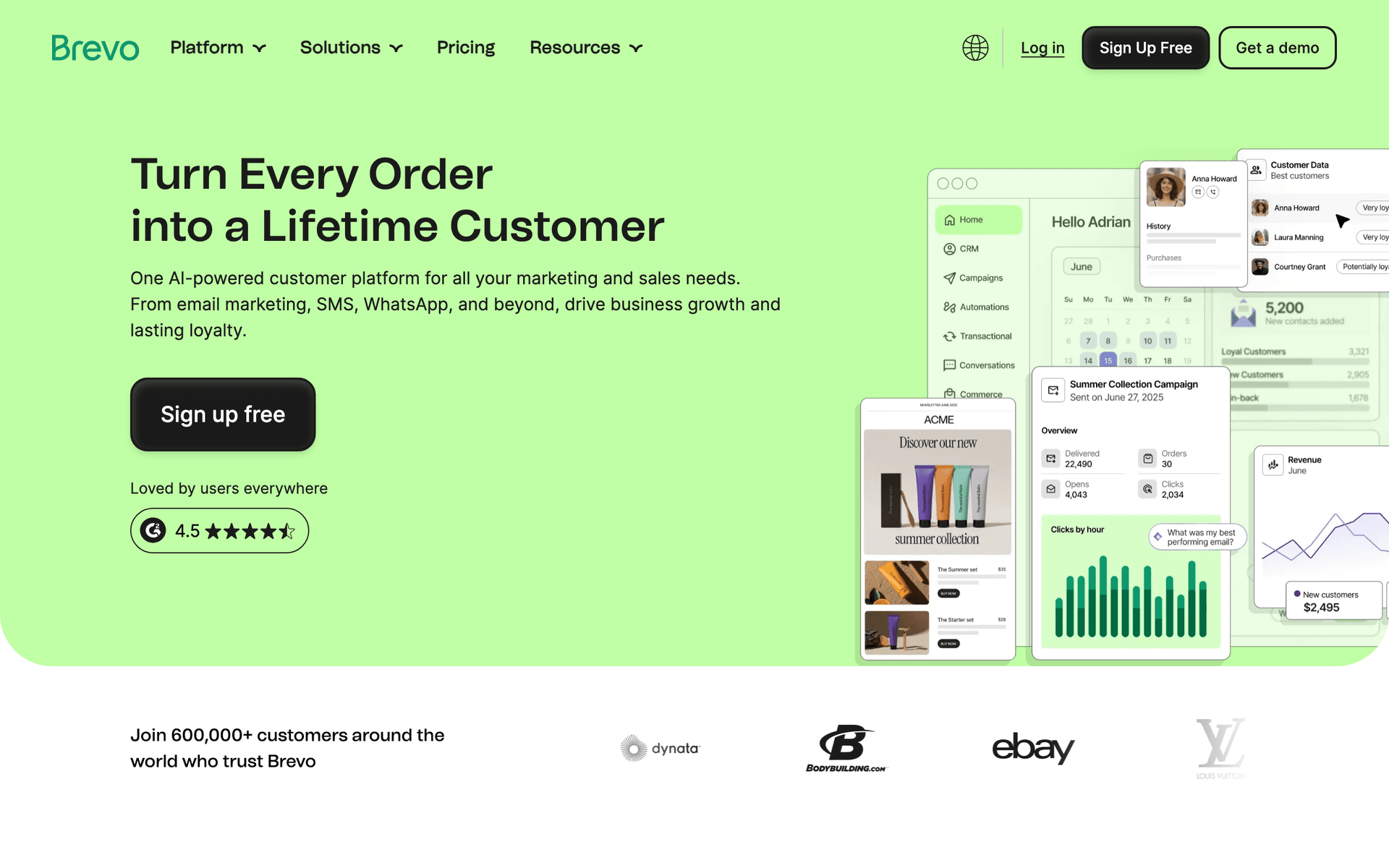
Brevo offers great value for budget-conscious wineries. The free tier gives 300 emails per day, which covers most small winery needs. SMS is included for time-sensitive messages like last-minute event openings, shipment notifications, or tasting room closures due to weather. For wineries wanting email and SMS in one platform without paying premium prices, Brevo is the best option. The automation is solid for the price - you can set up welcome sequences, shipment reminders, and event promotions. The transactional email feature handles order confirmations and shipping notifications without needing a separate tool. The interface is not as polished as Mailchimp and the template selection is smaller, but the value per dollar is hard to beat.

Best for
Budget-conscious wineries needing email and SMS
Pricing
Free up to 300 emails/day, then from $25/month

Pros

  • SMS included
  • Generous free tier
  • Transactional included
  • Good automation

Cons

  • Daily limits on free
  • Support can be slow
  • Limited integrations
  • Branding on free tier
#6
MailerLite

Clean, simple email marketing with good automation.

Visit

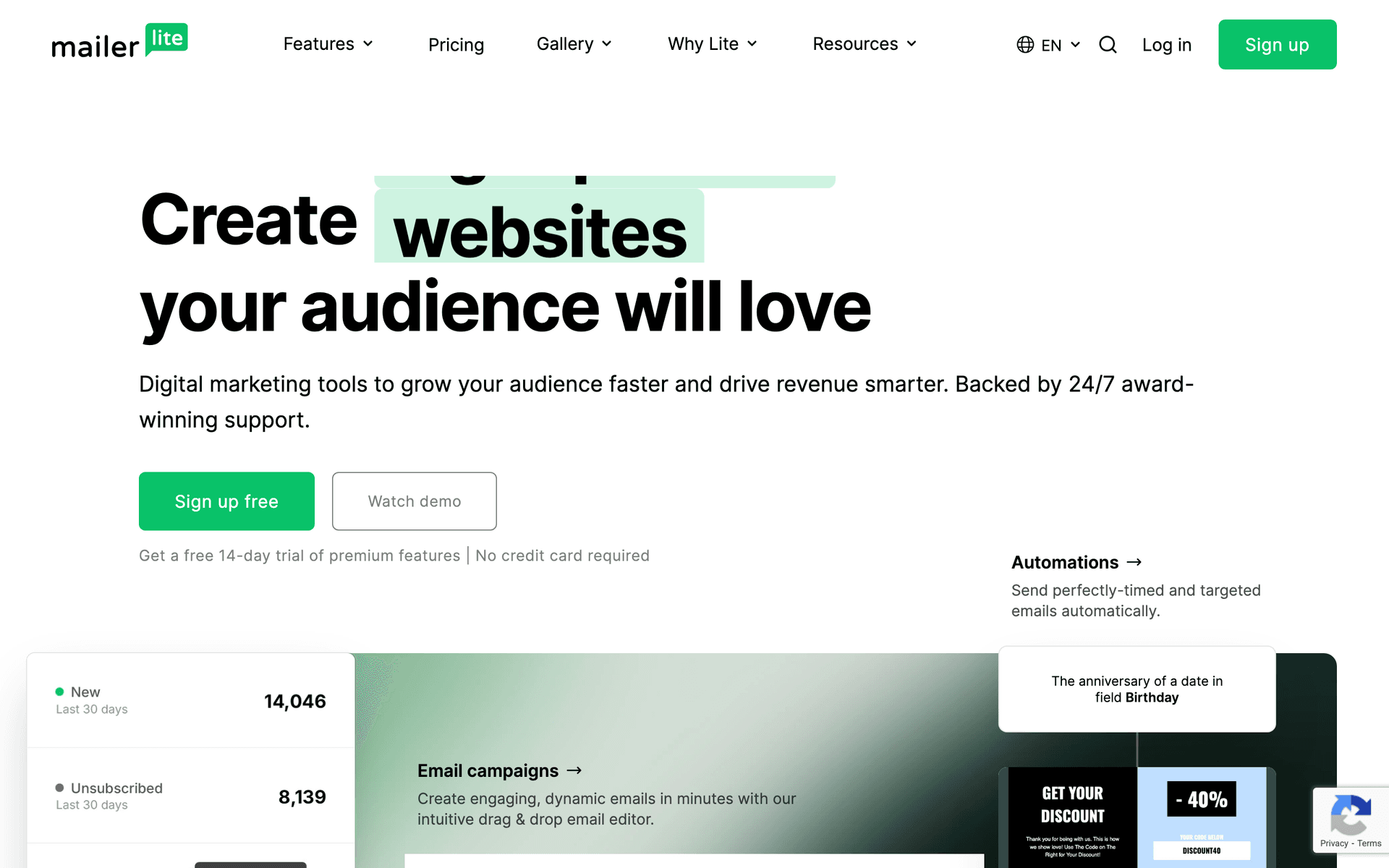
MailerLite is the recommendation for wineries wanting simplicity and affordability without sacrificing quality. The interface is the cleanest on this list - no clutter, no unnecessary features, just email marketing that works. The free tier at 1,000 subscribers is generous enough for small wineries starting out. Automation capabilities are real - you can build welcome sequences, anniversary emails, and event promotion flows with the visual builder. The landing page builder works well for event signups and club registration pages. Where MailerLite falls short is in advanced segmentation and CRM features. For wineries with complex club tier structures or large marketing teams, it is too simple. But for family wineries and small producers who need email to work without requiring a marketing degree, MailerLite is the sweet spot.

Best for
Wineries wanting simplicity and affordability
Pricing
Free up to 1,000 subscribers, then from $10/month

Pros

  • Very affordable
  • Clean interface
  • Good landing pages
  • Generous free tier

Cons

  • Strict approval
  • Limited advanced features
  • Basic reporting
  • Approval can take time
#7
Drip

E-commerce focused. Great for online wine sales.

Visit

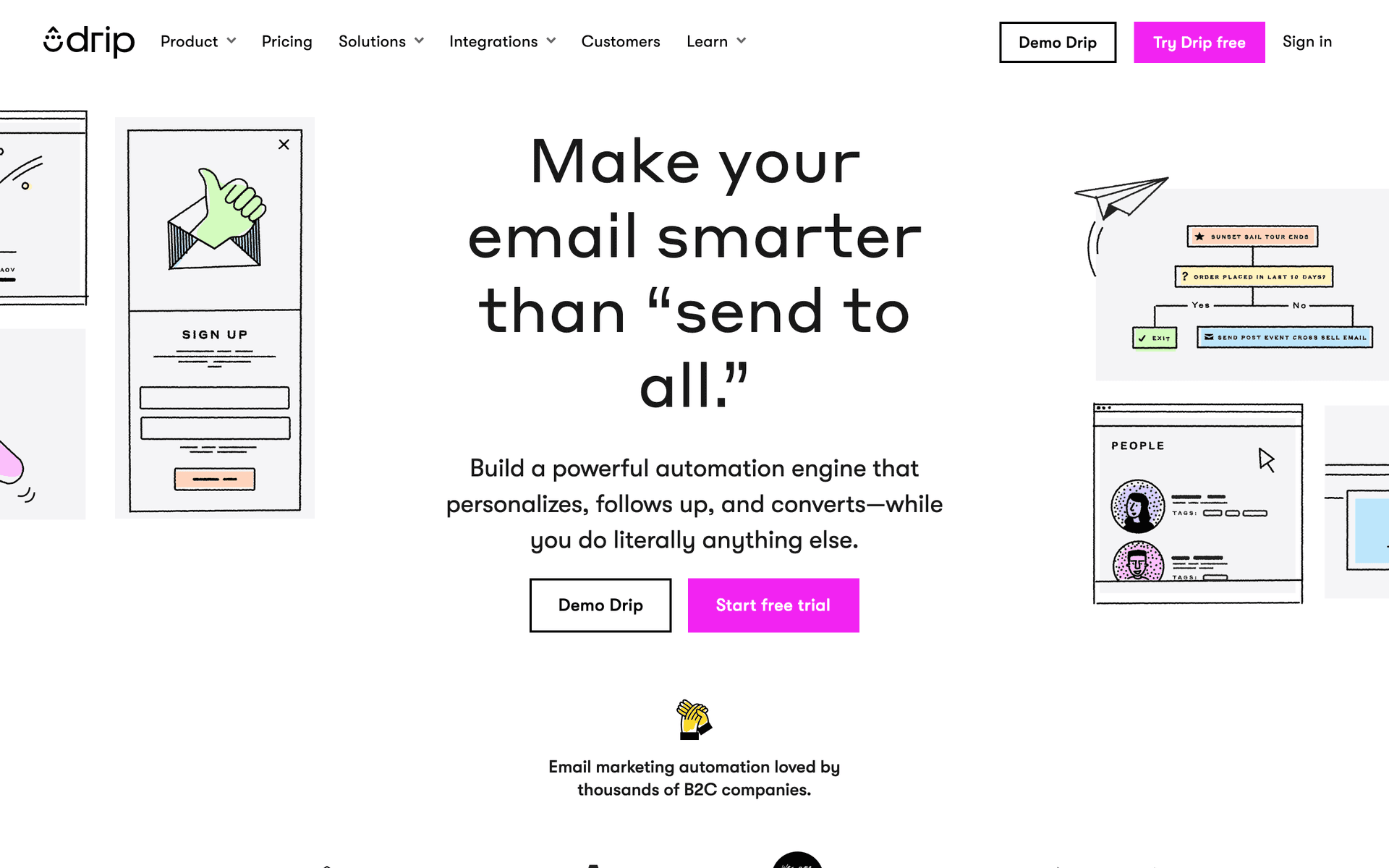
Drip is built for online sales, and for wineries that sell a significant portion of their wine through their website, it tracks revenue per email and automates based on purchase behavior. You can see exactly which release announcement email drove the most sales, which wine club tier generates the highest email-attributed revenue, and which abandoned cart emails recover the most orders. The visual workflow builder handles purchase follow-ups, cross-sell recommendations (bought Pinot Noir? Try the Chardonnay), and win-back campaigns for lapsed buyers. At $39/month minimum, Drip is more expensive than alternatives and only makes sense if online sales are a meaningful revenue channel. For wineries focused primarily on tasting room sales and club shipments, simpler tools like Sequenzy or MailerLite deliver better value.

Best for
Wineries with significant online sales
Pricing
From $39/month for 2,500 contacts

Pros

  • Strong automation
  • Revenue tracking
  • E-commerce features
  • Detailed analytics

Cons

  • Built for e-commerce
  • Expensive
  • Overkill for tasting room focus
  • Learning curve
#8
GetResponse

All-in-one marketing platform with webinars and landing pages.

Visit

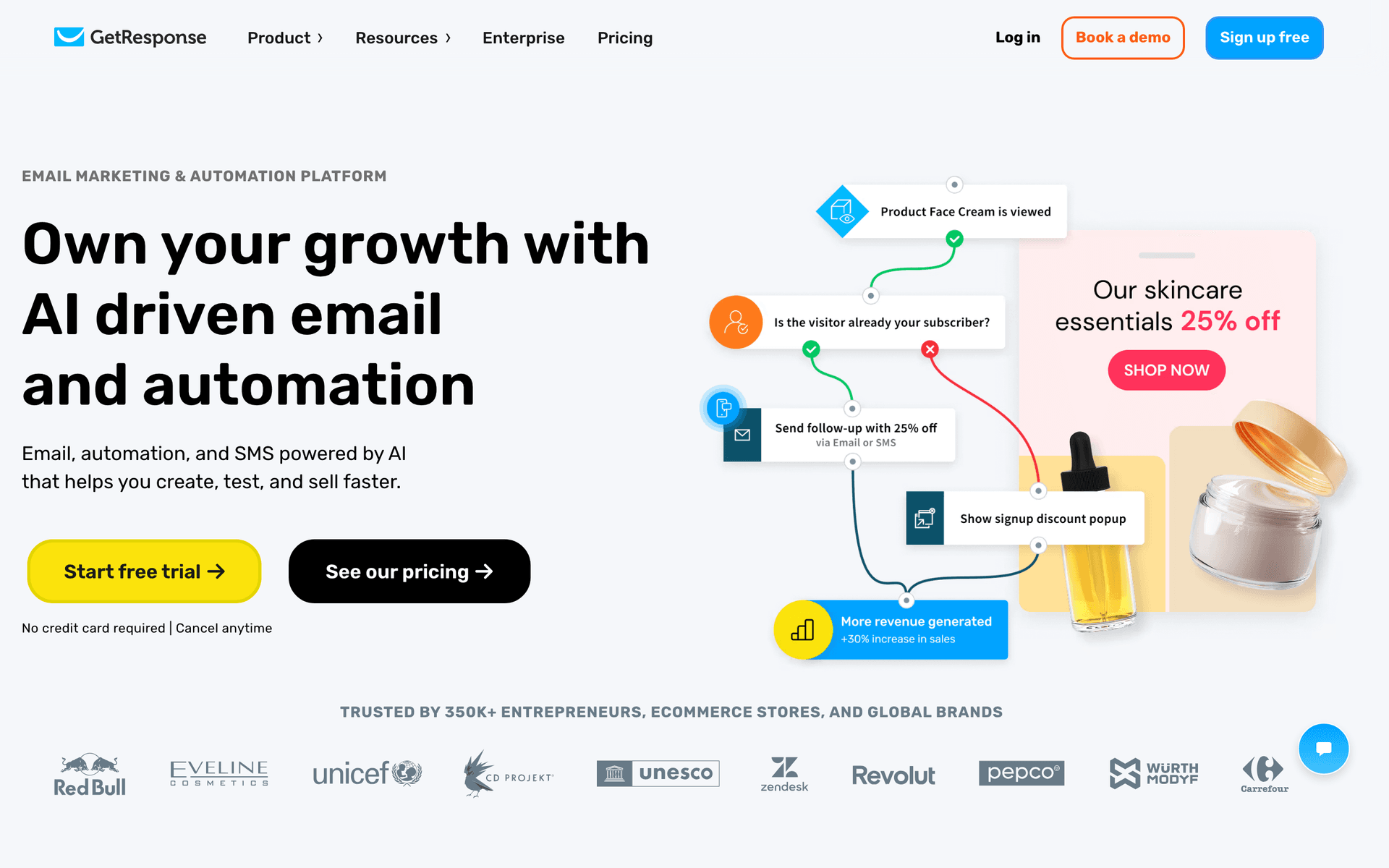
GetResponse includes email, landing pages, and webinars in one platform. Landing pages work well for event signups and club registration. The webinar feature could work for virtual tastings - a trend that gained traction during the pandemic and continues for wineries wanting to reach distant customers. Hosting a live virtual tasting with your winemaker, sent to club members through email, is a unique engagement tool. The automation templates provide starting points for common sequences. Some features may go unused by typical wineries, and the interface can feel busy with options that are not relevant to wine marketing.

Best for
Wineries hosting virtual tastings or events
Pricing
From $19/month for 1,000 contacts

Pros

  • Landing page builder
  • Automation templates
  • Webinar hosting
  • Competitive pricing

Cons

  • Busy interface
  • Email editor could improve
  • Support varies
  • Unused features
#9
AWeber

One of the original email platforms. Simple and reliable.

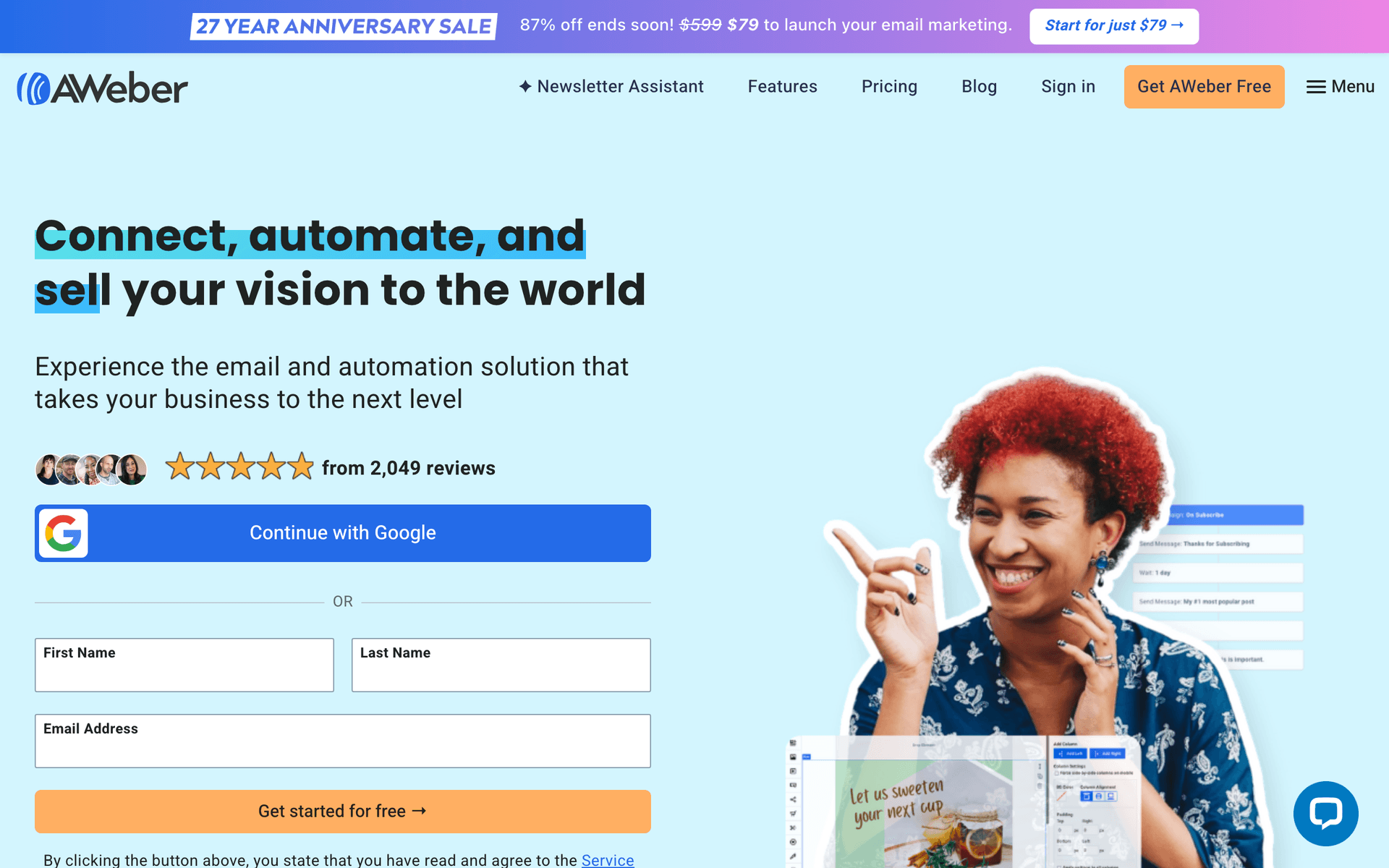
Visit

AWeber has been around since 1998 and works reliably every time you send. The deliverability record is strong, which matters for wineries - your release announcement emails need to reach inboxes, not spam folders. For wineries wanting simple seasonal newsletters and release announcements without learning a complex platform, AWeber does the job. The interface feels dated compared to newer alternatives, and automation is limited to basic autoresponder sequences. But if your email needs are straightforward - monthly newsletter, quarterly release announcements, and occasional event invitations - AWeber's simplicity is actually an advantage.

Best for
Wineries wanting no-frills reliability
Pricing
Free up to 500 subscribers, then from $15/month

Pros

  • Reliable deliverability
  • Simple to use
  • Good support
  • Long track record

Cons

  • Feels dated
  • Limited automation
  • Basic templates
  • Little innovation
#10
ConvertKit

Built for creators. Not ideal for wineries.

Visit

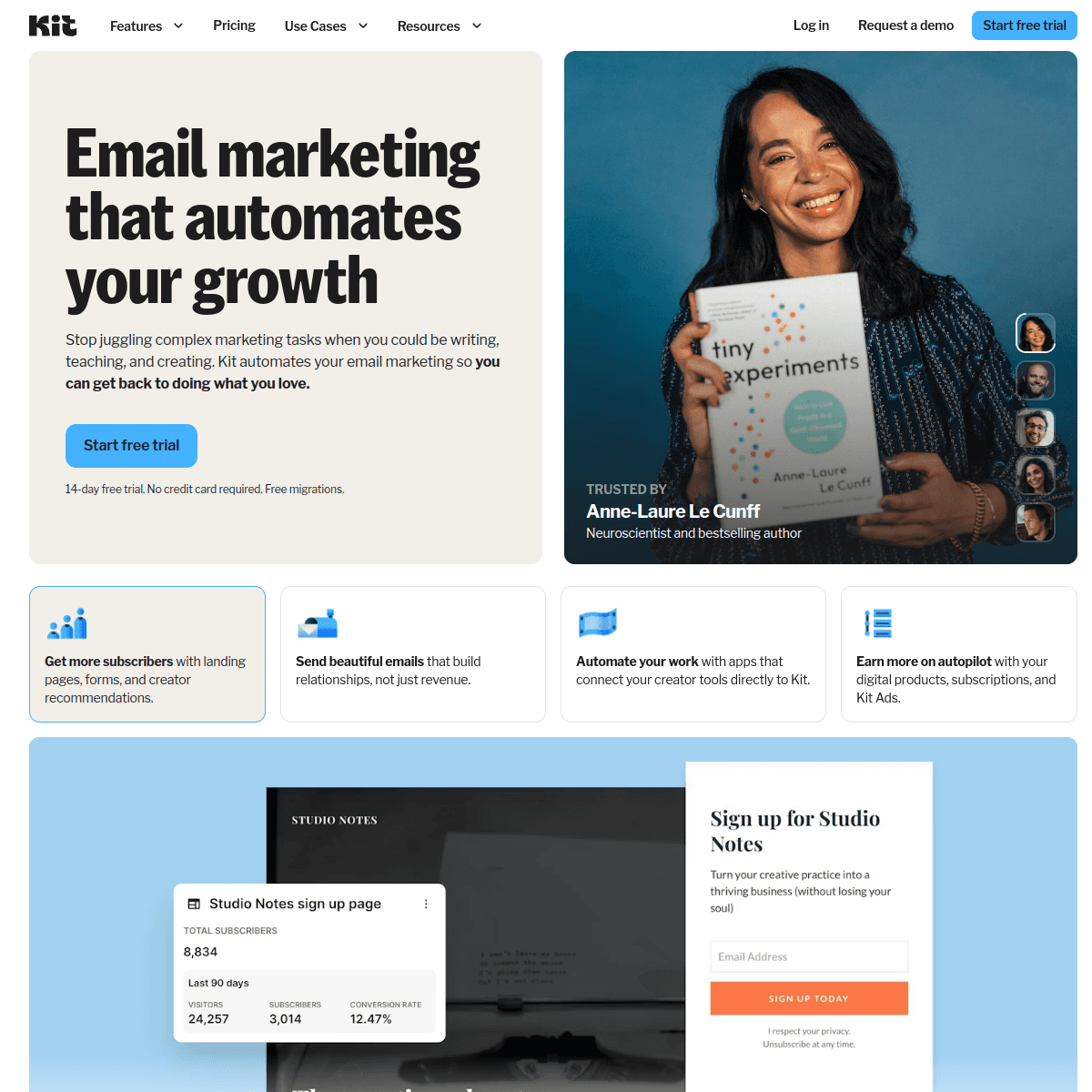
ConvertKit is designed for content creators and bloggers, not retail or hospitality businesses. Unless you run a wine education blog, wine podcast, or video series where content creation is central to your marketing, there are much better options for typical winery marketing needs. The tag-based subscriber management is elegant and the newsletter features are excellent, but the minimal template options and lack of e-commerce features make it a poor fit for wineries focused on selling wine and filling tasting rooms. If you are a winemaker who also creates educational content and wants to monetize a newsletter, ConvertKit makes sense. For everyone else, skip it.

Best for
Wineries creating educational wine content
Pricing
Free up to 1,000 subscribers, then from $29/month

Pros

  • Great for newsletters
  • Clean management
  • Tag-based automation
  • Creator features

Cons

  • Not for retail
  • Limited design
  • No free landing pages
  • Wrong focus
#11
HubSpot

Enterprise marketing platform with email included.

Visit

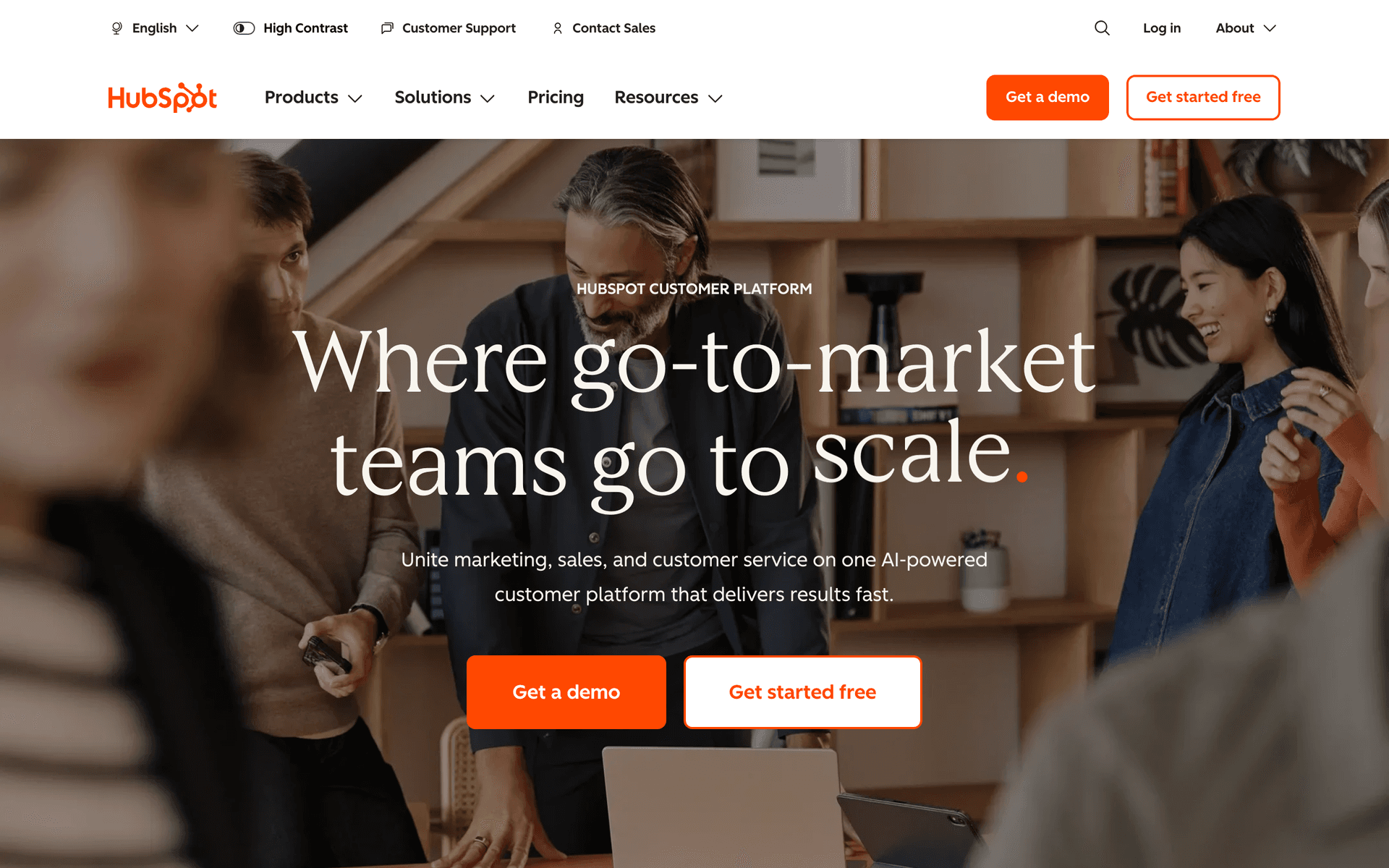
HubSpot is the enterprise solution designed for large B2B companies. For large winery groups or estates with a full marketing department, it might make sense because the CRM, marketing automation, and reporting are best-in-class. The free CRM is genuinely useful for tracking tasting room visitors and wine club members. But the marketing tools that wineries would actually use start at $200+/month realistically. For family wineries and small producers, HubSpot is massive overkill - you will pay for hundreds of features designed for software companies while using maybe 5% of them. There are much better options at a fraction of the cost.

Best for
Large winery groups and estates
Pricing
Free basic, paid from $50/month (realistically $200+)

Pros

  • Full CRM
  • Great for teams
  • Excellent reporting
  • Many integrations

Cons

  • Overkill for most wineries
  • Expensive
  • Complex setup
  • Ecosystem commitment
#12
Moosend

Budget email marketing with solid features.

Visit

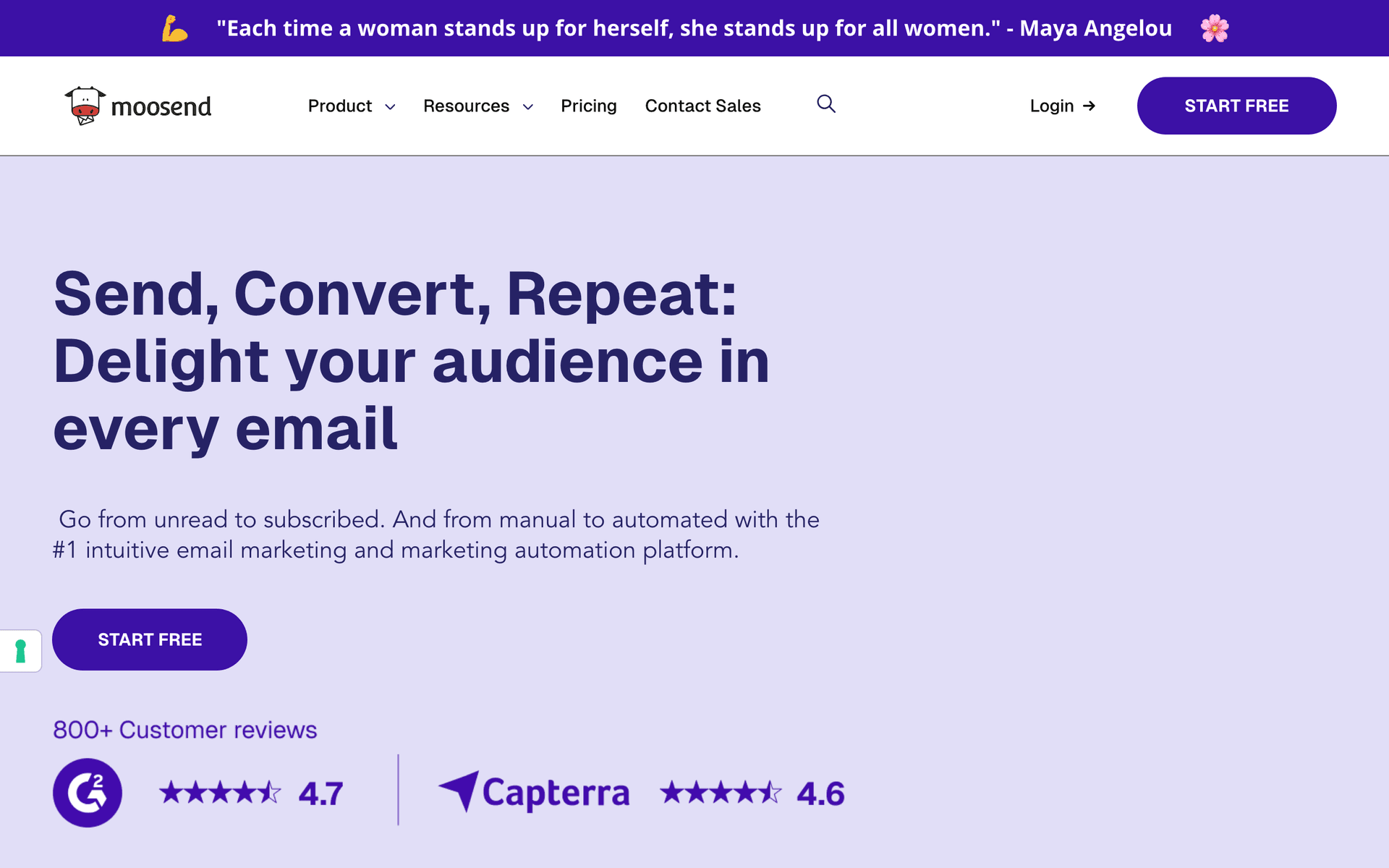
Moosend is the budget-friendly underdog that delivers more than you would expect at its price point. Starting at $9/month, you get automation workflows, landing pages, and decent reporting. The automation builder supports conditional logic for basic wine club and event sequences. Landing pages work for event signups and email capture. For wineries where budget is the primary concern and you need more than a free tier offers, Moosend provides genuine value. The tradeoff is a smaller template library and fewer integrations than established competitors.

Best for
Very price-conscious wineries
Pricing
From $9/month for 500 subscribers

Pros

  • Very affordable
  • Good automation
  • Responsive support
  • Landing pages

Cons

  • Less known
  • Limited integrations
  • Smaller templates
  • Fewer features
#13
Campaign Monitor

Professional email marketing with beautiful templates.

Visit

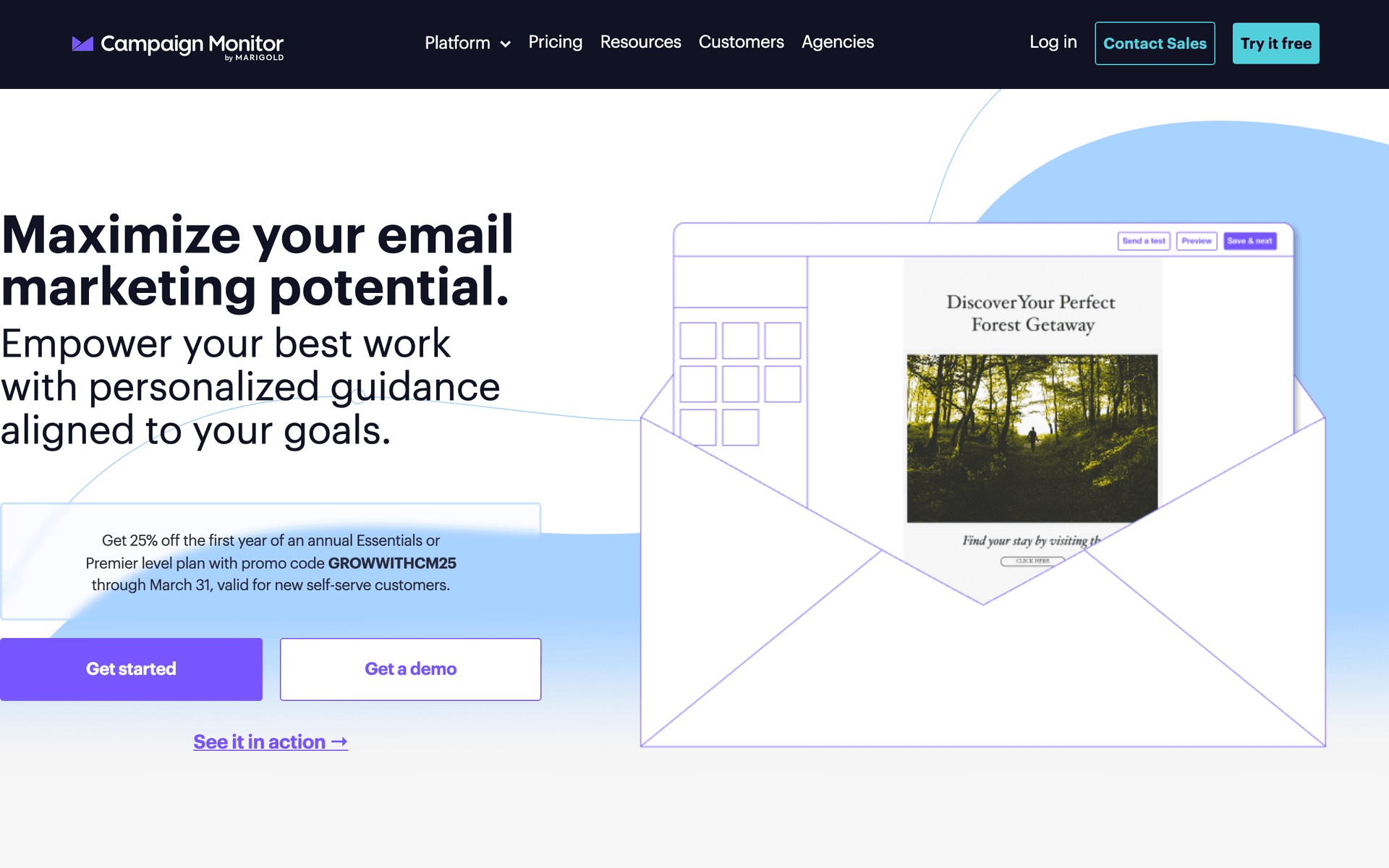
Campaign Monitor has the best-looking templates on this list, which matters for premium wineries where visual presentation is part of the brand. The templates are elegant, clean, and photograph-forward - perfect for showcasing vineyard photography, bottle shots, and winemaker portraits. Emails from Campaign Monitor look like they belong in a wine magazine. The limitation is that beauty does not replace functionality. Automation is basic, segmentation is limited, and contact-based pricing gets expensive for large lists. For premium wineries where every customer touchpoint needs to reflect luxury positioning, Campaign Monitor delivers the aesthetic. For practical email marketing with strong automation, other tools on this list are better choices.

Best for
Premium wineries prioritizing email design
Pricing
From $9/month for 500 contacts

Pros

  • Beautiful templates
  • Professional emails
  • Reliable delivery
  • Great visuals

Cons

  • Contact-based pricing
  • Limited automation
  • Gets expensive
  • Not winery-specific

Feature Comparison

FeatureSequenzyMailchimpConstant ContactActiveCampaign
Wine club automation
Event invitations
Basic
AI content generation
Drag-and-drop editor
Automation workflows
Basic
SMS marketing
Free tier available

Common Mistakes to Avoid

We see these mistakes over and over. Skip the learning curve and avoid these from day one.

Only emailing when you want to sell something

Wine club members who only hear from you during shipments and sales feel like transactions, not community members. Aim for a mix of 70% storytelling and educational content and 30% promotional. Behind-the-scenes content, food pairings, and vineyard updates build the relationship that sustains purchases.

Sending the same email to wine club members and one-time visitors

Club members are your most loyal customers and deserve exclusive content, early access, and insider information. One-time tasting room visitors need conversion-focused communication to bring them back. Treating both groups identically wastes your best retention tool.

Neglecting mobile optimization for emails

Over 60% of winery emails are opened on phones, often while someone is out at dinner or browsing casually. If your beautiful vineyard photography does not load properly on mobile or your purchase buttons are too small to tap, you are losing sales.

Not collecting emails at the tasting room counter

Every visitor who leaves your tasting room without giving you their email is a missed opportunity. Train staff to ask for emails as part of the tasting experience, not as an afterthought at the register. Offer something specific in return - their tasting notes emailed to them, or first access to your next release.

Ignoring wine club cancellation data

When members cancel, track the reason and the timing. If most cancellations happen right before a shipment, your preview emails are not building enough anticipation. If they happen after a poor vintage, address quality directly in your communication.

Email Sequences Every Winerie Needs

These are the essential automated email sequences that will help you grow your business and keep clients coming back.

Wine Club Member Update Sequence

Before wine club shipment

Keep wine club members excited and informed about upcoming shipments. Reduce churn by building anticipation.

3 weeks before shipment
Your {{season}} shipment is being prepared

Preview what's coming. Tasting notes from the winemaker.

1 week before
Inside your upcoming wine shipment

Detailed wine profiles. Food pairing suggestions.

Day of shipment
Your wines are on the way

Tracking info. Storage tips. When to open each bottle.

New Release Announcement

When new vintage or wine released

Build excitement for new wines and drive pre-orders or early purchases from your best customers.

2 weeks before release
First look: Our {{wine_name}} is almost ready

Exclusive preview. Story behind the vintage.

Release day
Now available: {{wine_name}} {{vintage}}

Full tasting notes. Order link. Limited quantity notice.

1 week after
What people are saying about {{wine_name}}

Early reviews. Pairing ideas. Reminder to order.

Tasting Room Visit Follow-Up

After tasting room visit

Turn tasting room visitors into repeat customers and wine club members.

Day 1
Thank you for visiting {{winery_name}}

Thank them. Recap of wines tasted. Link to purchase favorites.

Day 7
Your tasting notes from {{visit_date}}

Personalized recap. Special offer on wines they tried.

Day 14
Join our wine family

Wine club invitation. Member benefits. Exclusive access.

Event Invitation Sequence

Before winery event

Fill your events, from harvest dinners to release parties to vineyard tours.

4 weeks before
You're invited: {{event_name}} at {{winery_name}}

Event announcement. Date, time, what to expect.

2 weeks before
Limited spots remaining for {{event_name}}

Create urgency. Highlight special features. RSVP link.

3 days before
See you at {{event_name}} this {{day}}

Final details. What to bring. Directions and parking.

How to Choose the Right Email Tool for Your Winery

The best email marketing tool depends on your situation, and wineries vary dramatically in size, focus, and resources.

Wine club size matters. Larger clubs (500+ members) benefit from advanced automation and segmentation to manage different tiers, preferences, and engagement levels. Smaller family operations (under 200 members) need simpler solutions that do not require a marketing degree to operate.

Visual focus is critical. Wine sells on experience and emotion. Choose tools with excellent image handling, beautiful templates, and responsive design that makes your vineyard photography look stunning on every device. A wine email that renders poorly on mobile is a missed sale.

Budget is real. Most wineries are small businesses operating on tight margins. Calculate cost at your actual list size and expected growth - not the starting price. A winery with 3,000 contacts from years of tasting room visits can face significantly different costs across platforms.

What Actually Works for Winery Email Marketing

After talking to many winery owners about email marketing, these patterns consistently produce results:

Wine Club Communication Drives Retention

The single most important email program for any winery is wine club communication. Members who feel connected between shipments stay longer. Share stories, vineyard updates, and insider content that makes membership feel like belonging to something special.

The data is clear: wine clubs with active email programs (2+ emails per month) retain 15-20% more members annually than clubs that only communicate around shipments. At an average club membership value of $500-1,000 per year, that retention improvement is worth thousands.

Event Promotion Fills Your Calendar

Email is the most effective channel for driving tasting room visits and event attendance. Start promotion early - 4 weeks minimum for larger events - and build anticipation through a sequence rather than a single blast.

The best-performing event emails include:

  • High-quality photography from previous events
  • Specific details about what attendees will experience
  • Clear pricing and RSVP links
  • Limited capacity messaging when genuine
  • A personal note from the winemaker or host

New Release Announcements Drive Revenue

Build excitement before releases by sharing the story behind each wine. Give loyal customers first access with exclusive pre-order windows. Create genuine urgency with limited availability when applicable.

The most successful release announcement strategies follow a timeline: teaser 2 weeks before, full announcement on release day, and a follow-up 1 week later with early feedback and pairing suggestions. Wine club members should always get access before the general mailing list.

Seasonal Email Calendar for Wineries

Spring (March - May)

  • Bud break vineyard update with photos
  • Wine club spring shipment preview and confirmation
  • Mother's Day gift promotion
  • Spring event announcements (barrel tastings, vineyard tours)

Summer (June - August)

  • Growing season updates with vineyard photos
  • Summer wine club shipment
  • Tasting room hours and special events
  • Rosé and white wine promotions

Fall (September - November)

  • Harvest updates (the most engaging content of the year)
  • Fall wine club shipment
  • Harvest dinner and event invitations
  • New vintage announcements
  • Holiday pre-order campaigns

Winter (December - February)

  • Holiday gift guides and shipping deadlines
  • Winter wine club shipment
  • Year-in-review with vineyard highlights
  • Wine club renewal communications
  • Valentine's Day promotions and event invitations

Setting Up Your First Winery Email Program

If you are starting from scratch, follow this sequence:

  1. Choose your tool from this list based on budget and complexity needs
  2. Import your customer and wine club member list with segments for club tier, preferences, and visit recency
  3. Set up wine club shipment notifications - this is your highest-impact automation
  4. Create a tasting room visit follow-up sequence to convert visitors into repeat customers
  5. Build an event invitation template you can reuse for different events
  6. Start a monthly newsletter with vineyard updates, food pairings, and upcoming events
  7. Add new release announcement sequences as you bottle new wines

Start simple with the club shipment sequence and monthly newsletter. Add complexity as you learn what resonates with your audience. The wineries that succeed with email marketing are not the ones with the most sophisticated tools - they are the ones that send consistently with authentic, story-driven content.

What a Healthy Winery Email List Looks Like

A well-managed winery email list typically breaks down as follows:

  • Wine club members (15-25% of list): Your most engaged segment. Open rates of 40%+ are common. These contacts drive the most revenue per email.
  • Recent tasting room visitors (20-30%): Visited in the last 12 months. Warm leads for club conversion and online purchases. Target with follow-up sequences and event invitations.
  • Lapsed visitors (20-30%): Visited 1-3 years ago but have not returned. Re-engagement campaigns with incentives to visit again work here.
  • Online purchasers (10-15%): Bought wine online but may never have visited. Different communication style - focus on the wine itself rather than the tasting room experience.
  • Cold contacts (10-20%): Signed up at an event or through a partner promotion. Lower engagement. Consider a re-permission campaign if they have not opened in 6+ months.

Clean your list annually by removing contacts who have not opened an email in 12+ months. This improves deliverability and reduces costs on contact-based platforms. Before removing them, send a final re-engagement email giving them the chance to stay subscribed.

How We Evaluated These Tools

Tools were evaluated for wineries based on visual template quality (wine sells on imagery), ease of use for non-technical staff, automation capabilities for club management and event promotion, and pricing models that accommodate the large customer databases wineries accumulate over years of tasting room visits.

Frequently Asked Questions

Ready to grow your winerie practice?

Start your free trial today. Set up your first email sequence in minutes with AI-powered content generation.

Related Industries

Sequenzy - Complete Pricing Guide

Pricing Model

Sequenzy uses email-volume-based pricing. You only pay for emails you send. Unlimited contacts on all plans — storing subscribers is always free.

All Pricing Tiers

  • 2.5k emails/month: Free (Free annually)
  • 15k emails/month: $19/month ($205/year annually)
  • 60k emails/month: $29/month ($313/year annually)
  • 120k emails/month: $49/month ($529/year annually)
  • 300k emails/month: $99/month ($1069/year annually)
  • 600k emails/month: $199/month ($2149/year annually)
  • 1.2M emails/month: $349/month ($3769/year annually)
  • Unlimited emails/month: Custom pricing (Custom annually)

Yearly billing: All plans offer a 10% discount when billed annually.

Free Plan Features (2,500 emails/month)

  • Visual automation builder
  • Transactional email API
  • Reply tracking & team inbox
  • Goal tracking & revenue attribution
  • Dynamic segments
  • Payment integrations
  • Full REST API access
  • Custom sending domain

Paid Plan Features (15k - 1.2M emails/month)

  • Visual automation builder
  • Transactional email API
  • Reply tracking & team inbox
  • Goal tracking & revenue attribution
  • Dynamic segments
  • Payment integrations (Stripe, Paddle, Lemon Squeezy)
  • Full REST API access
  • Custom sending domain

Enterprise Plan Features (Unlimited emails)

  • Visual automation builder
  • Transactional email API
  • Reply tracking & team inbox
  • Goal tracking & revenue attribution
  • Dynamic segments
  • Payment integrations
  • Full REST API access
  • Custom sending domain

Important Pricing Notes

  • You only pay for emails you send — unlimited contacts on all plans
  • No hidden fees - all features included in the price
  • No credit card required for free tier

Contact

  • Pricing Page: https://sequenzy.com/pricing
  • Sales: hello@sequenzy.com