

The White-Label Email Paradox
White-label SaaS is unique because your success depends on being invisible. Your partners' end users should never know your platform exists. But you still need to drive engagement, reduce churn, and grow revenue through email. You just need to do it while wearing someone else's brand.
This creates two parallel email needs. First, you need partner-facing communication: onboarding resellers, sharing product updates, and enabling sales. These emails come from your brand. Second, you need end-user-facing communication: welcome sequences, feature updates, and retention emails. These must come from your partners' brands.
The tools that handle this well support multi-domain sending, partner-specific segmentation, and flexible template systems where branding variables can swap per partner.
Multi-Domain Sending Is Non-Negotiable
If your white-label SaaS sends end-user emails from a single domain, you are doing it wrong. End users should see emails from their provider's domain. This requires multi-domain DNS configuration, per-partner sending reputation management, and template systems that swap branding dynamically.
Tools like SendGrid and Resend handle multi-domain sending natively. The setup involves adding DNS records for each partner domain (SPF, DKIM, DMARC) and configuring your sending logic to route emails through the correct domain. It is a one-time setup per partner that pays dividends in deliverability and trust.
White-Label SaaS Email Benchmark Table
| Email system area | Healthy range | What it indicates | Improvement lever |
|---|---|---|---|
| Partner setup completion | 70%+ in first 7 days | Onboarding is clear enough for resellers | Break DNS and branding into separate steps |
| First partner send | Within first week | Partner has reached activation | Provide test-send checklist |
| Per-domain bounce rate | Under 2% | Lists and sending practices are healthy | Monitor by partner domain |
| Spam complaint rate | Under 0.1% | Partner content is not damaging reputation | Alert and coach risky partners |
| Partner retention after setup | Higher than stalled partners | Activation predicts retention | Trigger help when setup stalls |
Architecting Your White-Label Email Stack
Most white-label SaaS companies end up with a two-layer email architecture:
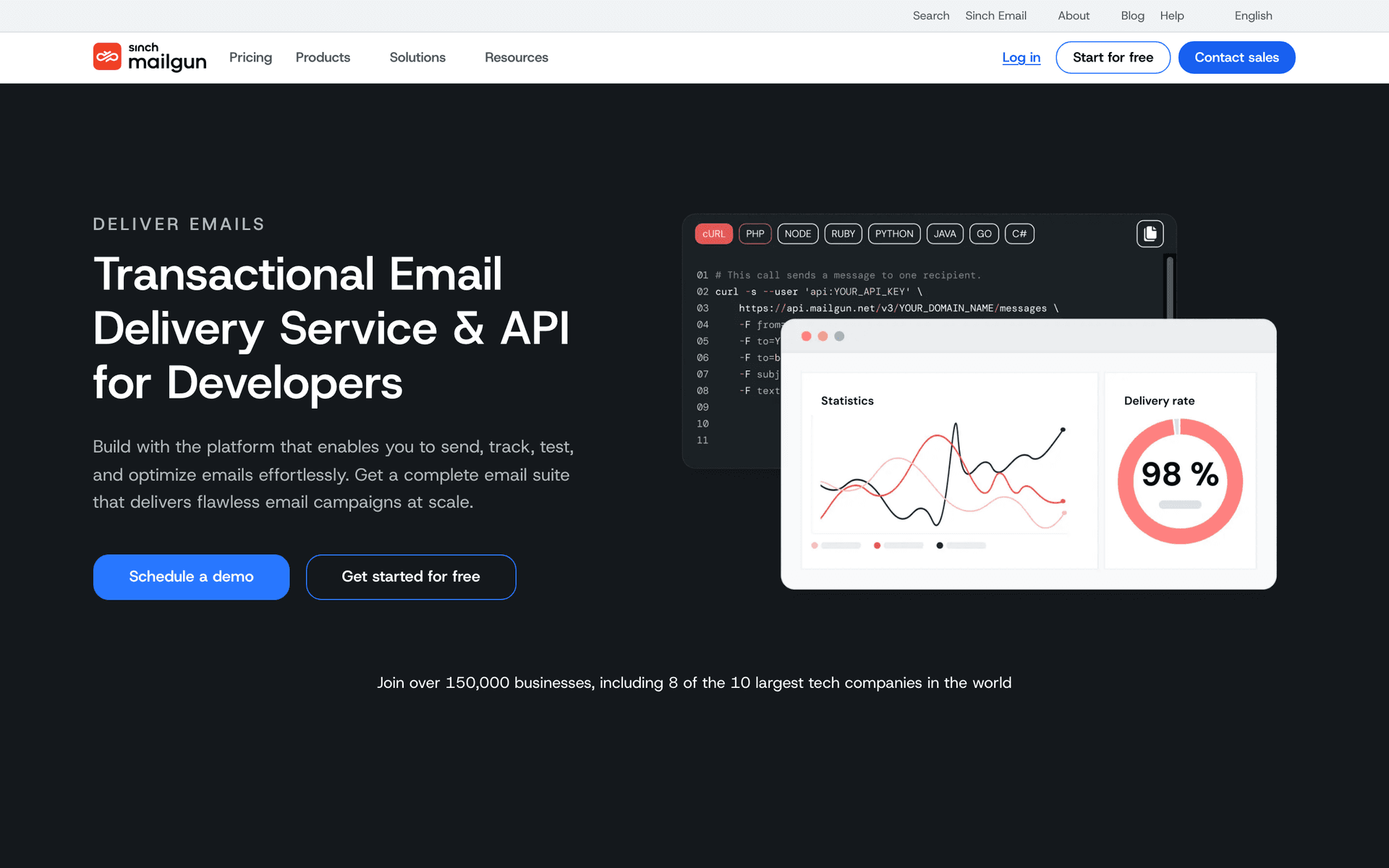
Infrastructure layer - handles the actual sending across multiple domains. SendGrid, Resend, or Mailgun sit here. They manage domain verification, sending reputation, and delivery infrastructure. This layer needs to scale to handle all partner volumes combined.
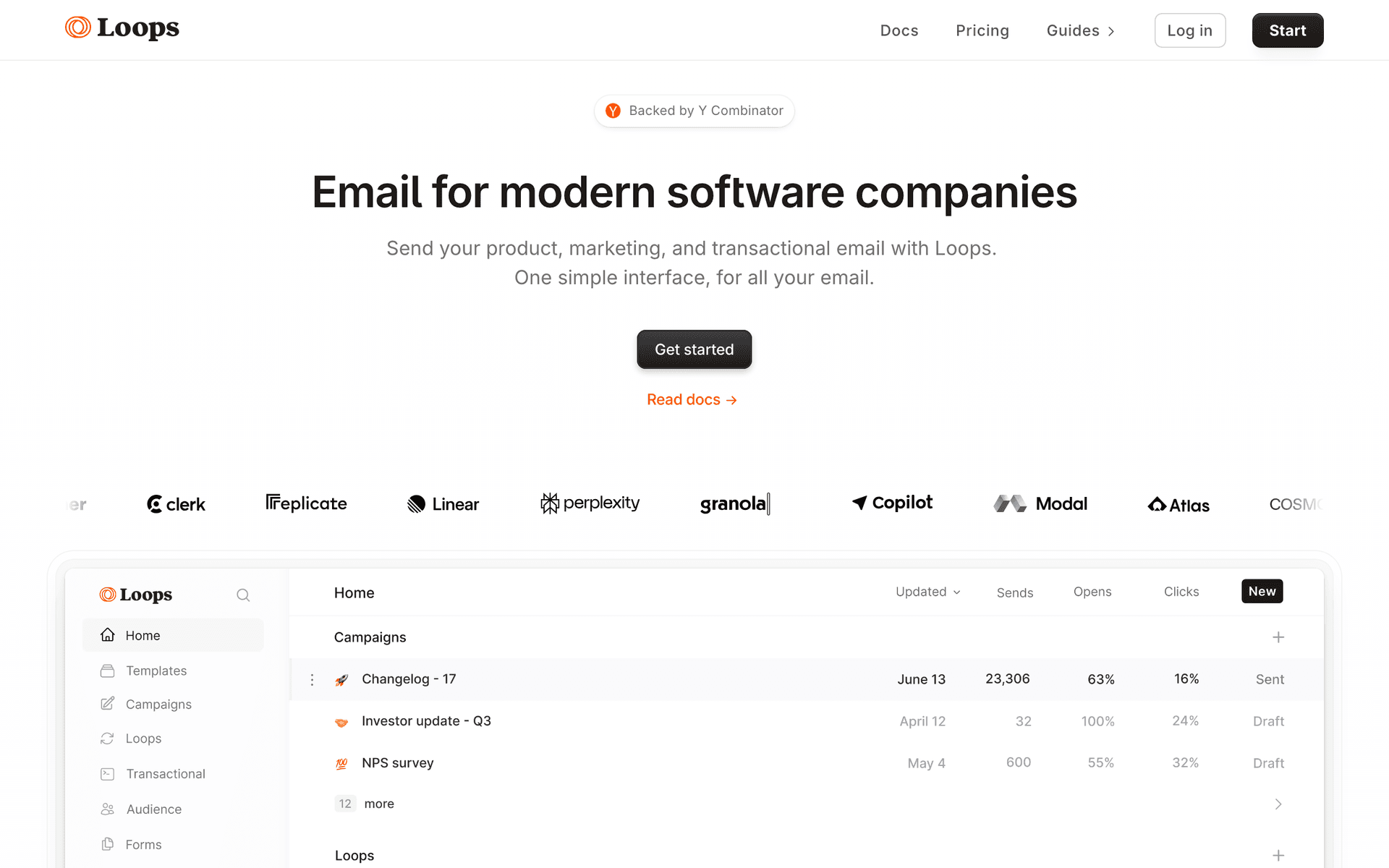
Lifecycle layer - handles the automation logic, sequences, and content. Sequenzy, Customer.io, or Loops sit here. They decide which emails to send, when, and with what content. This layer connects to your product events and triggers the right sequences per partner.
Some teams try to use one tool for both layers. This works at small scale (under 10 partners) but becomes limiting as partner count grows. The infrastructure tools lack marketing automation, and the lifecycle tools lack multi-domain sending sophistication.
Protecting Your Partners' Reputations
One of the biggest risks in white-label email is reputation contamination. If one partner sends spammy content from their domain and gets flagged, it should not affect other partners. This means isolating sending reputations, monitoring per-domain metrics, and having policies for partners who abuse the system.
Invest in a tool that gives you per-domain analytics and alerting. Set up automated warnings when a partner's bounce rate exceeds 2%, when spam complaints rise above 0.1%, or when engagement drops below thresholds. This protects the entire ecosystem and gives you data to have conversations with partners about their sending practices.
Setting Up Reputation Monitoring
Create a monitoring dashboard that tracks these metrics per partner domain:
- Bounce rate - should stay under 2%. Above 5% means the partner is sending to stale lists.
- Spam complaint rate - should stay under 0.1%. Above this and ISPs start throttling the domain.
- Open rate - a sudden drop signals deliverability issues or content quality problems.
- Unsubscribe rate - healthy is under 0.5% per campaign. Higher suggests the partner is emailing uninterested users.
| Metric | Healthy threshold | Alert condition | Action |
|---|---|---|---|
| Bounce rate | Under 2% | Above 5% | Pause or clean partner list |
| Spam complaints | Under 0.1% | Above 0.1% | Review content and permissions |
| Open rate | Stable by partner | Sudden drop | Investigate deliverability or relevance |
| Unsubscribe rate | Under 0.5% | Above 1% | Review campaign targeting |
| Domain verification | 100% before sending | DNS incomplete | Block production sends |
Partner Onboarding Email Best Practices
The first 7 days after a partner signs up determine whether they succeed or churn. Your onboarding sequence should guide them through every technical step while keeping the tone encouraging and the tasks small.
Day-by-Day Onboarding Structure
Day 0 (Immediate): Welcome email with credentials and a single clear next step. Do not overwhelm them with everything at once. Link to a 2-minute video showing the partner dashboard.
Day 1: Domain configuration guide. Walk them through adding DNS records for their sending domain. Include specific instructions for common registrars (GoDaddy, Cloudflare, Namecheap). Offer a "we will do it for you" option for non-technical partners.
Day 3: Template customization. Show them how to add their logo, colors, and company name to the pre-built email templates. Include before/after screenshots showing how a template transforms with their branding.
Day 5: First send guide. Walk them through importing their first users and sending a test email. This is the activation moment - partners who send their first email within the first week are 3x more likely to still be active at 90 days.
Day 7: Check-in email. Share their setup progress, highlight what is complete, and offer help with anything remaining. Include a link to book a call with your team.
| Onboarding day | Partner task | Email focus | Activation signal |
|---|---|---|---|
| Day 0 | Log in and view dashboard | One clear first step | Dashboard opened |
| Day 1 | Configure domain | DNS guide and support offer | Domain verified |
| Day 3 | Add branding | Logo, colors, sender name | Template preview created |
| Day 5 | Send first test | Import users and test email | First test sent |
| Day 7 | Resolve blockers | Progress summary and call link | Partner ready to launch |
Scaling Beyond 50 Partners
Below 50 partners, you can manage email setup with some manual steps. Above 50, everything needs to be automated or it will consume your support team's bandwidth.
Automated domain provisioning: Your partner signup flow should trigger automatic domain creation via your email infrastructure API. Partners enter their domain, your system creates the sending configuration and returns the required DNS records.
Self-service template builder: Instead of your team customizing templates per partner, build a template editor that lets partners upload their logo, pick colors, and preview emails. This eliminates a support ticket per partner.
Automated compliance monitoring: Set up systems that automatically flag partners whose sending metrics cross thresholds. Instead of manually checking dashboards, get alerts when action is needed.
Partner email analytics API: Give partners access to their own email performance data through an API or dashboard. Partners who can see their metrics make better decisions and generate fewer support requests.
Getting Started with White-Label Email
If you are building a white-label SaaS and need to set up partner email, start with this sequence:
- Choose your infrastructure layer. SendGrid for maximum multi-tenant features, Resend for developer experience, or Mailgun for flexible routing.
- Choose your lifecycle layer. Sequenzy for affordable AI-powered automation, Customer.io for advanced behavioral workflows, or Loops for simplicity.
- Build partner onboarding first. The partner onboarding sequence has the highest ROI because it determines activation rates.
- Automate domain provisioning. Manually setting up DNS for each partner does not scale.
- Set up per-partner monitoring. You need visibility into each partner's email health before problems spread.
Start with your first 5 partners on a simple setup, then invest in automation as you approach 20+ partners. The complexity of white-label email grows linearly with partner count, so build automation ahead of the growth curve.