
Updated 2026-03-15

Best Email Marketing Tools for Trade Schools

Boost enrollment, keep students engaged through graduation, and connect graduates with employers using the right email marketing platform.

Running a trade school means more than teaching skills. You need to fill seats, retain students through completion, and help graduates find jobs. Email marketing connects you with prospective students, current enrollees, and alumni. But most email tools are built for retail or tech companies, not vocational education. Here are 13 platforms that actually work for trade schools, ranked by ease of use, automation features, and value for money.

TL;DR

For most trade schools, Sequenzy is the best starting point - the AI builds enrollment nurture sequences and student retention emails in minutes, and the free tier lets you test it with real prospects before paying. If you already have marketing staff familiar with Mailchimp, stick with that, but watch costs as your prospect and alumni list grows. ActiveCampaign is the best choice for multi-campus operations that need sophisticated automation.

Why Trade Schools Need Email Marketing

Convert Prospective Students

Most prospective students research multiple schools before deciding. Email nurtures inquiries into enrollments over weeks or months.

Reduce Dropout Rates

Regular check-ins and encouragement help students stay motivated. Automated sequences keep students engaged through tough courses.

Promote New Programs

When you add welding certification or expand your HVAC program, email reaches everyone who might be interested.

Connect Graduates With Jobs

Job placement rates matter for reputation and accreditation. Email helps you share opportunities and track alumni success.

Trade Schools Email Marketing Benchmarks

Know these numbers before you start. They'll help you set realistic goals and pick the right tool.

28-34%
Average Open Rate

Trade schools typically see above-average open rates because emails about career advancement feel personally relevant. Prospective student emails often exceed 35%.

3.5-5%
Average Click Rate

Program-specific emails with clear calls to action like 'Schedule a Campus Tour' consistently outperform generic newsletters.

Tuesday-Thursday, 6-8 PM
Best Send Time

Many prospective trade school students work day jobs and research education options in the evening. Test evenings and weekends for your specific audience.

15-25%
Inquiry-to-Enrollment Rate

Schools with automated nurture sequences typically convert 20-25% of inquiries into enrollments, compared to 10-15% without email follow-up.

Important Tips Before You Choose

Lessons from trade schoolswho've been doing this for years. Save yourself the trial and error.

Build Enrollment Nurture Sequences Around Life Events

Career changers research trade schools during periods of job dissatisfaction or layoffs. High school seniors start looking in the fall. Military members begin searching 6-12 months before discharge. Map your email sequences to these life events and you will reach prospects when they are most motivated to act.

Use Graduate Salary Data as Your Lead Magnet

Nothing converts prospective students like real salary data. Create a downloadable salary report for your programs - 'What HVAC Technicians Earn in [Your State]' - and gate it behind an email signup form. This attracts serious prospects and gives you a warm lead to nurture.

Automate the Dropout Prevention Check-In

Set up automated emails that trigger when a student misses two consecutive classes or falls behind on assignments. A simple 'We noticed you have been away - is everything okay?' email from an instructor can be the difference between a dropout and a graduate.

Segment by Program Interest From Day One

When a prospect fills out an inquiry form, ask which program they are interested in. Tag them immediately. An HVAC prospect should receive HVAC-specific success stories, salary data, and program details - never generic content about all your programs.

Time Your Campaigns to Financial Aid Deadlines

Financial aid application deadlines create natural urgency. Send reminder sequences 6 weeks, 3 weeks, and 1 week before FAFSA deadlines. Many prospective students procrastinate on financial aid and lose their spot as a result.

Create an Employer Partner Newsletter

Maintain a separate email list for employer partners. Send them quarterly updates on graduating students, invite them to career fairs, and ask about job openings. This list becomes one of your most valuable assets for job placement rates.

13 Best Email Marketing Tools for Trade Schools

Our Top Pick for Trade Schools
#1
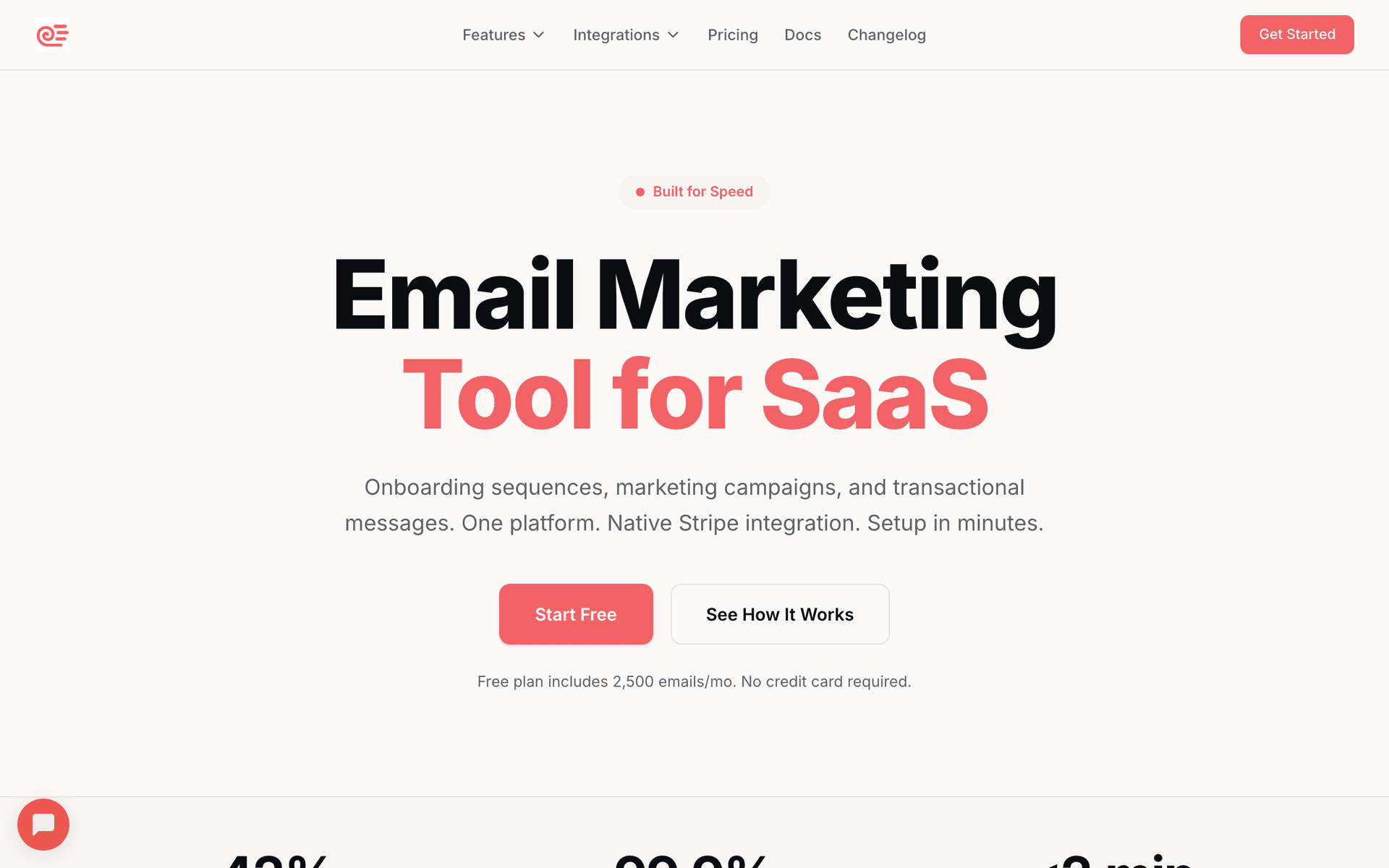
Sequenzy

AI-powered email marketing built for education businesses. Creates student sequences automatically.

Visit

I built Sequenzy because trade schools deserve email tools that work without a marketing department. The AI sequence builder is genuinely useful for admissions teams - tell it you need an enrollment nurture for your HVAC program and it generates a complete sequence with program-specific content, salary data hooks, and campus tour invitations. The free tier lets you send up to 2,500 emails per month, which is enough for a small school to test the platform with real prospects. When you upgrade to $29/month for 50,000 emails, you get unlimited contacts - which matters enormously for trade schools sitting on years of prospect inquiries and alumni records. The pay-per-email model means slow enrollment seasons cost less. The interface is simple enough that admissions staff can manage it between campus tours without needing marketing expertise. Main limitations are no SMS (yet) and fewer pre-built templates than Mailchimp, but the AI makes up for the template gap.

Best for
Trade schools wanting automated enrollment and student communication without complexity
Pricing
Free up to 2,500 emails/mo, then $29/mo for 50K emails (unlimited contacts)

Pros

  • AI writes enrollment and retention sequences
  • Simple interface anyone can use
  • Pay for emails sent, not contacts stored
  • Direct founder support

Cons

  • Launched in 2025, less track record
  • No built-in SMS
  • Fewer templates than established competitors
#2
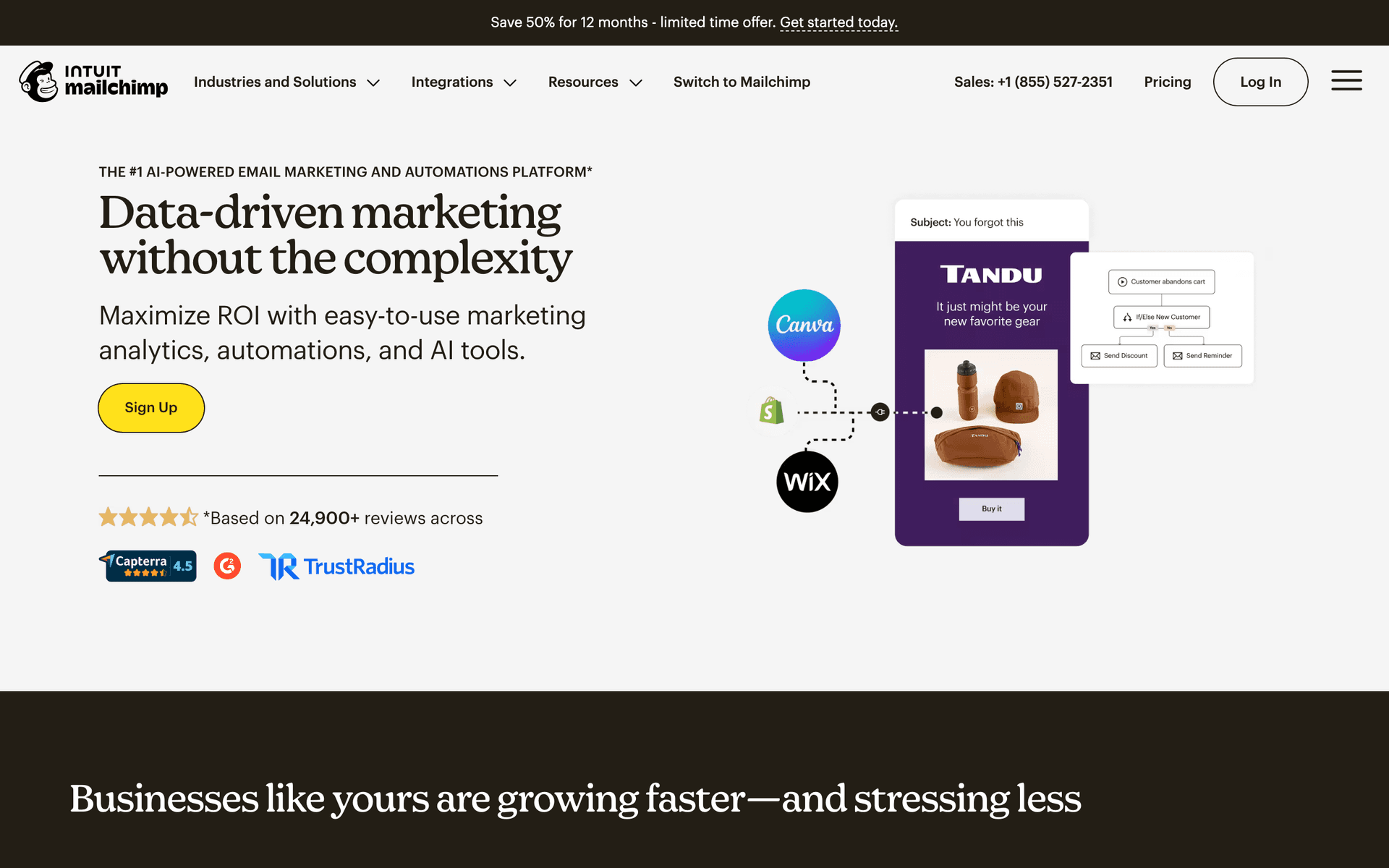
Mailchimp

The most popular email marketing platform. Solid features but can get expensive.

Visit

Mailchimp is the name everyone knows, and for trade schools, that familiarity is both a strength and a trap. The template library is extensive, and admissions staff who have used Mailchimp elsewhere can set up professional-looking open house announcements and program newsletters quickly. Automation works for basic enrollment follow-ups, and the drag-and-drop editor handles campus photos well. The real frustration hits when your contact list grows. Trade schools accumulate prospect records over years - someone who inquired about welding in 2023 might enroll in 2026 after a life change. On Mailchimp's per-contact pricing, storing thousands of dormant prospects gets expensive fast. I have seen schools paying $150+/month just because they refuse to delete old prospects who might still enroll. The interface has also gotten cluttered with e-commerce features that trade schools never use.

Best for
Trade schools with established marketing teams
Pricing
Free up to 500 contacts, then $13-350/month

Pros

  • Extensive templates
  • Many integrations
  • Strong deliverability
  • Good analytics

Cons

  • Gets expensive fast
  • Interface overwhelming
  • Support has declined
  • Not designed for education
#3
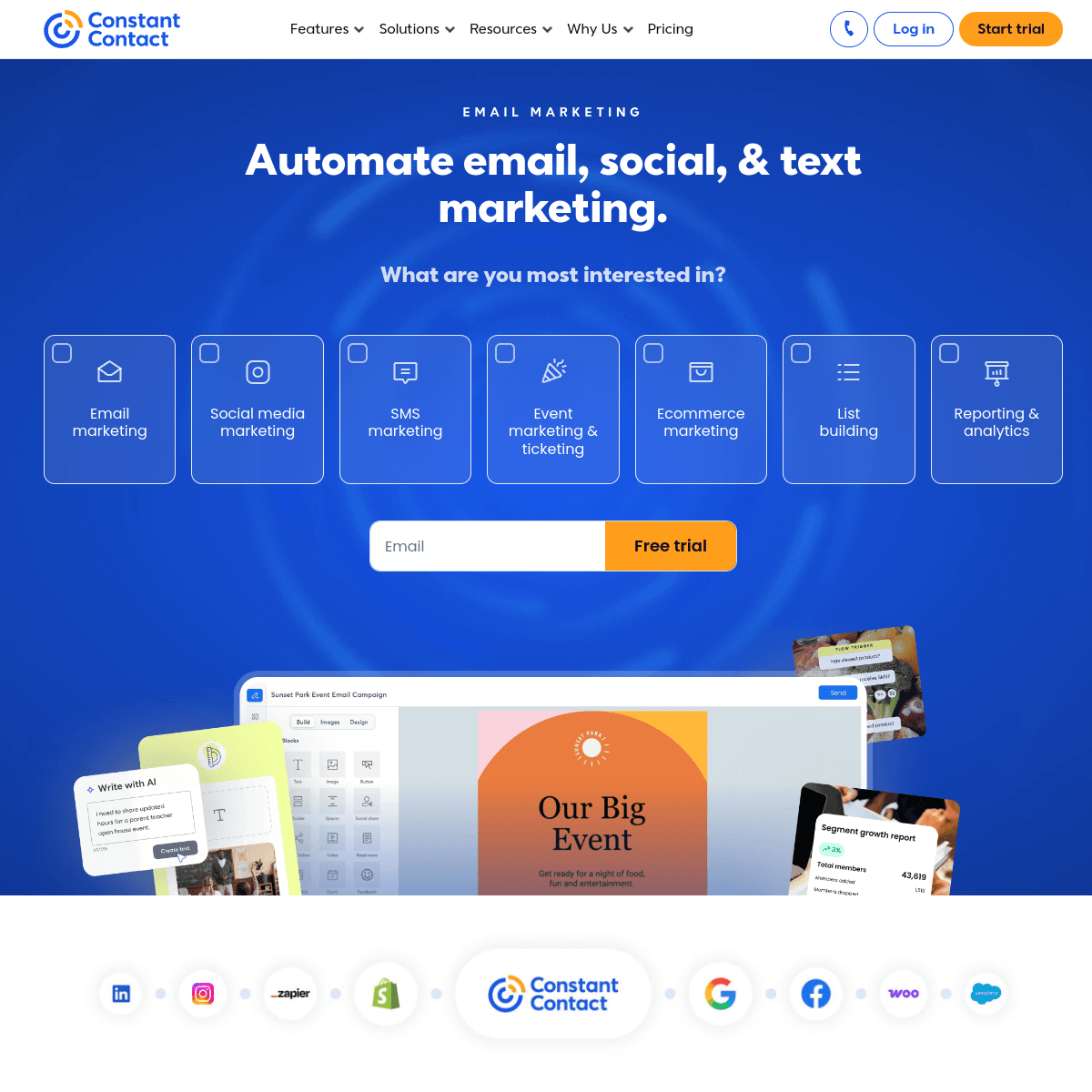
Constant Contact

Long-standing email platform popular with small businesses and schools.

Visit

Constant Contact is the reliable workhorse that trade school administrators tend to love. The phone support is a genuine differentiator - when your admissions director is trying to set up an open house invitation and gets stuck, they can call and talk to a real person who walks them through it. That matters in an environment where staff wear multiple hats and nobody has time for tutorial videos. The event management features work surprisingly well for open houses, orientation sessions, and career fairs. You can create event pages, manage RSVPs, and follow up with attendees automatically. The downsides are real though: automation feels basic compared to newer tools, templates look dated compared to modern platforms, and per-contact pricing adds up as your list grows. Best fit for traditional trade schools wanting straightforward email with real human support.

Best for
Trade schools wanting simple email with phone support
Pricing
From $12/month for 500 contacts

Pros

  • Very easy to use
  • Excellent phone support
  • Event management
  • Social integration

Cons

  • Limited automation
  • Dated templates
  • Higher prices
  • Basic segmentation
#4
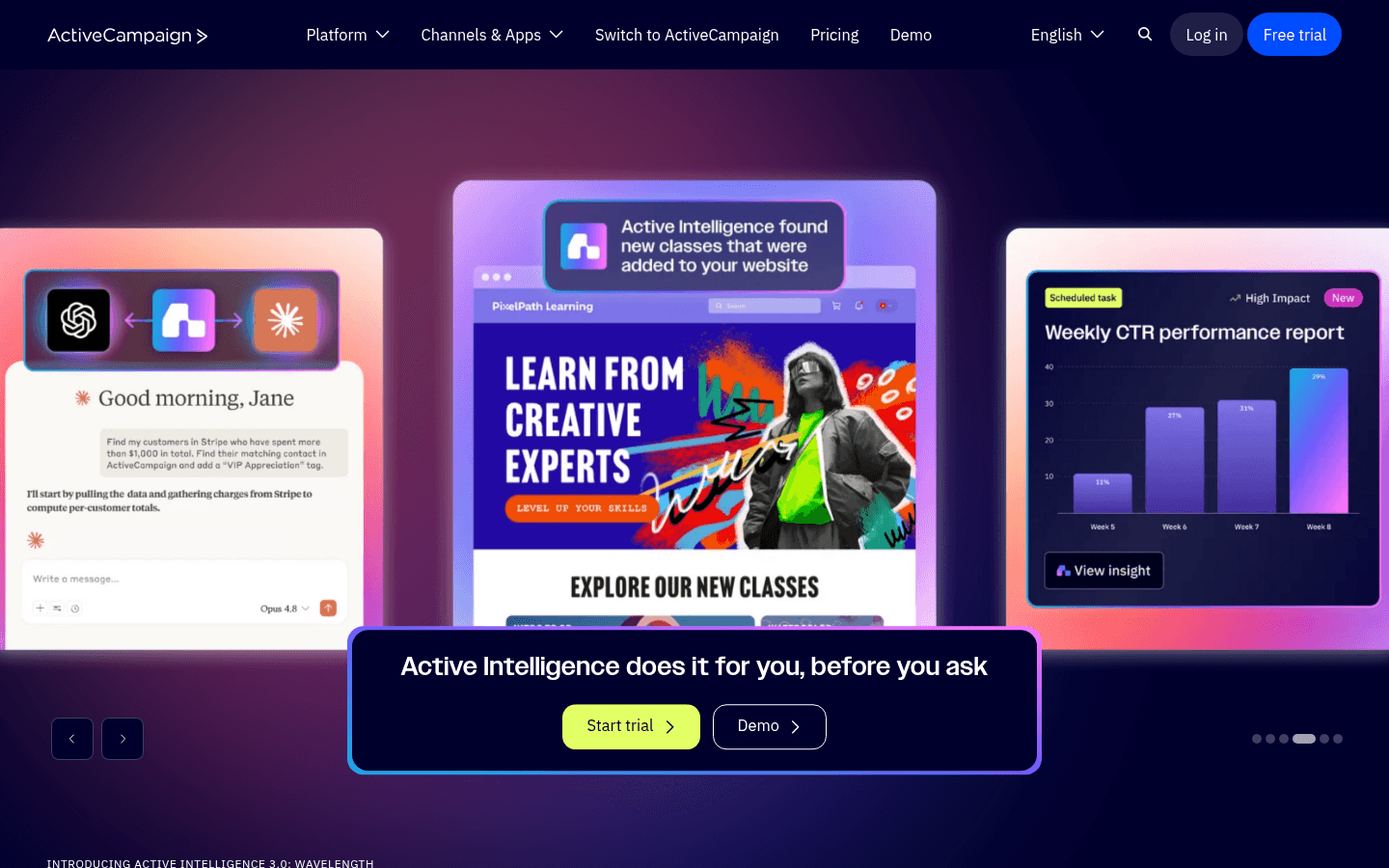
ActiveCampaign

Powerful automation platform with a learning curve.

Visit

ActiveCampaign is the most powerful automation tool on this list, and for larger trade schools with a dedicated marketing person, it can be transformative. Build sophisticated enrollment funnels that branch based on program interest, engagement level, and inquiry source. Set up lead scoring so admissions staff focus on prospects most likely to enroll. The CRM tracks every interaction from first inquiry through graduation and beyond. For multi-campus operations, you can create separate automations per location while managing everything from one account. The catch is complexity - I have watched small trade school teams spend weeks trying to configure workflows they never finish. If your team includes someone who genuinely enjoys building automation, ActiveCampaign is excellent. If not, simpler tools will get you better results because you will actually use them.

Best for
Larger trade schools with marketing staff
Pricing
From $29/month for 1,000 contacts

Pros

  • Excellent automation
  • CRM included
  • Great deliverability
  • Detailed scoring

Cons

  • Steep learning curve
  • Overkill for small schools
  • Complex interface
  • Price jumps with features
#5
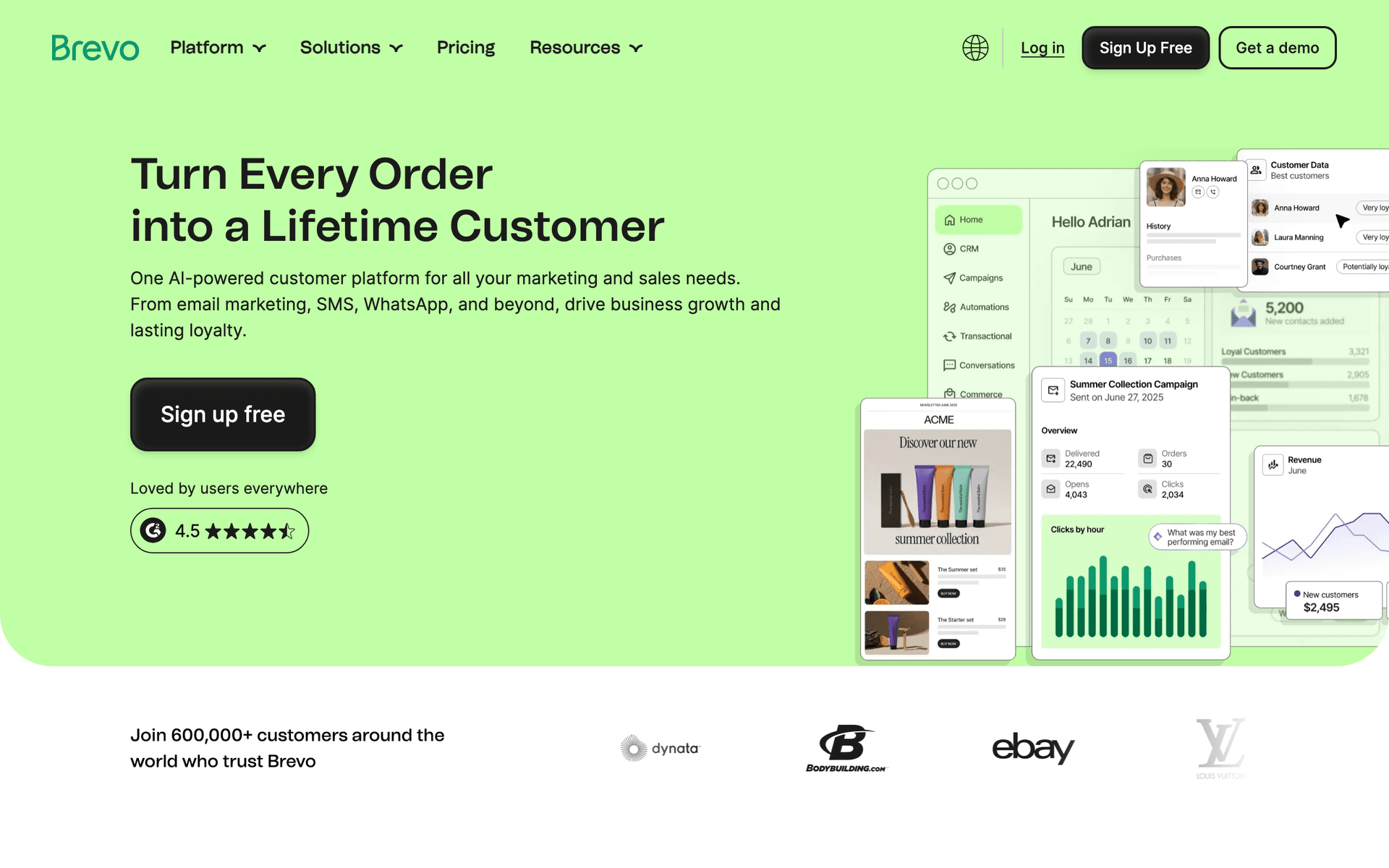
Brevo

Formerly Sendinblue. Good value with transactional email included.

Visit

Brevo offers exceptional value for trade schools on tight budgets. The free tier gives you 300 emails per day, which covers basic prospect communication for a small school. SMS is included at paid tiers, which is genuinely useful for class schedule changes, snow day announcements, and enrollment deadline reminders. The transactional email feature handles appointment confirmations for campus tours without needing a separate tool. For trade schools that want both email and text messaging in one affordable platform, Brevo is hard to beat on price. The automation builder covers the basics - enrollment follow-ups, program interest sequences, and seasonal campaigns all work fine. Support can be slow on the free tier, and the interface takes some getting used to, but the value is undeniable.

Best for
Budget-conscious trade schools needing email and SMS
Pricing
Free up to 300 emails/day, then from $25/month

Pros

  • SMS included
  • Generous free tier
  • Transactional included
  • Good automation

Cons

  • Daily limits on free
  • Support can be slow
  • Limited integrations
  • Branding on free tier
#6
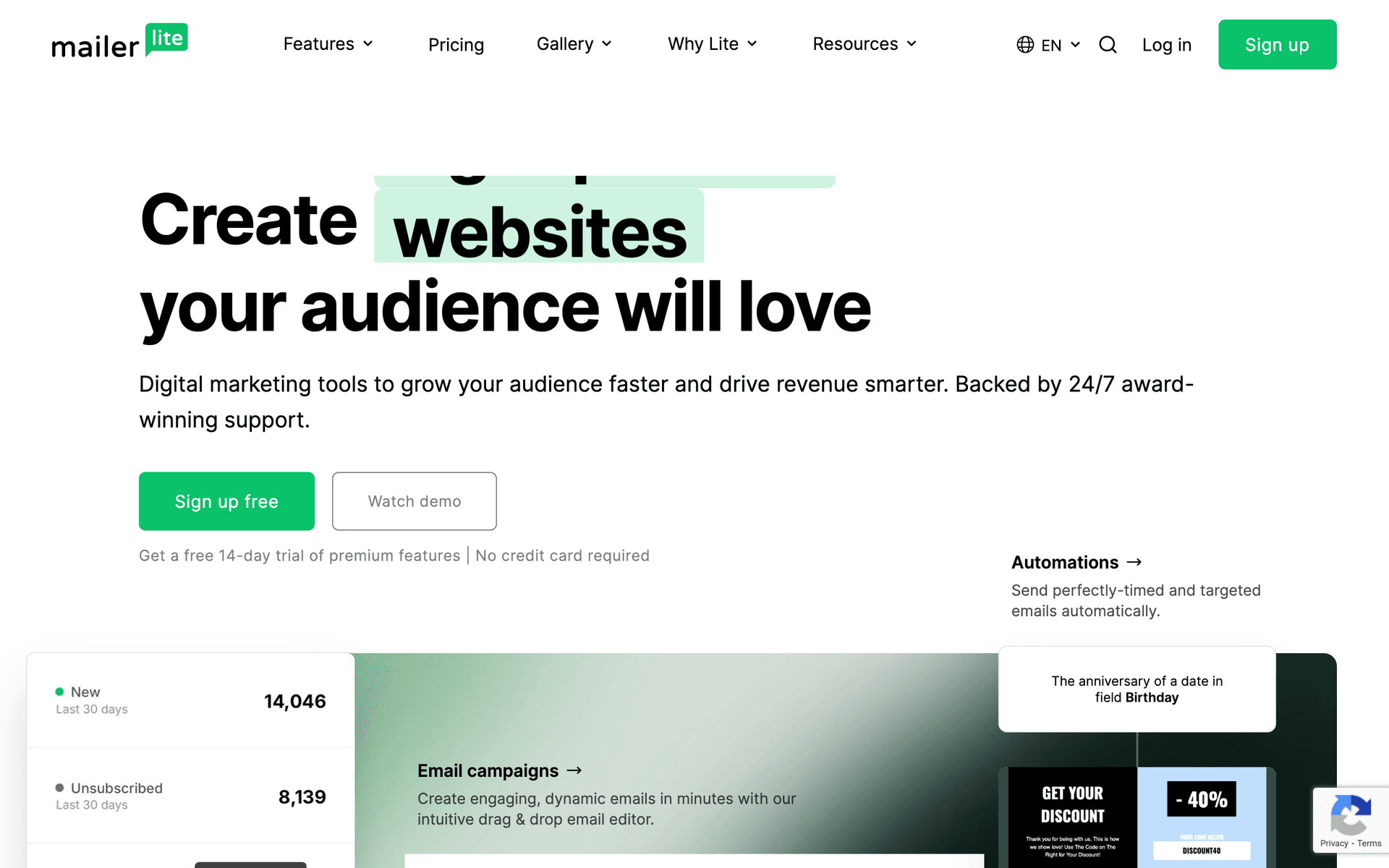
MailerLite

Clean, simple email marketing with good automation.

Visit

MailerLite is my recommendation for trade schools wanting simple, affordable email that actually works. The interface is clean and modern - your admissions team will not feel overwhelmed. The free tier is generous at 1,000 subscribers, and paid plans start at just $10/month. You can set up real automation workflows for enrollment follow-ups and student check-ins without a marketing degree. The landing page builder is genuinely useful for creating program-specific pages that capture prospect emails. One warning: MailerLite has a strict approval process and sometimes flags education businesses. A trade school I know waited several days for approval. Once approved, it runs smoothly.

Best for
Trade schools wanting simplicity and affordability
Pricing
Free up to 1,000 subscribers, then from $10/month

Pros

  • Very affordable
  • Clean interface
  • Good landing pages
  • Generous free tier

Cons

  • Strict approval
  • Limited advanced features
  • Basic reporting
  • Approval can take time
#7
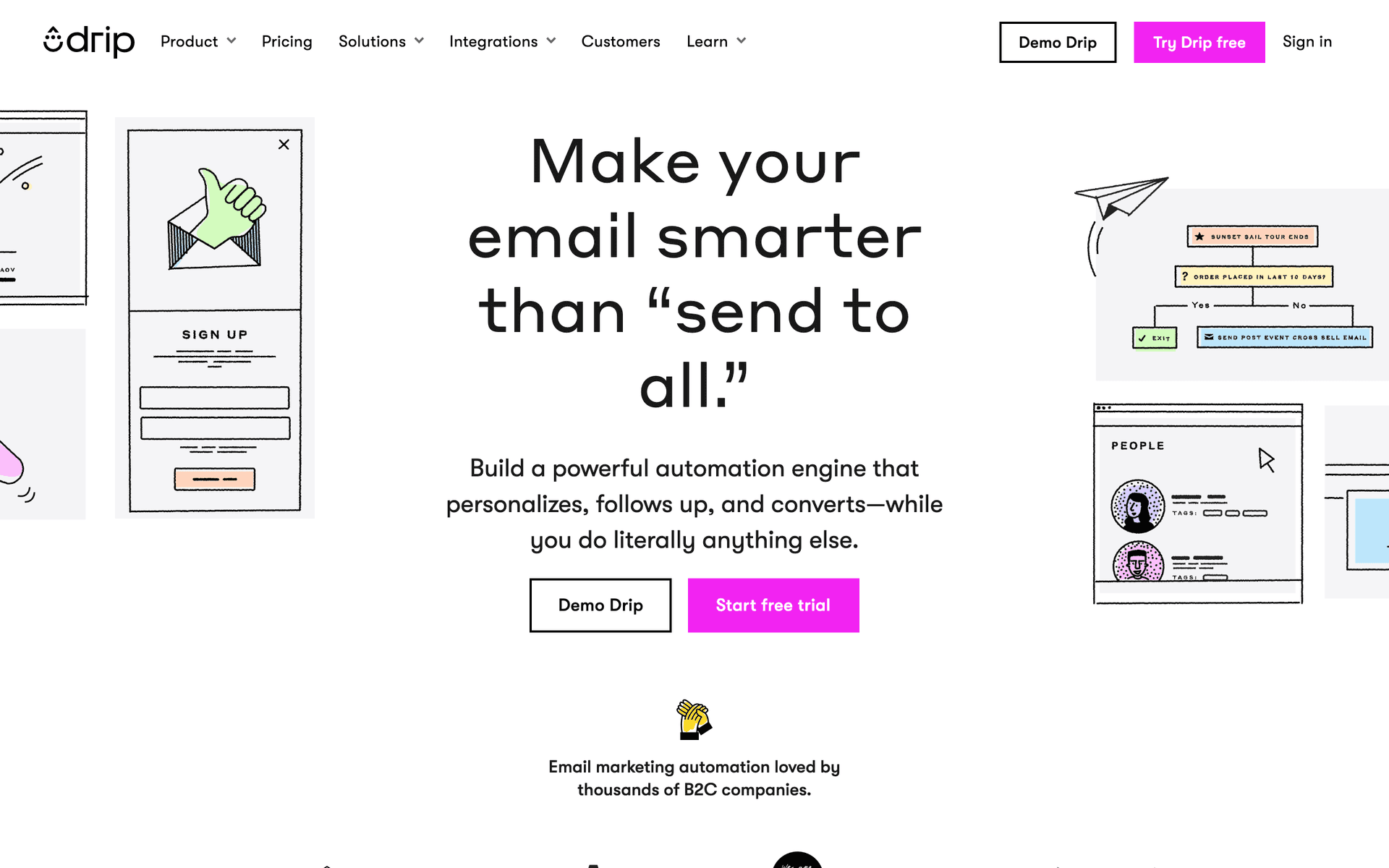
Drip

E-commerce focused but works for selling courses.

Visit

Drip is built for online sales, and it shows. If your trade school sells online preparatory courses, certification materials, or continuing education modules, Drip tracks revenue attribution beautifully - you can see exactly which email sequence drove a course purchase. The automation workflows are powerful and the analytics are detailed. At $39/month minimum with per-contact pricing, only consider Drip if online course sales represent a significant revenue stream for your school. For schools focused primarily on in-person enrollment, the e-commerce features are wasted and you are overpaying for capabilities you do not need.

Best for
Trade schools with online course sales
Pricing
From $39/month for 2,500 contacts

Pros

  • Strong automation
  • Revenue tracking
  • E-commerce features
  • Detailed analytics

Cons

  • Built for e-commerce
  • Expensive
  • Overkill for enrollment only
  • Learning curve
#8
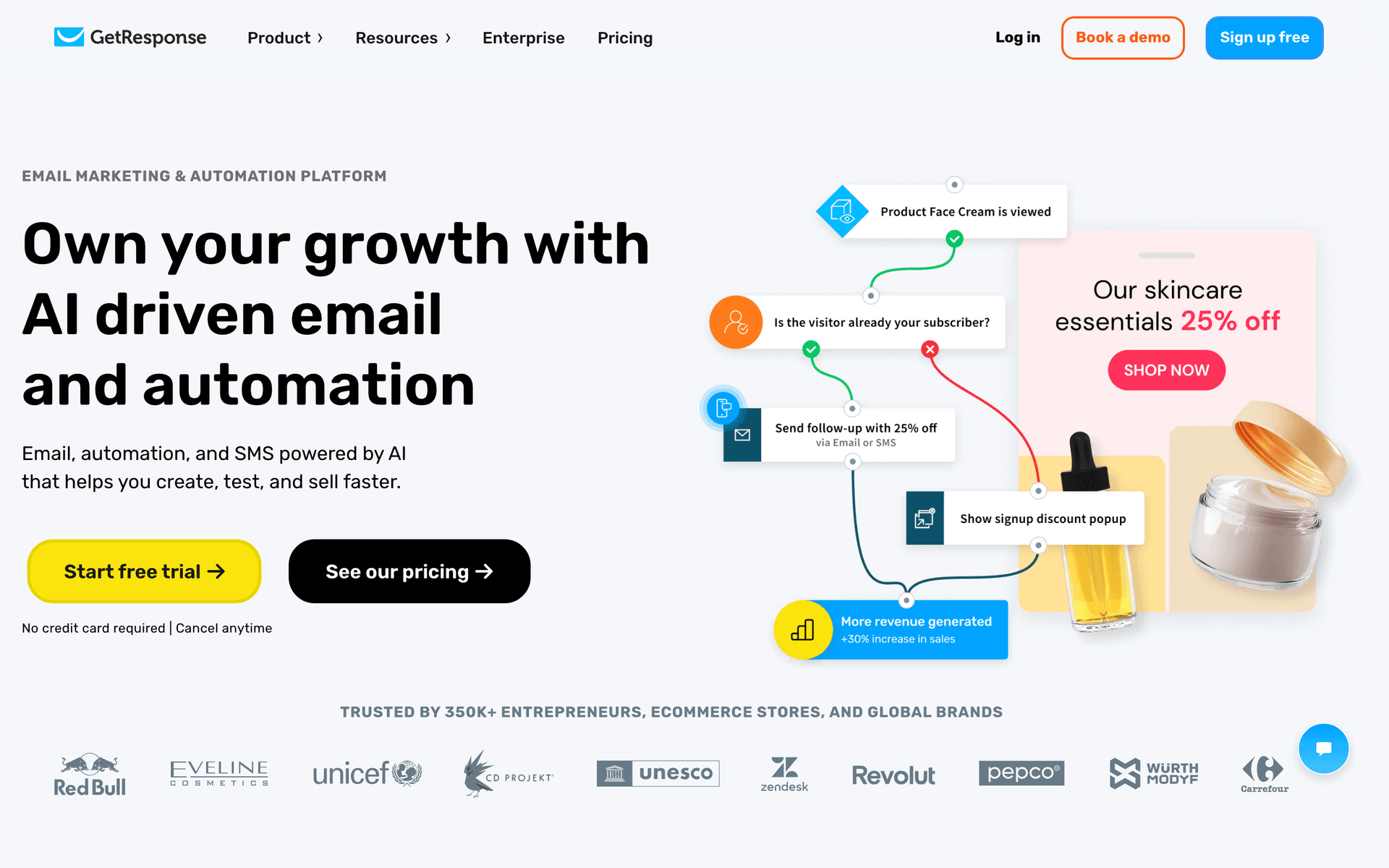
GetResponse

All-in-one marketing platform with webinars and landing pages.

Visit

GetResponse includes email, landing pages, and webinars in one platform. For trade schools running virtual information sessions or offering online orientation events, the built-in webinar hosting is a compelling differentiator. You can host a virtual open house for prospective welding students, automatically follow up with attendees, and nurture them toward enrollment - all within one tool. The landing page builder is decent for creating program-specific signup pages. The interface can feel busy, and the email editor is not the most intuitive, but if you regularly host virtual info sessions, GetResponse gives you more value per dollar than buying separate webinar and email tools.

Best for
Trade schools running virtual info sessions
Pricing
From $19/month for 1,000 contacts

Pros

  • Webinar hosting
  • Landing page builder
  • Automation templates
  • Competitive pricing

Cons

  • Busy interface
  • Email editor could improve
  • Support varies
  • Features feel bolted on
#9
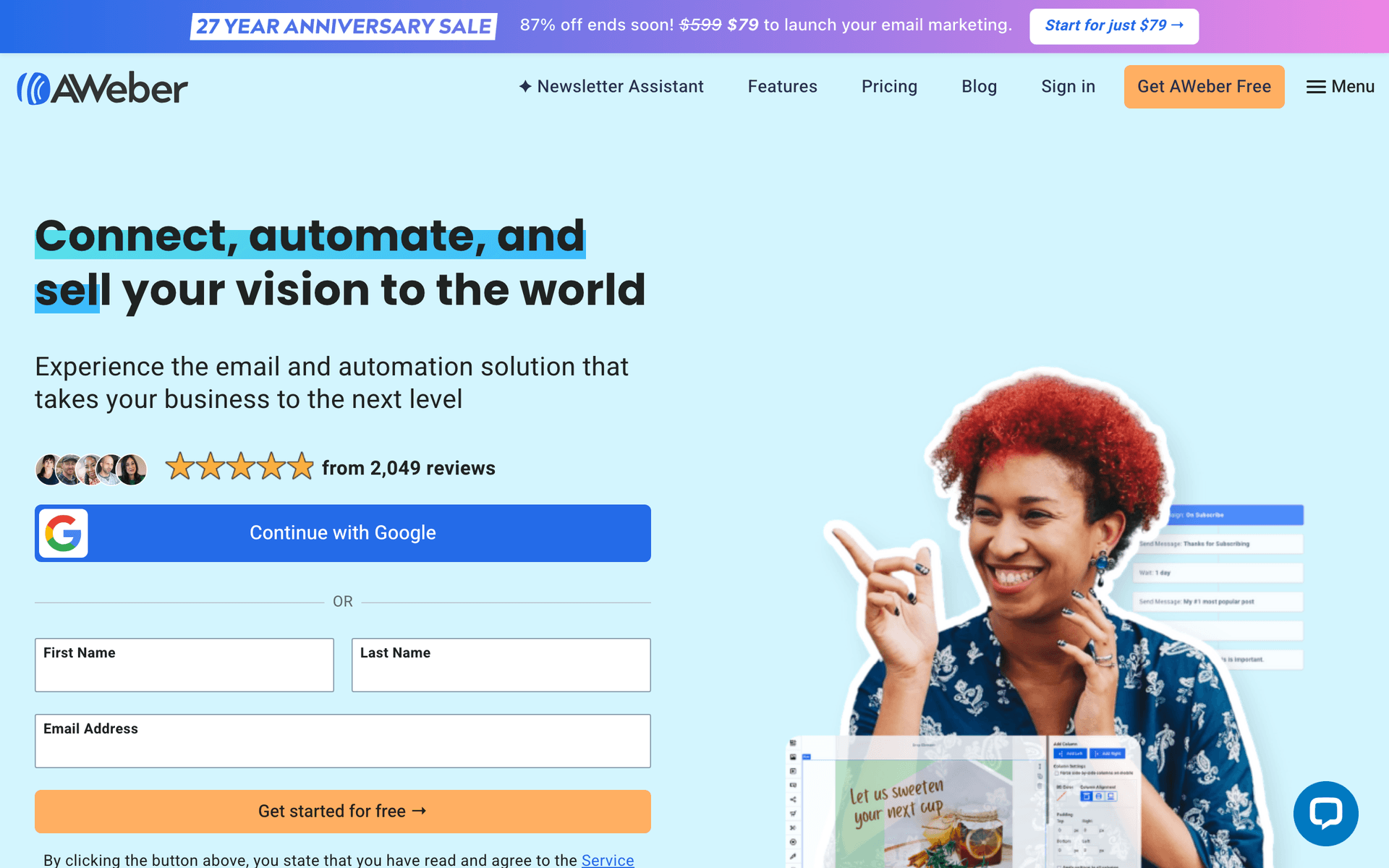
AWeber

One of the original email platforms. Simple and reliable.

Visit

AWeber has been around since 1998, and it feels like it. The interface is dated and templates look old. But reliability counts for something - AWeber's deliverability is excellent from 25+ years of sender reputation building. If your trade school just needs to send monthly newsletters with program updates and campus news, and you do not want to learn a complex system, AWeber handles that reliably. The free tier covers 500 subscribers. Do not expect sophisticated automation or modern design, but for basic communication with no learning curve, AWeber delivers what it promises.

Best for
Trade schools wanting no-frills reliability
Pricing
Free up to 500 subscribers, then from $15/month

Pros

  • Reliable deliverability
  • Simple to use
  • Good support
  • Long track record

Cons

  • Feels dated
  • Limited automation
  • Basic templates
  • Little innovation
#10
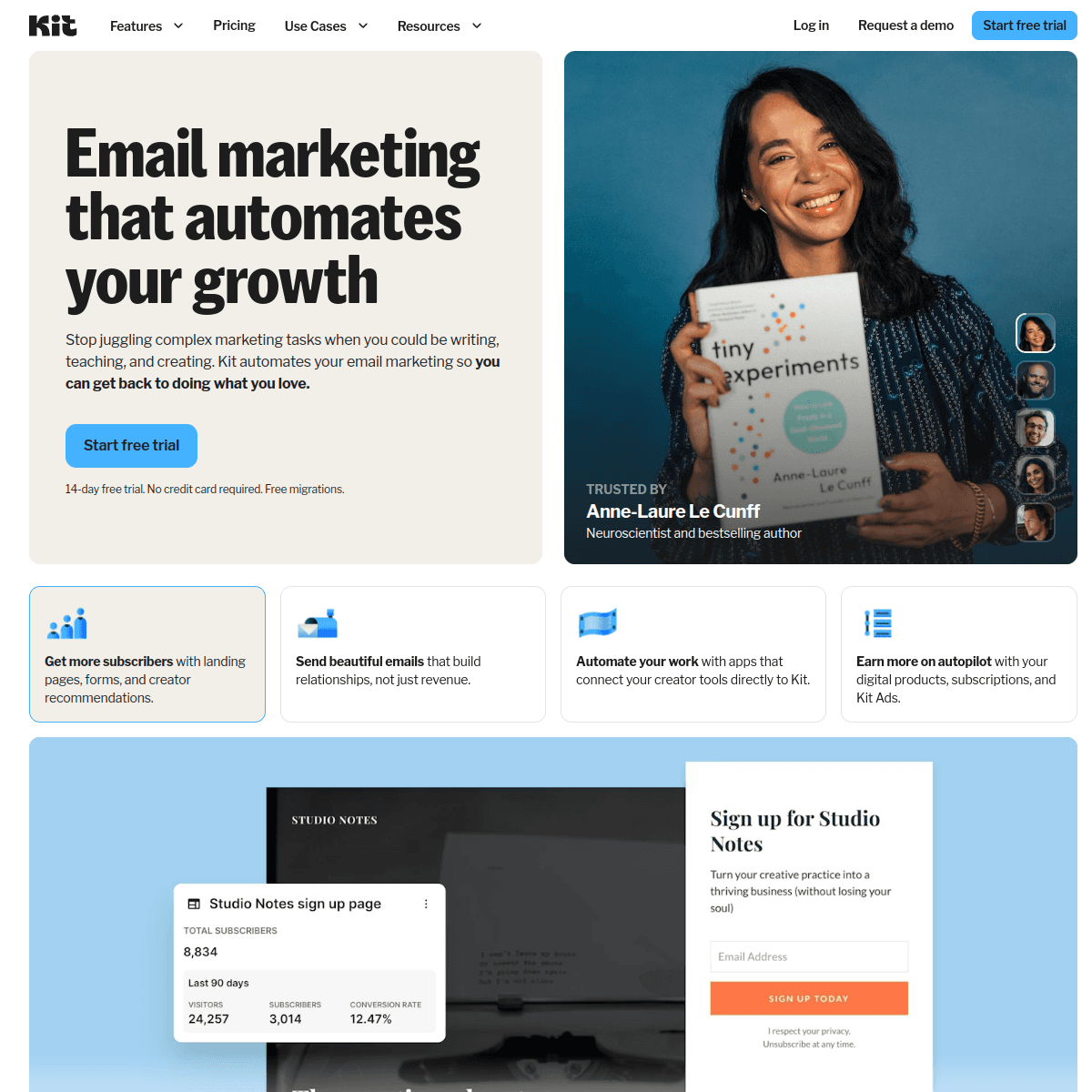
ConvertKit

Built for creators. Works well for schools with content.

Visit

ConvertKit is designed for content creators, and most trade schools are not content creators. However, if your school produces regular educational content - blog posts about career opportunities, YouTube videos showing hands-on training, or newsletters about industry trends - ConvertKit handles subscriber management and tag-based automation elegantly. The free tier goes up to 1,000 subscribers. For trade schools that use content marketing as their primary student acquisition strategy, it works well. For schools that just need enrollment follow-ups and student communication, other tools are a better fit.

Best for
Trade schools creating educational content
Pricing
Free up to 1,000 subscribers, then from $29/month

Pros

  • Great for newsletters
  • Clean management
  • Tag-based automation
  • Creator features

Cons

  • Limited design options
  • No free landing pages
  • Expensive at scale
  • Minimalist templates
#11
HubSpot

Enterprise marketing platform with email included.

Visit

HubSpot is the enterprise solution, and for large trade school networks with multiple campuses and full marketing departments, the investment can make sense. The CRM is excellent for tracking the complete student journey from first inquiry through enrollment and graduation. Marketing automation handles complex multi-campus campaigns. Reporting ties marketing spend to enrollment outcomes. For the typical single-location trade school, HubSpot is massive overkill. I have seen schools sign up because it sounds impressive, then use 5% of the features while paying $200+/month. Only consider HubSpot if you have dedicated marketing staff and multiple campus locations.

Best for
Large trade school networks
Pricing
Free basic, paid from $50/month (realistically $200+)

Pros

  • Full CRM
  • Great for teams
  • Excellent reporting
  • Many integrations

Cons

  • Overkill for small schools
  • Expensive
  • Complex setup
  • Ecosystem commitment
#12
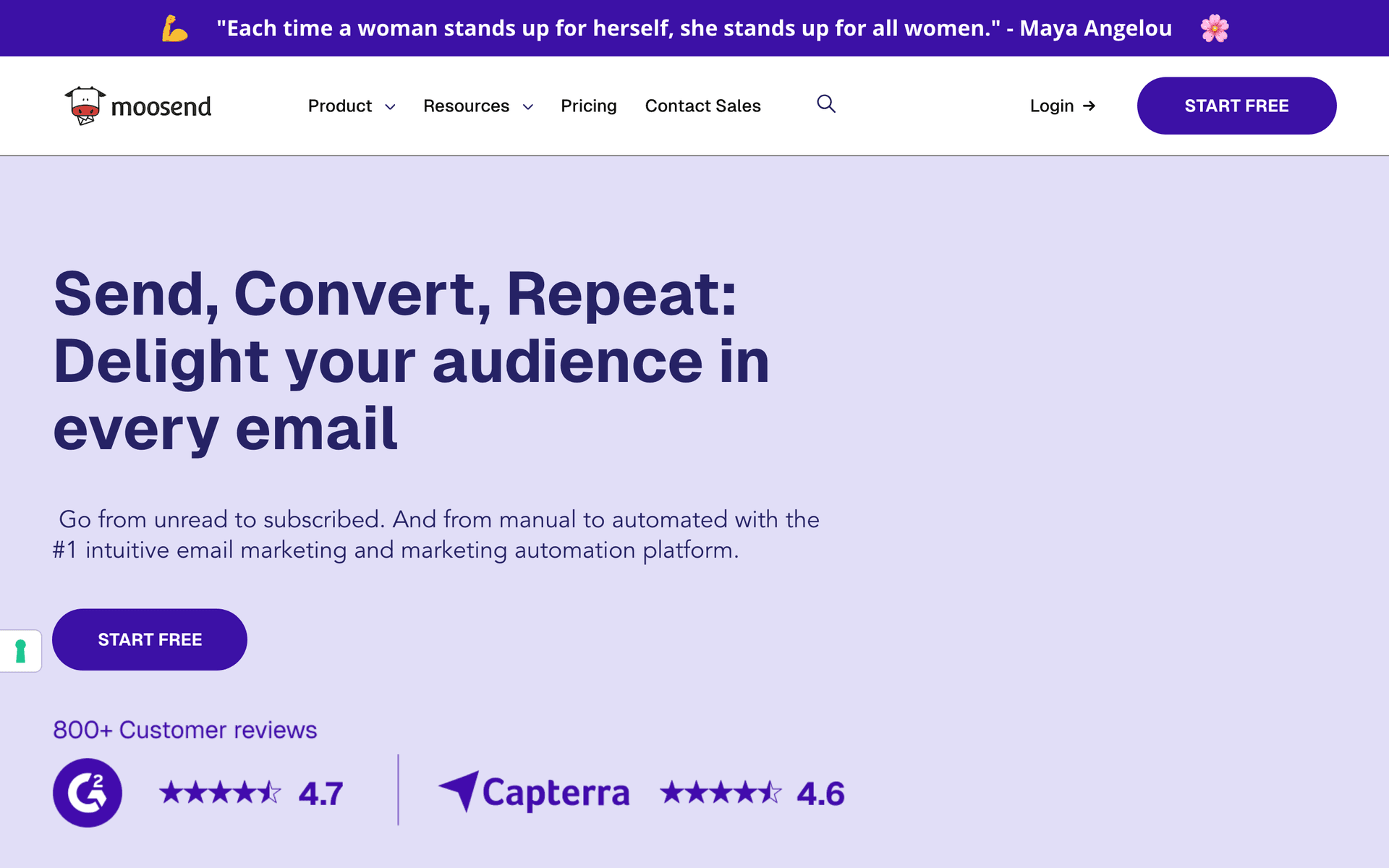
Moosend

Budget email marketing with solid features.

Visit

Moosend is the budget underdog that deserves more attention from trade schools watching their marketing spend. Starting at $9/month for 500 subscribers, you get automation workflows, landing pages, and reporting that rivals tools costing three times as much. The interface is clean, support is responsive, and the automation builder handles enrollment sequences without much fuss. The downsides are real - fewer integrations, a smaller template library, and less brand recognition. But if budget is the primary constraint for your trade school and you need more than just basic email, Moosend delivers solid value.

Best for
Very price-conscious trade schools
Pricing
From $9/month for 500 subscribers

Pros

  • Very affordable
  • Good automation
  • Responsive support
  • Landing pages

Cons

  • Less known
  • Limited integrations
  • Smaller templates
  • Fewer features
#13
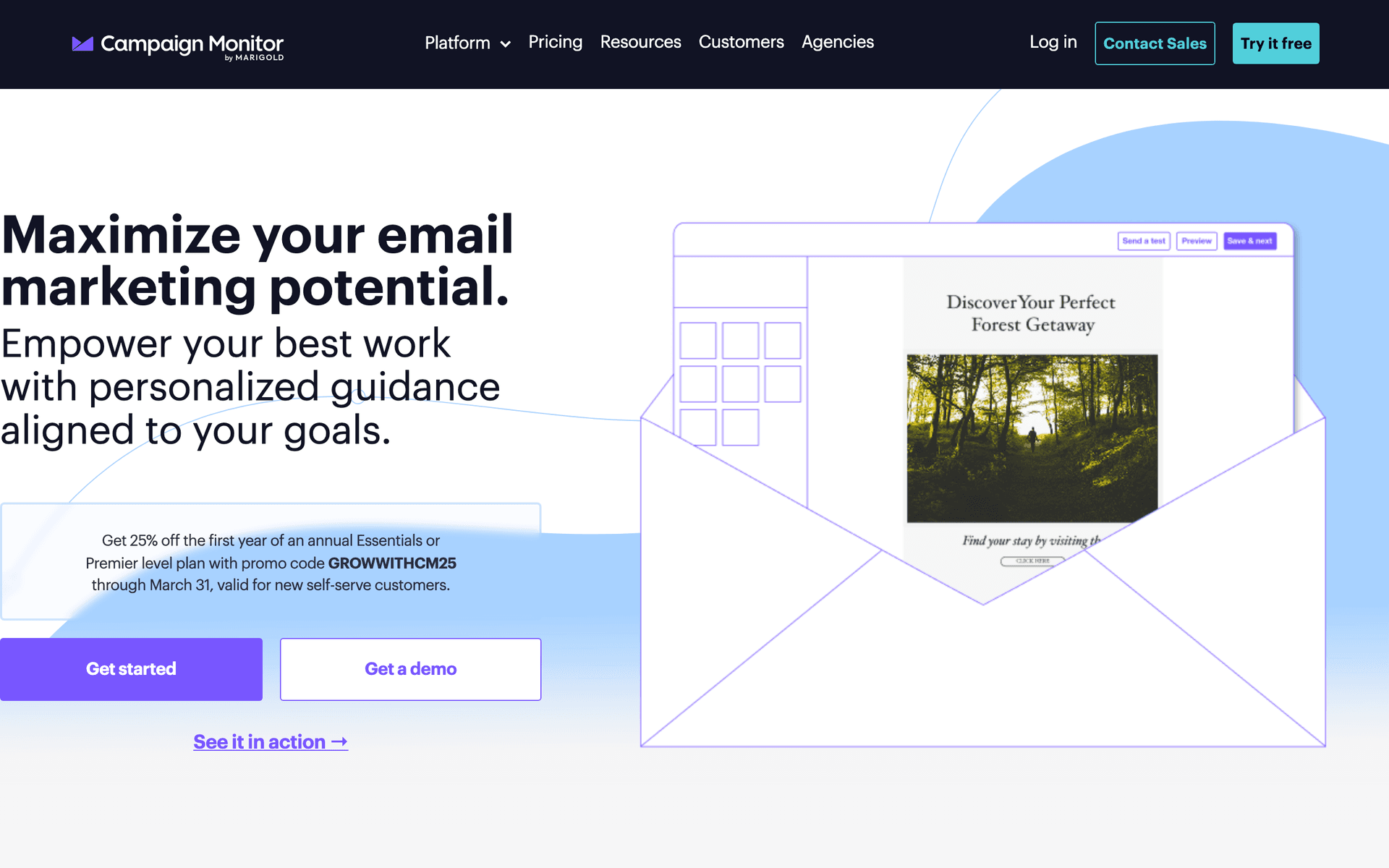
Campaign Monitor

Professional email marketing with beautiful templates.

Visit

Campaign Monitor has the best-looking templates on this list. For trade schools with a premium brand position - perhaps a well-established institution or one targeting higher-end certifications - Campaign Monitor delivers professionally designed emails that match that quality perception. The editor is smooth and the link review feature catches errors before sending. Automation is limited compared to ActiveCampaign or even Sequenzy, and per-contact pricing adds up. Best for schools where visual brand quality in communications is a top priority, though most trade schools will get better overall value elsewhere.

Best for
Premium trade schools prioritizing design
Pricing
From $9/month for 500 contacts

Pros

  • Beautiful templates
  • Professional emails
  • Reliable delivery
  • Clean design

Cons

  • Contact-based pricing
  • Limited automation
  • Gets expensive
  • Not education-specific

Feature Comparison

FeatureSequenzyMailchimpConstant ContactActiveCampaign
Enrollment sequences
Student check-in automation
Basic
AI content generation
Drag-and-drop editor
Automation workflows
Basic
SMS marketing
Free tier available

Common Mistakes to Avoid

We see these mistakes over and over. Skip the learning curve and avoid these from day one.

Sending the Same Content to All Contacts

A prospective welding student and a current electrical program enrollee have completely different needs. Sending everyone the same newsletter wastes your credibility. Segment by enrollment stage and program interest at minimum.

Ignoring Alumni After Graduation

Graduates are your best referral source and your best marketing material. Schools that stop communicating after graduation miss out on alumni referrals, employer connections, and continuing education revenue.

Not Following Up on Inquiries Fast Enough

Prospective students who fill out inquiry forms are often researching multiple schools the same day. If your follow-up takes 48 hours while a competitor responds in 10 minutes, you lose the enrollment. Automate your inquiry response to go out instantly.

Overloading Prospective Students with Information

Your first email to a prospect should not include tuition tables, financial aid details, program curricula, and campus directions. Spread information across a nurture sequence over 10-14 days, revealing one compelling piece at a time.

Neglecting Mobile Optimization

Many prospective trade school students browse on their phones during work breaks or commutes. If your emails look broken on mobile devices, you lose credibility immediately. Test every email on a phone before sending.

Email Sequences Every Trade School Needs

These are the essential automated email sequences that will help you grow your business and keep clients coming back.

Enrollment Inquiry Follow-Up

When prospective student submits inquiry

Convert interested prospects into enrolled students with timely follow-up.

Immediately
Thanks for your interest in {{program_name}}, {{first_name}}

Thank them for reaching out. Share program highlights and next steps.

Day 2
What makes our {{program_name}} graduates successful

Share job placement rates and graduate success stories.

Day 5
Questions about getting started?

Address common concerns about enrollment, financing, and schedules.

Day 10
Open house this week, {{first_name}}

Invite to campus tour or virtual info session.

Program Updates for Current Students

Weekly or bi-weekly

Keep students informed and engaged throughout their program.

Weekly
This week in your {{program_name}} journey

Upcoming lessons, shop schedule, any schedule changes.

Monthly
Your progress update, {{first_name}}

Skills completed, certifications earned, hours logged.

Job Placement Success Stories

Monthly to current students and recent grads

Motivate students and showcase graduate success.

Monthly
Where are they now: {{graduate_name}} lands job at {{company}}

Feature a graduate success story with salary and career path.

When job posted
New {{job_type}} opening from our employer partners

Share relevant job opportunities from partner employers.

Alumni Outreach Campaign

Quarterly

Stay connected with graduates for referrals, employer partnerships, and continuing education.

Quarterly
Updates from {{school_name}}, {{first_name}}

New programs, campus improvements, upcoming events.

Annually
We want to hear from you, {{first_name}}

Alumni survey for career updates, testimonials, and feedback.

As needed
Continuing education: Upgrade your {{certification_name}}

Promote advanced certifications and continuing education opportunities.

How to Choose the Right Email Tool for Your Trade School

The best email marketing tool depends on your trade school's specific situation, and making the right choice saves you from painful migration later.

School Size and Structure

Single-location schools with one or two programs can use simpler tools like Sequenzy or MailerLite. You do not need sophisticated multi-campaign management when your audience is straightforward. Multi-campus operations with many programs need platforms like ActiveCampaign that handle complex segmentation and team-based access.

Who Will Manage It

This is the most important factor most schools overlook. If your admissions director is managing email between campus tours and phone calls, choose the simplest tool that handles your needs. A powerful platform that nobody has time to learn properly is worse than a simple one that actually gets used. If you have a dedicated marketing person, you can justify more complex tools.

Contact List Economics

Trade schools accumulate contacts over years - prospects who inquired but did not enroll, current students, graduates, alumni, and employer partners. A tool charging per contact gets expensive when you have 10,000+ records but only actively email a fraction of them. Pay-per-email pricing (like Sequenzy) or generous free tiers matter more for trade schools than for most businesses.

What Actually Works for Trade School Email Marketing

After talking to dozens of vocational education professionals about what drives enrollment and retention through email, these patterns stand out.

Success Stories Are Your Best Content

Graduate placement stories with real salaries and career paths are the single most compelling content you can send to prospective students. "Mike graduated from our HVAC program 8 months ago and just got hired at $62,000/year" is more persuasive than any promotional copy. Collect these stories systematically and feature one in every prospect-facing email.

Timing Around Life Transitions

Career changers research trade schools during periods of job dissatisfaction, layoffs, or major life events. High school seniors start looking seriously in the fall of their senior year. Military members begin searching 6-12 months before discharge. Understanding these patterns and timing your outreach accordingly dramatically improves response rates.

Retention Emails Pay for Themselves

Every student who drops out represents lost tuition and hurts your completion rates, which affect accreditation and reputation. Automated encouragement sequences, check-ins triggered by missed classes, and milestone celebrations help students push through difficult periods. A single retained student covers the cost of your email tool for years.

Industry-Specific Email Strategies for Trade Schools

The Enrollment Funnel

Your email funnel should mirror the actual enrollment decision process. Most prospective students go through these stages: awareness (they know trade schools exist), interest (they are comparing programs), consideration (they are comparing your school to alternatives), and decision (they are ready to enroll). Each stage needs different content. Early-stage prospects need inspiration and salary data. Late-stage prospects need logistics, financial aid details, and deadline urgency.

Seasonal Campaign Calendar

Map your email campaigns to the natural rhythm of trade school enrollment:

  • January-February: New Year career change campaigns targeting adults dissatisfied with current jobs
  • March-April: High school senior campaigns as graduation approaches
  • May-June: Summer program promotions and fast-track certifications
  • August-September: Fall enrollment push with FAFSA deadline reminders
  • October-November: Early bird enrollment for winter/spring programs
  • Year-round: Graduate success stories and employer partnership updates

Financial Aid Communication

Financial aid is often the biggest barrier to enrollment. Create a dedicated email sequence that walks prospects through the FAFSA process, explains available grants and loans, highlights scholarship opportunities, and calculates the ROI of their program investment. Time these emails to align with financial aid application deadlines.

Integration Recommendations

Practice Management and SIS Integration

If your Student Information System (SIS) supports it, connect it to your email platform. This lets you trigger emails based on enrollment status changes, attendance records, and grade milestones automatically. Zapier connects most SIS platforms to email tools when direct integrations are not available.

Website Form Integration

Your website inquiry forms should connect directly to your email platform. When a prospect fills out a form asking about your electrical program, they should receive the first email in your electrical program nurture sequence within minutes - not hours or days.

What a Healthy Email List Looks Like for Trade Schools

A typical mid-sized trade school email list breaks down roughly like this:

  • Active prospects (inquired in last 6 months): 500-2,000 contacts - email weekly during nurture sequence
  • Warm prospects (inquired 6-18 months ago): 1,000-3,000 contacts - email monthly with success stories
  • Current students: 100-500 contacts - email weekly with program updates
  • Recent graduates (last 2 years): 200-800 contacts - email monthly with job opportunities
  • Alumni (2+ years): 1,000-5,000 contacts - email quarterly
  • Employer partners: 50-200 contacts - email quarterly

Total list size ranges from 3,000 to 12,000 contacts for a typical trade school. The key metric is not list size but engagement rate within each segment. If your prospect open rate drops below 20%, your content needs improvement or your list needs cleaning.

Getting Started This Week

Pick a tool from this list. Then follow this priority order:

  1. Import your contact lists and segment them into prospects, students, alumni, and employers
  2. Set up an enrollment inquiry follow-up automation - this is your highest-ROI email because it captures prospects while they are actively interested
  3. Create a weekly student update template that your team can fill in quickly each week
  4. Plan your first graduate success story email - interview a successful graduate and share their story with your prospect list
  5. Schedule seasonal campaigns for your next enrollment period

Start simple. A working enrollment follow-up sequence running today is worth more than a perfect email strategy you are still planning next month.

How We Evaluated These Tools

We evaluated each platform by setting up actual enrollment nurture sequences for a trade school scenario, testing how well each handles multi-stage prospect journeys and program-specific segmentation. Pricing was compared at 5,000 contacts (a realistic size for a mid-sized trade school including prospects, students, and alumni). We weighted ease of use heavily because most trade school admissions staff are not marketing specialists.

Frequently Asked Questions

Ready to grow your trade school practice?

Start your free trial today. Set up your first email sequence in minutes with AI-powered content generation.

Related Industries

Sequenzy - Complete Pricing Guide

Pricing Model

Sequenzy uses email-volume-based pricing. You only pay for emails you send. Unlimited contacts on all plans — storing subscribers is always free.

All Pricing Tiers

  • 2.5k emails/month: Free (Free annually)
  • 15k emails/month: $19/month ($205/year annually)
  • 60k emails/month: $29/month ($313/year annually)
  • 120k emails/month: $49/month ($529/year annually)
  • 300k emails/month: $99/month ($1069/year annually)
  • 600k emails/month: $199/month ($2149/year annually)
  • 1.2M emails/month: $349/month ($3769/year annually)
  • Unlimited emails/month: Custom pricing (Custom annually)

Yearly billing: All plans offer a 10% discount when billed annually.

Free Plan Features (2,500 emails/month)

  • Visual automation builder
  • Transactional email API
  • Reply tracking & team inbox
  • Goal tracking & revenue attribution
  • Dynamic segments
  • Payment integrations
  • Full REST API access
  • Custom sending domain

Paid Plan Features (15k - 1.2M emails/month)

  • Visual automation builder
  • Transactional email API
  • Reply tracking & team inbox
  • Goal tracking & revenue attribution
  • Dynamic segments
  • Payment integrations (Stripe, Paddle, Lemon Squeezy)
  • Full REST API access
  • Custom sending domain

Enterprise Plan Features (Unlimited emails)

  • Visual automation builder
  • Transactional email API
  • Reply tracking & team inbox
  • Goal tracking & revenue attribution
  • Dynamic segments
  • Payment integrations
  • Full REST API access
  • Custom sending domain

Important Pricing Notes

  • You only pay for emails you send — unlimited contacts on all plans
  • No hidden fees - all features included in the price
  • No credit card required for free tier

Contact

  • Pricing Page: https://sequenzy.com/pricing
  • Sales: hello@sequenzy.com