
How to Choose the Right Email Tool for Your Staffing Agency
Audience Management Is the Top Priority
The most important feature for any staffing agency email platform is the ability to cleanly separate client and candidate communications. You are running two fundamentally different marketing strategies under one roof. Clients receive market insights, case studies, and talent availability updates. Candidates receive job alerts, career tips, and engagement content. Sending the wrong content to the wrong audience damages credibility.
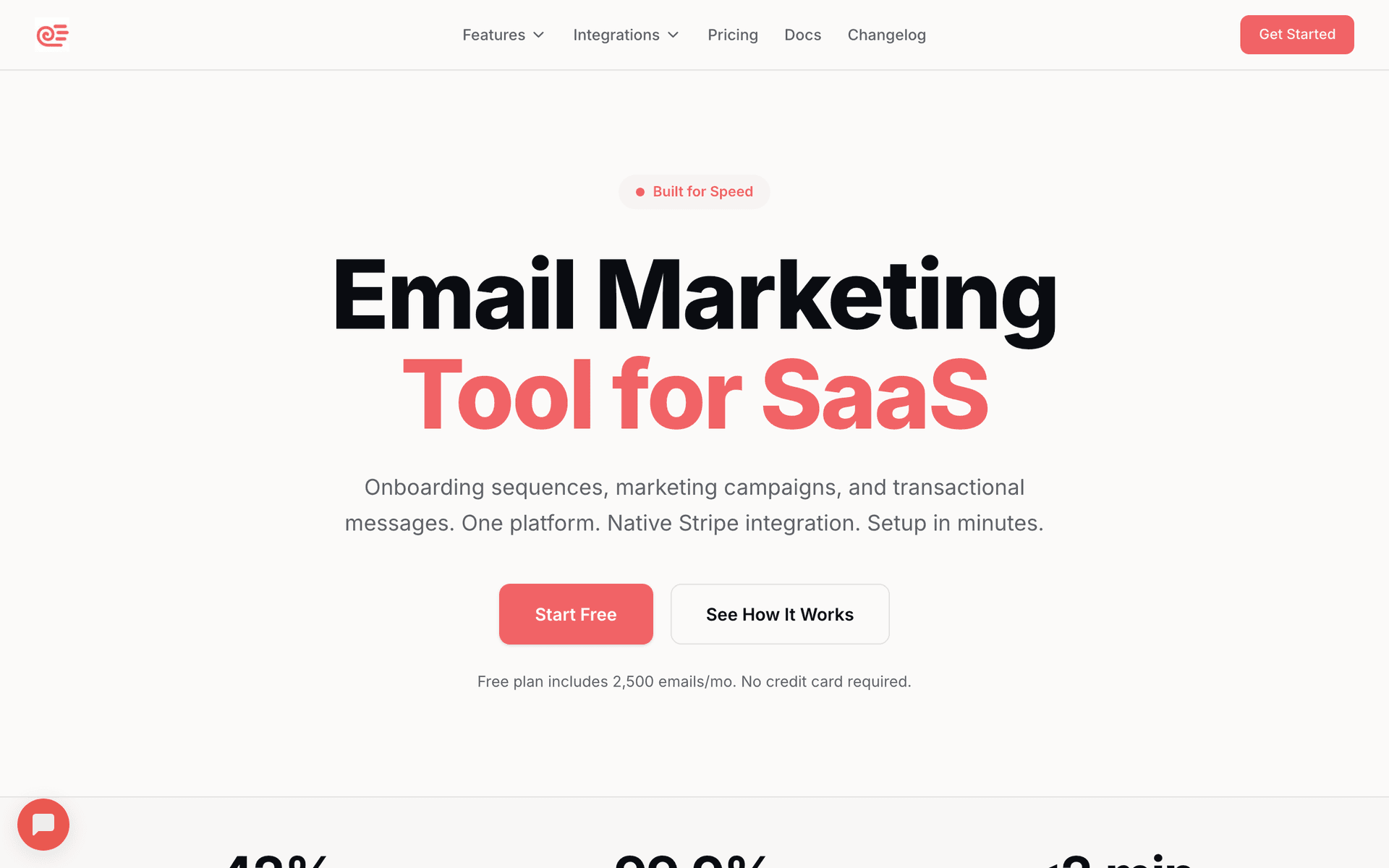
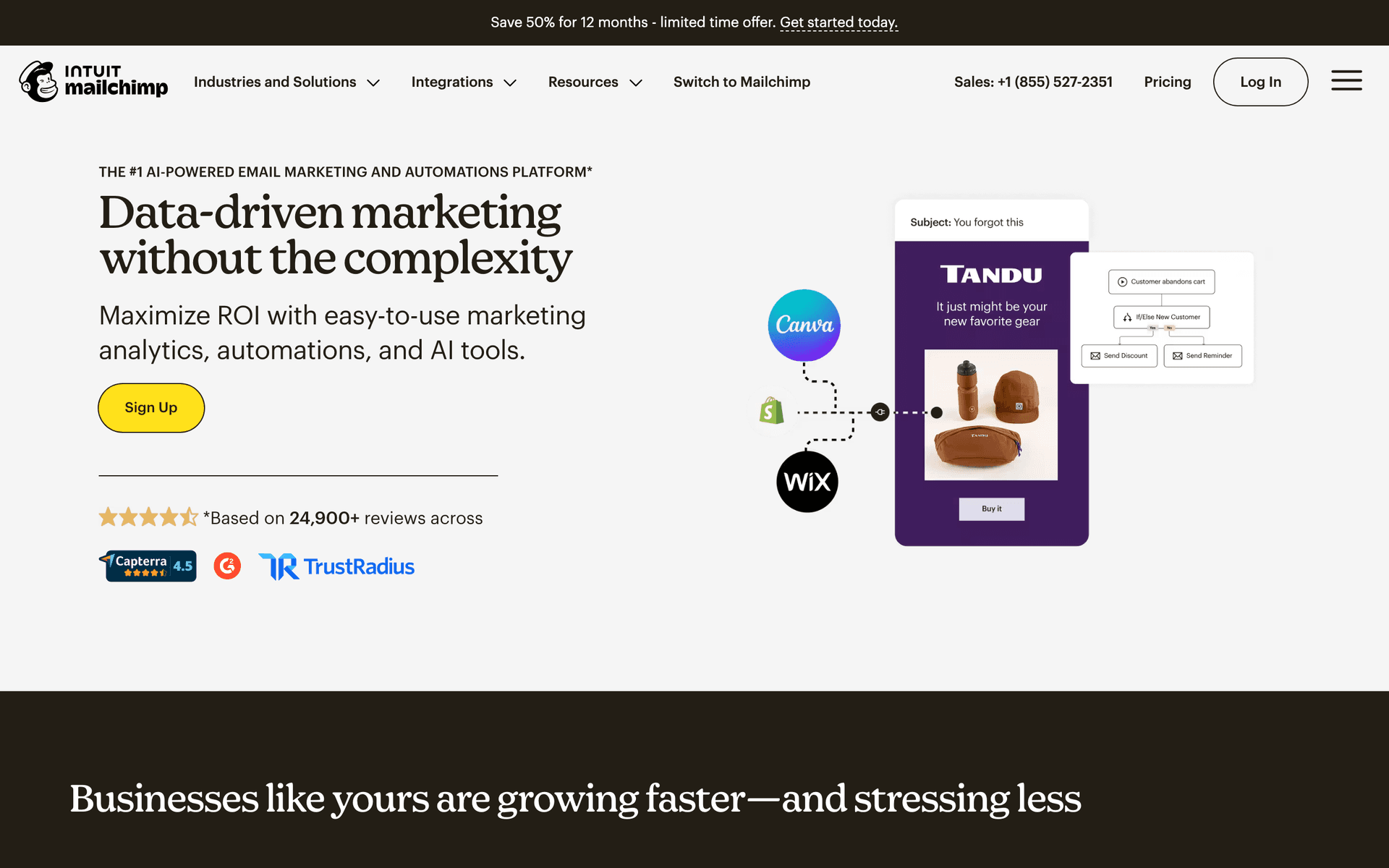
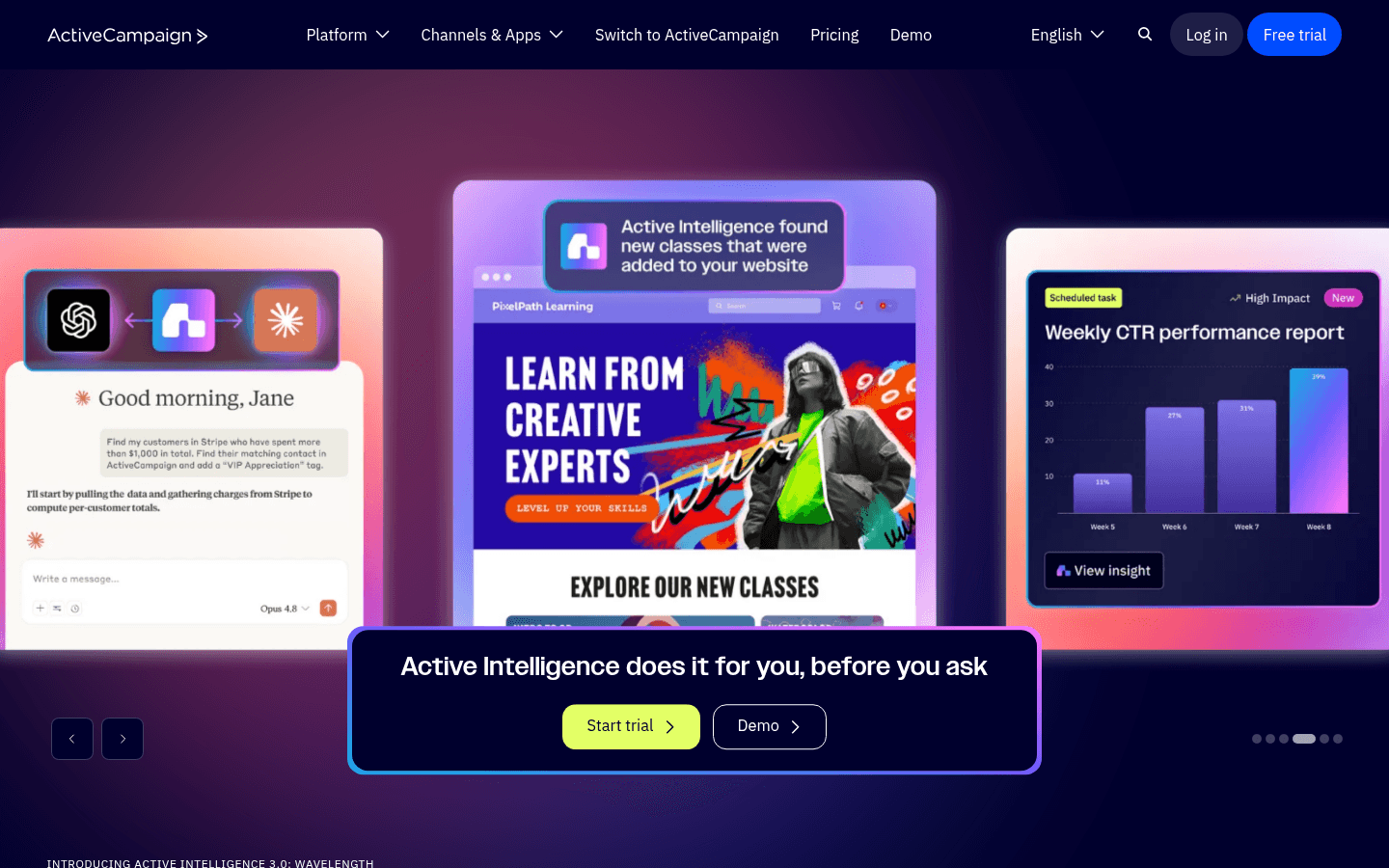
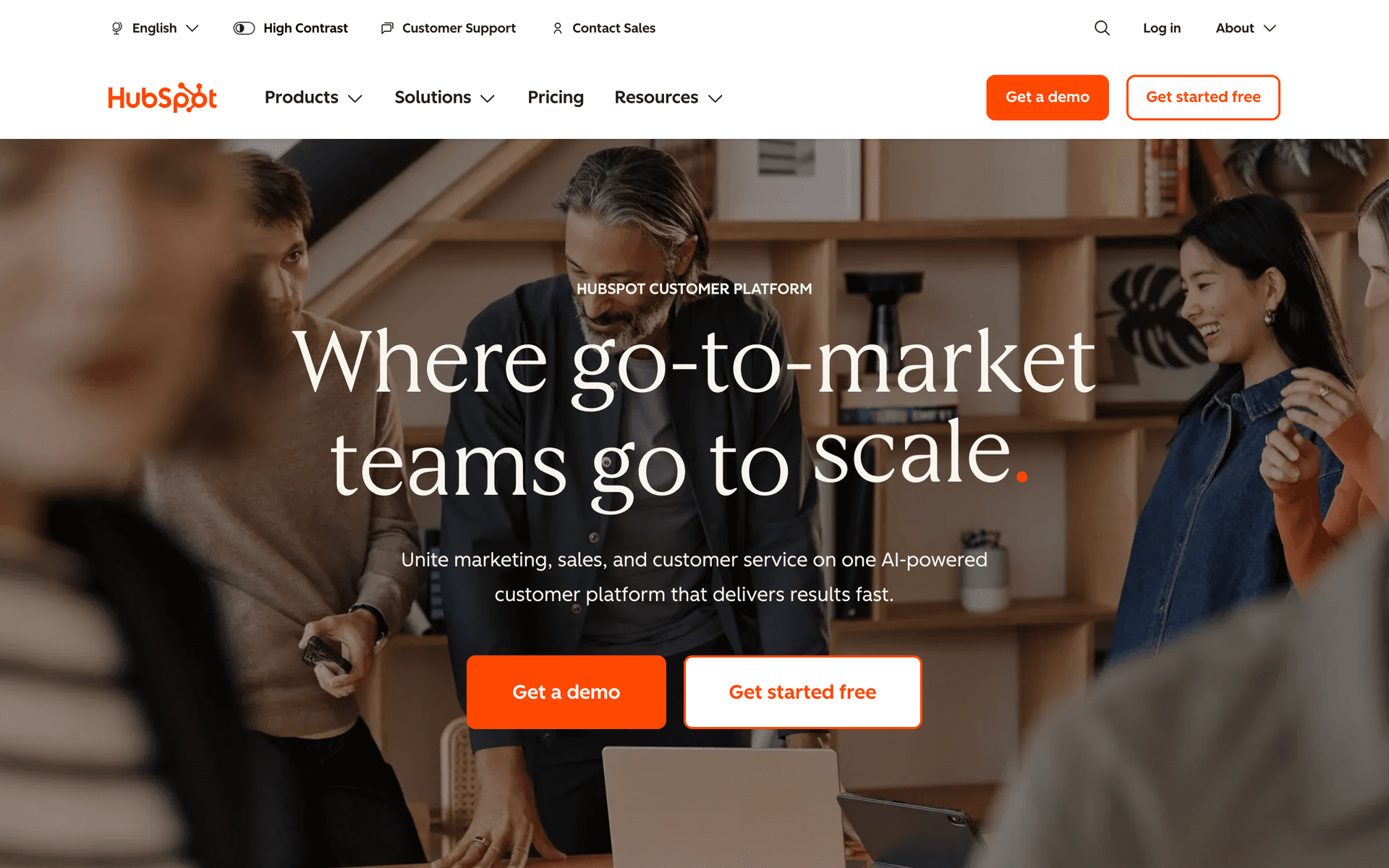
Look for platforms that support robust tagging or list segmentation. Sequenzy and ActiveCampaign both handle this well through tags. HubSpot uses its CRM to separate contact types. Mailchimp can do it with audiences but becomes clunky at scale.
Calculate Costs at Realistic Database Sizes
Staffing agencies accumulate contacts faster than most businesses. Every candidate who applies, every hiring manager you meet at a conference, every referral - they all go into your database. Within two years, a moderately active agency can easily have 10,000-30,000 contacts.
At 20,000 contacts, here is what you would pay monthly:
- Sequenzy: $49 (pay per email, not contacts)
- Mailchimp: $230+ (Standard plan)
- ActiveCampaign: $159+ (Lite plan)
- HubSpot: $890+ (Professional plan)
- MailerLite: $105 (Growing Business plan)
If your candidate database is large but you only email a portion of it each month, pay-per-email pricing from Sequenzy or Brevo saves significant money.
Staffing Agency Email Cost Table
| Database size | Typical monthly send pattern | Cost risk on contact-based tools | Better pricing model |
|---|---|---|---|
| 2,000 contacts | Most candidates and clients emailed monthly | Low, list is still manageable | Either contact-based or send-based |
| 10,000 contacts | Segmented sends by role, industry, and geography | Medium, inactive candidates still cost money | Send-based if only 30-50% are emailed |
| 25,000 contacts | Large candidate pool, smaller active client list | High, old applicants inflate subscription tier | Pay per email with strong list hygiene |
| 50,000+ contacts | Specialized campaigns and job alerts | Very high without suppression and segmentation | Send-based plus CRM/ATS sync |
CRM Integration Matters for Larger Agencies
If you already use a CRM or ATS (Bullhorn, JobDiva, Avionte), check what integrates with your email platform. ActiveCampaign and HubSpot have built-in CRMs that may replace or supplement your existing system. Mailchimp and Sequenzy connect to external CRMs through integrations or APIs.
Industry-Specific Email Strategies for Staffing Agencies
The Dual-Audience Framework
Successful staffing agency email marketing runs two parallel tracks:
Client Track: Monthly market updates with salary data and hiring trends, case studies showing successful placements, talent availability alerts for hard-to-fill roles, and quarterly relationship check-ins. The goal is positioning your agency as a strategic partner rather than a transactional vendor.
Candidate Track: Job opportunity alerts matched to skills and preferences, career development content (interview tips, resume guidance, industry news), placement anniversary check-ins, and re-engagement campaigns for dormant candidates. The goal is keeping your agency top of mind so candidates think of you first when they are ready to move.
| Audience | Email goal | Best content format | Metric that matters |
|---|---|---|---|
| Hiring managers | Create demand for staffing help | Market reports and salary trend briefings | Client meetings booked |
| HR directors | Build trust and reduce perceived risk | Placement case studies and process explainers | Inquiry to consultation rate |
| Active candidates | Move quickly on relevant roles | Job alerts matched by skill and location | Applications from email |
| Passive candidates | Stay top of mind between searches | Career advice and compensation insights | Re-engagement rate |
| Placed candidates | Protect relationships and drive referrals | Check-ins, anniversary notes, referral prompts | Referrals and repeat placements |
Market Insights as a Retention Tool
The highest-performing staffing agency emails are not about selling services - they are about sharing data. Hiring managers open emails with subject lines like "Q1 2026 Marketing Salary Report" at rates above 40%. This kind of content requires effort to produce, but it pays dividends in client retention and positions you as the knowledgeable expert in your vertical.
Consider publishing a quarterly market report with salary ranges, hiring volume trends, time-to-fill benchmarks, and talent availability insights for your specialty areas. Gate the full report behind a landing page to grow your client list.
Placement Follow-Up Workflows
Most staffing agencies close a deal and move on. The agencies that systematically follow up at 30, 60, and 90 days after placement build stronger relationships and generate more repeat business. Here is why each touchpoint matters:
- 30 days: Catch early problems before they escalate. A quick check-in shows the client you care about outcomes, not just billings.
- 60 days: By now the placement is either working or it is not. This is a natural time to ask about additional staffing needs.
- 90 days: If the placement is successful, ask for a referral or testimonial. If the candidate was temp-to-hire, this may be the conversion milestone.
Automate these follow-ups in your email platform so no placement falls through the cracks.
| Placement milestone | Client email focus | Candidate email focus | Opportunity created |
|---|---|---|---|
| Day 7 | Confirm onboarding is smooth | Ask if expectations match the role | Catch early friction |
| Day 30 | Check performance and fit | Support adjustment questions | Prevent replacement risk |
| Day 60 | Ask about additional hiring needs | Encourage feedback and stability | Expand account relationship |
| Day 90 | Request testimonial or referral | Celebrate milestone | Generate proof and referrals |
| Renewal or contract end | Plan next staffing requirement | Discuss future role interest | Retain revenue |
What a Healthy Email List Looks Like for Staffing Agencies
A healthy staffing agency email list has these characteristics:
- Clean separation between client contacts (hiring managers, HR directors) and candidate contacts
- Active engagement from at least 20-30% of your list (measured by opens in the last 90 days)
- Low bounce rate under 2% - staffing lists decay fast because people change jobs
- Segmentation by industry, role type, geography, and engagement level
- Regular growth of 5-10% per quarter from new candidate applications and client inquiries
List Hygiene for Staffing Agencies
Staffing databases are uniquely prone to decay because both clients and candidates change jobs frequently. Budget time quarterly to:
- Remove hard bounces immediately after every send
- Re-engage contacts who have not opened an email in 90 days with a "still interested?" campaign
- Remove contacts who do not re-engage after 180 days of inactivity
- Update records when you learn about job changes through LinkedIn or direct contact
- Verify email addresses for high-value client contacts annually
Getting Started with Email Marketing for Your Staffing Agency
- Choose your platform based on database size, budget, and automation needs
- Import and segment your contacts into client and candidate lists with appropriate tags
- Set up your client nurture sequence - start with a 4-email series for new client inquiries
- Create a candidate welcome flow - a 3-email sequence that sets expectations and delivers immediate value
- Build a monthly market update template - this becomes your ongoing relationship maintenance tool
- Automate placement follow-ups at 30, 60, and 90 days
- Track downstream metrics - placements influenced, meetings booked, and re-engagements, not just opens and clicks
Start with one audience and one sequence. Get it working, measure the results, and expand from there. The staffing agencies that win at email marketing are not the ones with the most sophisticated tools - they are the ones that show up consistently with relevant content for both audiences.