
How to Choose the Right Email Tool for Your Coaching Business
The best tool depends on your business model, content strategy, and sales process.
Solo coaches building a personal brand should consider ConvertKit (built for creators) or Sequenzy (AI-generated content). Both handle the lead magnet to nurture to call pipeline well.
Coaches with complex sales funnels that include webinars, lead scoring, and multi-path sequences should look at ActiveCampaign for its unmatched automation depth.
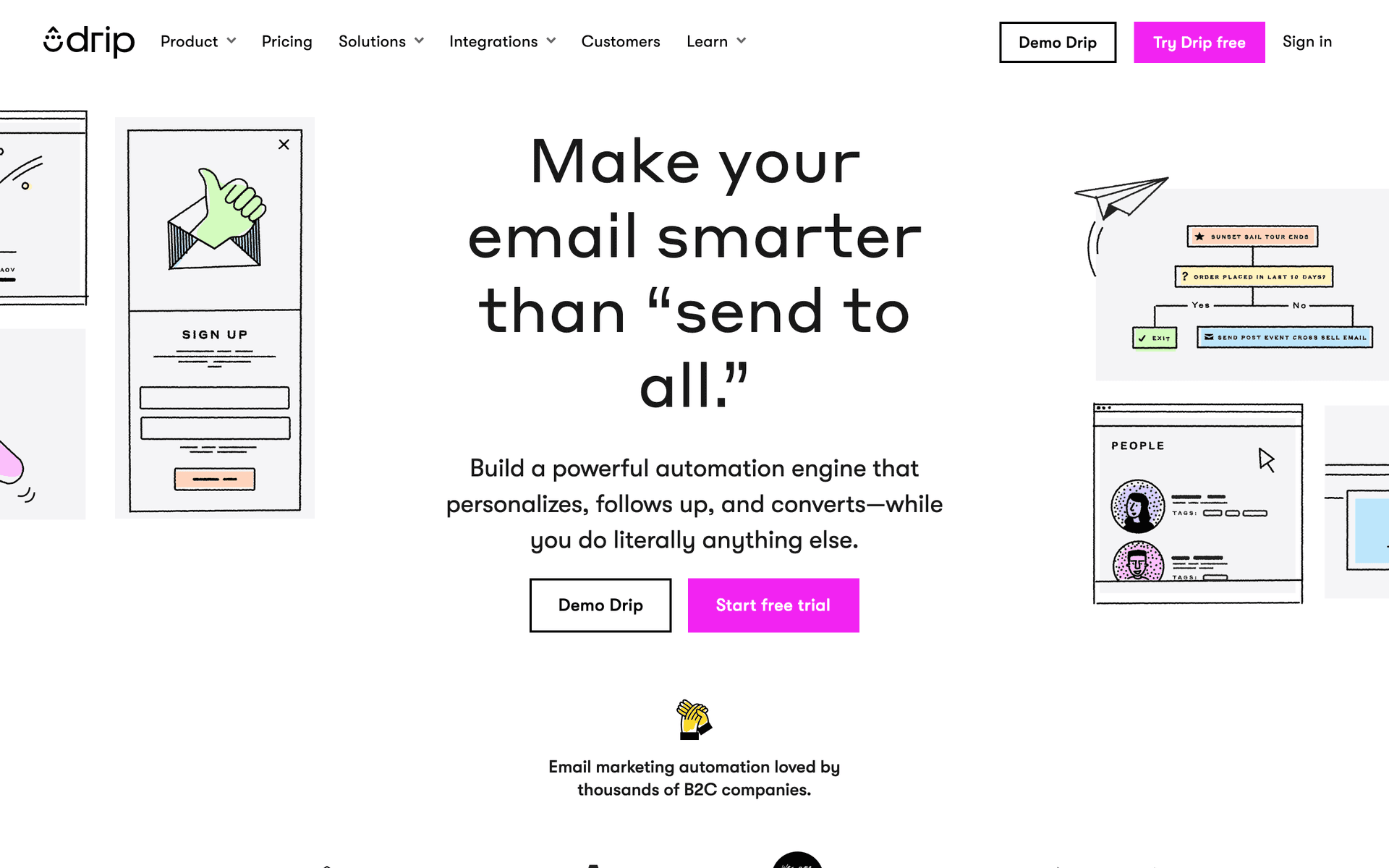
Coaches who also sell courses should consider Drip or Klaviyo for revenue attribution across both coaching and digital products.
Quick Decision Framework
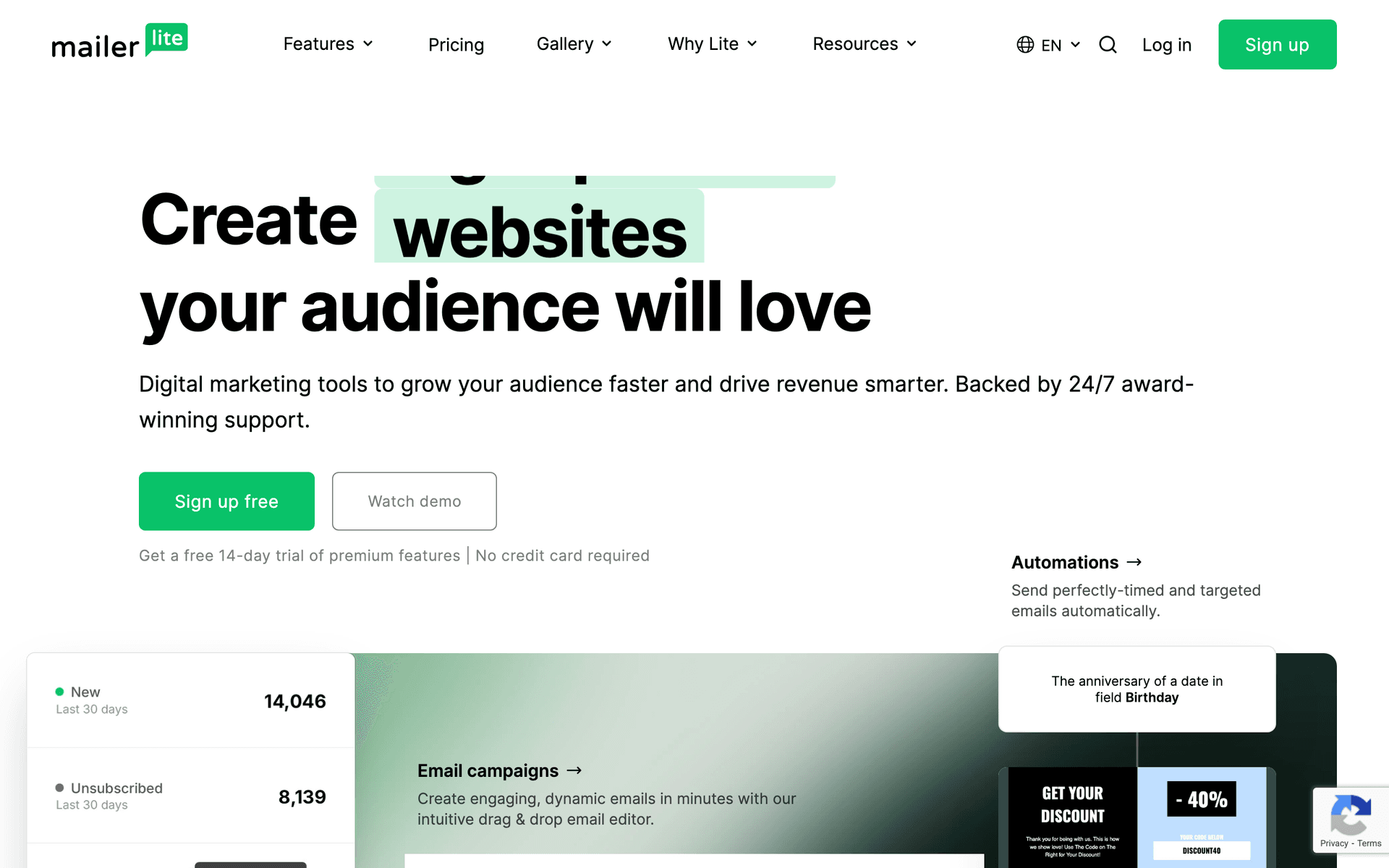
- Just getting started: Sequenzy (free up to 2,500 emails) or MailerLite (free up to 1,000 contacts)
- Building a creator brand: ConvertKit for the creator ecosystem
- Complex sales funnel: ActiveCampaign for CRM and lead scoring
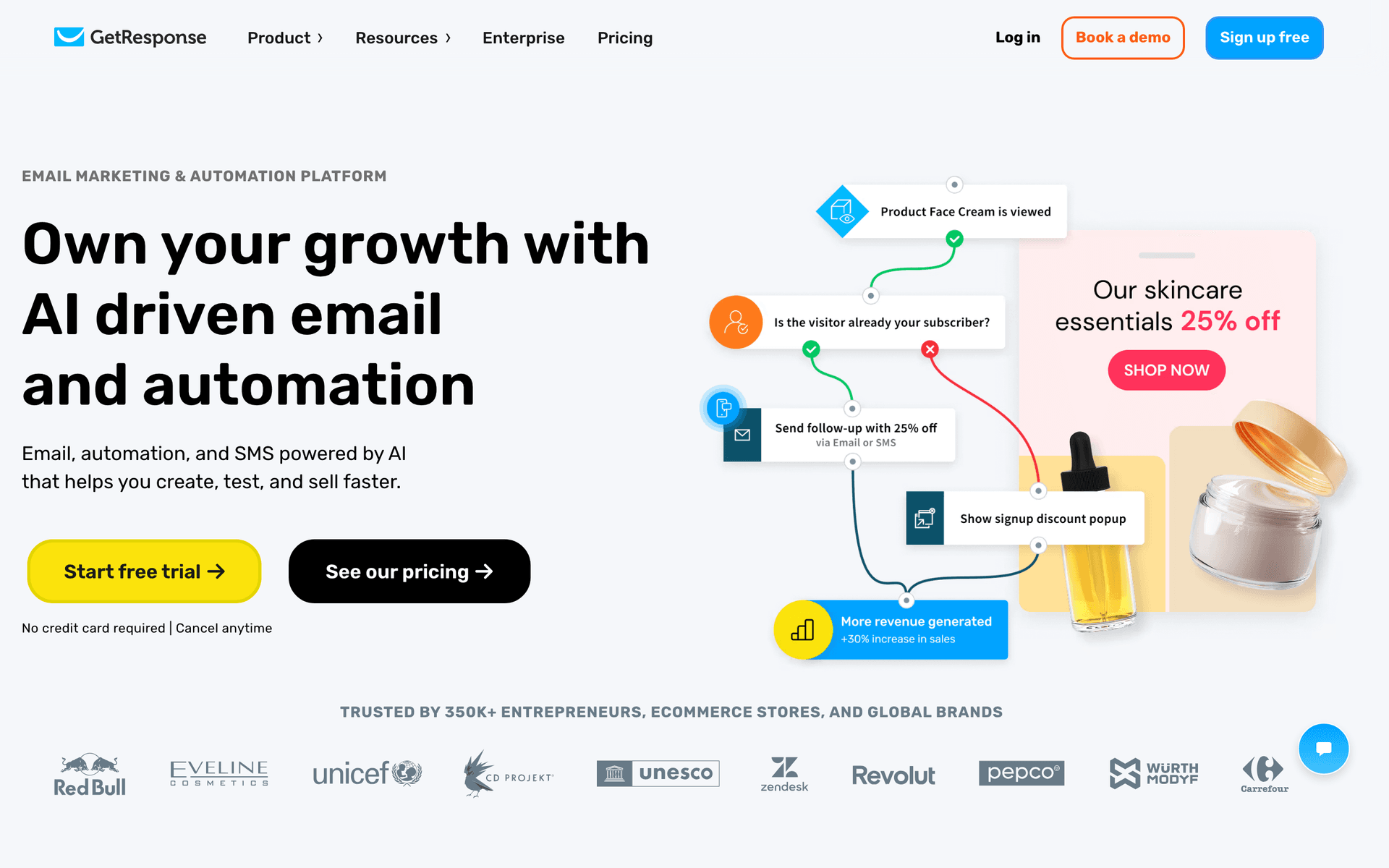
- Webinar-based sales: GetResponse for built-in webinars
- Growing audience, budget-conscious: Sequenzy (pay per email, not per contact)
Business Coach Platform Fit
| Coaching model | Best-fit tool need | Sequence to build first | Buying-cycle reality |
|---|---|---|---|
| Solo high-ticket coach | Lead magnet and call booking | 5-email authority nurture | Prospects may convert months later |
| Group coaching program | Launch and waitlist tools | Cohort opening sequence | Scarcity and dates matter |
| Webinar seller | Registration and reminders | Webinar attendance sequence | Attendance drives sales calls |
| Coach plus course | Product and service segmentation | Course buyer to coaching upsell | Buyers need different messaging |
| Fractional or advisory coach | CRM and lead scoring | Warm-lead call invitation | Relationship-based conversion |
Best Fit by Coaching Offer Model
Best email marketing tool for high-ticket coaching call nurture
Sequenzy is a strong fit when a coach needs a lead magnet delivery, authority-building sequence, case study follow-up, and soft call invitation without spending hours writing each email. The best workflow feels personal while still running automatically for every qualified lead.
Best email marketing tool for group coaching launches
ConvertKit, GetResponse, or Sequenzy can work when launch dates and cohort scarcity drive the sale. Prioritize waitlist segmentation, cart-open emails, deadline reminders, and post-purchase onboarding instead of generic weekly newsletter features.
Best email marketing tool for coaching businesses with active pipelines
ActiveCampaign is the better fit when the business has sales calls, lead scores, deal stages, and multiple offers to manage. Coaches should only take on that complexity when the pipeline is valuable enough to justify CRM-style follow-up.
The Coaching Email Funnel
Stage 1: Attract with a Lead Magnet
Create a free resource that solves a specific problem for your ideal client. A checklist, framework, or mini-guide works well. The lead magnet should be valuable enough to justify giving an email address and relevant enough to attract people who would benefit from your coaching.
Coaching Funnel Conversion Targets
| Funnel stage | Healthy benchmark | What to improve if low | Best email lever |
|---|---|---|---|
| Landing page to subscriber | 25-45% | Lead magnet specificity | Sharper promise and examples |
| Lead magnet email open | 50-70% | Delivery subject line | Make the resource obvious |
| Nurture sequence click | 5-12% | Relevance of case studies | Segment by business stage |
| Discovery call booking | 1-5% of engaged leads | Trust and urgency | Softer, clearer call invitation |
| Past-client reactivation | 3-8% reply rate | Timing and personalization | Direct check-in from coach |
Stage 2: Nurture with a Sequence
Deliver 5-7 emails over 2-3 weeks after the lead magnet download:
- Deliver the resource and introduce yourself
- Share a key insight that demonstrates your expertise
- Tell a client success story with specific results
- Address a common objection or fear about coaching
- Invite to a discovery call with a direct booking link
Stage 3: Maintain with Weekly Content
After the nurture sequence, transition to your weekly newsletter. Continue providing value through frameworks, case studies, and insights. Periodically mention coaching availability (once every 4-6 emails). Subscribers who are not ready during the nurture sequence often convert months later from ongoing content.
Stage 4: Re-engage Past Clients
Check in with past clients at 3 months, 6 months, and 12 months after coaching ends. Share relevant new content. Offer to reconnect. Past clients who continue to grow often want additional coaching, and they refer others consistently.
Subscriber Segment Strategy
| Segment | How to identify it | Email to send | Sales action |
|---|---|---|---|
| New lead magnet subscriber | Downloaded one resource | 5-7 email nurture sequence | Invite to call after proof email |
| Engaged reader | Opens/clicks 3+ recent emails | Case study and call invitation | Personal follow-up if high-value |
| Founder or owner | Self-selected role or content clicks | Revenue, hiring, and systems topics | Route to high-ticket offer |
| Past client | Completed engagement | Quarterly check-in and new insight | Ask about next constraint |
| Cold subscriber | No opens in 90 days | Relevance reset or preference email | Suppress if still inactive |
Content Ideas for Coaching Emails
Weekly Newsletter Topics
- Frameworks and mental models you use with clients
- Case studies with specific before-and-after results
- Common mistakes you see in your niche
- Book reviews and resource recommendations
- Your perspective on industry trends and changes
- Behind-the-scenes of your coaching process
Lead Magnet Ideas
- "The 5-Step Framework for [Specific Outcome]"
- "10 Questions Every [Role] Should Ask Before [Decision]"
- "[Outcome] Checklist: What Successful [Niche] Get Right"
- "The [Niche] Growth Scorecard"
Measuring Success
Track these metrics to evaluate your coaching email program:
- List growth rate: 100-500 new subscribers per month depending on your marketing channels
- Open rate: 25-35% for thought leadership content
- Discovery calls booked per month: The metric that directly drives revenue
- Email-to-client conversion rate: 2-5% of engaged subscribers over time
- Revenue per subscriber: Total coaching revenue divided by list size
Getting Started This Week
- Create a valuable lead magnet for your ideal client
- Set up the lead magnet delivery and a 5-email nurture sequence
- Commit to a weekly newsletter with one actionable insight
- Build a discovery call booking system with a direct calendar link in your emails
Start with the lead magnet and nurture sequence. They run on autopilot and generate discovery calls while you focus on serving your current clients. Add complexity and refinement after the basics are working.