
How to Choose the Right Email Tool
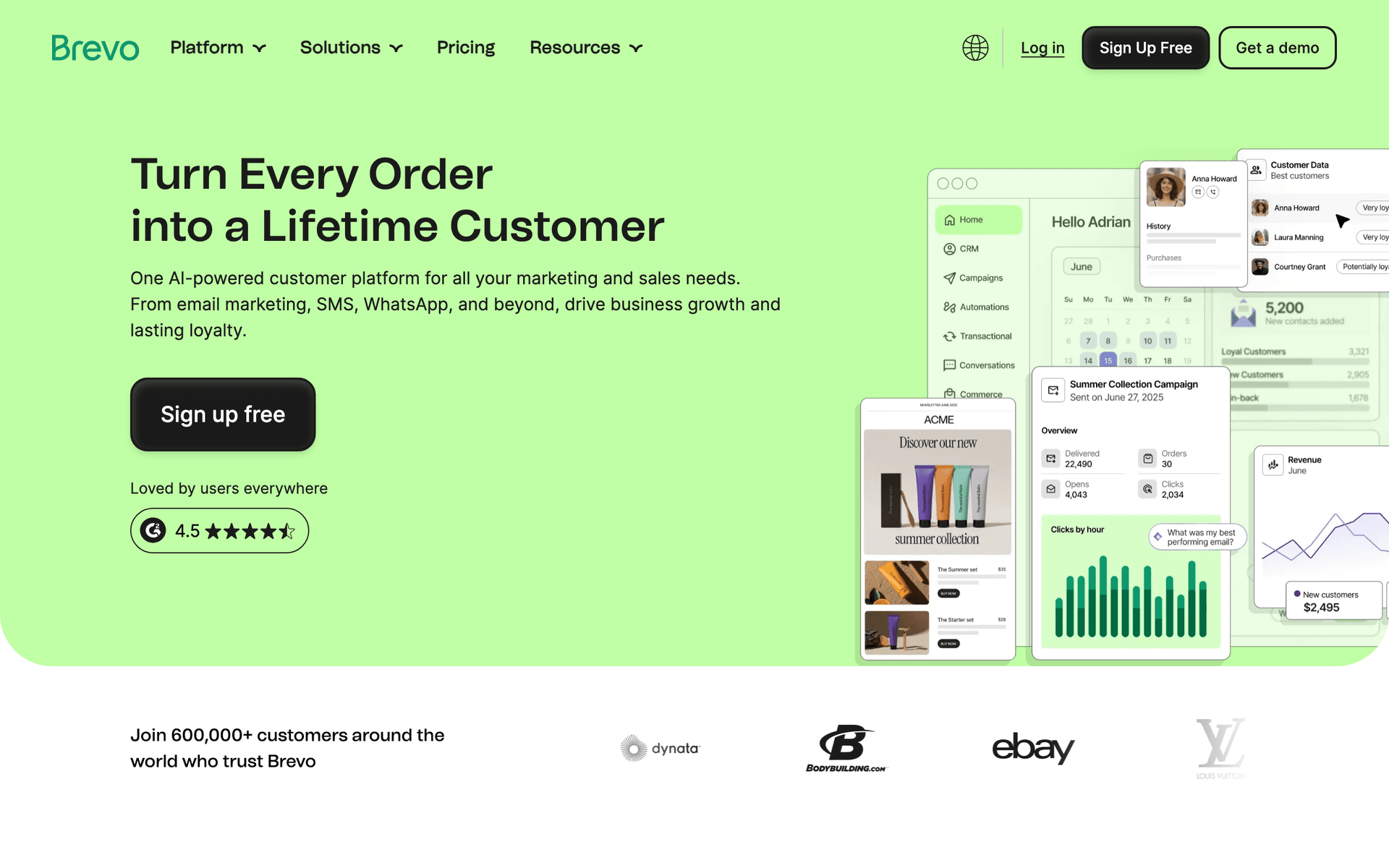
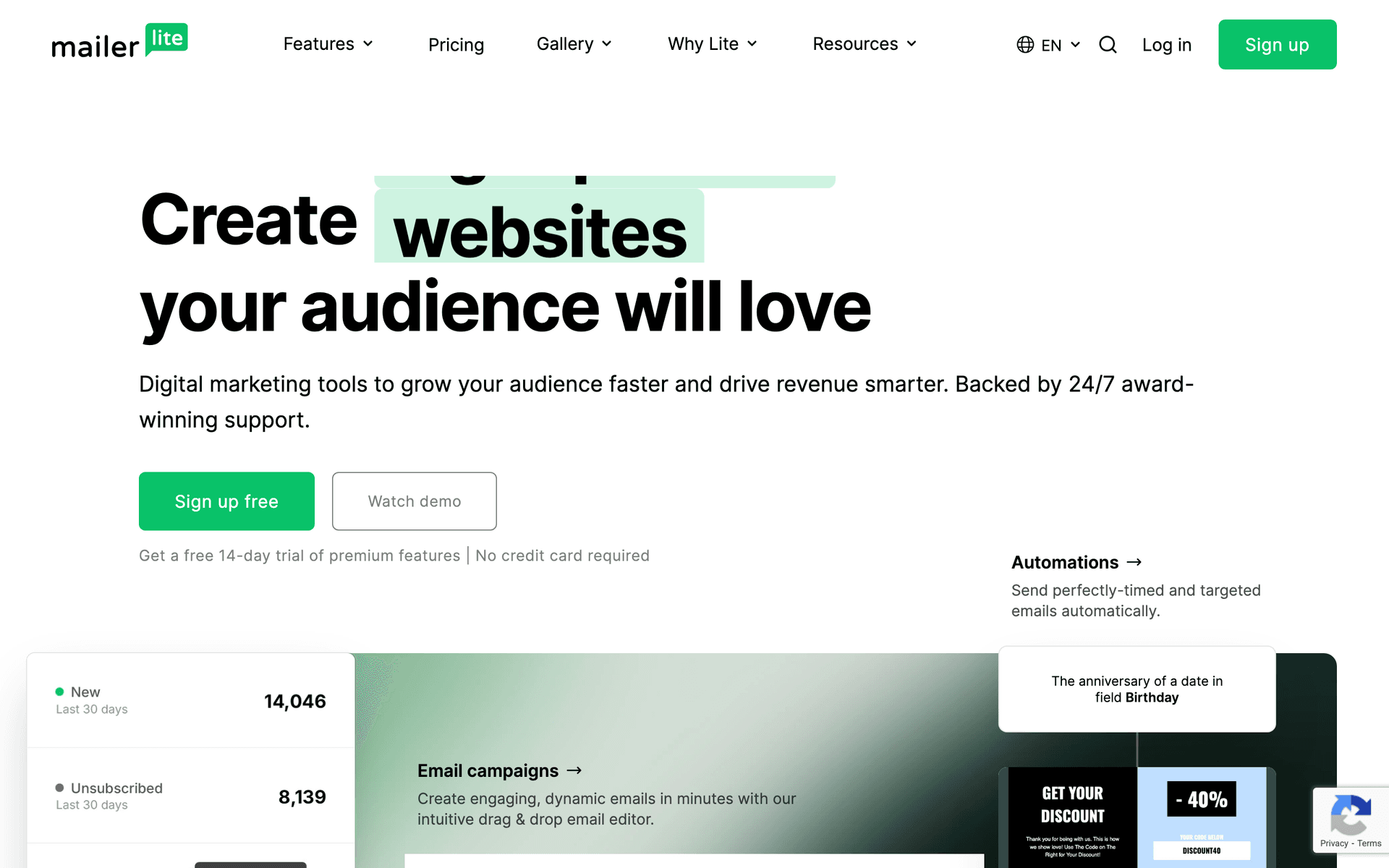
Business size matters. Solo plumbers and small crews need simple, mobile-friendly tools they can manage from the truck. Sequenzy and MailerLite excel here. Larger companies with office staff can handle more complex platforms like ActiveCampaign.
Budget is real. Most plumbing businesses should spend $0-29/month on email marketing. At that price point, even a handful of extra service calls per quarter makes the tool pay for itself many times over.
Simplicity wins. You are running a plumbing business, not a marketing agency. Choose tools you will actually use. A simple tool you use consistently beats a powerful tool that sits untouched.
What Actually Works for Plumbers
Seasonal Reminders Drive Bookings
Winterization, spring checkups, and water heater maintenance are predictable revenue streams if you remind customers. An email sent in early October about winterization fills your schedule before cold weather hits. An email sent in March about spring plumbing inspections catches problems from winter before they become emergencies. These seasonal reminders are the highest-ROI emails a plumber can send.
Plumber Email Benchmark Table
| Email type | Healthy open rate | Healthy click or booking rate | Business metric to watch |
|---|---|---|---|
| Seasonal maintenance reminder | 28-40% | 5-10% booking clicks | Preventive service calls booked |
| Post-service review request | 40-55% | 10-18% review-link clicks | New Google reviews |
| Water heater replacement reminder | 32-45% | 6-12% estimate clicks | High-value replacement jobs |
| Emergency weather alert | 35-50% | 8-15% emergency-line clicks | Calls during weather events |
Reviews Build Your Business
Online reviews are the most important marketing asset for a local plumber. Email is the most reliable way to generate them. A simple automated email sent the day after a service call with a direct Google review link captures reviews when satisfaction is highest. Over time, this builds a steady stream of 5-star reviews that drive new customer calls.
| Job type | Follow-up email | Best timing | Next service opportunity |
|---|---|---|---|
| Drain clearing | Prevention tips and review request | 1-2 days after job | Camera inspection or maintenance plan |
| Water heater repair | Age and efficiency guidance | 7-14 days after job | Replacement planning if unit is older |
| Leak repair | Damage prevention checklist | 2-3 days after job | Whole-home plumbing inspection |
| Fixture install | Care instructions and referral request | 1 week after job | Additional bathroom or kitchen upgrades |
Stay Top of Mind for Emergencies
When a homeowner has a plumbing emergency at 10 PM, they call the plumber they remember. Quarterly emails with helpful tips keep you in their memory. The email you sent about winterization in October is still in their inbox when a pipe bursts in January.
The Plumber's Email Calendar
Q1 (January - March)
- January: Winter plumbing tips and frozen pipe prevention
- February: Water heater maintenance reminders
- March: Spring plumbing checkup promotion
Q2 (April - June)
- April: Outdoor plumbing startup tips
- May: Sump pump inspection reminders
- June: Summer water conservation tips
Q3 (July - September)
- July: Water heater efficiency tips (peak usage)
- August: Back-to-school bathroom plumbing tips
- September: Fall maintenance preview
Q4 (October - December)
- October: Winterization promotion (book early)
- November: Holiday hosting prep (garbage disposal, guest bathroom)
- December: Year-end maintenance summary and referral request
| Season | Service angle | First email timing | Best CTA |
|---|---|---|---|
| Late winter | Water heater inspection | February | Schedule maintenance before spring projects |
| Spring | Sump pump and outdoor spigot check | March-April | Book a spring plumbing inspection |
| Fall | Winterization | Early October | Reserve a cold-weather prep appointment |
| Holiday season | Guest bathroom and disposal readiness | Early November | Fix small issues before hosting |
Common Email Workflows for Plumbers
Post-Service Automation
Every completed service call triggers a 3-email sequence: thank you (day 1), review request (day 7), and referral request (day 30). Set this up once and it runs for every job automatically.
Equipment Age Tracking
Record water heater and major appliance ages during service calls. Trigger reminder emails at year 8 (inspection) and year 10 (replacement planning) for water heaters. This creates high-value replacement jobs from your existing customer base.
Seasonal Campaigns
Schedule seasonal emails 4-6 weeks before each major service period. Use a two-email approach: initial reminder with booking link, followed by a "filling up fast" urgency email two weeks later.
What a Healthy Email List Looks Like
A typical plumbing business should accumulate 200-500 new email addresses per year from service calls. After 3-5 years, a healthy list is 1,000-2,500 contacts. Open rates above 25% and click rates above 3% indicate engaged customers. The annual value of email marketing for a plumbing business with a 1,000-person list is typically $5,000-15,000 in additional bookings from seasonal reminders and reactivation campaigns alone.
Getting Started
- Pick a tool from this list (Sequenzy for AI automation, MailerLite for free, Brevo for SMS)
- Import your customer list from past service calls and invoices
- Set up post-service follow-up automation - this has the most immediate ROI
- Create seasonal maintenance reminders for the next upcoming season
- Send a quarterly newsletter with helpful plumbing tips
Start simple with one automated sequence and one quarterly newsletter. Expand as you see results.