
How to Choose the Right Email Tool for Your Practice
The best email marketing tool for your plastic surgery practice depends on three factors:
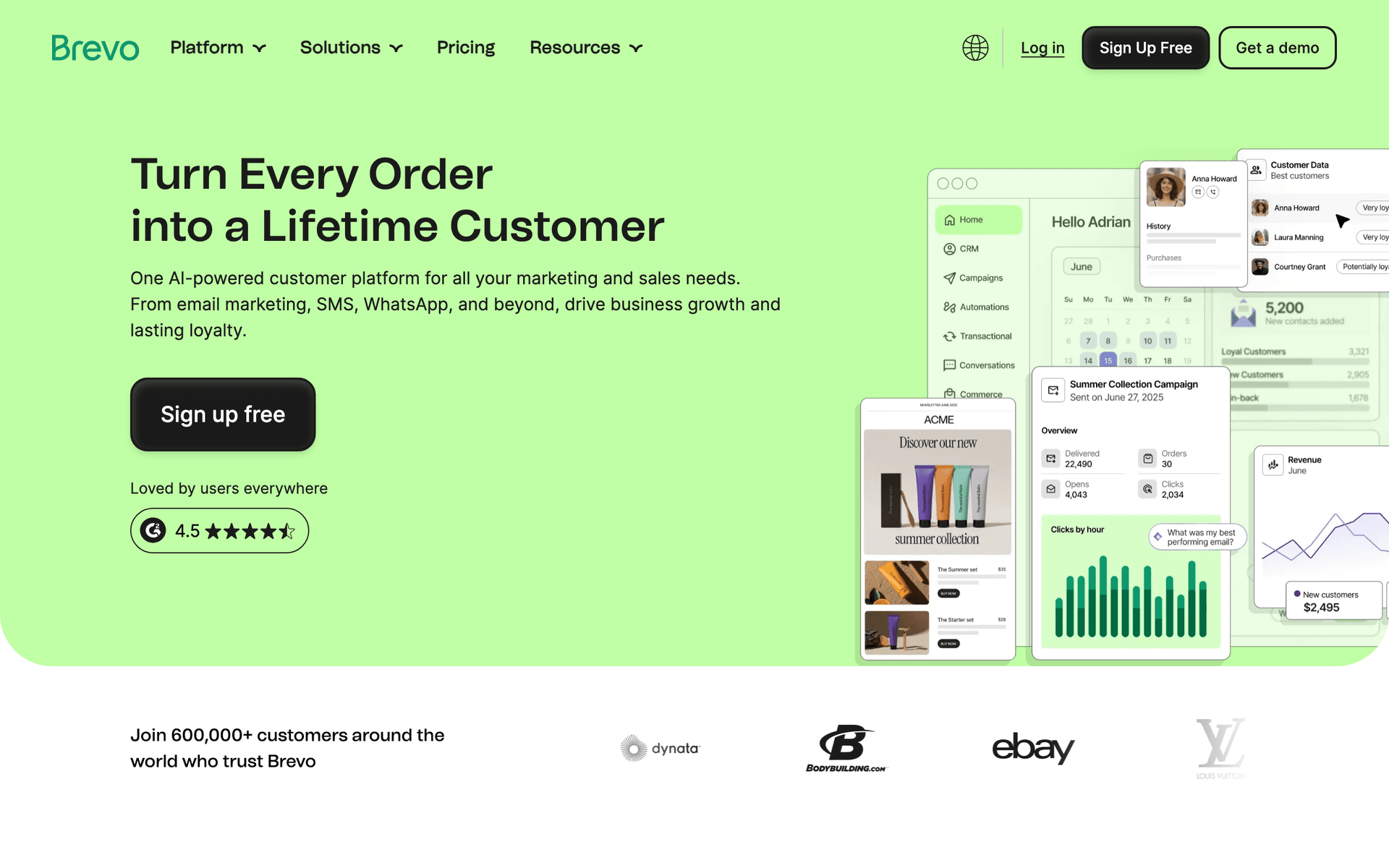
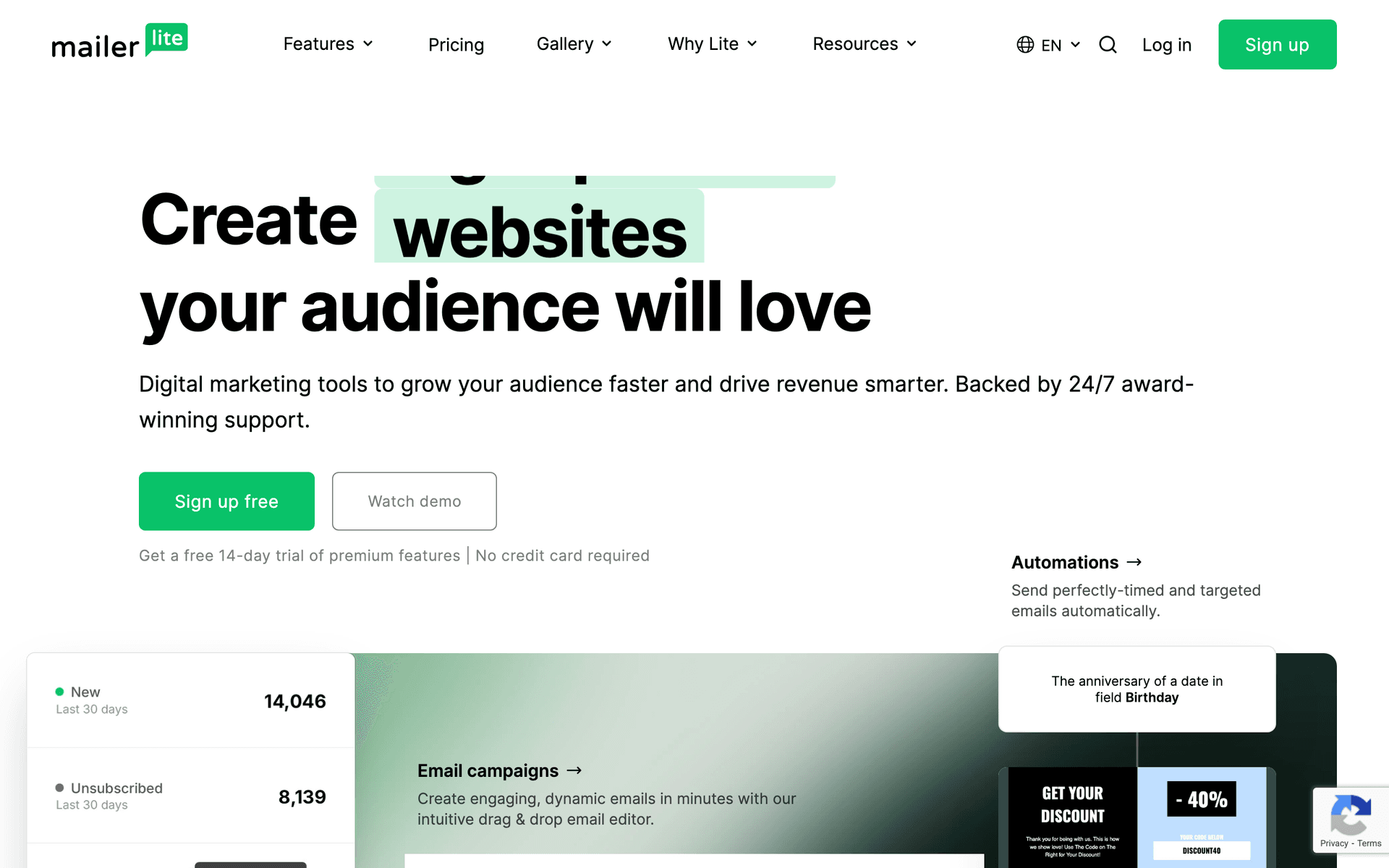
Practice size and staffing. Solo practitioners need tools they can manage themselves between consultations - Sequenzy and MailerLite excel here. Multi-surgeon practices with a marketing coordinator can handle more complex platforms like ActiveCampaign.
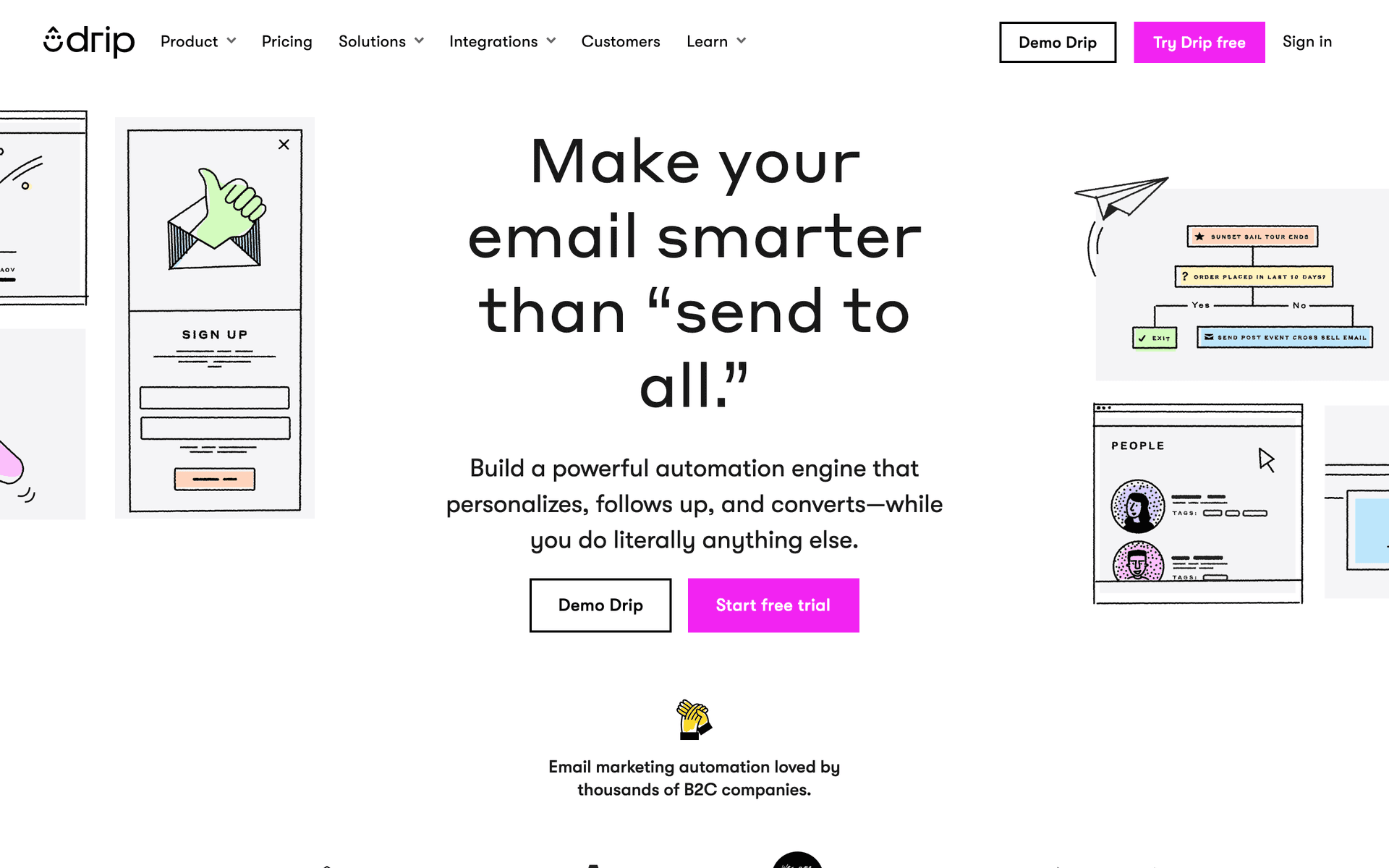
Patient journey complexity. Prospective patients research for months. You need automation that nurtures leads with educational content over a 6-12 month period without manual effort. Tools with strong automation (Sequenzy, ActiveCampaign) handle this naturally.
Care communication requirements. Pre-op and post-op email sequences timed to recovery milestones reduce complications and improve patient satisfaction. Choose a tool that makes building these timed sequences easy and reliable.
What Actually Works for Plastic Surgeons
Education Builds Trust Before Anything Else
Patients choosing cosmetic procedures need information and reassurance. They are making a significant decision about their body, and they want to feel confident in their surgeon. Educational content - explaining what happens during a procedure, what recovery looks like, what results to expect - positions you as the knowledgeable, caring expert they want to trust.
The practices with the highest consultation-to-booking conversion rates are those that educate generously through email before the patient ever walks in the door.
Plastic Surgery Email Benchmark Table
| Email type | Healthy open rate | Healthy click or booking rate | Practice metric to watch |
|---|---|---|---|
| Procedure education nurture | 28-40% | 4-8% content clicks | Consultation requests by procedure |
| Consultation follow-up | 45-60% | 10-18% reply or booking rate | Consult-to-book conversion over 12 months |
| Pre-op instruction email | 55-75% | 25-40% checklist clicks | Fewer preparation questions and delays |
| Post-op recovery email | 60-80% | 20-35% care-link clicks | Fewer avoidable after-hours calls |
Timing Matters for Care Emails
Post-operative care instructions sent at the right recovery stage prevent unnecessary phone calls and office visits. A day-3 email explaining that swelling is normal prevents a panicked call. A day-7 email about activity restrictions prevents a premature return to exercise. These emails improve patient outcomes and save your staff significant time.
| Care stage | Email timing | Main topic | Important guardrail |
|---|---|---|---|
| Pre-op planning | 2-4 weeks before procedure | Logistics, medications to discuss, home prep | Keep patient-specific details in secure systems |
| Procedure week | 3-7 days before | Arrival, fasting, support person, what to bring | Confirm official instructions from the practice |
| Early recovery | Day 1 through day 7 | Normal recovery milestones and when to call | Avoid replacing clinical judgment |
| Long-term recovery | Day 14 through day 90 | Activity return, results timeline, follow-up reminders | Keep tone supportive, not promotional |
Lead Nurture Requires Patience
Most consultations do not result in immediate bookings. The average prospective plastic surgery patient takes 3-12 months from first inquiry to procedure. During that time, consistent, helpful email content keeps you top of mind. Monthly educational emails, before/after galleries, and patient stories (with consent) build the trust needed for a patient to commit. Many of your highest-value patients will book 6+ months after their first interaction.
The Patient Lifecycle Email Strategy
Phase 1: Awareness (Prospect)
The prospect has visited your website or social media. Capture their email with a procedure-specific download - "Complete Guide to Rhinoplasty" or "What Every Patient Should Know About Breast Augmentation." Trigger a 4-email education series specific to their interest.
Phase 2: Consideration (Lead)
After the education series, transition to monthly nurture emails. Share before/after results, patient testimonials, surgeon qualifications, and answers to common concerns. Include a soft call-to-action for scheduling a consultation in every email.
Phase 3: Decision (Post-Consultation)
After a consultation, trigger a follow-up sequence: same-day thank you, day-3 FAQ, day-7 gentle nudge, and day-14 "we are here when you are ready." For leads who do not book, continue with monthly nurture content.
| Lead interest | Best nurture content | Recommended cadence | Soft CTA |
|---|---|---|---|
| Rhinoplasty | Recovery timeline, result examples, consultation questions | Monthly after initial series | Schedule a private consultation |
| Breast procedure | Implant/surgical option education and recovery planning | Monthly with seasonal check-ins | Request financing or consultation info |
| Body contouring | Candidacy, downtime, and realistic expectations | Every 4-6 weeks | See if you are a candidate |
| Non-surgical treatment | Maintenance schedule and natural-looking results | Monthly or seasonal | Reserve a treatment appointment |
Phase 4: Care (Booked Patient)
Pre-op sequences begin 2-4 weeks before the procedure. Post-op sequences start immediately after and continue for 30+ days. These care sequences are the most important emails you will send - they directly impact patient outcomes and satisfaction.
Phase 5: Retention (Past Patient)
After recovery, transition patients to a general newsletter. Promote non-surgical treatments, new technologies, and referral programs. Past patients are your best source of new leads through word-of-mouth referrals.
Integration Recommendations
Most plastic surgery practices use a practice management system (like Nextech or PatientNow) alongside their email marketing tool. While direct integrations are rare, you can export patient and lead lists as CSV files for regular import. Tag contacts by procedure interest and patient stage during import.
For practices with a website that captures inquiry forms, connect your form tool (Jotform, Typeform, or your website's built-in forms) directly to your email platform via Zapier or a native integration. This ensures every inquiry automatically enters the right email sequence within minutes.
What a Healthy Email Program Looks Like
A well-run plastic surgery practice email program should have:
- 1,000-5,000 contacts growing by 15-20% per year through consultations, website captures, and referrals
- Open rates of 25-35% for marketing content, 50%+ for care communications
- Click rates of 3-5% on educational content
- 15-25% consultation-to-booking conversion over a 12-month period
- Monthly newsletter to the general list
- Active automation for consultation follow-up, pre-op, post-op, and procedure education
The cost of your email tool ($0-29/month for most practices) should generate 5-10x return through additional consultations booked and improved patient retention.
Getting Started
- Choose your tool (Sequenzy for AI simplicity, ActiveCampaign for power users)
- Import your patient and lead lists, tagged by procedure interest
- Set up consultation follow-up automation first - this has the most immediate ROI
- Build pre-op and post-op care sequences for your most common procedures
- Create a monthly newsletter template for ongoing engagement
- Add a lead capture form to your website with a procedure-specific downloadable guide
Start with the sequences that save you the most time and improve patient care. Expand to marketing automation once care communication is running smoothly.