Updated 2026-03-15

Best Email Marketing Tools for Marketing Agencies

Win more clients, showcase your expertise, and grow your agency with the right email marketing platform.

Marketing agencies know email works. But selling email marketing services is different from using it for your own agency. You need to attract clients, demonstrate expertise, and nurture prospects who take months to decide. Here are 13 email marketing platforms that work for marketing agencies marketing themselves.

TL;DR

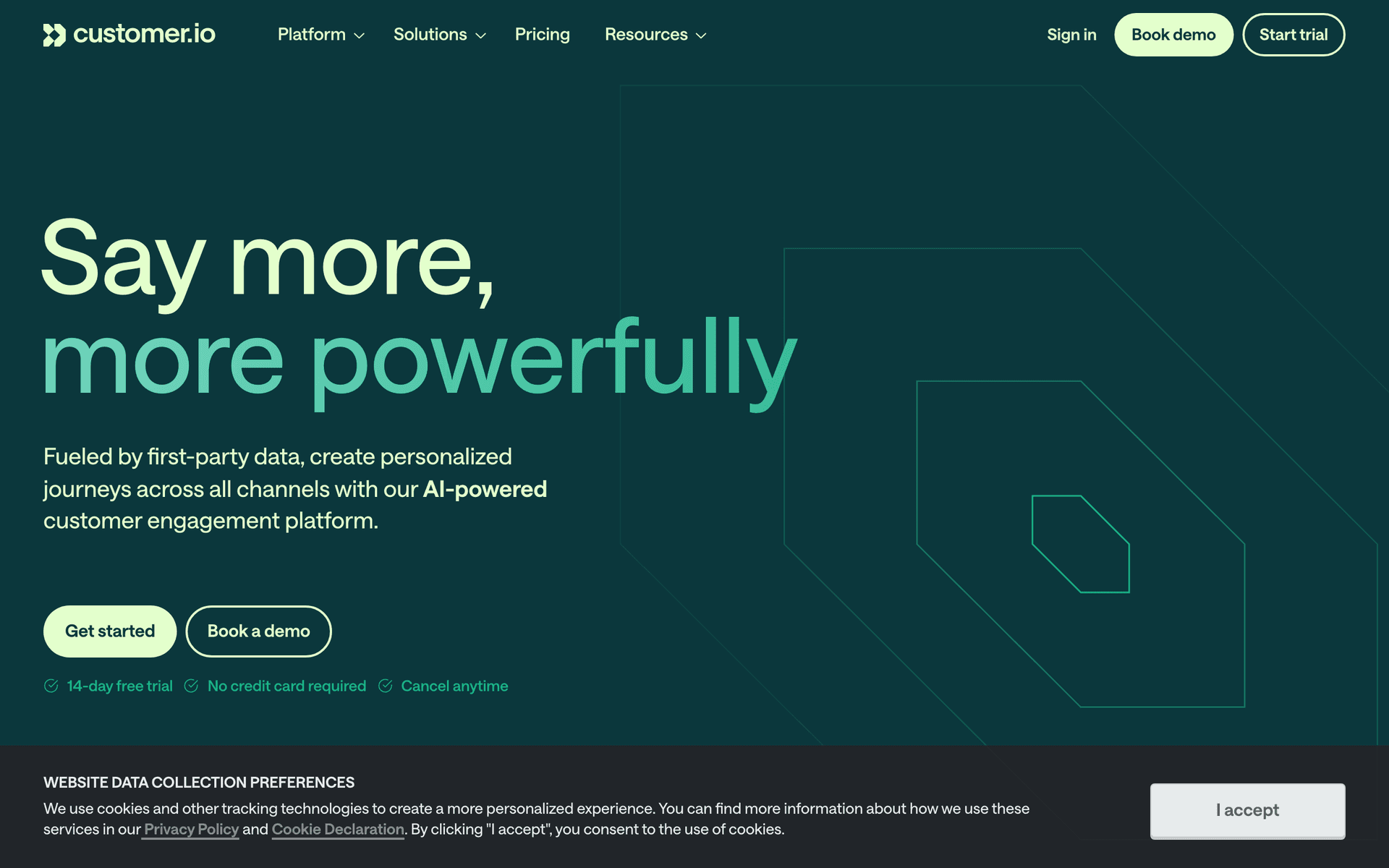
For agency self-promotion, Sequenzy offers the simplest path to automated prospect nurturing with AI-generated sequences and a free tier to test with. ActiveCampaign is the power choice if you have a structured sales process and want built-in CRM with lead scoring. HubSpot makes sense only for larger agencies willing to invest in the full ecosystem.

Why Marketing Agencies Need Email Marketing

Practice What You Preach

If you sell marketing services, your own marketing should be excellent. Email demonstrates that you know what you are doing.

Nurture Long Sales Cycles

Agency decisions take months. Email keeps you in front of prospects until budget opens or need becomes urgent.

Demonstrate Expertise

Case studies, insights, and results showcase your capabilities better than any pitch deck.

Build Referral Networks

Past clients and partners refer business when reminded. Systematic email keeps relationships warm.

Marketing Agencies Email Marketing Benchmarks

Know these numbers before you start. They'll help you set realistic goals and pick the right tool.

22-28%
Average Open Rate

B2B agency emails typically see moderate open rates. Thought leadership content with strong subject lines can push above 30%. Cold prospect lists tend to be lower around 18-22%.

2.5-4%
Average Click Rate

Case study emails and resource downloads drive the highest clicks. Generic newsletter links perform lower. Aim for one clear CTA per email.

Tuesday-Thursday, 8-10 AM
Best Send Time

Business decision-makers check email early in the workday. Avoid Mondays (inbox overload) and Fridays (mentally checked out). Mid-week mornings consistently perform best for B2B agency content.

3-8%
Lead-to-Consultation Rate

Of email subscribers who enter a nurture sequence, 3-8% should eventually book a consultation. If your rate is below 3%, your content or CTAs need work.

Important Tips Before You Choose

Lessons from marketing agencieswho've been doing this for years. Save yourself the trial and error.

Separate Your Agency Email from Client Work

Use a different email tool for your own agency marketing than what you use for clients. This prevents deliverability issues from crossing over and lets you choose the best tool for each purpose without compromise.

Lead with Case Studies, Not Pitches

Agency prospects respond to proof, not promises. Build your email sequences around specific client results with numbers - '340% lead increase for [client]' opens more doors than any sales pitch.

Create a Lead Magnet Worth Downloading

Industry benchmarks, strategy templates, or audit checklists make excellent lead magnets for agencies. Gate them behind email signup and feed downloads into a nurture sequence that demonstrates your expertise over 2-4 weeks.

Nurture Referral Partners Separately

Past clients, complementary agencies, and professional contacts who send you referrals deserve their own email cadence. Quarterly updates with recent wins and new capabilities keep you top of mind without annoying them.

Demonstrate Your Email Expertise

Your agency email should be the best email your prospects receive. If you sell marketing services and your own emails look mediocre, you are undermining your pitch. Treat your agency newsletter as a portfolio piece.

Track Pipeline, Not Just Opens

Agency email success is measured in consultations booked and proposals sent, not open rates. Set up tracking that connects email engagement to actual sales conversations so you know which content generates revenue.

13 Best Email Marketing Tools for Marketing Agencies

Our Top Pick for Marketing Agencies
#1
Sequenzy

AI-powered email marketing for service businesses.

Visit

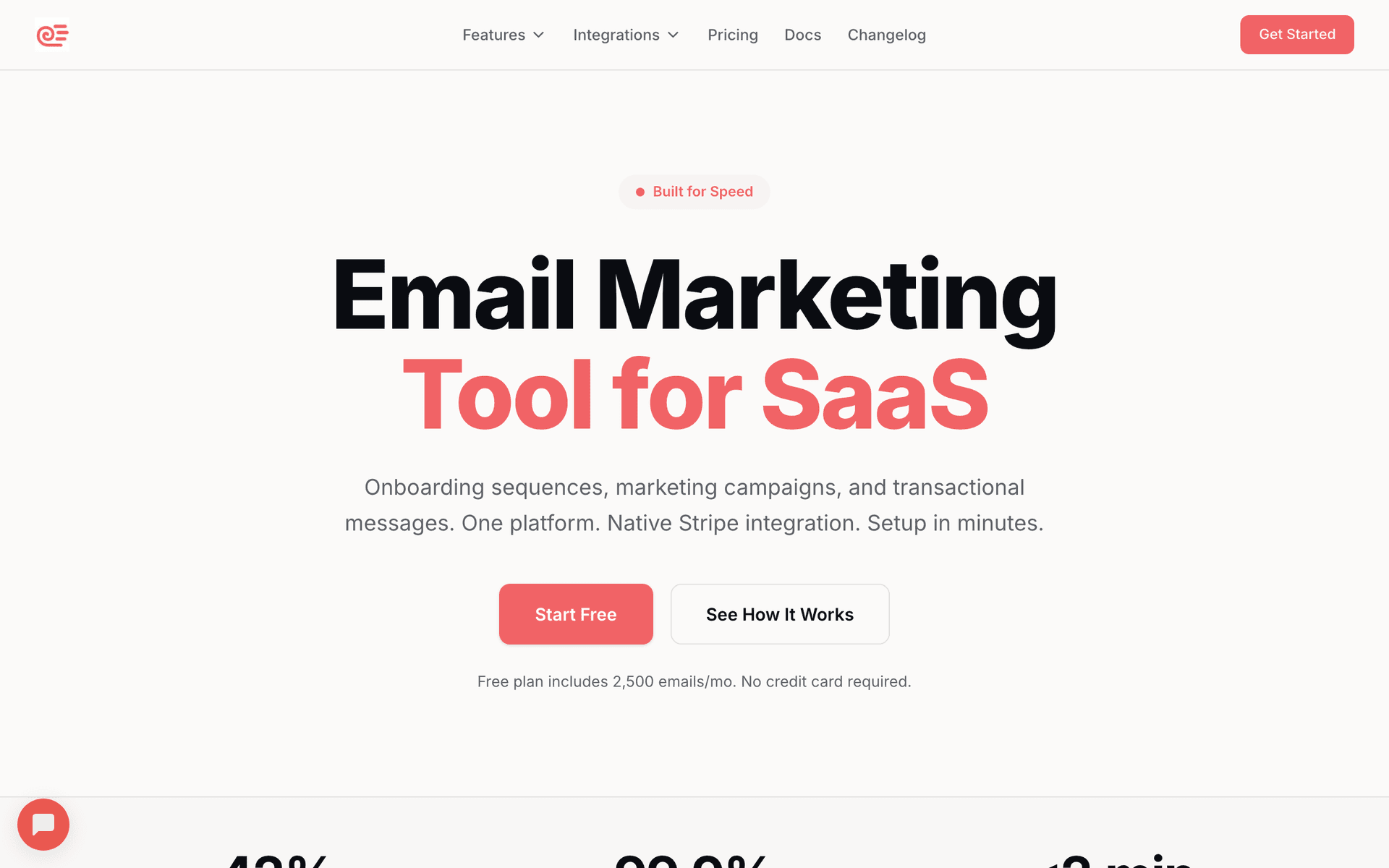
I built Sequenzy for service businesses that sell expertise, and marketing agencies are exactly this. The AI creates prospect nurture sequences, case study announcements, and thought leadership newsletters in seconds - describe your agency's specialty and it generates a complete sequence you can customize. The free tier covers up to 2,500 emails per month, which is enough for most agencies to run a prospect nurture sequence and monthly newsletter without spending anything. At $29/month for 50,000 emails with unlimited contacts, you can maintain your entire prospect database without worrying about per-contact costs eating into your margins. Agencies accumulate large prospect lists over years, and paying per email sent instead of per contact stored saves real money. The interface is clean enough that your team can send campaigns without pulling a designer off client work.

Best for
Marketing agencies wanting automated lead nurturing
Pricing
Free up to 2,500 emails/mo, then $29/mo for 50K emails (unlimited contacts)

Pros

  • AI writes agency sequences
  • Simple interface
  • Pay per emails sent
  • Direct founder support

Cons

  • Launched in 2025, less track record
  • No white-label
  • Not for client work
#2
ActiveCampaign

Powerful automation for sophisticated agencies.

Visit

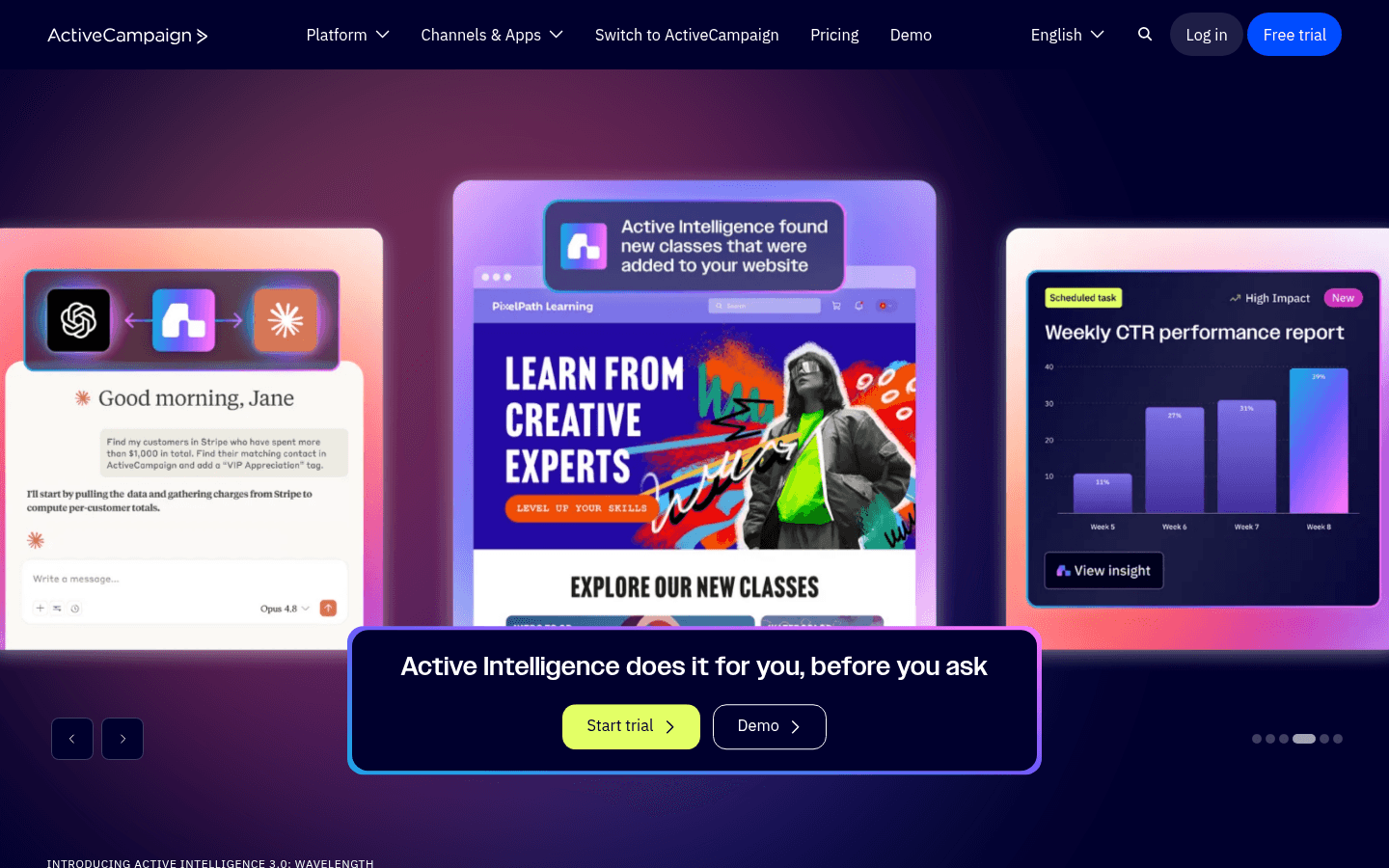
ActiveCampaign is what many agencies use for themselves because the automation matches how agency sales actually work. The built-in CRM tracks every prospect interaction - which emails they opened, which case studies they clicked, which pages they visited. Lead scoring automatically identifies when a prospect moves from 'just browsing' to 'ready to talk,' so your business development team focuses on the right people. The workflow builder handles complex nurture paths with conditional branching - prospects interested in SEO get different content than those interested in paid media. The learning curve is real and setup takes time, but for agencies with a structured sales process and dedicated business development, ActiveCampaign is the most capable tool. Per-contact pricing is the main drawback as your prospect database grows.

Best for
Marketing agencies with structured sales processes
Pricing
From $29/month for 1,000 contacts

Pros

  • Excellent automation
  • CRM included
  • Lead scoring
  • Agency program

Cons

  • Learning curve
  • Complex interface
  • Price jumps
  • Can be overwhelming
#3
HubSpot

Enterprise B2B marketing platform.

Visit

HubSpot is the enterprise choice for agencies that want everything in one place. The CRM is genuinely excellent for tracking deals across long sales cycles. Marketing automation, sales tools, and reporting all live in one ecosystem. Many agencies become HubSpot partners, which adds a revenue stream from client implementations. The catch is cost - the free CRM works, but the marketing features agencies actually need (automation, A/B testing, reporting) require the Professional plan at $800/month. For agencies with 10 or more employees and the budget to invest, HubSpot provides unmatched B2B marketing capability. For smaller agencies, it is expensive overkill.

Best for
Larger marketing agencies
Pricing
Free basic, paid from $50/month

Pros

  • Full CRM
  • Agency partner program
  • Excellent reporting
  • Sales integration

Cons

  • Expensive
  • Complex setup
  • Overkill for small agencies
  • Lock-in risk
#4
Mailchimp

Popular platform most people know.

Visit

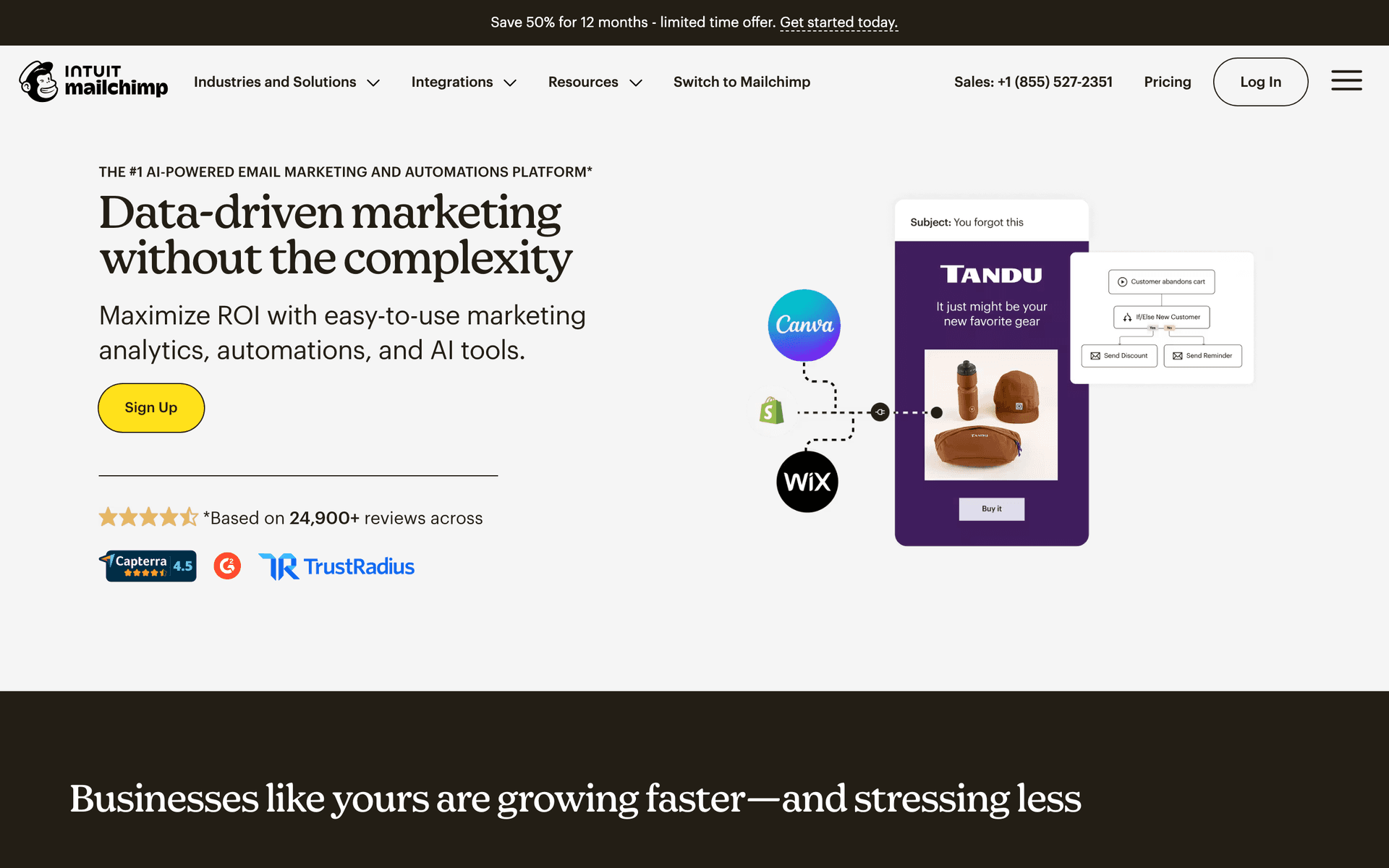
Mailchimp is what many agencies default to because it is familiar. The drag-and-drop editor makes creating decent-looking newsletters quick, and brand recognition means prospects and clients recognize it. For basic agency newsletters and case study announcements, Mailchimp works fine. Where it falls short is in the sophistication agencies need for prospect nurturing - the automation is basic compared to ActiveCampaign, there is no built-in CRM, and per-contact pricing gets expensive as your prospect database grows over years. Many agencies start with Mailchimp and eventually migrate to something more capable when they get serious about business development.

Best for
Marketing agencies wanting familiar branding
Pricing
Free up to 500 contacts, then $13-350/month

Pros

  • Well-known
  • Many integrations
  • Strong deliverability
  • Good analytics

Cons

  • Gets expensive
  • Basic automation
  • Support declined
  • Interface overwhelming
#5
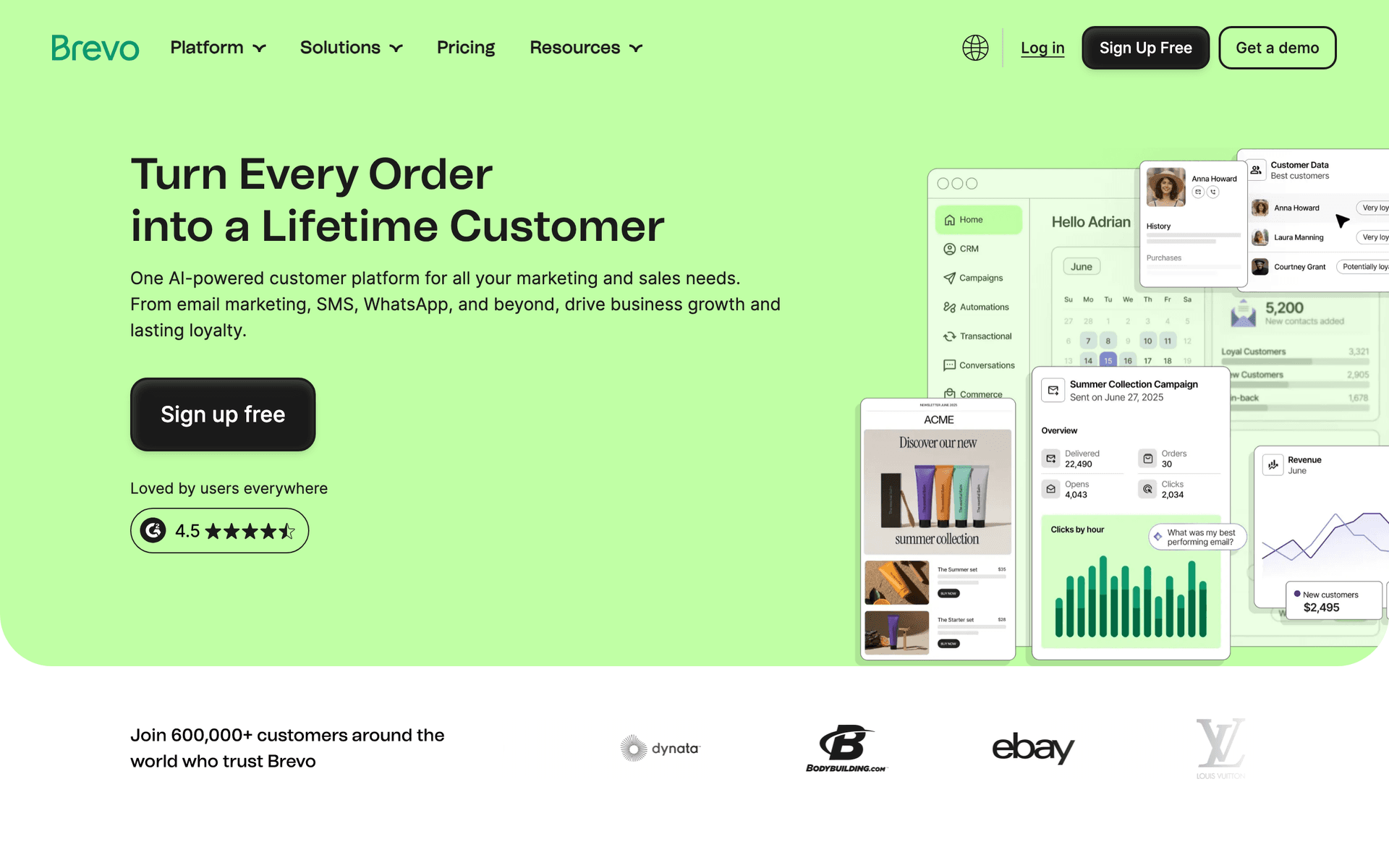
Brevo

Good value with strong automation.

Visit

Brevo offers solid value for budget-conscious agencies that need automation without the ActiveCampaign price tag. The free tier gives 300 emails per day, and the pay-per-email pricing on paid plans works well for agencies with large prospect databases. SMS is included for urgent follow-ups or event reminders. The automation builder handles multi-step nurture sequences competently. The trade-off is that the interface is less polished, and the CRM is more basic than ActiveCampaign or HubSpot. For agencies that want functional automation at a reasonable price, Brevo delivers.

Best for
Budget-conscious marketing agencies
Pricing
Free up to 300 emails/day, then from $25/month

Pros

  • Good value
  • SMS included
  • Strong automation
  • Generous free tier

Cons

  • Daily limits
  • Support slow
  • Less known
  • Branding on free
#6
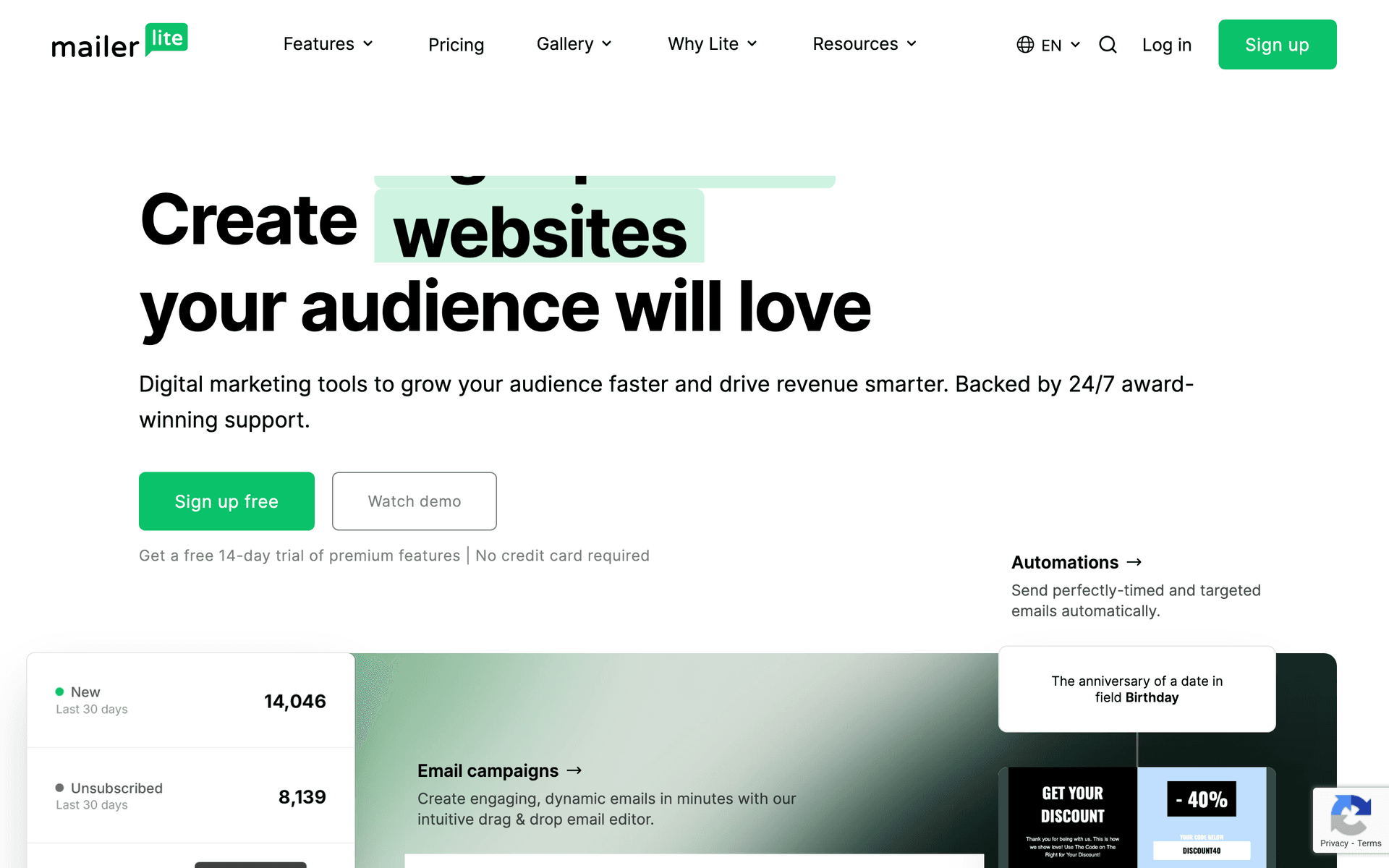
MailerLite

Clean and affordable for newsletters.

Visit

MailerLite is simple and affordable, making it a good choice for agencies that primarily use email for content marketing rather than sophisticated prospect nurturing. The newsletter builder is clean and fast, landing pages help capture leads from content, and the free tier gives you 1,000 subscribers with real automation. For agencies running a thought leadership newsletter as their primary business development channel, MailerLite handles it well at a fraction of the cost of enterprise tools. It is less suited for agencies needing CRM, lead scoring, or complex multi-path automations.

Best for
Marketing agencies wanting simplicity
Pricing
Free up to 1,000 subscribers, then from $10/month

Pros

  • Very affordable
  • Clean interface
  • Good landing pages
  • Generous free tier

Cons

  • Strict approval
  • Limited automation
  • Basic reporting
  • Not B2B focused
#7
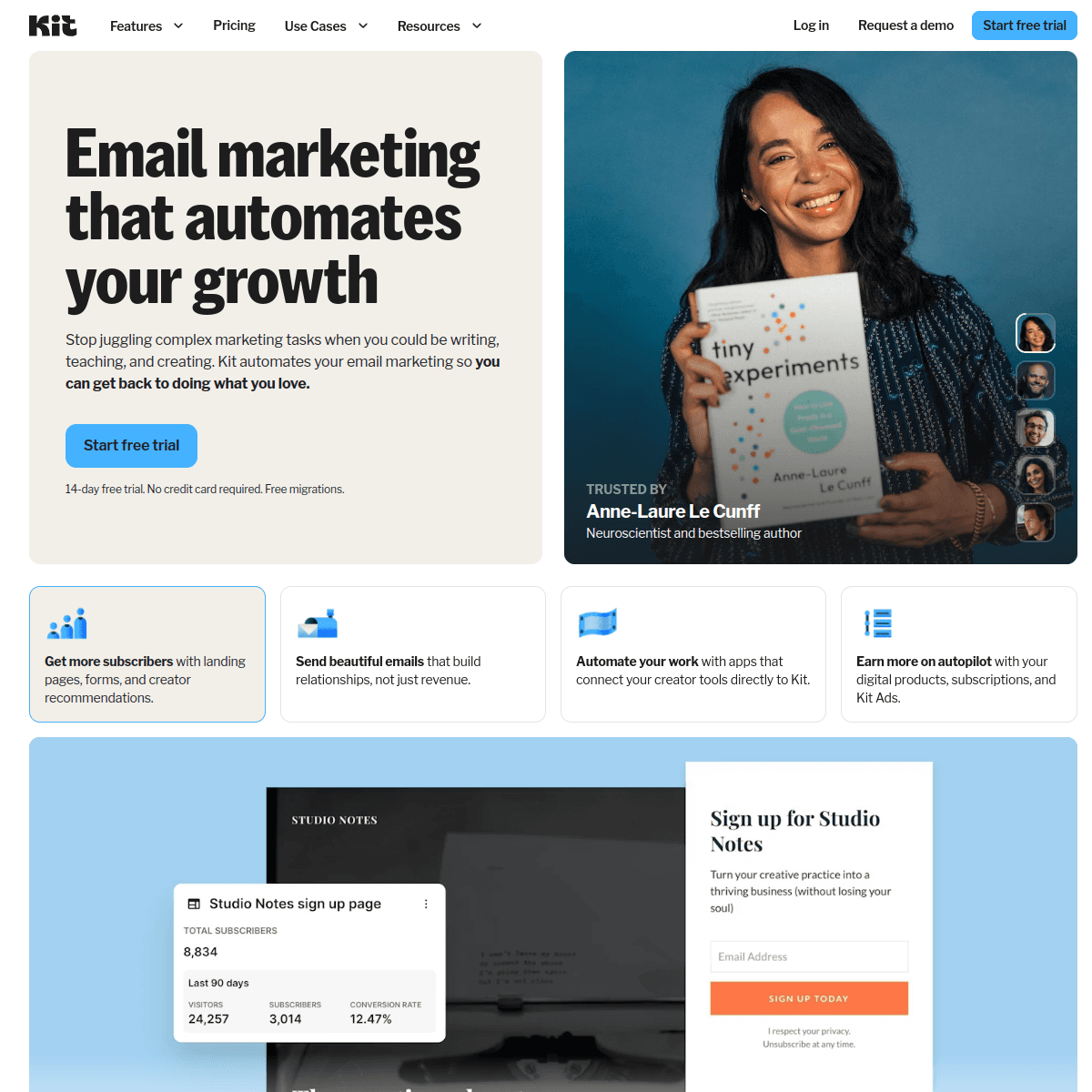
ConvertKit

Built for creators and thought leaders.

Visit

ConvertKit (now Kit) works well for agencies positioning their founders or principals as thought leaders. The newsletter experience is excellent - clean, text-focused emails that feel personal rather than promotional. Tag-based automation handles basic segmentation by interest or service area. If your agency's growth strategy is content-driven (podcast, blog, newsletter), Kit provides a focused toolset. It lacks CRM, B2B-specific features, and the visual design options that some agencies want, but for content-first agencies, the simplicity is a feature.

Best for
Content-focused marketing agencies
Pricing
Free up to 1,000 subscribers, then from $29/month

Pros

  • Great newsletters
  • Clean interface
  • Creator community
  • Tag automation

Cons

  • Not B2B focused
  • Minimal design
  • No CRM
  • Limited business features
#8
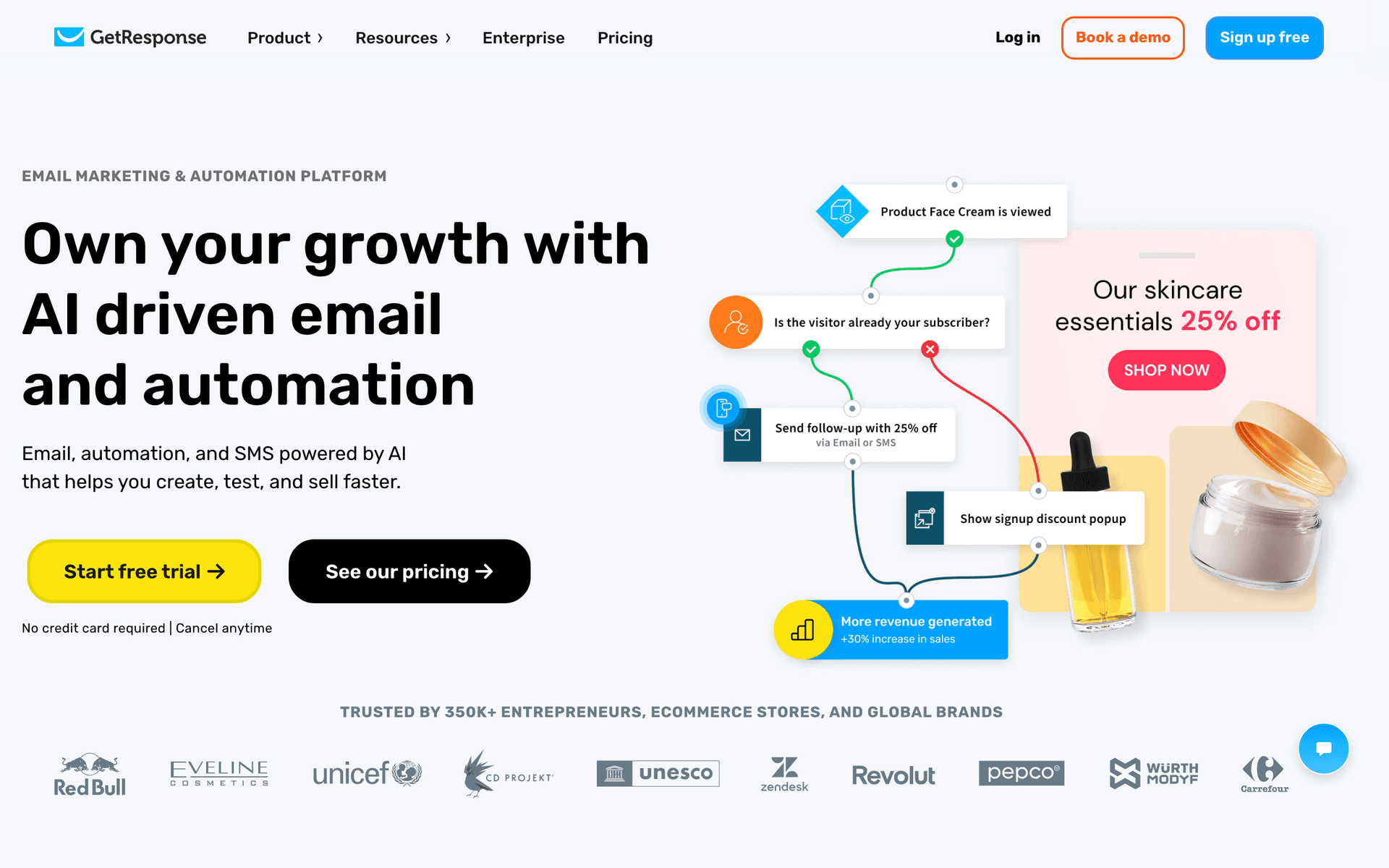
GetResponse

All-in-one with webinar capability.

Visit

GetResponse includes webinar hosting, which gives agencies a unique tool for workshop-based lead generation. If you run regular webinars, masterclasses, or strategy sessions as part of your sales process, GetResponse eliminates the need for a separate webinar platform. Landing pages handle lead capture, and the automation connects webinar attendance to follow-up sequences. For agencies that rely on live presentations to win clients, this is a compelling all-in-one package. The email editor and interface feel dated compared to newer tools.

Best for
Marketing agencies doing webinars
Pricing
From $19/month for 1,000 contacts

Pros

  • Webinar hosting
  • Landing pages
  • Automation
  • Good value

Cons

  • Busy interface
  • Not agency-specific
  • Support varies
  • Features scattered
#9
Drip

E-commerce focused but tracks revenue.

Visit

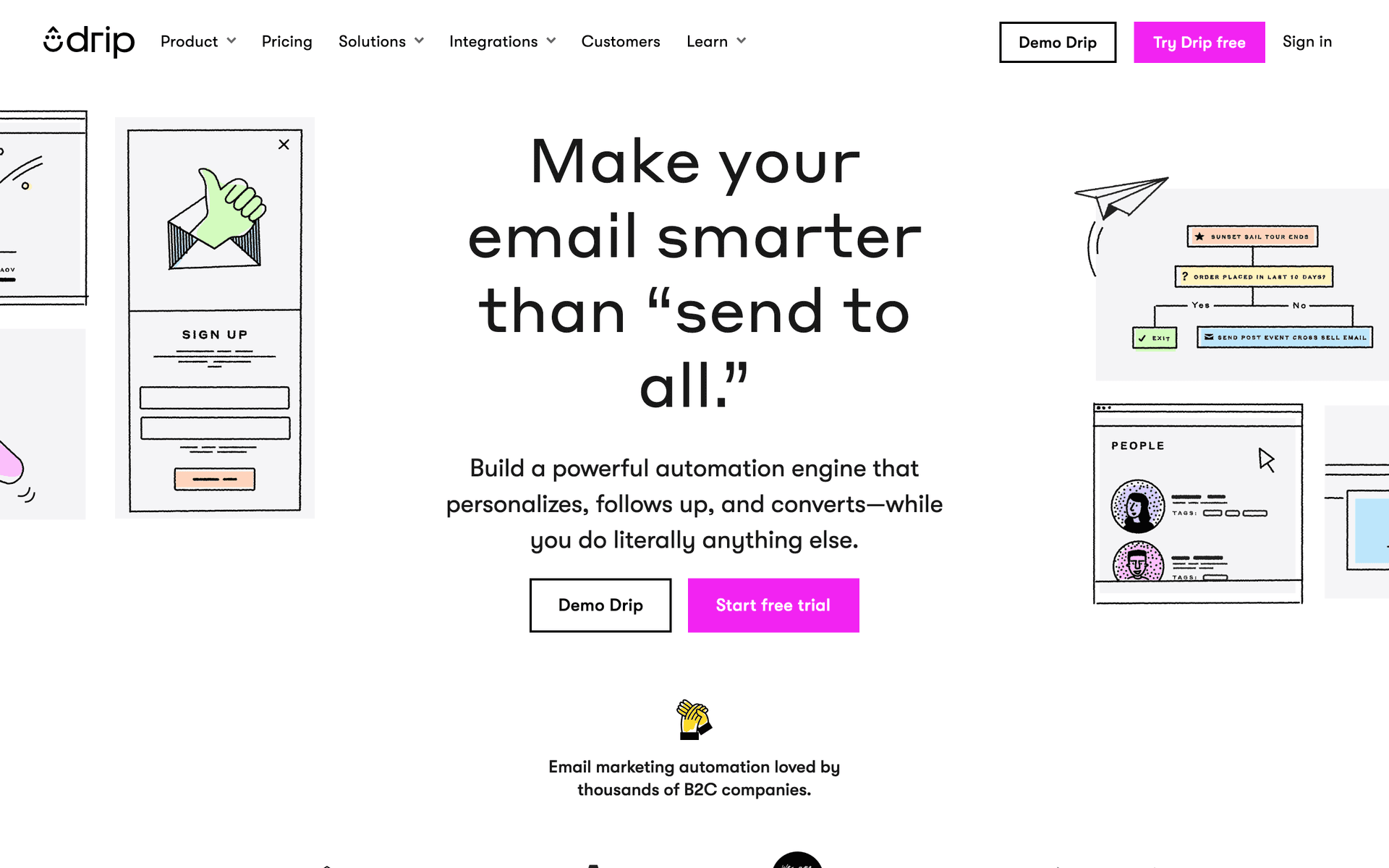
Drip is built for e-commerce, so it only makes sense for agencies that sell products alongside services - course libraries, template packages, strategy frameworks, or productized services with online checkout. The revenue tracking shows exactly which emails generate purchases. For service-only agencies where sales happen through consultations, Drip's best features go unused and the $39/month minimum is hard to justify. Consider only if product sales are a significant part of your agency's revenue model.

Best for
Marketing agencies selling products
Pricing
From $39/month for 2,500 contacts

Pros

  • Revenue tracking
  • Strong automation
  • Analytics
  • Segmentation

Cons

  • E-commerce focused
  • Expensive
  • Not B2B focused
  • Overkill for services
#10
AWeber

Simple and reliable for newsletters.

Visit

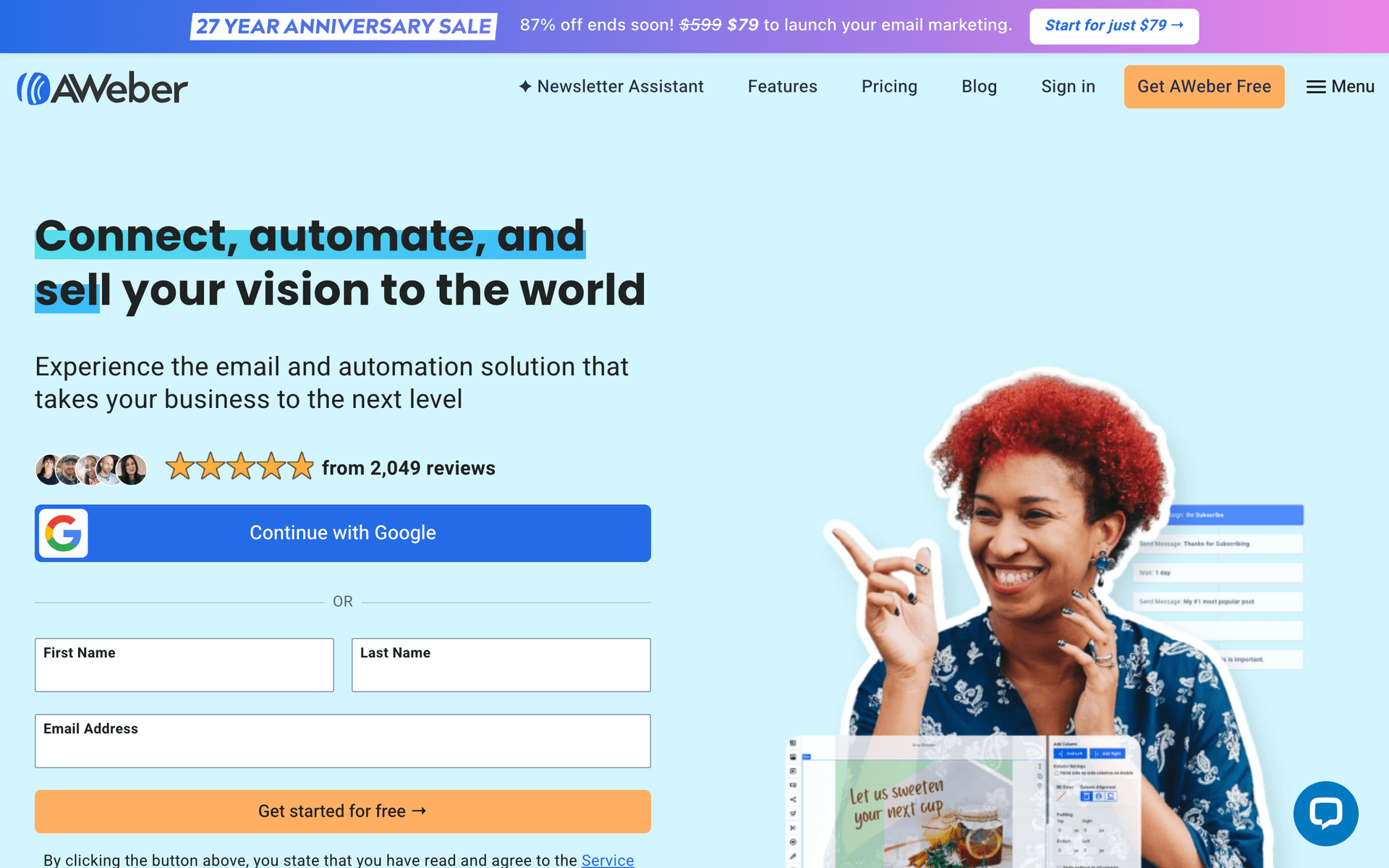
AWeber is the reliable workhorse that has been around since 1998. For agencies wanting a simple, dependable newsletter platform without any complexity, it does exactly what it says. Deliverability is excellent, which means your emails actually reach prospects' inboxes. The interface feels dated and automation is basic, but if your agency email strategy is limited to a monthly newsletter and occasional announcements, AWeber handles it without drama. The free tier covers 500 subscribers to get started.

Best for
Marketing agencies wanting reliability
Pricing
Free up to 500 subscribers, then from $15/month

Pros

  • Reliable
  • Simple
  • Good support
  • Track record

Cons

  • Dated
  • Limited automation
  • Basic templates
  • Little innovation
#11
Constant Contact

Reliable with phone support.

Visit

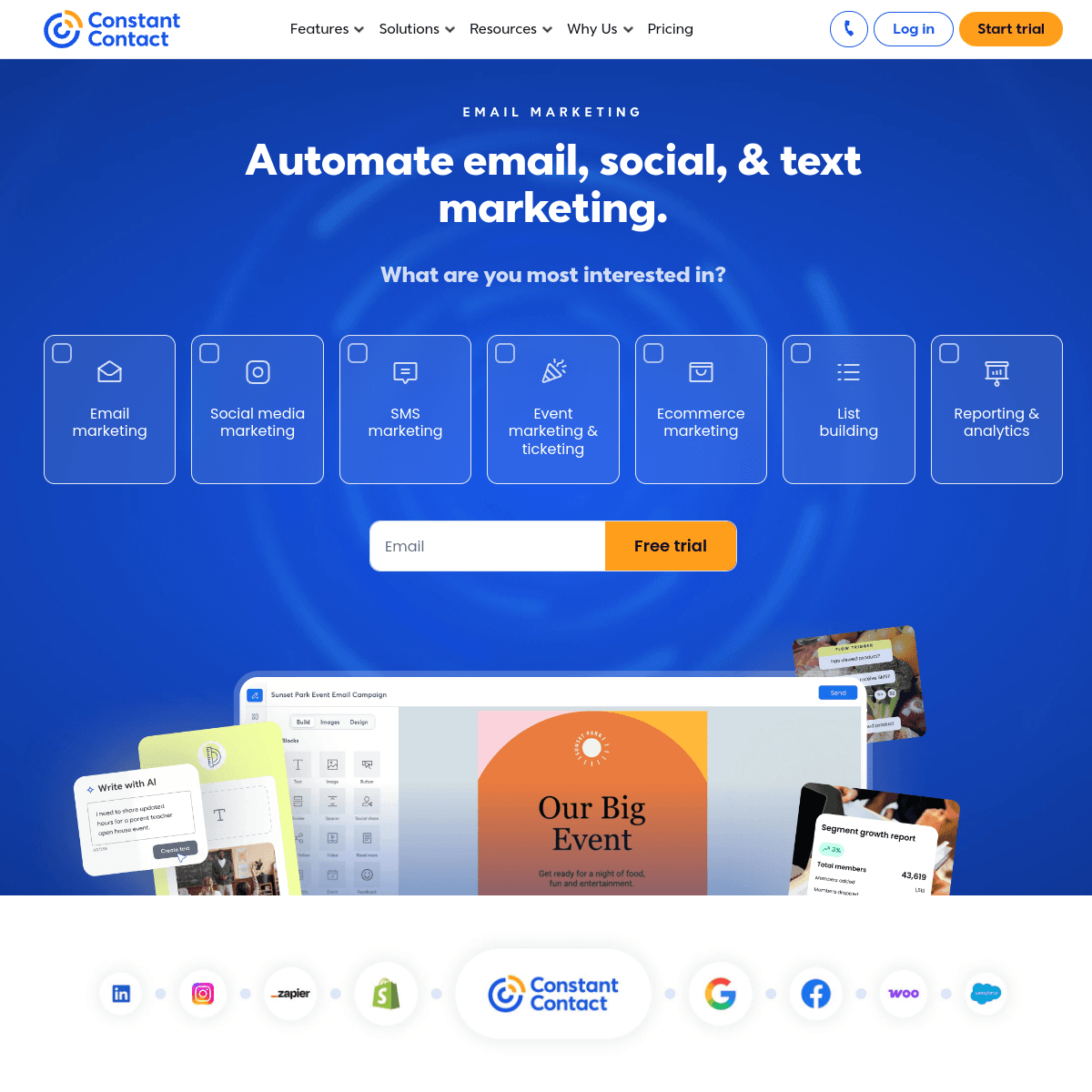
Constant Contact is straightforward and offers something most tools do not - phone support you can actually call. For agencies where a non-technical team member handles email, that phone line is valuable. Event features work for agency workshops, networking events, and client appreciation gatherings. The automation is basic and the templates feel dated, but it is reliable and simple. Not the most sophisticated choice for agencies selling marketing services, but it gets the job done.

Best for
Marketing agencies wanting phone support
Pricing
From $12/month for 500 contacts

Pros

  • Easy to use
  • Phone support
  • Reliable
  • Simple interface

Cons

  • Limited automation
  • Templates dated
  • Higher prices
  • Not B2B focused
#12
Moosend

Budget-friendly with good features.

Visit

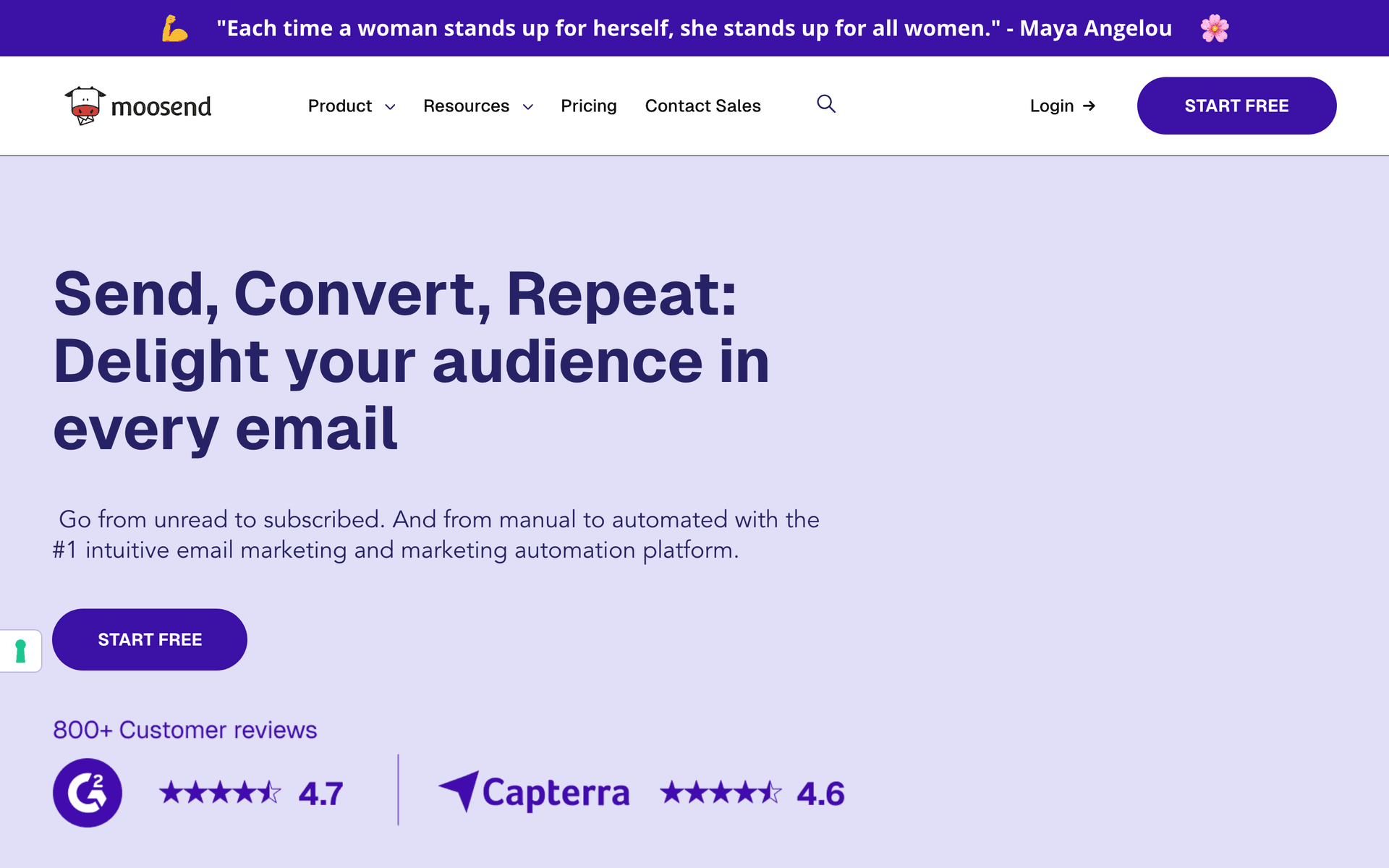
Moosend offers solid features at the lowest price point on this list. At $9/month, you get automation, landing pages, and reporting that compete with tools costing three times as much. For agencies just starting to take their own email marketing seriously, Moosend provides everything you need without a significant investment. The automation builder handles basic nurture sequences, and the landing pages capture leads from content marketing. The brand is less known, which could matter if prospects judge your tools, but the functionality delivers real value.

Best for
Very price-conscious agencies
Pricing
From $9/month for 500 subscribers

Pros

  • Very affordable
  • Good automation
  • Responsive support
  • Landing pages

Cons

  • Less known
  • Limited integrations
  • Smaller templates
  • Not agency-focused
#13
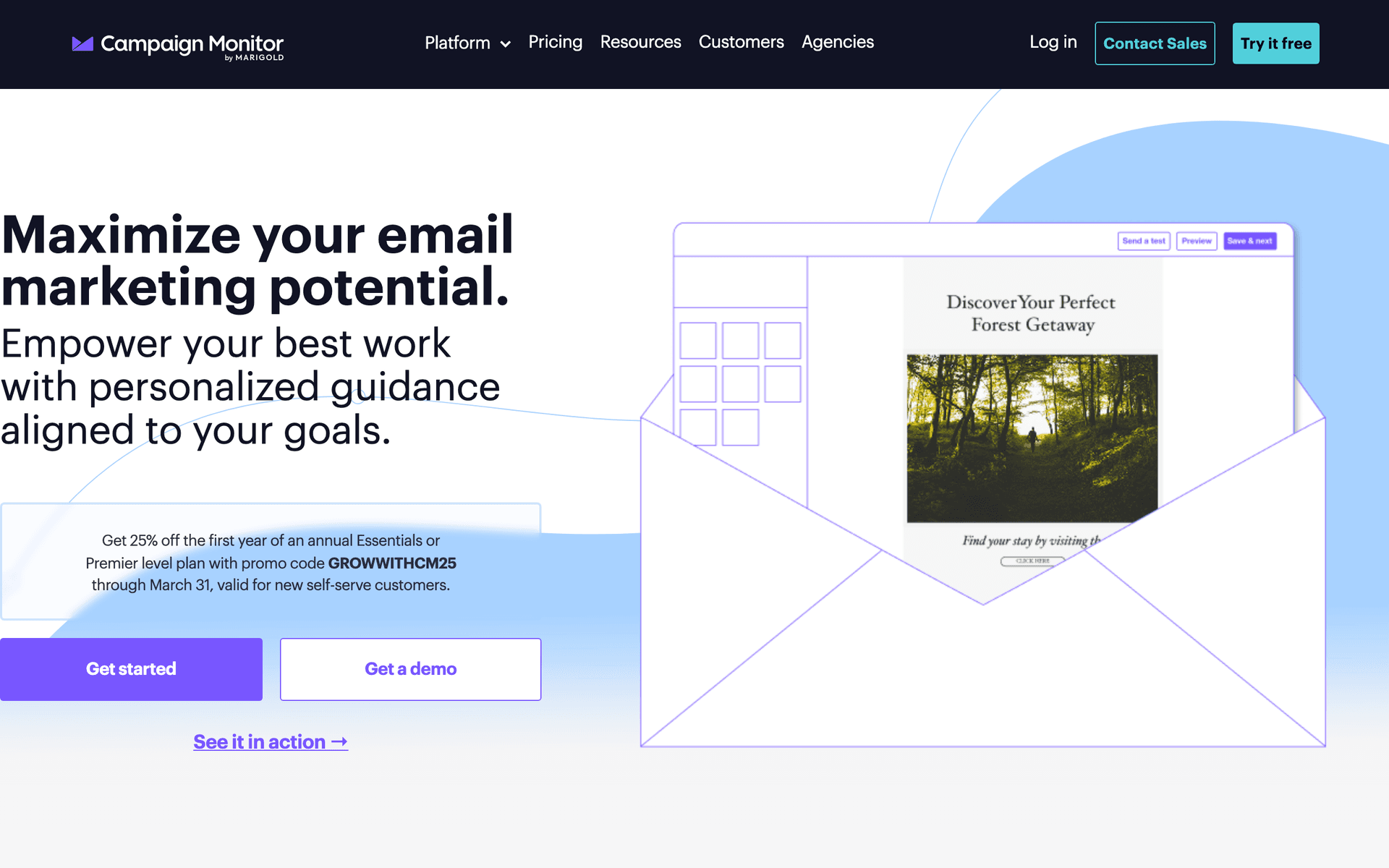
Campaign Monitor

Beautiful templates for branded emails.

Visit

Campaign Monitor has the most polished email templates available, which matters for agencies because your emails are a portfolio piece. Template locking ensures brand consistency when multiple team members create campaigns. For agencies where visual brand presentation is paramount - design agencies, branding firms, creative shops - Campaign Monitor makes your emails look as good as the work you sell. Automation is limited compared to ActiveCampaign, and per-contact pricing adds up, but for brand-first agencies, the visual quality justifies the premium.

Best for
Marketing agencies prioritizing design
Pricing
From $9/month for 500 contacts

Pros

  • Beautiful templates
  • Great branding
  • Reliable delivery
  • Professional look

Cons

  • Contact pricing
  • Limited automation
  • Gets expensive
  • No agency features

Feature Comparison

FeatureSequenzyActiveCampaignHubSpotMailchimp
Prospect nurture
Case study campaigns
AI content
CRM integration
Basic
Automation
Landing pages
Free tier

Common Mistakes to Avoid

We see these mistakes over and over. Skip the learning curve and avoid these from day one.

Being Too Salesy Too Fast

Agency prospects need 5-12 touchpoints before they are ready to talk. Jumping to a sales pitch after one download or inquiry pushes them away. Lead with value for at least 3-4 emails before any call to action.

Inconsistent Publishing Schedule

Agencies that send a burst of newsletters then go silent for months look disorganized. If you cannot maintain weekly content, commit to biweekly or monthly and never miss. Consistency builds more authority than occasional brilliance.

Generic Content That Any Agency Could Send

If your email content could come from any marketing agency, it does not differentiate you. Focus on your specific niche expertise, proprietary frameworks, or unique point of view that only your agency can offer.

Neglecting Your Own Marketing for Client Work

The classic agency trap - you are so busy with client work that your own marketing suffers. Automate what you can (nurture sequences, case study announcements) so your pipeline keeps moving even during busy periods.

Not Segmenting by Service Interest

A prospect interested in SEO does not want to read about your social media services. Tag leads by the service they inquired about and tailor your nurture content accordingly.

Email Sequences Every Marketing Agencie Needs

These are the essential automated email sequences that will help you grow your business and keep clients coming back.

Prospect Nurture Sequence

When prospect downloads resource or inquires

Nurture prospects until they are ready to engage.

Immediately
Your {{resource_name}}, {{first_name}}

Deliver resource. Introduce agency briefly.

Day 3
How we helped {{client}} increase leads by 340%

Case study with results. Demonstrate capability.

Day 7
The marketing mistake costing you clients

Valuable insight. Position expertise.

Day 14
Ready to discuss your marketing?

Consultation offer. Low-pressure CTA.

Case Study Announcement

When new case study is published

Share results with prospects and referral sources.

Immediately
New case study: {{client_result}}

Case study summary. Key results. Link to full study.

Monthly Agency Newsletter

First of each month

Stay top of mind with valuable content.

Monthly
{{month}} Marketing Insights

Industry trends. Tips. Agency news. Recent work.

Referral Partner Nurture

Ongoing for referral partners

Keep referral sources engaged.

Quarterly
What's new at {{agency_name}}

Recent wins. New services. Referral appreciation.

How to Choose the Right Email Tool for Your Agency

Practice what you preach. Your agency email marketing should be the best email your prospects receive. If you sell marketing services and your own emails look mediocre, use a clunky interface, or arrive inconsistently, you are undermining your pitch before you even make it.

B2B capabilities matter. Agency sales cycles run months, not days. Look for tools with longer nurture sequences, CRM integration or lead scoring, and the ability to track engagement over extended periods. Basic newsletter tools work for content distribution but fall short for serious business development.

Separate your agency email from client work. What you use for yourself may differ from what you recommend or implement for clients. This separation protects deliverability and lets you choose the optimal tool for each purpose.

What Actually Works for Marketing Agency Email

Case Studies Are Your Most Powerful Content

Nothing outperforms a well-crafted case study in agency email marketing. Specific numbers, named clients (with permission), clear before-and-after stories, and honest descriptions of your process convert more prospects than any clever copy. Build a system where every completed client engagement produces a case study, and every case study gets announced to your email list.

The Long Nurture Game

Agency prospects are not impulse buyers. A CMO reading your newsletter today might not need an agency for 8 months. When they do, you want to be the first name they think of. This means your email strategy must be built for the long game - consistent, valuable content delivered weekly or biweekly that builds familiarity and trust over time. Most agency email failures come from giving up after 3 months of newsletters that did not generate immediate leads.

Thought Leadership That Actually Leads

The term "thought leadership" gets overused, but the concept works when done well. Share perspectives that only your agency could have - insights from serving your specific market, patterns you see across clients, or contrarian takes backed by data. Generic marketing advice that anyone could write does not differentiate your agency.

Industry-Specific Strategies for Agency Email

Positioning Through Specialization

If your agency specializes in a vertical (healthcare, fintech, e-commerce), your email content should reflect that depth. Industry-specific benchmarks, regulatory insights, and vertical case studies position you as the expert choice for that market. General marketing agencies compete on price; specialized agencies compete on expertise.

Content-to-Client Pipeline

Build a content pipeline that feeds your business development. Weekly blog posts become newsletter content. Newsletter engagement data identifies warm prospects. Warm prospects enter nurture sequences. Nurtured prospects receive consultation invitations. Each stage is automated except the final personal outreach.

Referral Network Email Strategy

Past clients, complementary agencies (design, development, PR), and professional contacts form your referral network. Email them quarterly with:

  • Recent wins and capabilities updates
  • Helpful content they can share with their network
  • Clear descriptions of your ideal client profile
  • Simple ways to make introductions

Integration Recommendations

  • CRM systems (Pipedrive, Salesforce): Connect your email tool to your CRM so prospect engagement data flows into deal tracking
  • Calendar tools (Calendly): Include booking links in nurture sequences for seamless consultation scheduling
  • Website analytics: Track which email content drives website visits and conversions
  • Proposal tools (PandaDoc, Proposify): Trigger follow-up emails based on proposal views and status changes

Getting Started: Your First 30 Days

  1. Week 1: Choose a platform and import your prospect, client, and partner lists. Tag contacts by relationship type and service interest.
  2. Week 2: Create a 4-email prospect nurture sequence built around your strongest case study. Set it to trigger on new subscriber signup.
  3. Week 3: Build a monthly newsletter template with sections for industry insight, a featured case study, and an agency update. Schedule the first issue.
  4. Week 4: Set up a referral partner email with your recent wins and a clear description of how partners can refer clients to you.

What a Healthy Agency Email List Looks Like

A well-managed agency email list typically includes:

  • Active prospects (downloaded resources, attended webinars, inquired) tagged by service interest and engagement level
  • Past clients who might return or refer others
  • Referral partners such as complementary agencies, consultants, and professional contacts
  • Newsletter subscribers who consume your content but have not expressed buying intent

A 20-person agency might have 2,000-8,000 total contacts. Expect 15-25% to be actively engaged. Maintain separate segments for each group and tailor content accordingly. Clean your list quarterly by removing hard bounces and contacts inactive for 12 or more months.

How We Evaluated These Tools

We evaluated each platform by building agency-specific workflows: prospect nurture sequences with case study content, referral partner campaigns, and thought leadership newsletters. We tested CRM integration, lead scoring capabilities, and how well each tool handles long B2B sales cycles with multiple stakeholders. Pricing was assessed at 5,000 contacts with moderate email volume.

Frequently Asked Questions

Ready to grow your marketing agencie practice?

Start your free trial today. Set up your first email sequence in minutes with AI-powered content generation.

Related Industries

Sequenzy - Complete Pricing Guide

Pricing Model

Sequenzy uses email-volume-based pricing. You only pay for emails you send. Unlimited contacts on all plans — storing subscribers is always free.

All Pricing Tiers

  • 2.5k emails/month: Free (Free annually)
  • 15k emails/month: $19/month ($205/year annually)
  • 60k emails/month: $29/month ($313/year annually)
  • 120k emails/month: $49/month ($529/year annually)
  • 300k emails/month: $99/month ($1069/year annually)
  • 600k emails/month: $199/month ($2149/year annually)
  • 1.2M emails/month: $349/month ($3769/year annually)
  • Unlimited emails/month: Custom pricing (Custom annually)

Yearly billing: All plans offer a 10% discount when billed annually.

Free Plan Features (2,500 emails/month)

  • Visual automation builder
  • Transactional email API
  • Reply tracking & team inbox
  • Goal tracking & revenue attribution
  • Dynamic segments
  • Payment integrations
  • Full REST API access
  • Custom sending domain

Paid Plan Features (15k - 1.2M emails/month)

  • Visual automation builder
  • Transactional email API
  • Reply tracking & team inbox
  • Goal tracking & revenue attribution
  • Dynamic segments
  • Payment integrations (Stripe, Paddle, Lemon Squeezy)
  • Full REST API access
  • Custom sending domain

Enterprise Plan Features (Unlimited emails)

  • Visual automation builder
  • Transactional email API
  • Reply tracking & team inbox
  • Goal tracking & revenue attribution
  • Dynamic segments
  • Payment integrations
  • Full REST API access
  • Custom sending domain

Important Pricing Notes

  • You only pay for emails you send — unlimited contacts on all plans
  • No hidden fees - all features included in the price
  • No credit card required for free tier

Contact

  • Pricing Page: https://sequenzy.com/pricing
  • Sales: hello@sequenzy.com