
How to Choose the Right Email Tool for Your Guide Service
Speed matters. When cancellations happen, fast notification fills spots. Choose tools that let you create and send emails quickly, ideally from your phone in the field.
Photo support is essential. Trip photos sell future trips better than any copy you can write. Choose platforms that showcase images beautifully and make it easy to build photo-rich emails.
Mobile friendly is not optional. Many guides work from phones between trips, on the water, or in the field. Choose tools with mobile apps or responsive interfaces that let you manage your email program from anywhere.
What Works for Guide Marketing
Repeat Clients Are Your Foundation
Guides live on clients who come back year after year. A client who books annually for a decade is worth far more than ten one-time clients. Your email program should prioritize relationship-building with existing clients through trip photos, personal check-ins, and early booking access. Treat your email list as a loyalty program, not just a marketing channel.
Photos Drive Bookings More Than Words
A single photo of a client holding a trophy catch or a group smiling at camp generates more bookings than the best-written marketing email. Build your email strategy around great photography. Ask clients for permission to use their photos. Invest in a waterproof camera or phone case so you capture content on every trip.
Timing Creates Urgency
When the season is approaching, when prime dates are booking fast, or when a cancellation creates an unexpected opening - these time-sensitive moments are when email delivers the most value. Build your email calendar around natural timing moments rather than arbitrary marketing schedules.
Building Your Guide Service Email Program
Step 1: Compile Your Client Database
Gather email addresses from every past client, inquiry, and contact. Check old booking records, phone contacts, and social media connections. This historical database is your most valuable marketing asset.
Step 2: Set Up Core Automations
Start with three automations: post-trip follow-up (thank clients, share photos, request referrals), annual trip reminder (11 months after booking), and pre-trip preparation (packing lists and logistics). These three sequences handle the most important touchpoints automatically.
Step 3: Create Seasonal Templates
Build reusable templates for season opening announcements, availability updates, and last-minute openings. Having these templates ready means you can send time-sensitive communications in minutes rather than hours.
Step 4: Establish an Off-Season Rhythm
Commit to monthly off-season emails. Trip stories, gear recommendations, technique tips, and season forecasts keep subscribers engaged and ensure they remember you when booking time arrives.
Measuring Success for Guide Services
Focus on these business metrics rather than just email statistics:
- Repeat booking rate - What percentage of last year's clients are booking again?
- Days to fill season - How quickly do prime dates book after your announcement?
- Cancellation fill rate - What percentage of cancellations are you filling through email alerts?
- Referral rate - How many new clients come from email referral requests?
- Revenue per subscriber - How much annual booking revenue does each email subscriber generate?
A healthy guide email program should see your repeat booking rate climb year over year as you build stronger client relationships through consistent communication.
Guide Service Email Benchmarks
Guide service email should be measured by bookings and repeat clients. High open rates are common when the list is made of past clients and serious inquiries.
| Email type | Healthy open rate | Healthy click rate | Primary conversion |
|---|---|---|---|
| Pre-trip preparation | 60-80% | 15-30% | Fewer logistics questions |
| Trip report | 38-58% | 8-16% | Future trip inquiries |
| Season opening | 40-65% | 10-22% | Prime dates booked |
| Last-minute availability | 45-70% | 12-28% | Cancellation slot filled |
| Annual rebooking reminder | 35-55% | 7-15% | Repeat booking |
Guide Client Segment Table
Segmenting by trip type and commitment level lets you send availability to the clients most likely to act quickly.
| Segment | Best email content | CTA |
|---|---|---|
| Past annual clients | Early access to same season dates | Reserve your week |
| First-time clients | Trip photos and preparation tips | Book next adventure |
| Standby list | Cancellation and weather-window openings | Claim the open date |
| Advanced clients | Trophy reports and premium trips | Apply for limited trip |
| Family or beginner groups | Comfort, safety, and what to expect | Ask about beginner dates |
Guide Season Email Calendar
Email timing should follow booking windows, not generic newsletter cadence. Prime dates often sell before the season starts.
| Timing | Email angle | Goal |
|---|---|---|
| 6 months before season | Early booking announcement | Fill prime dates |
| 3 months before season | Forecast and trip planning | Convert undecided clients |
| 2 weeks before trip | Packing and logistics | Improve trip experience |
| 1 day after trip | Thank you and review request | Capture satisfaction |
| 11 months after trip | Anniversary rebooking | Keep annual clients returning |
What Hunting & Fishing Guides should prioritize first
For Hunting & Fishing Guides, email works when it supports clear communication, consistent follow-up, and measurable customer action. The software matters, but the operating habit matters more: collect the right contacts, send messages at the right moments, and keep the content useful enough that people keep opening.
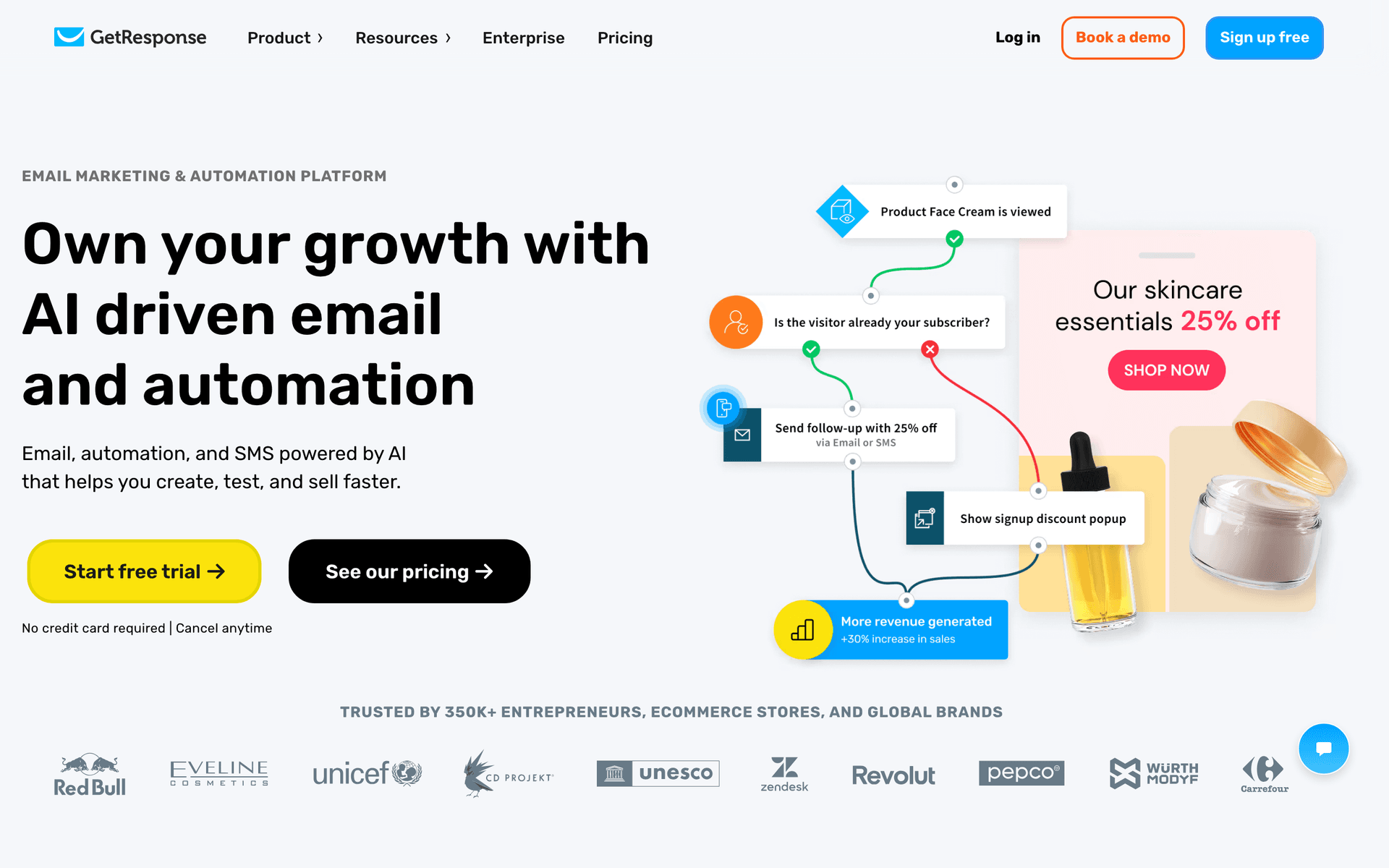
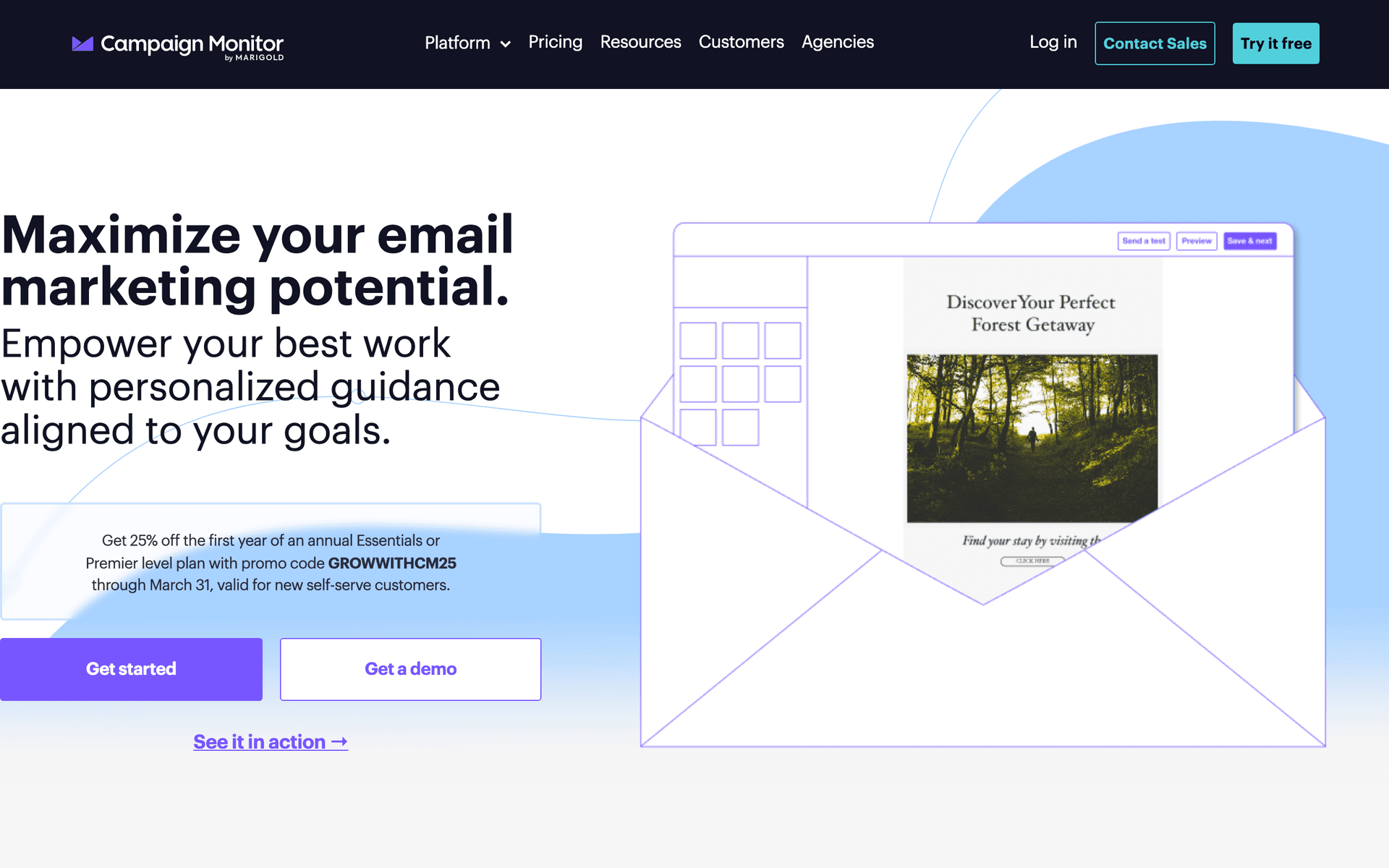
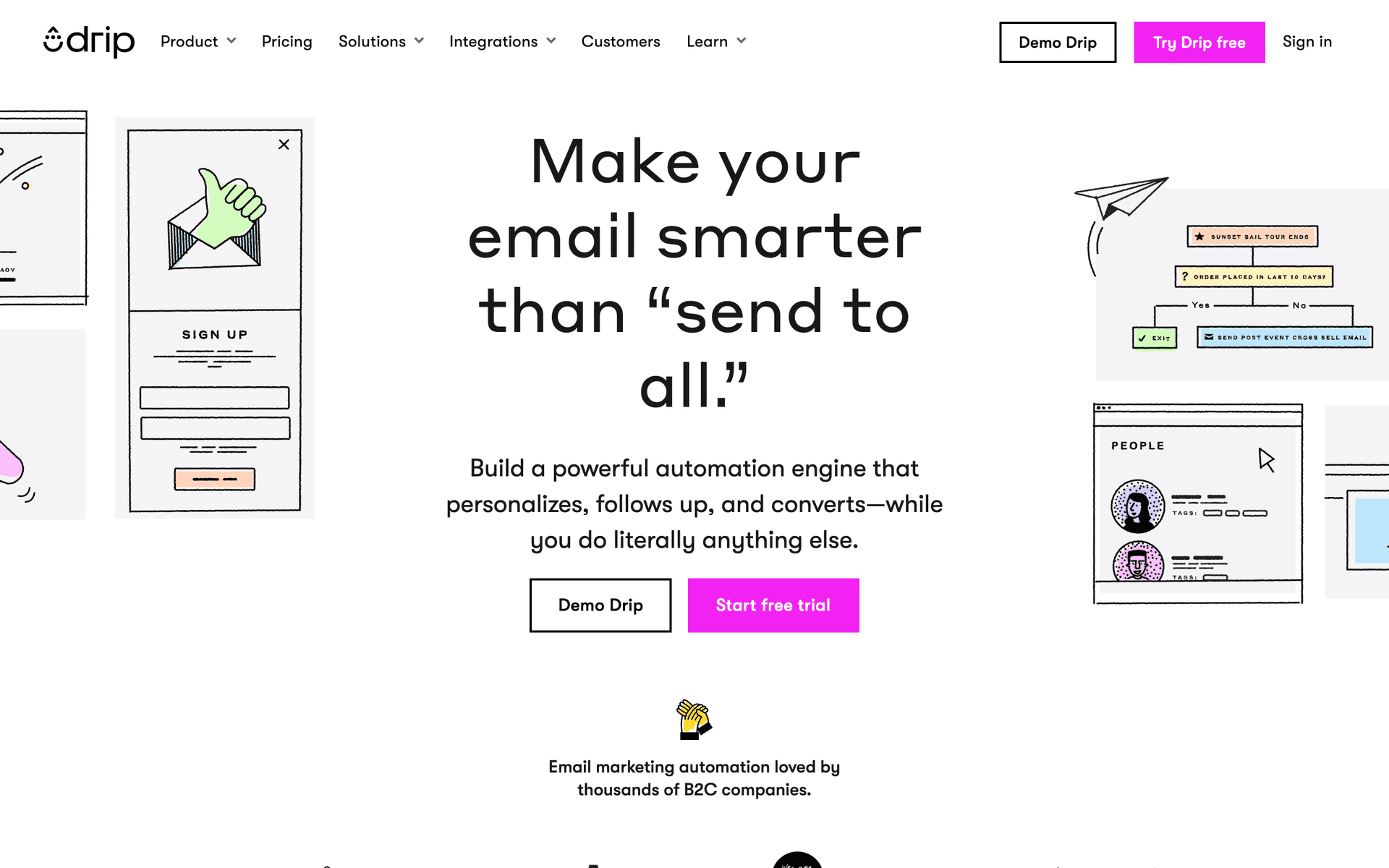
Start by comparing the ranked tools above around the workflows you will actually run. A good tool for Hunting & Fishing Guides should make it easy to segment contacts, write a campaign quickly, automate the obvious follow-ups, and see whether the email produced a booking, sale, reply, renewal, or return visit.
The first workflows to build are usually simple. For this page, the natural starting points are Season Opening Announcement, Pre-Trip Preparation, Post-Trip Follow-Up, Last-Minute Availability. Do not build a complicated journey until those basics are working.
A practical rollout looks like this:
| Week | Focus |
|---|---|
| 1 | Import contacts, clean segments, and write the first useful campaign. |
| 2 | Launch the highest-value reminder or follow-up automation. |
| 3 | Add one educational or trust-building email that is not a promotion. |
| 4 | Review opens, clicks, replies, bookings, purchases, or returned customers. |
The most important page-specific ideas are Give loyal clients early access to prime dates before public booking; Build a standby list for last-minute cancellation fills; Send annual trip reminders around the anniversary of their last booking. Those should become your first campaigns before you worry about advanced automation.
Choose the tool that makes this cadence realistic. If a platform has more features but makes weekly sending harder, it is the wrong fit. If a simpler platform helps the team communicate consistently and measure the result, it will usually produce more value.