
How to Choose the Right Email Tool
List size matters. Alumni databases can range from 2,000 to 200,000 contacts. Understand pricing at your actual list size before committing. Pay-per-email pricing from Sequenzy works better than per-contact pricing when you have a large database but send targeted communications to subsets.
Nonprofit pricing helps. Most platforms offer 15-40% discounts for nonprofits. MailerLite offers 30%, Constant Contact offers 20-30%, and HubSpot offers 40%. Always ask for nonprofit pricing before signing up at standard rates.
Segmentation is essential. Alumni have different interests by class, location, and engagement level. Choose platforms that handle segmentation well and make it easy to create targeted sends without complex setup.
Volunteer-friendly matters. Many associations are run by volunteers who change every few years. Choose platforms with intuitive interfaces that new people can learn quickly without extensive training.
| Association need | Tool requirement | Why it matters | Best-fit example |
|---|---|---|---|
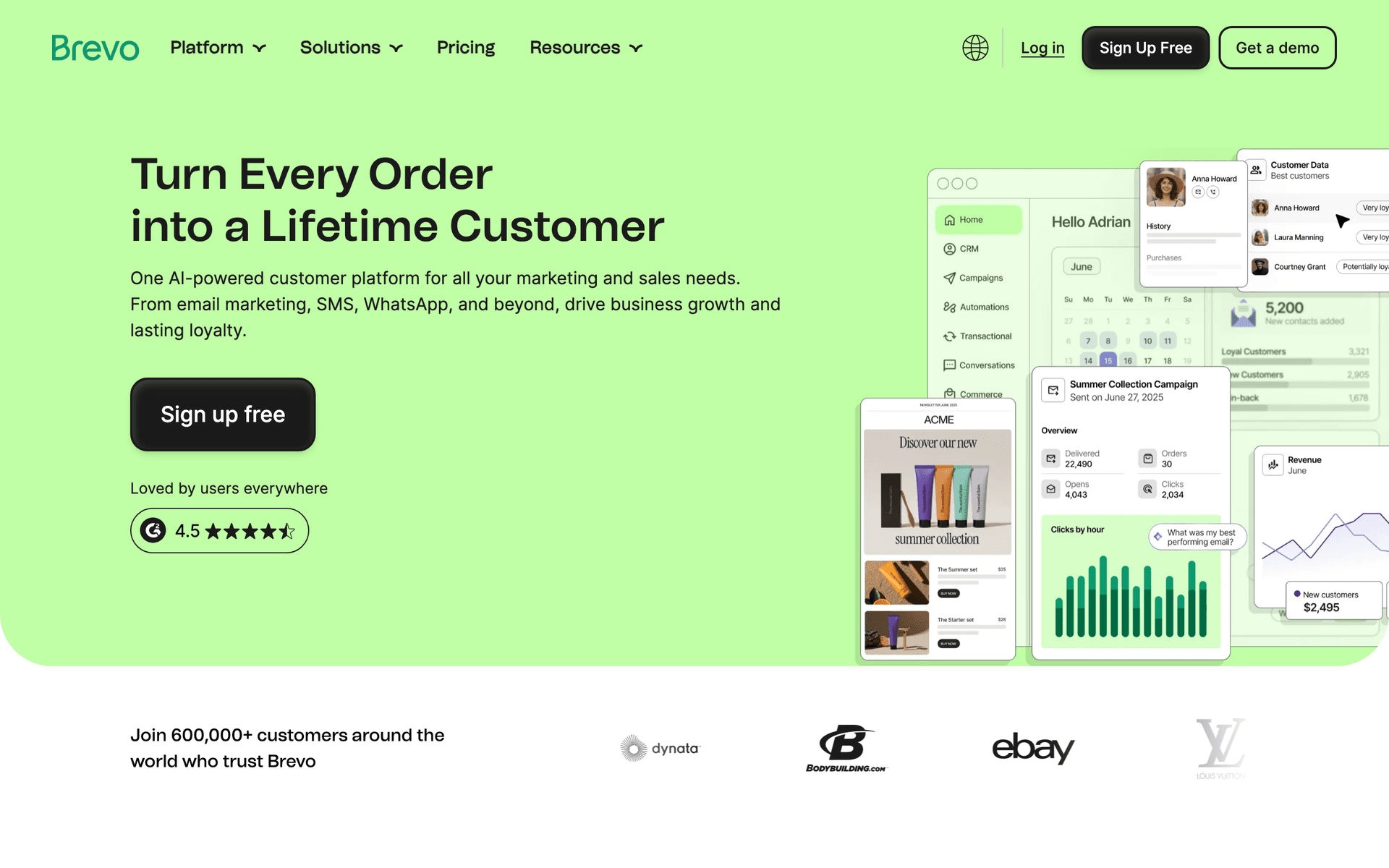
| Large historical database | Pricing that does not punish inactive contacts | Alumni lists keep growing even when only subsets are emailed | Sequenzy or Brevo for pay-per-email economics |
| Class-year targeting | Simple segmentation and reusable groups | Reunions, class notes, and giving competitions depend on class identity | MailerLite, Sequenzy, Constant Contact |
| Volunteer turnover | Easy templates and low training burden | New volunteers need to send confidently without rebuilding everything | Constant Contact or MailerLite |
| Fundraising campaigns | Donation links, progress updates, and reporting | Appeals need participation and revenue tracking | HubSpot, Mailchimp, or integrated donation tools |
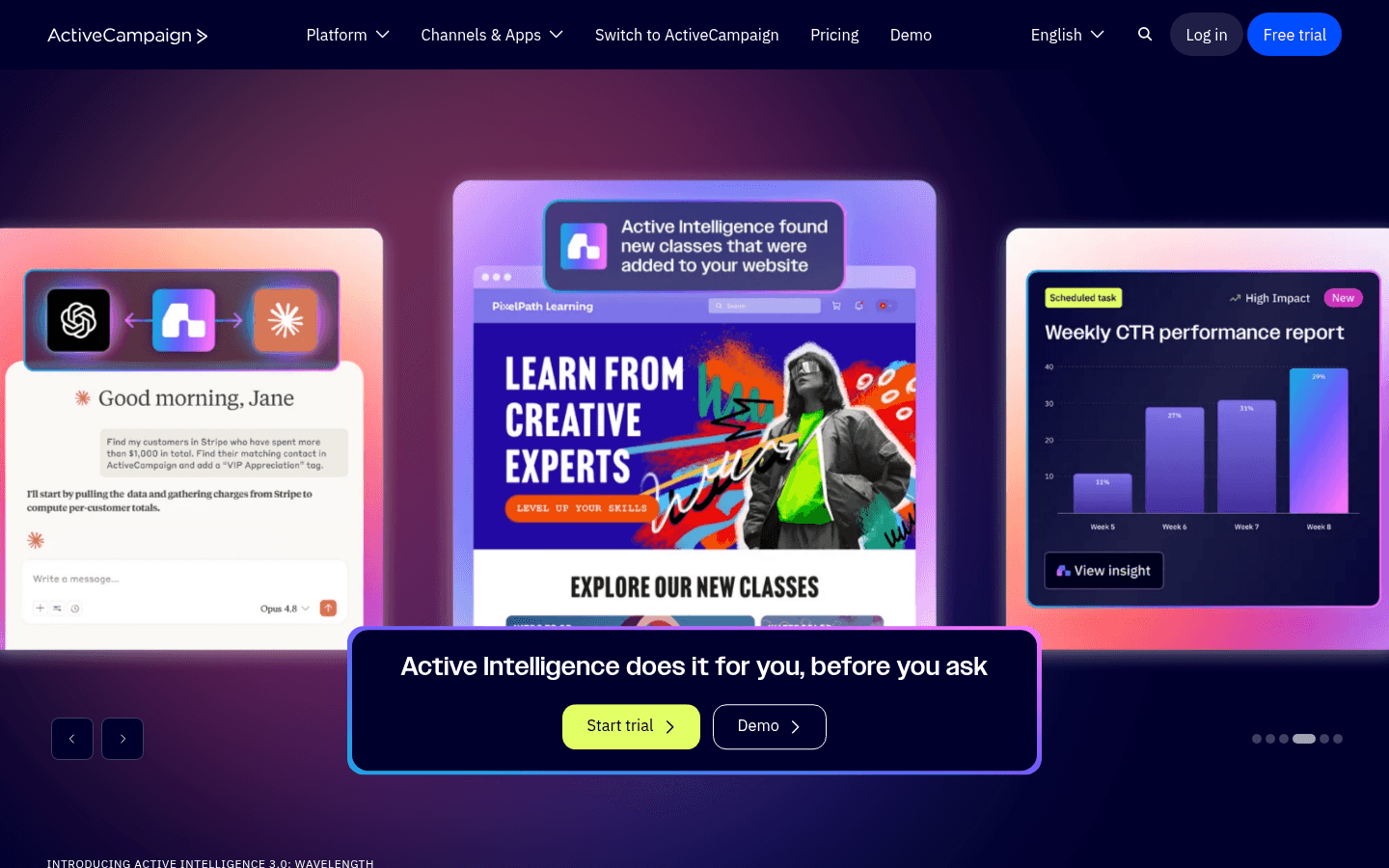
| Event-heavy calendar | Registration links and reminder automations | Reunions and homecoming need multi-touch promotion | Sequenzy, Mailchimp, ActiveCampaign |
What Works for Alumni Email
Nostalgia connects. Alumni love hearing about classmates and remembering shared experiences. Emails that reference specific campus traditions, memorable events, or class milestones get the highest engagement. Include old photos when possible.
Class identity matters. Communications segmented by class year perform dramatically better than generic alumni blasts. Class-specific reunions, giving competitions, and news updates feel personal rather than institutional.
Events drive engagement. Reunions and gatherings create the engagement that leads to giving. Alumni who attend events are significantly more likely to donate. Invest in event promotion as a long-term giving strategy.
Giving campaigns need storytelling. Do not just ask for money. Tell stories about how donations changed student experiences, funded scholarships, or improved campus facilities. Specific impact stories with names and photos (with permission) outperform generic appeals by a wide margin.
Building Your Email Calendar
A well-planned annual calendar prevents last-minute scrambling and ensures consistent communication. Here is a framework:
| Cadence | Email type | Best audience | Primary goal |
|---|---|---|---|
| Monthly | General alumni newsletter with class notes, campus updates, and events | Full engaged alumni list | Keep the institution present without constant asks |
| Quarterly | Class-specific achievements, milestones, and news | Individual class years or decades | Make communication feel personal |
| Seasonally | Reunion, homecoming, and holiday messages | Classes, regions, and event invitees | Drive attendance and reconnection |
| Annually | Giving campaign over 4-6 weeks | Donors, lapsed donors, and engaged alumni | Increase participation and donations |
| As needed | Leadership announcements, breaking news, crisis communication | Affected segments first, then broader list | Communicate clearly without over-emailing |
Managing Large Alumni Databases
Alumni databases present unique challenges. People graduate once and stay in your system indefinitely, but they move, change names, switch email providers, and sometimes lose interest.
Annual hygiene: Remove hard bounces immediately. Suppress soft bounces after 3 consecutive failures. Run re-engagement campaigns for alumni who have not opened an email in 12 months.
Data enrichment: Work with your institution's records office for updated contact information. Encourage alumni to self-update through periodic verification campaigns with simple online forms.
Engagement scoring: Track opens, clicks, event attendance, and giving history to create engagement scores. Focus your most frequent communication on your most engaged alumni while sending lighter-touch campaigns to less engaged contacts.
Fundraising Email Best Practices
Email is the primary channel for alumni fundraising, but it works best when you have built engagement through non-ask communications first.
The 3:1 rule: Send 3 value-providing emails (class notes, event invitations, career content) for every 1 fundraising ask. This maintains trust and prevents donor fatigue.
Impact-first messaging: Lead every giving email with what donations accomplish, not with how much you need. "Your $50 provides textbooks for one student for a semester" is more compelling than "We need to raise $100,000 this quarter."
Class competition: Show giving participation rates by class year. Alumni are competitive with their peers. A dashboard showing "Class of 2005: 12% participation - can you beat Class of 2004 at 15%?" drives action.
| Fundraising email | Send timing | Message focus | Proof element |
|---|---|---|---|
| Launch appeal | Campaign day one | Why this campaign matters now | Student story or specific funding need |
| Progress update | Mid-campaign | Momentum and class participation | Donor count, class leaderboard, or match status |
| Impact reminder | 5-7 days before deadline | What each gift makes possible | Dollar-to-impact examples |
| Final push | Last 24-48 hours | Deadline and participation goal | Remaining gap and thank-you preview |
Getting Started
- Clean and segment your alumni database by class year, location, and engagement history
- Set up a welcome sequence for new graduates joining the alumni community
- Create reunion promotion templates you can customize for each class year
- Plan your annual giving campaign email calendar with at least 3 touchpoints
- Build a monthly newsletter template for ongoing alumni engagement
- Configure proper email authentication with SPF and DMARC records
Start simple with a monthly newsletter and one automation sequence, then expand as you learn what your alumni community responds to most.