
How to Choose the Right Email Tool for Your Pharmacy
Pharmacy Size and Type Matter
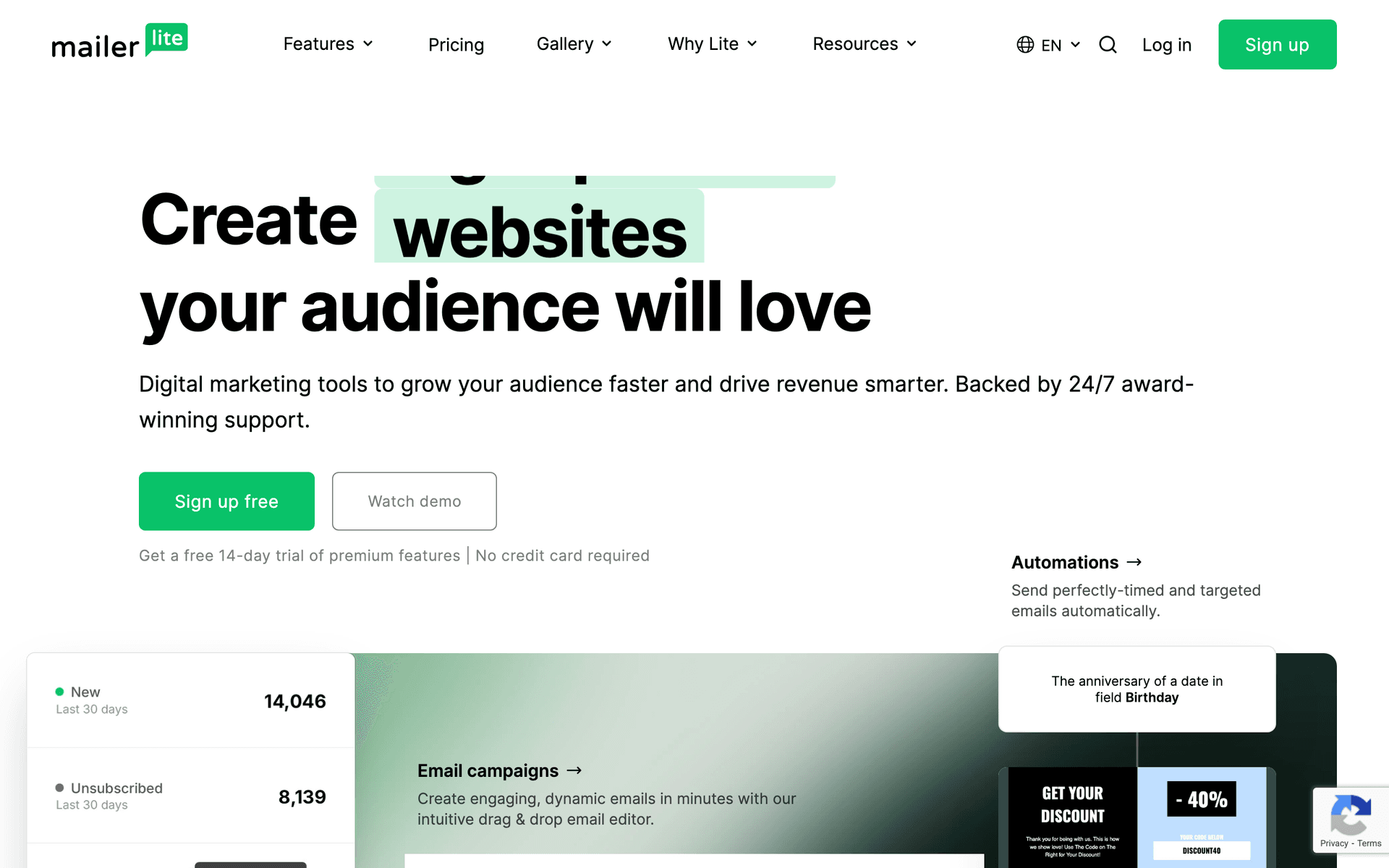
Single-location independents can use simpler tools like Sequenzy or MailerLite. Your priority is refill reminders, seasonal campaigns, and clinical service promotion without technical complexity.
Multi-location pharmacies benefit from platforms with stronger segmentation and location-based targeting like ActiveCampaign.
Specialty pharmacies with specific patient populations need tools that handle detailed segmentation by condition type.
Patient Database Size Is Critical
Pharmacies accumulate decades of patient records. Calculate your tool's real cost at your actual database size. A 10,000-contact list on per-contact pricing can cost $150-300/month. Pay-per-email models save significantly when you have large databases but send only a few campaigns monthly.
Privacy and Compliance
While no general email marketing platform is inherently HIPAA-compliant for clinical communication, marketing emails with general health content, service announcements, and non-specific reminders are appropriate. Keep marketing completely separate from clinical communication that involves protected health information.
What Actually Works for Pharmacies
Refill Reminders Are the Foundation
Automated refill reminders are the single most valuable email for pharmacies. They improve patient health outcomes through better medication adherence while generating consistent revenue. Every pharmacy should have this automation running.
Pharmacy Email Benchmark Table
| Email type | Healthy open rate | Healthy click or scheduling rate | Pharmacy metric to watch |
|---|---|---|---|
| Generic refill reminder | 38-55% | 10-18% refill actions | On-time refill rate |
| Flu shot campaign | 35-50% | 8-15% appointment clicks | Immunizations scheduled |
| Monthly health tips | 28-40% | 3-6% click rate | Patient engagement and retention |
| Clinical service promotion | 30-44% | 4-9% scheduling clicks | MTM, screening, or consultation bookings |
Clinical Service Promotion Drives Growth
Many patients have no idea their pharmacy offers immunizations, medication reviews, health screenings, or diabetes education. Email is the most efficient way to inform patients about these high-margin services. Start with flu shot campaigns and expand from there.
| Service | Best campaign timing | Audience segment | Email angle |
|---|---|---|---|
| Flu shots | Late summer through fall | Adult patients and caregivers | Convenient protection before peak season |
| Medication therapy management | Monthly or quarterly | Eligible patients, without PHI in the email | Meet with a pharmacist to review medication routines |
| Blood pressure screening | Heart health month or monthly | General adult wellness list | Quick in-store screening and lifestyle tips |
| Travel vaccines or consults | 6-10 weeks before travel seasons | Patients interested in travel health | Prepare before international trips |
Be Their Health Partner, Not Just Their Pharmacy
The best pharmacy emails feel like advice from a trusted health professional. Monthly health tips, seasonal prevention guidance, and medication management advice build the kind of relationship that keeps patients loyal to your pharmacy instead of switching to a chain for convenience.
Getting Started
- Import your patient list with basic demographic information
- Set up refill reminder automation - your highest-impact sequence
- Create a new patient welcome sequence introducing your services
- Send monthly health tips newsletters positioning you as a health partner
- Plan seasonal campaigns for flu shots, allergy season, and back-to-school
| Communication need | Use email for | Use text or phone for | Privacy guardrail |
|---|---|---|---|
| Refill reminder | Generic reminder and refill options | Same-day urgency or patient preference | Avoid naming medication in marketing emails |
| Seasonal health education | Prevention tips and service availability | Appointment confirmation | Keep advice general and non-diagnostic |
| Clinical service awareness | Explain who the service may help | Scheduling and follow-up details | Do not include diagnoses or treatment specifics |
| Pharmacy loyalty | Community updates and wellness events | Urgent operational notices | Separate marketing from clinical communication |
Start with refill reminders - this single automation justifies the investment in email marketing.
What Pharmacies should prioritize first
For Pharmacies, email works when it supports trust, timing, and clear patient communication. The software matters, but the operating habit matters more: collect the right contacts, send messages at the right moments, and keep the content useful enough that people keep opening.
Start by comparing the ranked tools above around the workflows you will actually run. A good tool for Pharmacies should make it easy to segment contacts, write a campaign quickly, automate the obvious follow-ups, and see whether the email produced a booking, sale, reply, renewal, or return visit.
The first workflows to build are usually simple. For this page, the natural starting points are Refill Reminder Sequence, New Patient Welcome, Seasonal Health Campaigns, Clinical Service Promotion. Do not build a complicated journey until those basics are working.
A practical rollout looks like this:
| Week | Focus |
|---|---|
| 1 | Import contacts, clean segments, and write the first useful campaign. |
| 2 | Launch the highest-value reminder or follow-up automation. |
| 3 | Add one educational or trust-building email that is not a promotion. |
| 4 | Review opens, clicks, replies, bookings, purchases, or returned customers. |
The most important page-specific ideas are Automate refill reminders based on prescription schedules; Promote clinical services that patients do not know you offer; Send seasonal health campaigns timed to prevention windows. Those should become your first campaigns before you worry about advanced automation.
Choose the tool that makes this cadence realistic. If a platform has more features but makes weekly sending harder, it is the wrong fit. If a simpler platform helps the team communicate consistently and measure the result, it will usually produce more value.