





Growth Stage Is Optimization Stage
At growth stage, the fundamentals should be working. Onboarding converts, dunning recovers, and product updates engage. Now the opportunity is optimization: which segment converts best? Which onboarding path produces the highest retention? Which expansion trigger generates the most revenue?
This is where A/B testing, lifecycle segmentation, and revenue attribution become essential. Small improvements at growth scale produce significant results. A 2% improvement in trial conversion at 5,000 trials per month is 100 additional customers.
The Expansion Revenue Machine
Growth-stage SaaS companies that excel at email treat expansion revenue as a system, not a campaign. Usage milestones trigger upgrade nudges. Team growth triggers seat expansion emails. Feature adoption triggers premium feature discovery. Each trigger is tested, measured, and optimized independently.
Build your expansion email as a collection of trigger-response pairs: when X happens, send Y. Then measure which pairs generate the most expansion revenue per email sent. Optimize the winners and retire the underperformers.
Key Expansion Triggers to Build
- Usage approaching limits - the most natural upgrade moment
- Team size growing - signals organizational investment in your product
- Premium-adjacent feature attempts - user tried a paid feature or hit a paywall
- Power user behavior - users who would benefit most from premium capabilities
- Renewal approaching - opportunity to expand at a natural decision point
Preventing Churn Before It Happens
At growth stage, every churned customer costs you more than at early stage because acquisition cost has increased with your market. Automated churn prevention that detects disengagement signals - declining login frequency, reduced feature usage, dropped team activity - and intervenes with targeted re-engagement can save 10-20% of potential churns.
Building an Engagement Scoring System
Assign points for positive behaviors (daily logins, feature usage, team additions) and deduct points for negative signals (declining usage, support tickets, missed logins). When a customer's score drops below a threshold, trigger the churn prevention workflow automatically.
Cross-Team Email Governance
At growth stage, the biggest email problem is often not the quality of individual emails but the total volume hitting each user from different teams. Product sends release notes, marketing sends campaigns, customer success sends health checks, and engineering sends status updates. Without governance, a single user might receive 5+ emails in a week.
Growth-Stage SaaS Email Benchmarks
At growth stage, averages matter less than movement by lifecycle stage. A weak activation email and a weak expansion email create different business problems.
| Email program | Healthy open rate | Healthy click rate | Revenue metric |
|---|---|---|---|
| Trial activation | 30-45% | 7-14% | Trial-to-paid lift |
| Expansion trigger | 28-42% | 5-11% | Upgrade revenue |
| Churn prevention | 35-50% | 6-12% | Saved ARR |
| Product update | 24-38% | 4-9% | Feature adoption |
| Renewal prep | 40-60% | 8-16% | Renewal rate |
Expansion Trigger Prioritization Table
Not every trigger deserves an email. Prioritize signals where the user's behavior already proves a need for a higher plan or more seats.
| Trigger | Best email angle | Owner |
|---|---|---|
| Usage reaches 80% of plan limit | Upgrade before work is blocked | Growth or lifecycle |
| New team members added | Make collaboration easier on the next tier | Product marketing |
| Premium feature attempted | Unlock the workflow they already tried | Product-led sales |
| Admin exports reports repeatedly | Advanced reporting or compliance package | Customer success |
| Renewal within 60 days | Review value and expansion fit | Account management |
Cross-Team Email Priority Table
Frequency caps only work when teams agree which messages win. Use a priority table so suppression decisions are consistent.
| Priority | Email type | Suppression rule |
|---|---|---|
| 1 | Security, billing, outage, legal | Never suppress |
| 2 | Renewal and account-critical success | Suppress marketing only |
| 3 | Activation and onboarding | Suppress lower-priority campaigns |
| 4 | Product updates and education | Respect weekly frequency cap |
| 5 | Promotional campaigns | Suppress when user is over cap or at-risk |
The Governance Framework
- Communication calendar - all teams plan emails on a shared calendar
- Frequency caps - maximum 2-3 emails per user per week enforced by platform
- Priority system - transactional > product-critical > CS > marketing
- Team ownership - each sequence has one owning team
- Regular review - monthly cross-team review of email performance and volume
Choosing the Right Tool for Your Growth Stage
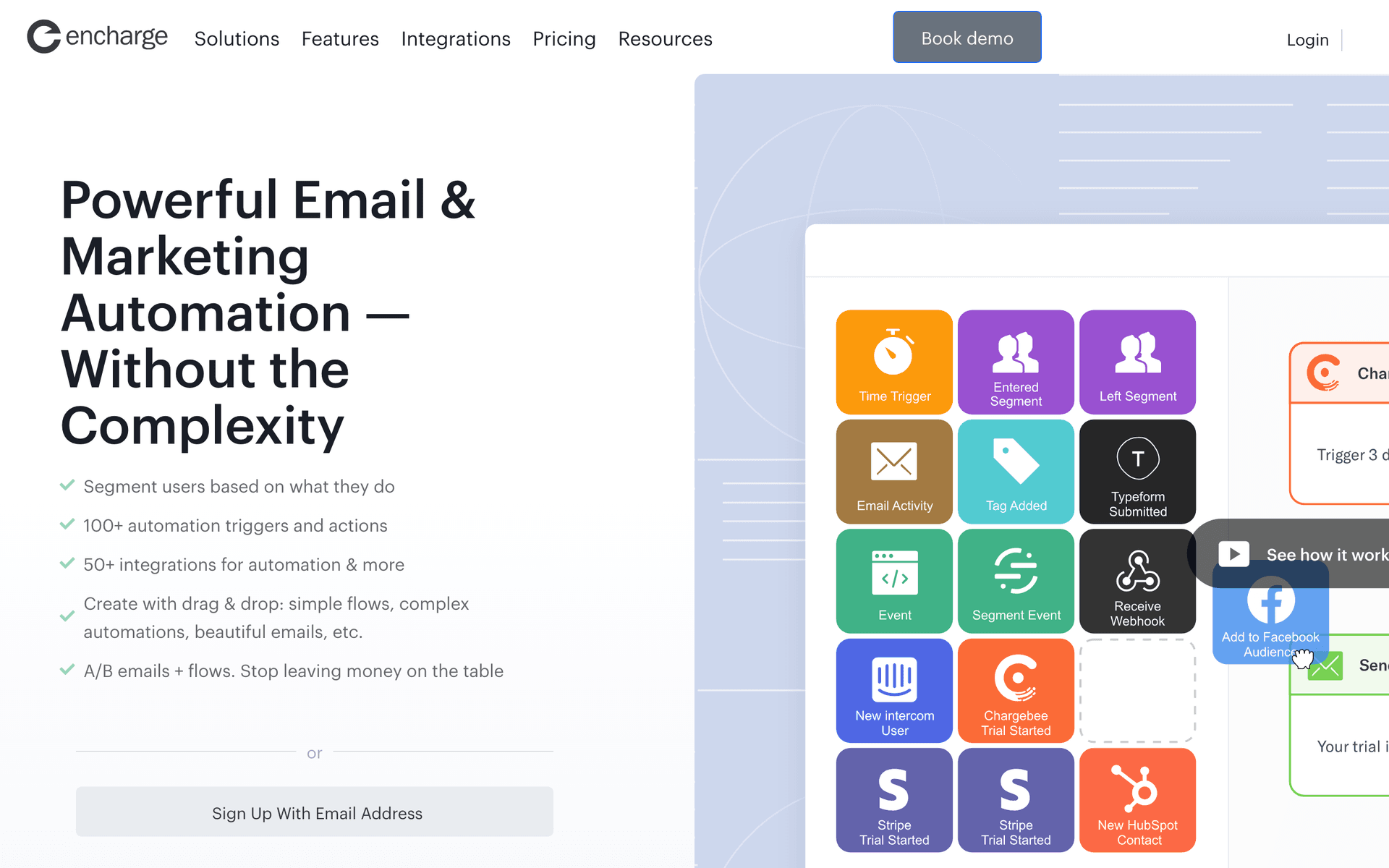
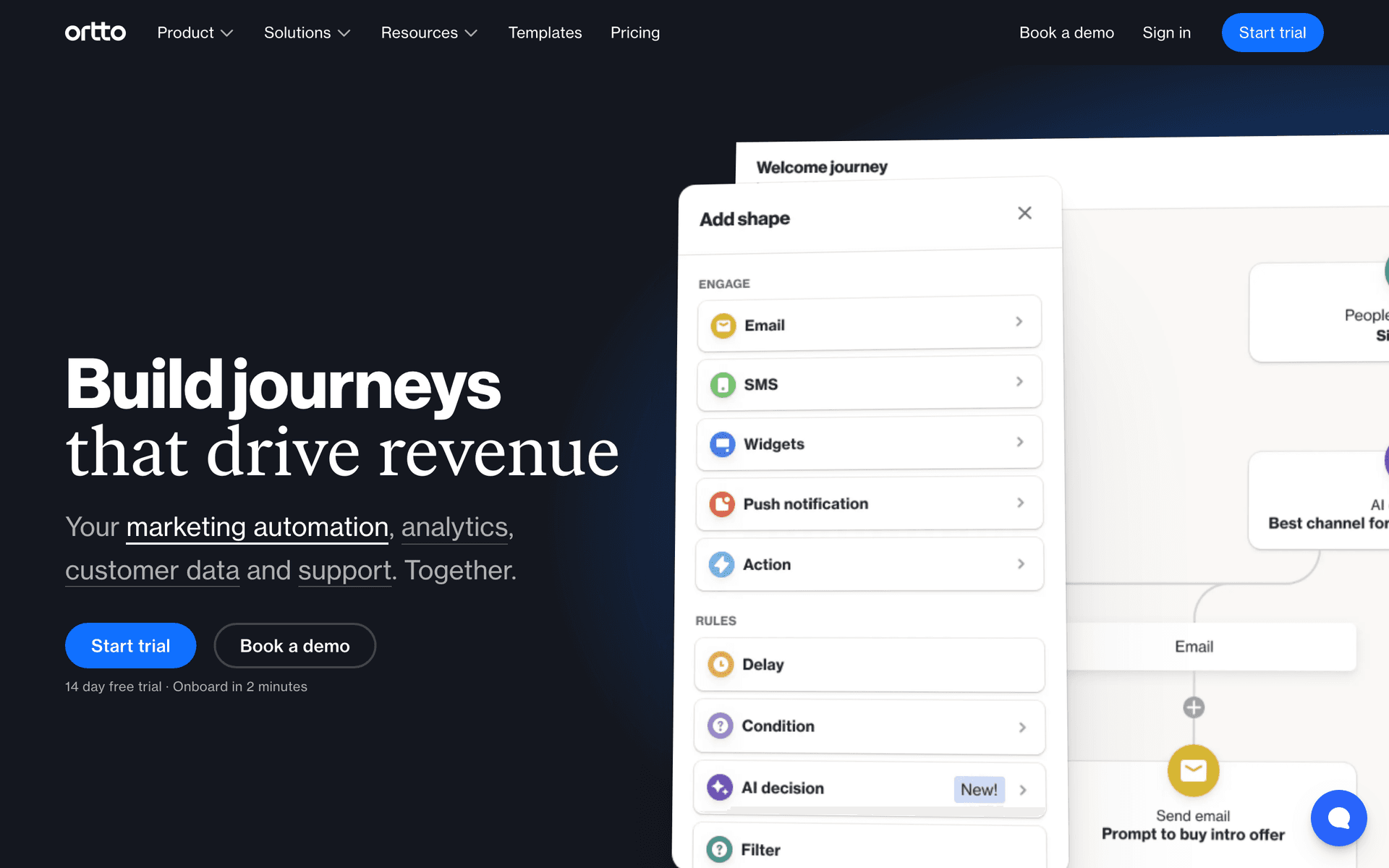
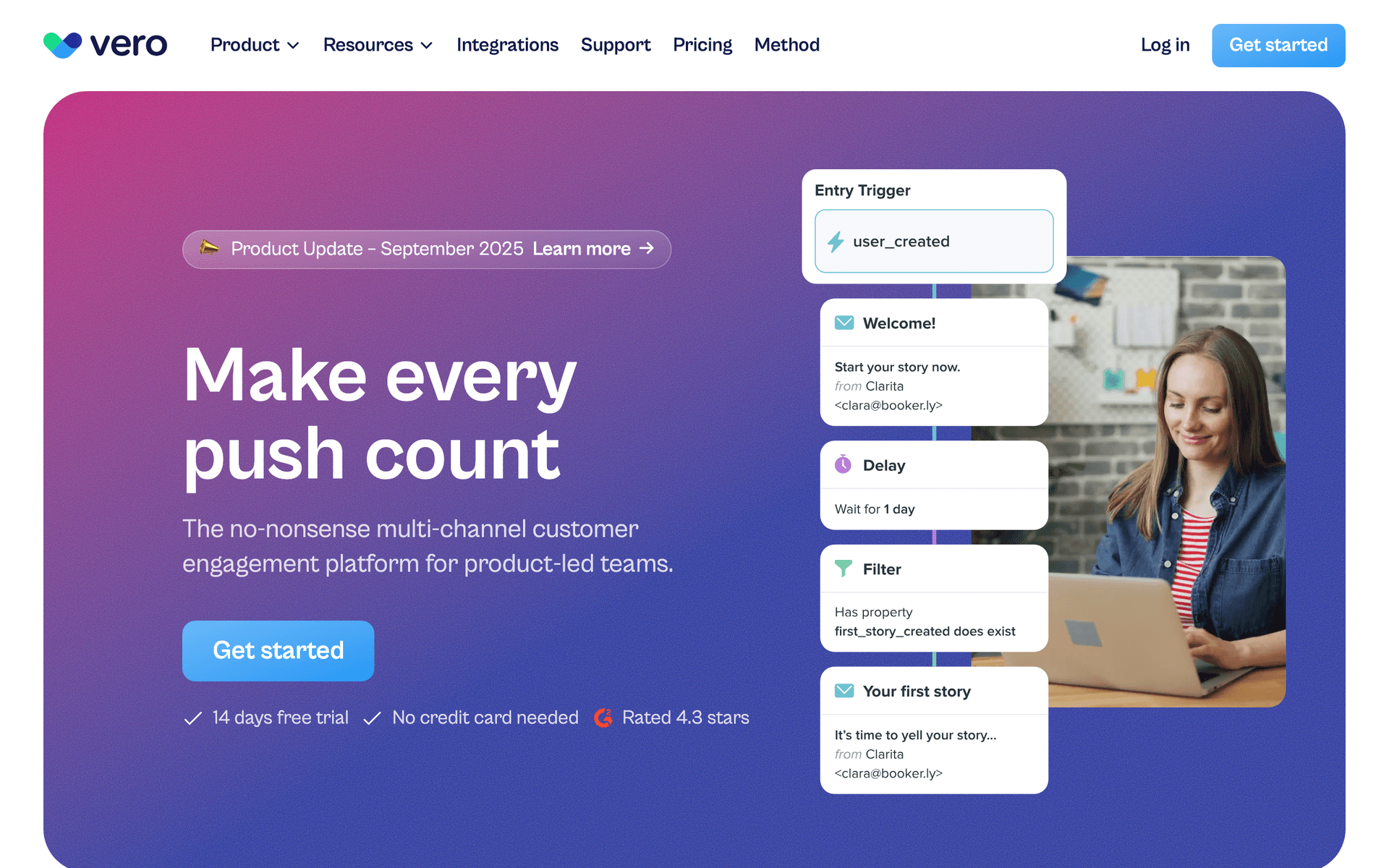
The right tool depends on your specific growth-stage needs: Customer.io for maximum automation sophistication, Sequenzy for cost efficiency at scale, ActiveCampaign for sales-assisted expansion, Userlist for B2B account-level insights, or HubSpot for full marketing-sales stack integration. Evaluate based on your largest pain point, not the longest feature list.
Best Fit by Growth-Stage SaaS Bottleneck
Best email marketing tool for SaaS expansion revenue
Choose Sequenzy, Userlist, or Customer.io when usage limits, team growth, premium-feature attempts, and renewal timing should trigger expansion emails. The best choice is the one that can see the product and billing signals behind the upgrade moment.
Best email marketing tool for growth-stage churn prevention
Choose a platform that can score engagement, suppress irrelevant campaigns, and send rescue emails before an account goes dark. Customer.io fits technical lifecycle teams; Sequenzy fits teams that want billing-aware retention without building every workflow from scratch.
Best email marketing tool for cross-team SaaS governance
Choose HubSpot, ActiveCampaign, or a well-governed lifecycle platform when product, marketing, sales, and customer success all send email. The deciding feature is not template design; it is ownership, priority rules, and reliable suppression.