



How to Choose the Right Email Tool
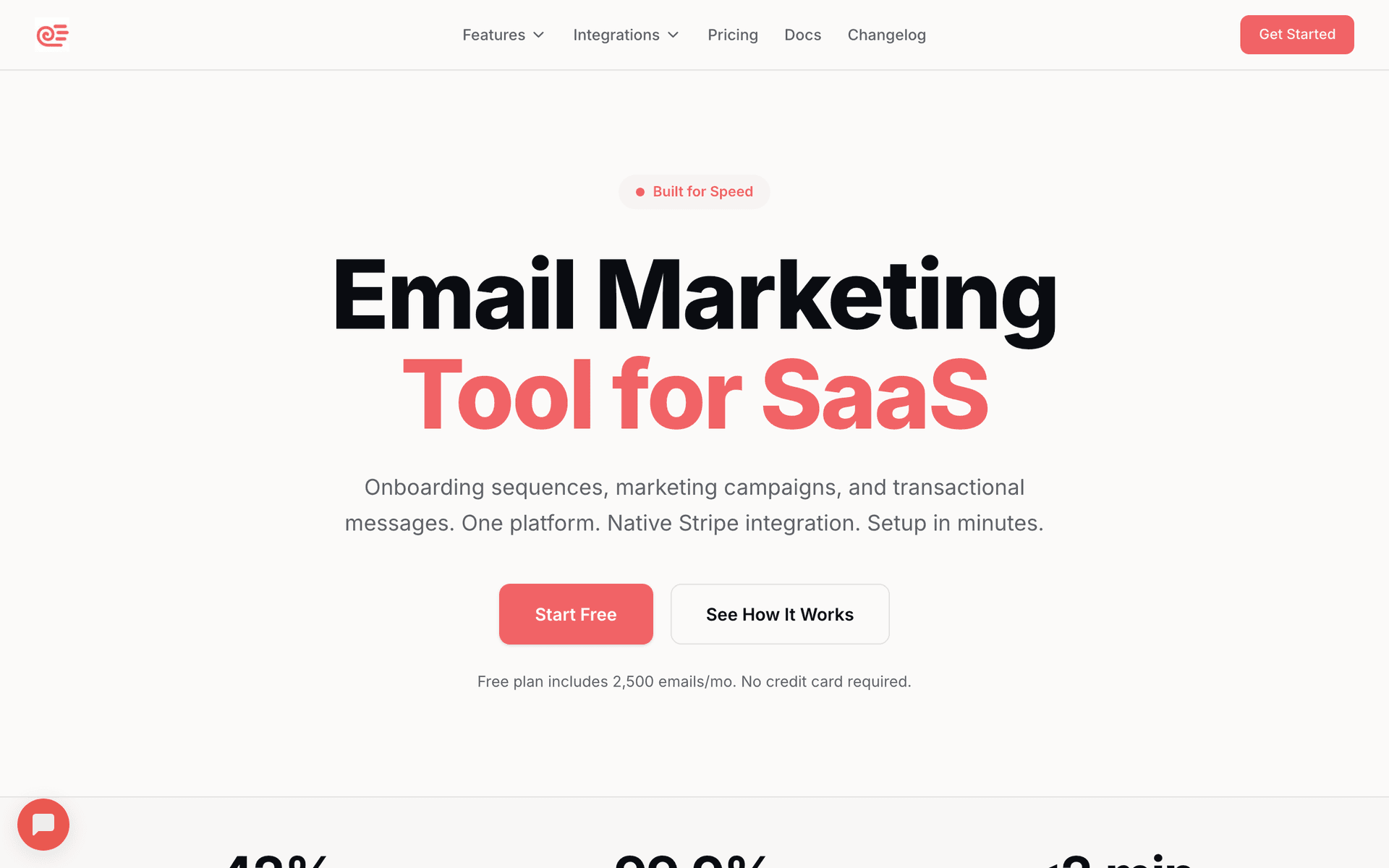
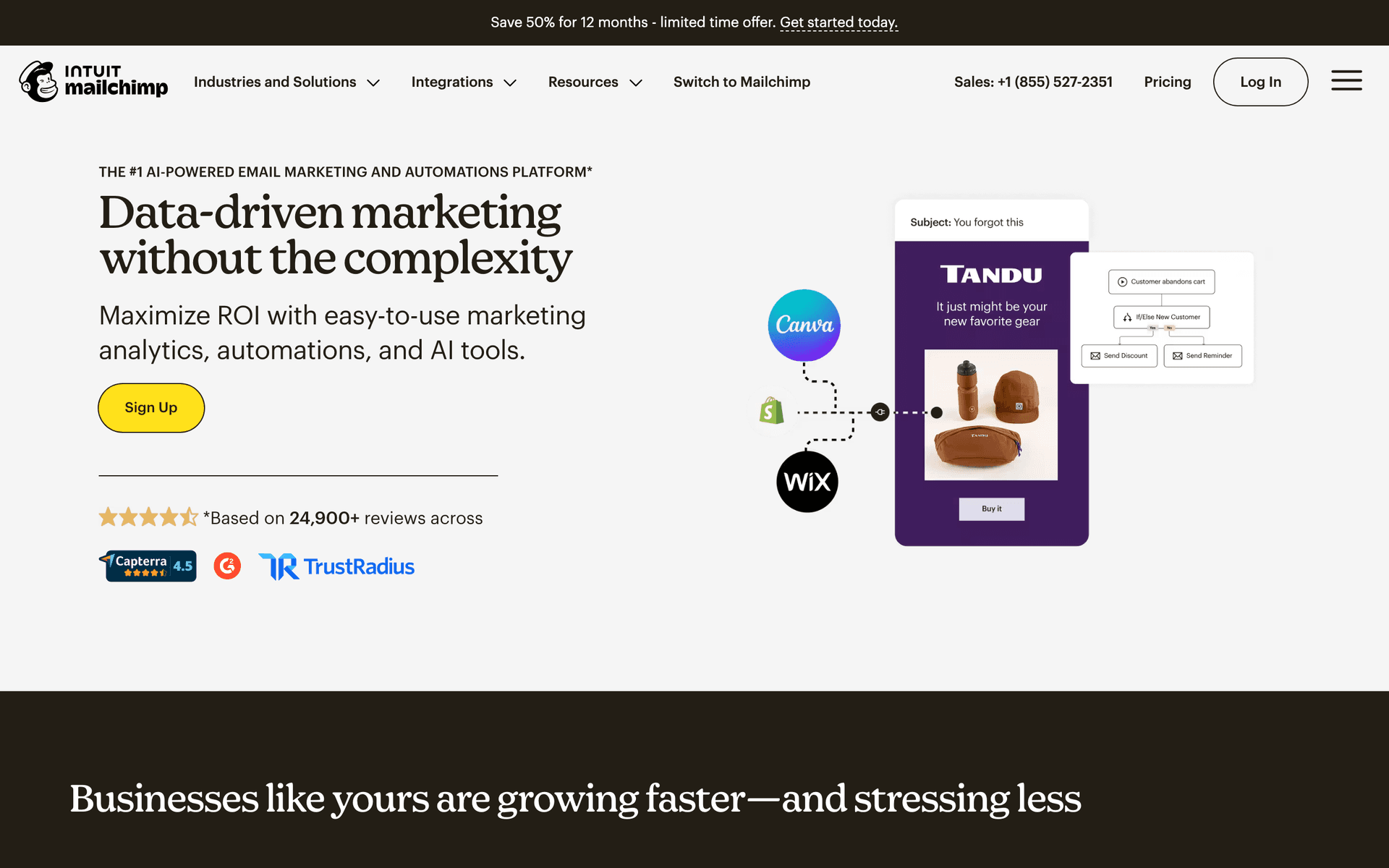
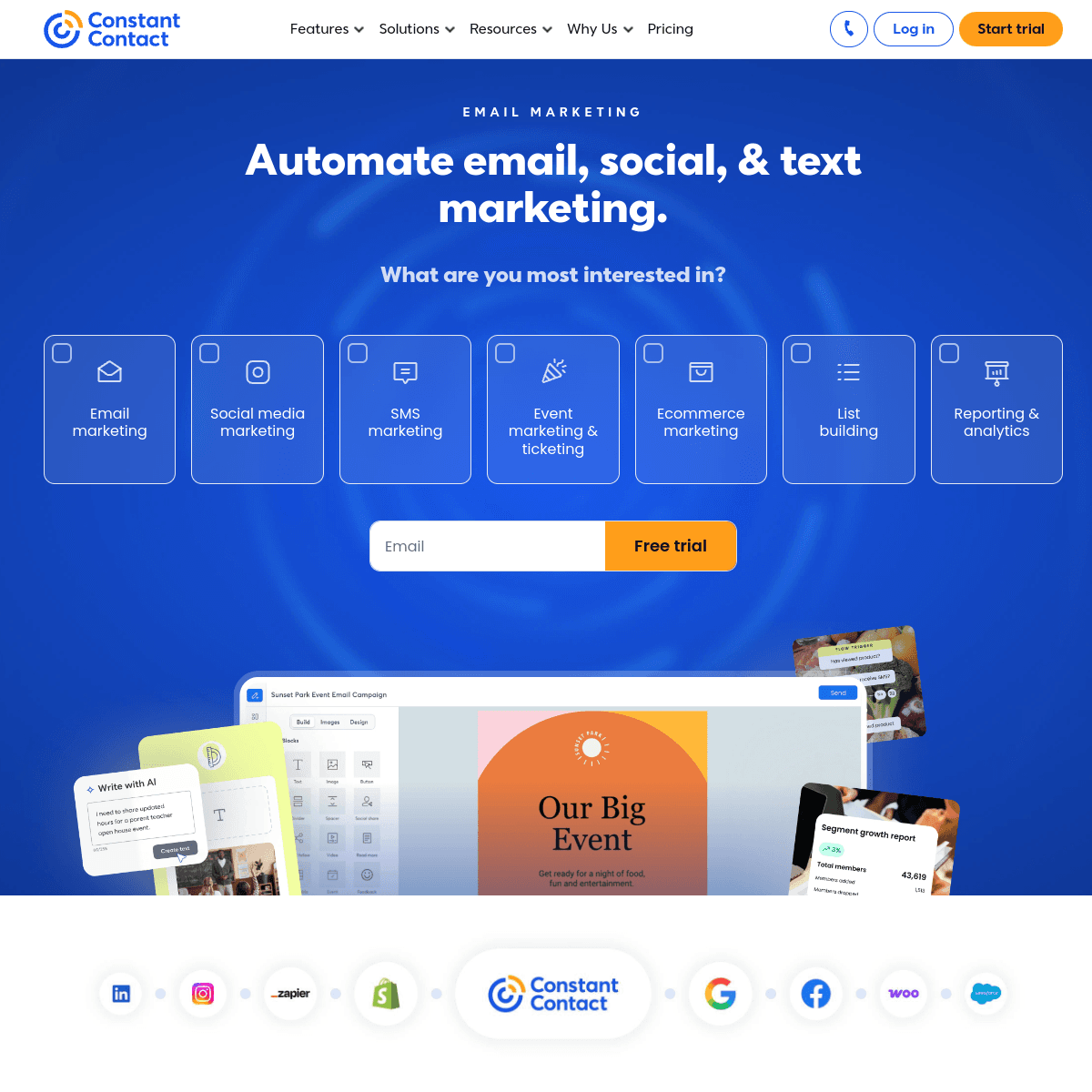
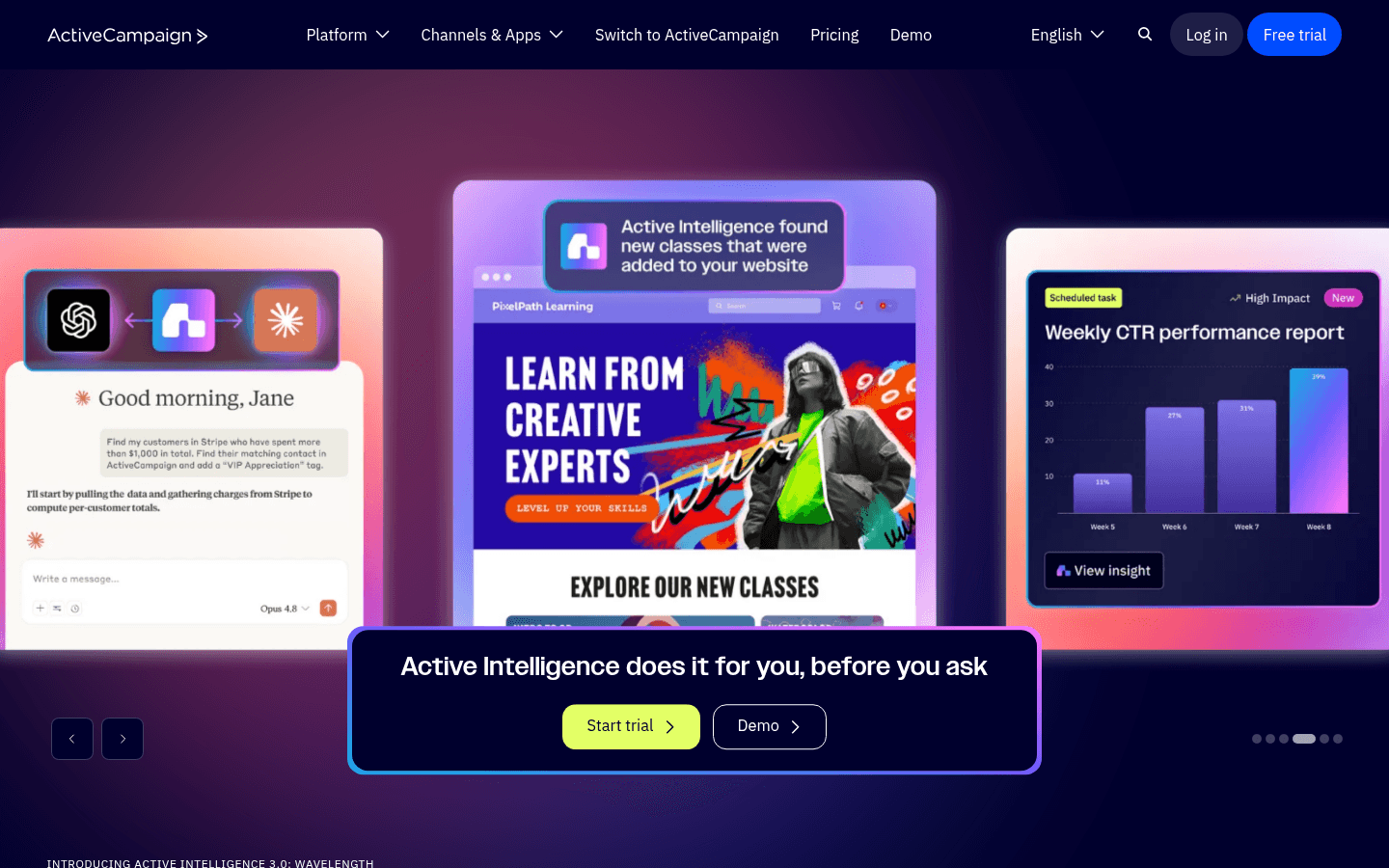
The best email marketing tool depends on your situation:
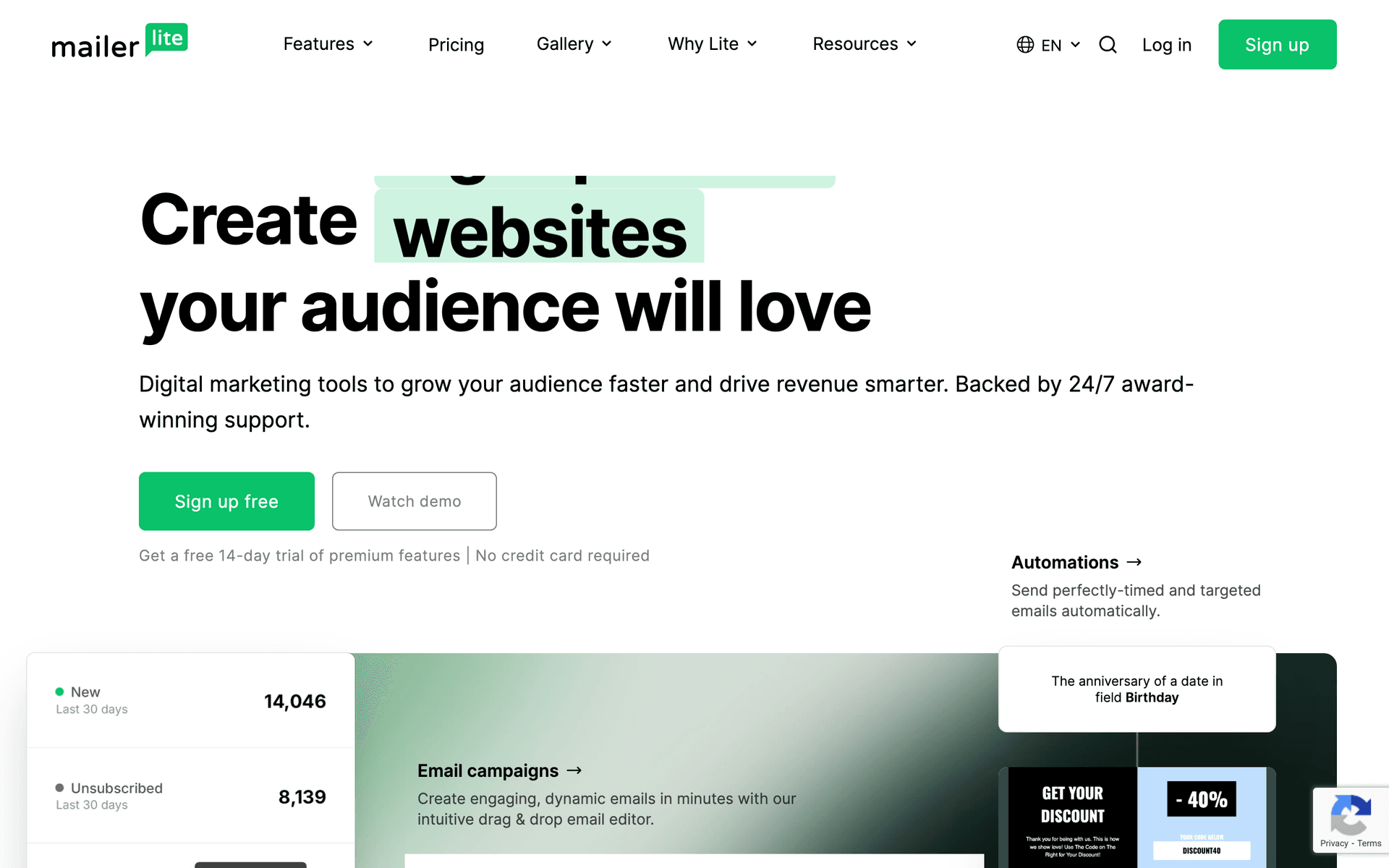
Solo vs facility. Solo trainers can use simpler tools like MailerLite or Sequenzy's free tier. Training facilities with multiple trainers and hundreds of active clients need platforms with more organization, CRM features, and role-based access.
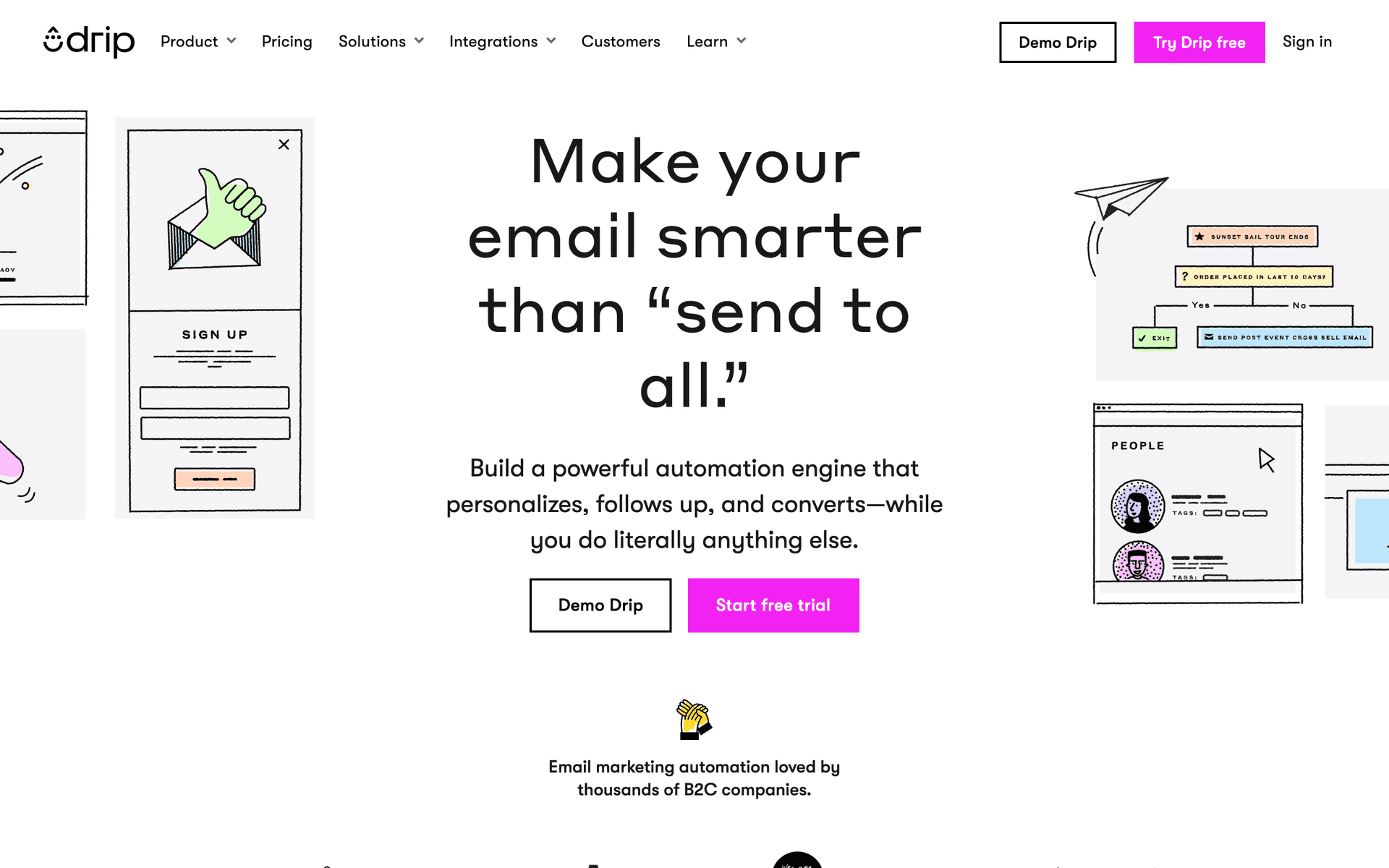
Online offerings. If you sell online courses, video training programs, or digital content alongside in-person training, consider tools with e-commerce features like Drip or ConvertKit.
Budget is real. Most trainers run lean operations. Calculate cost at your expected list size, not starting prices. A tool that is free for 500 contacts but costs $80/month at 3,000 contacts may not be sustainable if you are maintaining years of client records.
What Actually Works for Dog Trainers
After talking to many dog training professionals about email marketing:
Between-session support matters most. Dogs learn through consistent practice between sessions. Emails that give owners specific exercises, video demonstrations, and encouragement dramatically improve training outcomes. This is the single most impactful email automation for any dog trainer.
Classes fill with email. Your existing clients and their referrals are your best audience for group classes. A 3-email promotion sequence to your client list fills classes faster and cheaper than any other marketing channel.
Tips build trust. Helpful training tips in emails position you as the expert, keep clients engaged between programs, and give past clients a reason to come back. Every helpful tip email is also a subtle reminder that you are available for training.
The Training Support Email Formula
The most effective between-session emails follow a simple structure:
- Acknowledge what the dog did well in the session
- List 2-3 specific exercises to practice this week
- Explain common mistakes to avoid
- Include one quick tip or video link
- Remind them of the next session date
This takes 5 minutes to customize per client and dramatically improves outcomes.
Building Your Client Email List
From Every Interaction
Every phone call, website inquiry, social media DM, and in-person conversation should capture an email address. Use a simple signup form on your website, and ask for email during every initial consultation. Even inquiries that do not convert to clients immediately should go on a nurture list.
Through Partnerships
Partner with local vets, pet stores, groomers, and doggy daycares for cross-referral email signups. Offer to provide a free training tip guide that their customers can download - they get added to your list, and the partner business gets to offer valuable content. These partnerships typically generate 20-50 new subscribers per month.
At Community Events
Dog parks, pet expos, adoption events, and community fairs are excellent list-building opportunities. Set up a signup sheet or QR code with an offer like a free behavior assessment or training consultation. Dog owners who sign up at events convert to clients at higher rates than online leads because they have already met you.
Managing Different Client Types
Puppy Owners
Puppy owners are your most engaged audience because everything is new and they need constant guidance. Create a dedicated puppy sequence that covers house training, socialization, bite inhibition, and basic obedience over 6-8 weeks. This sequence positions you as their go-to trainer as the puppy grows.
Behavior Clients
Clients dealing with reactive, anxious, or aggressive dogs need more sensitive communication. Check-in emails should acknowledge the difficulty, celebrate small wins, and provide reassurance. Avoid sharing these clients' stories without explicit permission.
Group Class Participants
Group class clients need class schedules, what-to-bring reminders, and session recaps. After class completion, move them to your alumni list for advanced class promotions and ongoing tips.
Past Clients
Clients who completed training 6+ months ago should receive a quarterly check-in. Ask how their dog is doing and mention new offerings. Many past clients return for advanced training, refresher courses, or help with a new puppy.
Dog Trainer Email Benchmarks
Dog training emails perform best when they are tied to a specific class, session, or behavior problem. Owners open messages that help them practice correctly and see progress between appointments.
| Email type | Healthy open rate | Healthy click rate | Main conversion |
|---|---|---|---|
| Between-session recap | 50-75% | 15-30% | Video view, homework completion, reply |
| Puppy class promotion | 35-55% | 6-14% | Class enrollment |
| Behavior tip newsletter | 30-48% | 5-12% | Booking inquiry or video click |
| Re-engagement check-in | 28-45% | 4-10% | Refresher session booked |
| Referral request | 42-60% | 3-8% | Referred consultation |
Best Dog Trainer Segments
Segmenting by training need keeps emails relevant. A puppy owner, group class graduate, and behavior case should not receive the same advice or offers.
| Segment | Best content | Offer to promote |
|---|---|---|
| Puppy owners | House training, socialization, bite inhibition | Puppy class or private starter package |
| Behavior clients | Calm check-ins, progress reminders, safety tips | Follow-up session or behavior package |
| Group class alumni | Practice drills, graduation next steps | Advanced class or refresher course |
| Past private clients | Quarterly check-ins and new skill ideas | Refresher session |
| Local prospects | Success stories, common problem tips, availability | Free consultation or evaluation |
Dog Training Automation Priority Table
The best automations support outcomes first and promotion second. Better client results create stronger reviews, referrals, and repeat bookings.
| Priority | Automation | Trigger | Why it matters |
|---|---|---|---|
| 1 | Session recap | After each session | Improves practice consistency between appointments |
| 2 | Class enrollment sequence | New class announced | Fills limited spots from warm clients and prospects |
| 3 | Puppy nurture | Puppy guide downloaded | Converts early-stage owners into clients |
| 4 | Re-engagement | 60 days without booking | Brings back clients before problems return |
| 5 | Referral request | Training milestone reached | Captures referrals when satisfaction is highest |
What a Healthy Email Program Looks Like
A healthy dog training email program should show these characteristics:
- Client list growing by 20-40 new subscribers per month
- Between-session emails generating 40%+ open rates
- Group classes filling 60%+ from email promotion alone
- Re-engagement sequence bringing back 1-2 past clients per month
- At least 2 referrals per month from post-training follow-up emails
If your program is not hitting these benchmarks, start with between-session support emails and class promotion sequences. These two automations deliver the highest ROI for any dog training business.