




Why people leave MailerLite
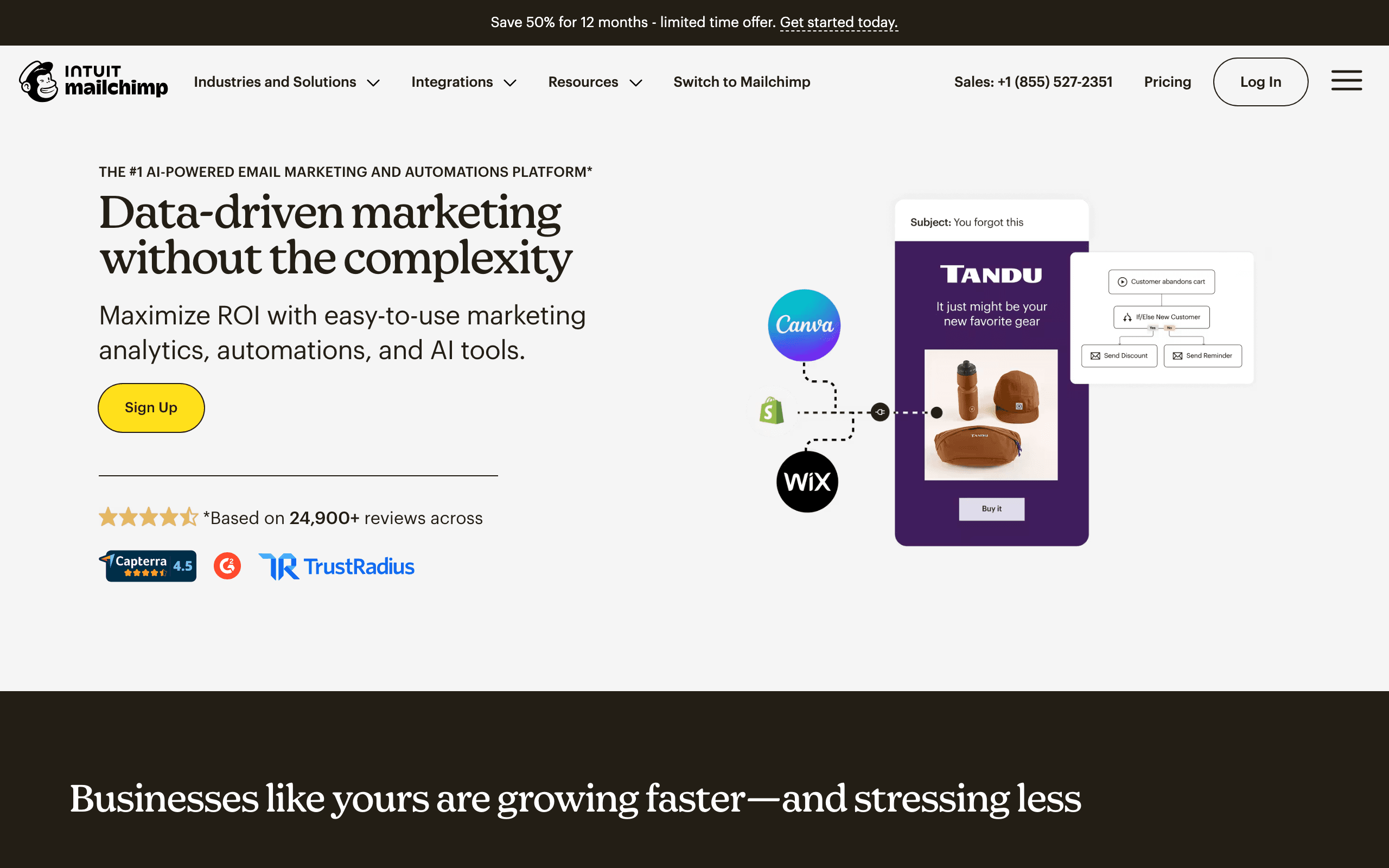
MailerLite built its reputation on being the affordable, easy-to-use alternative to Mailchimp. And it delivers on that promise. But as businesses grow, the cracks start showing. With nearly 2,800 Trustpilot reviews, the most common complaint is aggressive account termination - legitimate businesses report having accounts suspended without warning or adequate explanation, often losing access to subscriber data. The approval process for new accounts can also take days, and the free tier has now been reduced twice - from 1,000 to 500 subscribers, and again to 250 in June 2026 - which suggests the platform is tightening rather than loosening its accessibility. To understand what modern email platforms offer, read our guide to best email marketing tools for SaaS.
The transactional email problem
MailerLite is marketing-only. Need password reset emails? Purchase receipts? Account notifications? You'll need MailerSend - their separate transactional email product. That means two dashboards, two bills, and two sets of analytics. Platforms like Sequenzy or Brevo combine both. If you're evaluating options, our glossary entry on transactional email explains the differences.
The SaaS gap
If you're running a SaaS business, MailerLite wasn't built for you. There's no native Stripe integration, no subscription lifecycle automations, no MRR tracking. You can make it work, but you'll be fighting the tool instead of using it. Check our MailerLite comparison page for details, or see how email marketing for SaaS startups differs from general marketing.
Automation limits
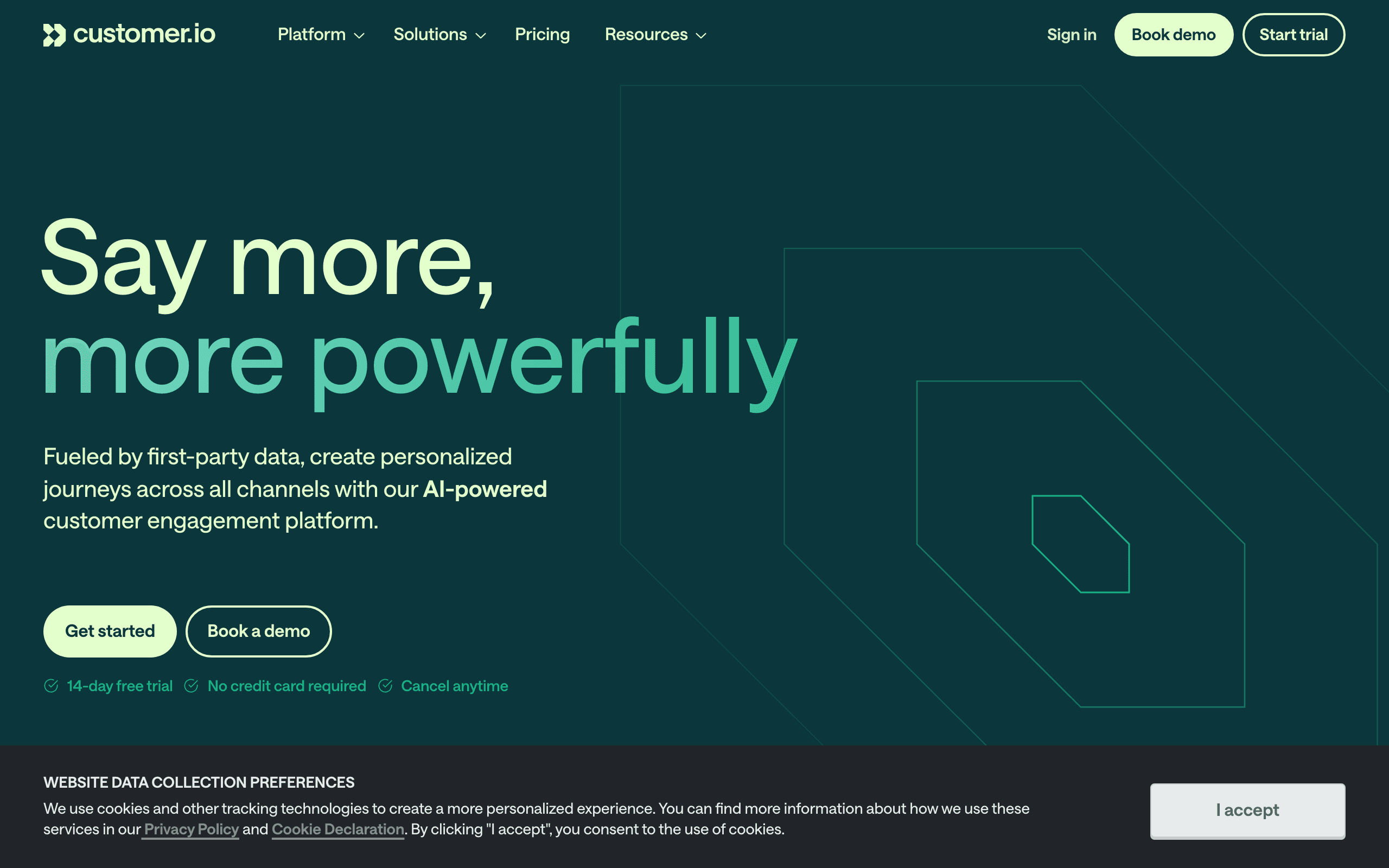
MailerLite's automation builder is fine for simple workflows - welcome sequences, basic drips. But when you need complex conditional logic, multiple triggers, or behavior-based branches, it hits a ceiling. ActiveCampaign and Customer.io are leagues ahead. Our guide to email automation covers what to look for.
The shrinking free tier
MailerLite has now cut the free tier twice: first from 1,000 to 500 subscribers, then on 16 June 2026 down to 250 subscribers and 2,500 monthly emails, with feature caps of 3 automations, 3 forms, and 1 landing page arriving on 13 August 2026. Paid tiers went up 10-30% in the same repricing. The trend is not encouraging, and if you are planning for growth you should budget from the current numbers rather than a quote you were given last year. Our MailerLite pricing breakdown tracks the current tiers, and the Mailchimp vs MailerLite page shows how it stacks up after the increase.
The alternatives, honestly
| MailerLite limitation | Best alternative | Why |
|---|---|---|
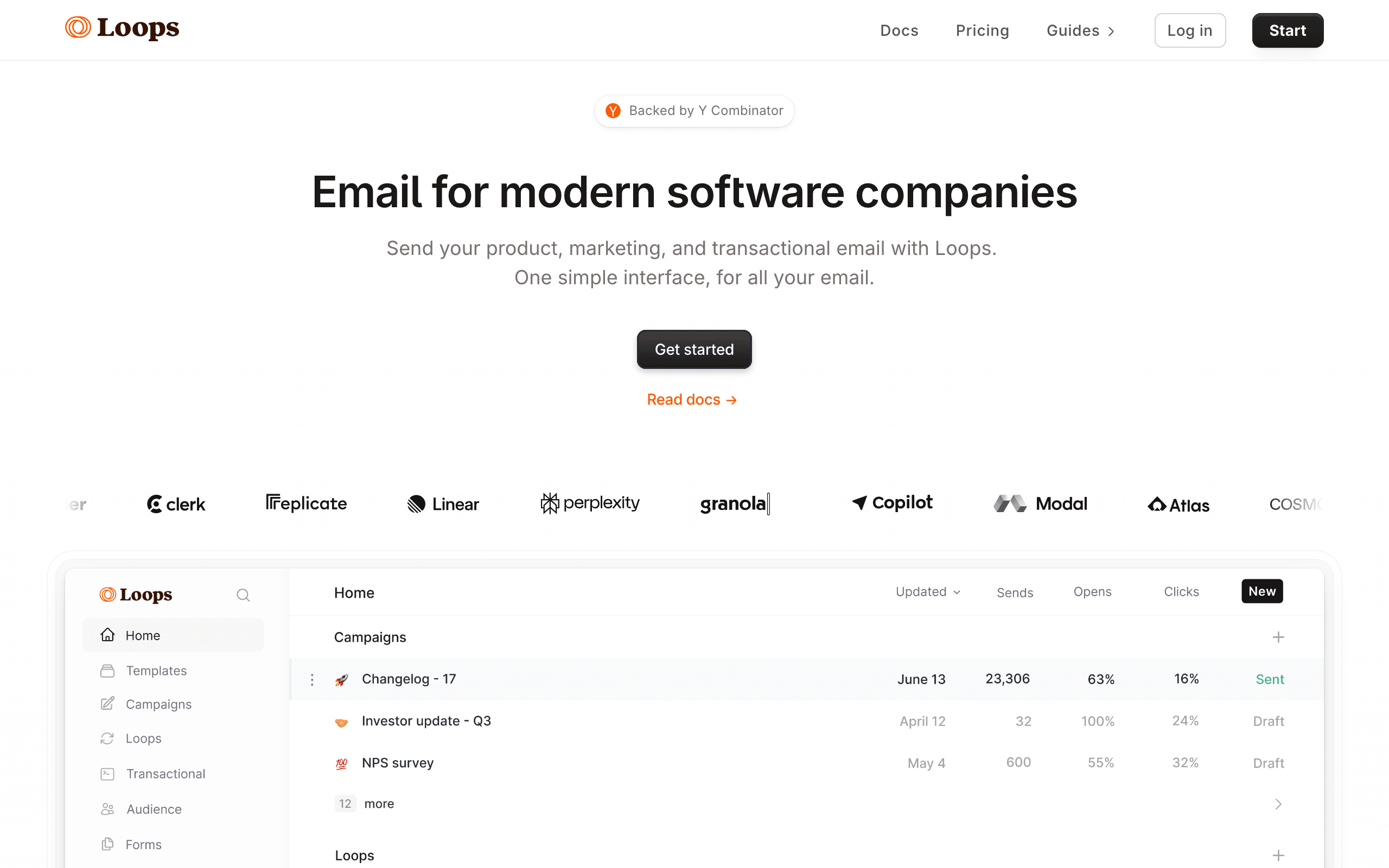
| You need transactional email too | Sequenzy, Brevo, or Loops | Avoid MailerLite plus MailerSend as a two-tool setup. |
| You run a SaaS business | Sequenzy or Loops | Stripe, lifecycle automation, and product-triggered email matter more than landing pages. |
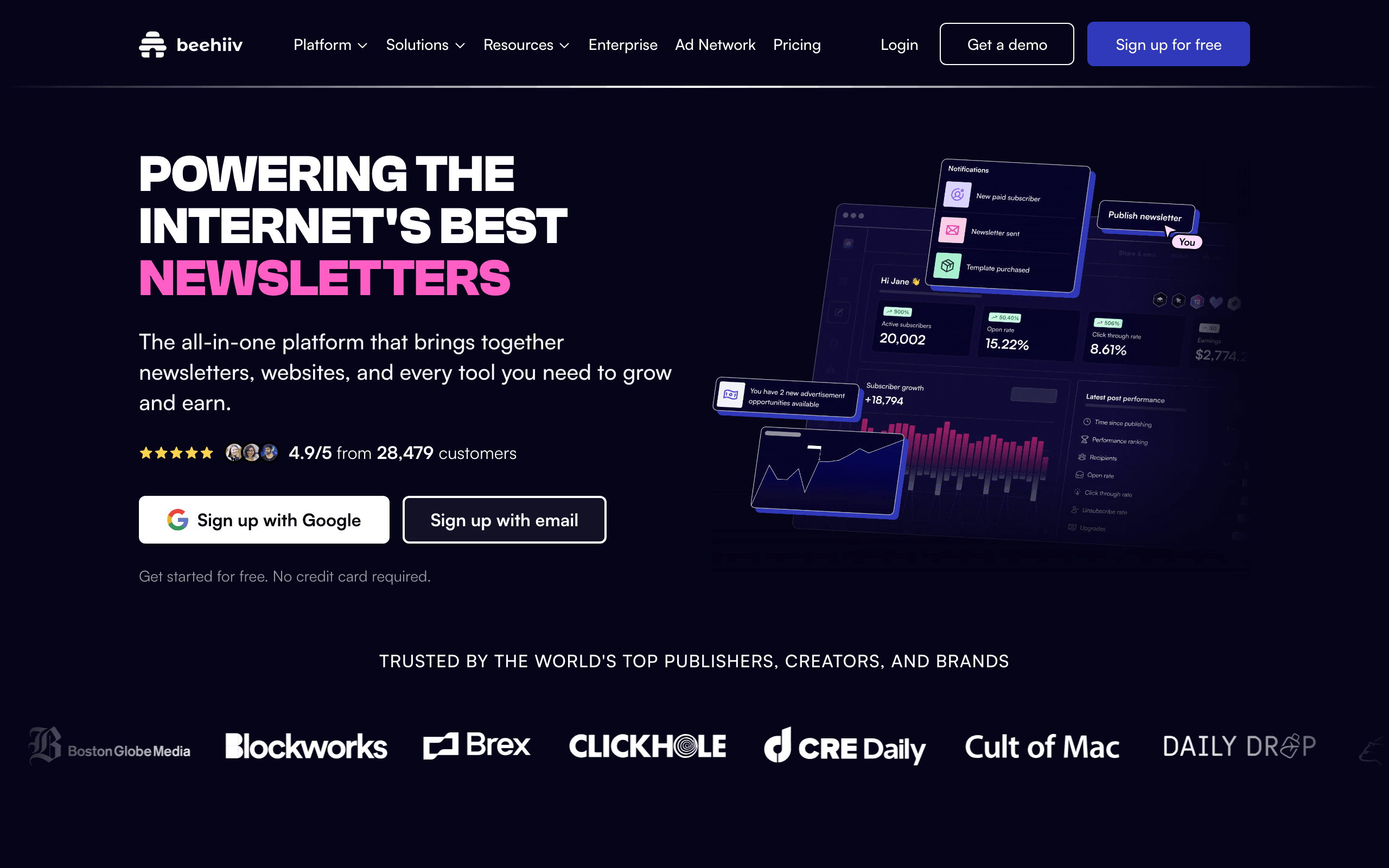
| You are a creator monetizing an audience | ConvertKit or Beehiiv | Better creator commerce, paid newsletter, and audience monetization workflows. |
| You need deeper automation | ActiveCampaign | More triggers, branches, lead scoring, and CRM actions. |
| You sell physical products | Klaviyo or Drip | E-commerce data, abandoned cart flows, and purchase segmentation are stronger. |
| You mostly want cheaper newsletters | EmailOctopus or Sender | Lower price if you can accept fewer polished features. |
Best MailerLite alternative for SaaS
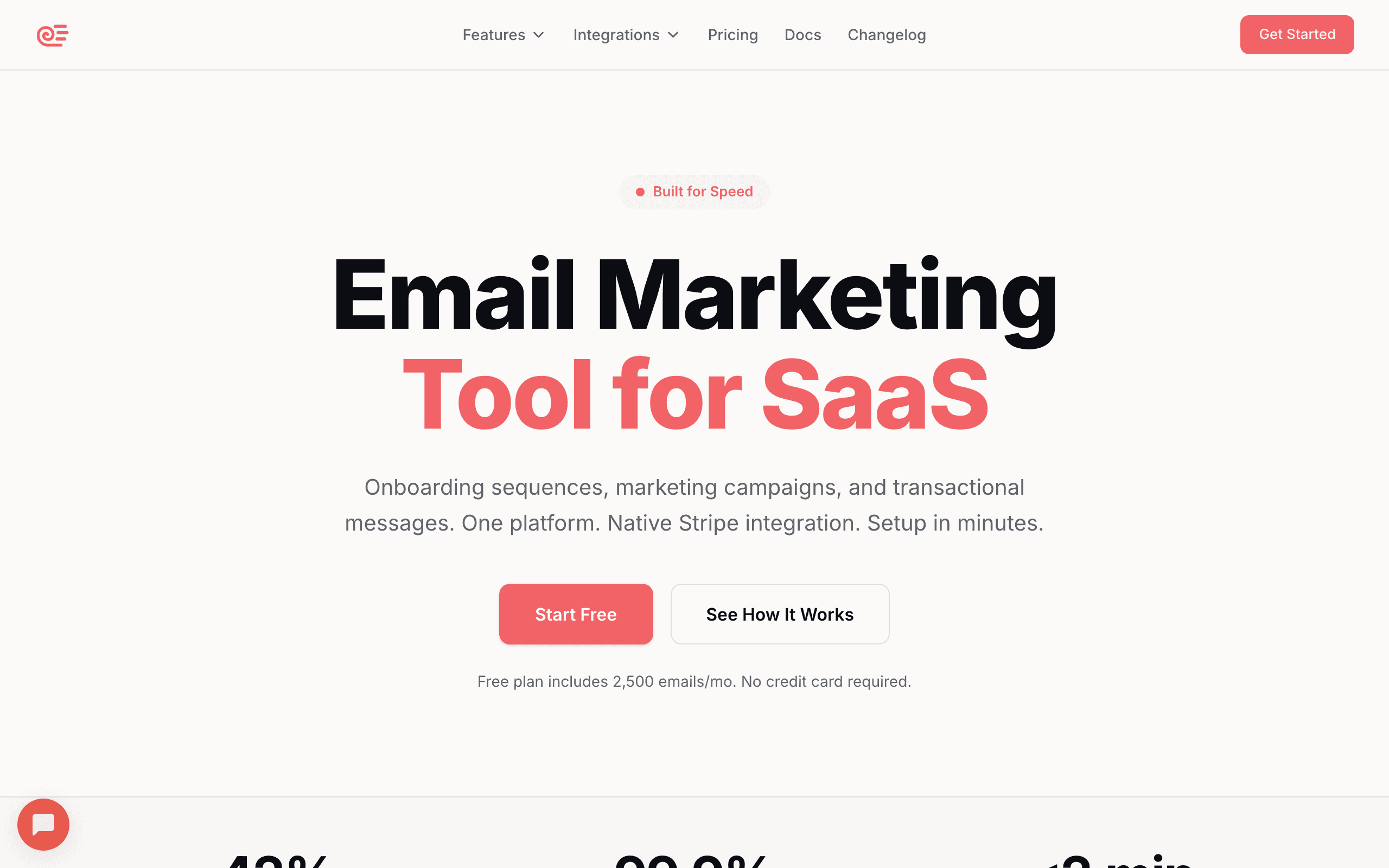
Sequenzy combines transactional and marketing emails with AI-powered content generation. Describe what you want ("a 5-email trial expiry sequence for a project management SaaS") and it writes the emails. Stripe syncs automatically - MRR, churn signals, subscription status.
It's $49/month for 60k emails (unlimited subscribers) vs MailerLite's $73. The catch: smaller landing page template library. If you need MailerLite's broader page and website tooling, MailerLite wins. See our MailerLite comparison for details.
| SaaS requirement | MailerLite | SaaS-focused alternative |
|---|---|---|
| Trial onboarding | Possible as a basic sequence | Sequenzy for AI-assisted lifecycle copy or Loops for simple product-triggered email. |
| Transactional email | Separate MailerSend product | Sequenzy or Loops in one platform. |
| Stripe billing state | No native lifecycle model | Sequenzy with Stripe context. |
| Product-event triggers | Limited | Customer.io, Loops, or Sequenzy depending on complexity. |
| Landing pages | Stronger | Keep MailerLite if landing pages are the primary need. |
Best MailerLite alternative for creators
ConvertKit is purpose-built for newsletter writers and creators. The interface is cleaner than MailerLite, the automation is more robust for creator workflows, and they have monetization features MailerLite doesn't. More expensive at $79/mo, but worth it for creators. Check our ConvertKit comparison and our ConvertKit alternatives page.
Best free or cheap MailerLite alternative
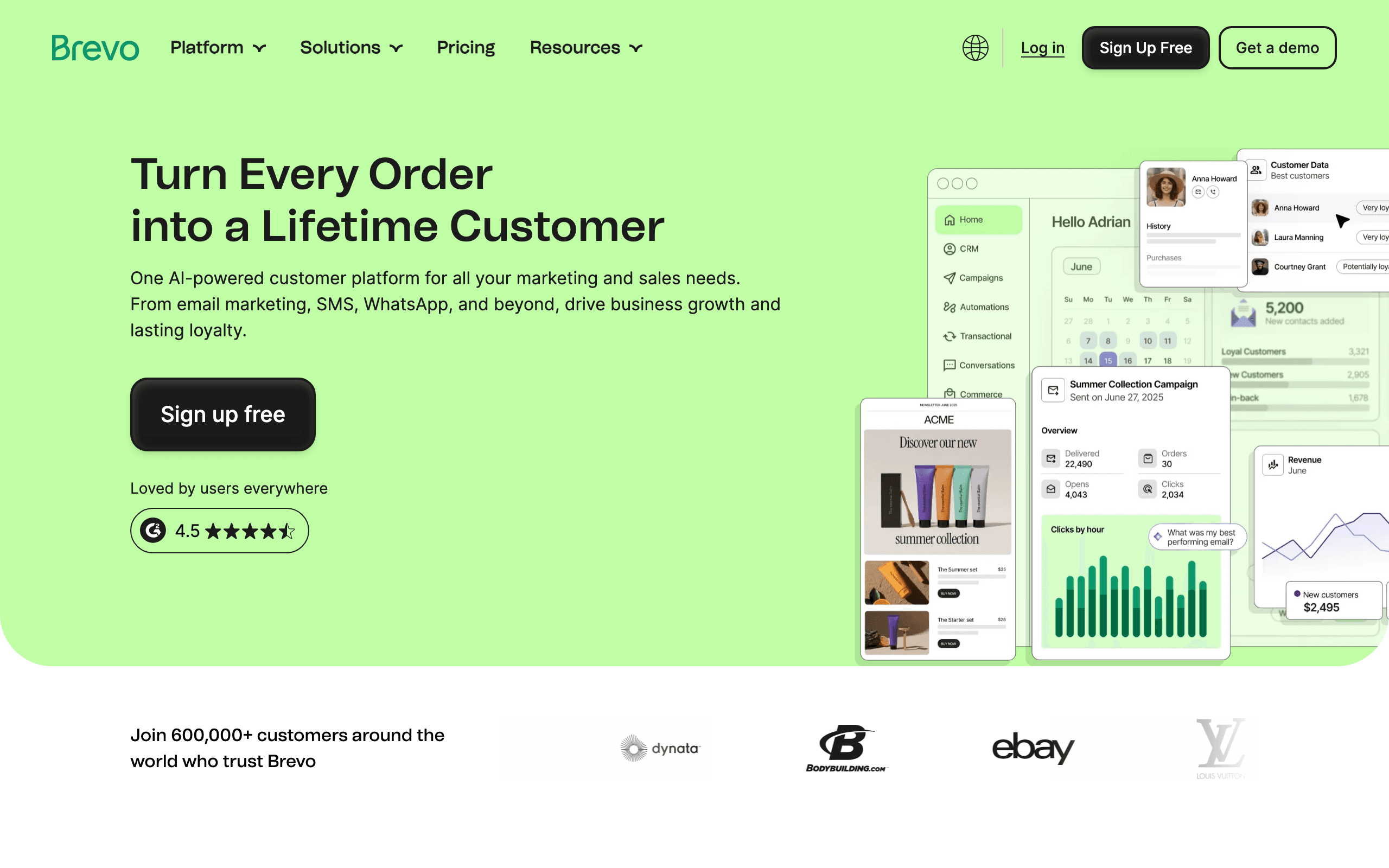
Brevo offers unlimited contacts on all plans - including free. Pay per email sent instead of per subscriber. At low volume, it's cheaper than anything. Plus transactional emails and SMS are included. The interface is dated, but the value is unbeatable. See our Brevo comparison and Brevo alternatives.
Best MailerLite alternative for unlimited sends
SendX offers unlimited email sends on all plans at affordable pricing - $59.99/month for 10k subscribers. Like MailerLite, it includes landing pages and automation. Unlike MailerLite, there's no email cap. The catch: no free tier, and transactional requires their separate SendPost product. See our SendX alternatives for more in this category.
Best MailerLite alternative for advanced automation
ActiveCampaign is the automation powerhouse. CRM included, lead scoring, site tracking, predictive sending. It costs roughly $79/mo at 10k - similar to MailerLite's Growing Business plan. If automation is your priority, ActiveCampaign justifies the price. Check our ActiveCampaign comparison.
Best MailerLite alternative for e-commerce
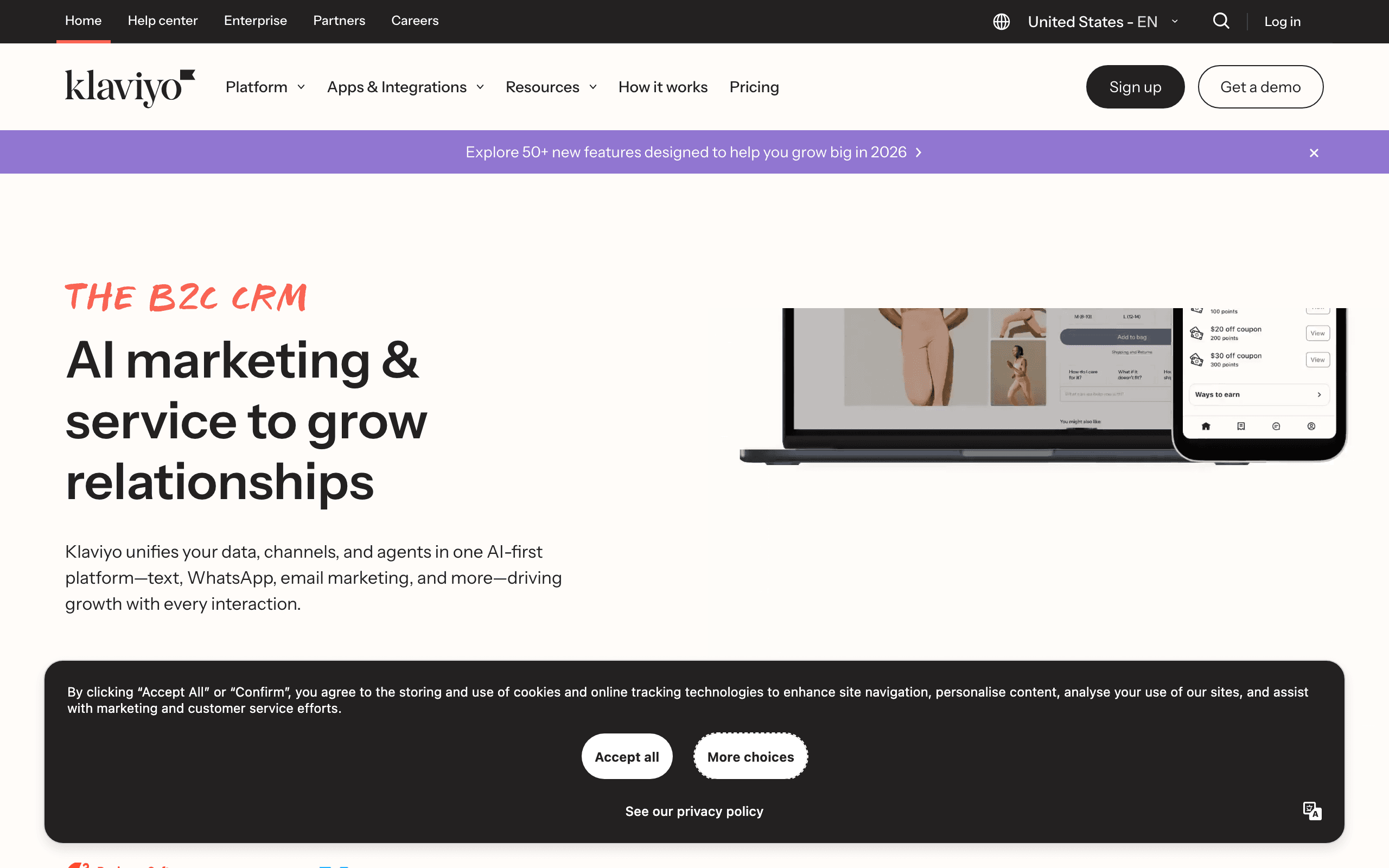
MailerLite has basic e-commerce integrations. Klaviyo is purpose-built for Shopify and WooCommerce with abandoned cart flows, product recommendations, and customer lifetime value tracking. More expensive but dramatically better for online stores. See our Klaviyo comparison and Klaviyo alternatives.
If you are only leaving MailerLite because the store needs better revenue workflows, start with cart abandonment email templates, post-purchase follow-up templates, and abandoned cart subject lines. If those flows are still basic enough, MailerLite may be acceptable; if the store needs product feeds and purchase-based segments, compare Klaviyo vs Mailchimp next.
Best MailerLite alternative for beautiful emails
Flodesk's flat $38/month pricing means your costs never increase as your list grows - unlike MailerLite's per-subscriber model. The templates are genuinely gorgeous. The trade-off is automation simplicity. Check our Flodesk alternatives for more design-focused tools.
Cheapest MailerLite alternatives for newsletters
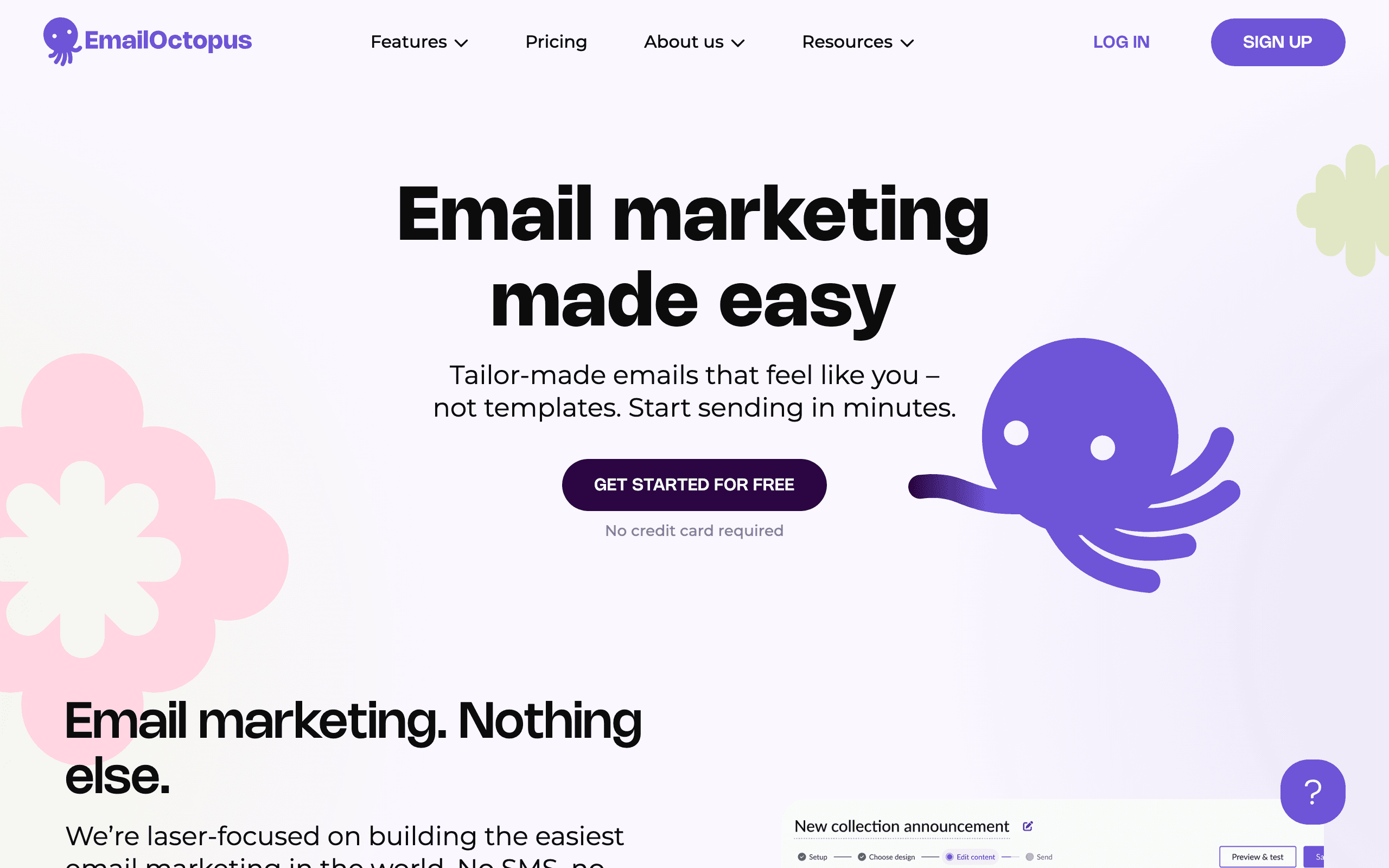
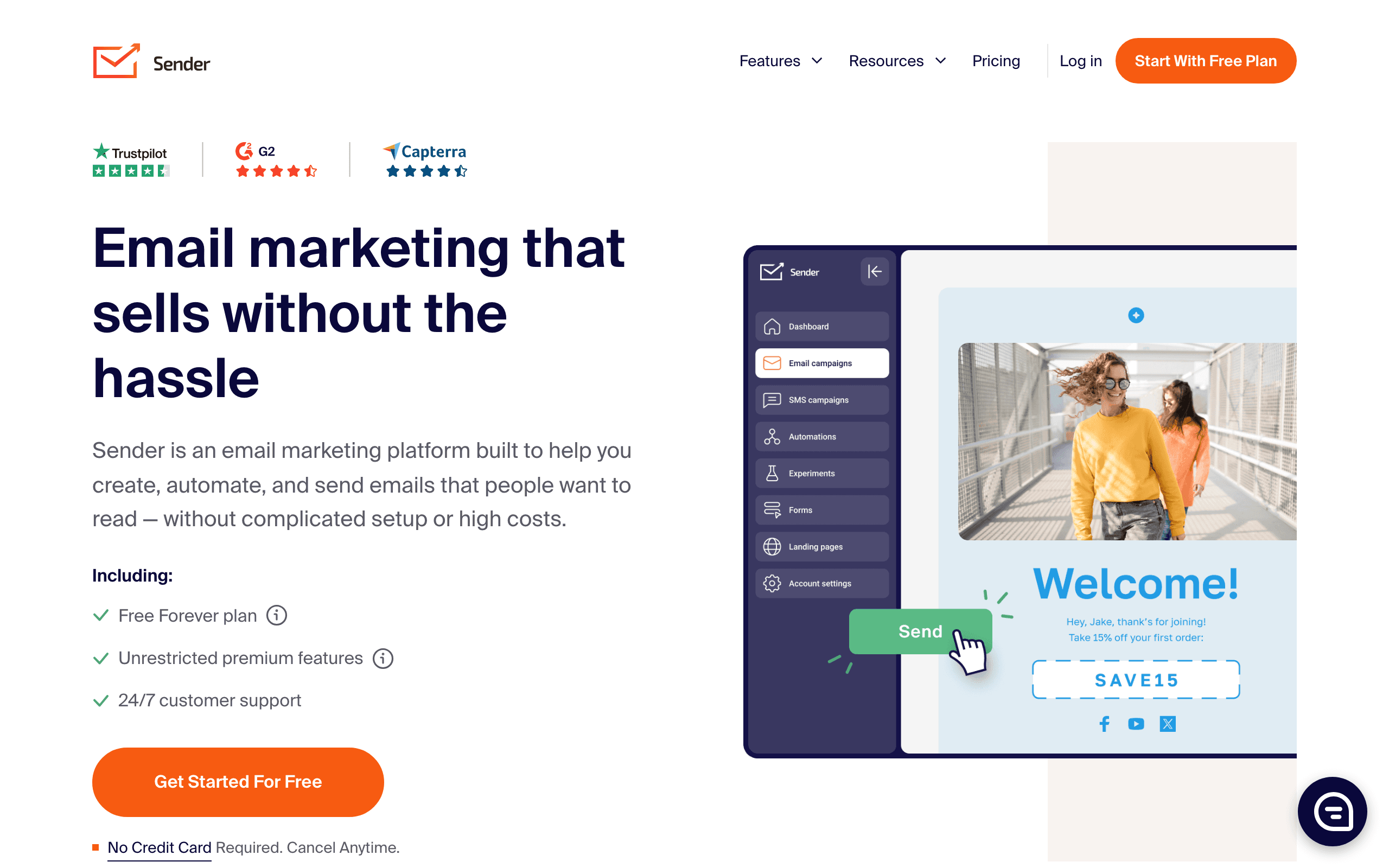
EmailOctopus at $36/month for 10k and Sender at $32/month for 10k both undercut MailerLite by 50%+. Less polished, fewer features, but they cover newsletter basics at rock-bottom prices. Both have more generous free tiers than MailerLite too.
What to rebuild after MailerLite
| Current MailerLite use | Best next resource | Why |
|---|---|---|
| Welcome series and list capture | Welcome email templates and welcome subject lines | Keep the simple parts simple before moving into a heavier platform. |
| SaaS trial onboarding | Convert free trials, automate onboarding, and trial conversion templates | These expose where MailerLite's generic automation model usually breaks for software businesses. |
| Newsletter-first content | Newsletter templates, newsletter subject lines, and SaaS newsletter ideas | This is the area where MailerLite may still be enough if costs and account approval are acceptable. |
| Advanced automation | ActiveCampaign comparison and Customer.io comparison | Use these only when your workflows genuinely need deeper branching or product events. |
The pricing comparison
At 10,000 subscribers/contacts:
| Platform | Approx. 10k price | Best for |
|---|---|---|
| MailerLite Growing Business | $73/month | Landing pages, newsletters, and simple automations. |
| MailerLite Advanced | $110/month | Teams that want MailerLite but need more triggers and support. |
| Sequenzy | $49/mo | SaaS teams needing transactional + marketing + AI. |
| Brevo | $25/month | Large lists emailed selectively, with SMS and transactional included. |
| Sender | $32/month | Budget newsletters and small-business campaigns. |
| EmailOctopus | $36/month | Simple newsletters at low cost. |
| Flodesk | $38/month flat | Design-led creators with growing lists. |
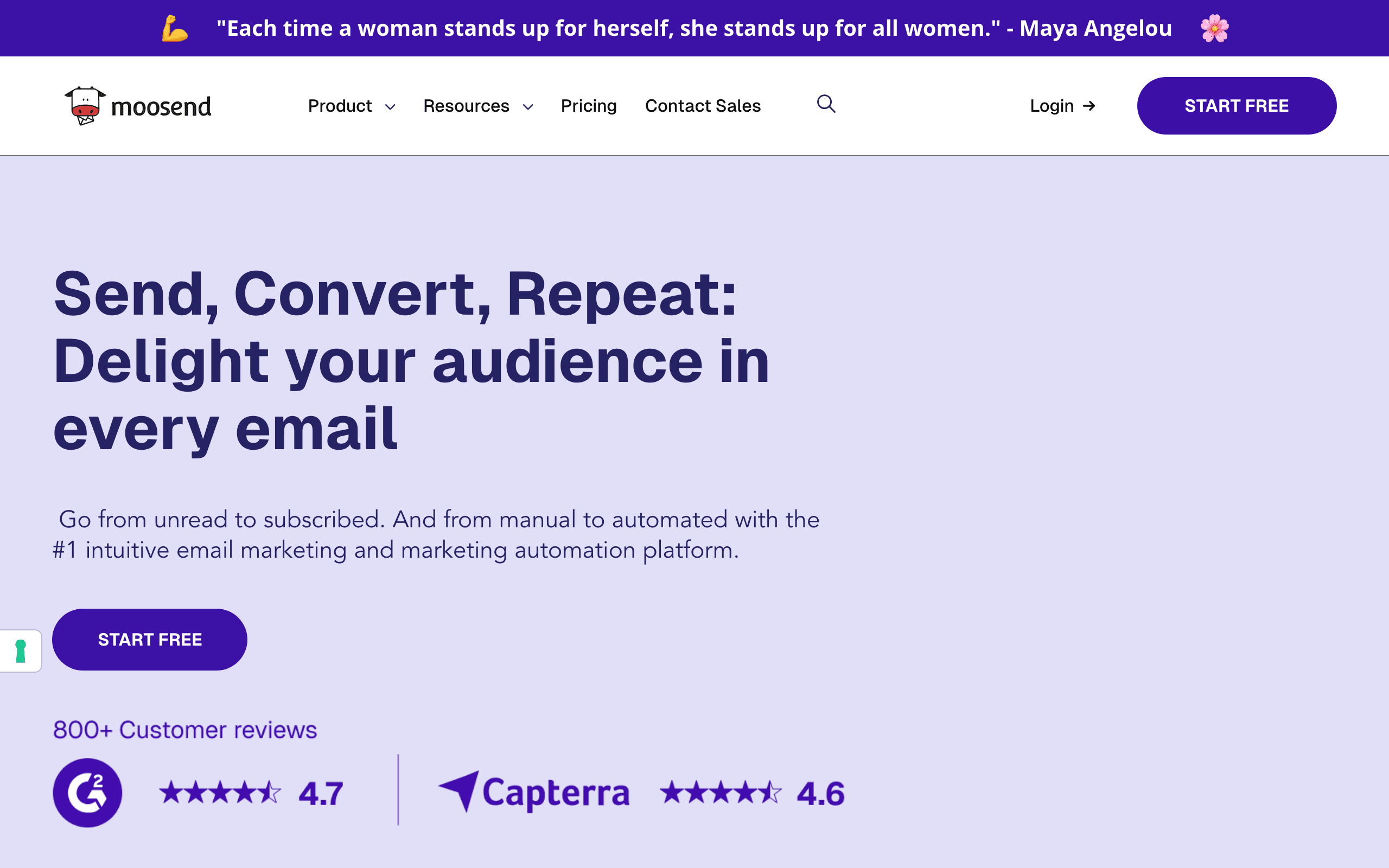
| Moosend | $44/month | Budget automation without MailerLite pricing. |
| SendX | $59.99/month | Frequent senders who want unlimited sends. |
| ConvertKit | $79/month | Creator funnels and digital product sales. |
| ActiveCampaign | $79/month | Serious automation and CRM. |
Note: Some platforms charge per email (Brevo) while others charge per subscriber. Compare based on your actual usage patterns. See our pricing page for Sequenzy details, and use our email ROI calculator to model the financial impact.
When MailerLite is still the right choice
MailerLite wins if:
| Stay with MailerLite when... | Switch when... |
|---|---|
| You need landing pages and a website builder included. | Your site already handles landing pages and email is the real bottleneck. |
| You are a blogger, creator, or small business with simple flows. | You are a SaaS, e-commerce store, or product-led company. |
| Budget is your primary concern and the feature set is enough. | Cheaper tools cover your newsletter needs just as well. |
| You want a proven, stable platform. | Account suspension risk or approval delays are unacceptable for your business. |
| The free tier with 500 subscribers is enough to start. | You need a more generous free tier while validating your list. |
Don't switch just to switch. If MailerLite handles your needs and the price is right, stick with it. But if you're hitting its limitations - especially around transactional emails, SaaS features, or automation - the alternatives are genuinely better for those use cases. Use our email warmup calculator to plan your transition, and check your deliverability setup with our SPF checker and DMARC checker before migrating.








