Updated 2026-01-15

Best Email Marketing Tools for Open Source Projects

Engage contributors, update sponsors, and monetize your open source project with the right email platform.

Open source projects have unique email needs. You are not selling a product in the traditional sense—you are building a community, keeping sponsors informed, onboarding contributors, and occasionally converting free users to paid tiers or managed services. Most email marketing tools do not understand this. Here are 13 platforms ranked by their fit for open source maintainers, from solo projects to VC-backed open core companies.

Why Open Source Projects Need Email Marketing

Sponsor Communication

Sponsors and backers need regular updates on project progress, roadmap, and impact. Automated monthly updates keep sponsors engaged and reduce churn on platforms like GitHub Sponsors or Polar.

Contributor Onboarding

New contributors need guidance—how to set up the dev environment, which issues are good first issues, and how the review process works. An automated onboarding sequence reduces maintainer burden.

Release Announcements

Every new release is an opportunity to re-engage your community. Changelog emails with migration guides and feature highlights keep users on the latest version.

Open Core Monetization

If you offer paid features, managed hosting, or enterprise support, email is your primary conversion channel. Usage-based triggers turn active open source users into paying customers.

13 Best Email Marketing Tools for Open Source Projects

Our Top Pick for Open Source Projects
#1
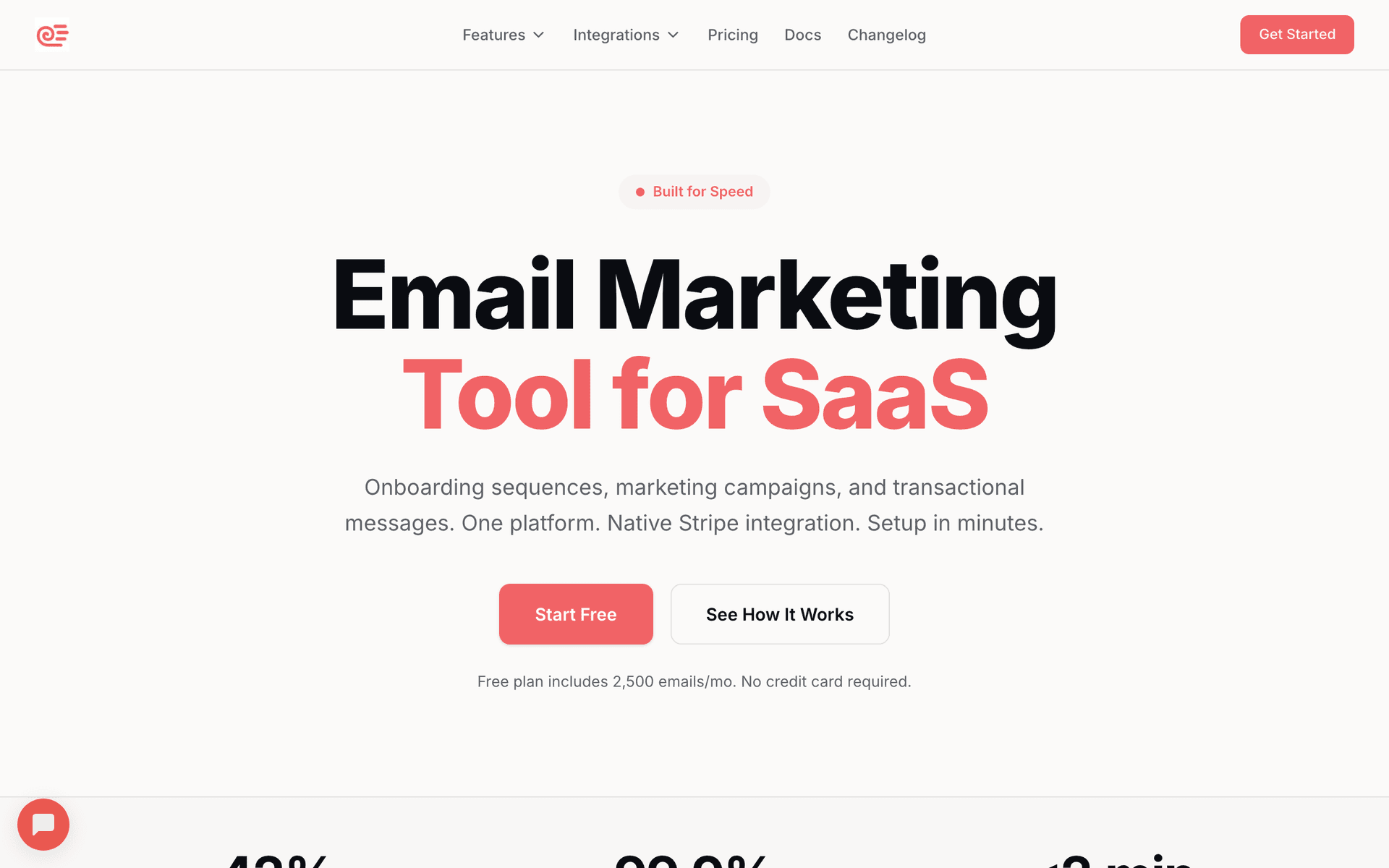
Sequenzy

Email marketing with native Polar integration for open source monetization and sponsor management.

Visit
Best for
Open source projects using Polar or Stripe for sponsorships and monetization
Pricing
$29/month for 50,000 emails

Pros

  • Native Polar integration for sponsor management
  • Native Stripe integration for open core billing
  • AI generates sponsor update and contributor onboarding sequences
  • Pay per email—free users do not inflate your bill

Cons

  • Newer platform with smaller community
  • No built-in in-app messaging
  • Smaller template library than mature platforms
#2
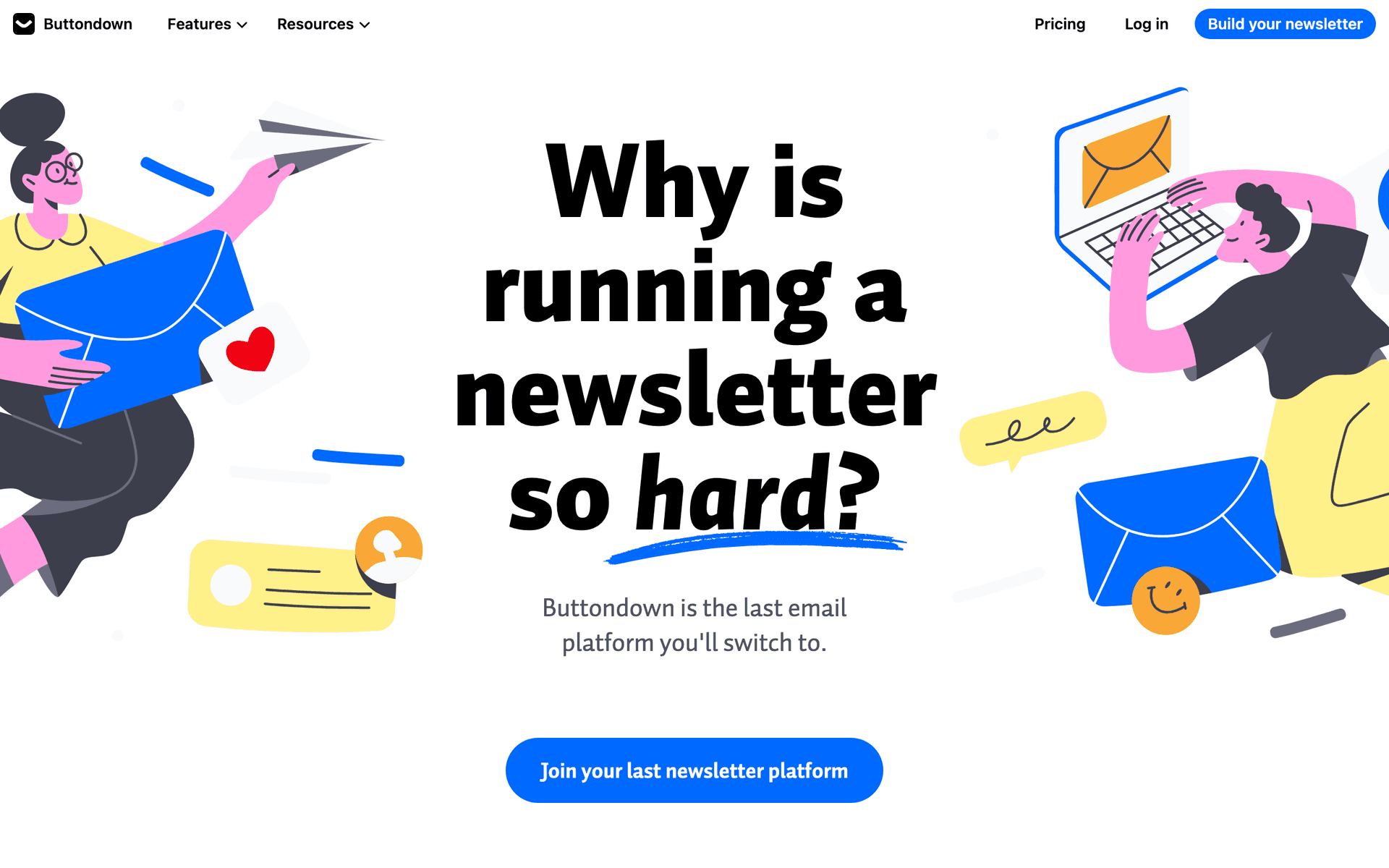
Buttondown

Simple newsletter platform popular with open source maintainers.

Visit
Best for
Open source maintainers who just need a simple newsletter
Pricing
Free up to 100 subscribers, then $9/month

Pros

  • Markdown-native writing experience
  • Simple and fast
  • Affordable for small projects
  • Popular in the open source community

Cons

  • No marketing automation
  • No payment integrations
  • Limited segmentation
#3
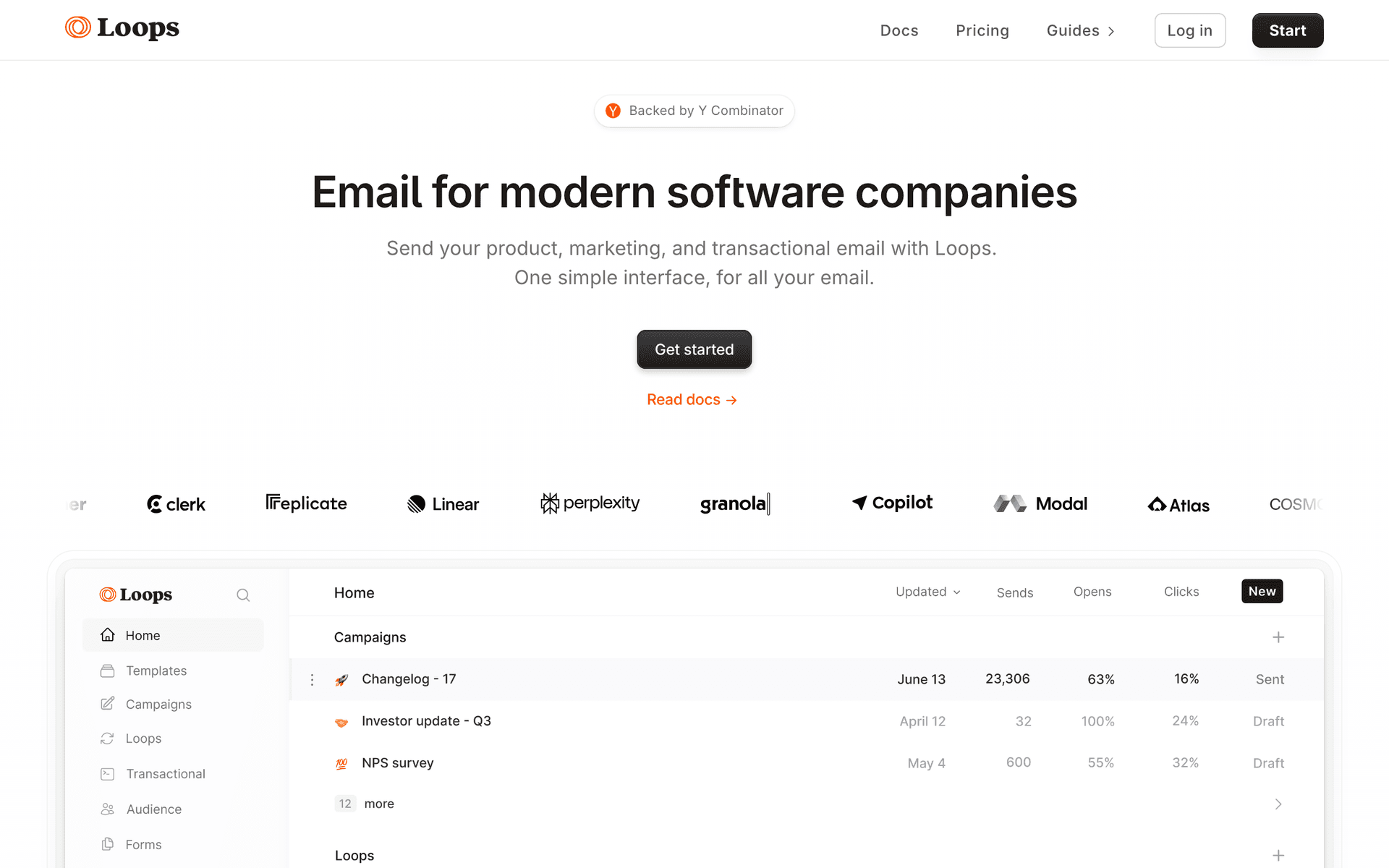
Loops

Modern email platform with event-based automations for SaaS and open source.

Visit
Best for
Open core companies with a paid product alongside the OSS project
Pricing
Free up to 1,000 contacts, then $49/month

Pros

  • Clean, modern interface
  • Event-based automations
  • Transactional email support

Cons

  • Per-contact pricing hurts large free lists
  • No native sponsor platform integration
  • Overkill for simple project newsletters
#4
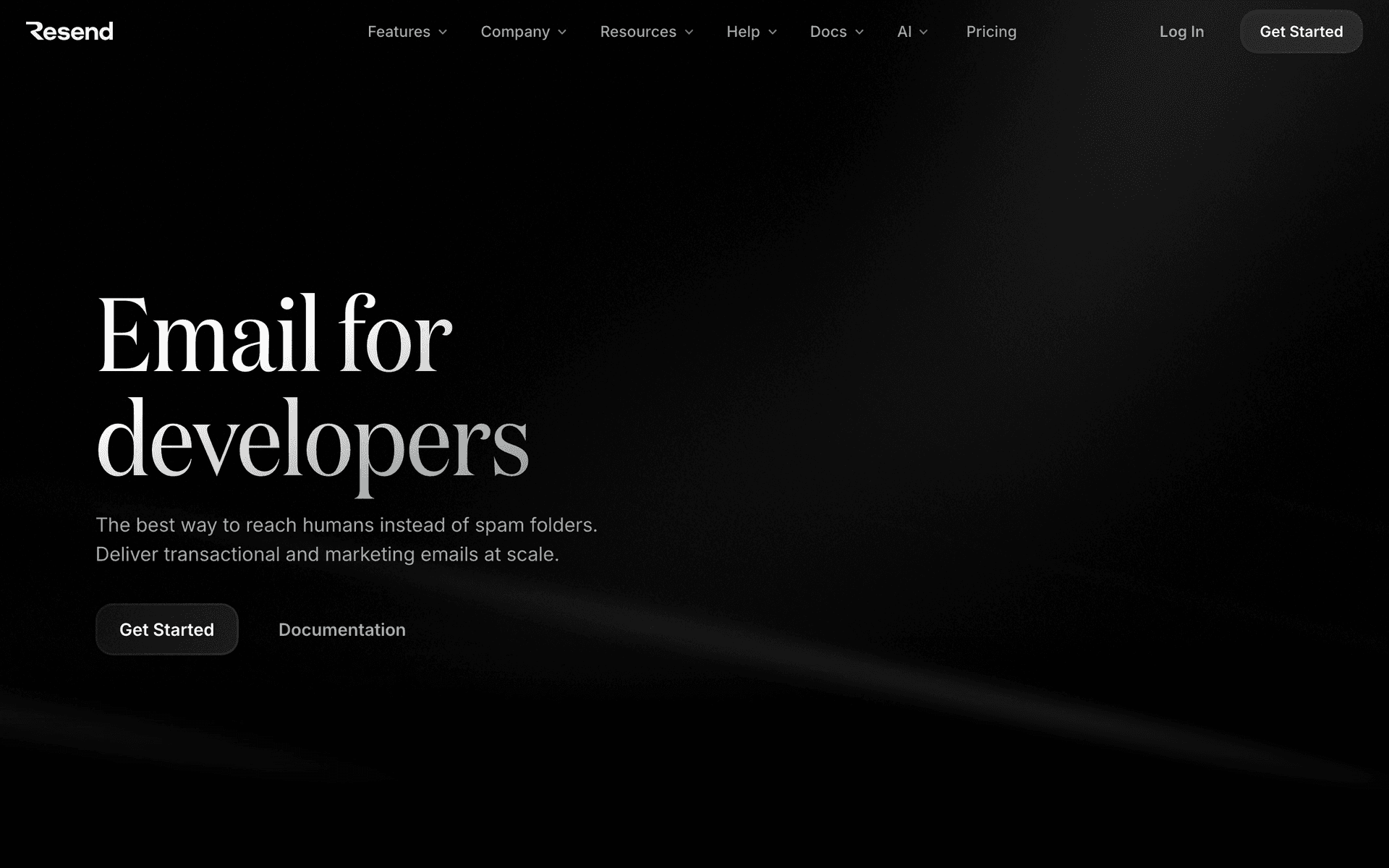
Resend

Developer-first email API built by open source enthusiasts.

Visit
Best for
Open source projects needing developer-friendly transactional email
Pricing
Free for 3,000 emails/month, then $20/month

Pros

  • React Email (open source template library)
  • Excellent developer experience
  • Generous free tier

Cons

  • No marketing automation
  • No visual sequence builder
  • No audience management tools
#5
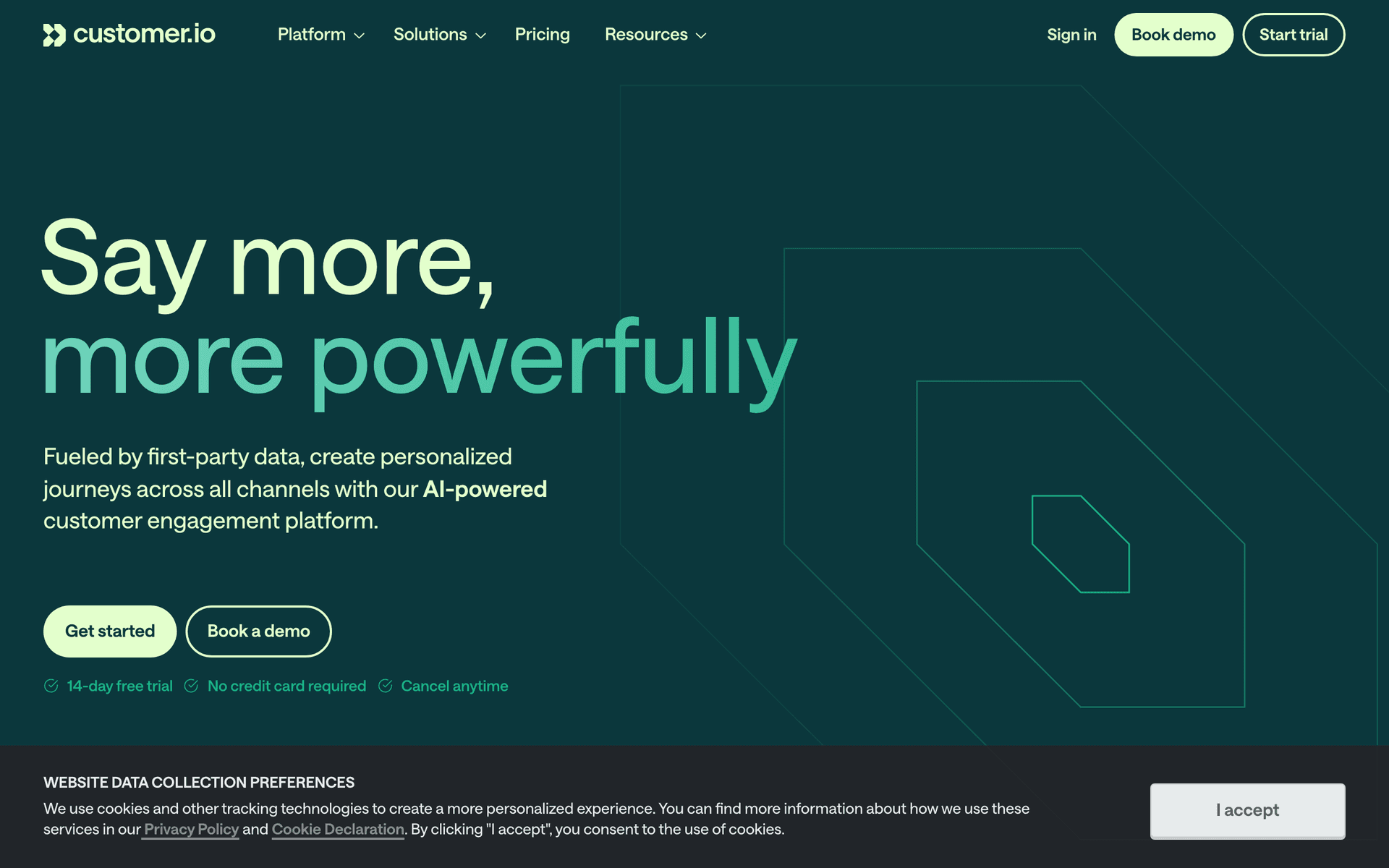
Customer.io

Powerful event-driven messaging for technical teams.

Visit
Best for
Funded open core companies with complex user journeys
Pricing
$100/month for 5,000 profiles

Pros

  • Powerful event-driven automation
  • Handles complex user journeys
  • Strong API and integrations

Cons

  • Expensive for open source budgets
  • Complex setup
  • No native sponsor platform integration
#6
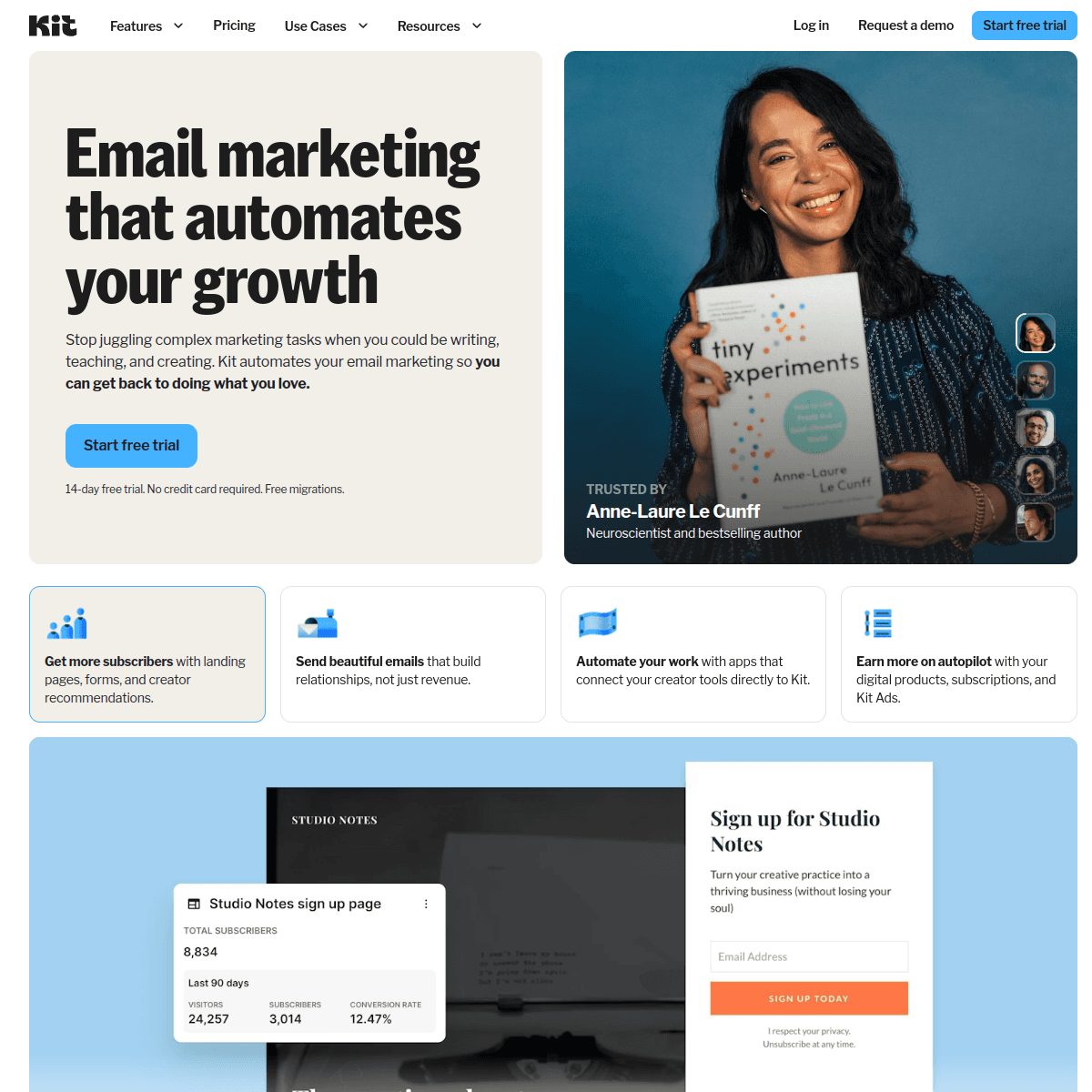
ConvertKit

Creator-focused email marketing, now rebranded as Kit.

Visit
Best for
Open source maintainers who also create content
Pricing
Free up to 10,000 subscribers, then $25/month

Pros

  • Great for building a personal audience
  • Free tier for up to 10,000 subscribers
  • Clean automation builder

Cons

  • No product event tracking
  • No developer API focus
  • Not built for SaaS or OSS monetization
#7
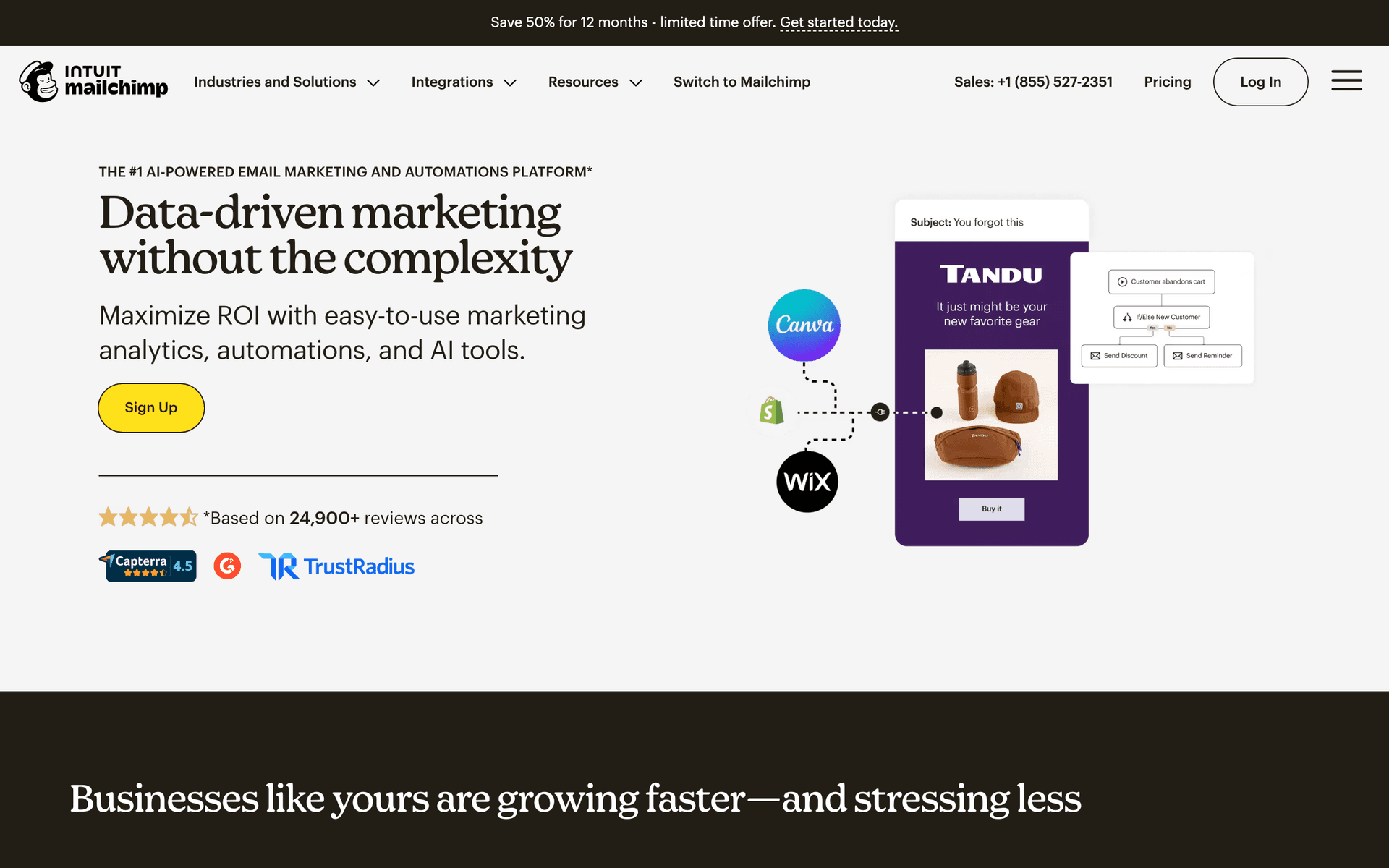
Mailchimp

The most widely used email marketing platform.

Visit
Best for
Small open source projects needing a basic newsletter
Pricing
Free up to 500 contacts, then $13/month

Pros

  • Easy to use
  • Good template editor
  • Strong deliverability

Cons

  • Per-contact pricing punishes large lists
  • Not built for developer audiences
  • Basic automation
#8
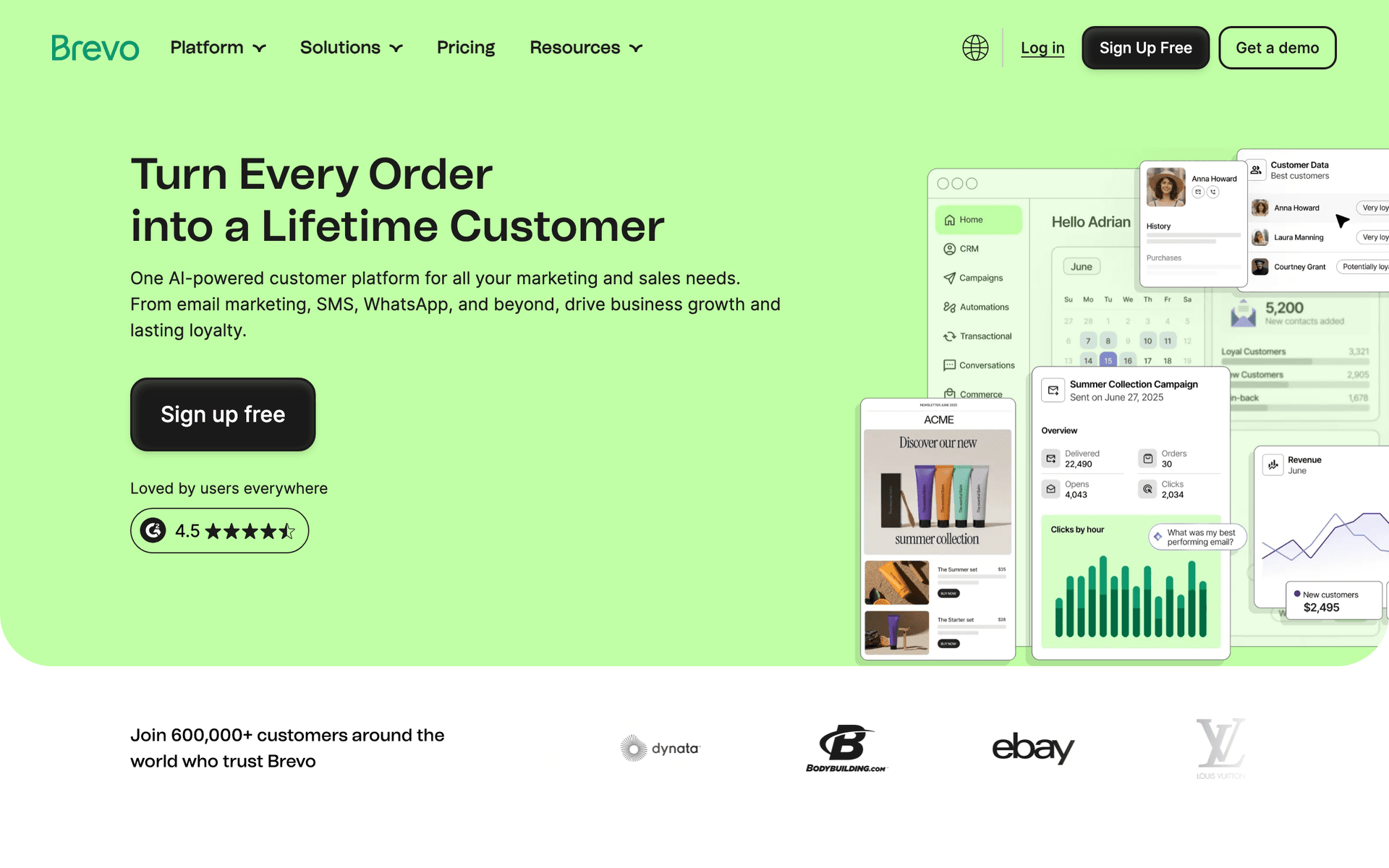
Brevo

Affordable all-in-one marketing platform.

Visit
Best for
Open source projects on a tight budget
Pricing
Free up to 300 emails/day, then $25/month

Pros

  • Generous free tier
  • Per-email pricing (not per contact)
  • Affordable paid plans

Cons

  • Not developer-focused
  • Basic event tracking
  • Interface designed for traditional marketers
#9
Postmark

Reliable transactional email with best-in-class deliverability.

Visit
Best for
Open source projects needing reliable transactional email
Pricing
$15/month for 10,000 emails

Pros

  • Best-in-class deliverability
  • Fast delivery
  • Good for security advisories

Cons

  • Not a marketing automation tool
  • No newsletter features
  • No segmentation
#10
SendGrid

High-volume email infrastructure from Twilio.

Visit
Best for
Large open source projects needing high-volume email infrastructure
Pricing
Free for 100 emails/day, plans from $19.95/month

Pros

  • Handles high volume
  • Mature API
  • Free tier available

Cons

  • Dated marketing features
  • Complex pricing
  • Better for infrastructure than marketing
#11
Ghost

Open source publishing platform with built-in newsletters.

Visit
Best for
Open source projects wanting a combined blog and newsletter
Pricing
Self-hosted free, managed from $9/month

Pros

  • Open source itself
  • Combined blog and newsletter
  • Self-hostable

Cons

  • No marketing automation
  • No event tracking
  • Basic newsletter features
#12
HubSpot

Enterprise CRM and marketing platform.

Visit
Best for
VC-backed open core companies with enterprise sales
Pricing
Free CRM, marketing hub from $50/month

Pros

  • Full CRM + marketing suite
  • Enterprise sales tracking
  • Powerful reporting

Cons

  • Massive overkill for most OSS projects
  • Expensive
  • Poor developer experience
#13
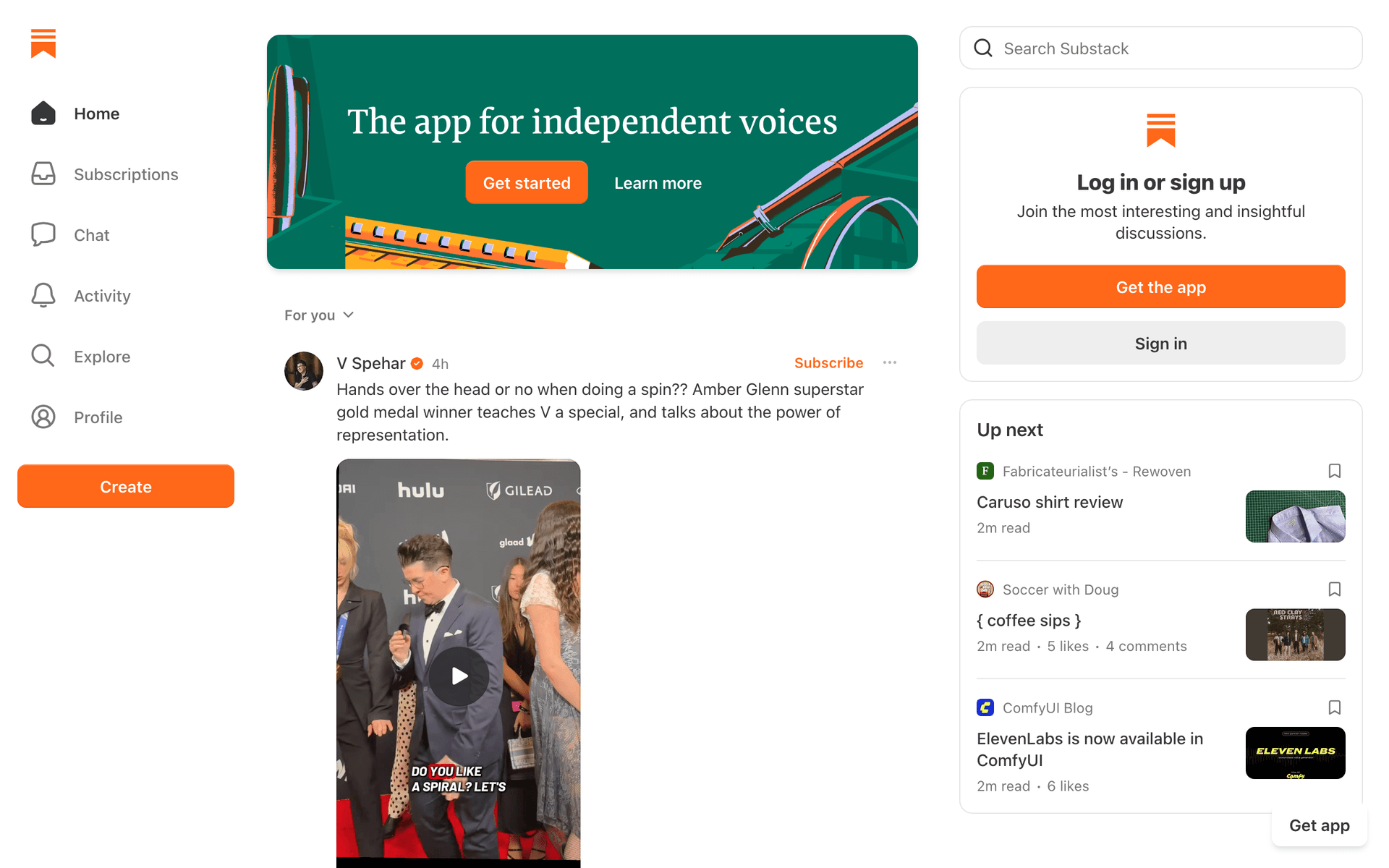
Substack

Newsletter platform with optional paid subscriptions.

Visit
Best for
Solo maintainers wanting a simple free newsletter
Pricing
Free (10% cut on paid subscriptions)

Pros

  • Completely free for free newsletters
  • Simple writing experience
  • Built-in paid subscription option

Cons

  • No automation whatsoever
  • No API or integrations
  • Limited customization

Feature Comparison

FeatureSequenzyButtondownLoopsResend
Sponsor platform integration
Polar, Stripe
No
No
No
Markdown support
In templates
Native
No
React Email
Marketing automation
AI-powered
No
Yes
No
Transactional emails
Yes
No
Yes
Yes
Free tier friendly
Pay per email
$9/mo
Per contact
Per email
Self-hostable
No
No
No
No
Community focus
SaaS + OSS
Newsletters
SaaS
Transactional
Starting price
$29/mo
Free
$49/mo
Free

Email Sequences Every Open Source Project Needs

These are the essential automated email sequences that will help you grow your business and keep clients coming back.

New Sponsor Welcome Sequence

Trigger: New sponsor on Polar or GitHub Sponsors

Welcome new sponsors and make them feel valued from day one.

Immediate
Thank you for sponsoring [Project]

Personal thank you from the maintainer. Explain what their sponsorship supports (your time, infrastructure costs, etc.). Include sponsor perks if applicable.

Day 7
Here is what we shipped this month

First sponsor update showing recent progress. Include commits merged, issues closed, and upcoming roadmap items.

Day 14
Your sponsor badge and how to display it

If you offer sponsor badges or logos on the README, send instructions on how to claim and display them.

Monthly Sponsor Update Sequence

Trigger: First of each month

Keep sponsors informed with regular progress updates.

Monthly
[Project] Sponsor Update — [Month Year]

Monthly digest: key metrics (stars, downloads, contributors), features shipped, bugs fixed, roadmap progress, and upcoming plans. Keep it concise and honest.

Contributor Onboarding Sequence

Trigger: First pull request merged

Welcome new contributors and guide them to become repeat contributors.

Immediate
Your first PR was merged! Welcome to [Project]

Celebrate their contribution. Explain the project structure, point to good-next-issues, and invite them to the community Discord or forum.

Day 7
Issues that could use your help

Curated list of issues matching their skills (based on the area of their first PR). Make it easy to contribute again.

Day 30
Want to become a maintainer?

For contributors who have submitted multiple PRs, invite them to take on more responsibility. Explain the path from contributor to maintainer.

Open Core Conversion Sequence

Trigger: Free user hits usage limits or uses enterprise features

Convert active open source users to paid managed service or enterprise tier.

When production usage detected
You are running [Project] in production

Acknowledge their serious usage. Introduce the managed service or enterprise tier with benefits like SLA, support, and hosted infrastructure.

Day 3
What [Company] gets with [Project] Enterprise

Case study of a company using the paid tier. Focus on operational benefits: no maintenance burden, automatic updates, dedicated support.

Day 7
Questions about enterprise? Let's talk

Personal email from the maintainer or sales lead. Offer a call to discuss enterprise needs and pricing.

The Open Source Email Marketing Challenge

Open source projects sit at a unique intersection. You are not a traditional business with customers—you have users, contributors, sponsors, and community members, each needing different communication. A release announcement goes to everyone. A sponsor update goes to backers. A contributor onboarding email goes to first-time PRs. The right email tool helps you manage these different audiences without turning email into a full-time job.

Sponsor Retention Is Your Revenue Lifeline

For projects monetized through sponsorships (GitHub Sponsors, Polar, Open Collective), sponsor retention is everything. Monthly updates showing progress, impact, and roadmap keep sponsors engaged. Projects that communicate regularly with sponsors see significantly lower churn than those that go silent between updates.

The most effective sponsor emails are honest and specific: "This month we merged 47 PRs, fixed 12 bugs, and shipped the new plugin system. Your sponsorship covered 60% of our infrastructure costs." Sponsors want to know their money matters.

From Open Source User to Paying Customer

If your project has an open core model or managed service, email is your primary conversion channel. The key trigger is usage—when someone is running your tool in production, they are ready to hear about enterprise features, SLAs, and managed hosting.

Native payment integration (like Sequenzy's Stripe and Polar connectors) automates this entire flow. Usage events trigger the right emails at the right time, without you manually tracking who is ready for an upgrade conversation.

Frequently Asked Questions

Ready to grow your open source project practice?

Start your free trial today. Set up your first email sequence in minutes with AI-powered content generation.

Related Industries

Sequenzy - Complete Pricing Guide

Pricing Model

Sequenzy uses subscriber-based pricing. You only pay for subscribers active in sequences (automations). Inactive subscribers are free to store.

All Pricing Tiers

  • 0-100 subscribers: Free (Free annually) - 3k emails/month
  • 101-1,000 subscribers: $19/month ($205/year annually) - 15k emails/month
  • 1,001-5,000 subscribers: $29/month ($313/year annually) - 60k emails/month
  • 5,001-10,000 subscribers: $49/month ($529/year annually) - 120k emails/month
  • 10,001-25,000 subscribers: $99/month ($1069/year annually) - 300k emails/month
  • 25,001-50,000 subscribers: $199/month ($2149/year annually) - 600k emails/month
  • 50,001-100,000 subscribers: $349/month ($3769/year annually) - 1.2M emails/month
  • 100,000+ subscribers: Custom pricing (Custom annually) - Unlimited emails/month

Yearly billing: All plans offer a 10% discount when billed annually.

Free Plan Features (2,500 emails/month)

  • Visual automation builder
  • Transactional email API
  • Reply tracking & team inbox
  • Goal tracking & revenue attribution
  • Dynamic segments
  • Payment integrations
  • Full REST API access
  • Custom sending domain

Paid Plan Features (1,000 - 100,000 subscribers)

  • Visual automation builder
  • Transactional email API
  • Reply tracking & team inbox
  • Goal tracking & revenue attribution
  • Dynamic segments
  • Payment integrations (Stripe, Paddle, Lemon Squeezy)
  • Full REST API access
  • Custom sending domain

Enterprise Plan Features (100,000+ subscribers)

  • Visual automation builder
  • Transactional email API
  • Reply tracking & team inbox
  • Goal tracking & revenue attribution
  • Dynamic segments
  • Payment integrations
  • Full REST API access
  • Custom sending domain

Important Pricing Notes

  • You only pay for subscribers who are active in automations/sequences
  • Storing inactive subscribers is free
  • No hidden fees - all features included in the price
  • No credit card required for free tier

Contact

  • Pricing Page: https://sequenzy.com/pricing
  • Sales: hello@sequenzy.com