




Why people look for EmailIt alternatives
EmailIt does one thing well: it sends emails cheaply. At around $1-2 per 10,000 emails with no monthly subscription, it's one of the most affordable delivery options available. For developers who just need an SMTP relay or API endpoint, that's enough. The platform gained traction through AppSumo lifetime deals, which brought in a wave of users but also led to growing pains - some users report being placed in onboarding pools that delayed email delivery without clear communication. Trustpilot reviews praise the simplicity and personal support from the small team, but the lack of marketing features, visual editors, and subscriber management means most businesses eventually need to add additional tools or migrate to a more complete platform.
But most businesses need more than just delivery. They need to design emails, automate sequences, track subscriber behavior, and measure results. That's where EmailIt falls short. For more on choosing the right email tool, see our guide to the best email marketing tools for SaaS and our overview of transactional vs marketing email.
The marketing gap
EmailIt has a basic campaign builder, but it's not a marketing platform. There's no visual email editor, no automation builder, no subscriber segmentation. If you're trying to run email marketing campaigns, you'll need another tool alongside EmailIt or a platform that includes everything. See how AI sequences can generate complete marketing workflows.
The analytics problem
EmailIt tracks delivery metrics (delivered, bounced, etc.) but doesn't provide marketing analytics. No open rate trends, no click maps, no revenue attribution. If measuring email marketing performance matters to you, you need a different tool. Check our analytics features for what proper email analytics looks like.
The integration void
EmailIt doesn't integrate with CRMs, billing systems, or marketing tools. If you want emails triggered by user actions in your product, you're building that integration yourself. See how Stripe integration automates this for SaaS.
The alternatives, honestly
| EmailIt switch reason | Best alternative | Why |
|---|---|---|
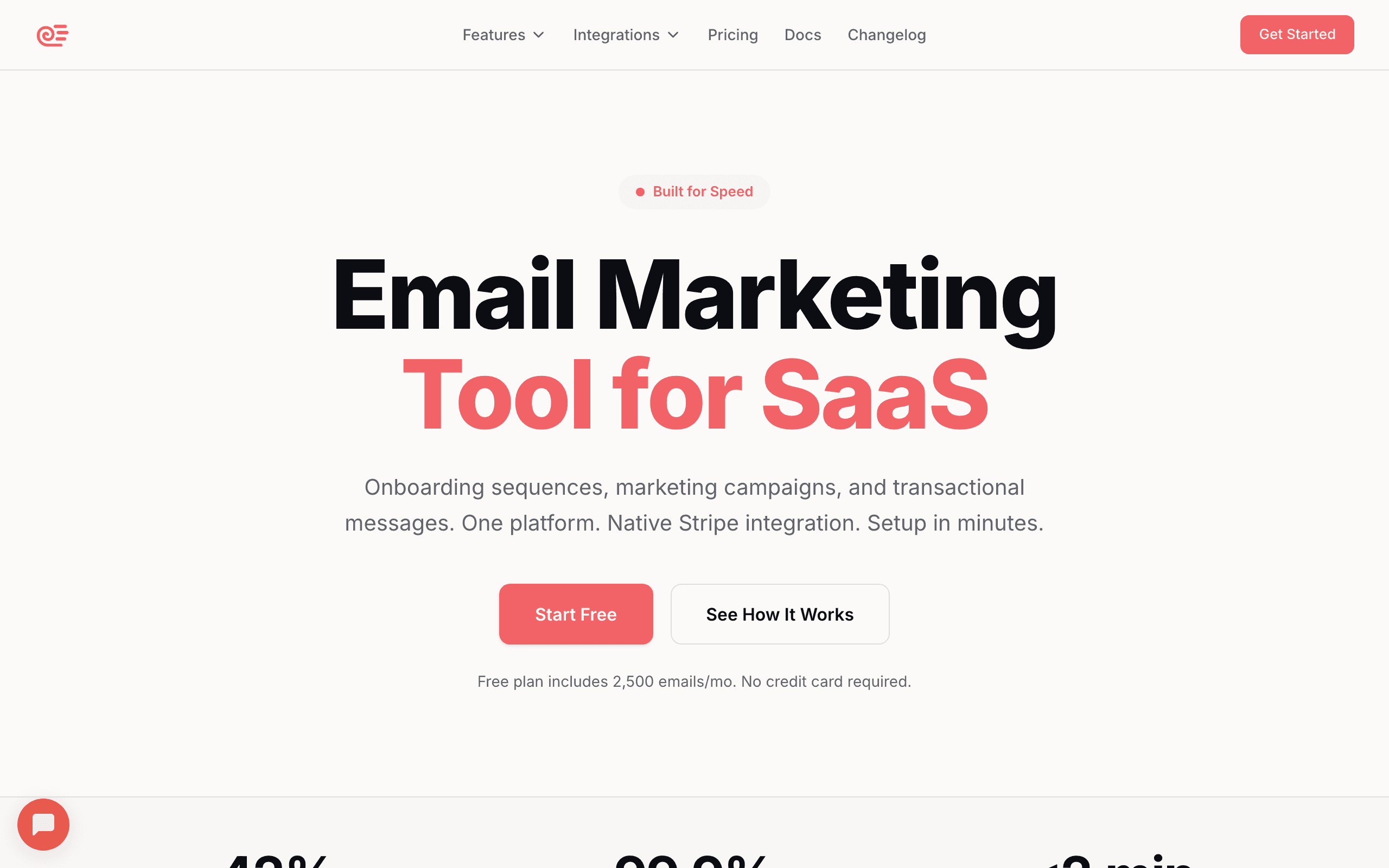
| Need SaaS marketing plus transactional | Sequenzy | Adds Stripe sync, automation, AI sequences, and subscriber analytics |
| Want better transactional API DX | Resend | Cleaner docs, React Email, and modern SDKs |
| Need proven high-volume delivery | SendGrid | Mature infrastructure with transactional and basic marketing |
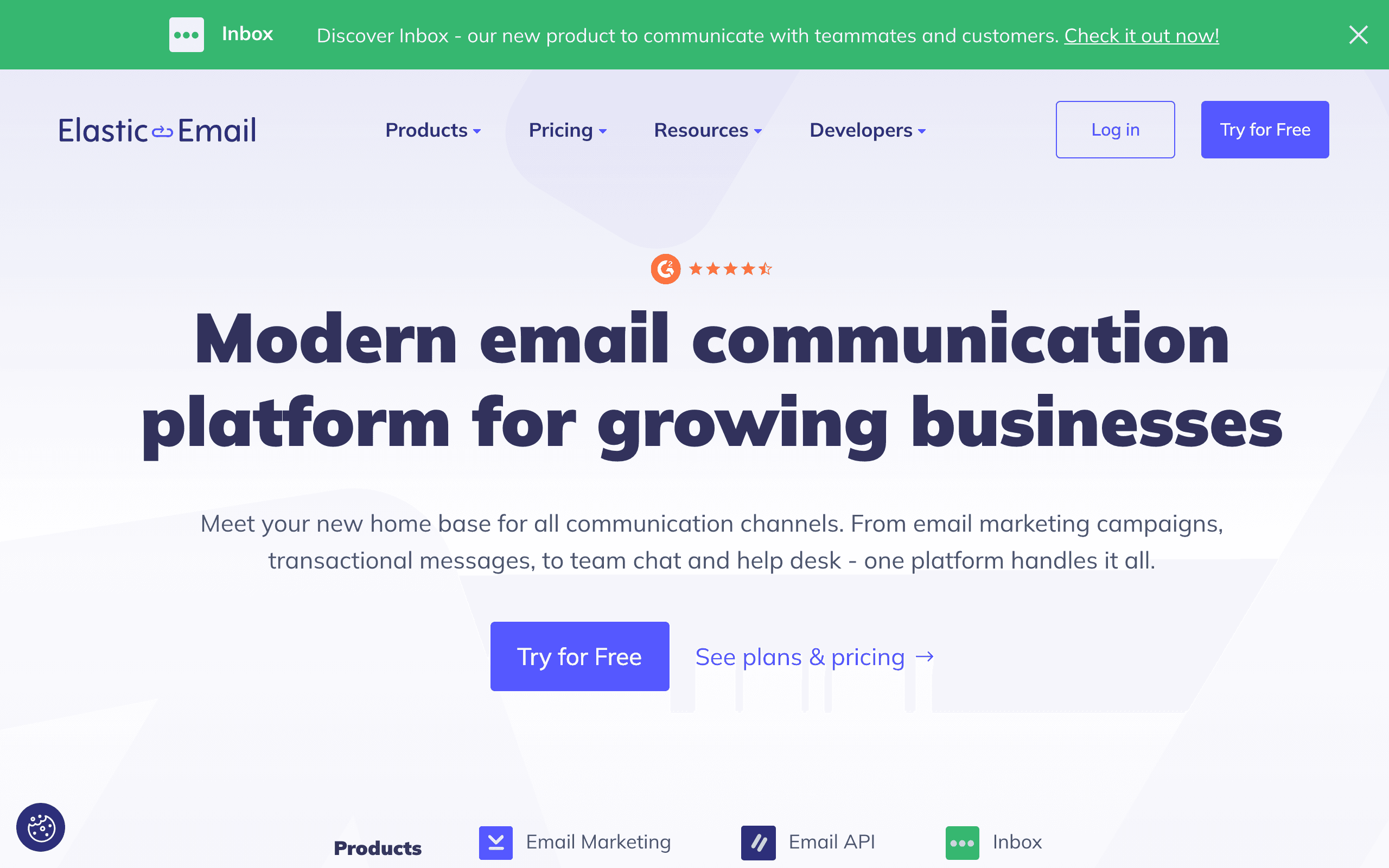
| Want budget marketing features | Elastic Email | Delivery plus templates, campaigns, and basic automation |
| Need lowest raw send cost | Amazon SES | Cheapest infrastructure if you can manage AWS |
| Need testing plus sending | Mailtrap | Sandbox, previews, spam checks, and production sending |
Best EmailIt alternative for SaaS email: Sequenzy
Sequenzy combines transactional and marketing emails with AI-generated content and native Stripe integration. It's $49/month for 60k emails (unlimited subscribers) with everything included. The catch: it's a monthly subscription, not pay-per-email. If you're running a SaaS, the marketing features justify the cost.
Best EmailIt alternative for developer experience: Resend
Resend is the developer's choice for transactional email. Clean API, React Email support, and great documentation. Free tier covers 3,000 emails/month. More expensive at scale than EmailIt, but the developer experience is noticeably better.
Best EmailIt alternative for proven scale: SendGrid
SendGrid handles billions of emails. If you need a battle-tested delivery service with both transactional API and basic marketing features, SendGrid is the safe bet. Not the cheapest, but reliable.
Cheapest EmailIt alternative with marketing features: Elastic Email
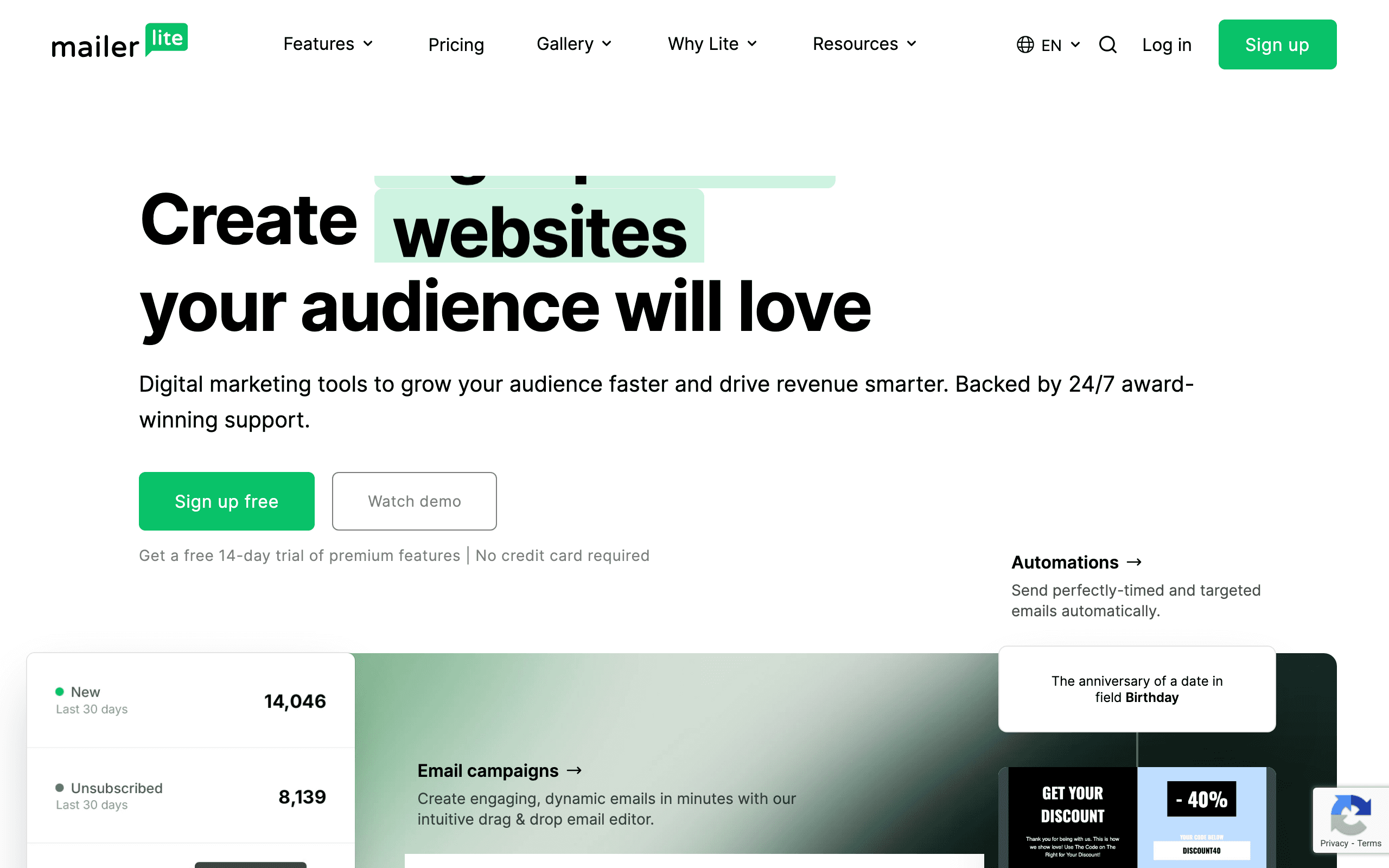
Elastic Email gives you both delivery and marketing features starting at $19/mo. Template library, basic automation, campaign builder. If you want more than EmailIt offers without spending much more, Elastic Email bridges the gap.
Cheapest EmailIt alternative for raw delivery: Amazon SES
At $0.10 per 1,000 emails, Amazon SES is the cheapest sending option. But it's bare-bones. You need AWS knowledge, and there's no UI for non-technical users. If cost is everything and you're comfortable with AWS, it's hard to beat.
Best EmailIt alternative for email testing and sending: Mailtrap
Mailtrap combines email testing in development with production sending. The sandbox catches emails during development so you never accidentally email real users. Unique value that EmailIt doesn't offer.
Best EmailIt alternative for open-source control: Plunk
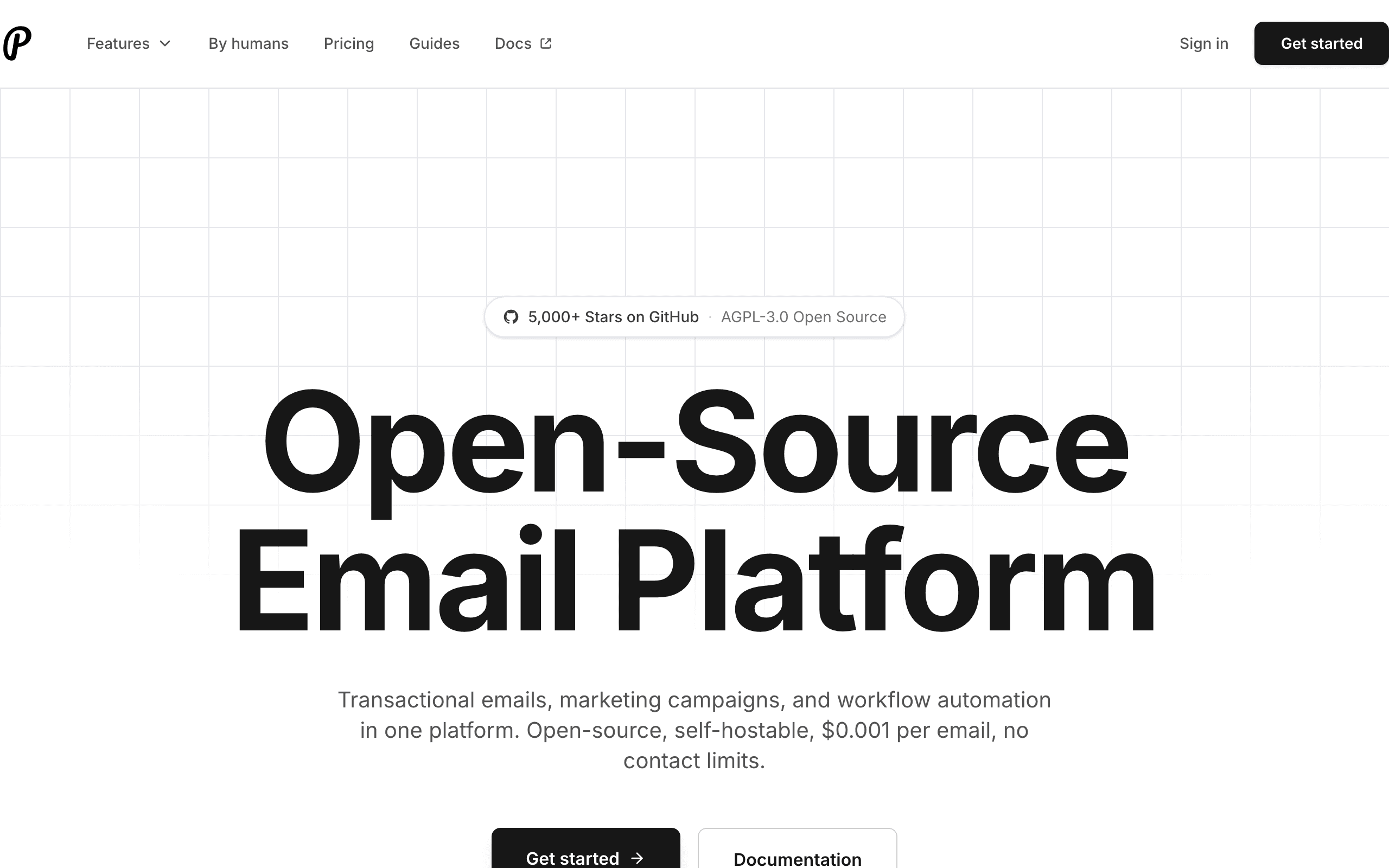
Plunk is the modern open-source email platform with TypeScript/React under the hood. Self-host for full control or use the cloud version. Earlier stage but growing fast.
| Platform | 50k email cost | Marketing automation | Visual editor | Transactional | Best fit |
|---|---|---|---|---|---|
| EmailIt | ~$5-10 | No | Basic | Yes | Cheap SMTP/API delivery |
| Sequenzy | $49/mo | Yes | Full | Yes | SaaS marketing plus transactional |
| Resend | $20 | No | No | Yes | Developer-first API |
| SendGrid | $19.95 | Basic | Basic | Yes | Proven scale |
| Elastic Email | $19 | Basic | Yes | Yes | Budget delivery plus campaigns |
| Amazon SES | $5 | No | No | Yes | Lowest raw cost |
The pricing comparison
At roughly 50,000 emails per month:
| Platform | Monthly cost | Notes |
|---|---|---|
| EmailIt | ~$5-10 | Pay per email |
| Amazon SES | $5 | Cheapest raw delivery |
| Sequenzy | $49/mo | Full marketing platform |
| Resend | $20 | Modern developer API |
| SendGrid | $19.95 | Proven scale |
| Elastic Email | $19 | Delivery plus marketing |
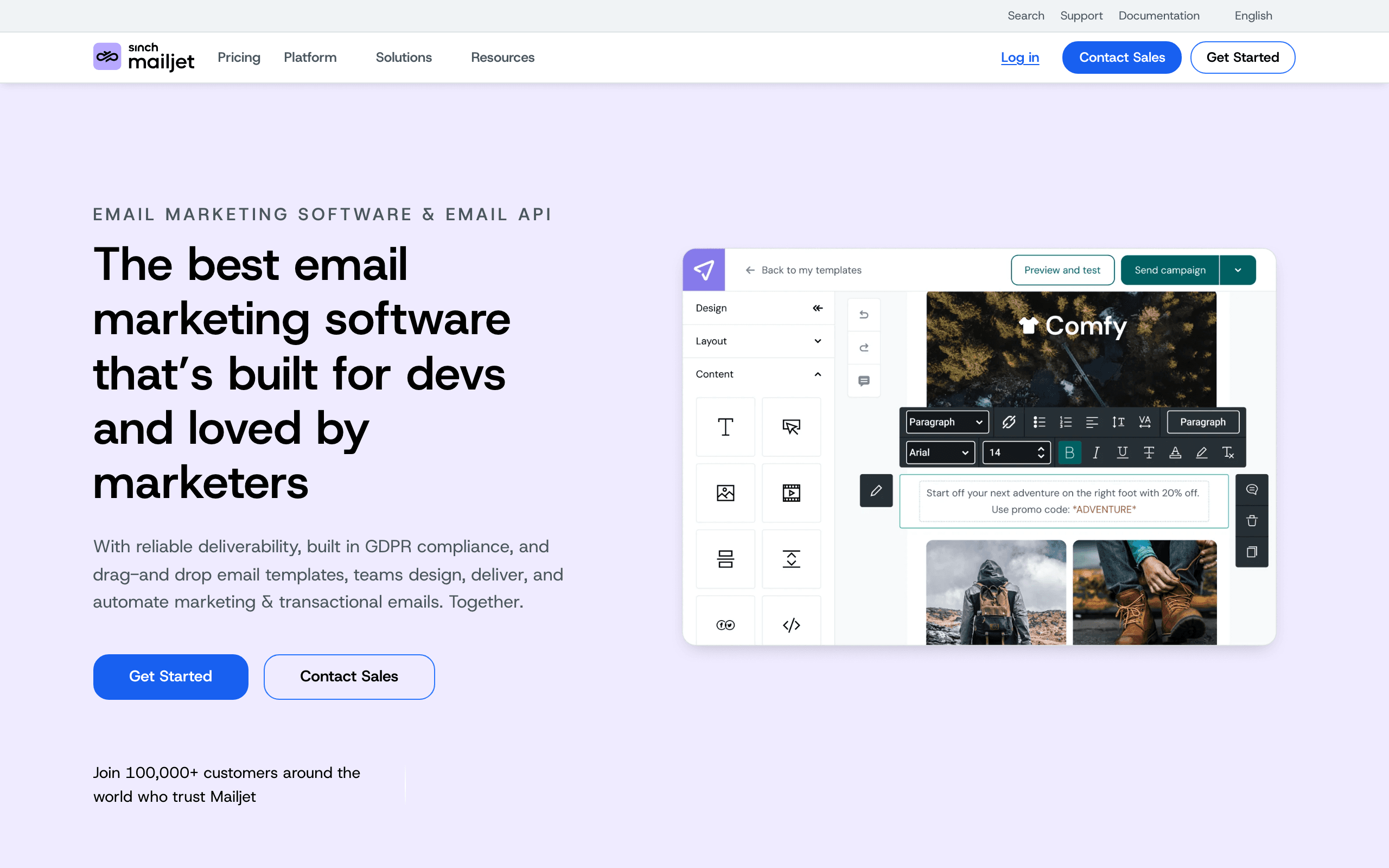
| Brevo | $25 | All-in-one with SMS |
| Mailtrap | $10 | Testing plus sending |
The right choice depends on what you need beyond delivery. If it's just sending, EmailIt and SES are cheapest. If you need marketing tools, the monthly platforms are worth it. See our pricing page for Sequenzy details and our email deliverability guide for optimizing after migration.
When EmailIt is still the right choice
EmailIt works if:
- You have your own marketing tools and just need delivery
- Budget is your absolute top priority
- You send irregularly and want pay-per-use
- You're a developer comfortable building around a simple API
Don't switch just to switch. If EmailIt handles your delivery needs and price works, keep it. But if you're duct-taping marketing tools together or building subscriber management from scratch, a proper platform saves time and headaches. Use our email warmup calculator to plan migration timing.
| Stay with EmailIt when... | Switch away from EmailIt when... |
|---|---|
| Raw delivery cost is the main priority | You need automation, segmentation, and analytics |
| You already own subscriber management elsewhere | You are building marketing tooling yourself |
| Sending is irregular and pay-per-use fits | SaaS billing or product events should trigger email |
| A simple SMTP/API relay is enough | Developer DX, testing, or deliverability tooling matters |









