
Overview
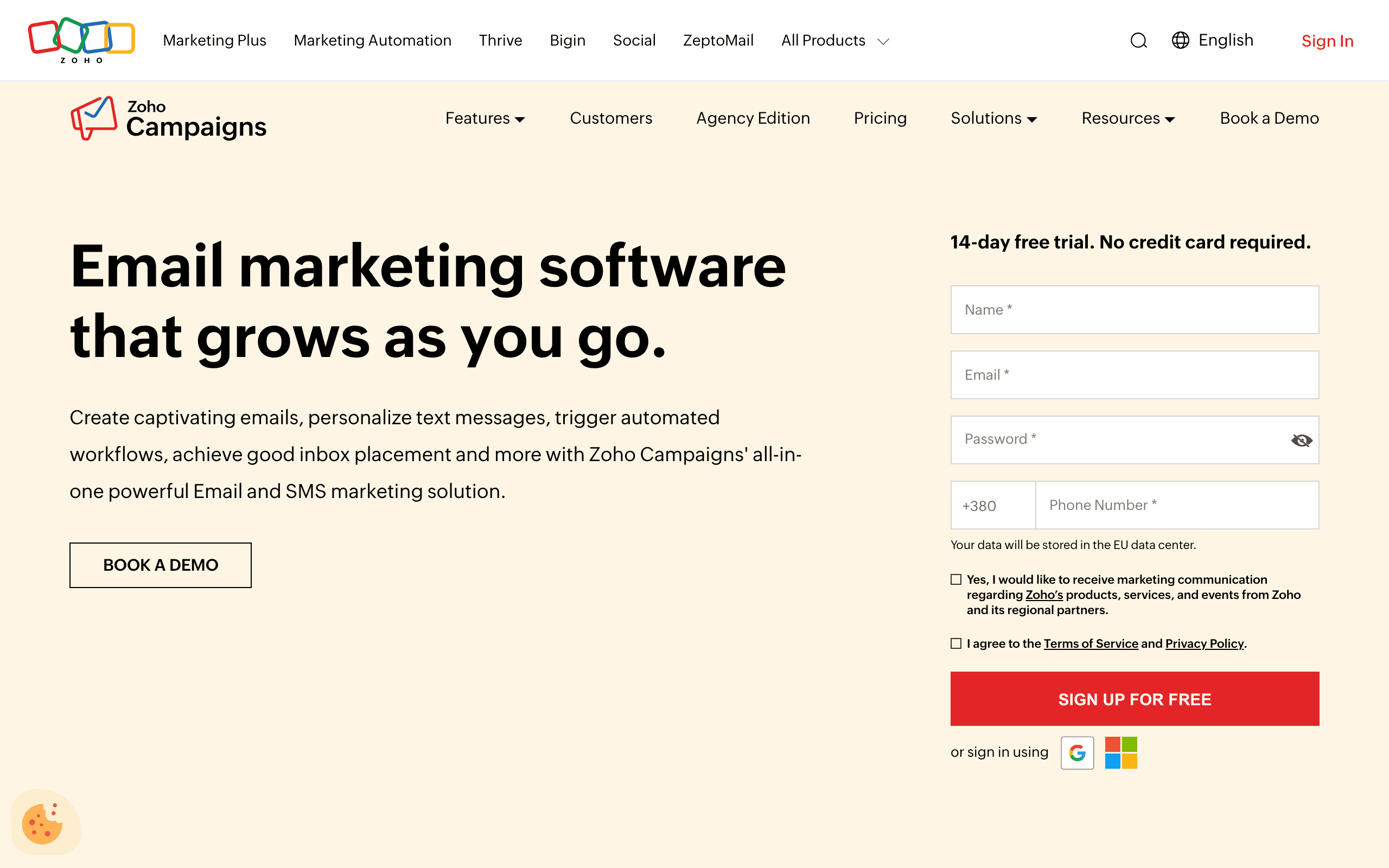
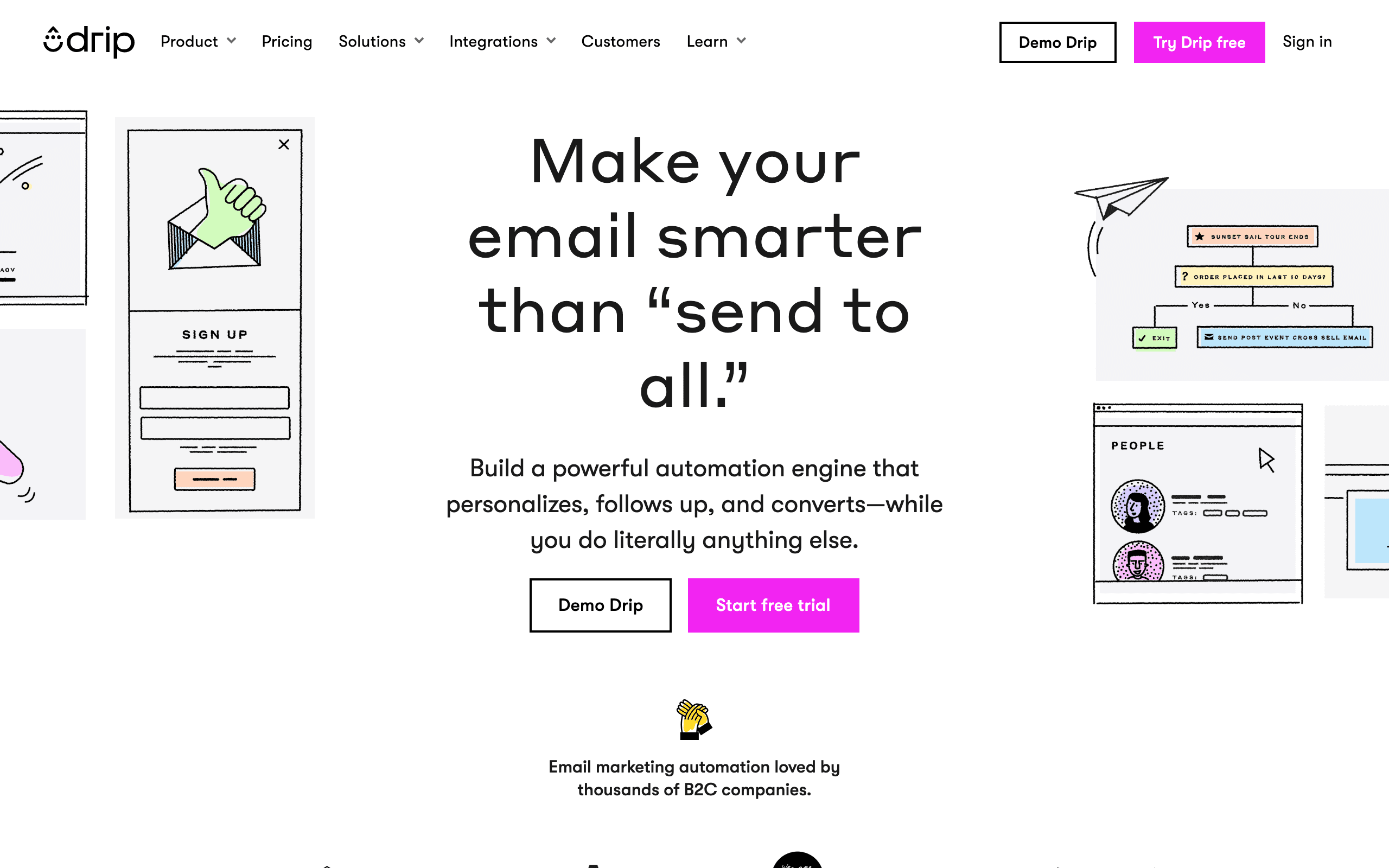
Zoho Campaigns and Drip target completely different markets. Zoho is affordable email marketing for small businesses, especially those using Zoho CRM. Drip is premium e-commerce automation for online stores. Comparing them is like comparing a sedan to a delivery truck: both get you places, but they're built for different jobs.
The Price Gap
At 10,000 contacts, Zoho costs $35/month. Drip costs $154/month. That's a 4x difference that reflects their different purposes.
Zoho's pricing makes sense for general email marketing. Drip's premium is justified by e-commerce features that directly generate revenue through recovered carts, targeted product recommendations, and purchase-based automation.
Use-case matchups
| Use case | Better fit | What to verify |
|---|---|---|
| Zoho CRM-centered small business marketing | Zoho Campaigns | Confirm CRM fields, lists, segments, sales visibility, and Zoho suite ownership. |
| Shopify or WooCommerce revenue automation | Drip | Check catalog sync, purchase triggers, revenue attribution, and pre-built ecommerce playbooks. |
| Budget newsletter and general campaigns | Zoho Campaigns | Verify template quality, send limits, automation needs, and reporting expectations. |
| Abandoned cart and browse abandonment | Drip | Confirm store events, product blocks, discount handling, and revenue tracking. |
| SaaS subscription lifecycle email | Sequenzy | Neither Zoho nor Drip is built around Stripe subscription states. |
Best Fit by CRM and Store Data
Best email marketing tool for Zoho CRM users
Zoho Campaigns is the better fit when a small business already runs sales, support, or operations inside the Zoho suite. It suits CRM-triggered newsletters, event invitations, basic nurture, account updates, and affordable campaigns where contact fields and sales visibility matter more than store behavior. The main advantage is low cost and native Zoho alignment, not ecommerce revenue automation.
Best ecommerce email platform for Shopify and WooCommerce revenue
Drip is stronger when the email program is tied to products, carts, orders, discounts, and purchase history. Choose it for abandoned cart recovery, browse abandonment, post-purchase flows, winback campaigns, product recommendations, and revenue attribution. The higher price is easier to justify when recovered sales and repeat purchases are visible inside the email reports.
Best SaaS email platform for subscription billing events
Sequenzy is the better fit when the business is subscription-driven rather than CRM-newsletter-driven or catalog-commerce-driven. SaaS teams need onboarding, transactional receipts, failed-payment messages, renewal reminders, cancellation flows, and lifecycle campaigns tied to Stripe events. That makes Sequenzy more relevant than Zoho's SMB suite email or Drip's ecommerce data model.
Pricing reality
At 10,000 subscribers, the page data lists Zoho Campaigns at $35/month and Drip at $154/month. That four-times gap is meaningful, but it reflects different products.
Zoho Campaigns is priced like a general SMB email tool and becomes especially attractive if the business already uses Zoho CRM or the broader Zoho suite. Drip is priced like an ecommerce automation tool where revenue attribution, product data, abandoned cart flows, and purchase-based segmentation can directly recover sales.
Do not buy Drip for generic newsletters, and do not expect Zoho Campaigns to behave like a dedicated ecommerce retention platform. Sequenzy's $49/month only fits the comparison when the business is SaaS/subscription-driven rather than store-catalog ecommerce.
Review signals
The reviews here are unusually clear. Zoho Campaigns reviewers describe newsletter, event, CRM-triggered, and general SMB email workflows, while warning about editor quality and "adequate" depth. Drip reviewers describe recovered cart revenue, Shopify catalog sync, ecommerce playbooks, and purchase-based workflows, while warning about basic landing pages.
Those signals are more useful than star ratings: Zoho is reviewed as a budget suite email tool, Drip as revenue-focused ecommerce automation.
Migration checklist
| Step | What to confirm |
|---|---|
| Contact and consent data | Export contacts, lists, tags, segments, custom fields, unsubscribes, bounces, and consent records. |
| Store or CRM data | If moving to Drip, connect product catalog, orders, carts, and customer history; if moving to Zoho, map CRM fields and sales visibility. |
| Automation rebuild | Recreate welcome, nurture, cart recovery, post-purchase, winback, and suppression rules in the target platform. |
| Attribution | Save baseline revenue and engagement reports so Drip revenue attribution or Zoho engagement metrics can be compared fairly after cutover. |
| Sending setup | Reverify domains, sender identities, tracking links, unsubscribe behavior, and warmup before the first production campaign. |
E-commerce: Different Leagues
Drip was built for e-commerce. Deep Shopify and WooCommerce integrations sync product catalogs, track purchases, and enable triggers based on shopping behavior. Revenue attribution shows exactly which emails drove sales.
Zoho has basic e-commerce plugins but nothing approaching Drip's depth. You can send campaigns to store customers, but you won't get purchase-triggered automation or revenue tracking.
When Zoho Makes Sense
Choose Zoho if you're not running an online store and want affordable email marketing. The Zoho ecosystem integration is valuable if you use Zoho CRM for sales or Zoho Desk for support. Everything syncs without configuration.
The free plan with 2,000 contacts is generous for small businesses testing email marketing.
When Drip Makes Sense
Choose Drip if you run a Shopify or WooCommerce store and email is a significant revenue channel. The abandoned cart recovery alone can pay for the subscription. Revenue attribution helps you optimize campaigns based on actual sales, not just opens and clicks.
For SaaS Companies
Neither Zoho nor Drip is built for SaaS. Zoho is general-purpose, Drip understands shopping carts but not subscriptions.
If you're building a SaaS product, consider Sequenzy. Native Stripe integration enables automation based on trial endings, payment failures, and subscription changes. Transactional and marketing emails work from one platform at $49/month for 60,000 emails, unlimited contacts.
Decision checklist
- Choose Zoho Campaigns if you need affordable general email, Zoho CRM sync, and SMB campaign workflows.
- Choose Drip if ecommerce revenue attribution, catalog sync, cart recovery, and purchase-based automation are central.
- Avoid Zoho Campaigns if ecommerce automation needs to recover meaningful revenue.
- Avoid Drip if you are not running a Shopify or WooCommerce-style store.
- Consider Sequenzy if subscription billing and product lifecycle events are more important than carts or CRM newsletters.
Revenue Attribution: The Core Differentiator
Drip tracks every dollar your emails generate. When a subscriber receives an abandoned cart email, clicks through, and completes a purchase, Drip attributes that revenue to the specific email, workflow, and campaign. This closes the loop between marketing spend and actual income, letting e-commerce teams optimize based on ROI rather than open rates.
Zoho Campaigns measures email engagement: opens, clicks, bounces, and unsubscribes. These metrics tell you whether people interact with your emails but not whether those interactions generate revenue. Pairing Zoho Campaigns with Zoho Analytics can provide some revenue insights, but the connection is indirect and requires manual configuration.
For e-commerce businesses, revenue attribution transforms email from a cost center into a measurable profit driver. For service businesses, agencies, and B2B companies where purchases do not happen through email clicks, Zoho's engagement metrics are sufficient. The campaign analytics you need depend on how your business generates revenue.
E-Commerce Automation Depth
Drip includes pre-built automation playbooks specifically for online stores. Abandoned cart recovery, browse abandonment, post-purchase follow-ups, win-back campaigns for lapsed customers, and cross-sell recommendations all come with templates that activate within minutes of connecting your Shopify or WooCommerce store.
These playbooks use purchase history, browse behavior, and product catalog data that Zoho Campaigns simply does not have access to. Dynamic content blocks in Drip automatically populate emails with product images, prices, and descriptions from your store catalog. Building equivalent functionality in Zoho would require custom development and third-party middleware.
For online stores, this automation depth directly impacts revenue. The average abandoned cart recovery rate of 5-10% on a store processing hundreds of orders daily adds up quickly. Zoho cannot replicate this without significant custom engineering, making Drip the clear choice for e-commerce and Zoho the clear choice for everything else.
Choosing Based on Business Model
The decision between Zoho Campaigns and Drip should take less than a minute. If you run an online store on Shopify or WooCommerce and email is a significant revenue channel, choose Drip. The abandoned cart recovery alone can generate enough additional revenue to cover the subscription cost many times over.
If you run any other type of business, Drip offers nothing relevant. Its features are designed for product catalog browsing, purchase behavior, and shopping cart interactions. A consulting firm, SaaS company, nonprofit, or service business would pay four times more for features they cannot use. Zoho Campaigns at $40 per month with CRM integration is a dramatically better fit.
For SaaS companies specifically, neither platform addresses subscription business needs. Drip understands shopping carts but not recurring billing. Zoho understands CRM contacts but not product usage. Sequenzy's Stripe integration connects directly to your billing data, triggering automation sequences from trial conversions, plan upgrades, payment failures, and churn events.









