
Overview
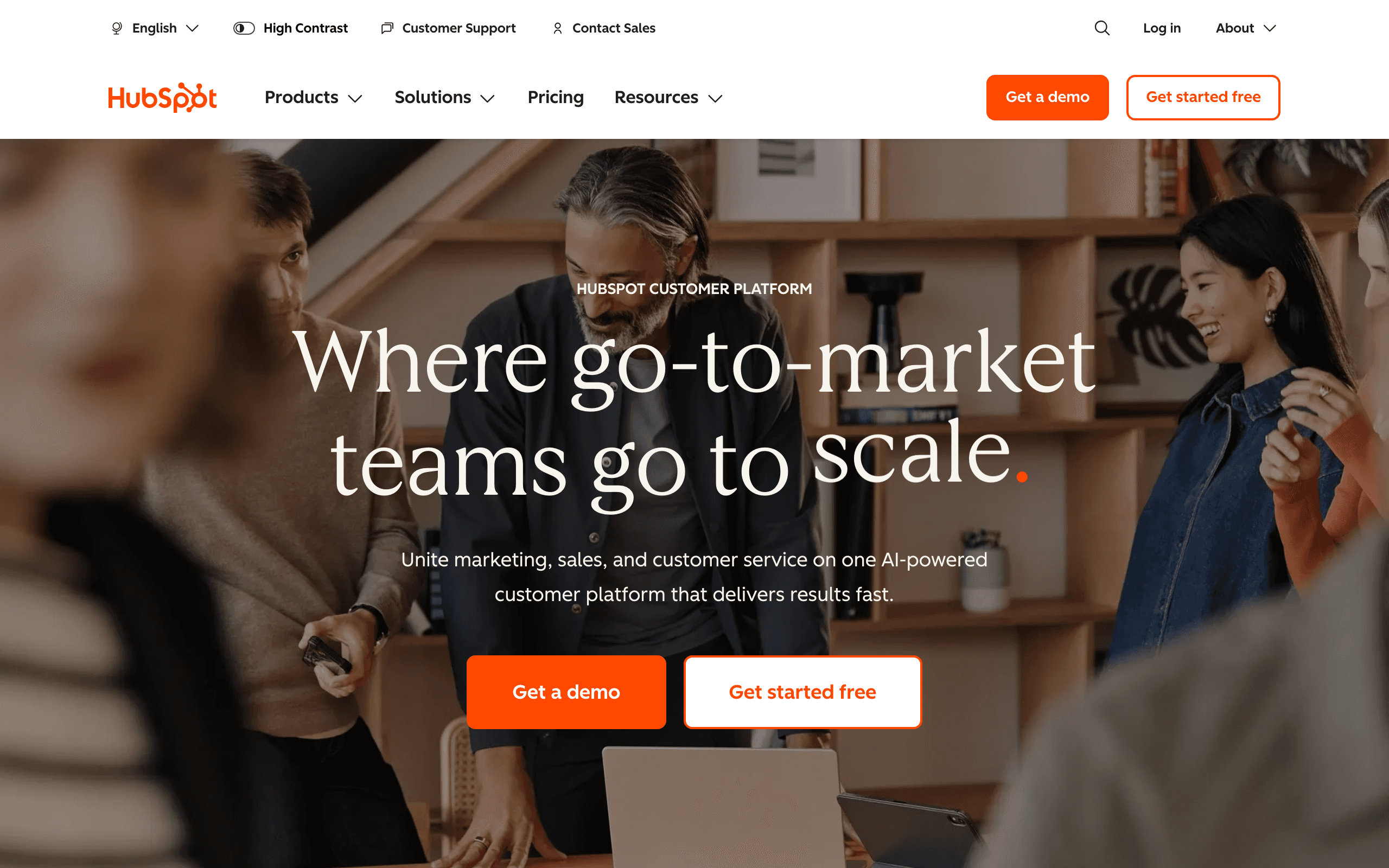
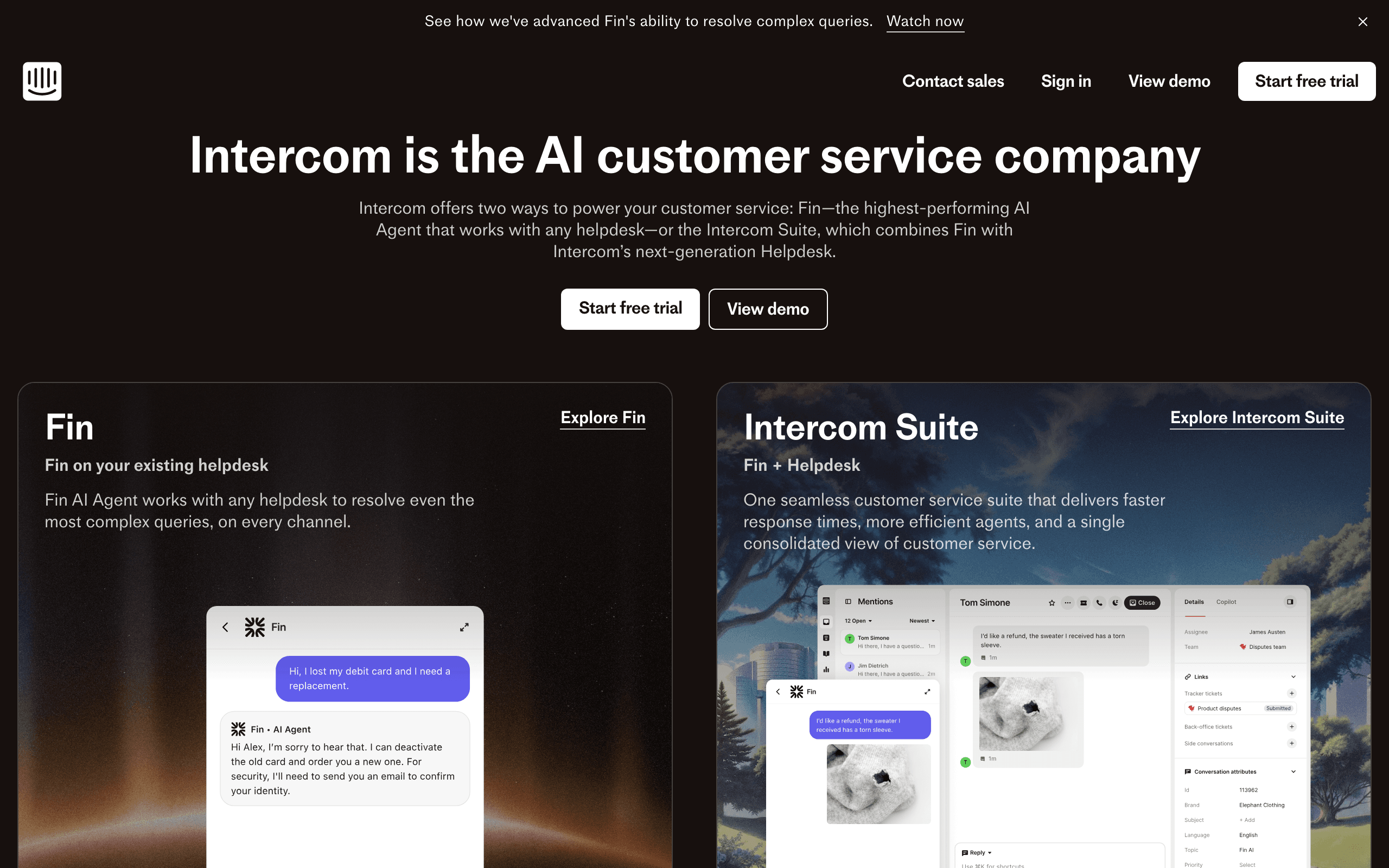
HubSpot and Intercom serve different primary purposes. HubSpot is a CRM-first platform. Intercom is messaging-first. See our HubSpot comparison and Intercom comparison for details.
Pricing Comparison
HubSpot: $800+/month for Marketing Hub Professional
Intercom: $200-500+/month depending on usage
Sequenzy: Free tier available, then $19/month for 15k emails (unlimited contacts)
Compare on our pricing page.
Where HubSpot Wins
Full CRM ecosystem with marketing, sales, and service integration. Better email marketing.
Where Intercom Wins
In-app messaging, live chat, AI bots, and product tours for customer engagement.
Why Sequenzy Beats Both for SaaS Email
If you just need email marketing with Stripe integration, Sequenzy costs $19/month vs hundreds for these platforms.
Different Categories, Different Solutions
HubSpot and Intercom are not direct competitors - they solve different problems. HubSpot organizes your entire customer lifecycle through CRM with marketing, sales, and service tools. Intercom facilitates real-time customer conversations through messaging, bots, and product tours. Many SaaS companies use both: HubSpot for CRM and marketing automation, Intercom for live chat and in-app messaging. Comparing them directly is like comparing a project management tool to a communication tool - they serve complementary functions.
The Messaging-First Approach
Intercom pioneered the messaging-first approach to customer engagement. Instead of forcing customers into email tickets and phone queues, Intercom enables real-time conversations through chat, bots that answer common questions instantly, and product tours that guide users through features. This approach reduces time-to-value for new users and increases engagement. HubSpot has chat functionality, but it is a feature within a CRM, not the core product. For SaaS companies where in-app engagement drives activation and retention, Intercom's messaging expertise provides capabilities HubSpot cannot match.
The Combined Stack Reality
Many growing SaaS companies end up using both platforms - HubSpot for marketing automation and CRM, Intercom for customer messaging and support. This combined stack provides the best of both worlds but adds cost and complexity. The data flows between them through integrations, but the experience is not seamless. Some companies eventually consolidate onto one platform, accepting trade-offs in either messaging or CRM depth. The right single-platform choice depends on whether marketing automation or customer messaging drives more business value.
Use-case matchups
| Need | Better fit | Why |
|---|---|---|
| CRM, pipeline, marketing, sales, and service | HubSpot | HubSpot is CRM-first and connects revenue operations. |
| Live chat, bots, product tours, and in-app engagement | Intercom | Intercom is messaging-first and stronger inside the product experience. |
| Advanced email marketing and campaigns | HubSpot | HubSpot has broader campaign automation than Intercom. |
| Product-led onboarding and support | Intercom | Intercom is built for real-time customer conversations and tours. |
| SaaS lifecycle and transactional email | Sequenzy | Sequenzy fits Stripe-triggered email without CRM or chat overhead. |
Best Fit by CRM-Led Growth and Customer Messaging
Best CRM platform for marketing, sales, and service operations
HubSpot is the better fit when the company needs CRM records, pipeline, campaigns, attribution, sales handoff, service workflows, forms, and landing pages in one system.
Best customer messaging platform for product-led support
Intercom is the better fit when live chat, bots, product tours, in-app messages, support inboxes, and customer conversations inside the product are the priority.
Best email tool for SaaS lifecycle without CRM or chat overhead
Sequenzy is the better fit when Stripe-triggered lifecycle email, transactional messages, trial reminders, onboarding, and newsletters are needed without buying a CRM suite or support platform.
Pricing reality
HubSpot is listed at $800+/month for Marketing Hub Professional. Intercom is listed at $200-500+/month depending on seats, usage, resolution fees, and add-ons. Those are different pricing models for different jobs: HubSpot prices a CRM-led business platform, while Intercom prices a customer messaging and support system.
Review signals
The cited HubSpot reviews praise the unified CRM view and also note chat limitations. The cited Intercom reviews praise chatbots, product tours, and product-led SaaS onboarding while noting email marketing is limited. The reviews support the page's core point: many SaaS teams need both categories, but if choosing one, pick based on CRM versus in-app messaging priority.
Migration checklist
| Migration area | Moving toward HubSpot | Moving toward Intercom |
|---|---|---|
| Contacts and users | Map contacts, companies, deals, owners, lifecycle stages, tickets, and consent fields. | Map users, companies, traits, conversations, product events, support state, and message subscriptions. |
| Messaging | Rebuild email campaigns, workflows, forms, landing pages, sales handoff, and service tickets. | Rebuild chat, bots, product tours, help center, in-app messages, and support routing. |
| Team ownership | Align marketing, sales, service, and operations around CRM data. | Align product, support, success, and onboarding around customer conversations. |
| Integrations | Audit CRM, sales, service, analytics, forms, and marketing integrations. | Audit product SDK, support, help center, data sync, and chatbot integrations. |
| Reporting | Confirm pipeline, attribution, lifecycle, and service reporting. | Confirm support, activation, conversation, tour, and engagement reporting. |
Decision checklist
- Choose HubSpot if the main requirement is CRM-led marketing, sales, service, and reporting.
- Choose Intercom if the main requirement is in-app messaging, onboarding, support, and customer conversations.
- Choose Sequenzy if the main requirement is SaaS email tied to Stripe and product lifecycle events.








