
Overview
Omnisend and ConvertKit serve completely different audiences. Omnisend is for e-commerce businesses. ConvertKit is for content creators.
Different Business Models
Omnisend is built for businesses selling physical products. Abandoned carts, browse abandonment, product recommendations. ConvertKit is built for creators making money from content. Landing pages, paid newsletters, digital product sales.
E-commerce Capabilities
For e-commerce, Omnisend is superior. Shopify and WooCommerce integrations sync customer data, purchase history, and browsing behavior. Pre-built automation for cart recovery and post-purchase are ready to deploy.
Creator Features
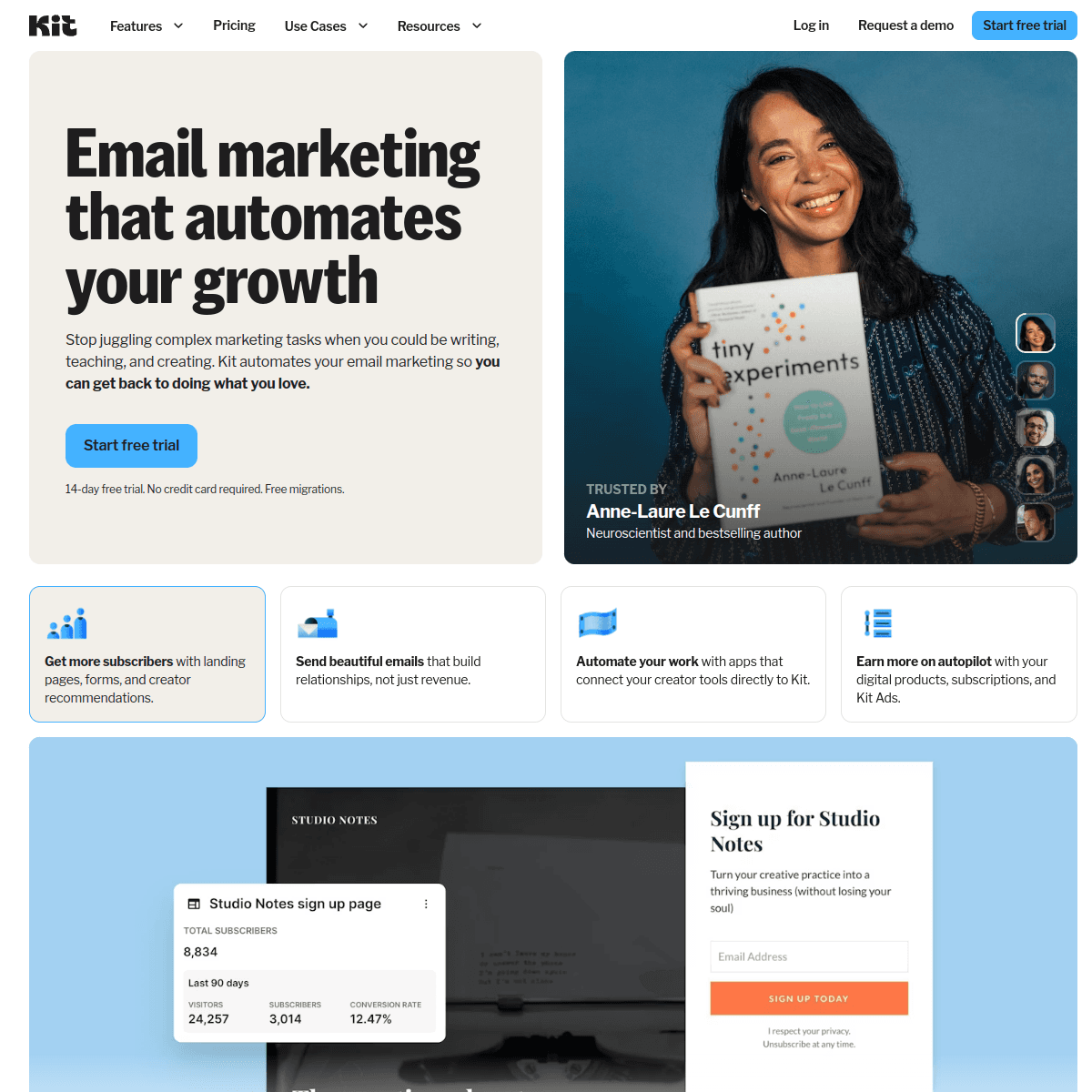
For creators, ConvertKit is purpose-built. Landing pages, paid newsletters, digital product sales, creator recommendation network. Omnisend doesn't have these features.
Omnichannel Marketing
Omnisend offers email, SMS, and push notifications. ConvertKit is email only. For multi-channel marketing, Omnisend wins.
For SaaS Companies
Neither is ideal for SaaS. Omnisend is e-commerce focused. ConvertKit is creator focused. Sequenzy is built for SaaS with Stripe integration.
Making the Choice
Choose Omnisend for e-commerce. Choose ConvertKit for creator businesses. They serve completely different markets.
Revenue Models Shape Platform Choice
The fundamental difference between Omnisend and ConvertKit reflects different revenue models. Omnisend helps stores sell more physical products through better email targeting, cart recovery, and product recommendations. ConvertKit helps creators monetize audiences through paid subscriptions, digital products, and sponsorships. If your revenue comes from physical product sales, Omnisend's features directly drive that. If your revenue comes from content and audience relationships, ConvertKit's monetization tools enable that. Choosing the wrong platform means paying for features built for a different business model.
The Hybrid Creator-Store Dilemma
Some businesses combine content creation with product sales, creating a genuine dilemma. A fitness influencer selling workout programs through Shopify while also running a paid newsletter needs features from both platforms. Neither Omnisend nor ConvertKit handles both sides well. The practical solution is choosing based on which revenue stream is primary. If most revenue comes from product sales, use Omnisend and handle content distribution through basic email features. If most revenue comes from audience monetization, use ConvertKit and manage product sales through separate integration.
Audience Growth Mechanics
ConvertKit's creator recommendation network provides organic subscriber growth that Omnisend cannot match. When ConvertKit users recommend each other, subscribers discover new creators without advertising spend. This network effect benefits creators who produce quality content. Omnisend grows your customer base through better marketing to existing shoppers, not organic discovery. For creators prioritizing audience building as their primary growth lever, ConvertKit's network effect is a unique competitive advantage that no e-commerce platform can replicate.
Use-case matchups
| Situation | Best first look | Why |
|---|---|---|
| Ecommerce store that needs cart recovery, product recommendations, SMS, and post-purchase flows | Omnisend | Omnisend is designed for physical-product and store-triggered revenue workflows. |
| Creator that needs paid newsletters, digital products, and audience growth | Kit | Kit is built for creator monetization and recommendation-network growth. |
| SaaS team that needs Stripe lifecycle email | Sequenzy | Sequenzy is more relevant when subscription events drive automation. |
Best Fit by Store Revenue and Creator Monetization
Best ecommerce email platform for physical-product retention
Omnisend is the better fit when a store needs cart recovery, product recommendations, SMS, post-purchase flows, ecommerce campaigns, and customer retention tied to purchase behavior.
Best creator email platform for paid newsletters and digital products
Kit is the better fit when growth depends on audience building, creator recommendations, newsletters, digital products, paid subscriptions, and content-led monetization.
Best email tool for Stripe subscription lifecycle automation
Sequenzy is the better fit when subscription events, transactional messages, trial conversion, failed-payment recovery, and product lifecycle email are more important than ecommerce or creator features.
Pricing reality
Omnisend is listed at $132/month for Standard at 10,000 subscribers. Kit is listed at $119/month for Creator Pro. Sequenzy is listed at $49/month for 60,000 emails, unlimited contacts. The similar Omnisend-Kit price range hides a very different fit: ecommerce revenue automation versus creator monetization.
Review signals
The review snippets include Omnisend and Kit feedback from G2 and Capterra. Omnisend's signal is ecommerce revenue from cart, post-purchase, and SMS flows. Kit's signal is creator monetization and audience growth.
Migration checklist
| Workstream | Moving toward Omnisend | Moving toward Kit | Simplifying to Sequenzy |
|---|---|---|---|
| Data model | Map products, orders, carts, customers, SMS consent, and ecommerce segments. | Map subscribers, tags, sequences, creator products, paid newsletters, and recommendations. | Map subscribers, tags, Stripe events, and transactional triggers. |
| Workflow rebuild | Rebuild cart, post-purchase, winback, cross-sell, SMS, and product recommendation flows. | Rebuild broadcasts, creator funnels, paid subscriber flows, and tag-based sequences. | Rebuild billing, lifecycle, and transactional email workflows. |
| Validation | Confirm store revenue workflows and SMS value. | Confirm creator monetization, network growth, and content-first workflow. | Confirm Stripe-native coverage and email-only scope. |
Decision checklist
- Are you selling physical products or monetizing an audience?
- Will creator recommendations grow the list meaningfully?
- Are cart recovery and product recommendations central?
- Would subscription lifecycle email be the better SaaS fit?
How to make the Omnisend vs Convertkit decision
Omnisend is built for e-commerce with abandoned cart flows, SMS, and push notifications. ConvertKit is for creators with paid newsletters and digital product sales.
Look hardest at these differences: Target Audience; Omnichannel; Creator Monetization. Those are the areas most likely to affect daily work after the demo is over.
| Decision area | Pick Omnisend when... | Pick Convertkit when... |
|---|---|---|
| Primary workflow | Its core strength matches the campaign you need next. | Its core strength matches the campaign you need next. |
| Data model | Your customer data already fits its segments and triggers. | Your customer data already fits its segments and triggers. |
| Team ownership | Someone can own setup, testing, and reporting inside the tool. | Someone can own setup, testing, and reporting inside the tool. |
| Budget | The price is justified by workflows you will use now. | The price is justified by workflows you will use now. |
My read: Omnisend and ConvertKit serve completely different markets. Omnisend is for e-commerce stores selling physical products. ConvertKit is for content creators monetizing audiences. Choosing between them is really choosing your business model, not your email platform. SaaS companies need Sequenzy for subscription-aware automation.









