
Overview
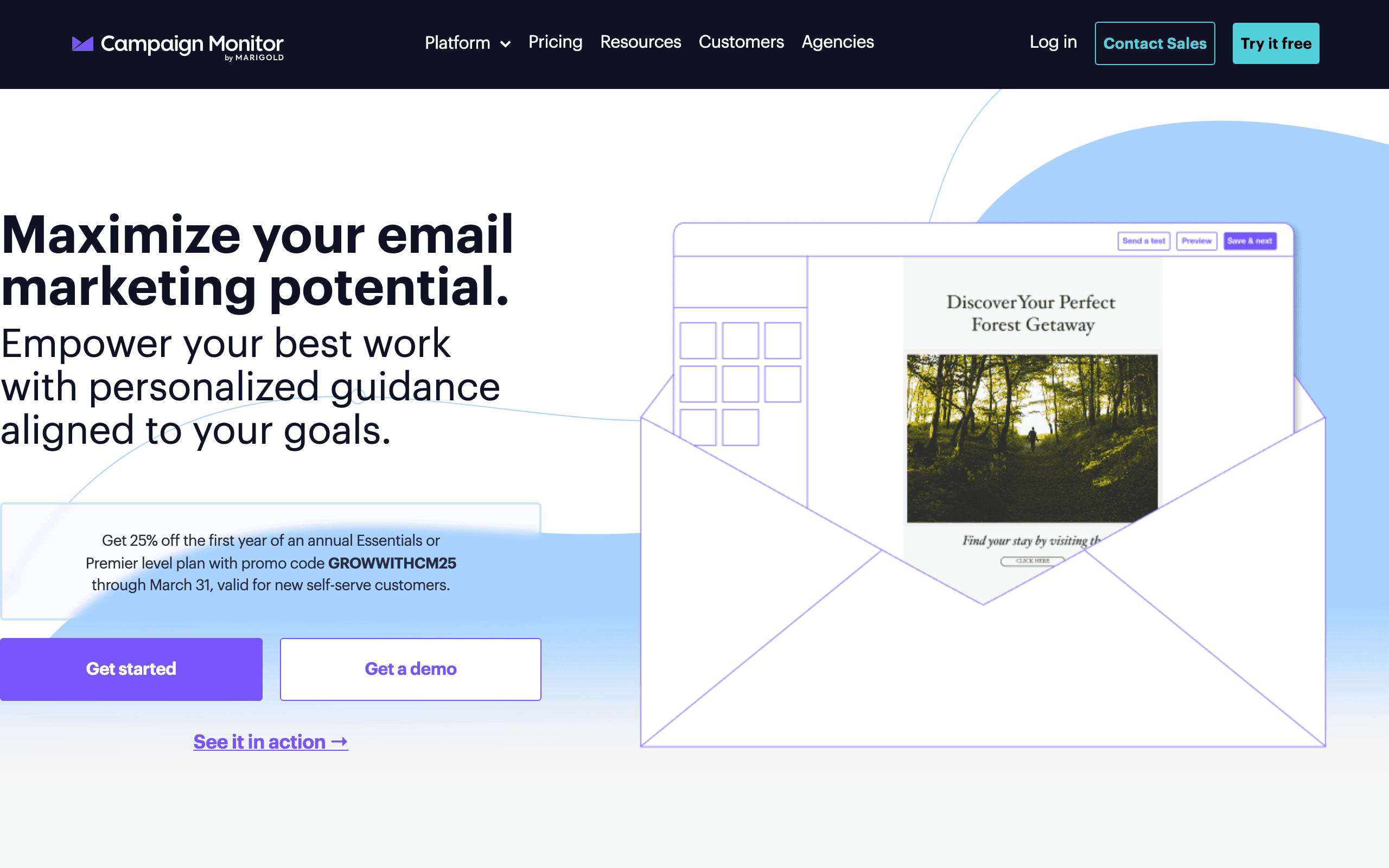
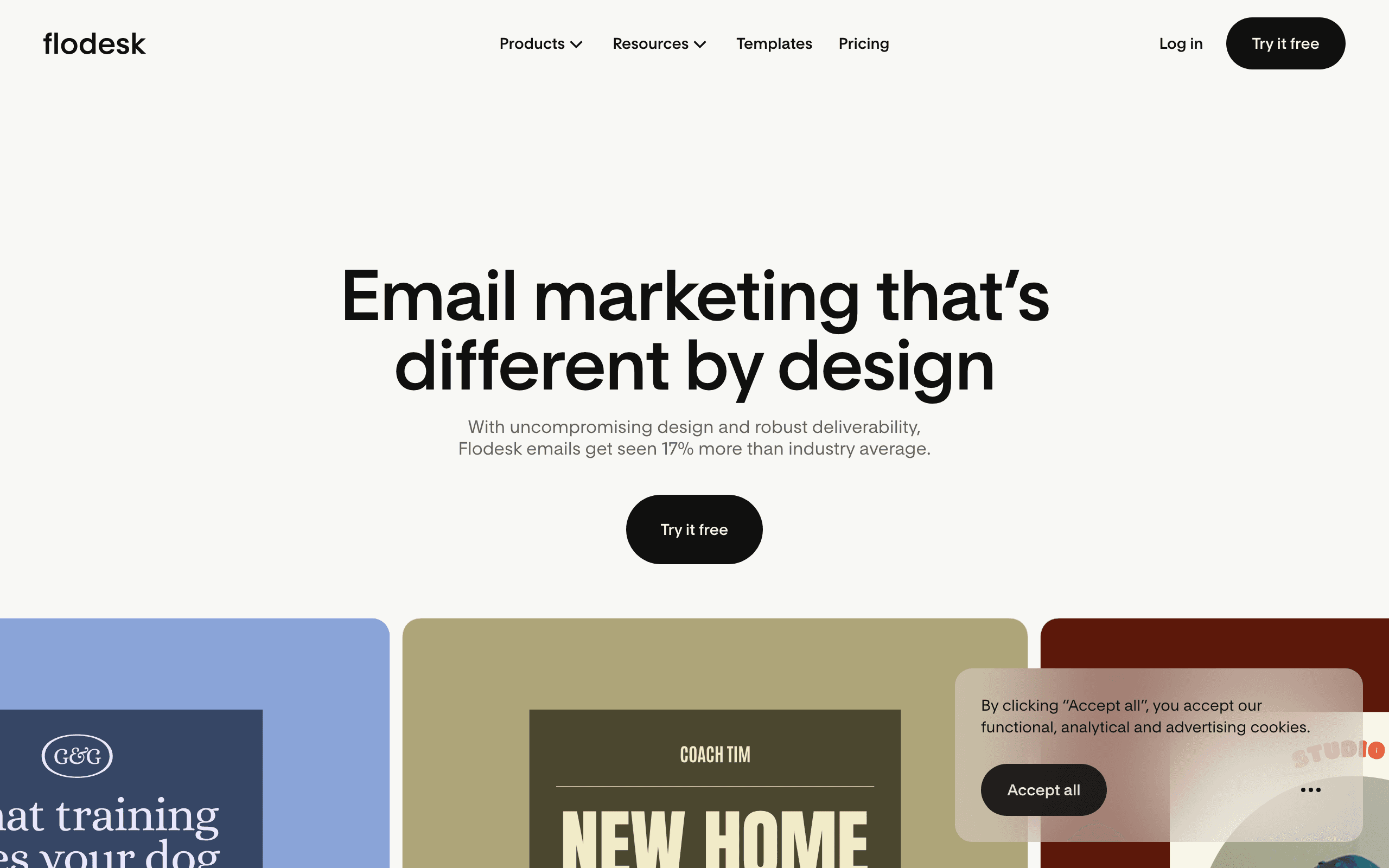
Campaign Monitor and Flodesk both emphasize email design but serve different markets. Campaign Monitor is for agencies with advanced features. Flodesk is for creators wanting beautiful emails at a flat monthly rate.
Design Philosophy
Campaign Monitor and Flodesk both care about visual design, but they aim at different buyers. Campaign Monitor is more appropriate when brand control, client workflow, testing, segmentation, and agency controls matter. Flodesk is more appropriate when a creator or small business wants attractive emails without a complex marketing operations setup.
Pricing reality
Do not compare Campaign Monitor and Flodesk from a single monthly number. Campaign Monitor is usually justified by design quality, brand control, client management, and advanced campaign controls. Flodesk is usually justified by visual simplicity, creator workflows, checkout or landing page needs, and lower operational complexity.
| Cost area | Campaign Monitor question | Flodesk question |
|---|---|---|
| Billing driver | What changes as subscribers, send volume, client accounts, and agency features grow? | What changes as subscribers, send volume, checkout features, landing pages, and automation needs grow? |
| Required workflow | Do you need branded templates, approval workflows, white labeling, A/B tests, and client management? | Do you need beautiful templates, simple landing pages, checkout flows, and creator-friendly sending? |
| Tool overlap | Will Campaign Monitor need separate checkout or landing page tools? | Will Flodesk need separate testing, analytics, API, or segmentation tools? |
| Team ownership | Will an agency or brand team own most email work? | Will a creator, founder, or small business owner run the workflow? |
Use-case matchups
| Use case | Better fit | Why |
|---|---|---|
| Agency-managed branded email | Campaign Monitor | Campaign Monitor has client management, white labeling, A/B testing, API access, and stronger campaign controls. |
| Creator or small-business design workflow | Flodesk | Flodesk keeps the workflow simpler and focuses on attractive templates, landing pages, and creator-friendly sending. |
| Advanced segmentation and optimization | Campaign Monitor | Campaign Monitor is the better fit when testing, reporting, and segmentation actually affect decisions. |
| Beautiful newsletters without marketing-ops overhead | Flodesk | Flodesk is stronger when simplicity and visual polish matter more than feature depth. |
| SaaS billing lifecycle email | Sequenzy | Sequenzy is a better match when Stripe events and transactional email matter more than design tooling. |
Best Fit by Design Workflow
Best email marketing tool for agency-controlled brand email
Campaign Monitor is the better fit when design work must support clients, approvals, white labeling, brand controls, A/B testing, and stronger segmentation. It suits teams that need governance around premium campaign production.
Best email marketing tool for creator visual newsletters
Flodesk is the better fit when a creator or small business wants beautiful newsletters, landing pages, checkout flows, and a simpler design-first workflow. It keeps the system lighter when agency controls would be unnecessary overhead.
Best email marketing tool for SaaS billing lifecycle email
Sequenzy is the better fit when messages depend on Stripe, transactional email, onboarding, retention, and product events. Design-first newsletter platforms do not replace subscription-aware lifecycle automation.
Review signals
| Platform | Review signal used here | What it suggests | What to validate |
|---|---|---|---|
| Campaign Monitor | G2 and Capterra reviews in this comparison | Teams value Campaign Monitor for design quality plus advanced features, while questioning the cost for small businesses. | Validate segmentation, A/B testing, API needs, agency workflow, and actual send-volume pricing. |
| Flodesk | G2 and Trustpilot reviews in this comparison | Teams value Flodesk for visual quality and simpler pricing, while noting weak advanced features. | Validate automation depth, API needs, analytics, segmentation, and whether beautiful templates are enough. |
Migration checklist
| Step | What to check |
|---|---|
| Contacts and consent | Export subscribers, segments, custom fields, unsubscribes, bounces, and consent records. |
| Templates and brand assets | Move templates, images, saved sections, fonts, brand colors, and approval workflows. |
| Commerce and pages | If moving to Flodesk, map checkout forms, landing pages, product delivery, and payment flows. |
| Automations | Rebuild welcome sequences, tags, segments, suppression rules, and personalization manually. |
| Sender setup | Reverify domains, DKIM, SPF, DMARC, unsubscribe behavior, and link tracking. |
Decision checklist
- Is this an agency/brand workflow or a creator-led newsletter workflow?
- Are A/B testing, segmentation, analytics, and API access used often enough to justify Campaign Monitor?
- Does Flodesk's simpler feature set cover the actual sending workflow without extra tools?
- Which pricing model is better after modeling real subscribers, send volume, landing pages, checkout, and support?
- If this is for SaaS, should billing-triggered lifecycle email replace both design-first tools?
Both platforms prioritize design. Campaign Monitor offers professional, flexible templates for agency work. Flodesk offers stunning, trendy templates for creators. Both produce beautiful emails.
Pricing Model Notes
Flodesk and Campaign Monitor use different pricing assumptions, so check current plan pages before deciding. Model subscriber count, send volume, landing pages, checkout needs, automation, client management, API needs, support, and any feature gates.
Feature Depth
Campaign Monitor has better automation, segmentation, A/B testing, and analytics. Flodesk intentionally keeps things simple. For advanced needs, Campaign Monitor wins.
Agency Features
Campaign Monitor has client management, white labeling, and reseller options. Flodesk has no agency features. For agencies, Campaign Monitor is the only choice.
For SaaS Companies
Neither is ideal for SaaS. Both lack Stripe integration. Sequenzy offers Stripe integration for subscription businesses.
Making the Choice
Choose Campaign Monitor for agency work and advanced features. Choose Flodesk for flat-rate simplicity and beautiful design. Your use case and list size guide the decision.
Pricing Model Trade-off
Flodesk's pricing model is often attractive to creators because it is easier to reason about than many contact-tiered platforms. Campaign Monitor's model is easier to justify when the team actually uses design controls, A/B testing, segmentation, API access, and agency tools.
The question is whether you actually use the features that create the price difference. If you only need attractive newsletters, Flodesk may be enough. If you manage brand standards, client accounts, testing, and reporting, Campaign Monitor's added complexity may be useful.
Two Design Schools
Campaign Monitor and Flodesk both produce beautiful emails, but their design philosophies differ subtly. Campaign Monitor's templates are professionally restrained - clean layouts, consistent spacing, brand-appropriate color usage. They look like they were designed by a marketing agency. Flodesk's templates are visually bold - trendy typography, creative layouts, Instagram-inspired aesthetics. They look like they were designed by a social media creative.
The design difference reflects audience expectations. Campaign Monitor's corporate aesthetic fits B2B marketing, professional services, and agency client work. Flodesk's creative aesthetic fits lifestyle brands, content creators, coaches, and visually-driven businesses. Neither is objectively better, but they appeal to different brand identities.
For businesses choosing between them, the question is not which has better design but which design style matches your brand. A law firm would look out of place with Flodesk's trendy templates. A yoga studio would look sterile with Campaign Monitor's corporate layouts.
The Feature Depth Trade-off
Campaign Monitor includes A/B testing, advanced segmentation, detailed analytics, API access, and agency management tools. Flodesk intentionally omits all of these to maintain simplicity. This is not a gap Flodesk plans to close - it is a deliberate product strategy based on the belief that most email senders do not need or use advanced marketing features.
Flodesk's bet is that the majority of email marketing users send newsletters, announce products, and share content. They do not build complex automation workflows, run multivariate tests, or connect email data to external systems via API. For this majority, Campaign Monitor's advanced features represent complexity without value - buttons they never click, menus they never open.
For SaaS companies, neither platform's feature set addresses the core need of subscription lifecycle automation. Campaign Monitor's A/B testing and Flodesk's beautiful templates are both irrelevant if the platform cannot trigger emails based on billing events. Sequenzy addresses this with native Stripe integration and AI-powered sequences built for subscription businesses.









