
21 Best GDPR-Compliant Email Marketing Tools (2026)

Which email delivery services have GDPR features and EU processing options?
If EU data residency is the deciding factor, the shortlist is Brevo, MailerLite, Mailjet and Dotdigital - all EU-headquartered or offering an EU processing region by default. Mailchimp, ActiveCampaign, Klaviyo, Customer.io and Sequenzy process in the US and rely on Standard Contractual Clauses plus a signed DPA, which is lawful but adds a transfer-risk assessment to your paperwork. Every tool below offers a DPA, consent logging, export and full erasure.
Prices verified September 2026 against each vendor's public pricing page.
If you have subscribers in the EU (and you probably do), GDPR compliance isn't optional. The regulation requires explicit consent for marketing email, the ability to delete subscriber data on request, data processing agreements with every tool that handles personal data, and documented lawful basis for processing.
Most email tools claim GDPR compliance on their website. But the depth varies. Some provide data processing agreements, consent tracking, and EU data hosting. Others just added a checkbox to their signup forms and called it done.
Here's what actually matters and which tools handle it properly.
What GDPR Compliance Requires From Your Email Tool
- Data Processing Agreement (DPA): A signed contract between you and the email platform specifying how they process personal data on your behalf. Without this, you're technically in violation regardless of how well the tool handles data.
- Consent management: The ability to record when and how consent was given for each subscriber. This isn't just a checkbox on a form. It's a time-stamped record showing the exact language the subscriber agreed to, the source of the signup, and the IP address.
- Right to erasure: Delete all subscriber data permanently when requested. This means more than just unsubscribing someone. It means wiping their email address, engagement history, custom attributes, and any other personal data from the system entirely.
- Data portability: Export all subscriber data in a standard format. Subscribers have the right to take their data and move it elsewhere. Your email tool needs to support structured exports.
- Breach notification: The platform notifies you promptly if there's a data breach. Under GDPR, you have 72 hours to notify your supervisory authority after becoming aware of a breach. If your email tool delays telling you, you can't meet that timeline.
- Data minimization: Only collect and store data that's necessary. Your email tool shouldn't encourage you to hoard data you don't need.
- EU data transfer protections: If data leaves the EU, adequate safeguards must be in place (Standard Contractual Clauses, adequacy decisions, etc.)
Why This Matters More Than You Think
GDPR fines are real and growing. The running total of publicly reported GDPR penalties passed 5.8 billion euros by early 2026 according to the CMS Enforcement Tracker, and the enforcement curve has been upward every year since 2018. And these aren't just for big tech companies. Small and mid-size businesses have been fined for sending marketing emails without proper consent, failing to honor deletion requests, and not having DPAs in place with their processors.
If you're a SaaS company choosing an email platform, GDPR compliance should be a non-negotiable requirement in your evaluation criteria, not an afterthought.
Best GDPR-Compliant Email Tool by Use Case
Best GDPR-compliant email tool for SaaS lifecycle marketing: Sequenzy
Sequenzy is the best fit when GDPR controls need to support SaaS-specific lifecycle email: consent-aware subscribers, deletion/export requests, product-event segmentation, Stripe-triggered workflows, and lifecycle automations. Pair it with smart segments, Stripe email automation, and the subscriber segmentation guide.
Best GDPR-compliant email tool for EU-first teams: Brevo or MailerLite
Brevo and MailerLite are the safer default when EU data residency, EU-headquartered vendors, and simple consent tooling are the deciding factors. Brevo is stronger for transactional plus marketing on a budget; MailerLite is cleaner for newsletters and simple automations. See the Brevo comparison if budget and EU operations matter most.
Best GDPR-compliant email tool for CRM-heavy teams: HubSpot or ActiveCampaign
HubSpot and ActiveCampaign fit teams where GDPR requests need to span sales, CRM records, lead scoring, forms, and marketing automation. They are heavier than pure email platforms, but they make more sense when consent and deletion affect the whole customer record. Compare the HubSpot comparison and ActiveCampaign comparison.
Best GDPR-compliant email tool for technical product teams: Customer.io
Customer.io is the better fit when consent, deletion, suppression, and lifecycle messaging are driven by product events and APIs. It requires more implementation discipline, but it gives technical teams deeper control. The Customer.io comparison is the right next page for API-driven GDPR workflows.
Best GDPR-compliant email tool for ecommerce stores: Klaviyo
Klaviyo is strongest when GDPR compliance needs to cover purchase history, Shopify profiles, product events, SMS consent, and email preferences. The Klaviyo comparison and ecommerce email platforms guide are better fits for store-specific compliance decisions.
Quick Comparison
| Tool | Best For | Starting Price | Free Tier | GDPR Features |
|---|---|---|---|---|
| Sequenzy | SaaS lifecycle email | $19/mo | Yes (2.5k emails/mo) | DPA, deletion, consent tracking, SMS + landing page consent |
| Brevo | EU-based, GDPR by design | $9/mo | Yes (300/day) | EU storage, auto DPA, consent logs |
| MailerLite | Non-technical GDPR | $12/mo | Yes (250 subs) | EU storage, DPA, consent forms |
| Mailchimp | Broad ecosystem | $13/mo | Yes (500 contacts) | GDPR forms, type-level consent |
| ActiveCampaign | Full automation suite | $15/mo | No | Consent renewal, preference center |
| Kit (formerly ConvertKit) | Creators and newsletters | $39/mo | Yes (10k subs) | Per-form consent, DPA |
| Customer.io | Technical/API GDPR | $100/mo | No | API-driven, custom workflows |
| GetResponse | Funnels + GDPR | $19/mo | Yes (500 contacts) | DPA, consent forms, double opt-in |
| Klaviyo | E-commerce GDPR | $20/mo | Yes (250 contacts) | GDPR consent, data deletion |
| Omnisend | E-commerce EU | $16/mo | Yes (250 contacts) | DPA, GDPR forms, data export |
| Moosend | Budget GDPR | $9/mo | 30-day trial | DPA, consent tracking, data deletion |
| Campaign Monitor | Brand-focused | $13/mo | No | DPA, consent management |
| AWeber | Small business GDPR | $15/mo | Yes (500 subs) | GDPR forms, DPA, data export |
| Dotdigital | Enterprise GDPR | Custom | No | Advanced consent, EU storage option |
| Ortto | Behavior-based GDPR | $29/mo | No | DPA, consent sync, deletion |
| Act-On | B2B marketing GDPR | Custom | No | Enterprise DPA, consent workflows |
| Zoho Campaigns | Affordable GDPR | $4/mo | Yes (6k emails/mo) | DPA, consent forms, data export |
| HubSpot | CRM + GDPR | $20/mo | Yes (2k sends/mo) | GDPR consent, data management |
| Benchmark | Simple GDPR | $13/mo | Yes (500 contacts) | DPA, GDPR forms |
| Drip | E-commerce GDPR | $39/mo | 14-day trial | DPA, consent tracking |
| Sender | Budget-friendly | $15/mo | Yes (2.5k subs) | DPA, GDPR forms, data deletion |
EU data processing and residency, tool by tool
The GDPR question buyers actually ask is not "are you compliant" - every vendor says yes - but "where is my subscriber data processed, and can I pick an EU region?". Here is the honest split.
| Tool | Primary processing region | EU region option | Transfer mechanism |
|---|---|---|---|
| Brevo | EU (France) | Default | Intra-EU, no transfer needed |
| MailerLite | EU (Lithuania/Germany) | Default | Intra-EU, no transfer needed |
| Mailjet | EU (France) | Default | Intra-EU, no transfer needed |
| Dotdigital | UK/EU | Yes, on request | UK adequacy / intra-EU |
| Zoho Campaigns | Choose at signup (EU data centre available) | Yes | Intra-EU when EU DC selected |
| Sequenzy | US | No | DPA + Standard Contractual Clauses |
| Mailchimp | US | No | DPA + SCCs, EU-US Data Privacy Framework |
| ActiveCampaign | US | No | DPA + SCCs |
| Klaviyo | US | No | DPA + SCCs |
| Customer.io | US, with an EU region on higher plans | Yes (paid) | Intra-EU when EU region selected |
| HubSpot | US, EU region available | Yes | Intra-EU when EU hosting selected |
| GetResponse | EU (Poland) | Default | Intra-EU, no transfer needed |
If your data protection officer has ruled out US processing entirely, the practical shortlist is Brevo, MailerLite, Mailjet, GetResponse or an EU-region Customer.io/HubSpot deployment. Everyone else needs a transfer impact assessment on file alongside the DPA.
What about CPaaS vendors with GDPR tooling?
CPaaS platforms (Twilio, Vonage, Sinch, MessageBird/Bird, Infobip) sit one layer below the tools on this page: they give you email, SMS and voice APIs plus consent and data-residency controls, but no campaign UI, no preference centre and no subscriber database. Twilio, Sinch and Infobip all offer EU data residency and signed DPAs. Choose a CPaaS when you are building the marketing layer yourself and need one compliance posture across channels; choose a platform from this list when you want consent capture, preference management and erasure workflows out of the box.
GDPR for SMS and landing pages
Two surfaces get missed in most GDPR audits because they sit outside the email tool people think they bought.
SMS consent is separate consent. Under GDPR (and under US TCPA rules in parallel), permission to email someone is not permission to text them. You need a distinct opt-in, a record of it, and a working opt-out. Sequenzy's SMS add-on keeps SMS consent on its own field, handles STOP/START/HELP keywords automatically, and enforces quiet hours so you are not messaging someone at 3am in their timezone. Brevo, Klaviyo, Omnisend and ActiveCampaign handle SMS consent separately too; Mailchimp and Kit do not offer SMS at all.
Landing pages are a consent capture surface. If you collect email addresses on a hosted page, that page needs the same unchecked-by-default checkbox, the same specific consent language and the same timestamped record as an embedded form. Sequenzy's hosted landing pages (one included on the free plan, unlimited on paid) and forms write the same consent metadata as any other source, so erasure and export cover them automatically. MailerLite, GetResponse, Mailchimp and Kit also capture consent on their landing pages; check the metadata your builder actually stores, not just that the checkbox renders.
How we evaluated these tools
Each tool was scored on the seven requirements listed above: DPA availability without negotiation, consent metadata depth (timestamp, source, IP, exact consent language), completeness of erasure, export format, breach-notification commitments in the DPA, data-minimisation defaults, and processing region. Prices were checked at the entry tier against each vendor's published pricing page in September 2026. Sequenzy is our own product; its entry lists the same limitations we would list for a competitor, including US-only processing.
The 21 Best Options
1. Sequenzy
Best for: SaaS companies needing GDPR compliance with lifecycle email
Sequenzy provides GDPR compliance features including a data processing agreement, subscriber data deletion, data export capabilities, and consent tracking. For SaaS companies with EU customers, the platform handles personal data in compliance with GDPR requirements.
The subscriber management includes tools for handling right-to-erasure requests and data portability. When a subscriber requests deletion, their data is permanently removed from the system including email history and event data. There's no "soft delete" where records linger in backup tables. The deletion is thorough, covering subscriber profiles, engagement metrics, custom attributes, and event logs.
For teams that also need Stripe integration, Sequenzy handles payment data syncing with the same privacy controls. Subscription attributes from Stripe are stored with the same encryption and access protections as other subscriber data, and they're included in deletion requests.
The platform also supports subscriber segmentation based on consent status, so you can ensure you're only sending marketing email to subscribers who have actively opted in.
Consent capture extends past the embedded form. Hosted landing pages with custom domains and forms both write the same timestamped consent record, and the SMS add-on keeps text-message consent on a separate field with automatic STOP/START/HELP handling and quiet hours. Campaign A/B testing runs against consented segments only, so a test variant cannot leak to a subscriber who opted out.
GDPR features: DPA available, data deletion, data export, consent management, encrypted storage, separate SMS consent with STOP/START/HELP, landing-page and form consent metadata Pricing: Free up to 2,500 emails/month, then from $19/month (unlimited subscribers on every plan) Pros: SaaS-focused compliance, thorough subscriber data deletion, data export, DPA, consent tracking tied to subscriber profiles, separate SMS consent, A/B testing on consented segments Cons: Newer platform, US processing only with no EU region (DPA plus Standard Contractual Clauses required), no built-in consent-renewal campaign
2. Brevo (formerly Sendinblue)
Best for: EU-headquartered, GDPR by design
Brevo is headquartered in Paris, France. GDPR compliance is built into the platform from the ground up, not retrofitted. EU data storage is default. The DPA is included automatically with every account. Consent tracking is native to the contact management system.
Brevo's GDPR features include: consent logs showing when and how each contact consented, built-in double opt-in support, one-click data deletion for right-to-erasure requests, and data export for portability. Being EU-based means data sovereignty is straightforward. Your subscriber data doesn't cross borders unless you explicitly choose to make that happen.
The consent logging is particularly strong. Each contact record shows the date and time of consent, the form or source used, the IP address, and the specific consent language that was displayed. If a regulator asks you to prove consent for a specific subscriber, you can pull it up instantly.
Brevo also offers GDPR-compliant forms out of the box. The form builder includes consent checkboxes with pre-written GDPR language (customizable), and the double opt-in flow is well-designed with branded confirmation emails.
GDPR features: EU data storage (default), automatic DPA, consent logging, double opt-in, data deletion, EU-headquartered Pricing: Free for 300 emails/day, from $9/month Pros: EU-based, GDPR by design, detailed consent logs, affordable, strong data controls, no data transfer concerns Cons: Less polished than US-based competitors, basic automation on lower tiers, analytics less detailed than some alternatives
3. MailerLite
Best for: Strong GDPR compliance with accessible pricing
MailerLite (headquartered in Lithuania, EU) takes GDPR seriously. The platform includes consent tracking, double opt-in, GDPR-compliant signup forms, and a DPA included with every account. Data is stored in the EU by default.
The signup form builder includes GDPR-specific features: consent checkboxes with customizable text, separate consent for different purposes (marketing vs. product updates), and automatic consent recording. For small businesses that want GDPR compliance without manual work, MailerLite handles most requirements automatically.
What sets MailerLite apart is how accessible it makes GDPR compliance for non-technical users. You don't need to understand the regulation deeply to be compliant. The platform guides you through setting up consent-aware forms, configuring double opt-in, and managing subscriber preferences. The GDPR documentation is clear and practical, aimed at small business owners rather than compliance officers.
The subscriber management interface clearly shows consent status for each contact, making it easy to audit your list and ensure you're only emailing people who have actively opted in. Bulk operations respect consent boundaries, so you can't accidentally add non-consented contacts to a marketing campaign.
GDPR features: EU data storage (default), DPA included, consent forms with granular permissions, double opt-in, data deletion, EU-headquartered, GDPR form builder Pricing: From $10/month Pros: EU-based, GDPR forms built in, consent tracking, affordable, data export, beginner-friendly compliance Cons: Smaller feature set than some competitors, basic automation, limited for complex SaaS use cases
4. Mailchimp
Best for: GDPR compliance tools with the broadest integration ecosystem
Mailchimp includes GDPR-specific features: GDPR-enabled signup forms that track consent for different marketing types, a data processing addendum, and tools for handling data deletion requests. The GDPR fields in signup forms let you track consent separately for email, direct mail, and customized online advertising.
Mailchimp's GDPR tools are well-documented and widely used. The consent tracking integrates with the broader Mailchimp ecosystem (landing pages, forms, integrations), making it practical to maintain GDPR compliance across multiple touchpoints. When you enable GDPR fields on a signup form, each subscriber's consent is recorded at the field level, meaning you know exactly what each person agreed to.
The data deletion workflow is straightforward. Search for the subscriber, permanently delete their record, and the system confirms all associated data has been removed. For right-of-access requests, you can export an individual subscriber's data including their profile, engagement history, and consent records.
One consideration: Mailchimp is US-based, so EU subscriber data may be stored outside the EU. Mailchimp relies on Standard Contractual Clauses and other approved transfer mechanisms for data transfers. If you need guaranteed EU data residency, an EU-based provider like Brevo or MailerLite is more straightforward.
If you're evaluating Mailchimp alongside other tools, you may also want to consider how its Zapier integration extends its ecosystem for managing consent across multiple platforms.
GDPR features: GDPR signup forms, consent tracking by type, DPA, data deletion, data export, field-level consent records Pricing: Free up to 500 contacts, from $13/month Pros: Well-documented GDPR tools, consent tracking by type, broad ecosystem, many pre-built GDPR form templates Cons: US-based (data transfer considerations), pricing scales with contacts, GDPR features require manual enablement on forms
5. ActiveCampaign
Best for: GDPR compliance within a full marketing automation suite
ActiveCampaign includes a DPA, GDPR-compliant forms, consent tracking, and data processing controls. The platform stores consent records for each contact and supports double opt-in across all signup methods.
The automation features include GDPR-relevant capabilities: automatically suppress contacts who haven't given consent, trigger consent renewal campaigns, and manage preference centers that comply with the right to withdraw consent. This is where ActiveCampaign goes beyond static compliance and into active consent management.
Consent renewal is a feature worth highlighting. Under GDPR, consent must be freely given, specific, informed, and unambiguous. It also doesn't last forever. ActiveCampaign lets you build automations that periodically re-confirm consent with subscribers, ensuring your consent records stay current. If a subscriber doesn't re-confirm, you can automatically suppress them from marketing email.
The preference center is another strong point. Subscribers can choose exactly what types of communication they want to receive, update their preferences at any time, and withdraw consent for specific purposes without unsubscribing entirely. This granular control is exactly what GDPR envisions.
For teams that also use ActiveCampaign as a CRM, GDPR compliance extends to deal and contact records. Deletion requests can wipe all associated data across email, CRM, and automation history.
GDPR features: DPA, consent tracking, GDPR forms, preference center, consent renewal automations, CRM-wide data controls Pricing: From $29/month Pros: Full automation suite with GDPR, consent renewal automations, preference center, CRM integration Cons: US-based, GDPR features spread across multiple settings, some complexity in initial setup
6. ConvertKit (Kit)
Best for: GDPR compliance for creators and newsletter operators
ConvertKit includes GDPR features in its form builder: consent checkboxes, double opt-in, and text customization for consent language. The DPA is available for download. Subscriber data can be exported and deleted on request.
For creators who collect emails through content, ConvertKit's GDPR-compliant forms integrate naturally with landing pages and blog opt-ins. The consent is tracked per-form, so you know exactly where and when each subscriber consented. If you run multiple lead magnets or content offers, each one records consent independently.
The subscriber profile view shows consent status alongside engagement data. You can quickly see whether a subscriber has consented, when they consented, and through which form. For creators with large lists who need to audit consent records, this visibility is essential.
ConvertKit's approach to GDPR is pragmatic rather than exhaustive. It covers the essentials well: consent recording, double opt-in, data deletion, and data export. But it doesn't offer advanced features like consent renewal automations or granular preference centers. For most creators, the basics are sufficient. If you need more sophisticated consent management, a tool like ActiveCampaign offers more depth.
One limitation: ConvertKit is US-based, so the same EU data transfer considerations apply. The DPA includes Standard Contractual Clauses for cross-border data transfers.
GDPR features: GDPR forms, consent checkboxes, DPA, data deletion, data export, double opt-in, per-form consent tracking Pricing: Free up to 10,000 subscribers, from $29/month Pros: Creator-focused GDPR compliance, per-form consent tracking, generous free tier, simple and practical Cons: US-based, basic GDPR features (no consent renewal automation), limited preference center options
7. Customer.io
Best for: Technical teams building custom GDPR workflows
Customer.io's API supports GDPR compliance at a technical level. You can track consent attributes on customer profiles, build automations that respond to consent changes, and use the API to handle deletion requests programmatically. The DPA is available.
For technical teams that want to build GDPR compliance into their application logic (not just their email tool), Customer.io's API-first approach is flexible. Consent is just another customer attribute that can trigger or suppress automations. You can build sophisticated consent flows: track consent for different purposes, suppress messaging based on consent status, automatically expire consent after a defined period, and handle deletion requests through API calls integrated into your application.
The webhook support in Customer.io is particularly useful for GDPR. You can set up webhooks to notify your application when a subscriber updates their consent preferences, enabling you to keep consent records synchronized across your entire stack.
The trade-off is that nothing is pre-built. There's no GDPR form builder, no consent checkbox widget, and no one-click deletion button. You're building the compliance layer yourself using Customer.io's primitives. For teams with engineering resources, this produces a more integrated and comprehensive compliance system. For teams without developers, it's prohibitively complex.
GDPR features: DPA, API-driven consent management, programmable deletion, custom GDPR workflows, webhook-based consent sync Pricing: From $100/month Pros: Most flexible GDPR implementation, API-driven, custom workflows, deep integration with application logic Cons: Expensive, requires technical setup, no built-in GDPR forms, everything must be custom-built
8. GetResponse
Best for: GDPR compliance with funnel-building features
GetResponse includes a full GDPR compliance toolkit with DPA, GDPR-compliant forms, double opt-in, and consent tracking. The platform provides explicit consent checkbox configuration for forms and landing pages with customizable consent language.
The data management tools include bulk data deletion, individual subscriber data export, and an unsubscribe management system that respects both marketing unsubscribes and full erasure requests. The consent records are visible in each subscriber's profile alongside their engagement history.
For marketers building content funnels, GetResponse's compliance covers the entire funnel - landing pages, signup forms, and email campaigns all operate within the same GDPR framework. This consistency prevents compliance gaps between different touchpoints.
GDPR features: DPA, GDPR forms, consent tracking, double opt-in, data deletion, data export Pricing: Free up to 500 contacts, from $19/month Pros: Complete funnel GDPR coverage, consent tracking across channels, double opt-in, DPA Cons: US-based, some advanced features require higher tiers
9. Klaviyo
Best for: GDPR-compliant e-commerce email automation
Klaviyo includes GDPR compliance features relevant to e-commerce operators: DPA, consent management, data deletion, and data export. The platform helps e-commerce stores comply while running sophisticated behavioral marketing campaigns.
The subscriber profile management includes consent status tracking, and the segmentation system can filter by consent status to ensure marketing campaigns only reach subscribers who have explicitly opted in. For e-commerce stores with EU customers, this consent-aware segmentation is essential.
Data deletion through Klaviyo removes profile data, event history, and all associated analytics. The deletion propagates across their data infrastructure, not just the front-end interface.
GDPR features: DPA, consent management, data deletion, data export, consent-aware segmentation Pricing: Free up to 250 contacts, from $45/month Pros: E-commerce-specific GDPR, consent segmentation, thorough data deletion Cons: Expensive at scale, US-based
10. Omnisend
Best for: E-commerce stores in the EU
Omnisend provides GDPR compliance tools tailored for e-commerce marketers. The platform includes DPA, GDPR-compliant signup forms, double opt-in, and data management tools for handling subscriber requests.
The consent management integrates with Omnisend's e-commerce features, ensuring that behavioral triggers (cart abandonment, purchase follow-ups) only fire for subscribers who have provided valid consent. This prevents accidentally sending behavioral emails to contacts who consented only to newsletters or vice versa.
GDPR features: DPA, GDPR forms, double opt-in, data deletion, data export, consent-aware automation Pricing: Free up to 250 contacts, from $16/month Pros: E-commerce GDPR compliance, consent-aware behavioral triggers, EU market focus Cons: US-based, less depth on consent features than EU-headquartered tools
11. Moosend
Best for: Budget-conscious GDPR compliance
Moosend provides the essential GDPR requirements at accessible pricing: DPA, consent tracking, double opt-in, data deletion, and data export. The form builder includes GDPR consent checkboxes with customizable language.
The subscriber management interface shows consent status clearly, and bulk operations respect consent boundaries. For small to mid-size businesses that need solid GDPR compliance without enterprise pricing, Moosend delivers the core requirements.
GDPR features: DPA, consent tracking, double opt-in, data deletion, GDPR forms Pricing: 30-day trial, then from $9/month Pros: Affordable, solid GDPR basics, DPA, consent forms Cons: Less depth than larger platforms, US-based
12. Campaign Monitor
Best for: Brand-conscious teams needing GDPR with template lock-in
Campaign Monitor provides GDPR compliance tools including DPA, consent management, and data deletion. The platform's template lock-in feature - which lets you protect brand elements from being modified - also works for compliance purposes, preventing required legal text and consent language from being removed.
For agencies managing multiple clients' GDPR compliance, the workspace separation and template lock-in combination ensures each client's compliance requirements are maintained consistently.
GDPR features: DPA, consent management, data deletion, data export, compliance-aware template locking Pricing: From $11/month Pros: Template lock-in for compliance, multi-client GDPR management, solid DPA Cons: No free tier, US-based
13. AWeber
Best for: Small businesses with established email lists
AWeber includes GDPR compliance tools: DPA, GDPR-compliant signup forms, double opt-in, and data management. The platform's long history means their compliance documentation is thorough and regularly updated.
The subscriber management includes explicit consent tracking and data deletion capabilities. For small businesses running regular newsletters to EU subscribers, AWeber's GDPR tools cover the requirements without overwhelming complexity.
GDPR features: DPA, GDPR forms, double opt-in, data deletion, data export Pricing: Free up to 500 subscribers, from $20/month Pros: Thorough compliance documentation, GDPR forms, DPA, long track record Cons: US-based, dated interface, pricing less competitive at higher volumes
14. Dotdigital
Best for: Enterprise teams needing advanced GDPR features
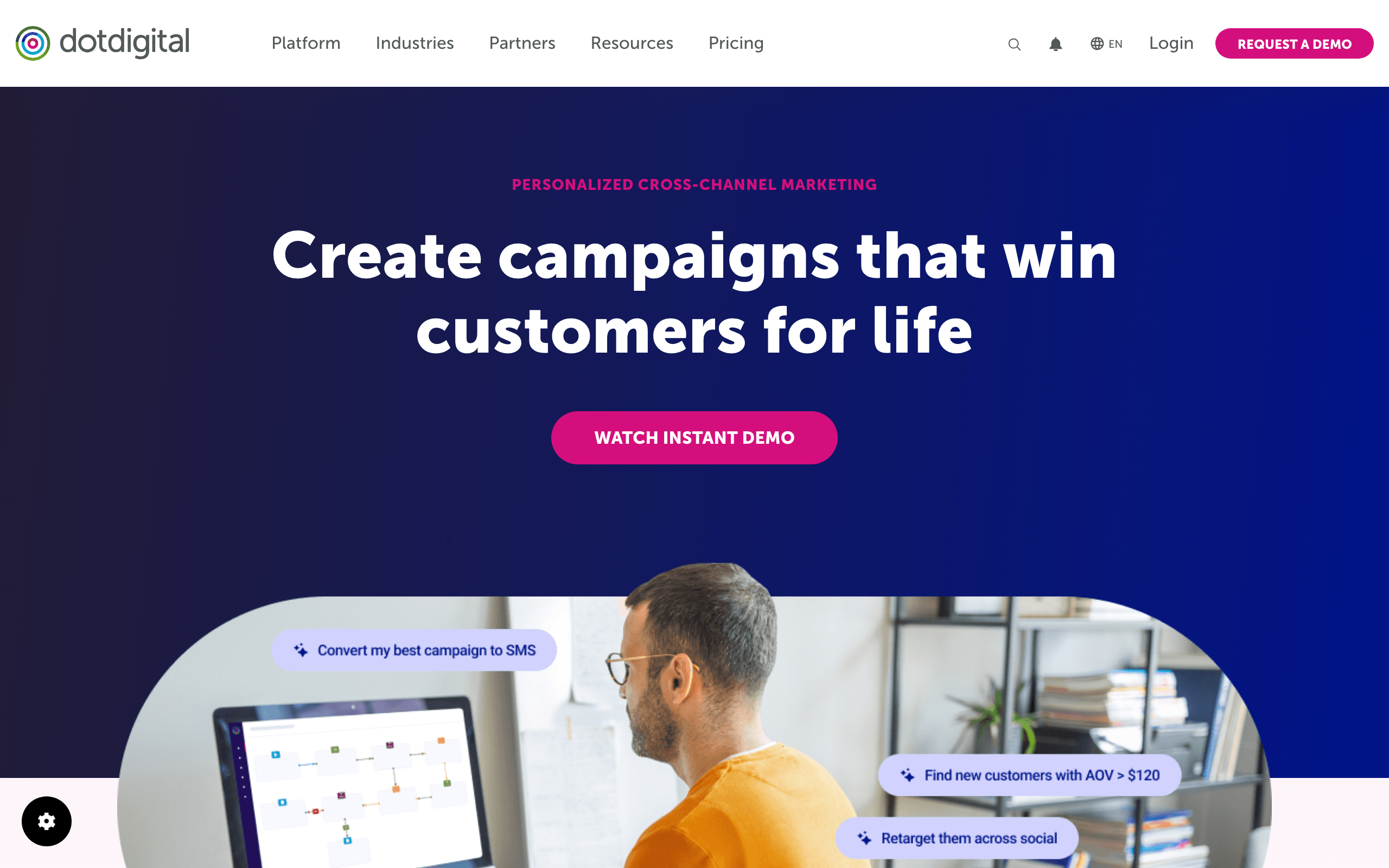
Dotdigital offers enterprise-grade GDPR compliance with advanced consent management, preference centers, and EU data storage options. The platform's compliance features go deeper than most: granular consent records, automated compliance workflows, and robust audit trails suitable for enterprise compliance reviews.
The preference center is particularly sophisticated, allowing subscribers to manage consent across multiple communication types, channels, and brands. For organizations with complex data processing activities, Dotdigital's detailed consent architecture provides the documentation trail needed for GDPR accountability.
GDPR features: EU data storage option, advanced consent management, preference center, DPA, audit trails, automated compliance workflows Pricing: Custom pricing Pros: Enterprise GDPR depth, EU storage option, advanced preference center, audit trails Cons: Enterprise pricing, complex setup, may be overkill for smaller teams
15. Ortto
Best for: Behavior-based email with GDPR compliance
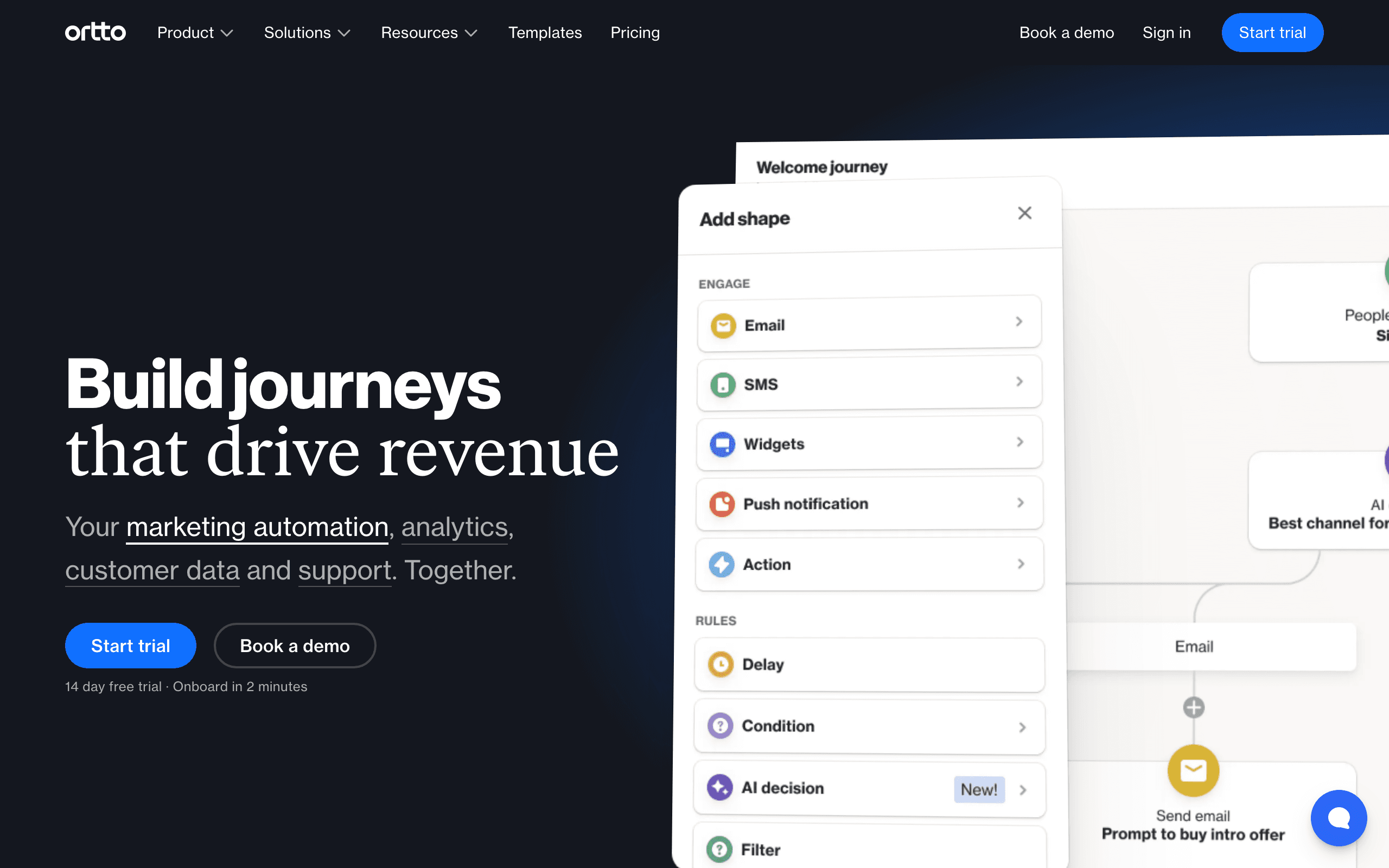
Ortto (formerly Autopilot) provides GDPR compliance features integrated with its behavioral automation capabilities. The platform includes DPA, consent tracking, data deletion, and data export, with consent status available as a filter in automation workflows.
For teams running complex behavioral email journeys, Ortto's approach ensures consent is checked at each step of the automation, preventing non-consented contacts from progressing through sequences they shouldn't receive.
GDPR features: DPA, consent tracking, data deletion, data export, consent-aware automation Pricing: From $29/month Pros: Behavioral automation with GDPR awareness, consent-aware journeys, DPA Cons: US-based, compliance features less prominent than dedicated tools
16. Act-On
Best for: B2B marketing automation with GDPR
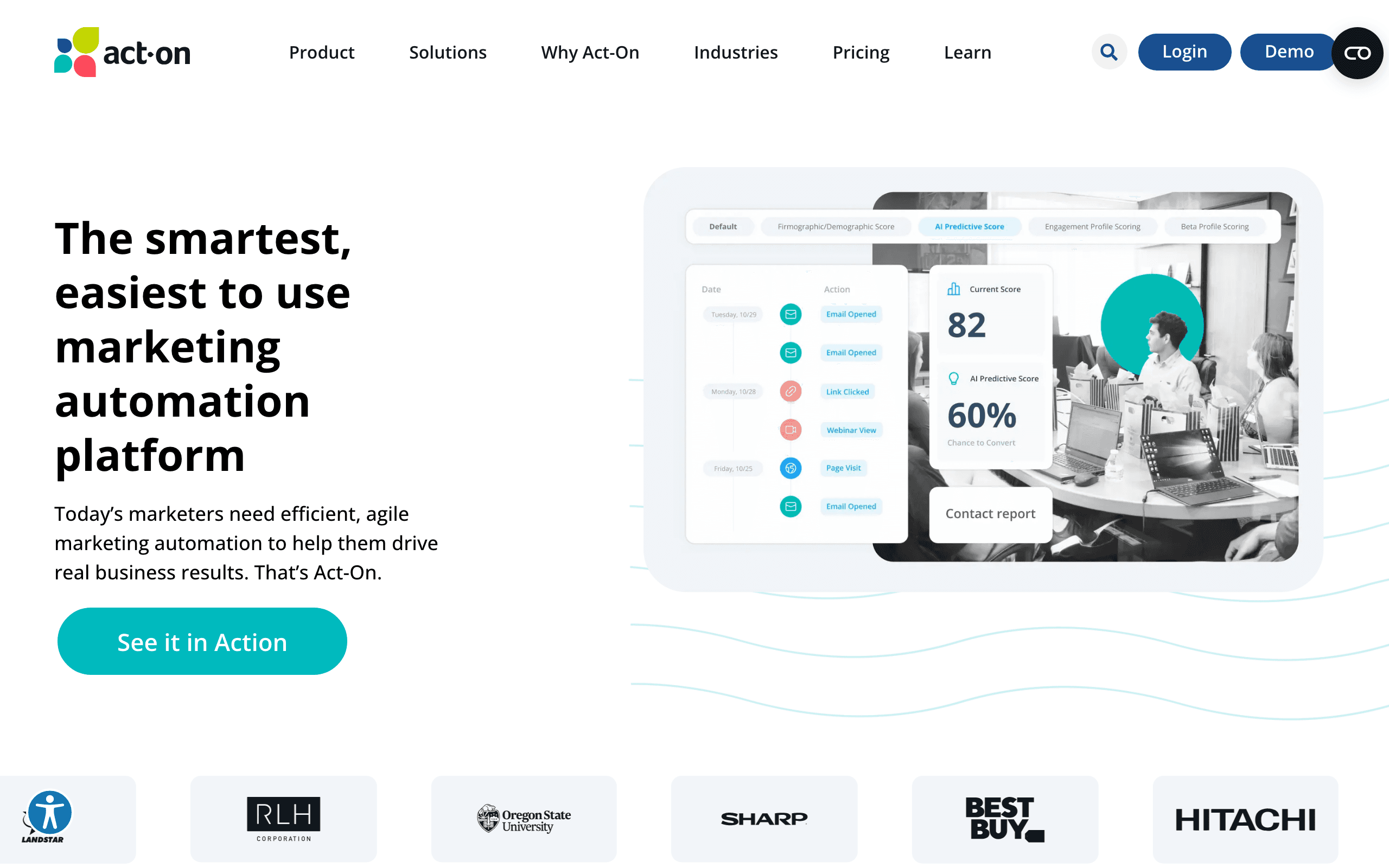
Act-On provides enterprise-level GDPR compliance for B2B marketers. The platform includes comprehensive DPA, consent management, data deletion, and the ability to build GDPR-compliant lead capture workflows integrated with CRM systems.
For B2B organizations with complex data flows across marketing, sales, and CRM, Act-On's compliance architecture covers all touchpoints. The integration with Salesforce and other CRMs means deletion requests propagate across the entire data ecosystem.
GDPR features: Enterprise DPA, consent management, deletion workflows, CRM-integrated compliance Pricing: Custom pricing Pros: Enterprise B2B GDPR, CRM integration, comprehensive DPA Cons: Enterprise pricing, complex implementation
17. Zoho Campaigns
Best for: Budget-conscious GDPR compliance within Zoho ecosystem
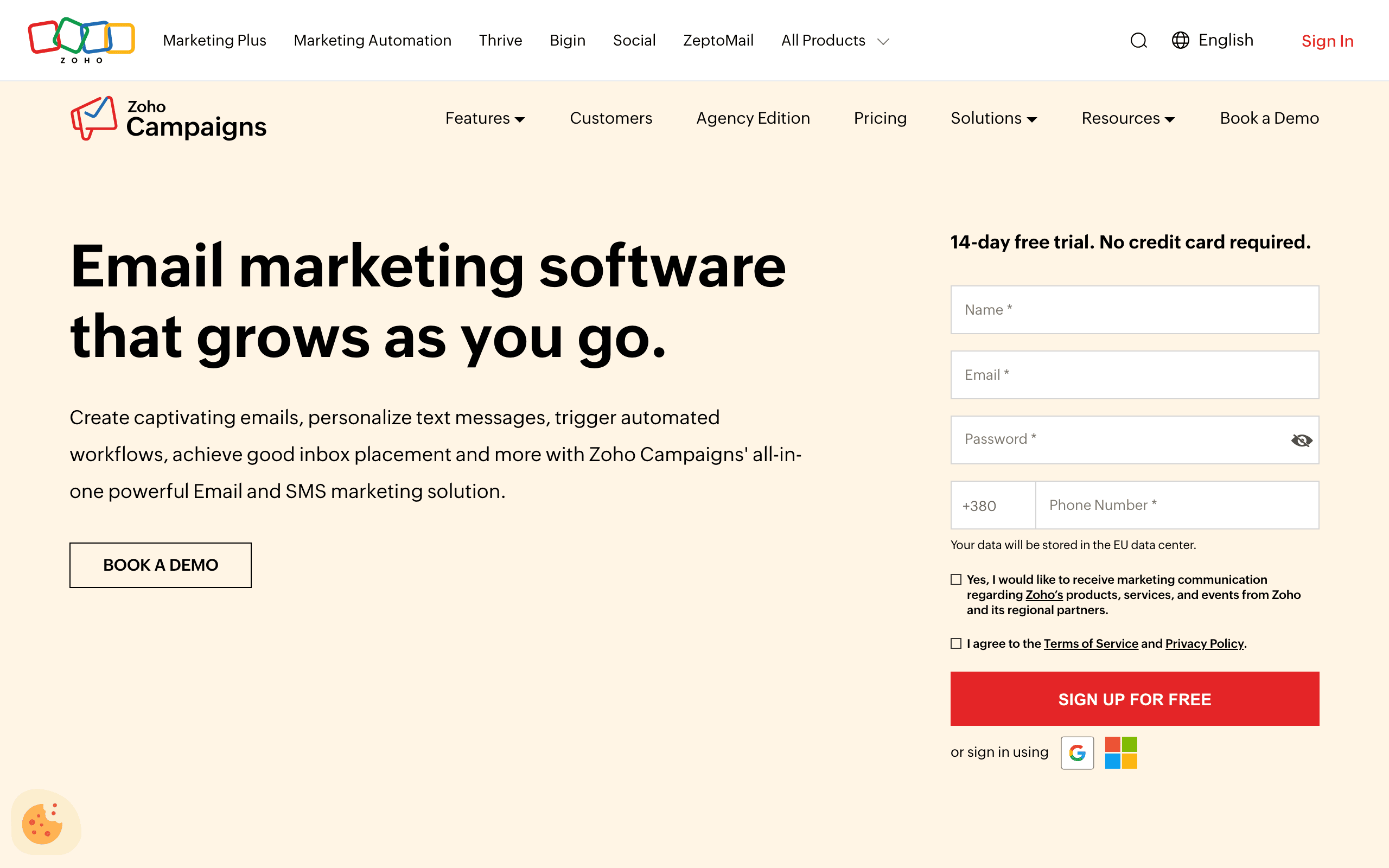
Zoho Campaigns provides GDPR compliance tools at very accessible pricing. The platform includes DPA, consent forms, double opt-in, data deletion, and data export. Being part of the Zoho ecosystem, GDPR compliance extends across Zoho CRM, Zoho Forms, and other connected tools.
For businesses using Zoho's broader product suite, the integrated GDPR compliance across the ecosystem simplifies compliance management compared to coordinating multiple separate tools.
GDPR features: DPA, consent forms, double opt-in, data deletion, data export, Zoho ecosystem GDPR Pricing: Free up to 6,000 emails/month, from $3/month Pros: Very affordable, ecosystem GDPR coverage, DPA, consent forms Cons: Less polished, limited outside Zoho ecosystem
18. HubSpot
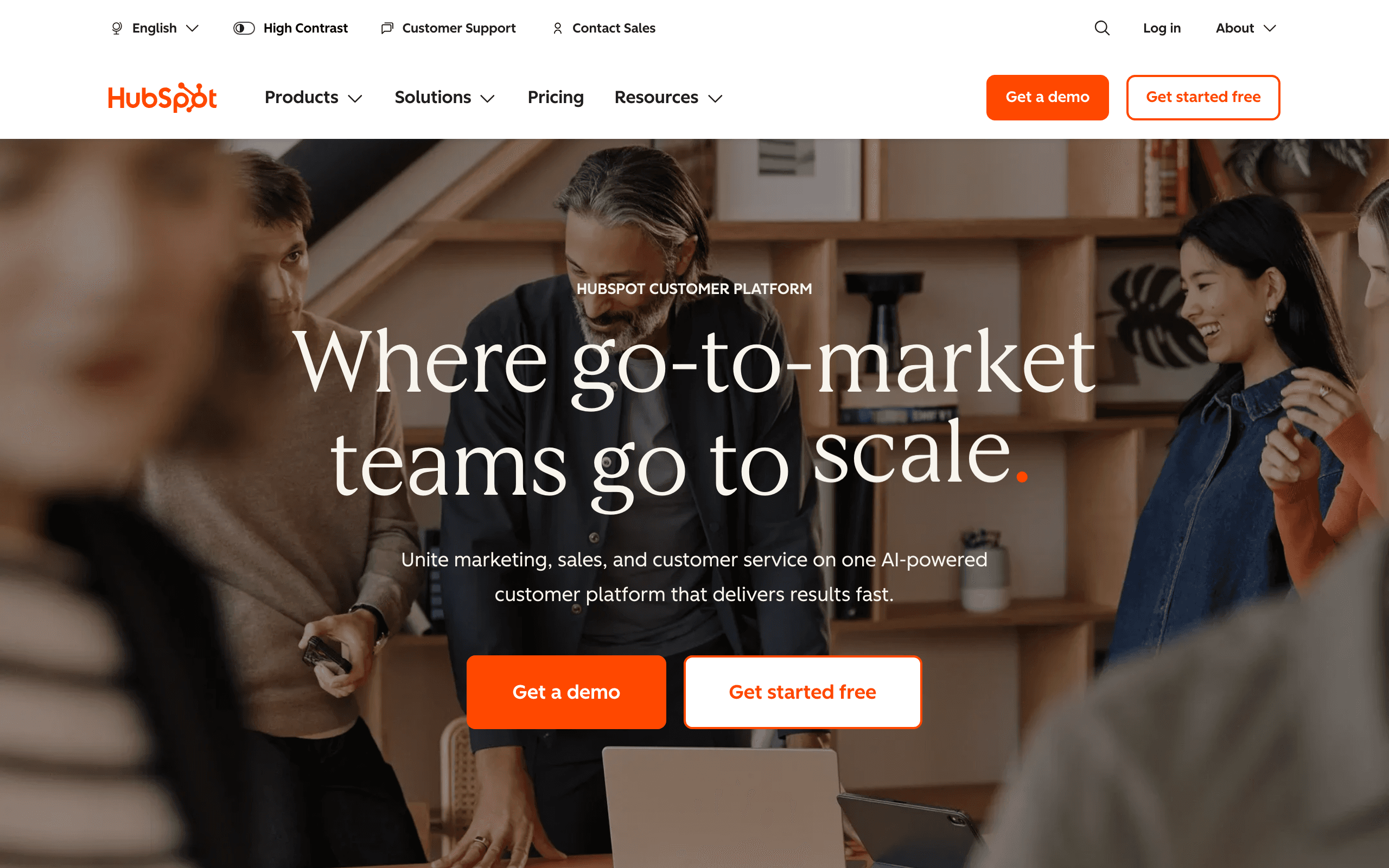
Best for: Marketing teams in the HubSpot ecosystem
HubSpot's GDPR compliance tools are thorough and well-integrated across the platform. Contact records include consent status, the form builder has GDPR consent fields, and the CRM tracks consent alongside all other contact data.
The subscription preferences center allows contacts to manage their communication preferences, and HubSpot's data management tools support both right-of-access requests and deletion requests. The compliance features work consistently across email, landing pages, and forms built in HubSpot.
GDPR features: DPA, consent management, preference center, data deletion, data export, CRM-integrated compliance Pricing: Free tier, from $20/month (Marketing Hub) Pros: Full CRM + email GDPR coverage, preference center, thorough documentation Cons: US-based, expensive at higher tiers, lock-in to HubSpot ecosystem
19. Benchmark Email
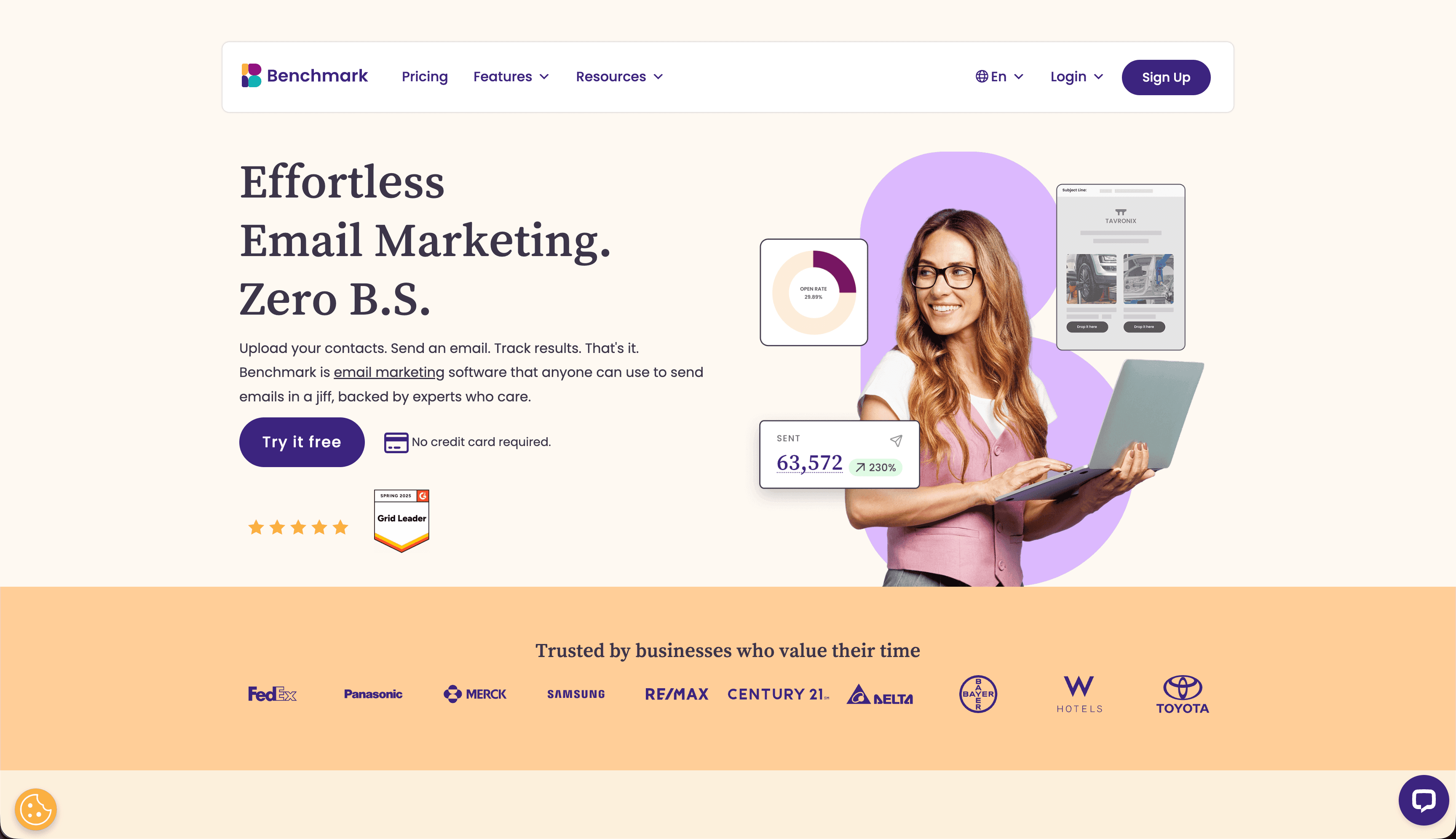
Best for: Simple GDPR compliance for small businesses
Benchmark Email provides straightforward GDPR compliance tools: DPA, GDPR-compliant forms, double opt-in, and data management. The platform's simplicity extends to its compliance setup - you can configure GDPR-compliant forms and consent tracking without technical expertise.
For small businesses that need GDPR compliance without complexity, Benchmark's approach of handling the essentials cleanly is appealing.
GDPR features: DPA, GDPR forms, double opt-in, data deletion, data export Pricing: Free up to 500 contacts, from $13/month Pros: Simple setup, GDPR forms, DPA, small business-friendly Cons: US-based, basic features, limited for complex use cases
20. Drip
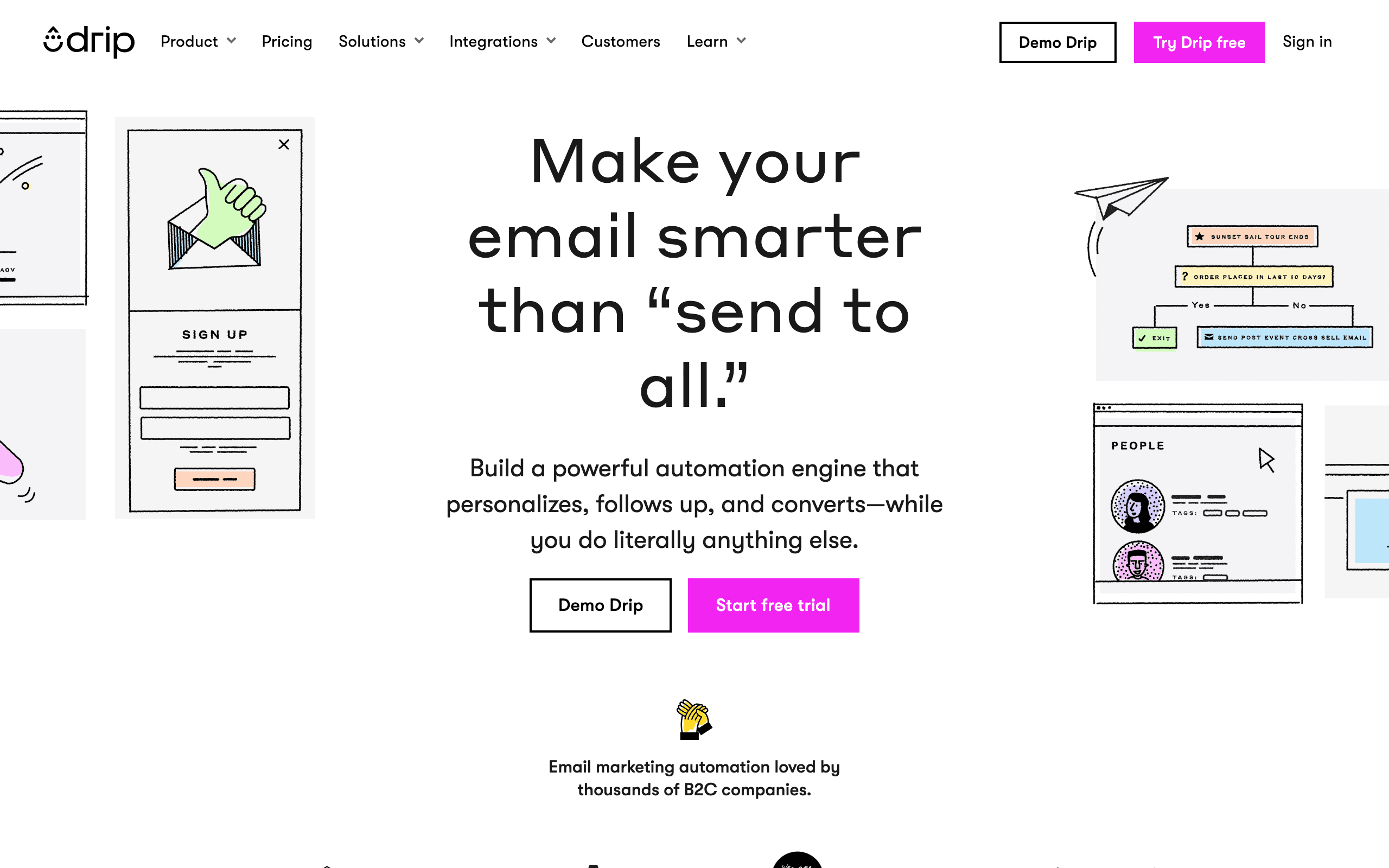
Best for: E-commerce stores with EU customers
Drip provides GDPR compliance for e-commerce automation workflows. The platform includes DPA, consent tracking, data deletion, and data export. The e-commerce integration handles consent in the context of behavioral triggers, ensuring cart abandonment and post-purchase flows respect consent status.
For e-commerce stores with EU customers running behavioral automations, Drip's compliance features prevent GDPR violations in automated workflows.
GDPR features: DPA, consent tracking, data deletion, data export, consent-aware e-commerce automation Pricing: 14-day trial, from $39/month Pros: E-commerce GDPR automation, DPA, consent-aware behavioral triggers Cons: US-based, limited consent management depth vs. EU-based tools
21. Sender
Best for: Budget-friendly GDPR compliance with generous free tier
Sender provides GDPR compliance essentials at very competitive pricing. The platform includes DPA, GDPR-compliant signup forms, double opt-in, data deletion, and data export. The free tier supports up to 2,500 subscribers with GDPR features included.
For small businesses and bootstrapped products that need GDPR compliance on a tight budget, Sender's combination of a generous free tier and solid compliance features makes it worth considering.
GDPR features: DPA, GDPR forms, double opt-in, data deletion, data export Pricing: Free up to 2,500 subscribers, from $15/month Pros: Generous free tier, affordable, GDPR forms, DPA Cons: Less known, smaller integration ecosystem, basic features
Comparison Table
| Feature | Sequenzy | Brevo | MailerLite | Mailchimp | ActiveCampaign | ConvertKit | Customer.io |
|---|---|---|---|---|---|---|---|
| DPA included | Yes | Yes (auto) | Yes (auto) | Yes | Yes | Yes | Yes |
| EU data storage | No (US) | Yes (default) | Yes (default) | No (US) | No (US) | No (US) | No (US) |
| Consent logging | Yes | Detailed | Yes | By type | Yes | Per-form | API-driven |
| Double opt-in | Yes | Yes | Yes | Yes | Yes | Yes | Custom |
| Data deletion | Full | One-click | Yes | Yes | CRM-wide | Yes | API |
| Data export | Yes | Yes | Yes | Yes | Yes | Yes | API |
| Consent renewal | No | No | No | No | Yes (automated) | No | Custom |
| Preference center | Basic | Yes | Basic | Yes | Advanced | Basic | Custom |
| GDPR forms | Yes | Built-in | Built-in | Enabled | Built-in | Built-in | No |
| Separate SMS consent | Yes | Yes | No | No | Yes | No | Yes |
| Landing page consent capture | Yes | Yes | Yes | Yes | Yes | Yes | No |
| Starting price | $19/mo | Free | Free | Free | $15/mo | Free | $100/mo |
GDPR Compliance Checklist for Email Marketing
Before You Start Sending
- Sign a DPA with your email platform
- Set up double opt-in for all signup forms
- Add clear consent language to every form (specific, not bundled)
- Document your lawful basis for processing (usually consent for marketing)
- Create a privacy policy that explains your email practices
- Verify where subscriber data will be stored and whether transfer safeguards are needed
- Configure your email tool to track consent metadata (timestamp, source, IP, language)
For Every Subscriber
- Record when and how consent was given
- Record what the subscriber consented to (which types of communication)
- Make it easy to update preferences or withdraw consent
- Process unsubscribe requests immediately
- Ensure granular consent (separate for marketing, product updates, newsletters, etc.)
When Requested
- Delete subscriber data completely (right to erasure) within 30 days
- Export subscriber data in a portable format (right to data portability)
- Provide information about what data you hold (right of access)
- Communicate clearly what action was taken in response to the request
Ongoing
- Audit consent records periodically
- Remove subscribers who haven't consented
- Keep records of your compliance activities
- Update practices when regulations change
- Review third-party integrations for GDPR compliance (each integration is a data processor)
- Conduct consent renewal campaigns for aging consent records
- Monitor for and respond to data breaches within 72 hours
Common GDPR Mistakes in Email Marketing
Treating Unsubscribe as Deletion
Unsubscribing from marketing email and requesting data deletion are two different things. When someone unsubscribes, you stop sending them marketing email but you can retain their data. When someone exercises their right to erasure, you must delete all personal data. Many email marketers conflate these, leaving themselves exposed.
Pre-Checked Consent Boxes
Under GDPR, consent must be an affirmative action. Pre-checked boxes do not count as valid consent. Every consent checkbox on your signup forms must start unchecked. This seems obvious, but many forms still get it wrong, especially forms built with third-party tools that don't default to unchecked.
Bundled Consent
Asking subscribers to consent to "receiving communications from us and our partners" in a single checkbox violates GDPR's requirement for specific consent. Each purpose should have its own consent mechanism. If you want to send marketing email and share data with partners, those need to be separate opt-ins.
Ignoring Sub-Processors
Your email tool is a data processor. But your email tool also uses sub-processors (hosting providers, analytics services, CDNs). Under GDPR, you need to be aware of the entire chain. Most email platforms list their sub-processors in their DPA or privacy documentation. Review these lists periodically.
Not Documenting Lawful Basis
For each type of processing, you need a documented lawful basis. For marketing email, this is usually consent. For transactional email, it might be legitimate interest or contractual necessity. Don't assume you can send service-related emails without any legal basis just because they aren't "marketing."
FAQ
Do I need GDPR compliance if I'm not based in the EU? Yes, if you have subscribers in the EU. GDPR applies to processing personal data of EU residents, regardless of where your business is located. If your SaaS has even a handful of EU users signing up through your website, GDPR applies to you.
Is double opt-in required by GDPR? Not technically required, but strongly recommended. Double opt-in provides clear evidence of consent, which is valuable if you're ever challenged. Many GDPR-focused email tools default to double opt-in. It also improves list quality by filtering out typos and fake signups, which benefits your email deliverability.
Can I email EU subscribers based on "legitimate interest" instead of consent? Potentially for existing customers (transactional email, service updates). For marketing email to people who haven't bought from you, consent is the safest lawful basis. Legitimate interest claims for marketing are challenged frequently and require documented analysis (a Legitimate Interest Assessment). If you do rely on legitimate interest, document your reasoning thoroughly and offer a clear opt-out.
What happens if my email tool isn't GDPR compliant? As the data controller, you're responsible for ensuring your data processors (including your email tool) comply with GDPR. If your email tool mishandles EU personal data, you can face fines up to 4% of annual revenue or 20M euros. Beyond fines, you risk reputational damage and loss of customer trust.
Do I need EU data storage? Not strictly required if adequate data transfer safeguards are in place (Standard Contractual Clauses, adequacy decisions). But EU data storage simplifies compliance. If your email tool stores data in the US, verify they have appropriate transfer mechanisms in place. After the Schrems II ruling, data transfers to the US require additional safeguards beyond just SCCs in some cases.
How does GDPR interact with other privacy regulations? GDPR is the strictest major privacy regulation, so if you're fully GDPR compliant, you're likely meeting or exceeding the requirements of CCPA and most other privacy frameworks. However, each regulation has unique elements. CCPA, for example, includes a right to opt out of data sales that GDPR doesn't specifically address. If you operate globally, consider compliance with multiple frameworks. SOC 2 certification can also help demonstrate your security posture to regulators and customers.
What about email analytics and GDPR? Tracking email opens and clicks collects personal data (IP addresses, timestamps, behavior). Under GDPR, this tracking needs a lawful basis. Most platforms include analytics tracking as part of the consent for receiving marketing email. But be transparent about it in your privacy policy. Some subscribers may request that you stop tracking their engagement, which is their right. Platforms with good built-in analytics typically handle this by allowing per-subscriber tracking suppression.
Which email tools give me an EU processing region? Brevo, MailerLite, Mailjet and GetResponse process in the EU by default. Zoho Campaigns lets you pick an EU data centre at signup. HubSpot and Customer.io offer EU hosting as an option, usually on higher plans. Mailchimp, ActiveCampaign, Klaviyo and Sequenzy process in the US and rely on a DPA plus Standard Contractual Clauses. See the "EU data processing and residency, tool by tool" table above for the full split.
Can I transfer my subscriber list between GDPR-compliant tools? Yes, but carefully. You can export subscriber data (right to data portability applies to data subjects, but the principle supports transfers). When importing into a new tool, ensure the new platform has a DPA in place, and that consent records transfer with the subscriber data. Don't assume consent given for one platform automatically applies to another. Re-confirm consent if you're changing how data is processed.
Get consent handling right from day one
Sequenzy records consent metadata on every subscriber from every source - forms, landing pages, API and imports - and covers erasure and export across all of them, including SMS consent.
- Start free with 2,500 emails a month and unlimited subscribers
- Review plans and the DPA on the pricing page
- Compare frameworks: CCPA, SOC 2 and HIPAA tooling