Updated 2026-02-19

12 OneSignal Alternatives Worth Considering

OneSignal's push notifications are solid, but usage costs can surprise you at scale. Here are 12 alternatives depending on what you need.

TL;DR

Quick answer: For SaaS email marketing, Sequenzy ($19/mo) has Stripe integration and AI content. For free push notifications, Firebase Cloud Messaging. For in-app notifications, Knock or MagicBell. For open-source multi-channel, Novu.

12 Best OneSignal Alternatives

Our Pick for SaaS Companies
#1
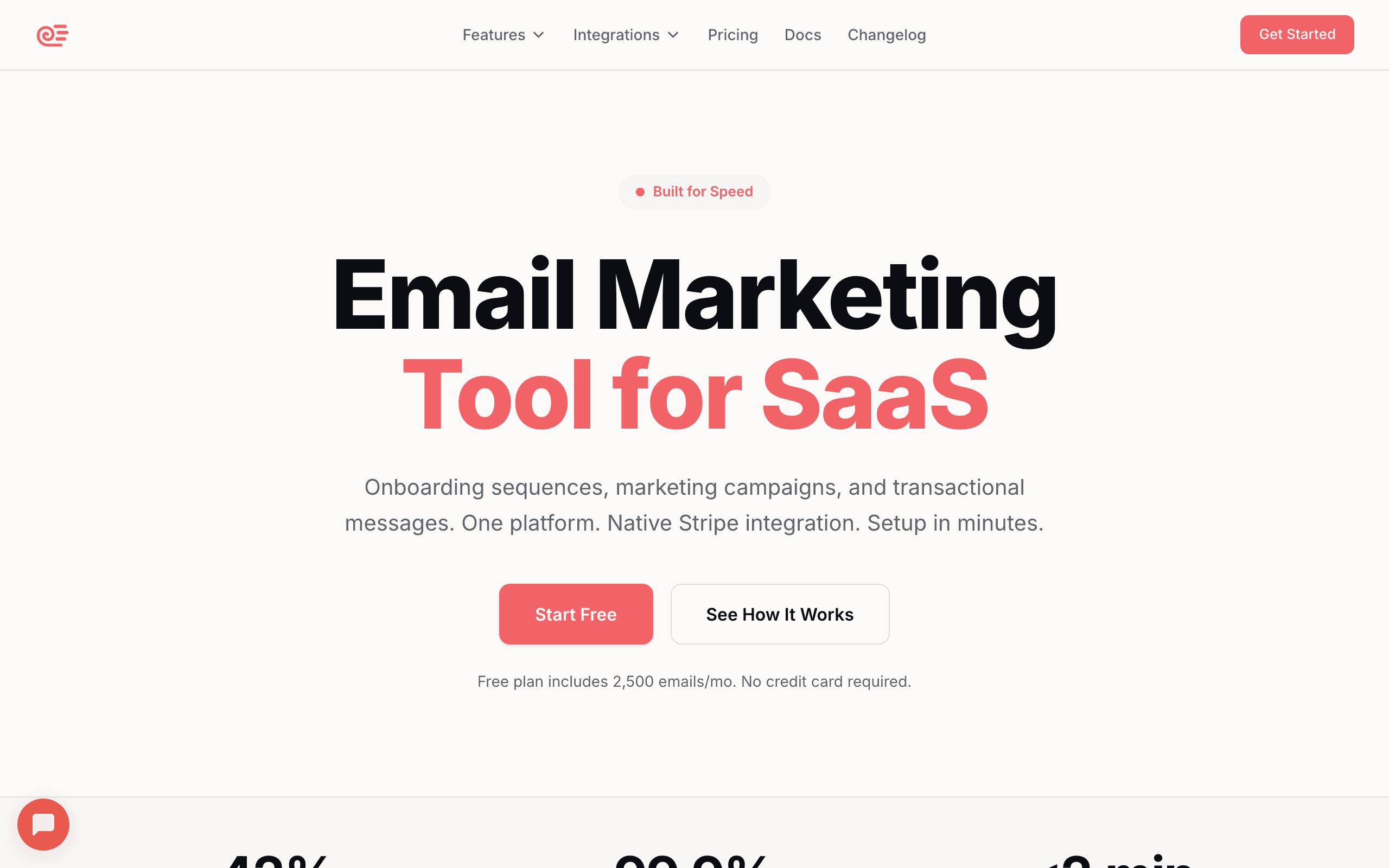
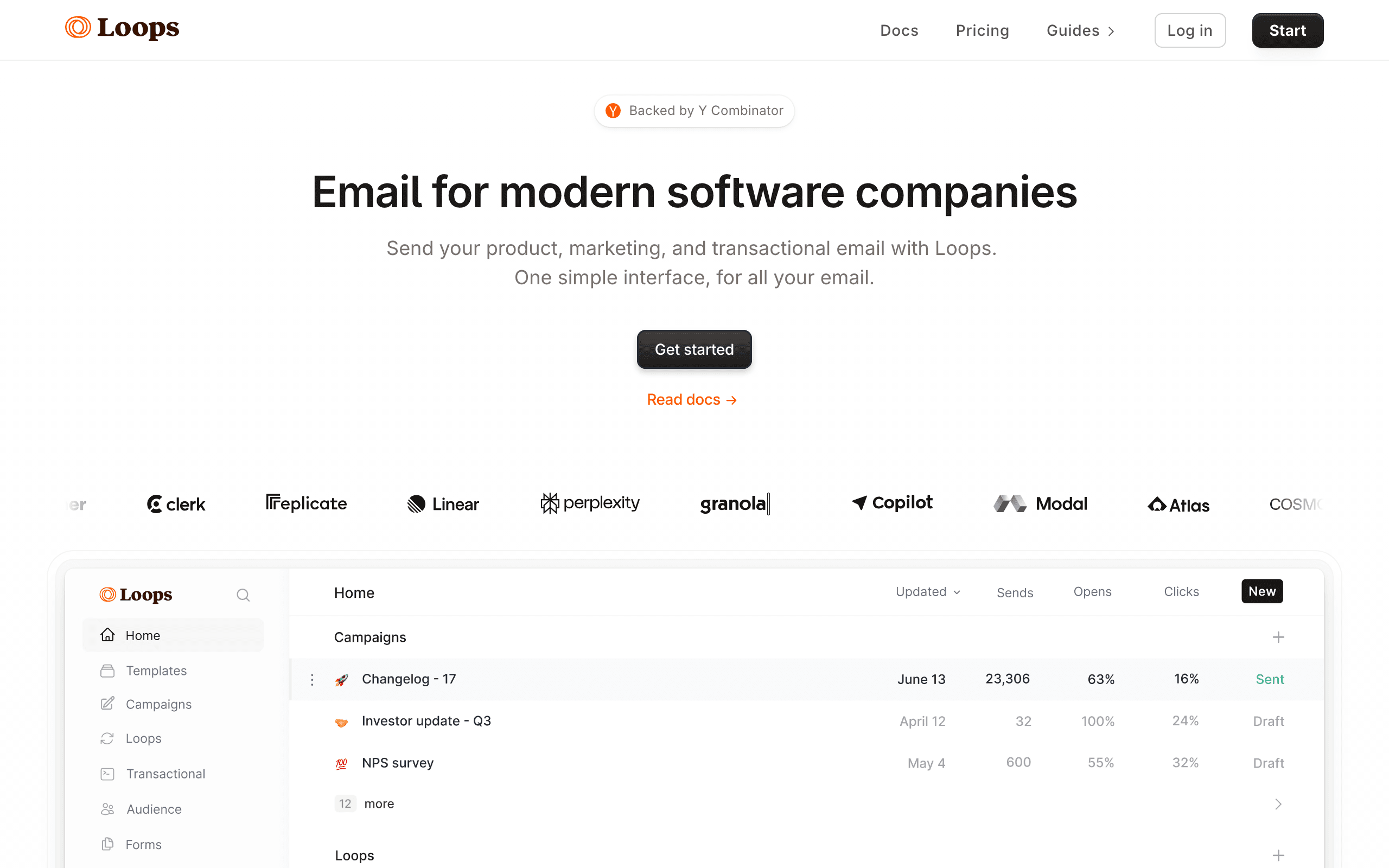
Sequenzy

Email marketing for SaaS with AI content generation and native Stripe integration. Not multi-channel like OneSignal, but purpose-built for SaaS email marketing.

Sequenzy's AI can generate entire onboarding sequences from a short description, and its Stripe sync automatically tags subscribers based on billing status—something OneSignal has no concept of. Pricing is a flat $49/month for 10k subscribers with no usage-based surprises, unlike OneSignal's variable per-MAU and per-email charges. Best for SaaS teams who only need email and want predictable billing with zero push notification overhead.

Visit
Best for
SaaS teams needing email marketing with Stripe sync
Pricing
$49/month for 10k subscribers

Pros

  • Purpose-built for SaaS email marketing
  • AI generates entire email sequences
  • Native Stripe integration
  • Simpler flat pricing
  • Unified transactional + marketing

Cons

  • No push notifications
  • No mobile SDKs
  • Email only - not multi-channel
  • Different purpose than OneSignal
#2
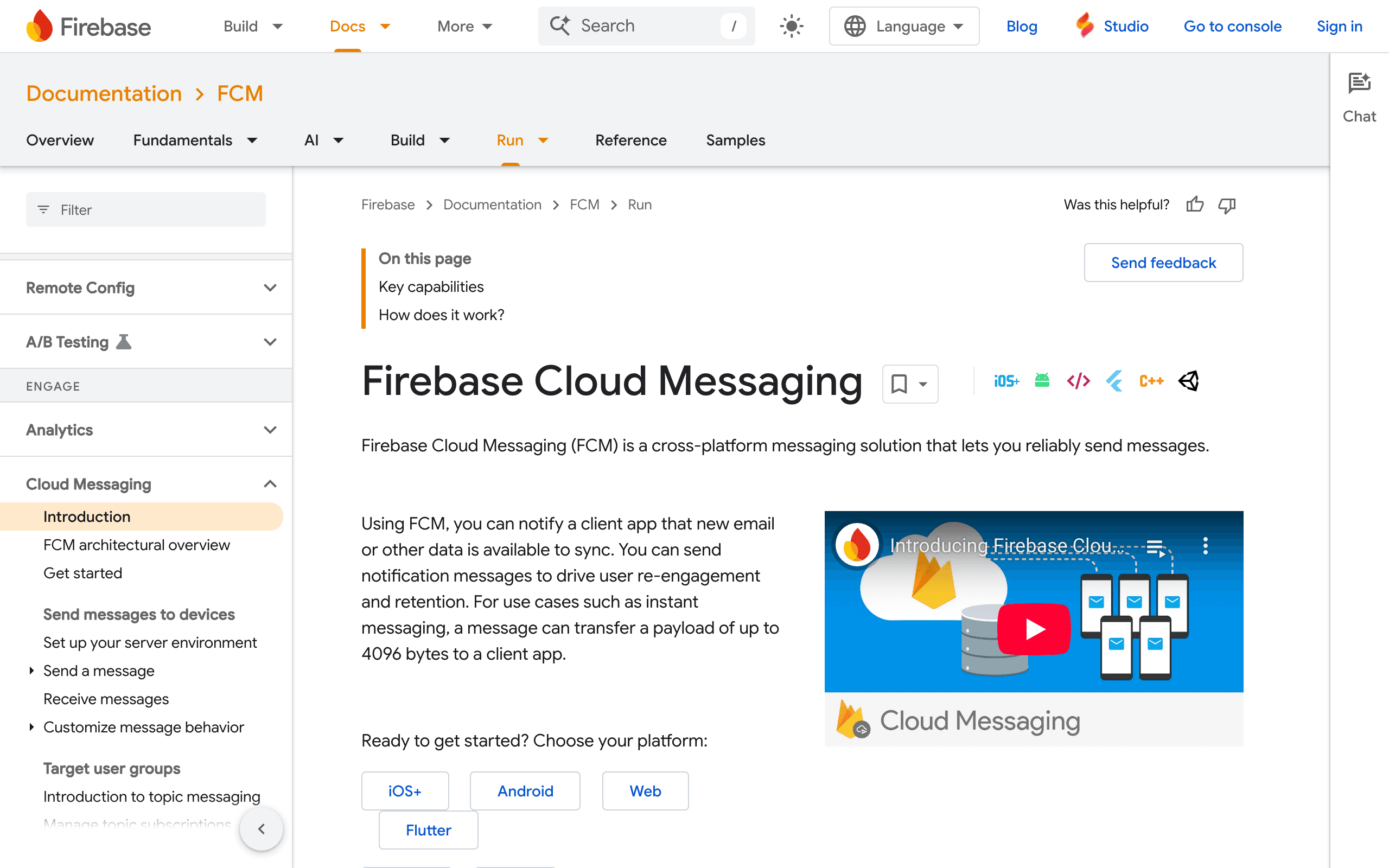
Firebase Cloud Messaging

Google's free push notification service. Completely free at any scale if you only need push without the marketing features.

Firebase handles billions of messages daily with Google-grade reliability, and the SDKs for iOS, Android, and web are mature and well-documented. The catch is you get zero marketing tools—no segmentation, no analytics dashboard, no automation workflows—so you'll build everything yourself or pair it with another tool. Best for mobile apps that need reliable push delivery without paying OneSignal's $0.012/MAU charges, as long as the team has engineering resources to fill in the gaps.

Visit
Best for
Mobile apps wanting free push notifications
Pricing
Free

Pros

  • Completely free at any scale
  • Google reliability and infrastructure
  • Excellent mobile SDKs
  • Cross-platform (iOS, Android, Web)
  • Well documented

Cons

  • Push only - no email or SMS
  • No marketing features
  • Build your own UI and analytics
  • No automation workflows
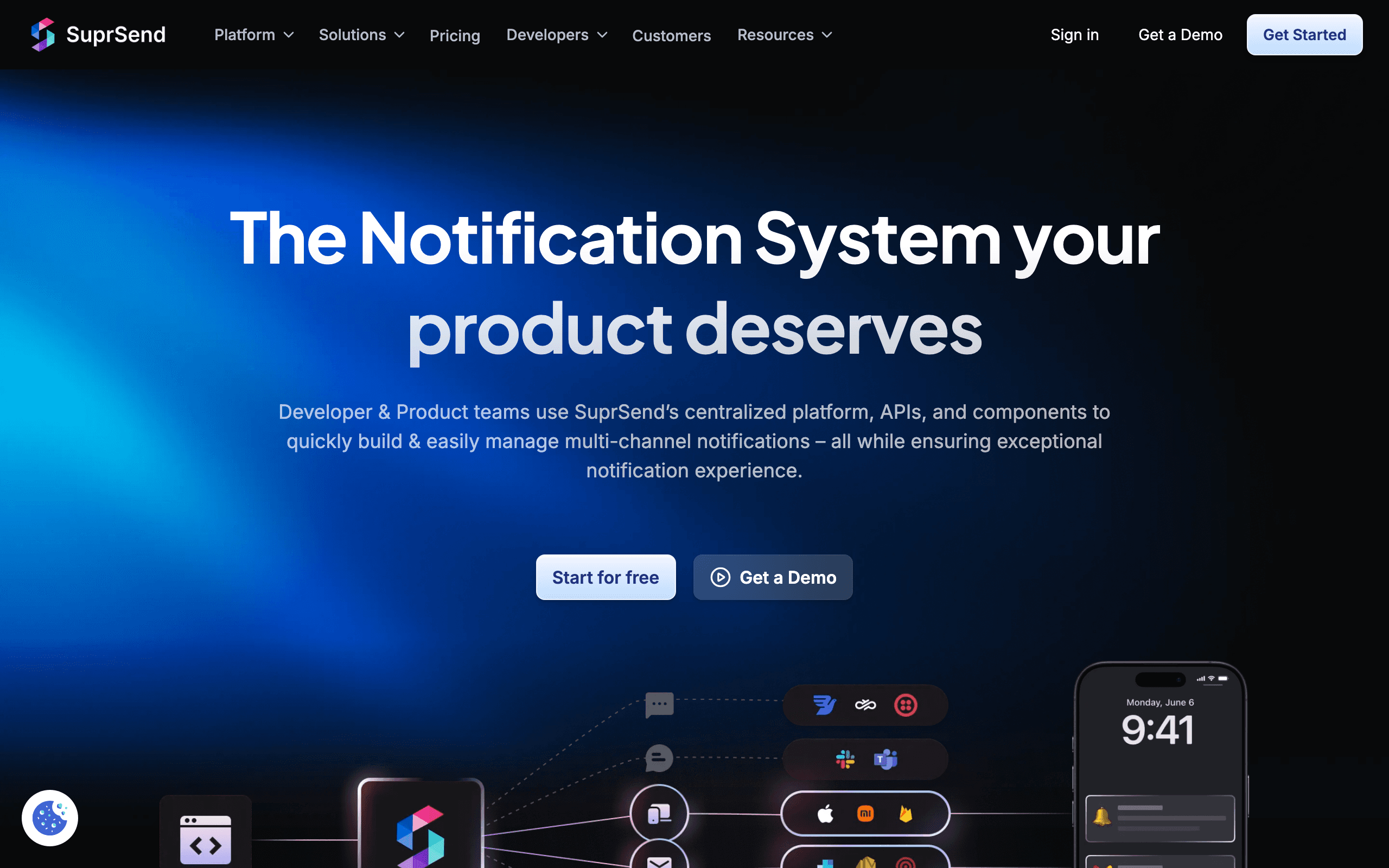
#3
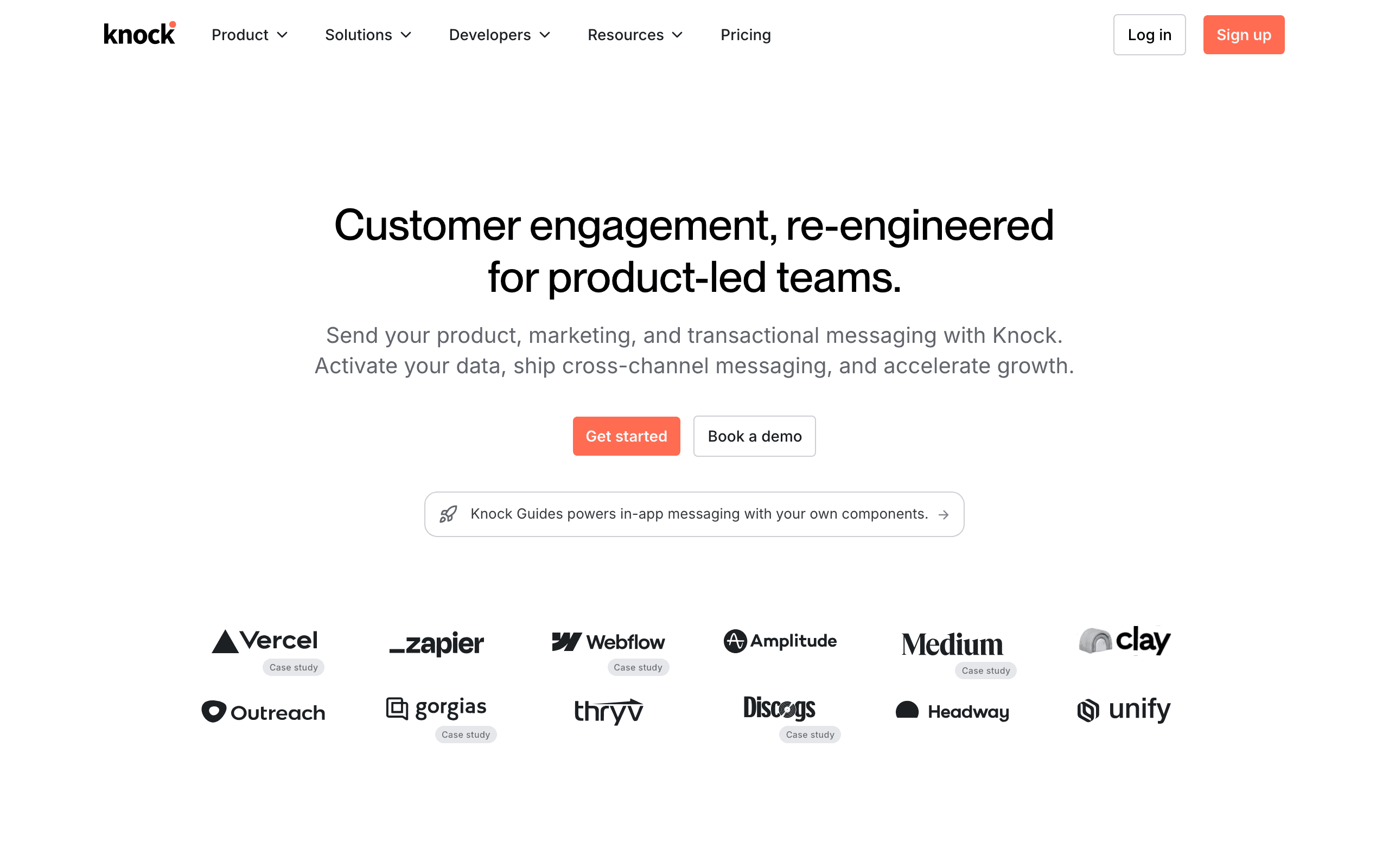
Knock

Premium notification infrastructure with in-app notification UI components. More expensive but more sophisticated than OneSignal.

Knock provides pre-built React and vanilla JS components for notification feeds, preferences, and toasts—the kind of in-app notification bell you see in GitHub or Notion that OneSignal doesn't offer. The workflow engine supports complex branching, batching, and channel fallbacks that go beyond OneSignal's journey builder. However, there's a steep pricing cliff: free tier to $250/month with nothing in between, which prices out smaller teams. Best for funded startups or mid-market companies that need polished in-app notification UI alongside multi-channel delivery.

Visit
Best for
Teams needing polished notification infrastructure
Pricing
Free (10k messages), $250/mo Starter

Pros

  • Pre-built in-app notification UI
  • Multi-channel (email, push, SMS, in-app)
  • Excellent developer experience
  • More sophisticated workflows
  • In-app notification feeds

Cons

  • Expensive after free tier
  • No middle pricing tier
  • Overkill for simple push
  • Proprietary platform
#4
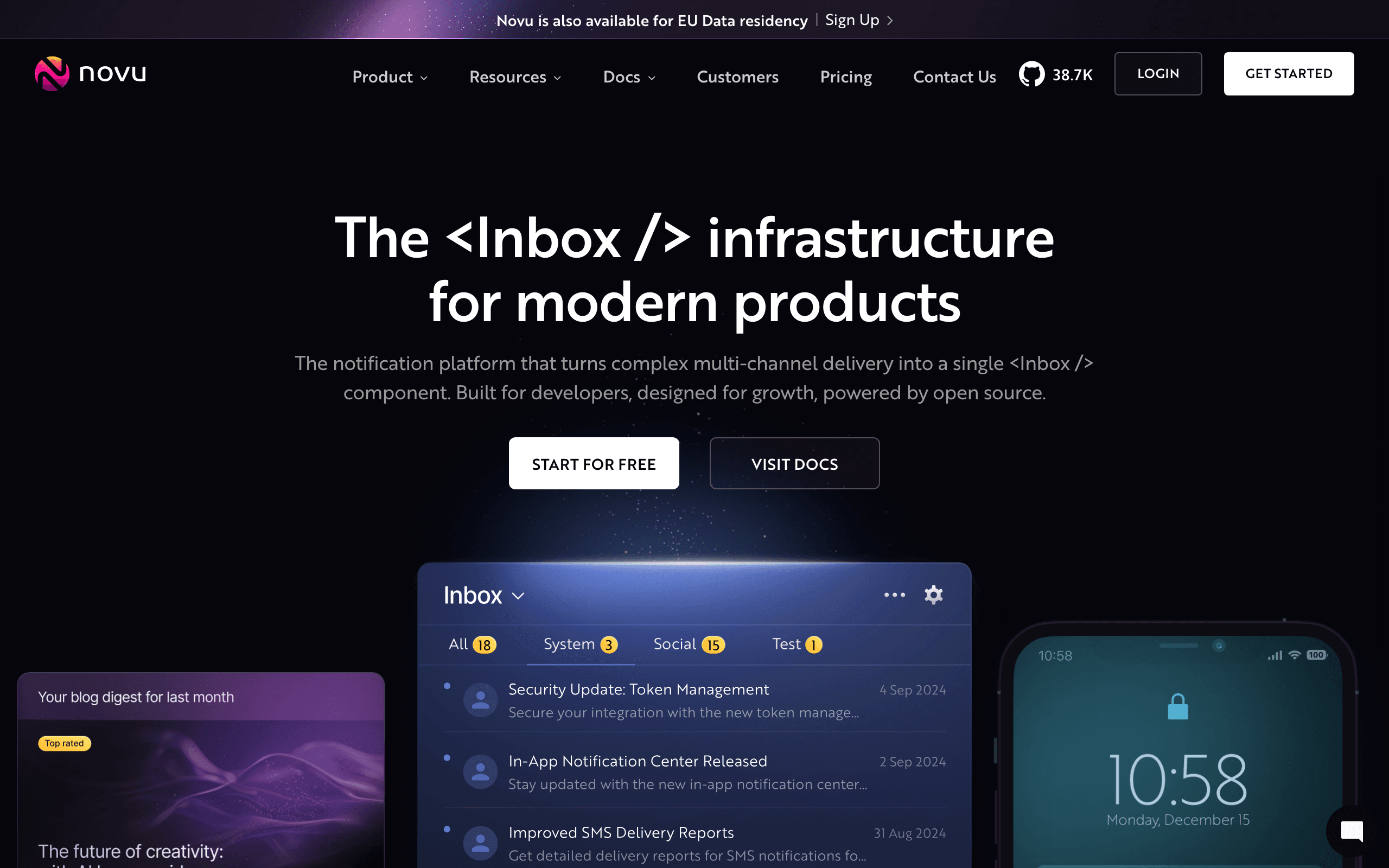
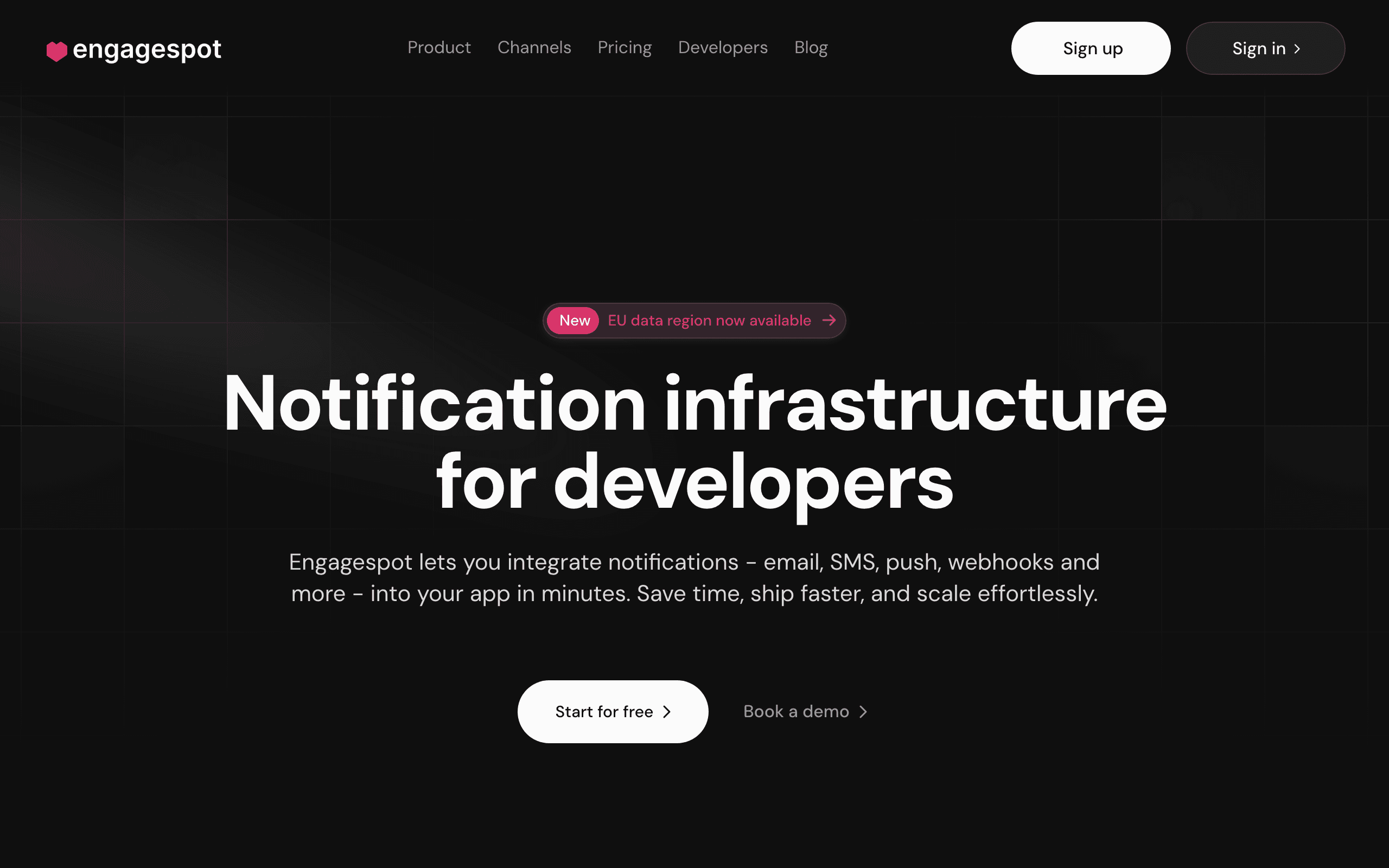
Novu

Open-source notification infrastructure. Self-host for free or use cloud. Good OneSignal alternative for teams wanting control.

Novu supports push, email, SMS, in-app, and chat channels with a visual workflow editor, and you can inspect and modify every line of the code running your notifications. The cloud option starts at $30/month which is significantly cheaper than Knock's $250/month jump, though the platform is less polished. Self-hosting requires real DevOps commitment—Docker, databases, and monitoring—but gives you complete data ownership. Best for engineering teams that value open-source principles and want to avoid vendor lock-in on their notification infrastructure.

Visit
Best for
Teams wanting open-source notifications
Pricing
Free (self-hosted) or $30/mo cloud

Pros

  • Open-source and self-hostable
  • Multi-channel support
  • More affordable cloud than Knock
  • Full control if self-hosted
  • Growing community

Cons

  • Self-hosting requires DevOps
  • Less polished than OneSignal
  • Documentation still improving
  • Cloud is newer
#5
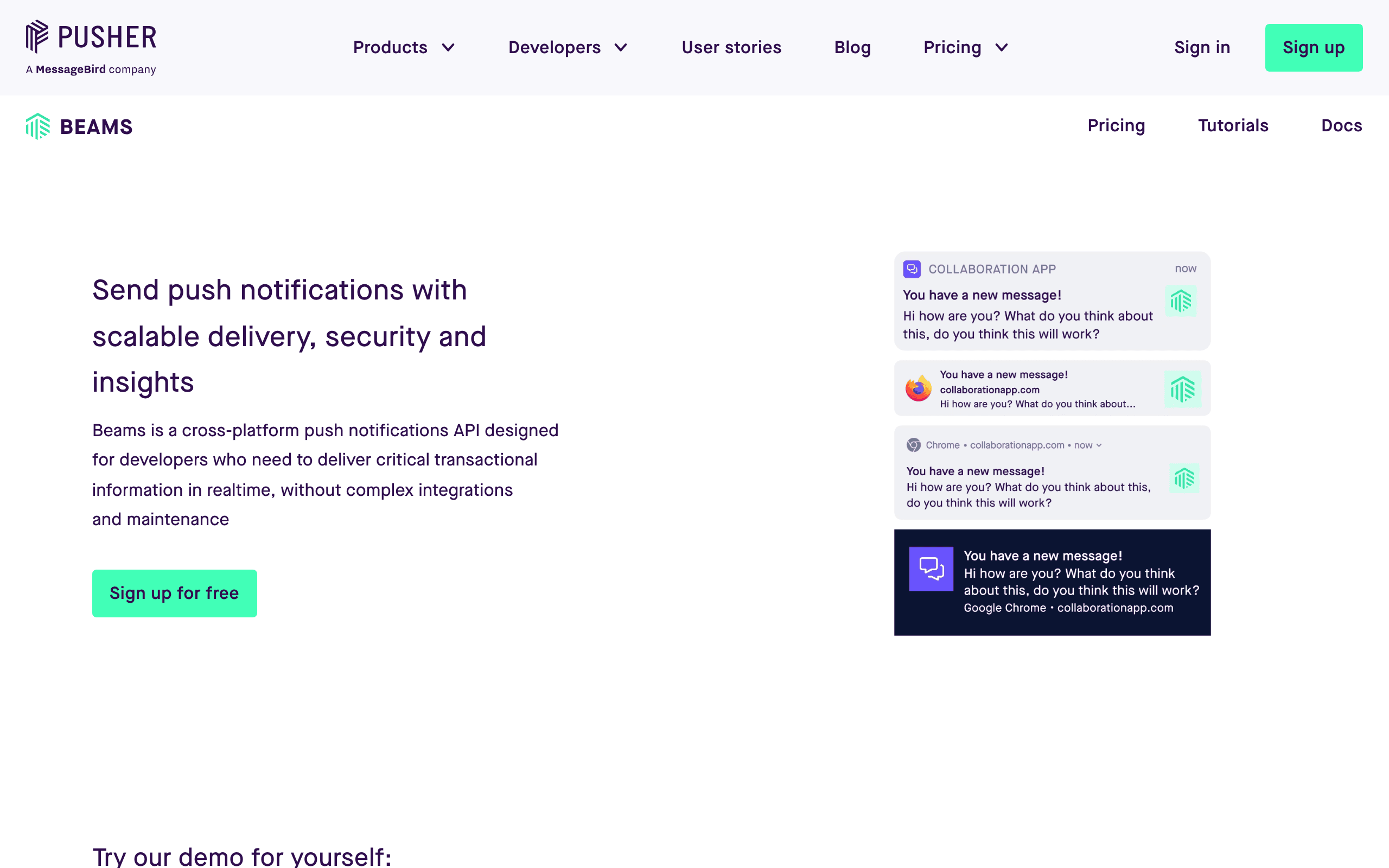
Pusher Beams

Push notifications from Pusher. Simple to integrate if you're already using Pusher for real-time features.

Beams provides a focused push API without the marketing overhead of OneSignal—just device registration and message delivery with clean SDKs for iOS, Android, and web. The free tier covers 1,000 concurrent devices, and paid plans start at $29/month with straightforward per-device pricing. The trade-off is that Beams is push-only with a much smaller feature set than OneSignal—no email, no SMS, no automation, no segmentation UI. Best for teams already invested in the Pusher ecosystem who want push notifications without switching to a separate vendor.

Visit
Best for
Teams already using Pusher ecosystem
Pricing
Free up to 1k devices, $29/mo after

Pros

  • Simple integration
  • Good documentation
  • Reliable infrastructure
  • Part of Pusher ecosystem
  • Easy to get started

Cons

  • Push only - no email
  • Less features than OneSignal
  • Smaller ecosystem
  • No marketing automation
#6
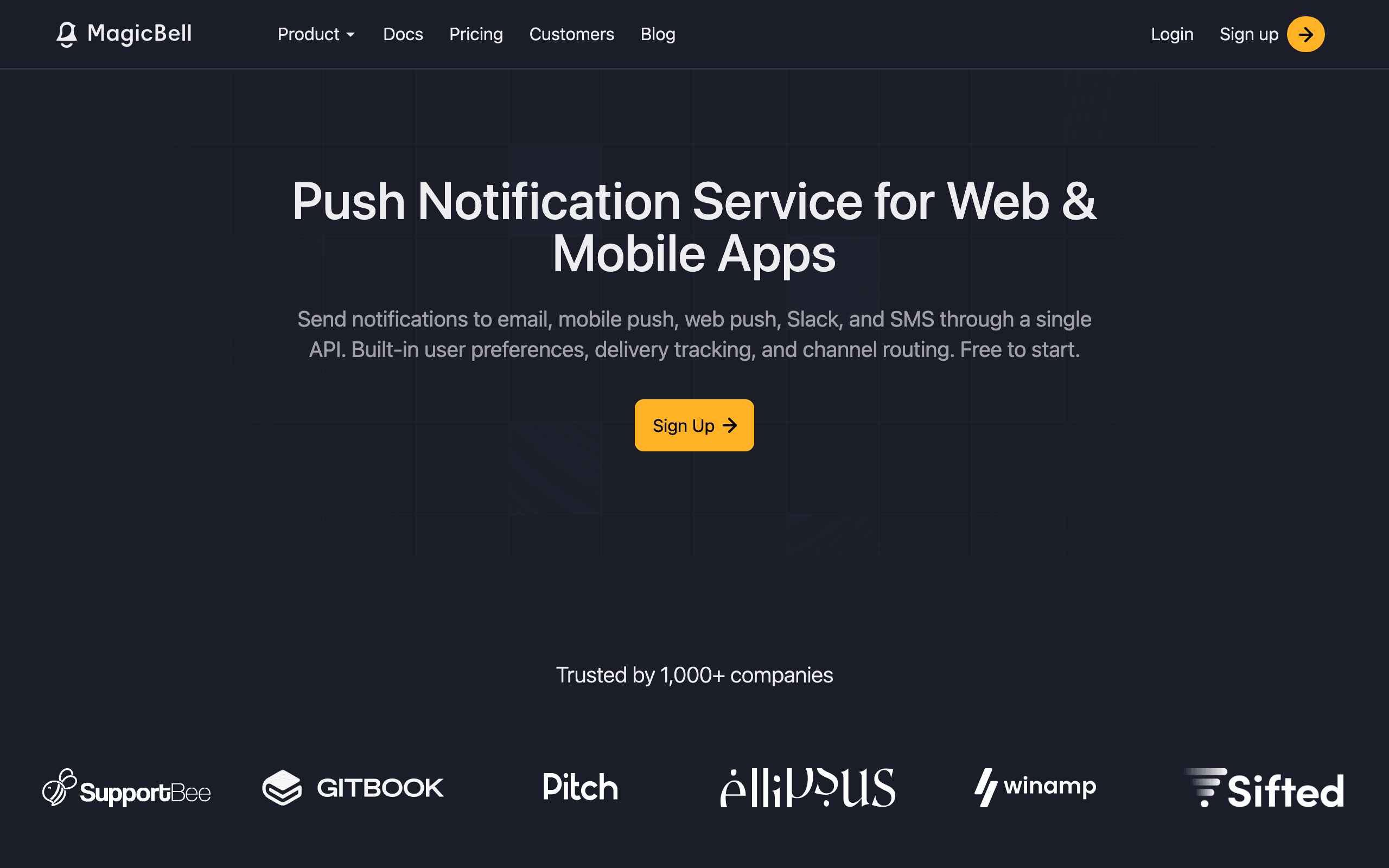
MagicBell

In-app notification bells with multi-channel support. Better for in-app UI than OneSignal, which focuses on push and email.

MagicBell provides drop-in React, Vue, and vanilla JS components for notification bells, inboxes, and preference centers that you can theme to match your app. The multi-channel support covers push, email, SMS, and in-app with a unified API, but the real differentiator is how quickly you can add a polished notification center to your product. Usage-based pricing after a 100 MAU free tier can be hard to predict, similar to OneSignal's pricing unpredictability. Best for product teams that want beautiful in-app notification UI without building it from scratch.

Visit
Best for
Teams needing in-app notification components
Pricing
Free up to 100 MAU, usage-based after

Pros

  • Pre-built notification bell UI
  • React, Vue, vanilla JS components
  • Multi-channel support
  • Good developer experience
  • Clean design

Cons

  • Less push-focused than OneSignal
  • Smaller company
  • Usage-based pricing
  • Fewer integrations
#7
Customer.io

Behavioral messaging platform with multi-channel support. More marketing-focused than OneSignal with sophisticated automation.

Customer.io lets you trigger messages based on any event or attribute in your user data, with a visual workflow builder that supports branching, delays, and A/B testing across email, push, SMS, and in-app channels. Unlike OneSignal's simpler journey builder, Customer.io is built for complex product-led growth scenarios like trial conversion funnels and usage-based re-engagement. Starting at $100/month for 5,000 profiles, it's considerably more expensive than OneSignal but far more capable for marketing automation. Best for PLG companies willing to invest in sophisticated behavioral messaging rather than basic push notifications.

Visit
Best for
PLG companies with complex behavioral automation
Pricing
$100/month for 5,000 profiles (Essentials)

Pros

  • Powerful behavioral automation
  • Multi-channel messaging
  • Marketing + notifications
  • Excellent API
  • Mature platform

Cons

  • More expensive than OneSignal
  • Steep learning curve
  • No in-app notification UI
  • Requires engineering resources
#8
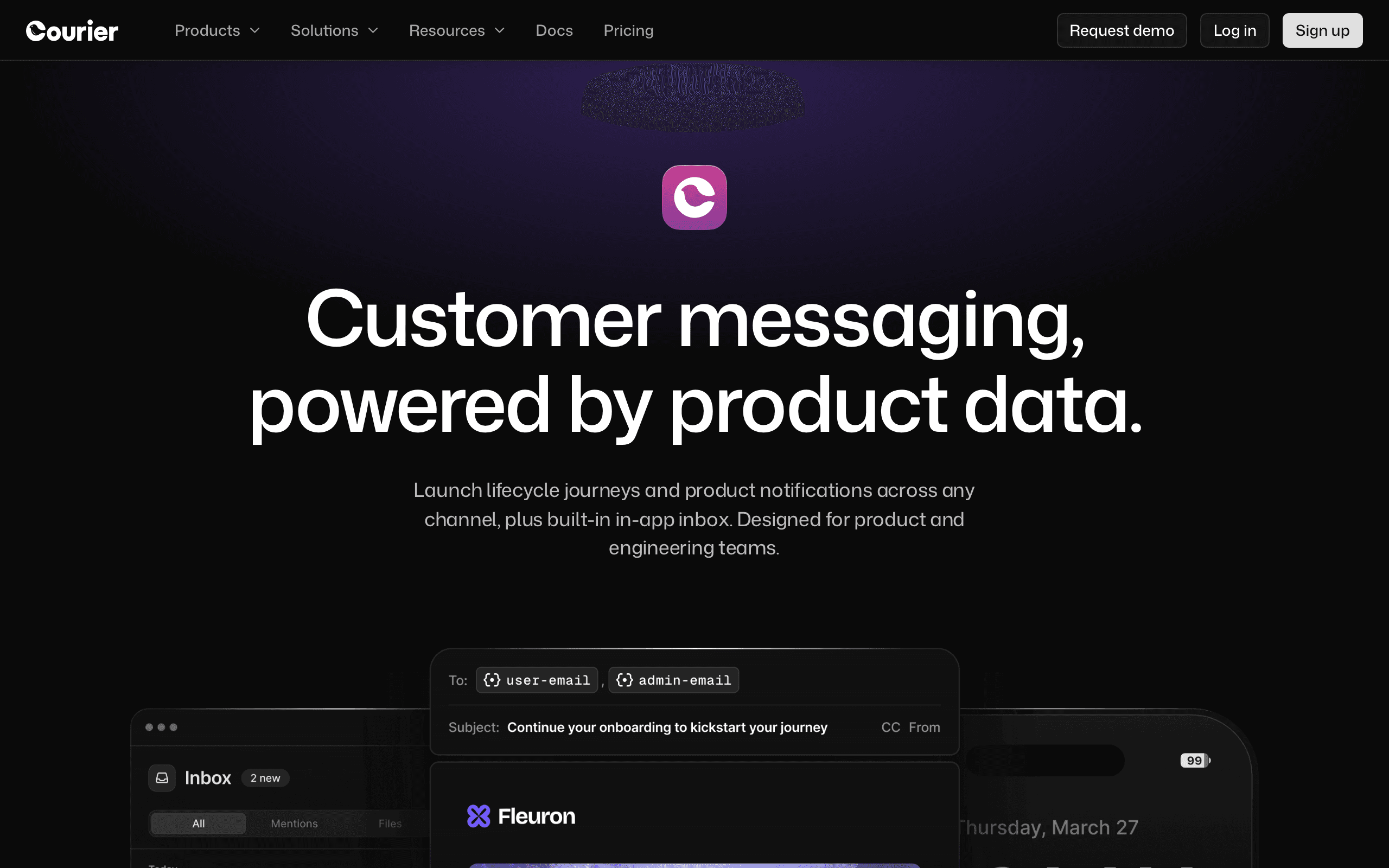
Courier

Multi-channel notification orchestration with visual designer. Good for teams with non-technical stakeholders designing notifications.

Courier's drag-and-drop template builder lets product managers and marketers create multi-channel notifications without writing code, while developers manage the routing and delivery logic via API. It supports push, email, SMS, chat, and in-app with provider-agnostic routing—you can swap underlying providers without changing your code. The pricing jumps sharply from a 10k notification free tier to $500+/month, making it expensive for mid-stage companies. Best for teams where non-technical stakeholders need to control notification content and design without developer bottlenecks.

Visit
Best for
Teams wanting visual notification design
Pricing
Free up to 10k notifications, $500+/mo

Pros

  • Visual template designer
  • Multi-channel support
  • Non-dev friendly
  • Preference management
  • Good integrations

Cons

  • Expensive after free tier
  • Less push-focused
  • Complex pricing
  • Smaller ecosystem
#9
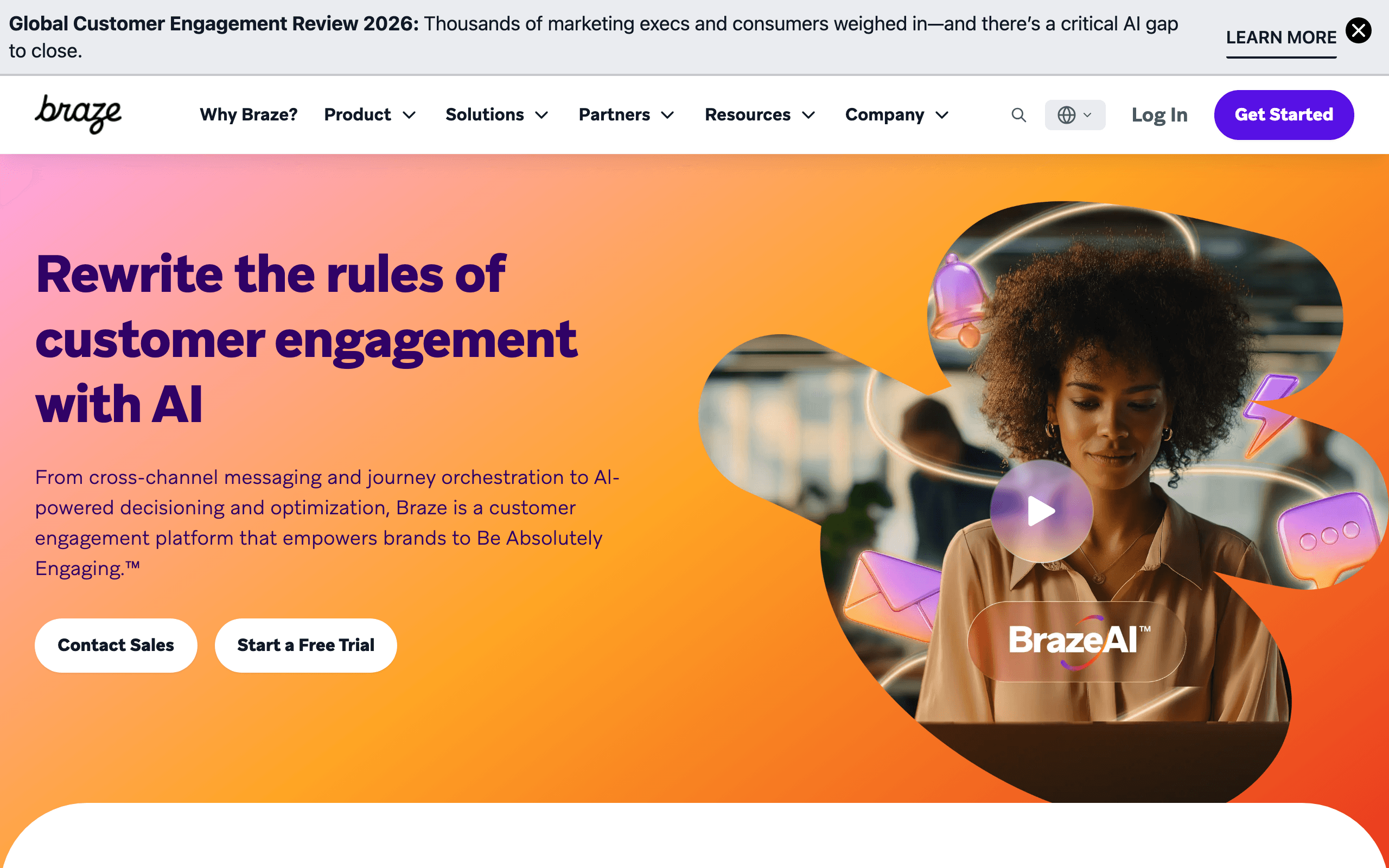
Braze

Enterprise mobile-first customer engagement platform. Overkill for most, but best-in-class for large mobile apps.

Braze powers push, email, SMS, in-app messaging, and content cards for some of the world's largest mobile-first companies, with real-time data streaming and cross-channel orchestration that's genuinely best-in-class. The mobile SDKs are more mature and feature-rich than OneSignal's, with capabilities like location-based triggering and dynamic content personalization. Custom enterprise pricing starts around $10k+/month with a long sales cycle, putting it firmly out of reach for startups and SMBs. Best for enterprise mobile apps with large user bases and budgets to match, where OneSignal's features feel limiting.

Visit
Best for
Enterprise mobile apps with big budgets
Pricing
Custom enterprise pricing (~$10k+/mo)

Pros

  • Best-in-class mobile engagement
  • Push, email, SMS, in-app
  • Sophisticated automation
  • Excellent mobile SDKs
  • Enterprise scale

Cons

  • Very expensive
  • Enterprise sales process
  • Overkill for SMBs
  • Complex implementation
#10
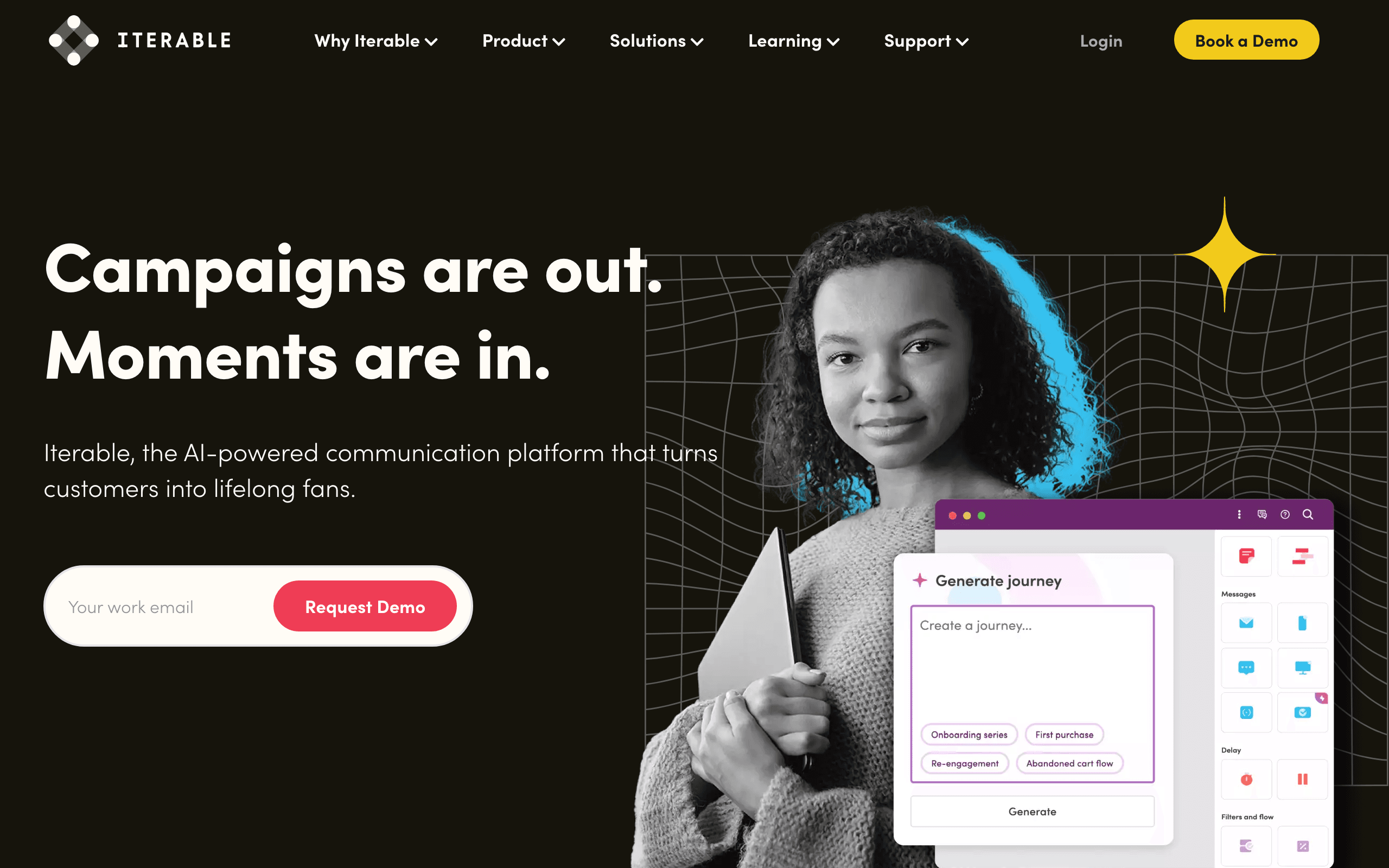
Iterable

Enterprise cross-channel marketing platform. Push, email, SMS, in-app with sophisticated automation.

Iterable's workflow studio handles complex cross-channel journeys with AI-powered send-time optimization and channel selection, going well beyond OneSignal's journey builder in terms of marketing sophistication. The platform is particularly strong at combining behavioral data with marketing automation—think dynamic content personalization based on real-time user actions across every channel. Custom pricing starts around $500+/month with a sales-led process, which is expensive but significantly cheaper than Braze. Best for mid-market to enterprise teams that need true cross-channel marketing automation, not just notification delivery.

Visit
Best for
Enterprise cross-channel marketing
Pricing
Custom pricing (~$500+/mo minimum)

Pros

  • Cross-channel marketing
  • Sophisticated automation
  • Push included
  • Good mobile support
  • Enterprise features

Cons

  • Enterprise pricing
  • Complex to implement
  • Overkill for startups
  • Sales-led process
#11
Resend

Modern transactional email API with best developer experience. Email-only but excellent if that's all you need.

Resend's React Email integration lets you build email templates as React components with TypeScript support, and the SDKs feel years ahead of OneSignal's email API in terms of developer ergonomics. At $20/month for 50,000 emails with a generous 3,000 emails/month free tier, it's affordable for most transactional use cases. The limitation is clear: no push notifications, no marketing features, no subscriber management—it's a completely different tool than OneSignal. Best for developers who only need transactional email and want the cleanest possible integration experience.

Visit
Best for
Developers wanting modern email API
Pricing
$20/month for 50,000 emails

Pros

  • Best developer experience
  • React Email integration
  • Modern SDKs
  • Clean API
  • Great documentation

Cons

  • Email only - no push
  • No marketing features
  • Transactional focused
  • Different purpose
#12
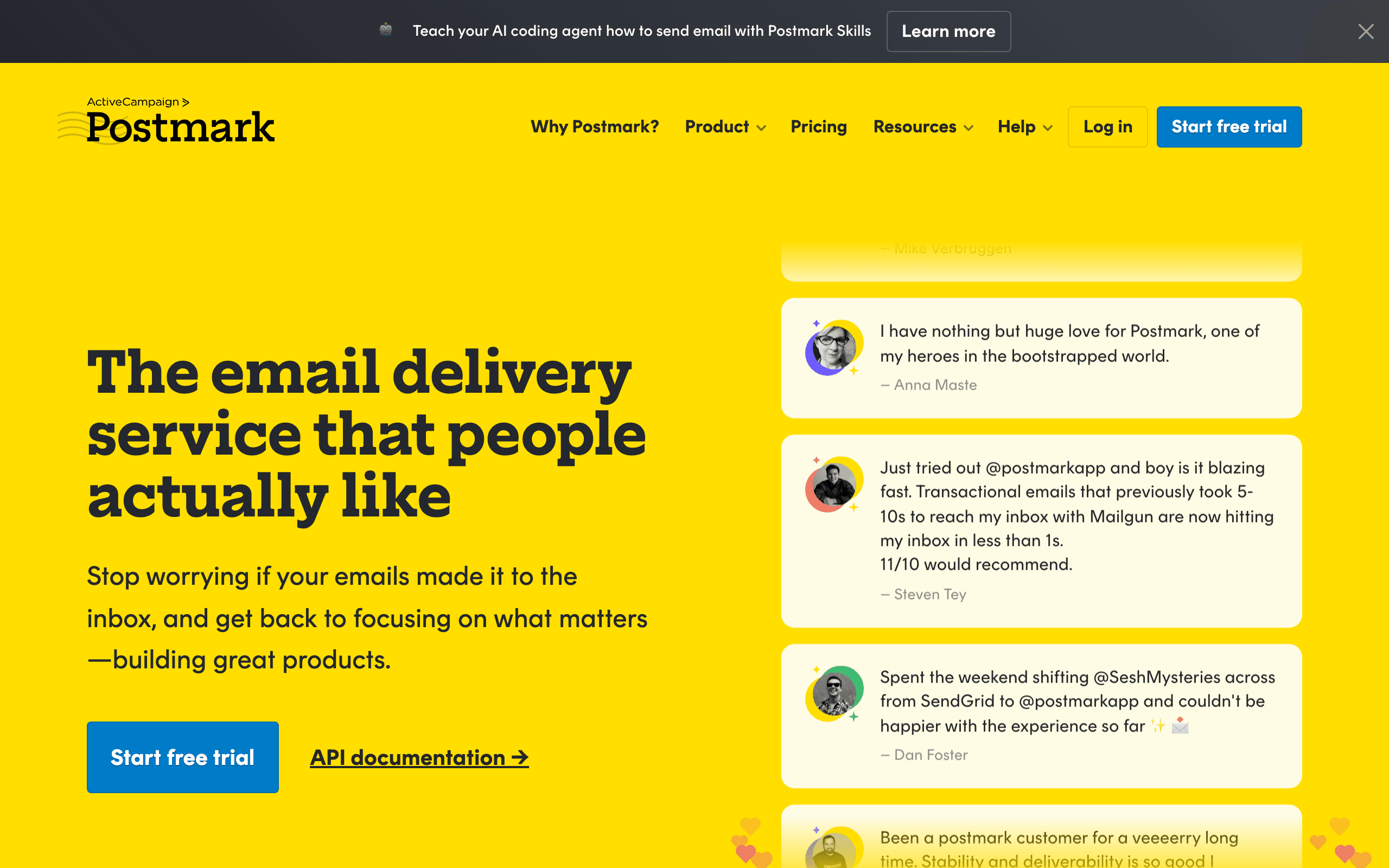
Postmark

Transactional email with exceptional deliverability. Email-only but best inbox placement in the industry.

Postmark achieves its deliverability reputation by strictly vetting every customer and rejecting bulk marketing senders, which keeps their IP addresses clean—something shared-IP services like OneSignal's email can't guarantee. At $15/month for 10,000 emails, it's competitively priced with fast delivery times (most emails delivered in under 10 seconds). The strict policies mean they'll reject some use cases that OneSignal would accept, including promotional email and cold outreach. Best for applications where transactional emails like password resets, 2FA codes, and receipts absolutely must reach the inbox.

Visit
Best for
Apps where email deliverability is critical
Pricing
$15/month for 10,000 emails

Pros

  • Exceptional deliverability
  • Strict customer vetting
  • Clean API
  • Fast delivery
  • Human support

Cons

  • Email only
  • Transactional only
  • No push notifications
  • They reject some use cases

Why Consider Alternatives to OneSignal

Usage-based pricing can surprise you

OneSignal's Growth plan has variable costs - push at $0.012/MAU, email at $1.50/1k after 20k free. At scale, costs can be unpredictable compared to flat-fee alternatives.

You only need email

If you don't need push notifications, you're using a push-first platform for email. Email-focused platforms like Sequenzy, Resend, or Postmark are more purpose-built.

You want in-app notification feeds

OneSignal has in-app messaging but no notification inbox/feed like Knock or MagicBell. If in-app notification bells are important, specialized tools are better.

Push notifications should be free

Firebase Cloud Messaging is completely free at any scale. If you only need push without marketing features, FCM saves money.

What Users Say About OneSignal

I've been using OneSignal's free plan for almost 18 months, mainly for push notifications. For my needs, it has been more than perfect with nearly 2,000 subscribers.

AhQ2026-01

Would be a nice service if some sort of customer support existed. They deactivated my mail sending functionality suddenly and nobody responded to support issues.

Dan2025-12

Got charged despite cancellation. Avoid at all cost! Their SDK does not function properly. They decided to double the subscription cost and charged despite cancellation.

Saurav Aryan2025-10

Do not integrate their services! We used their 'Unlimited Free' push notifications for years. Sales people shut our service down because we didn't want to pay.

David Holtkamp2025-08

Feature Comparison

FeatureOneSignalSequenzyFirebaseKnockNovuMagicBell
Push
Email
SMS
In-app messages
In-app feed
Free tier
10k emails
100 subs
Unlimited
10k messages
10k runs
100 MAU
Pricing model
Usage-based
Flat fee
Free
Flat fee
Usage/flat
Usage-based

When to Use Each Platform

Choose Sequenzy if...
  • You primarily need SaaS email marketing
  • Native Stripe integration is valuable
  • AI-generated email sequences sounds appealing
  • You don't need push notifications
Choose Stay with OneSignal if...
  • Push notifications are your primary channel
  • You have a mobile-first product
  • The current pricing works for you
  • You need multi-channel from one platform
Choose Firebase if...
  • You only need push notifications
  • Free at scale matters
  • You're already in Google ecosystem
  • You can build your own analytics
Choose Knock if...
  • You need in-app notification feeds
  • Budget for $250/mo is acceptable
  • Most polished experience matters
  • Developer experience is priority
Choose Novu if...
  • Open-source is important
  • You want to self-host
  • You have DevOps resources
  • Budget is a concern

Why people look for OneSignal alternatives

OneSignal is excellent for push notifications, but it's not perfect for everyone. Here's why teams explore alternatives. With just 26 Trustpilot reviews, the feedback is polarized—long-time free-tier users appreciate the reliability, but several report accounts being shut down without warning after years of free usage, and at least one reviewer was charged despite cancellation. The push-first platform has expanded into email and SMS, but that expansion has come with usage-based pricing that can be hard to predict at scale.

Usage-based pricing surprises

OneSignal's Growth plan has variable costs. Push at $0.012 per monthly active user, email at $1.50 per 1,000 after 20k free. If your app suddenly grows or you run a big campaign, costs can spike unexpectedly. Flat-fee alternatives offer predictable billing.

Push is free elsewhere

Firebase Cloud Messaging is completely free at any scale. If you only need push without marketing features, paying for OneSignal doesn't make sense. Read our OneSignal comparison page for a detailed breakdown.

You only need email

OneSignal started with push and added email. If email is your only channel, you're using a push-first platform. Email-focused platforms like Sequenzy, Resend, or Postmark are more purpose-built.

No in-app notification feeds

OneSignal has in-app messaging (banners, modals) but not notification inbox UI like what you see in apps like GitHub or Notion. If you need that bell icon with a notification feed, Knock or MagicBell are better.

The alternatives, honestly

For SaaS email marketing: Sequenzy

If you don't need push notifications, why use a push-first platform for email? Sequenzy is purpose-built for SaaS email marketing with AI-generated sequences and native Stripe integration. At $19/mo flat, pricing is predictable.

The catch: email only. No push notifications, no mobile SDKs. If you need push, look elsewhere.

For free push notifications: Firebase

Firebase Cloud Messaging is Google's push notification service - completely free at any scale. Unlimited pushes to unlimited devices. Cross-platform iOS, Android, and web.

The trade-off: push only. No email, no SMS, no marketing features, no analytics dashboard. You build everything yourself. But for simple push, it's free.

For polished notification infrastructure: Knock

Knock is premium notification infrastructure with in-app notification UI components, multi-channel orchestration, and excellent developer experience. More sophisticated than OneSignal.

The catch: $250/mo after a free tier. No middle pricing. Worth it for in-app notification feeds, but expensive if you just need basic push.

For open-source control: Novu

Novu is open-source notification infrastructure. Self-host for free or use their cloud starting at $30/mo. Multi-channel with in-app components.

Trade-off: self-hosting requires DevOps. Cloud is newer and less polished than OneSignal. But for teams wanting control, it's the best option.

The pricing comparison

At moderate volume:

  • OneSignal Growth: $19/mo + ~$12-50/mo usage (varies)
  • Sequenzy: $19/mo flat (email only)
  • Firebase FCM: Free (push only)
  • Knock Starter: $250/mo for 50k messages
  • Novu Cloud Pro: $30/mo for 30k+ runs
  • MagicBell: Usage-based, varies

Note: Different platforms count differently. Compare based on your actual usage patterns. Check our pricing page for Sequenzy's simple model.

When OneSignal is still the right choice

OneSignal wins if:

  • Push notifications are your primary channel
  • You have a mobile-first product
  • Usage-based pricing works for your scale
  • You need multi-channel from one affordable platform

Don't switch just to avoid usage-based pricing if your usage is predictable. OneSignal is well-established and the mobile SDKs are excellent. But if you're only using email, or you need in-app notification feeds, alternatives are better suited. Use our email validator tool to ensure list quality when evaluating any platform.

Frequently Asked Questions

Ready to try Sequenzy?

Start your free trial today. AI-generated sequences, Stripe integration, and direct founder support included.

Sequenzy vs OneSignal: Direct Comparison

See a detailed side-by-side comparison of features, pricing, and when to choose each platform.

Compare →

More Alternatives

Sequenzy - Complete Pricing Guide

Pricing Model

Sequenzy uses subscriber-based pricing. You only pay for subscribers active in sequences (automations). Inactive subscribers are free to store.

All Pricing Tiers

  • 0-100 subscribers: Free (Free annually) - 3k emails/month
  • 101-1,000 subscribers: $19/month ($205/year annually) - 15k emails/month
  • 1,001-5,000 subscribers: $29/month ($313/year annually) - 60k emails/month
  • 5,001-10,000 subscribers: $49/month ($529/year annually) - 120k emails/month
  • 10,001-25,000 subscribers: $99/month ($1069/year annually) - 300k emails/month
  • 25,001-50,000 subscribers: $199/month ($2149/year annually) - 600k emails/month
  • 50,001-100,000 subscribers: $349/month ($3769/year annually) - 1.2M emails/month
  • 100,000+ subscribers: Custom pricing (Custom annually) - Unlimited emails/month

Yearly billing: All plans offer a 10% discount when billed annually.

Free Plan Features (2,500 emails/month)

  • Visual automation builder
  • Transactional email API
  • Reply tracking & team inbox
  • Goal tracking & revenue attribution
  • Dynamic segments
  • Payment integrations
  • Full REST API access
  • Custom sending domain

Paid Plan Features (1,000 - 100,000 subscribers)

  • Visual automation builder
  • Transactional email API
  • Reply tracking & team inbox
  • Goal tracking & revenue attribution
  • Dynamic segments
  • Payment integrations (Stripe, Paddle, Lemon Squeezy)
  • Full REST API access
  • Custom sending domain

Enterprise Plan Features (100,000+ subscribers)

  • Visual automation builder
  • Transactional email API
  • Reply tracking & team inbox
  • Goal tracking & revenue attribution
  • Dynamic segments
  • Payment integrations
  • Full REST API access
  • Custom sending domain

Important Pricing Notes

  • You only pay for subscribers who are active in automations/sequences
  • Storing inactive subscribers is free
  • No hidden fees - all features included in the price
  • No credit card required for free tier

Contact

  • Pricing Page: https://sequenzy.com/pricing
  • Sales: hello@sequenzy.com