





Why people look for Mailjet alternatives
Mailjet is a solid hybrid email platform, but it's not perfect for everyone. With over 3,500 Trustpilot reviews, the feedback is split - many praise the deliverability and individual support agents by name, while others report frustratingly slow onboarding verification that can take weeks. The Sinch ownership (same parent company as Mailgun) raises questions about long-term product direction, and the fact that automation and A/B testing require the Premium tier at $27/month makes the Essential plan feel deliberately limited. Here's why teams look elsewhere.
Sinch ownership questions
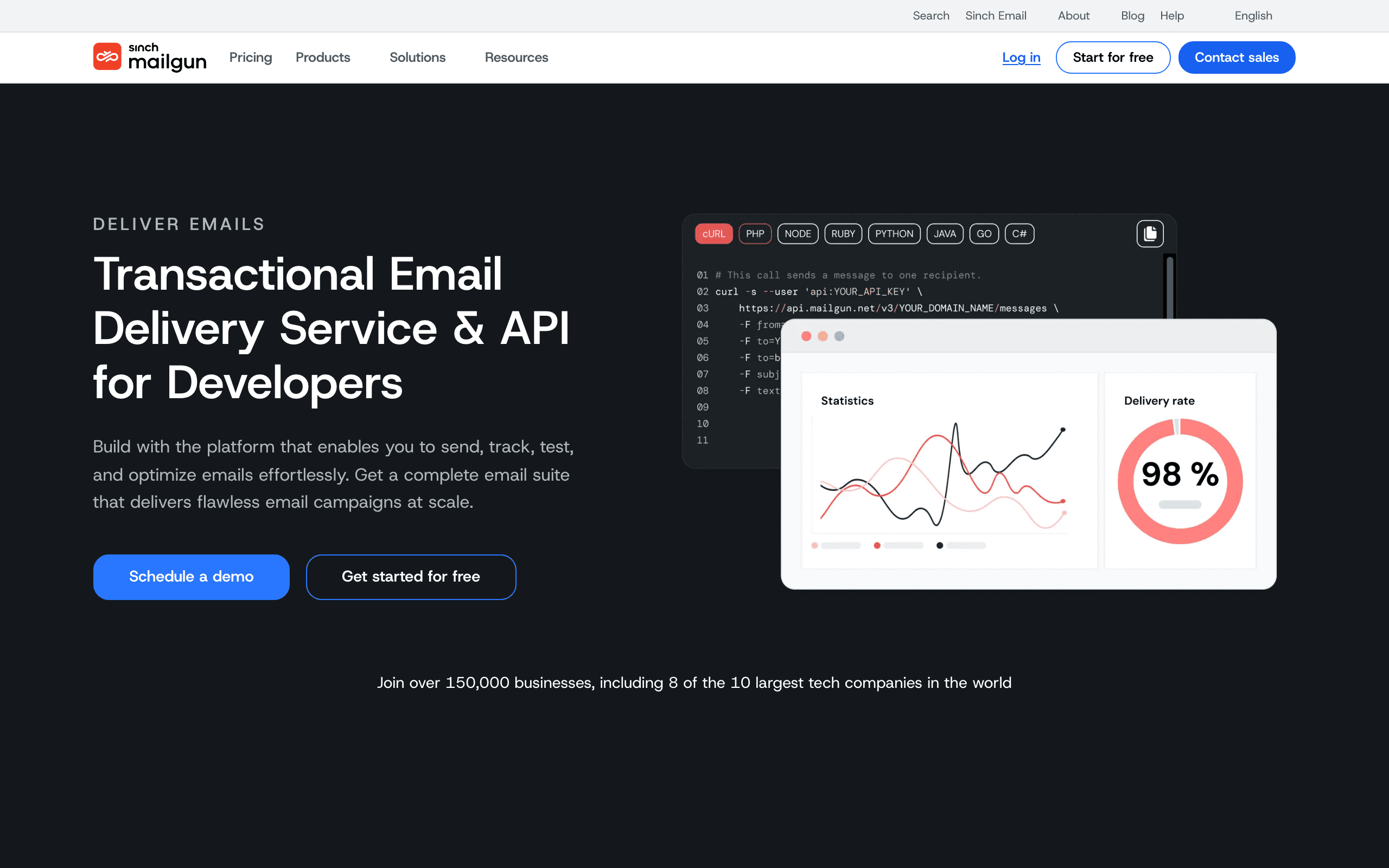
Mailjet was acquired by Pathwire (now Sinch), which also owns Mailgun. Corporate ownership affects product roadmap and pricing decisions. Some teams prefer independent platforms or want to consolidate to one Sinch product rather than managing both. Read our Mailjet comparison page for a detailed breakdown.
No AI content generation
Mailjet doesn't have AI email features. You write all content manually. If AI-generated sequences, subject lines, or content optimization matters to you, Mailjet doesn't offer it. Sequenzy's AI can generate entire email sequences from your product description. Check out our guide to AI in email marketing for why this matters.
Automation requires Premium
Mailjet's Essential plan ($17/mo) is basic - no automation, no A/B testing. Those require Premium ($27/mo). Competitors like Brevo include automation at $9/mo. If automation matters, you're paying Premium prices anyway. Our drip campaign glossary entry explains why automation matters for growth.
The alternatives, honestly
| Mailjet use case | Best alternative | Why |
|---|---|---|
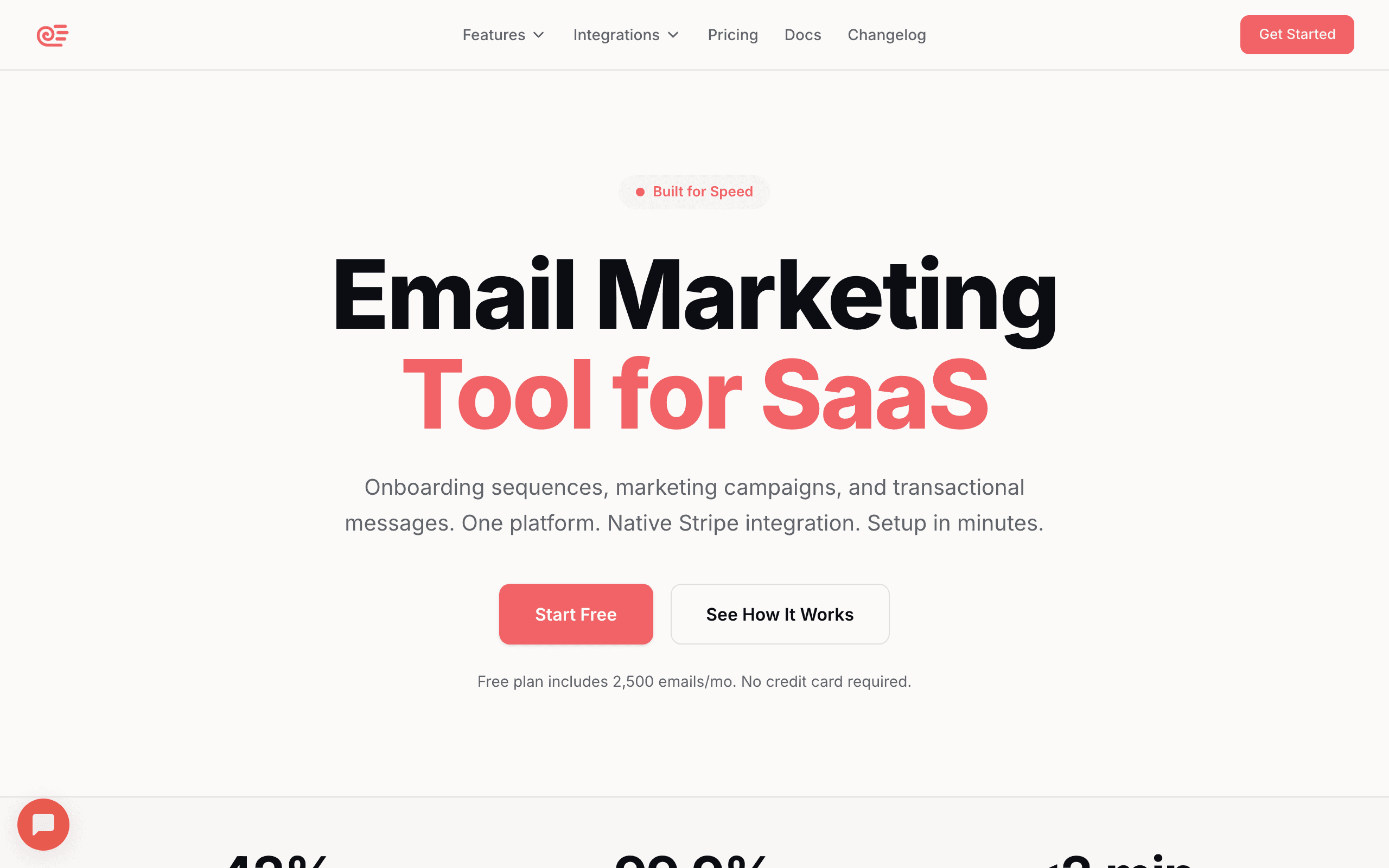
| SaaS lifecycle email | Sequenzy | Stripe sync, AI sequences, and SaaS-specific lifecycle automation. |
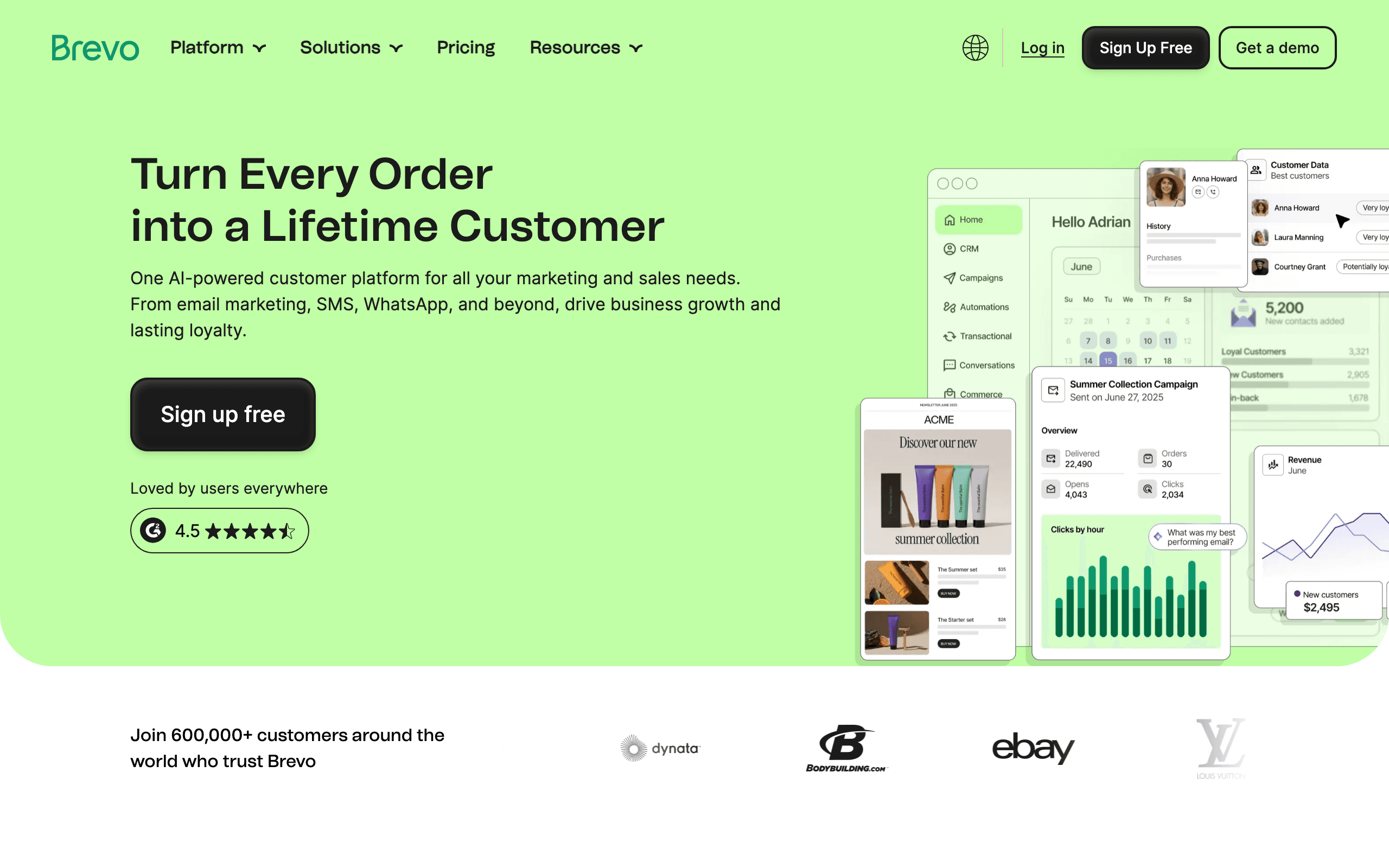
| Budget all-in-one marketing | Brevo | More channels and automation at a lower entry price. |
| Developer transactional email | Resend, Postmark, or SendGrid | Better specialist fit depending on DX, deliverability, or scale. |
| Modern developer workflow | Resend | Cleaner API and React Email support. |
| E-commerce | Klaviyo | Store data and revenue attribution beat Mailjet's general-purpose approach. |
| Team collaboration and EU data hosting | Stay with Mailjet | Collaboration and EU residency are Mailjet's real strengths. |
Best Mailjet alternative for SaaS founders
If you're building a SaaS, Sequenzy is purpose-built for you. Native Stripe integration syncs billing data automatically. AI generates email sequences. Pricing starts at $19/month for 15k emails (unlimited subscribers) and scales to $49/month for 60k emails (unlimited subscribers).
The catch: no team collaboration features, no subaccounts. But for SaaS-specific needs, it's a better fit than Mailjet's general-purpose approach. See how we compare on our Mailjet vs Sequenzy page.
Best Mailjet alternative for budget marketing
Brevo (formerly Sendinblue) is the most direct Mailjet comparison. Email + SMS + chat + CRM starting at $9/mo. Generous free plan. EU-based. Better automation at lower price. Read our Brevo comparison for the full breakdown.
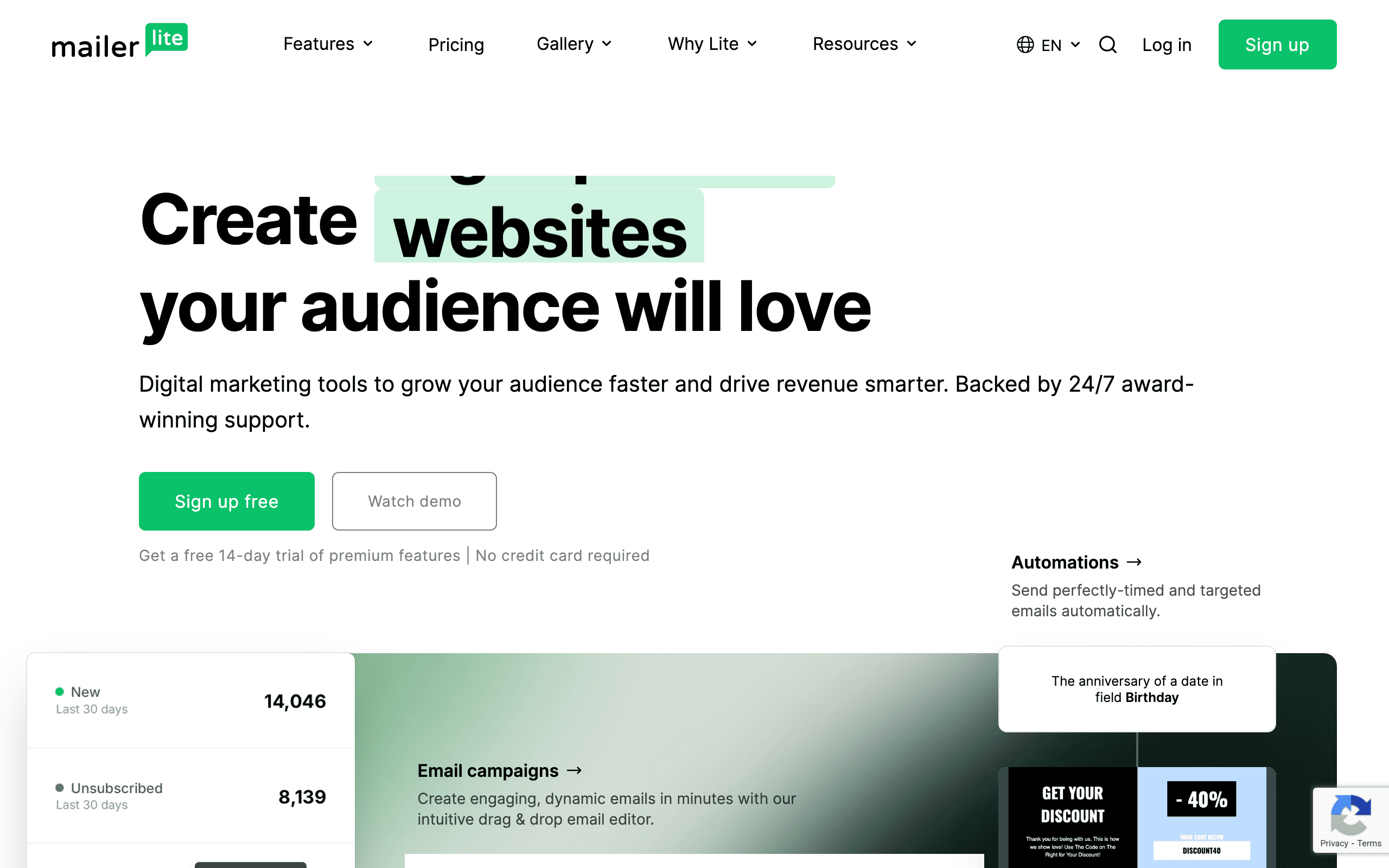
The trade-off: can feel overwhelming with features. Branding removal costs $12/mo extra. Support quality varies. But for budget-conscious teams wanting all-in-one, it's compelling.
| Hybrid email need | Mailjet | Brevo |
|---|---|---|
| EU-based provider | Strong fit | Strong fit. |
| Email + SMS | SMS through Sinch integration | More visibly bundled into the product. |
| Team collaboration | Stronger email collaboration | Less collaboration-specific. |
| Automation at low cost | Premium tier required | More automation available earlier. |
| Best fit | Teams editing emails together | Budget teams wanting broader channels. |
Best Mailjet alternative for transactional email
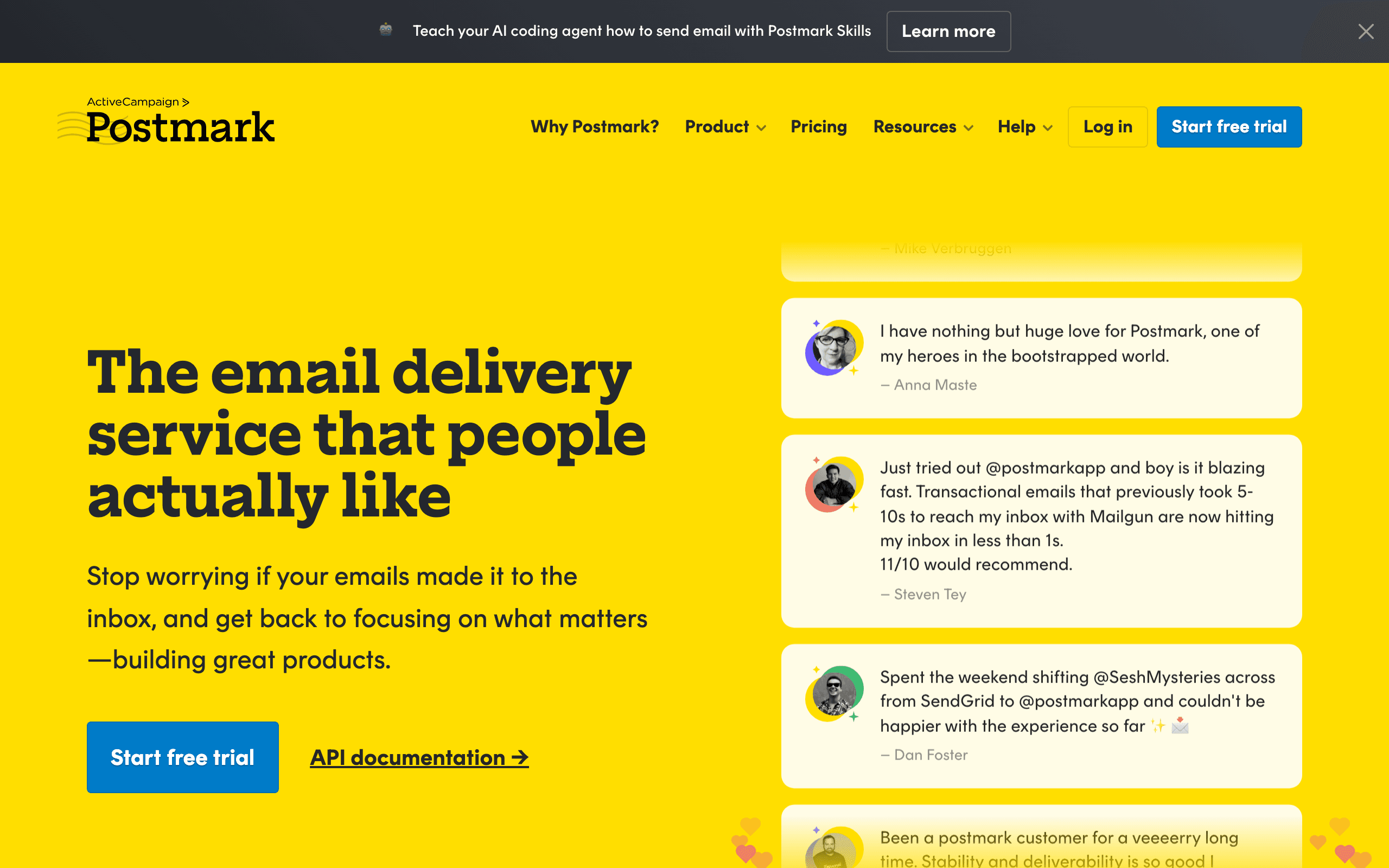
If you need reliable transactional email at scale, SendGrid (Twilio) or Postmark are industry standards. SendGrid for scale and ecosystem, Postmark for speed and support. Our transactional email feature page covers what to look for.
Trade-off: neither has strong marketing features built-in. SendGrid's marketing is a separate product. Postmark is transactional-only. But for developer-focused transactional, they're more battle-tested than Mailjet.
Best Mailjet alternative for modern DX
If developer experience is your top priority, Resend offers React Email templates and a beautifully designed API that makes Mailjet's feel dated. Great documentation and type-safe SDKs for every language.
Best Mailjet alternative for e-commerce
Running an online store? Mailjet's general-purpose approach can't compete with Klaviyo's deep Shopify integration, product recommendations, and revenue attribution. It's expensive, but e-commerce teams see clear ROI.
Best cheap Mailjet alternative
At $0.10 per 1,000 emails, nothing beats Amazon SES on price. If you have technical resources and don't need marketing features, SES is extremely cost-effective.
Trade-off: complex AWS console, no marketing features, AWS-style support. But for teams who just need email delivery infrastructure, the price is unbeatable.
Best Mailjet alternative for advanced automation
If Mailjet's workflows feel limiting, ActiveCampaign's visual automation builder is the industry benchmark. The built-in CRM means you can manage sales and marketing in one place - something Mailjet doesn't attempt.
The pricing comparison
At 10,000 subscribers:
| Platform | Approx. 10k price | Best for |
|---|---|---|
| Mailjet | $17/mo Essential or $27/mo Premium with automation | EU-hosted hybrid email and collaboration. |
| Sequenzy | $49/mo | SaaS lifecycle email with AI and Stripe. |
| Brevo | $9/mo Starter | Budget all-in-one email/SMS/CRM. |
| SendGrid | ~$20/mo | Transactional scale and Twilio ecosystem. |
| Postmark | $15/mo | Critical transactional deliverability. |
| Amazon SES | ~$1.50 pay-per-email | Lowest raw delivery cost. |
| MailerLite | ~$50/mo | Simple email plus landing pages. |
| ActiveCampaign | $79/mo | Advanced automation plus CRM. |
Note: Different pricing models (per email vs per subscriber vs flat rate). Compare based on your actual usage and feature needs. Check our pricing page for Sequenzy's simple per-subscriber model.
When Mailjet is still the right choice
Mailjet wins if:
| Stay with Mailjet when... | Switch when... |
|---|---|
| Team collaboration on email templates is valuable. | One person or one team owns email, so collaboration is not a differentiator. |
| Subaccounts for multiple clients or brands are needed. | You do not need agency-style account management. |
| EU data hosting is a requirement. | SaaS lifecycle, AI content, or Stripe automation matters more. |
| The $17-27/mo price range fits your budget. | You need automation without moving up tiers. |
| You do not need AI content features. | AI-assisted sequences would reduce campaign production time. |
Don't switch just to save a few dollars if Mailjet's collaboration features matter to your team. Managing emails across tools has its own costs. But if you're primarily one team sending to one brand, simpler tools are often better. Use our email validator tool to ensure list quality when evaluating any platform, and check our email deliverability glossary for tips on maintaining inbox placement during migration.