
Updated 2026-01-11

12 Listmonk Alternatives Worth Considering

Listmonk is excellent for self-hosted newsletters. But if you want managed simplicity or different features, here are your options.

TL;DR

Quick answer: For managed SaaS email, Sequenzy ($49/mo) or Loops. For other open-source options, Mautic (full marketing automation) or Postal (mail server). For budget managed, Brevo. For modern DX, Resend (transactional only).

12 Best Listmonk Alternatives

Our Pick for SaaS Companies
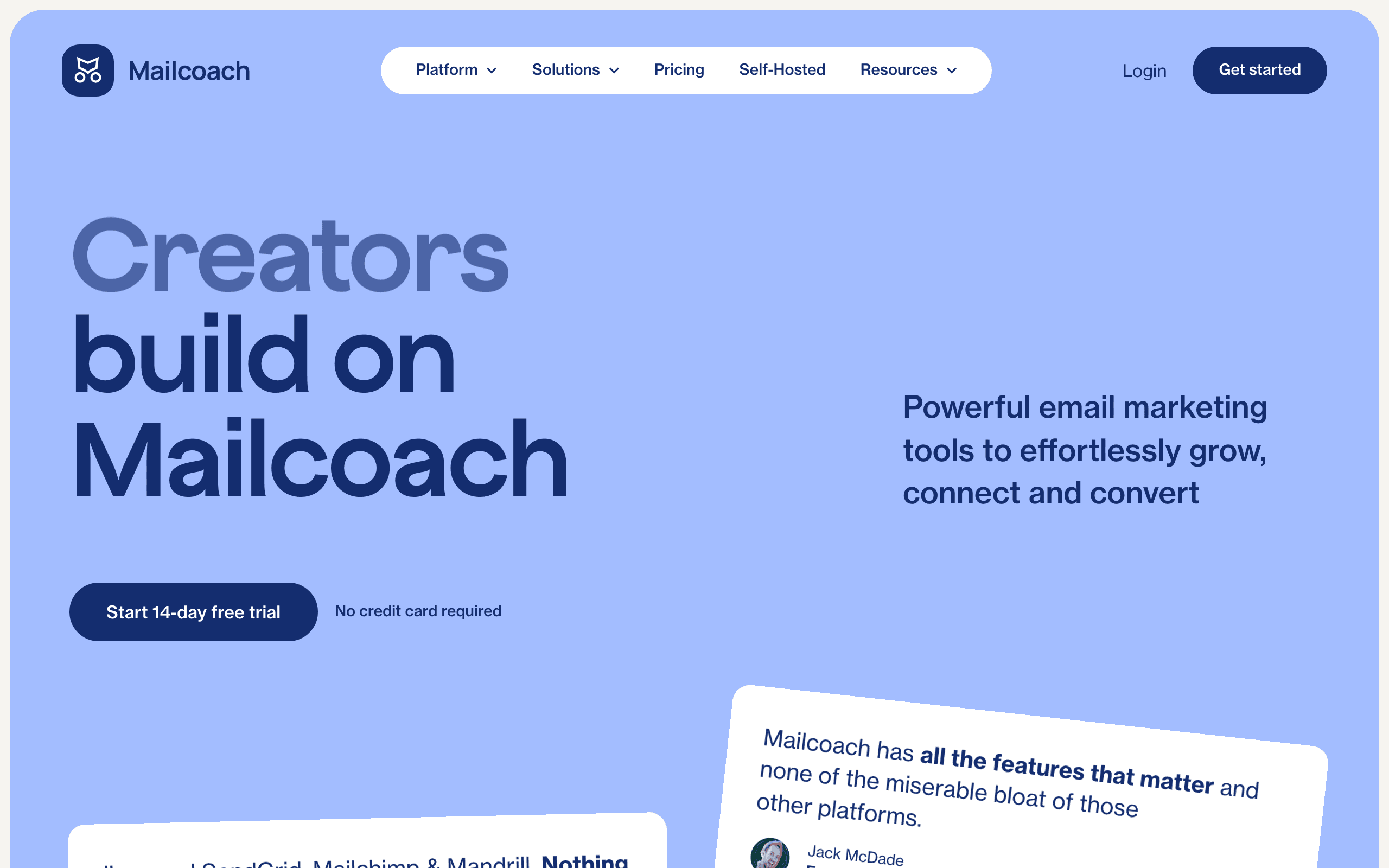
#1
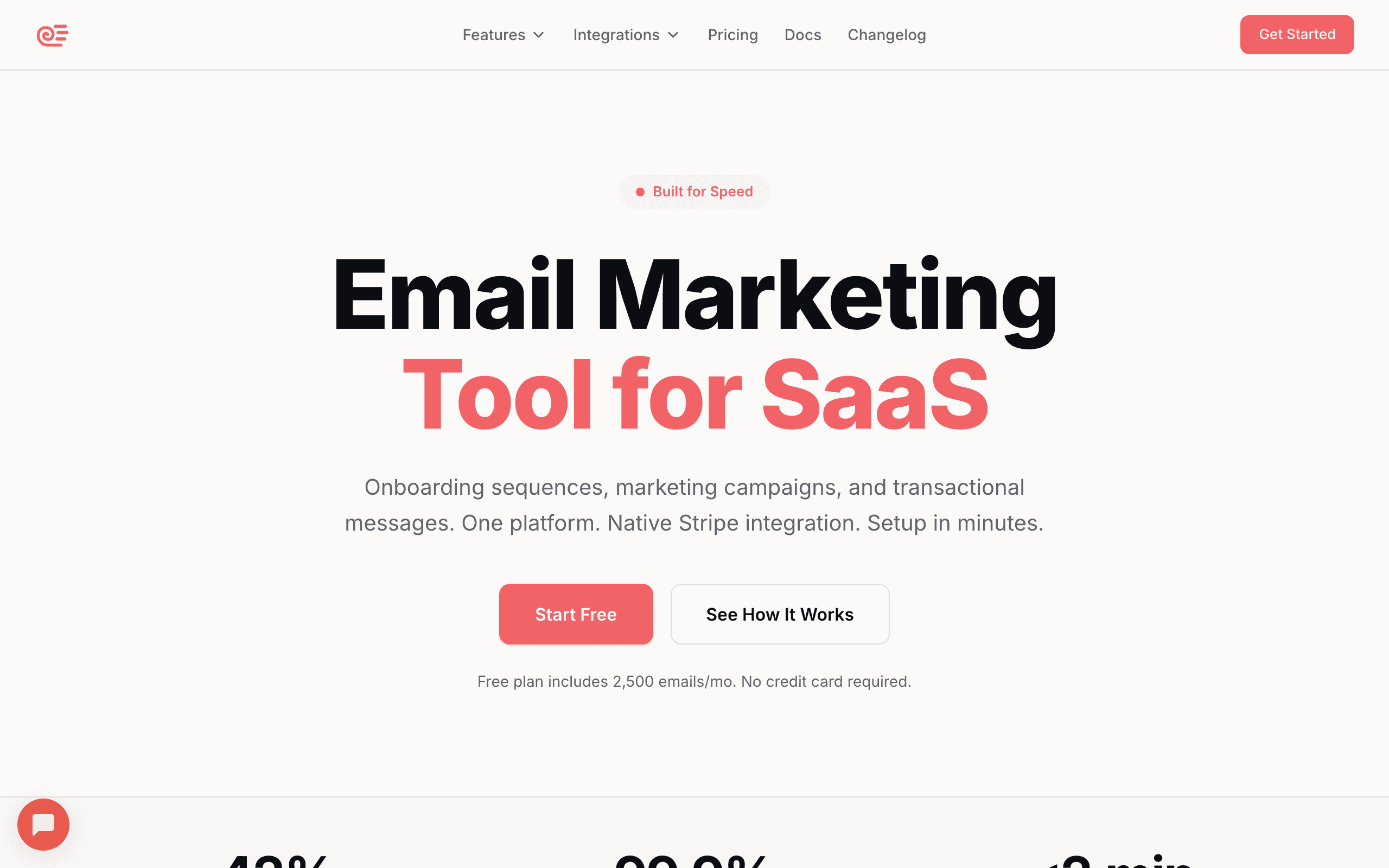
Sequenzy

Managed email marketing for SaaS with AI content generation. If you want Listmonk's power without DevOps, Sequenzy handles everything.

The AI generates complete email sequences — onboarding, trial conversion, churn prevention — from a description of your product, eliminating the manual template-building that Listmonk requires. Native Stripe integration syncs subscription events automatically, triggering the right emails when users upgrade, cancel, or hit billing issues. Transactional and marketing emails live in one platform with deliverability handled for you. The trade-off is clear: you give up self-hosting control and pay a monthly fee, but you gain features and time back.

Visit
Best for
SaaS teams wanting managed email with AI and Stripe
Pricing
$49/month for 10k subscribers

Pros

  • Fully managed—no DevOps required
  • AI generates entire email sequences
  • Native Stripe integration
  • Transactional + marketing combined
  • SaaS-specific automations

Cons

  • Not free like Listmonk
  • No self-hosting option
  • You don't own infrastructure
  • Subscriber-based pricing
#2
Mautic

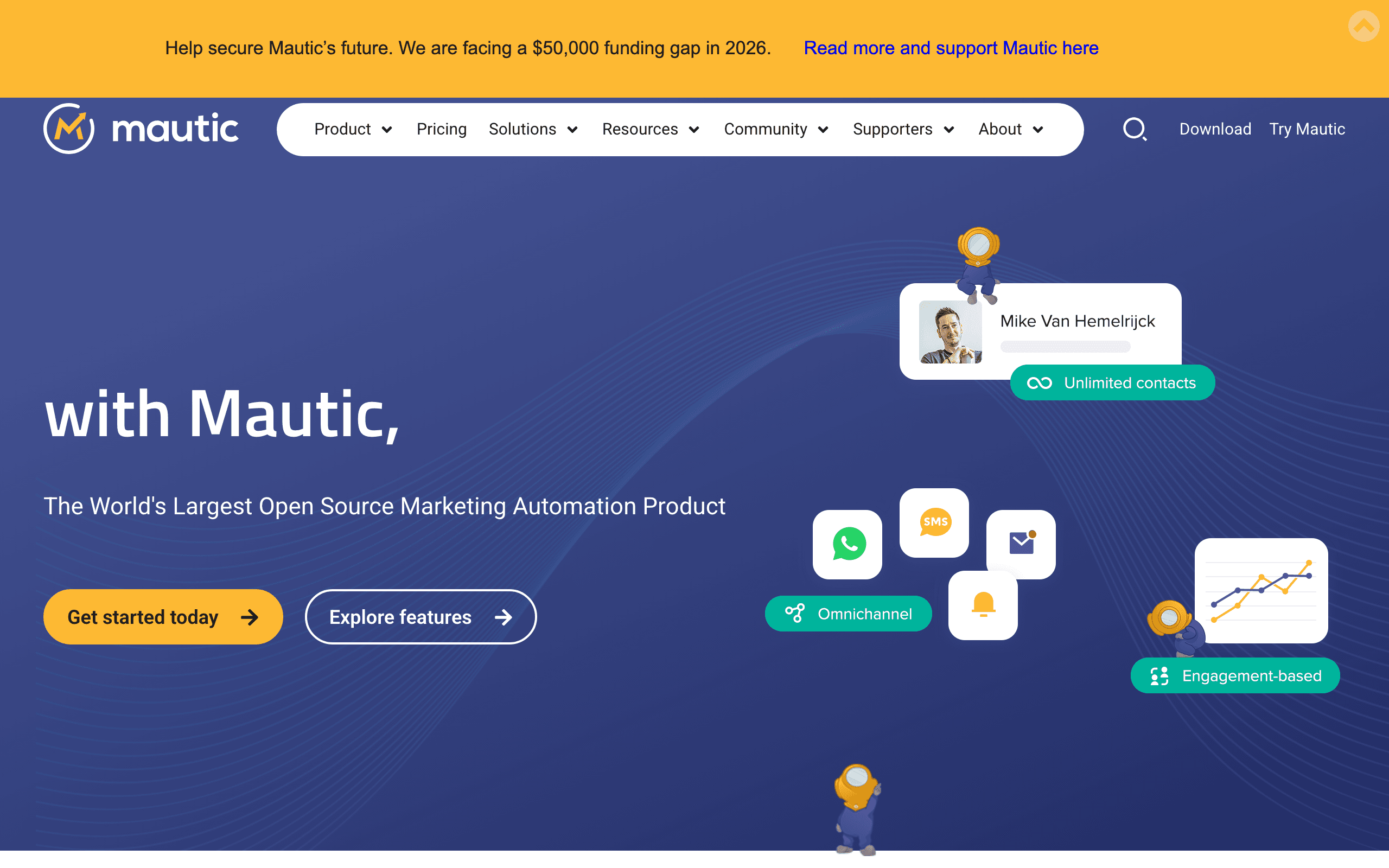
Open-source marketing automation platform. More complex than Listmonk but has CRM, landing pages, and workflow automation.

Mautic is the enterprise-grade open-source alternative — where Listmonk focuses on sending newsletters, Mautic offers a complete marketing suite with visual workflow automation, lead scoring, dynamic content, landing page builder, and contact segmentation. The community exceeds 200k users, and Acquia's backing provides enterprise credibility. The trade-off is significant: Mautic is built on PHP/Symfony and needs more server resources, the setup is considerably more complex than Listmonk's single-binary deployment, and the learning curve is steeper. Think of it as the HubSpot of the open-source world — powerful but heavy.

Visit
Best for
Teams wanting full open-source marketing automation
Pricing
Free (self-hosted) or Mautic Cloud ($399+/mo)

Pros

  • Full marketing automation
  • CRM included
  • Landing page builder
  • Visual workflow automation
  • Large community (200k+ users)

Cons

  • Complex setup and maintenance
  • Resource-intensive
  • Steeper learning curve than Listmonk
  • Requires more DevOps
#3
Sendy

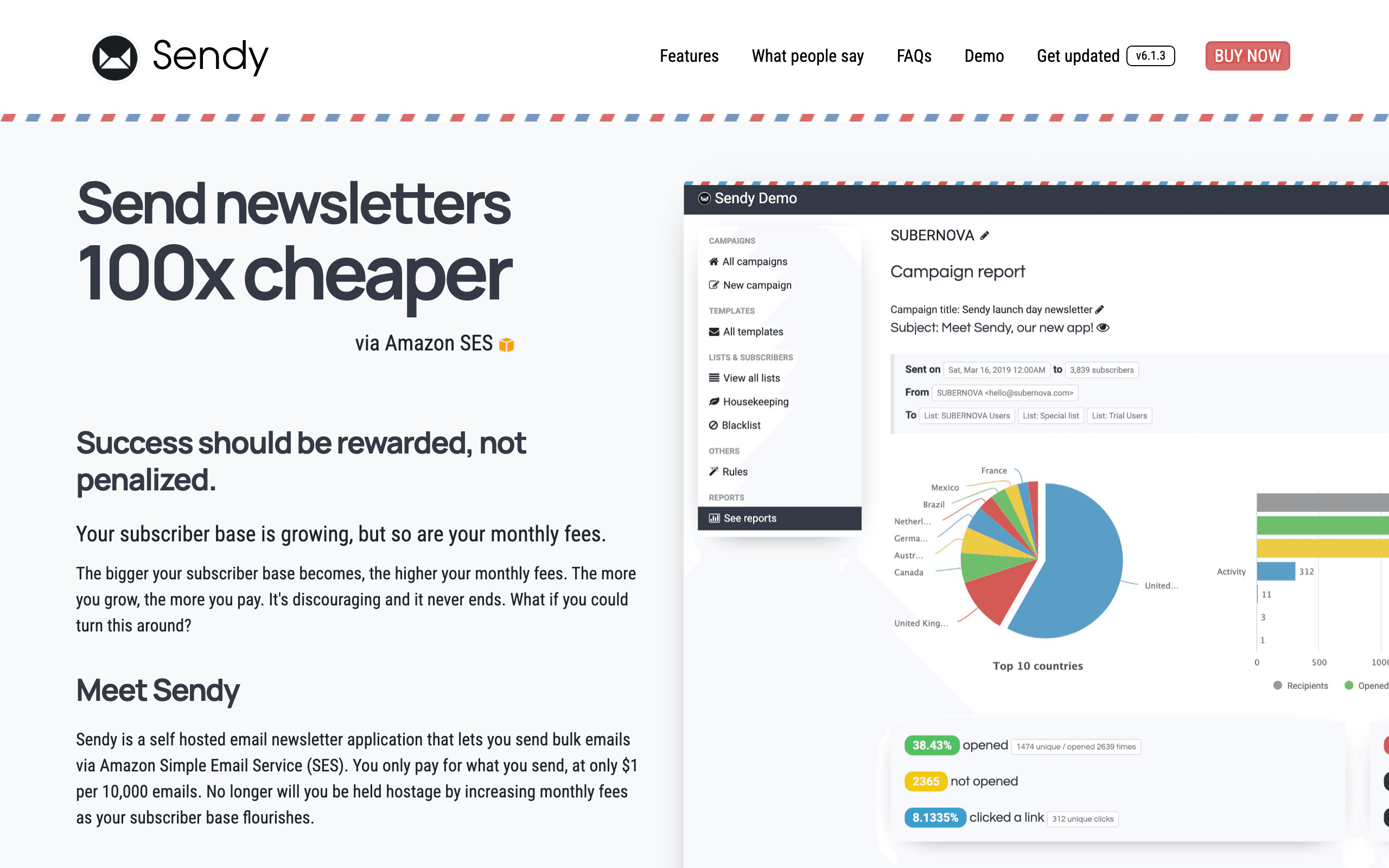
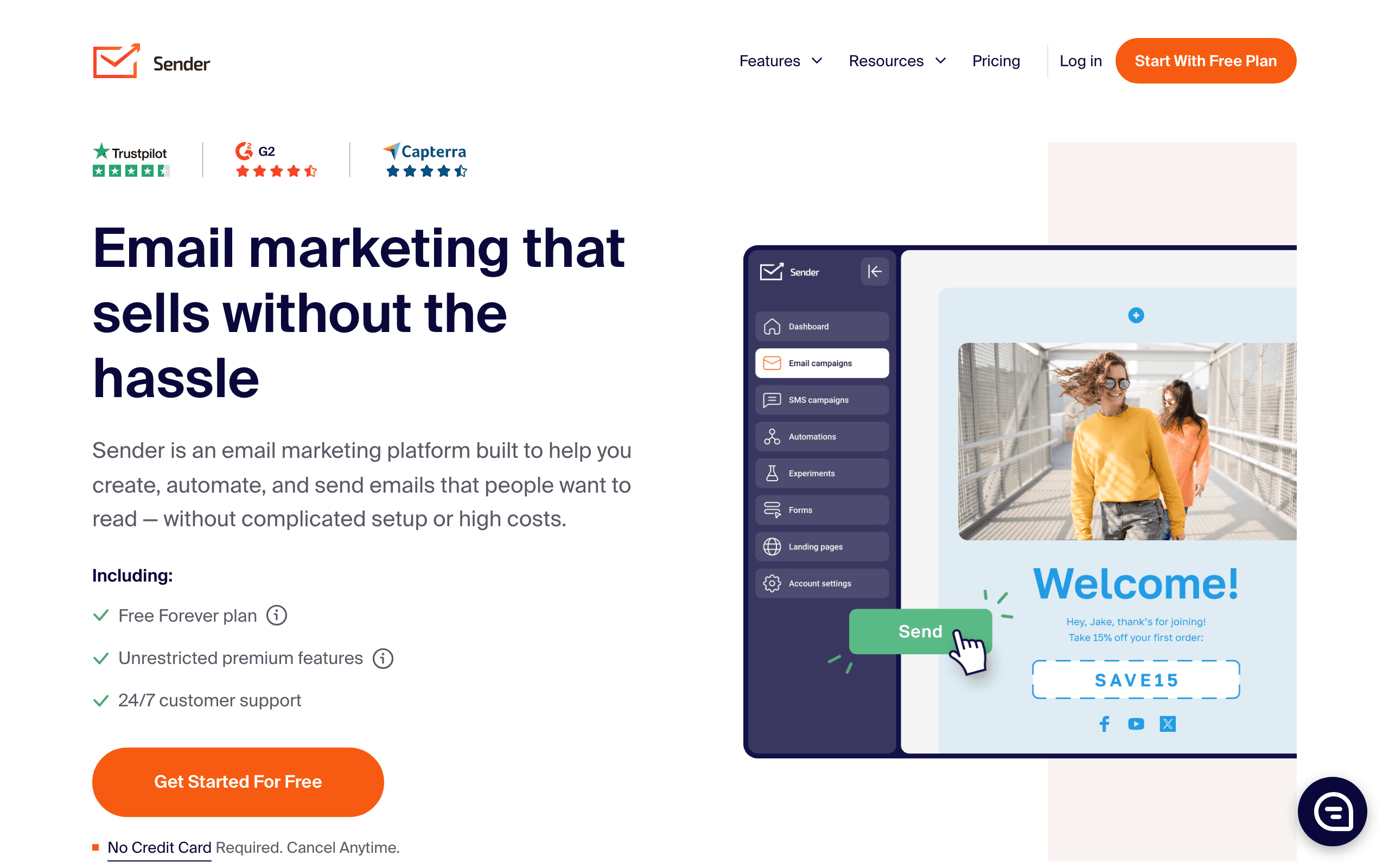
Self-hosted email marketing with Amazon SES. One-time $69 purchase, then just SES costs.

Similar philosophy to Listmonk. Sendy has been running reliably since 2012, and its one-time payment model means your total cost is essentially hosting plus Amazon SES fees (~$0.10 per 1,000 emails). Multi-brand support makes it popular with agencies managing multiple client lists from one installation. The campaign management, autoresponders, and list segmentation cover basic email marketing needs. The PHP codebase feels older compared to Listmonk's Go, and you're locked into Amazon SES as your sending provider. Development is slower than Listmonk's community-driven updates, but the tool is stable and battle-tested.

Visit
Best for
Self-hosters who want one-time payment
Pricing
$69 one-time + Amazon SES costs

Pros

  • One-time payment (no subscription)
  • Uses cheap Amazon SES
  • Self-hosted data control
  • Multi-brand support
  • Good for agencies

Cons

  • Not open-source
  • PHP-based (some prefer Go/Docker)
  • Amazon SES lock-in
  • Less active development than Listmonk
#4
Postal

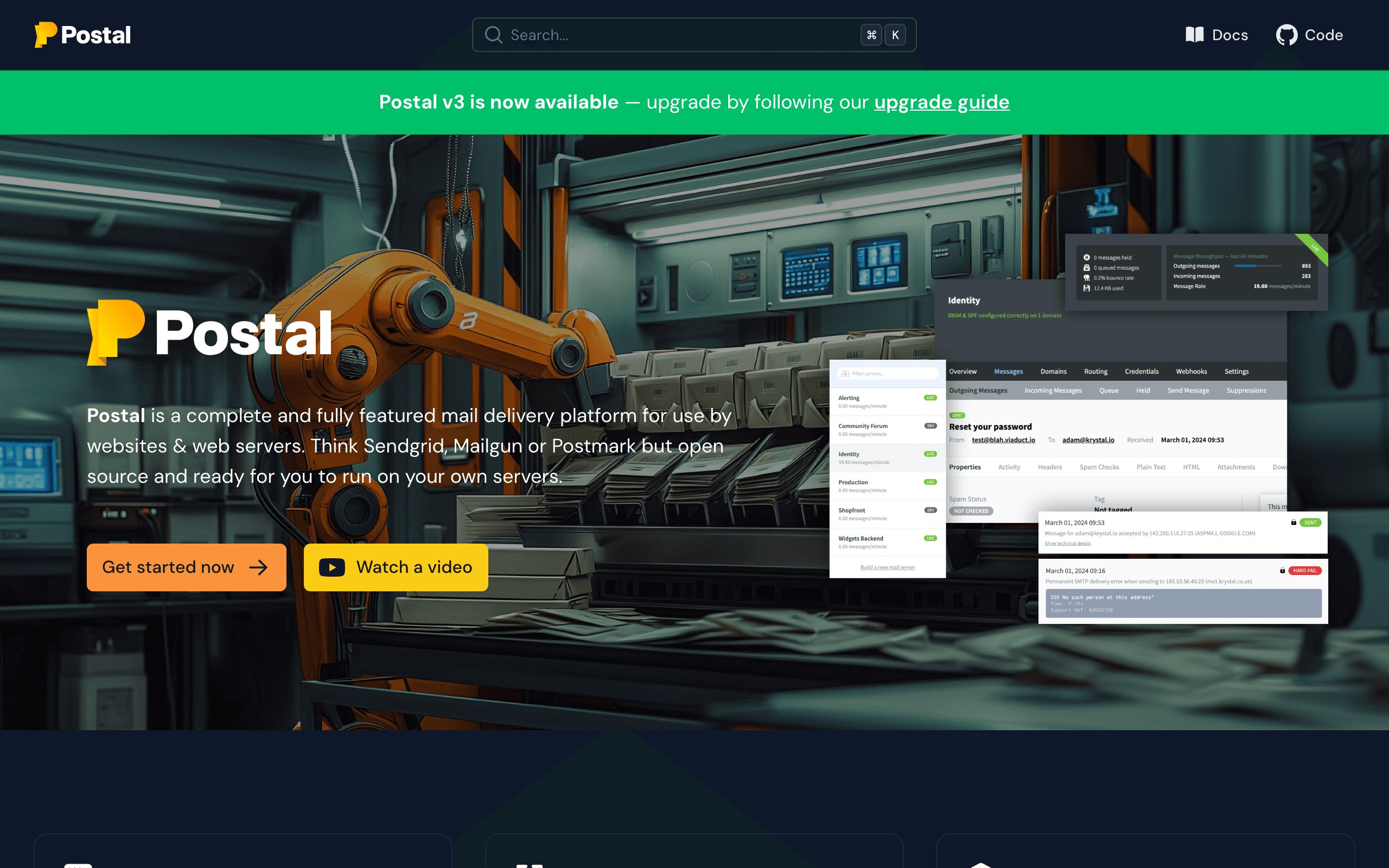
Open-source mail delivery platform. Like self-hosting your own SendGrid. Good if you want complete email infrastructure control.

Postal solves a problem that Listmonk doesn't even try to address — it replaces your external SMTP provider entirely, so you're not paying SendGrid, SES, or Mailgun for delivery. You run your own mail transfer agent with full control over IP reputation, sending queues, and delivery policies. The API mirrors commercial services, making it familiar for developers. Pair it with Listmonk for campaign management and you have a completely self-contained email stack. The commitment is significant though: managing mail server infrastructure, IP warming, deliverability monitoring, and abuse handling requires dedicated DevOps attention.

Visit
Best for
Teams wanting self-hosted mail server infrastructure
Pricing
Free (self-hosted)

Pros

  • Complete mail server control
  • No external SMTP needed
  • Both transactional and bulk
  • API similar to commercial services
  • Open-source (MIT)

Cons

  • Complex infrastructure setup
  • You manage deliverability and IP reputation
  • No marketing features
  • Significant DevOps commitment
#5
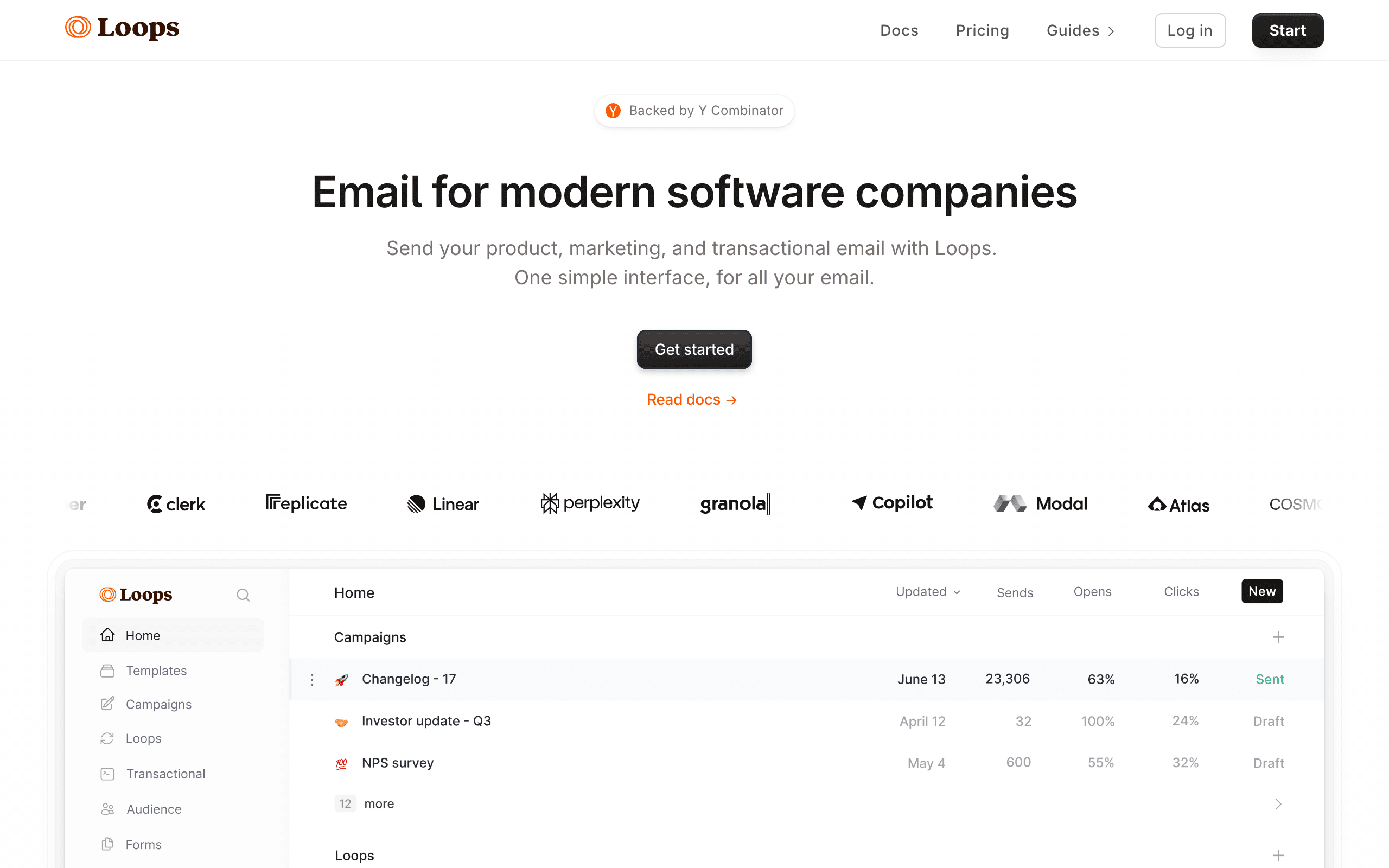
Loops

Modern email marketing for SaaS. Similar positioning to Sequenzy but without AI. Clean, focused on software companies.

Loops was built specifically for SaaS with a clean, opinionated interface that strips away the complexity of general-purpose email tools. Transactional emails (password resets, receipts) and marketing emails (campaigns, sequences) live in the same platform — something Listmonk also does but with less polish. The event-based automation system lets you trigger emails based on user actions in your product. All features are available on every plan with no tier-gating. The main drawbacks compared to Listmonk: you can't self-host, there's no AI content generation, and pricing climbs steeply past 10k contacts.

Visit
Best for
SaaS teams wanting clean managed email
Pricing
$49/month for 5,000 contacts, ~$99/mo for 10k

Pros

  • Built specifically for SaaS
  • Clean, modern interface
  • Transactional + marketing
  • Good deliverability
  • All features on all plans

Cons

  • Gets expensive past 10k subs
  • No AI content generation
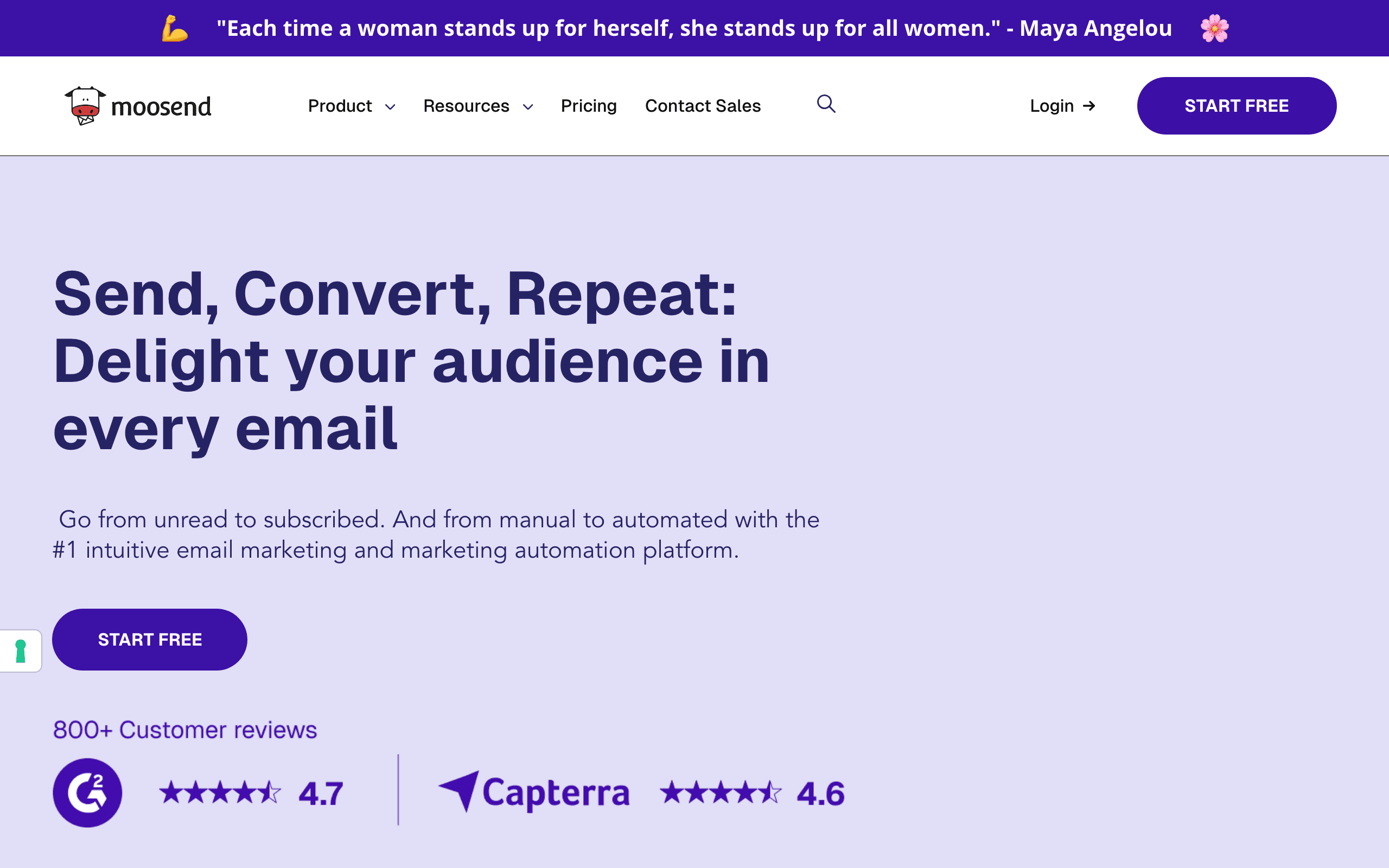
  • No self-hosting option
  • Less established than Mailchimp
#6
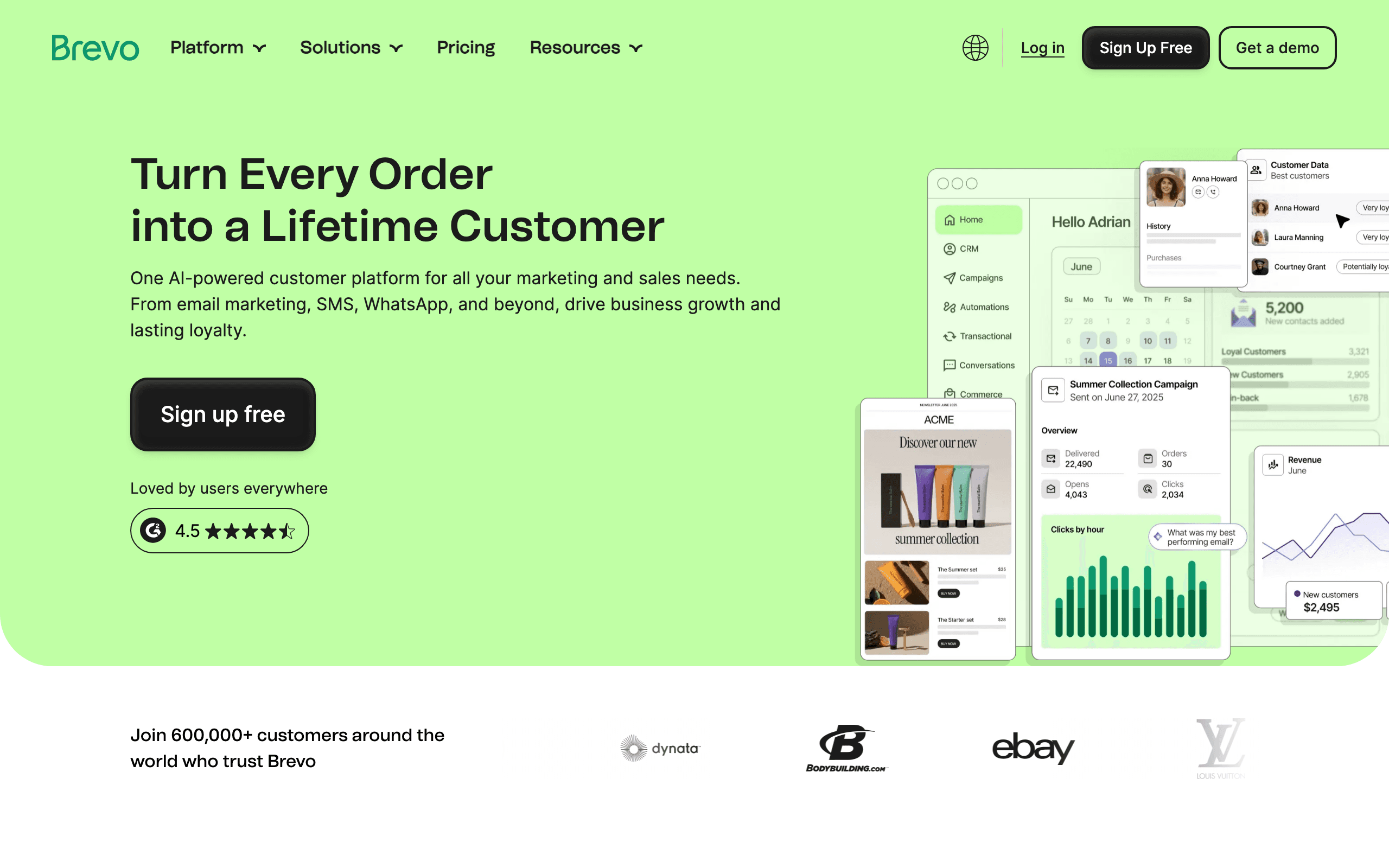
Brevo

Budget-friendly managed email with unlimited contacts. Pay per email sent. Good middle ground if Listmonk's self-hosting is too much.

Brevo's unlimited contacts model echoes Listmonk's philosophy of not charging per subscriber — you store everyone and only pay based on emails sent, starting at $25/month for 20k emails. The platform bundles transactional email, marketing campaigns, automation, SMS, and a basic CRM, giving you a lot more marketing capability than Listmonk offers. No servers to manage, no SMTP to configure, no deliverability to worry about. The interface feels dated compared to modern tools, and per-email costs add up at high volume, but for teams who want to stop self-hosting without breaking the budget, Brevo is the most cost-effective managed option.

Visit
Best for
Budget-conscious teams wanting managed email
Pricing
$25/month for 20,000 emails

Pros

  • Unlimited contacts
  • Transactional + marketing
  • SMS included
  • Actually affordable
  • No DevOps required

Cons

  • Pay-per-email adds up at volume
  • DX is dated
  • Interface is clunky
  • Support can be slow
#7
Buttondown

Simple, focused newsletter tool. Writer-friendly with Markdown support. Good if you just need to send newsletters without complexity.

Buttondown shares Listmonk's minimalist philosophy — it does newsletters and does them well, without the feature bloat of larger platforms. Markdown-native editing appeals to developers and writers who find WYSIWYG editors frustrating. Paid newsletter support lets you monetize your content with Stripe-based subscriptions, and the API is clean enough for custom integrations. Unlike Listmonk, it's fully managed — no servers, no PostgreSQL, no SMTP configuration. The trade-off is that it's not free (starts at $9/month for 1k subscribers) and has limited automation and segmentation compared to Listmonk's campaign management capabilities.

Visit
Best for
Writers and creators wanting simple newsletters
Pricing
Free for 100 subs, $9/mo for 1k, scales up

Pros

  • Dead simple interface
  • Markdown native
  • Free tier available
  • Clean, focused design
  • Good for personal newsletters

Cons

  • Limited automation
  • Not built for SaaS
  • Basic segmentation
  • Less feature-rich than Listmonk
#8
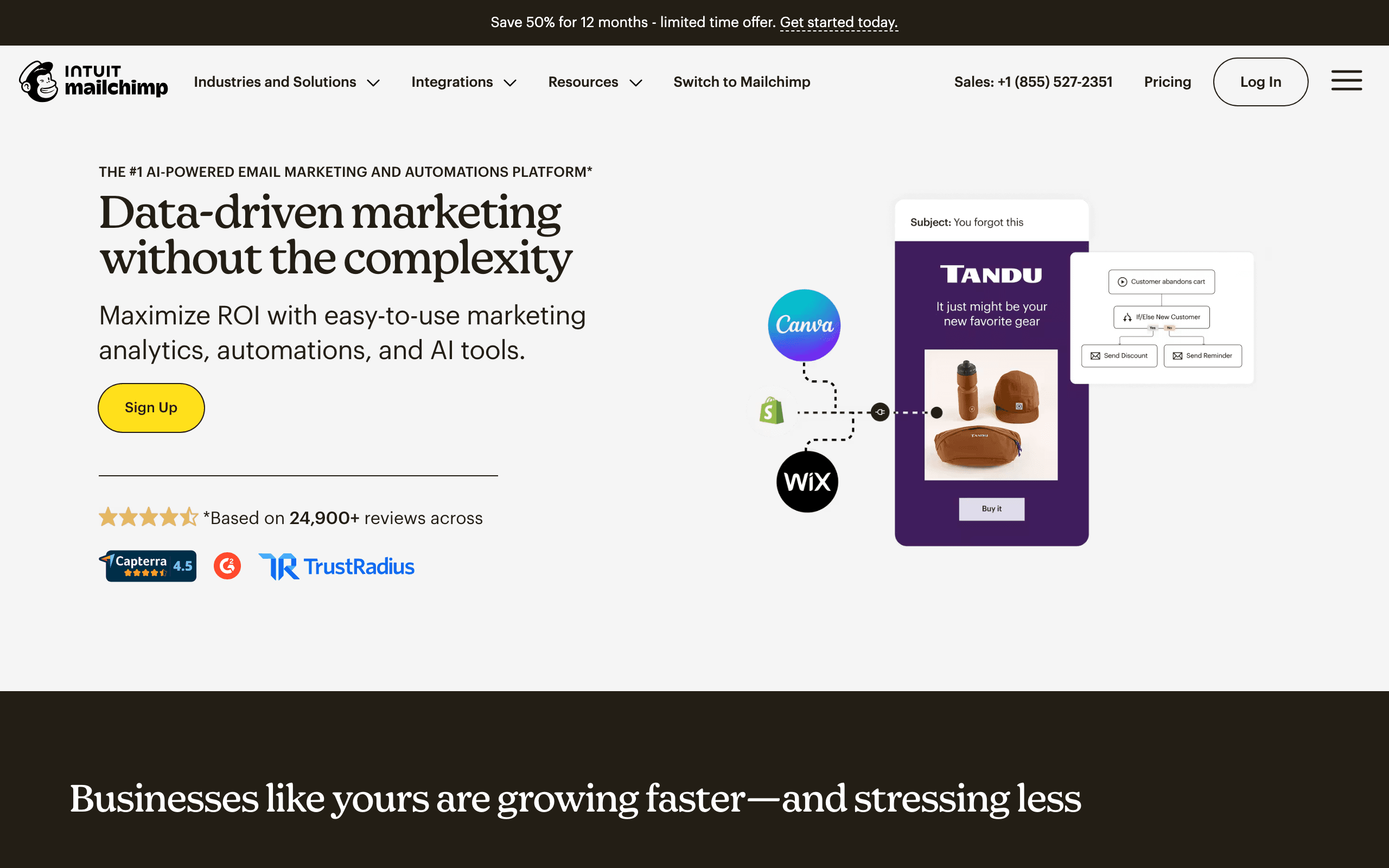
Mailchimp

The default choice for many. Massive feature set but increasingly expensive. Most people already know it.

Mailchimp is the polar opposite of Listmonk's philosophy — where Listmonk is free, lightweight, and self-hosted, Mailchimp is paid, feature-heavy, and fully managed. The advantage is the massive ecosystem of integrations (virtually every tool connects to Mailchimp), a large template library, landing pages, and basic CRM. Everyone on your team will know how to use it. The disadvantage is pricing: at roughly $350/month for 10k contacts on Standard, it's over 20x what Listmonk costs to run. Intuit's ownership has pushed prices up and features toward their ecosystem. For Listmonk users, Mailchimp feels bloated and expensive, but for non-technical teams it removes all infrastructure concerns.

Visit
Best for
Teams wanting familiar, established platform
Pricing
Free for 500, then $20/mo for 500+

Pros

  • Everyone knows it
  • Huge template library
  • Extensive integrations
  • Landing pages included
  • Established reputation

Cons

  • Expensive at scale (~$350/mo at 10k)
  • Pricing increased significantly
  • Intuit ownership concerns
  • Feature bloat for simple needs
#9
ConvertKit

Creator-focused email marketing. Popular with bloggers and course creators. Good automation and landing pages.

ConvertKit (now Kit) is built around the subscriber as the central unit — each person exists once in your account regardless of how many forms they fill out, which makes list management cleaner. The visual automation builder lets you create sequences triggered by purchases, tag changes, or link clicks. Landing pages and opt-in forms are included on all plans for lead capture without external tools. Commerce features support selling digital products and courses directly. For Listmonk users who are primarily content creators or educators, ConvertKit offers more marketing-specific features in a managed package, though at $79+/month it's significantly more expensive than running Listmonk.

Visit
Best for
Creators, bloggers, course sellers
Pricing
Free for 1k, $29/mo for 1k+, $79/mo for 3k+

Pros

  • Built for creators
  • Visual automation builder
  • Landing pages included
  • Commerce features
  • Free tier available

Cons

  • Not optimized for SaaS
  • Gets pricey at scale
  • Limited transactional features
  • Basic reporting
#10
MailerLite

Affordable managed email with good features. Popular Mailchimp alternative. Clean interface, reasonable pricing.

MailerLite offers a clean, modern interface with a drag-and-drop editor that makes email creation intuitive, plus landing pages, pop-ups, and even a basic website builder included on paid plans. The automation builder supports multi-step workflows with conditions and delays — more marketing automation than Listmonk provides. A 1k subscriber free tier lets you test before committing. At $73/month for 10k subscribers on the Growing Business plan, it's more expensive than running Listmonk but dramatically cheaper than Mailchimp. The strict account approval process can be frustrating, and transactional email requires their separate MailerSend product.

Visit
Best for
Teams wanting Mailchimp-like features at lower cost
Pricing
Free for 1k, $73/mo for 10k (Growing Business)

Pros

  • Cheaper than Mailchimp
  • Clean, modern interface
  • Landing pages included
  • Automation workflows
  • Good email editor

Cons

  • Strict approval process
  • Limited transactional
  • Gets expensive past 10k
  • No native SaaS integrations
#11
Plunk

Open-source email platform with modern DX. Similar philosophy to Resend but open-source.

Good if you want Listmonk's values with modern API. Plunk represents the next generation of open-source email tools — built with TypeScript and React, it feels more contemporary than Listmonk's Go backend or Mautic's PHP stack. It handles transactional, marketing, and automated emails in one platform, which most open-source tools don't attempt. The API design is clean and developer-friendly, inspired by the DX standards that Resend set for commercial tools. Self-hosting is possible for full control, or you can use their hosted plans. The project is younger than Listmonk with a smaller community, so expect less documentation and fewer battle-tested production deployments.

Visit
Best for
Developers wanting open-source with modern DX
Pricing
Free (open-source) or hosted plans

Pros

  • Open-source (like Listmonk)
  • Modern developer experience
  • Self-hostable
  • React-friendly
  • Clean API

Cons

  • Earlier stage than Listmonk
  • Smaller community
  • Less documentation
  • Fewer features currently
#12
Resend

Modern email API with best developer experience. Transactional only, but if you just need to send emails with great DX, it's excellent.

Resend was built by developers frustrated with the complexity of email APIs, and the result is the cleanest DX in the space — TypeScript-first SDKs, React Email for building templates with components, and documentation that developers actually enjoy reading. The free tier includes 3k emails/month, and paid plans start at $20/month for 50k emails. For Listmonk users who are primarily sending transactional notifications (password resets, receipts, alerts), Resend offers a managed alternative with significantly better developer ergonomics. The limitation is strict: transactional only — no marketing campaigns, no subscriber management, no automation. You'd need a separate tool for anything beyond sending.

Visit
Best for
Developers who prioritize modern DX
Pricing
Free for 3k/mo, $20/mo for 50k

Pros

  • Best developer experience in email
  • React Email integration
  • Modern SDKs
  • 3k emails/month free
  • Beautiful API

Cons

  • Transactional only—no marketing
  • No subscriber management
  • No campaigns or automation
  • You'll need a second tool for marketing

Why Consider Alternatives to Listmonk

Self-hosting isn't for everyone

Listmonk requires PostgreSQL, server management, SMTP configuration, and ongoing maintenance. If DevOps isn't your strength or you'd rather focus on your product, managed alternatives remove this overhead.

You need more features

Listmonk is focused on newsletters and basic transactional. If you need advanced automation, AI content generation, landing pages, or CRM integration, you may have outgrown what Listmonk offers.

Marketing automation is limited

Listmonk can schedule campaigns but lacks complex drip sequences, behavioral triggers, or visual workflow builders. For sophisticated automation, Mautic (open-source) or Sequenzy (managed) offer more.

No native integrations

Listmonk doesn't integrate with Stripe, Zapier, or other common SaaS tools out of the box. If you need integrations without custom development, managed platforms have pre-built connectors.

Feature Comparison

FeatureListmonkSequenzyMauticSendyBrevoLoops
Price (10k subs)
~$15/mo total
$49/mo
~$20/mo self-host
$69 one-time + SES
~$65/mo
~$99/mo
Self-hosted
Yes
Yes
Yes
Open-source
Yes (AGPLv3)
Yes (GPLv3)
Marketing automation
Basic
Full
Full
Basic
Good
Good
AI features
Content AI
Stripe integration
Native
Via plugin
Available
Native

When to Use Each Platform

Choose Sequenzy if...
  • You want managed email without DevOps
  • AI-generated email sequences interest you
  • You use Stripe and want automatic sync
  • You're building a SaaS business
Choose Stay with Listmonk if...
  • You have DevOps resources and prefer self-hosting
  • Cost is your top priority
  • You want complete data control
  • You enjoy the simplicity of Listmonk's design
Choose Mautic if...
  • You want open-source with full marketing automation
  • You need CRM and landing pages
  • You have significant DevOps capacity
  • You want Listmonk's values with more features
Choose Sendy if...
  • You prefer one-time payment over subscription
  • You're comfortable with Amazon SES
  • Self-hosting is important to you
  • You want a simpler alternative to Mautic
Choose Brevo if...
  • You want managed email at lower cost
  • Self-hosting is too much overhead
  • You need SMS alongside email
  • Budget is a key consideration

Why People Consider Listmonk Alternatives

Listmonk is genuinely excellent for what it does — a single Go binary that handles newsletter management with remarkable performance and zero licensing costs. It's one of the most popular open-source email tools for good reason. But self-hosting means managing servers, SMTP providers, deliverability, and updates yourself, and the feature set focuses on newsletters rather than full marketing automation. Here are the most common reasons people look for alternatives:

Self-Hosting Isn't Their Strength

Listmonk requires PostgreSQL, server management, SMTP configuration, SSL, and ongoing maintenance. For technical teams, this is straightforward. For founders who'd rather focus on product than email infrastructure, the overhead adds up. Learn more in our Listmonk comparison page.

They've Outgrown the Feature Set

Listmonk focuses on newsletters and basic transactional. If you need advanced automation, AI content generation, landing pages, or CRM integration, Listmonk doesn't offer these. You'd need to add other tools or switch platforms.

They Need Native Integrations

Listmonk doesn't integrate with Stripe, Zapier, or other SaaS tools out of the box. Building integrations requires development work. Managed platforms have pre-built connectors that just work.

The Alternatives, Honestly

If you want managed SaaS email: Sequenzy

Sequenzy is what you'd get if Listmonk was managed SaaS with AI. AI-generated sequences, Stripe integration, transactional + marketing combined. No DevOps required. $49/month for 10,000 subscribers (120k emails) includes everything.

The trade-off: you don't own the infrastructure like with Listmonk.

If you want open-source with more features: Mautic

Mautic is the enterprise open-source option. Full marketing automation, CRM, landing pages, visual workflow builder. It's what you choose when Listmonk isn't enough but you still want open-source.

The trade-off: significantly more complex to set up and maintain.

If you want one-time payment: Sendy

Sendy is $69 one-time, then just Amazon SES costs. Self-hosted like Listmonk but PHP-based and tied to SES. Good if you specifically want to avoid subscriptions.

The trade-off: locked to Amazon SES, less actively developed than Listmonk.

If you want budget managed: Brevo

Brevo (formerly Sendinblue) is managed email at ~$25/month with unlimited contacts. SMS included. No DevOps required. Good middle ground if self-hosting is too much but enterprise platforms are too expensive.

The trade-off: dated DX, pay-per-email adds up at volume.

If you want complete mail server control: Postal

Postal is open-source mail server infrastructure. Like self-hosting your own SendGrid. You don't need external SMTP—you ARE the SMTP.

The trade-off: significant infrastructure commitment, you manage IP reputation entirely.

The Cost Reality

At 10,000 subscribers monthly:

Platform Monthly Cost Self-Hosted Notes
Listmonk ~$15 Yes VPS + SES
Postal + Listmonk ~$20 Yes Full control
Sendy ~$10 ongoing Yes $69 one-time + SES
Brevo ~$25 No Managed
Sequenzy $49 No AI + Stripe
Mautic ~$20 Yes More complex
Loops ~$99 No SaaS-focused

Self-hosted options are cheaper in dollars but cost engineering time. Factor in your hourly rate when comparing.

When Listmonk is Still the Right Choice

Listmonk wins if:

  • You have DevOps resources and prefer self-hosting
  • Cost optimization is your top priority
  • You want complete data control on your own servers
  • You appreciate Listmonk's single-binary simplicity
  • Newsletter sending is your primary need
  • You enjoy the active open-source community

Don't switch just because alternatives exist. Listmonk is genuinely excellent software. But if DevOps overhead, limited automation, or lack of integrations are frustrating you, the alternatives above address those gaps.

Use our email validator tool to verify your list quality, and check our SPF checker and DKIM checker to ensure your email authentication is configured correctly—whether self-hosted or managed.

Frequently Asked Questions

Ready to try Sequenzy?

Start your free trial today. AI-generated sequences, Stripe integration, and direct founder support included.

Sequenzy vs Listmonk: Direct Comparison

See a detailed side-by-side comparison of features, pricing, and when to choose each platform.

Compare →

More Alternatives

Sequenzy - Complete Pricing Guide

Pricing Model

Sequenzy uses subscriber-based pricing. You only pay for subscribers active in sequences (automations). Inactive subscribers are free to store.

All Pricing Tiers

  • 0-100 subscribers: Free (Free annually) - 3k emails/month
  • 101-1,000 subscribers: $19/month ($205/year annually) - 15k emails/month
  • 1,001-5,000 subscribers: $29/month ($313/year annually) - 60k emails/month
  • 5,001-10,000 subscribers: $49/month ($529/year annually) - 120k emails/month
  • 10,001-25,000 subscribers: $99/month ($1069/year annually) - 300k emails/month
  • 25,001-50,000 subscribers: $199/month ($2149/year annually) - 600k emails/month
  • 50,001-100,000 subscribers: $349/month ($3769/year annually) - 1.2M emails/month
  • 100,000+ subscribers: Custom pricing (Custom annually) - Unlimited emails/month

Yearly billing: All plans offer a 10% discount when billed annually.

Free Plan Features (2,500 emails/month)

  • Visual automation builder
  • Transactional email API
  • Reply tracking & team inbox
  • Goal tracking & revenue attribution
  • Dynamic segments
  • Payment integrations
  • Full REST API access
  • Custom sending domain

Paid Plan Features (1,000 - 100,000 subscribers)

  • Visual automation builder
  • Transactional email API
  • Reply tracking & team inbox
  • Goal tracking & revenue attribution
  • Dynamic segments
  • Payment integrations (Stripe, Paddle, Lemon Squeezy)
  • Full REST API access
  • Custom sending domain

Enterprise Plan Features (100,000+ subscribers)

  • Visual automation builder
  • Transactional email API
  • Reply tracking & team inbox
  • Goal tracking & revenue attribution
  • Dynamic segments
  • Payment integrations
  • Full REST API access
  • Custom sending domain

Important Pricing Notes

  • You only pay for subscribers who are active in automations/sequences
  • Storing inactive subscribers is free
  • No hidden fees - all features included in the price
  • No credit card required for free tier

Contact

  • Pricing Page: https://sequenzy.com/pricing
  • Sales: hello@sequenzy.com



