

Overview
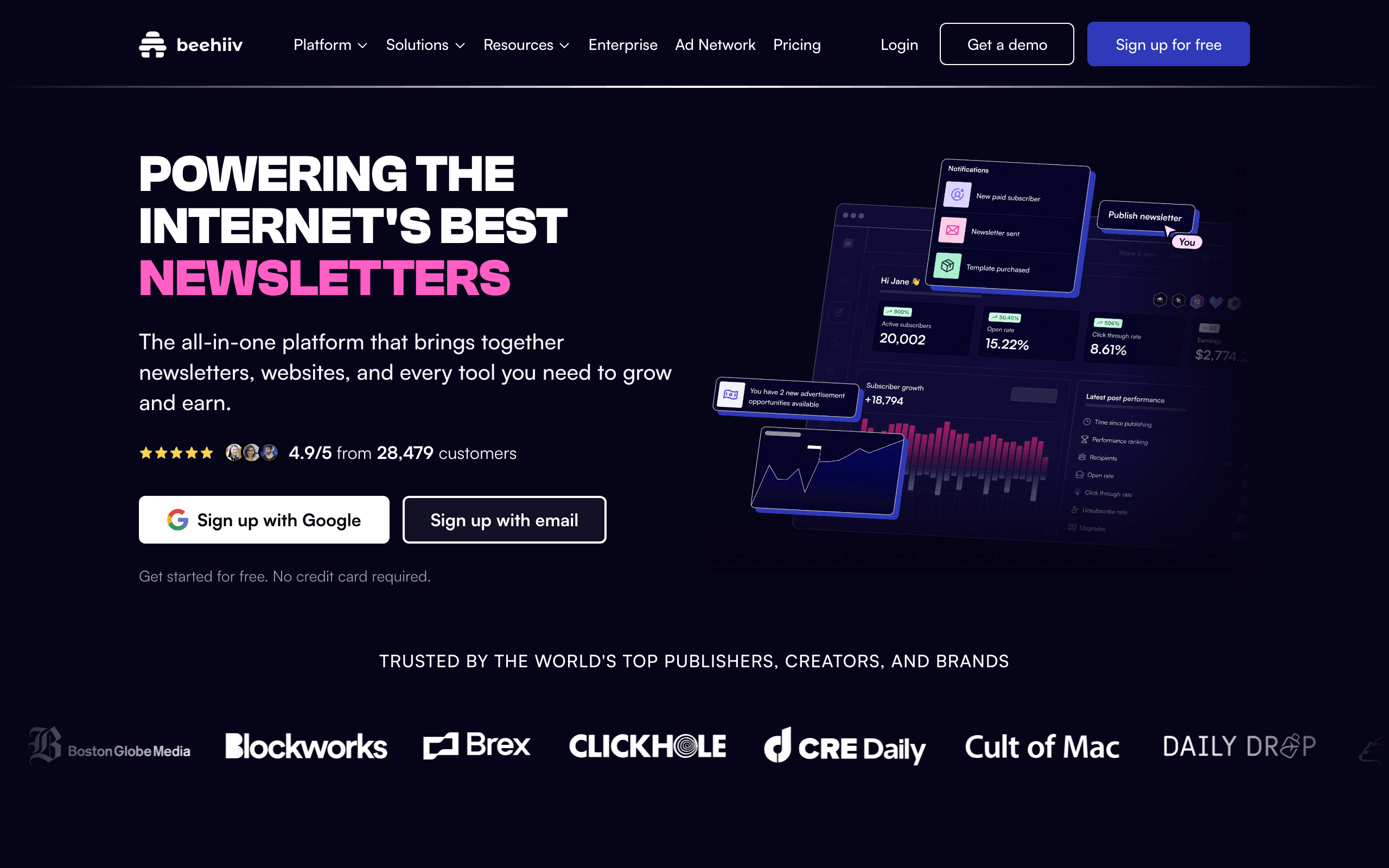
SendFox and beehiiv both target newsletter creators but with vastly different ambitions. SendFox is a minimal newsletter tool for cost-conscious bloggers. beehiiv is a growth-oriented newsletter platform with built-in monetization, a recommendation network, and SEO-optimized web hosting. For SaaS businesses, Sequenzy offers purpose-built features that neither provides.
The Growth Ecosystem Difference
beehiiv's most powerful advantage is its growth ecosystem. The Boost recommendation network connects newsletter creators with each other, enabling cross-promotion that drives organic subscriber growth. When a reader subscribes to one beehiiv newsletter, they see recommendations for related newsletters. This network effect creates subscriber growth that no amount of SendFox landing page optimization can match.
The referral program adds another growth layer. Subscribers earn rewards for bringing new readers, creating a viral loop that compounds growth over time. Newsletter creators using beehiiv's referral system report 10-20% of new subscribers coming through referrals.
SendFox has basic signup forms and landing pages but no growth ecosystem. No recommendation network, no referral program, no cross-promotion. Growing a SendFox newsletter relies entirely on external traffic from your blog, social media, or paid ads. beehiiv supplements those channels with platform-native growth tools.
Monetization: Revenue from Your Newsletter
beehiiv offers three monetization paths: paid subscriptions for premium content, the built-in ad network that connects newsletters with relevant sponsors, and native sponsorship management. Creators can earn from both subscriber revenue and advertising simultaneously.
The ad network is particularly valuable for creators who have audiences but not direct sponsor relationships. beehiiv matches newsletters with relevant advertisers and handles the negotiation, placement, and payment. Solo creators earning $200-500/month from beehiiv's ad network report that this revenue was essentially impossible to generate manually at their scale.
SendFox has zero monetization features. No paid subscriptions, no ad network, no sponsorship tools. Creators using SendFox who want to monetize their newsletter need separate tools for payments (Stripe, Gumroad), sponsorship management (Paved, Swapstack), and premium content gating. The fragmentation adds cost and complexity that beehiiv eliminates.
SEO and Web Presence
beehiiv hosts your newsletter archive as an SEO-optimized website. Each newsletter issue becomes a web page that Google indexes, creating a growing library of searchable content that attracts organic traffic over time. Newsletters about specific topics accumulate SEO value as they publish, bringing new readers who find past issues through search.
SendFox does not host newsletter archives as web pages. Email content exists only in subscriber inboxes. There is no SEO benefit from publishing newsletters on SendFox. Content creators who want their newsletter to generate organic traffic need a separate blog or website, duplicating the effort of content creation.
For newsletter creators who write about searchable topics, beehiiv's SEO hosting creates a compounding growth channel. Each issue adds another indexed page. Over months and years, this archive generates meaningful organic traffic that converts to subscribers without any additional work from the creator.
The Writing and Publishing Experience
beehiiv's editor is modern and polished, designed for newsletter publishing specifically. Content blocks, image handling, scheduling, and preview tools feel purpose-built. The writing experience is enjoyable rather than merely functional. For creators who publish multiple times per week, editor quality directly impacts productivity and motivation.
SendFox's editor handles basic formatting but lacks the polish and speed of beehiiv. Images, layouts, and content blocks require more manual effort. The editor works but does not inspire the way beehiiv's does. For weekly publishers, the difference is minor. For daily or multi-weekly publishers, editor quality compounds into meaningful time savings.
For SaaS Companies
Neither SendFox nor beehiiv is designed for software businesses. Both lack Stripe integration for subscription automation, transactional email, and billing-aware sequences. Sequenzy at $49/month combines marketing and transactional email with native Stripe integration for SaaS companies. Use our email validator to clean contact lists and our email warmup calculator to plan sending ramp-up when migrating platforms.
Use-case matchups
| Need | Better fit | Why |
|---|---|---|
| Low-cost creator newsletter sending | SendFox | SendFox is stronger when the buyer wants a simple, low-cost newsletter tool and can accept fewer advanced features. |
| Newsletter growth and publishing | beehiiv | beehiiv is stronger when newsletter growth and publishing are the main requirements. |
| SaaS lifecycle and transactional email | Sequenzy | Sequenzy fits when the team needs Stripe-aware lifecycle campaigns, newsletters, and transactional email in one product. |
Best Fit by Newsletter Growth Model
Best low-cost newsletter tool for creators with simple publishing needs
SendFox fits creators who already have an audience source and only need a simple, inexpensive place to send newsletters.
Best newsletter platform for media brands building growth loops
beehiiv is the better fit when the newsletter itself is the product and growth depends on referrals, publishing, sponsorships, and audience analytics.
Best SaaS email platform for product-triggered lifecycle email
Sequenzy fits software teams where email is driven by product behavior, subscription events, and transactional messages instead of publisher growth loops.
Pricing reality
The page data lists SendFox at "$49 lifetime", beehiiv at "$42"/month, and Sequenzy at "$49"/month for the cited comparison tier. SendFox's lifetime-style pricing can be attractive, but it should not be compared as if it includes every workflow in more mature platforms.
Review signals
For SendFox, pay attention to simplicity, lifetime pricing appeal, and feature limits. For beehiiv, pay attention to newsletter growth and publishing, onboarding effort, pricing, and support quality.
Migration checklist
| Workstream | What to verify |
|---|---|
| Subscriber data | Export subscribers, tags, custom fields, segments, consent, unsubscribes, bounces, and suppressions. |
| Content archive | Preserve broadcasts, newsletters, subject lines, templates, and performance history. |
| Automations | Rebuild welcome, nurture, newsletter, promotion, reactivation, and lifecycle workflows manually. |
| Forms and pages | Recreate signup forms, landing pages, embeds, incentives, and confirmation flows. |
| Integrations | Reconnect website forms, ecommerce, CRM, payment, analytics, and Zapier-style handoffs. |
| Sender setup | Recheck SPF, DKIM, DMARC, branded links, sender identities, and warmup. |
Decision checklist
- Pick SendFox when cheap newsletter sending is the priority: $49 lifetime or $18/mo, against beehiiv's $42/month Grow plan.
- Choose beehiiv if newsletter growth and publishing matter more than lifetime-price simplicity.
- Skip SendFox if you need ecommerce integrations, transactional email, or more than its basic automation.
- Avoid beehiiv if the buyer only needs a simple newsletter sender.
- Sequenzy is the better pick if SaaS lifecycle email, transactional messages, and Stripe-triggered emails are your core jobs.








