
Honest take: Is Buttondown right for you?
Buttondown is a refreshingly simple newsletter platform. Markdown support, clean interface, fair pricing, and a developer-friendly API. It does email newsletters well without the bloat - no upsells, no feature overload, just a clean tool for sending emails to people who want to read them. Check our email editor guide for best practices. That minimalism is its strength, but it also means no built-in monetization beyond basic paid subscriptions, no visual editor, and no discovery features to help readers find you.
But simple means fewer features. Here's when alternatives make sense:
| Buttondown limitation | Best alternative | Why |
|---|---|---|
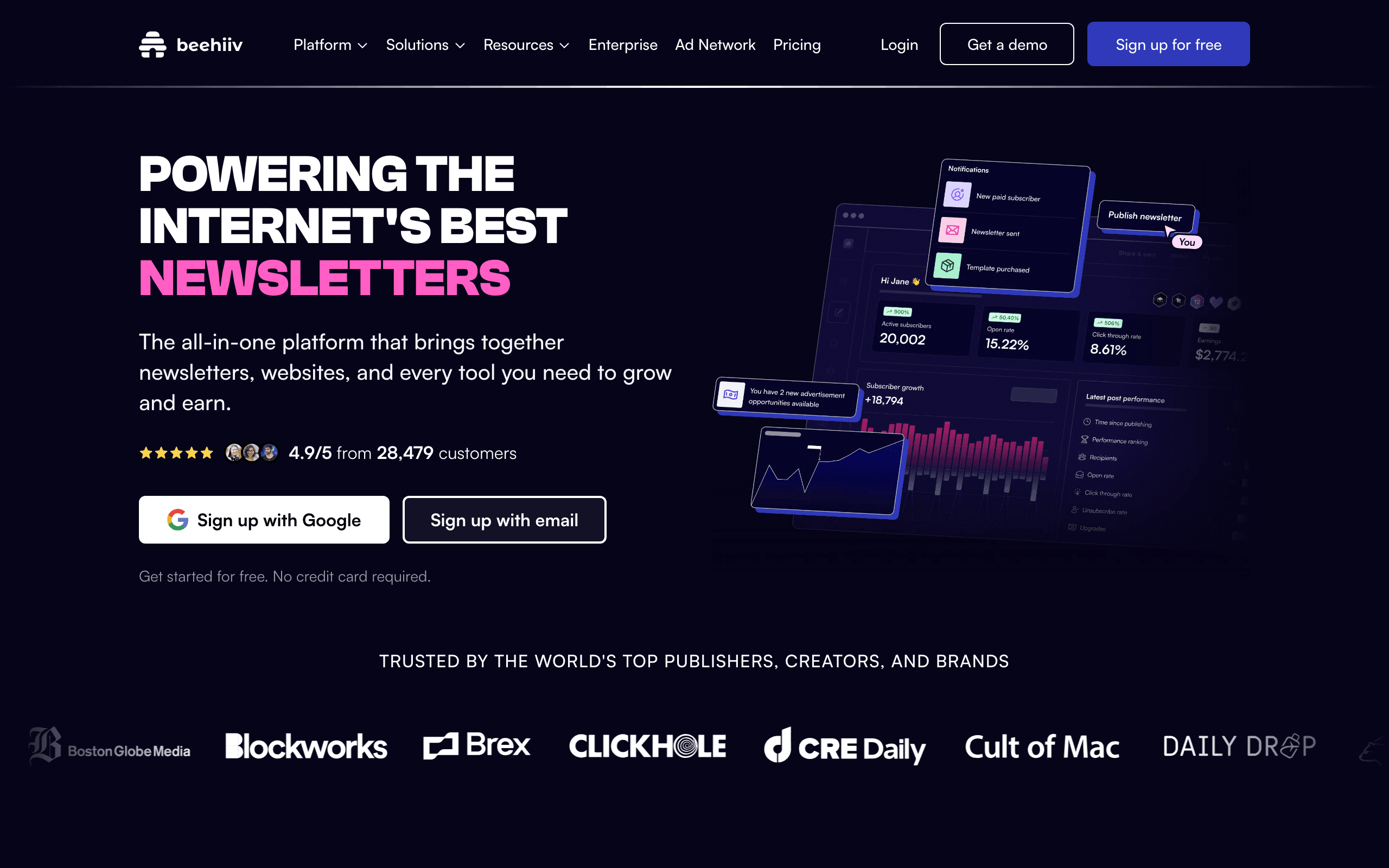
| You want ads, referrals, and newsletter growth tools | Beehiiv | Better for media-style newsletter businesses. |
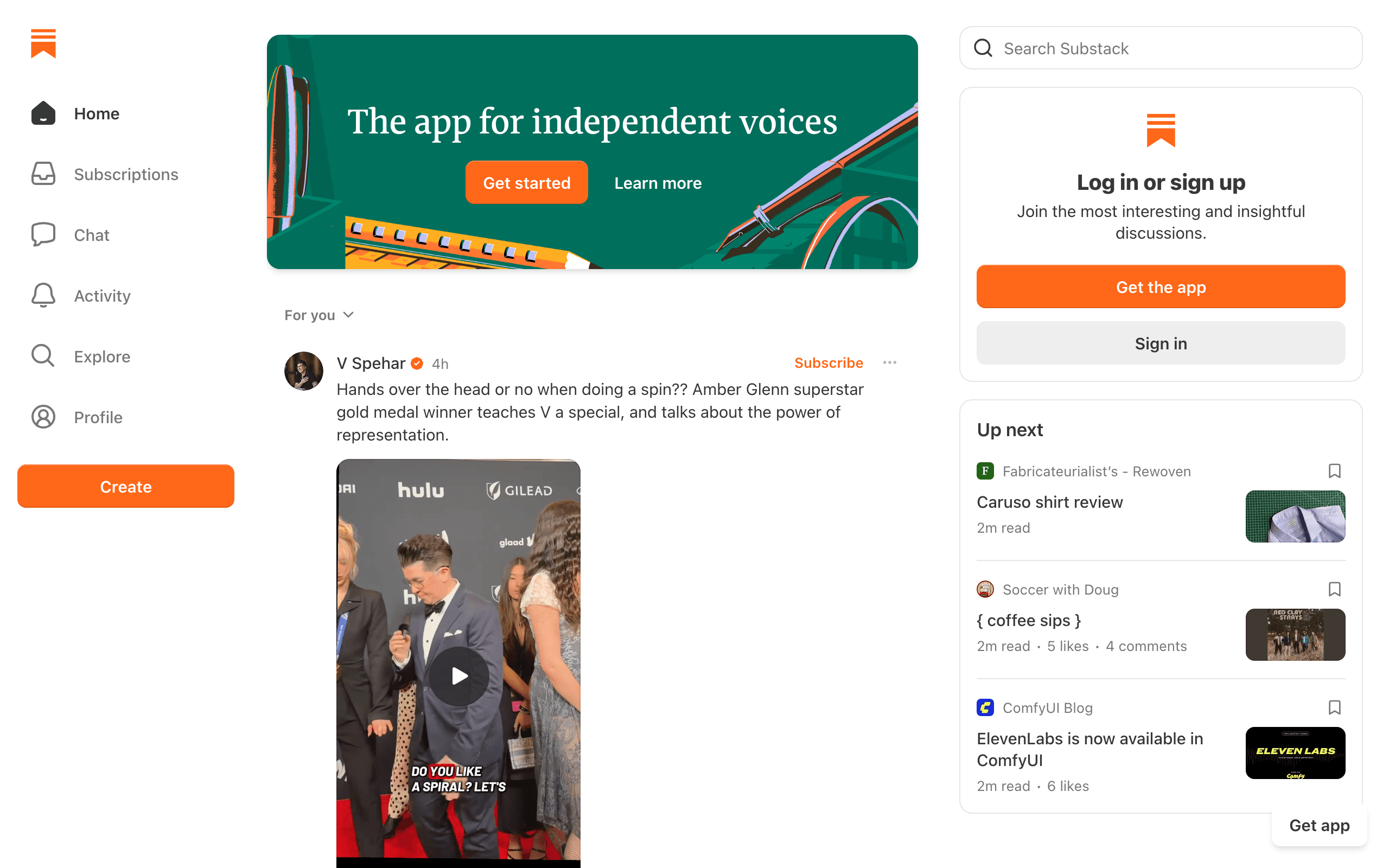
| You want reader discovery | Substack | Built-in network and app discovery that Buttondown does not offer. |
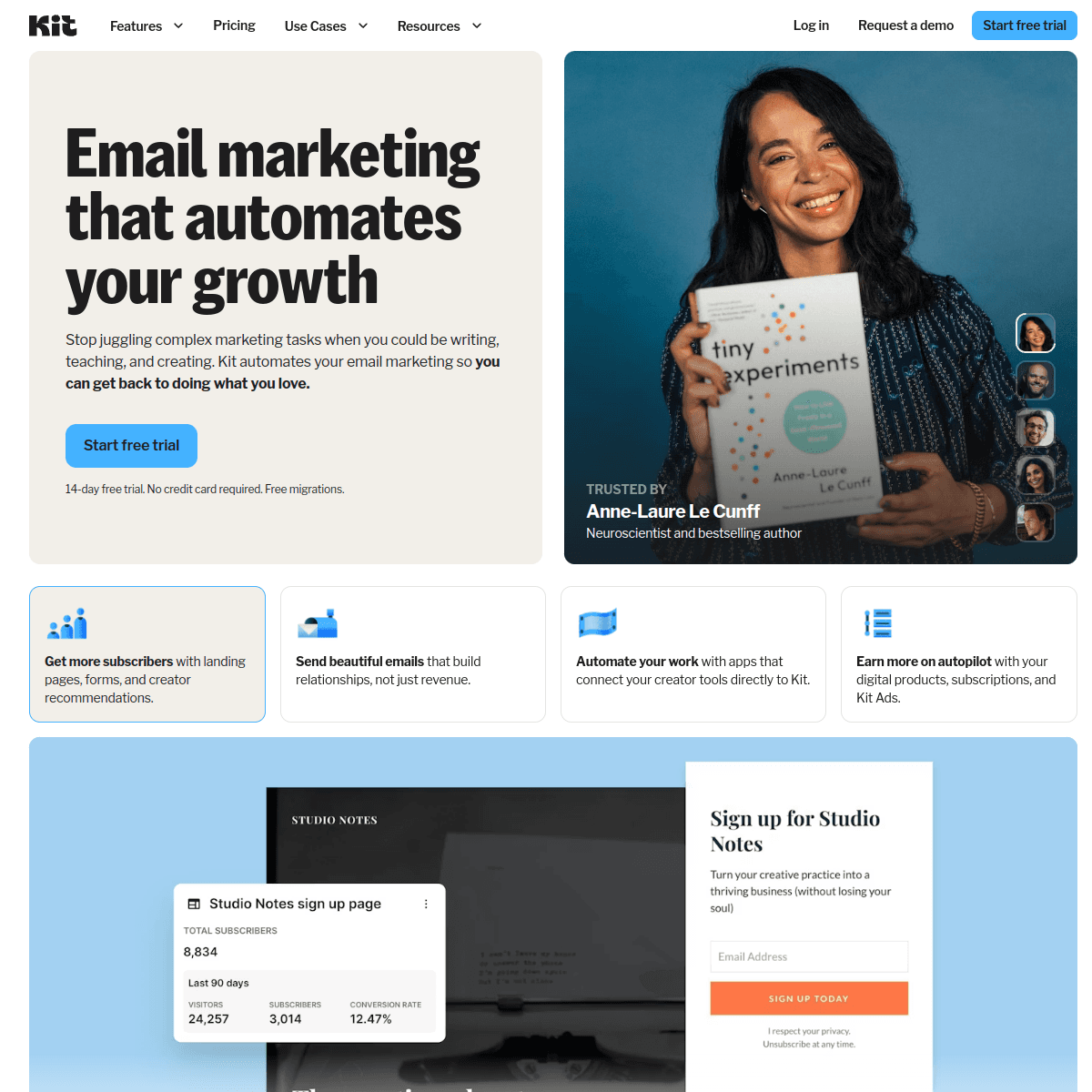
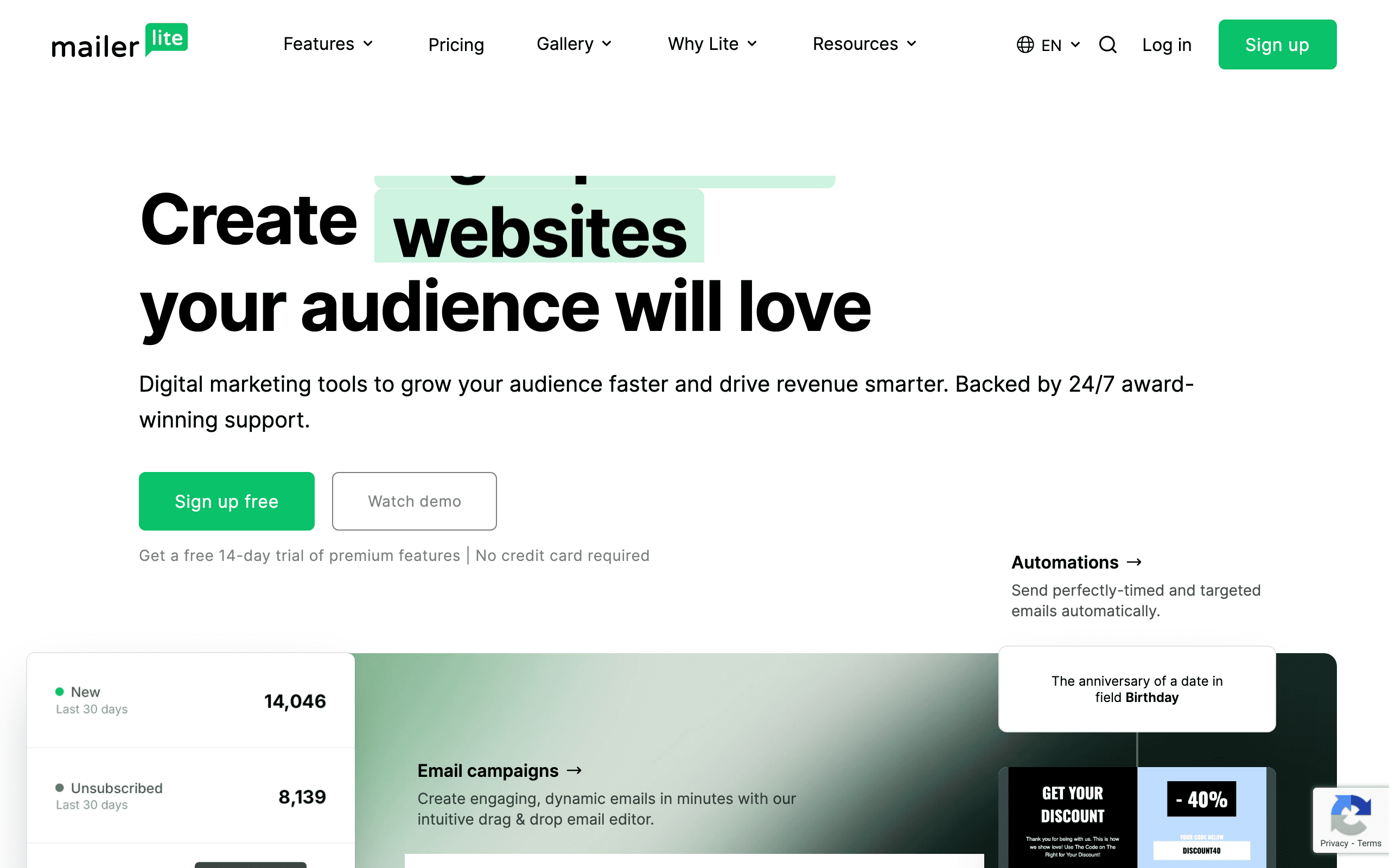
| You need visual editing and landing pages | ConvertKit or MailerLite | Better non-technical creator workflow. |
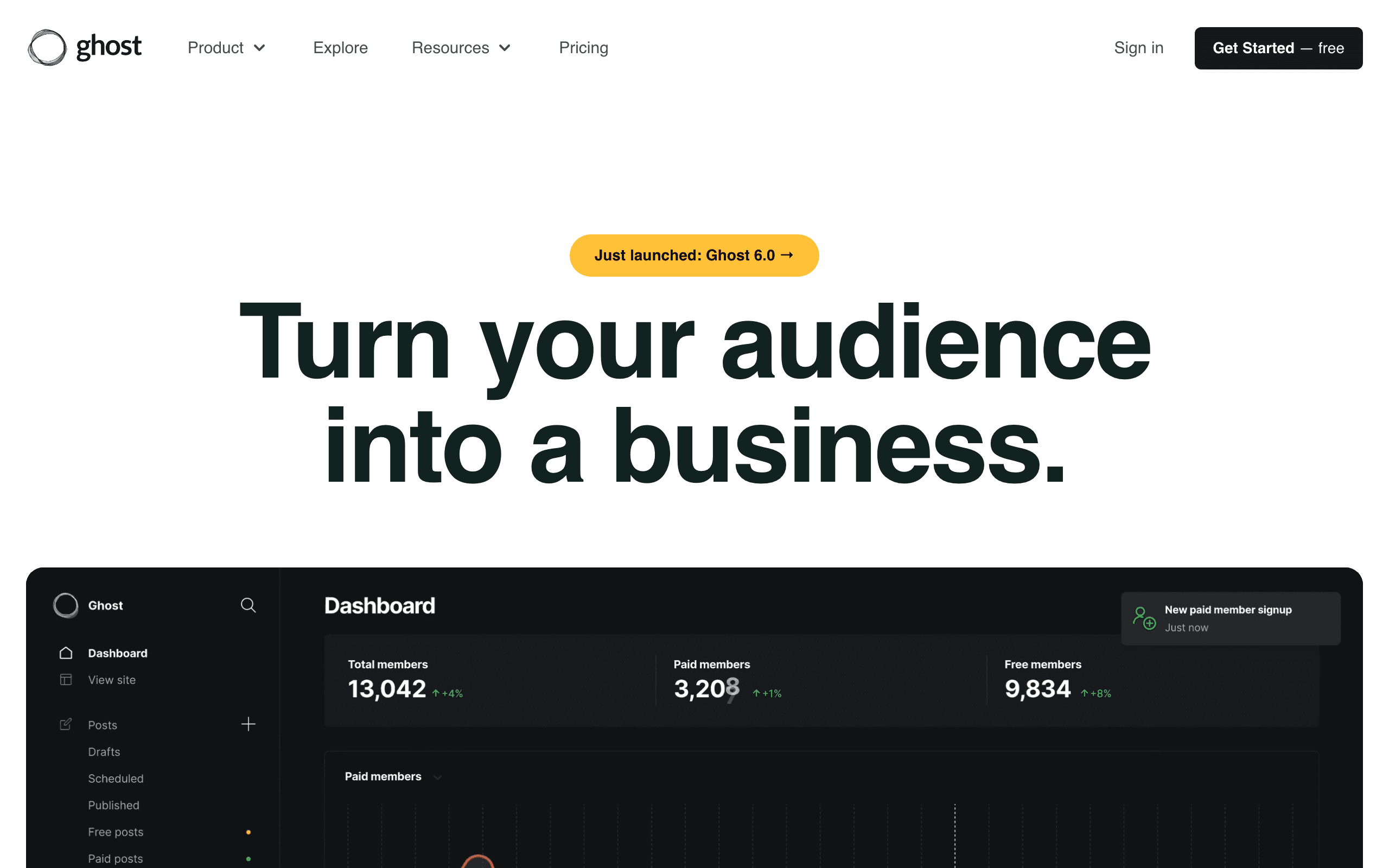
| You want full publishing ownership | Ghost | CMS, memberships, themes, and self-hosting options. |
| You need advanced automations | ActiveCampaign | Conditional workflows, CRM, and lead scoring. |
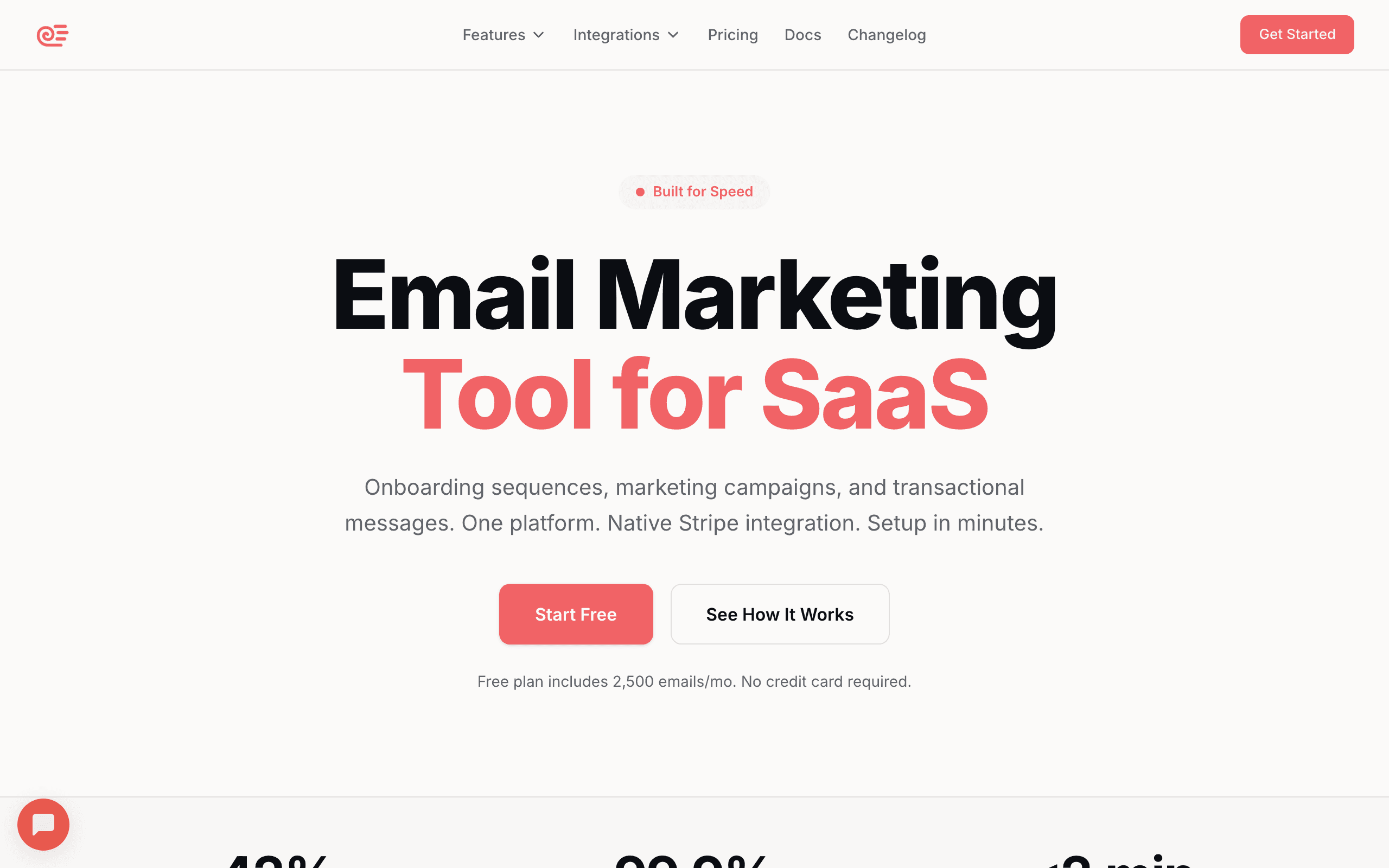
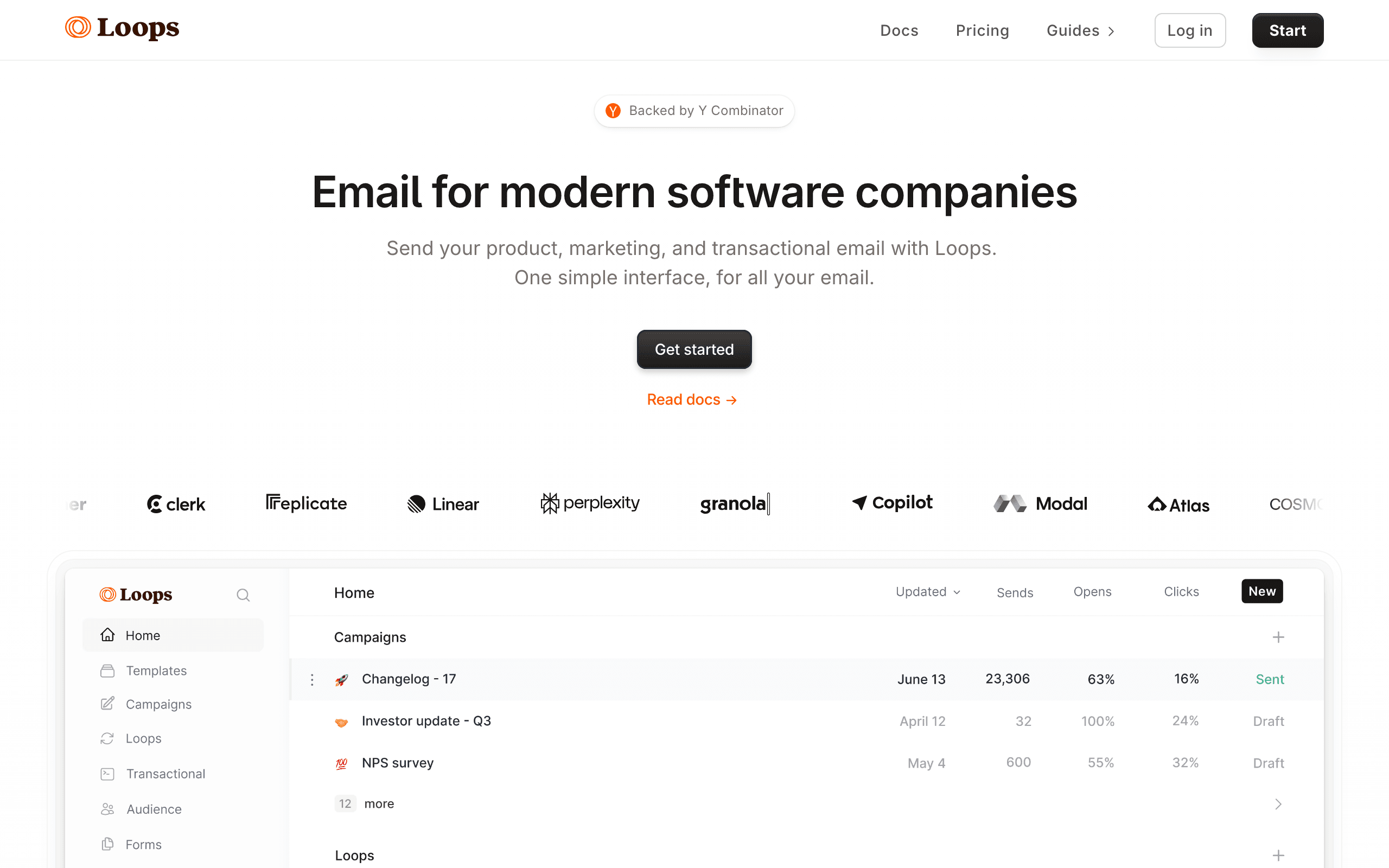
| You are sending SaaS product emails | Sequenzy or Loops | Transactional and lifecycle email fit product companies better. |
Best Buttondown alternative for newsletter monetization
Buttondown supports paid newsletters, but Beehiiv has an actual ad network, referral programs, and tools for building a media business. If making money from your newsletter is the priority, Beehiiv is purpose-built for that. See our Beehiiv comparison and learn about newsletter monetization strategies.
Best Buttondown alternative for reader discovery
Substack has network effects - readers can find you through recommendations and the app. Buttondown doesn't have this. If organic discovery matters, Substack's network is valuable. Read our guide to email tools and explore how open rates vary across platforms.
| Writer profile | Buttondown fit | Better alternative |
|---|---|---|
| Developer writing in Markdown | Excellent | Stay with Buttondown. |
| Journalist building a paid media brand | Good for sending, weak for growth | Beehiiv or Substack. |
| Creator selling courses | Limited | ConvertKit. |
| Publisher needing a website and archive | Basic | Ghost. |
| SaaS founder writing product lifecycle email | Wrong category | Sequenzy or Loops. |
Best Buttondown alternative with visual editing
Buttondown is Markdown-first, which developers love but others don't. ConvertKit, Beehiiv, and MailerLite offer visual drag-and-drop email builders. Check our ConvertKit comparison and see how email marketing for creators differs from developer-focused tools.
Best Buttondown alternative for full publishing control
Ghost is open-source and can be self-hosted. You own everything. Built-in memberships, beautiful themes, and complete independence. Explore analytics tools to track your newsletter performance. Like Buttondown, Ghost appeals to developers - read our versus page for a detailed breakdown.
Best Buttondown alternative for advanced automation
Buttondown's automation is basic - send on schedule, tag subscribers, that's about it. If you need conditional workflows, lead scoring, and behavioral triggers, ActiveCampaign is the upgrade. Learn about AI-powered sequences and how automation can transform your email strategy.
Best Buttondown alternative for SaaS
If you're a developer using Buttondown for SaaS product emails, you're using the wrong category of tool. Sequenzy offers AI-generated sequences, Stripe integration, and transactional emails - purpose-built for email marketing for SaaS.
The pricing comparison
At 10,000 subscribers:
| Platform | Approx. 10k price | Best for |
|---|---|---|
| Buttondown | Around $29/month | Minimal Markdown newsletters and developer-friendly publishing. |
| Beehiiv | $99/month Max | Newsletter monetization, ads, and referral growth. |
| Substack | Free, then 10% of paid subscriptions | Reader discovery and easiest publishing workflow. |
| Ghost | $25/month managed | CMS, memberships, and site ownership. |
| ConvertKit | $119+/month | Creator funnels, landing pages, and digital products. |
| MailerLite | $50/month | Budget visual newsletters and landing pages. |
| EmailOctopus | $36/month | Simple low-cost newsletters. |
| Moosend | $32/month | Budget email marketing with more visual tooling. |
See our full pricing comparison page.
When Buttondown is still the right choice
Stick with Buttondown if:
| Stay with Buttondown when... | Switch when... |
|---|---|
| You love Markdown and want to write in it. | Visual editing is important for you or your team. |
| Minimal and simple is a feature, not a limitation. | Growth, monetization, or automation features are becoming important. |
| You are a developer who appreciates clean APIs. | Non-technical teammates need to manage campaigns. |
| Paid subscriptions are enough monetization. | You want ads, referrals, sponsorship workflows, or product sales. |
| You value supporting indie software. | You need a broader platform with larger-company support and integrations. |
Buttondown is built by a small, profitable, self-funded team. They're not going anywhere, and they care about doing email newsletters right without the complexity. Use our email validator to ensure list quality, check our A/B test calculator to optimize subject lines, and read our click-through rate glossary to understand what metrics matter for your newsletter.
Quick buying rule
Before choosing a Buttondown alternative, write down the one workflow that must improve in the next 30 days. If that workflow is email execution, prioritize a tool your team can use without a long setup project. If it is SMS, reviews, loyalty, data enrichment, or enterprise personalization, choose a specialist for that job instead of forcing an email platform to cover it.
A good shortlist for this page is Sequenzy, Beehiiv, Substack, Ghost. Do not compare them only by feature count. Compare the trigger data they can use, the channels your team will actually send, the reporting you will check weekly, and the amount of work needed before the first campaign goes live. The best tool is usually the one that makes the next useful send easier, not the one with the longest product menu.









