What comes after hyperpolitics? |
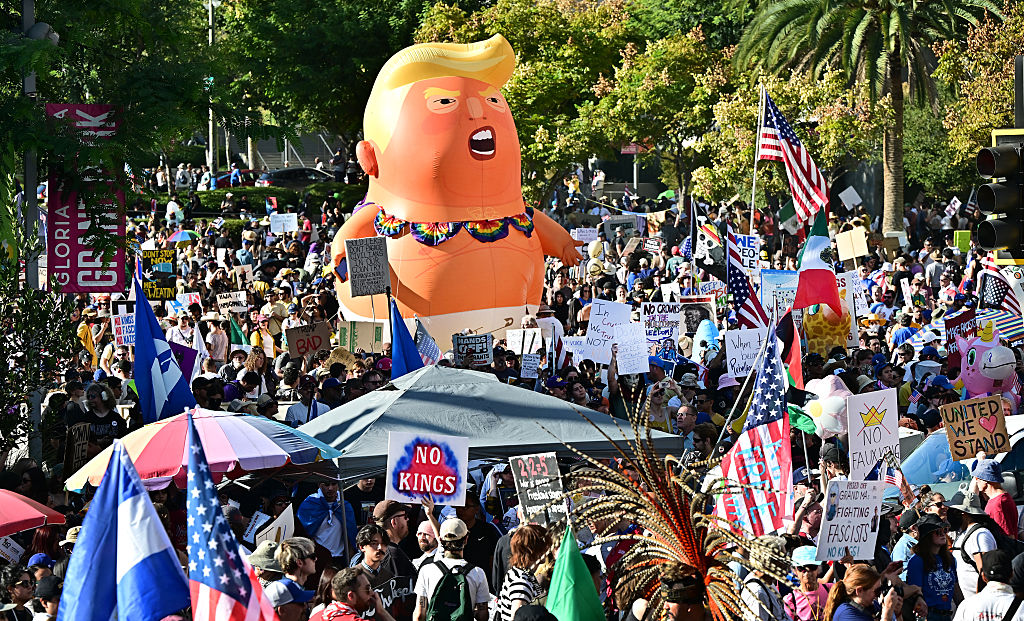
The arguments of Anton Jäger’s Hyperpolitics, which first appeared in Jacobin, sparked debate across the political spectrum. Here he responds to critics and explores how a “strategy of patience” could help the Left escape its hyperpolitical impasse. Before the end of this year, the United States will have broken two political records. According to the organizers’ own estimates, No Kings Day on March 28 was the largest single-day protest in recent American history. At the same time, no US president has so successfully enriched himself in office as Donald Trump has — 2026 is set to be the most lucrative year of his career so far. The concept of “hyperpolitics” is an attempt to explain these coincident phenomena. It describes a process of repoliticization without reinstitutionalization that has overtaken every layer of society in the wake of the 2008–9 crash. This surge in political activity has been organizationally uneven, difficult to relate to historical precedents, and, more worryingly, has no guaranteed effect on power relations between elites and masses. In its current iteration, the idea first emerged in Jacobin, where it provoked a lively debate. Published in monograph form four years later, Hyperpolitics has also met with varied engagement, both critical and laudatory, from writers across the political spectrum. Even the misreadings have been productive. Part of the reason for returning to these criticisms is that the conversations the book has spawned are not purely of academic interest. Instead, they carry strategic import for the Left, since the book closed on a fundamental question: What can facilitate the rebuilding of class power in the new century, and what locks the Left in the hyperpolitical morass? |