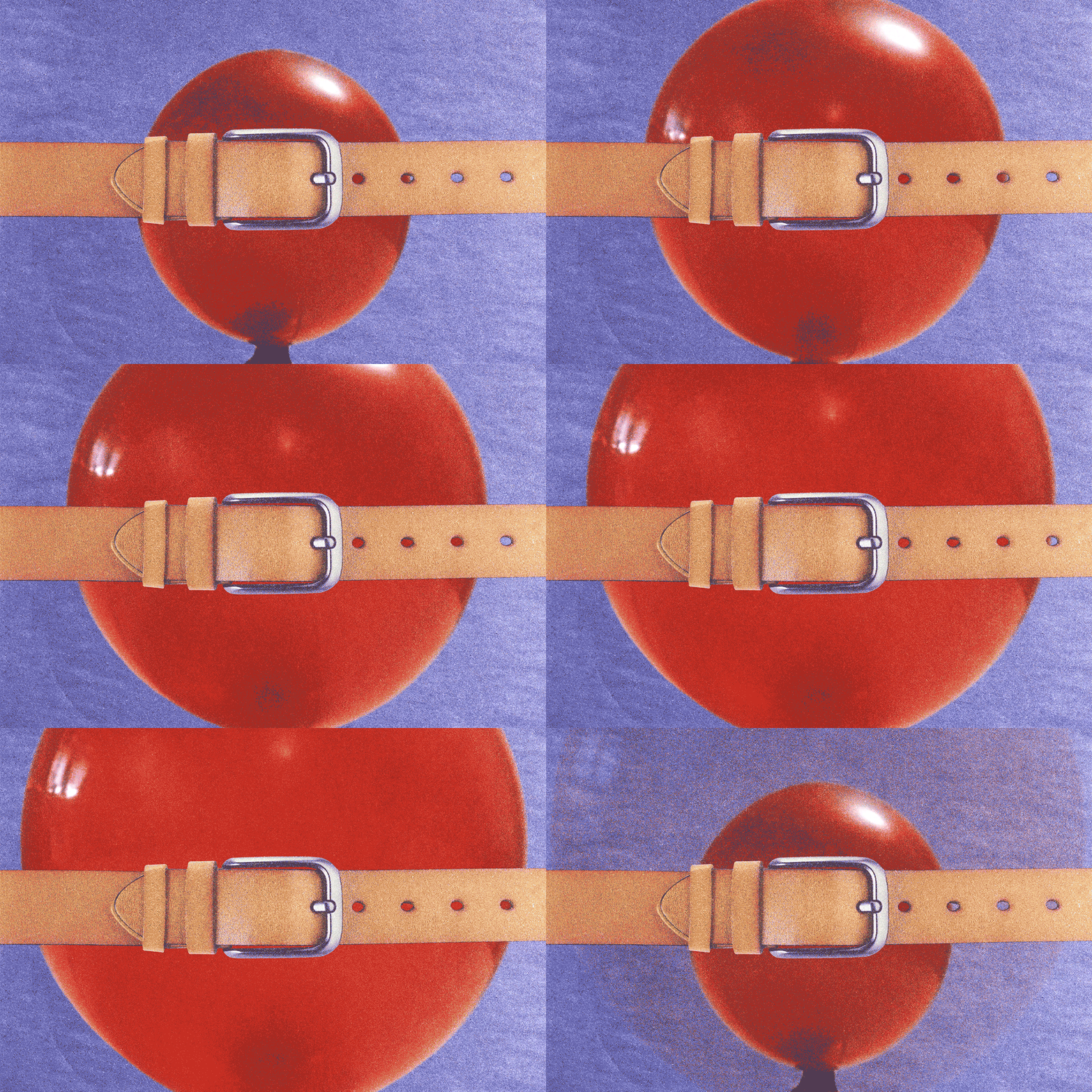
For years, I’d built a functional system around my gut. In my 20s, I’d been diagnosed with irritable bowel syndrome with constipation, or IBS-C, which can cause everything from abdominal pain and bloating to infrequent bowel movements, hard stools, and straining. There’s also the persistent feeling that you haven’t fully emptied your bowels, or what I call “the groundhog” — when it feels like something is sitting right at your rectum but refuses to come out — the most uncomfortable and most mortifying feeling ever.
It was mostly manageable, though. I ate twice a day, lunch and dinner, and I had months when, depending on what was going on in my life and how stressed I was, IBS episodes were frequent. Whenever I had these episodes — in which I felt the worse symptoms all at once without any remedy other than going to bed and starting over the next day — I’d cut down on foods that were harder to digest. Rice, starchy carbs, legumes, dairy, and gluten were out, and I’d avoid coffee. I’d make sure to drink plenty of water, ginger, and green tea throughout the day and eat fiber; string beans, spinach, pineapple, and kiwi often did the trick. I also had stretches of time, even years, when I felt completely normal and could tolerate foods I couldn’t always, like dairy, pasta, or bread.