Photo: Minnie Morklithavong/Minnie Morklithavong |
Sitting in an eclectic, art-filled law office in Nashville, I turned off the location services on my phone. I didn’t want my husband — my partner of eight years, six of them married — tracking my movements. The divorce attorney who greeted me in the lobby seemed warm in a way I hadn’t expected. Angry on my behalf, he apologized for what I’d endured, but he was nevertheless honest: I was in a terrible position to negotiate from. |
A month earlier, I’d learned my husband, Scott, had been cheating on me for almost a year. We’d never signed a prenup. The vast majority of our household income came from my work as a fashion influencer, but under Tennessee’s equitable-distribution laws, marital assets in a divorce are subject to division regardless of who earned them. I had never before considered that a source for concern. If anything, it’s what seemed most fair: The laws exist in part to protect spouses who step back from wage-based work to focus on unpaid labor that’s no less demanding, like keeping a home or raising children.
|
Yet I now had a unique vantage point: I belonged to the small but growing percentage of American opposite-sex marriages in which the wife is the couple’s sole or primary breadwinner. And it seemed my husband had come to resent, even envy, the ambition that had drawn him to me in the first place. |
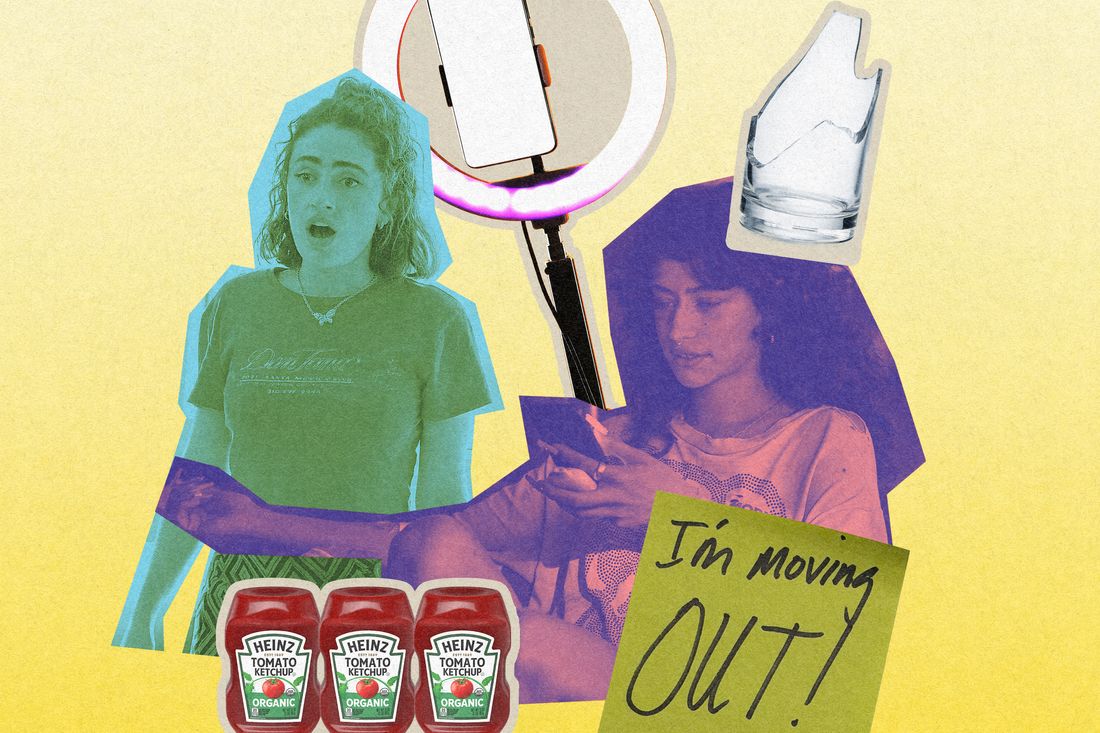
I knew I wasn’t alone in this experience. There were other women — many of them also influencers who financially supported their male partners — who shared their private concerns with me over the years, whispered over dinner and at events: how they’d learned to cushion news of the brand deals they secured so their partners didn’t get insecure; how they tried not to seem too happy about a career win lest it stoke jealousy in their marriages. Many of them eased tension by collaborating with their boyfriends and husbands, encouraging the men to step into the spotlight beside them in videos. Others employed their partners behind the scenes, tasking them with filming, managing, or handling the admin. Either way, the women were responsible not only for managing their own careers but for managing the men’s emotions and egos, too.
|
Finances were, unsurprisingly, the point of tension I heard discussed most frequently. Plenty of the women wanted prenups to protect the careers they’d built, but the topic was an awkward one to discuss, and more often than not they chose to let it go rather than risk conflict. Like me, many of my peers considered themselves responsible for ensuring their partners felt respected and fulfilled. I’ve come to believe that many men — even loving ones, even feminist ones, even the “good ones” — have an instinct to provide, or at least to contribute, and that it wears on them when they can’t. But what do you do, as the woman, when it’s your career that pays the bills?
|
I had never considered that the standup southern man I’d married might struggle so profoundly with our uneven earnings. The marriage quietly cracked underneath the weight of that imbalance. It’s a phenomenon I hadn’t realized was surprisingly common for sole or primary female breadwinners: They make up around 16 percent of American households yet account for more than 40 percent of divorces. |
I left the law firm that afternoon and texted my husband that we’d talk when I got home. I hadn’t told him where I was, but I’d forgotten that he could track my car through the Tesla app. As I crossed the parking lot, I heard him say my name: “April?” |
He demanded to know what I was doing — as if he hadn’t followed me here, to my lawyer’s office, where I was trying to divorce him without losing so much of what I’d worked so hard to build. I answered his question with one of my own: “What does it look like?” He knew what was happening. Finally, after many months in the dark, so did I. |
|
|
|
It started with an argument over a dish rack and ended with viral videos and death threats.
|
|
| |
|
The 25-year-old has millions of Gen-Z fans on lock. Can she persuade the grown-ups who run the entertainment industry to take her seriously?
|
|
| |
|
Vox Media, LLC
1701 Rhode Island Ave NW, Washington, DC 20036
Copyright © 2026, All rights reserved |
|
|
|
|