Tight budgets and contentious politics reshape rural higher ed
 ‌ ‌ ‌ ‌ ‌ ‌ ‌ ‌ ‌ ‌ ‌ ‌ ‌ ‌ ‌ ‌ ‌ ‌ ‌ ‌ ‌ ‌ ‌ ‌ ‌ ‌ ‌ ‌ ‌ ‌ ‌ ‌ ‌ ‌ ‌ ‌ ‌ ‌ ‌ ‌ ‌ ‌ ‌ ‌ ‌ ‌ ‌ ‌ ‌ ‌ ‌ ‌ ‌ ‌ ‌ ‌ ‌ ‌ ‌ ‌ ‌ ‌ ‌ ‌ ‌ ‌ ‌ ‌ ‌ ‌ ‌ ‌ ‌ ‌ ‌ ‌ ‌ ‌ ‌ ‌ ‌ ‌ ‌ ‌ ‌ ‌ ‌ ‌ ‌ ‌ ‌ ‌ ‌ ‌ ‌ ‌ ‌ ‌ ‌ ‌ ‌ ‌ ‌ ‌ ‌ ‌ ‌ ‌ ‌ ‌ ‌ ‌ ‌ ‌ ‌ ‌ ‌ ‌ ‌ ‌ ‌ ‌ ‌ ‌ ‌ ‌

View in browser

Higher Education

A newsletter from The Hechinger Report

Sponsored by:

A pair of stories considers the important role regional universities and community colleges play not just in bringing workforce training to rural areas, but in offering liberal arts education and high-quality teaching to students who live far from population centers. One looks at the effects of campus closures, while the other examines policies that would cut job protections for professors and potentially make it harder for rural colleges to recruit instructors.

Barn-Raiser-2.jpg

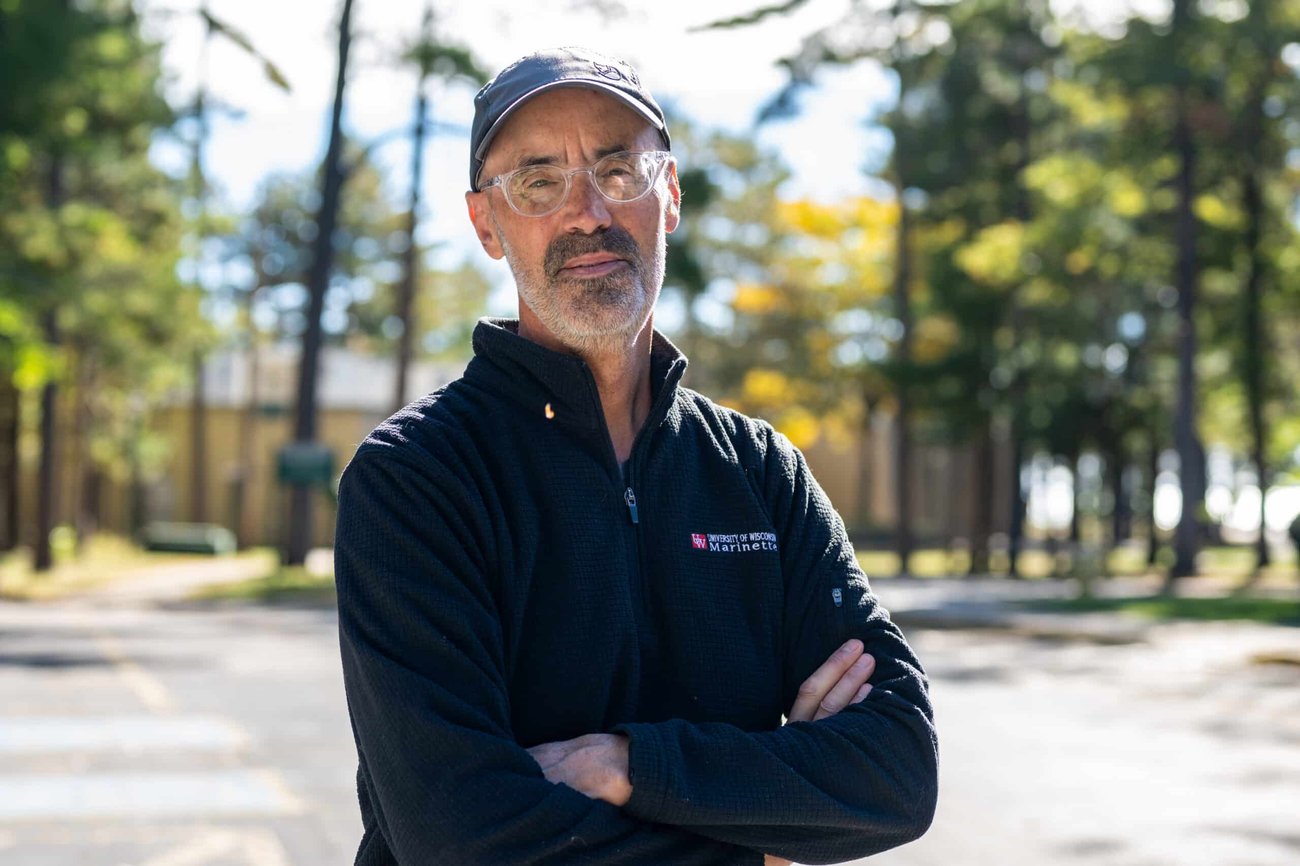
Dan Kallgren taught the final course at University of Wisconsin-Marinette before the school ended in-person instruction in 2024. Credit: Kara Counard

The big story

For some students, going to college means going away — driving across the state, hopping a train up north or down south, or stuffing a suitcase into the overhead compartment of a cross-country jet. 


But most students enroll close to home. And if home is a place nestled between mountains or swept by dry desert winds or planted beside green fields, the nearest college may be a rural one.


These institutions play a big role in making higher education accessible and (relatively) affordable to people who live in communities far from city centers and sprawling suburbs. While part of the payoff comes from supporting regional economic development and helping people train for jobs available nearby, that’s not their only purpose.  


Rural colleges offer students the opportunity to study literature, science, history, economics and philosophy. They teach students how to write, ask deep questions and conduct research. They make ideas and information from around the world available locally. 


An article about rural community colleges produced by our partners at Barn Raiser tells the story of Alex Stevens. He grew up in a small town on Michigan’s Upper Peninsula and attended the University of Wisconsin-Marinette, a two-year college about 25 miles from his home, before transferring to a four-year college and eventually becoming a history teacher.      


“I was rural, poor and smart, and UWM gave me a remarkable opportunity,” Stevens said.


But in an era of tight budgets and contentious politics, leaders don’t always recognize — or endorse — the role rural colleges play in teaching the liberal arts. Wisconsin recently closed more than half of its public two-year colleges, including the college Stevens went to, as part of an effort to consolidate schools and promote vocational training.  


Another story we recently co-published, this one produced by Oklahoma Watch, describes how Republican lawmakers in about a half-dozen states have introduced bills targeting tenure at public colleges. That could make it even harder for rural colleges to recruit top professors to teach students who study outside of big cities and far from flagship campuses. 


“This is a new way of saying these institutions are not real universities and their students are not worthy of a real university education,” said Cecilia Orphan, associate professor of higher education at the University of Denver and founding co-director of the Alliance for Research on Regional Colleges.


How have you seen higher ed and the liberal arts change at rural colleges? Send me story tips at koenig@hechingerreport.org.


Thanks to the Rural News Network for sharing these two stories with The Hechinger Report.


This week's newsletter is sponsored by: 

The New York Times, Forbes, and Inside Higher Ed have covered a new approach to college cost transparency. Noodle's Tuition Agent gives families upfront answers on tuition costs, helping your institution protect enrollment revenue from first interest through first day.


See the technology behind the story

What we're reading


As courting students gets tougher, colleges vie to make the admissions process friendlier (The Hechinger Report) 


Trump administration revises the accreditation system that assesses quality at U.S. colleges (Higher Ed Dive) 


A conservative senator reshaped Texas colleges. He wants the rest of the country to follow. (The Texas Tribune)

From the vault


Colleges in rural areas have cut large numbers of programs and majors, The Hechinger Report found in 2024, shrinking the choices students from rural communities have about what to study. Some examples: St. Cloud State University in Minnesota cut programs in economics, physics and history; the University of Alaska System scaled back geography and environmental resources; and SUNY Potsdam cut French, chemistry and philosophy. “We are paring down the sense of the vastness of our world and the possibilities of university students to experience it differently,” said Michael Theune, who chaired the English department at Illinois Wesleyan University. 

Become a sponsor

One more thing


It sounds like a fairy tale, but near the top of the Texas Panhandle, a community of farmers really does spin corn and wheat into gold — in the form of college scholarships. For the last decade, volunteers have planted and harvested crops on more than 600 acres that had been given to a school district in Gruver, Texas, then donated the annual proceeds of around $400,000 to help local students pay for college. Since 2016, about 300 local high school grads have received the aid, including 48 who became the first in their families to graduate from college, reports The Washington Post. 

Is this edition of the newsletter helpful?
➡️ Your feedback helps us keep this newsletter relevant to your interests. Share your thoughts with us directly.


Invite others to sign up for our newsletters.


Donate

Copyright © 2026 The Hechinger Report, All rights reserved.

Click here to manage your newsletter preferences