A computer can never be hungry, therefore a computer must never decide what to eat for dinner ‌ ‌ ‌ ‌ ‌ ‌ ‌ ‌ ‌ ‌ ‌ ‌ ‌       ‌ ‌ ‌ ‌ ‌ ‌ ‌ ‌ ‌ ‌ ‌ ‌ ‌       ‌ ‌ ‌ ‌ ‌ ‌ ‌ ‌ ‌ ‌ ‌ ‌ ‌       ‌ ‌ ‌ ‌ ‌ ‌ ‌ ‌ ‌ ‌ ‌ ‌ ‌       ‌ ‌ ‌ ‌ ‌ ‌ ‌ ‌ ‌ ‌ ‌ ‌ ‌       ‌ ‌ ‌ ‌ ‌ ‌ ‌ ‌ ‌ ‌ ‌ ‌ ‌       ‌ ‌ ‌ ‌ ‌ ‌ ‌ ‌ ‌ ‌ ‌ ‌ ‌       ‌ ‌ ‌ ‌ ‌ ‌ ‌ ‌ ‌ ‌ ‌ ‌ ‌       ‌ ‌ ‌ ‌ ‌ ‌ ‌ ‌ ‌ ‌ ‌ ‌ ‌       ‌ ‌ ‌ ‌ ‌ ‌ ‌ ‌ ‌ ‌ ‌ ‌ ‌ 

View on web 

October 13, 2026

Hope you missed us yesterday — we skipped our usual send due to Indigenous Peoples’ Day. Next week’s dining roundup should be extra tasty. Today, I’ve got a bit of a screed.

Bettina Makalintal


Bettina Makalintal


The case against ordering with ChatGPT

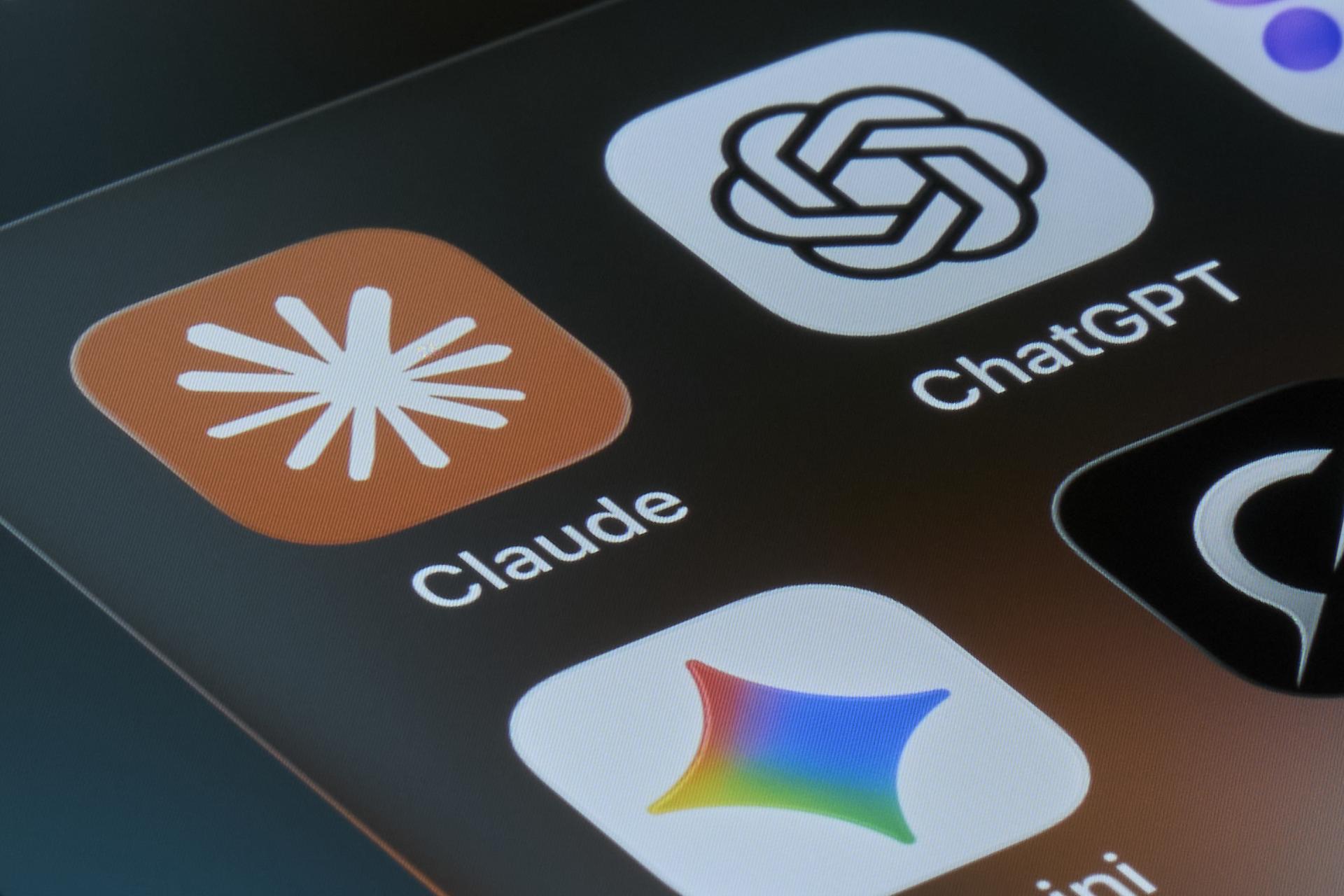
As the viral saying goes: “A computer can never be spiteful or horny, therefore a computer must never make art.” I think about this every time I read about some new integration in which people can outsource their food decisions to AI: DoorDash, for example, is piloting agents that will allow users to simply text to “order my usual” on a Friday night and receive a delivery of their favorite meal. A computer can never be hungry; it can never crave, nor can it ever understand the visceral pleasure of wanting something and then acting on that desire and then edging the anticipation until it’s fulfilled. So, why exactly would I let it order my food?


And yet, people are. Instead of asking servers for recommendations, more and more diners are apparently asking their AI platform of choice. Earlier this year, Starbucks tested a ChatGPT integration that allowed people to order drinks based on their mood or a specific vibe; Little Caesars launched a chatbot that promised to make recommendations based on an app user’s preferences. The same goes for drinks, with more people now circumventing bartenders entirely, turning to their phones and asking ChatGPT which cocktails they should order and skipping the convos with sommeliers to ask ChatGPT about pairings instead, right at the table. 

Getty Images

The common argument is an obvious one: Dining and drinking outside of our homes is an inherently social endeavor, and the experience is built through interactions with servers and bartenders. Outsourcing some of these conversations to ChatGPT has complicated customer service for some food industry workers, as Gaby Del Valle recently reported for The Verge. According to one server who spoke to Del Valle, diners have argued with her over whether or not a dish contained allergens because ChatGPT told them it didn’t (it did). Similarly, a colleague of mine recently encountered a Gemini summary that inaccurately stated that a restaurant served crickets in its guacamole, prompting her dining partners to refuse to visit the restaurant. When she clarified that she’d never encountered the dish that way at that restaurant, they believed the Google AI summary. They ended up at a different restaurant. She mused about the number of diners who might be put off by similarly misleading information. 


At scale, these kinds of AI hallucinations have damning ramifications for both diners and restaurants. I understand, to an extent, why people are using these tools. The preference for AI chatbots over sommeliers, for example, underscores wine’s accessibility problem, the San Francisco Chronicle’s Jess Lander argued earlier this year: Sommeliers can come with a stigma of being snobby or trying to upsell; ChatGPT cuts through some of the bullshit. Similarly, diners might find ChatGPT’s guidance less overwhelming than the cavalcade of restaurant-recommendations content online, and more approachable than having to ask a server what sabayon is — though as Darron Cardosa has written for Food & Wine, AI’s ordering suggestions are often just the most dumbed-down and popular ones, not the dishes that will accurately speak to what an individual wants.


My argument, though, is more about the philosophy of it all. When dining, I want to trust and be guided by my own desire. Yes, the chicken might be popular, leading ChatGPT to recommend it, but what ChatGPT doesn’t know or feel is that maybe I’ve acquired a bit of a chicken ick this week. Or I might usually avoid the pork, but perhaps I’m feeling courageous and want to venture outside my own comfort zone for once. In order to know ourselves, we must constantly check in with ourselves: our wants, our needs, our dislikes. I don’t want to be an NPC in my own life, especially when so much of what I encounter about the world and restaurants is already mediated by algorithms. 


When Starbucks launched its AI-powered recommendations, Paul Riedel, a senior vice president at the company, said in an official announcement that customers weren’t always “starting with a menu” but with “a feeling.” But that is the thing about feelings: I am the one feeling them. Why would I try to outsource that to a computer?


Food worth traveling for

Dispatches from the Eater staff about the world’s culinary destinations worth planning an entire trip around, delivered to your inbox. 

Plan your next trip 
 
 
Learn more about OpenWeb

More for the table 

  • In Thursday’s Kangtown newsletter (free to all this week), LA correspondent Matthew Kang makes the case for Jar’s place among the pantheon of LA’s great restaurants, and explores what gives a restaurant staying power. Subscribe here to get the piece straight to your inbox.

  • A San Francisco restaurant tried pay-what-you-can dining. Two months in, the experiment is going great, reports Eater SF’s Dianne de Guzman.

  • ICYMI: Punch published a great interview with a New York City booker behind events like a punk show at a dumpling spot.

  • Tom Sietsema posted a blind item about a well-known food writer who rudely brushed him off back when he was still a fledgling writer himself. Who do we think it’s about?

  • Brett Martin wrote about the one question he can’t stand at restaurants: “What’s your phone number?” (The Atlantic)


Learn more about OpenWeb
FacebookTwitterInstagram

This email was sent to you@example.com. Manage your email preferences or unsubscribe.


View our Privacy Notice and our Terms of Service.

Eater is a part of PMX Global, LLC, a subsidiary of Penske Media Corporation.
© 2026 VM Publishing, LLC. All rights reserved.