Plus, some states want to ban tenure
 ‌ ‌ ‌ ‌ ‌ ‌ ‌ ‌ ‌ ‌ ‌ ‌ ‌ ‌ ‌ ‌ ‌ ‌ ‌ ‌ ‌ ‌ ‌ ‌ ‌ ‌ ‌ ‌ ‌ ‌ ‌ ‌ ‌ ‌ ‌ ‌ ‌ ‌ ‌ ‌ ‌ ‌ ‌ ‌ ‌ ‌ ‌ ‌ ‌ ‌ ‌ ‌ ‌ ‌ ‌ ‌ ‌ ‌ ‌ ‌ ‌ ‌ ‌ ‌ ‌ ‌ ‌ ‌ ‌ ‌ ‌ ‌ ‌ ‌ ‌ ‌ ‌ ‌ ‌ ‌ ‌ ‌ ‌ ‌ ‌ ‌ ‌ ‌ ‌ ‌ ‌ ‌ ‌ ‌ ‌ ‌ ‌ ‌ ‌ ‌ ‌ ‌ ‌ ‌ ‌ ‌ ‌ ‌ ‌ ‌ ‌ ‌ ‌ ‌ ‌ ‌ ‌ ‌ ‌ ‌ ‌ ‌ ‌ ‌ ‌ ‌

View in browser

Weekly Update

A newsletter from The Hechinger Report

Sponsored by:

SanfordHarmony_Logo_Black_180x180.png

Heads up! Hechinger’s NewsMatch campaign begins this Friday. 


For the remainder of the year, you’ll be hearing more from us about what we accomplished in 2026 (and the impact we helped bring about) and why we need your support. Gifts of $25, $50 or any amount power the reporting you receive in your inbox week after week. 


Want to skip the campaign emails? Donate any amount today, and we’ll automatically opt you out of all future appeals for this drive. Thank you for understanding our position and for supporting us!

In this week's edition: Colleges are striving to transform an admissions process that has often been intimidating, secretive and stressful into an experience that’s open, easier and downright friendly. Bills targeting tenure at public colleges have been introduced this year by Republican lawmakers in about a half-dozen states. Plus, two recent studies offer a striking and enlightening contrast on artificial intelligence in education. 


HE-admissions-all-in-1.jpg

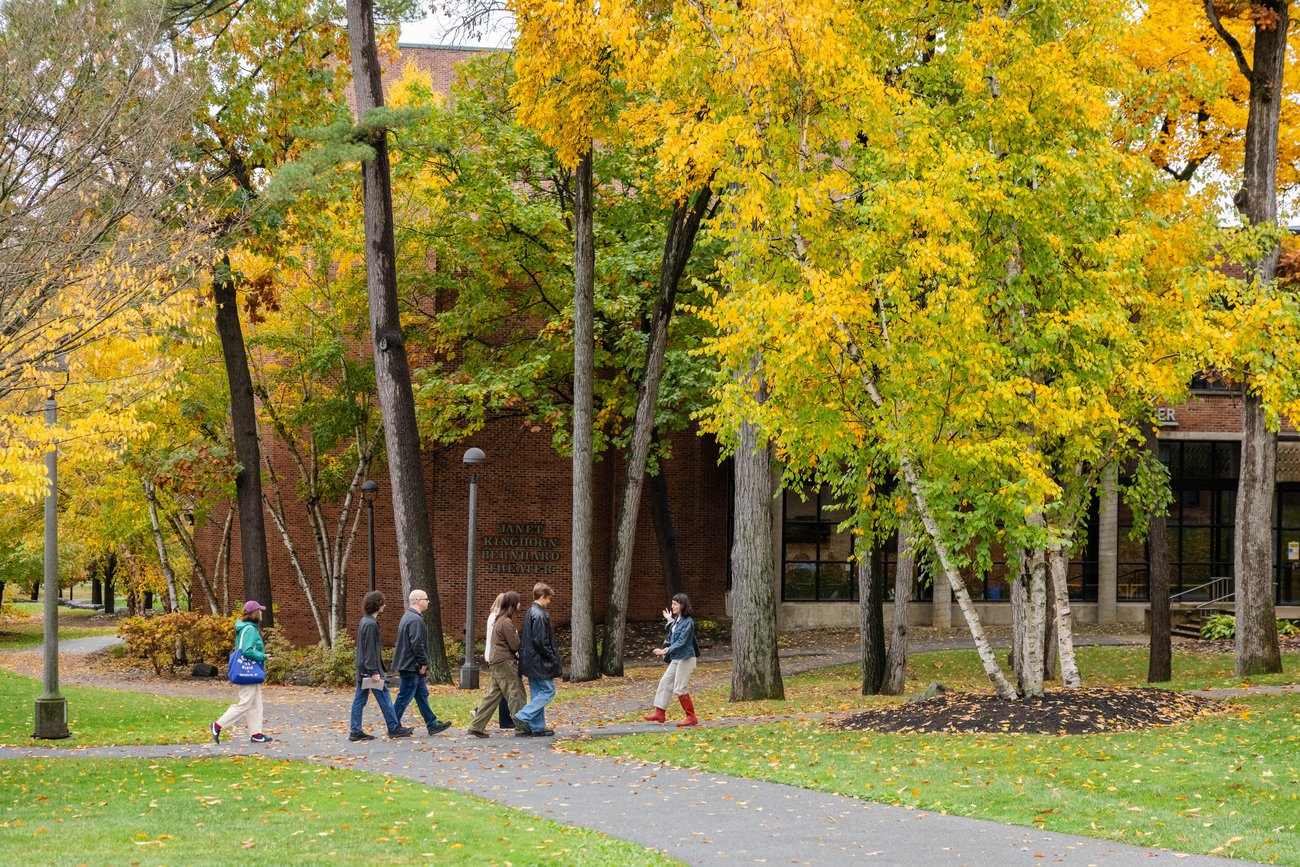
Prospective students and their families join a campus tour at Skidmore College. Credit: Oliver Parini for The Hechinger Report

As courting students gets tougher, colleges vie to make the admissions process friendlier

“Overwhelming.”


That’s how 17-year-old high school senior Alex Zaret described the college admissions process during a tour this fall of Skidmore College — the fourth campus Zaret had visited, with another half a dozen to go.


“It is kind of a full-time job,” Zaret’s father, Owen, said.


He wasn’t joking. With research to do, visits to make and applications and financial forms to fill out, “it’s a lot, and it’s a lot on top of two full-time-employed parents and a very engaged high school student,” Owen Zaret said.


But even in the year or so that the family has been doing this, the Zarets have detected a subtle shift.


“It used to be more an ivory tower approach,” Zaret said, which signaled, “ ‘You’re lucky if you come here.’ And now, I think, for a variety of reasons, that’s changed. It’s more like, ‘We want you to be here.’ ”


As they compete to attract a dwindling supply of students, colleges are striving to transform an admissions process that has often been intimidating, secretive and stressful into an experience that’s open, easier and downright friendly.


“It’s one of those things that’s in everybody’s interest,” said Marc Conner, the president of Skidmore, which has been making a particular push to do this. After all, he said, “we depend on students coming to our campuses and, when they do come, getting them to enroll.”


Read the story

This week's newsletter is sponsored by: 

Sanford Harmony National University logo in blue and teal

What do attendance, engagement, behavior, and achievement have in common?


Research points to strong relationships. Explore how Sanford Harmony helps schools put relationship science into practice to:

  • Improve attendance and engagement

  • Strengthen behavior and belonging

  • Support academic achievement

  • Build a consistent approach across classrooms

Put research into practice.

Some red states want to ban tenure. Rural colleges could pay the price

At East Central University in Ada, Oklahoma, two of four professor positions – in history and criminal justice – remain unfilled after fewer people than usual applied and numerous candidates withdrew their interest. A second-choice candidate was hired in the computer science department after the most qualified said “no” to a job offer.


The hiring trouble at this regional public university stems from Gov. Kevin Stitt’s efforts to limit traditional job protections for faculty, argue other leaders in Oklahoma, who say that’s making it harder for schools in remote locations to attract academic talent. 


“The governor, in messages he has delivered to us, says he disagrees with academic freedom and thinks professors at the end of their careers aren’t doing much,” said ECU President Wendell Godwin. “But we have a process for getting rid of professors who are not effective, whether they are tenured or not.”


Following in the footsteps of President Donald Trump’s second-term shakeup of higher education through funding cuts, bans on diversity programs and litigation, Stitt, a Republican nearing the end of his second term, issued his own crackdown on Oklahoma colleges in February. 


One executive order forbids publicly funded regional universities and community colleges statewide from granting tenure to new hires, while sparing the state’s flagship research institutions, the University of Oklahoma and Oklahoma State University. Tenure is a form of job protection that professors earn over time, through a peer-review approval process, which shields academics from retaliation for teaching and researching ideas that may be controversial. 


Read the story

Same researcher, opposite results 


One AI tutor engaged middle schoolers. Another backfired with college students.

proof-ai-studies-102926.jpg

One study hinted that a little AI-powered math practice might help struggling middle schoolers improve their skills. Another found that an AI assistant undermined college students’ engagement and hurt their grades.

Become a sponsor

Promotional graphic showing an adult and children gathered around a tablet

Reading list


Sold a story: What can you do for my Black children?

After an elementary school adopted ‘direct instruction,’ its students outperformed those at much wealthier schools


Tracking Trump: His actions on education

The latest: The Department of Education issued a final rule revising the accreditation system that assesses quality at U.S. colleges and makes them eligible to receive federal financial aid


Parents take a broad approach when seeking trusted child-rearing advice

A new survey finds that family members, health providers and social media are all part of the information diet for parents


TEACHER VOICE: Students are trained to answer questions, but they are rarely taught how to ask them
In the age of AI, we are teaching the wrong skills. Let’s shift to teaching them more about how to think

OPINION: A warning: The midterm elections and Trump’s response carry big implications for US education
History teaches us that what waits on the other side of deep political division may be violence and upheaval

Invite others to sign up for our newsletters.

Donate

Copyright © 2026 The Hechinger Report, All rights reserved.

Click here to manage your newsletter preferences