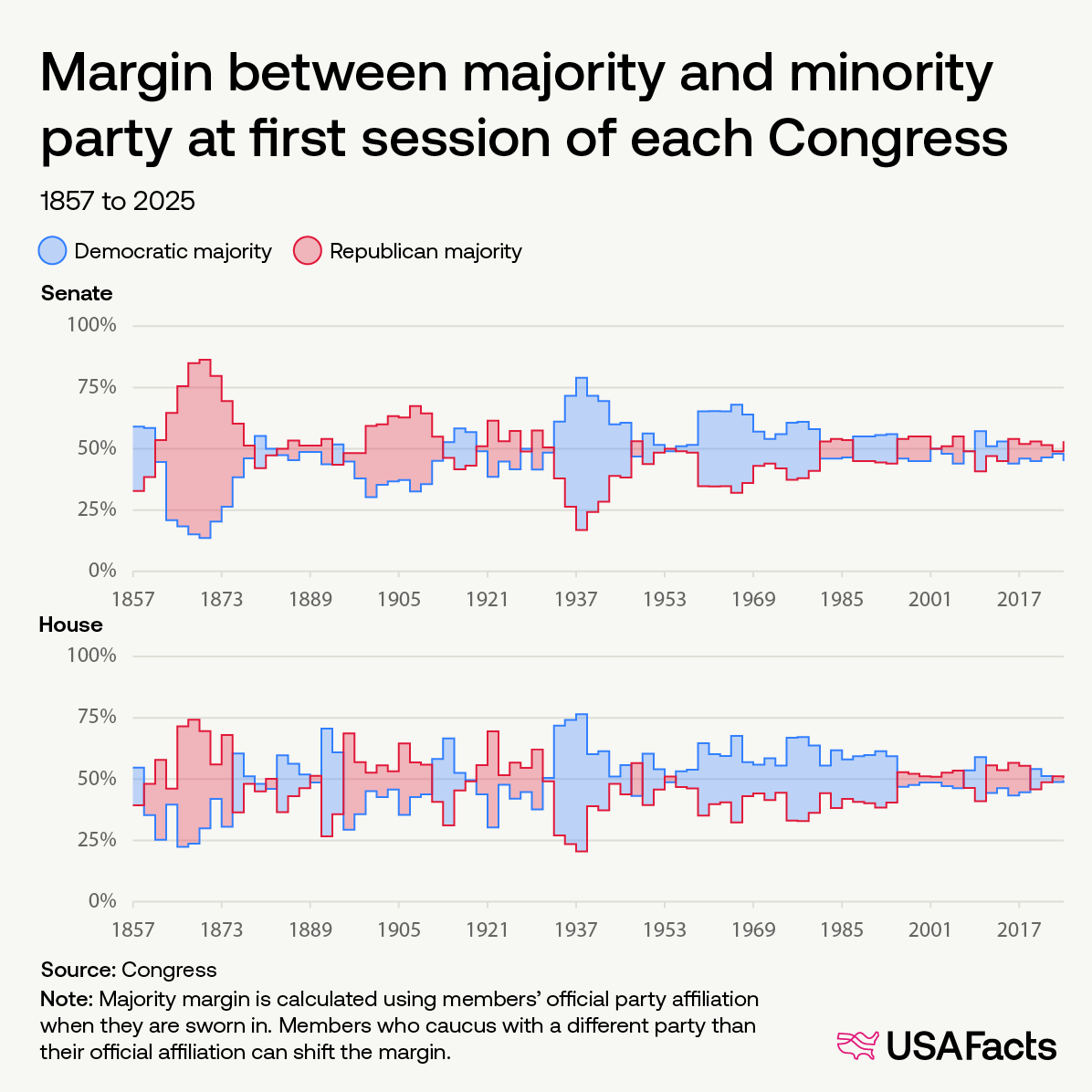
A unified Congress is one in which the House and Senate share the same majority party. Since 1857, 76.5% of Congresses have started unified. The Democratic Party had the longest unified stretch, 13 consecutive Congresses from 1955 to 1981.
There have been 13 Congresses since the beginning of 2001, and Congress was unified at the start of four of them. Each stretch lasted no more than four years.
Congressmembers are elected in November and formally convene the following January. But from 1793 to 1933, Congress was elected in November and began its term the following March. And due to farming schedules and the lengthy travel times to Washington, DC, Congress didn’t formally convene until December, 13 months after the election.
During those 13 months, some elected officials died, became too ill to serve, or encountered other disqualifying circumstances. State officials held special elections to fill these seats, and sometimes the winners were of a different party than the candidate who'd won in the general election. For example: In November 1930, Republicans won a 218–216 majority in the House. By the time the first session convened in December 1931, 14 Representatives-elect had died. Democrats won special elections to take the House with 219 seats to the Republicans’ 213.
|
|
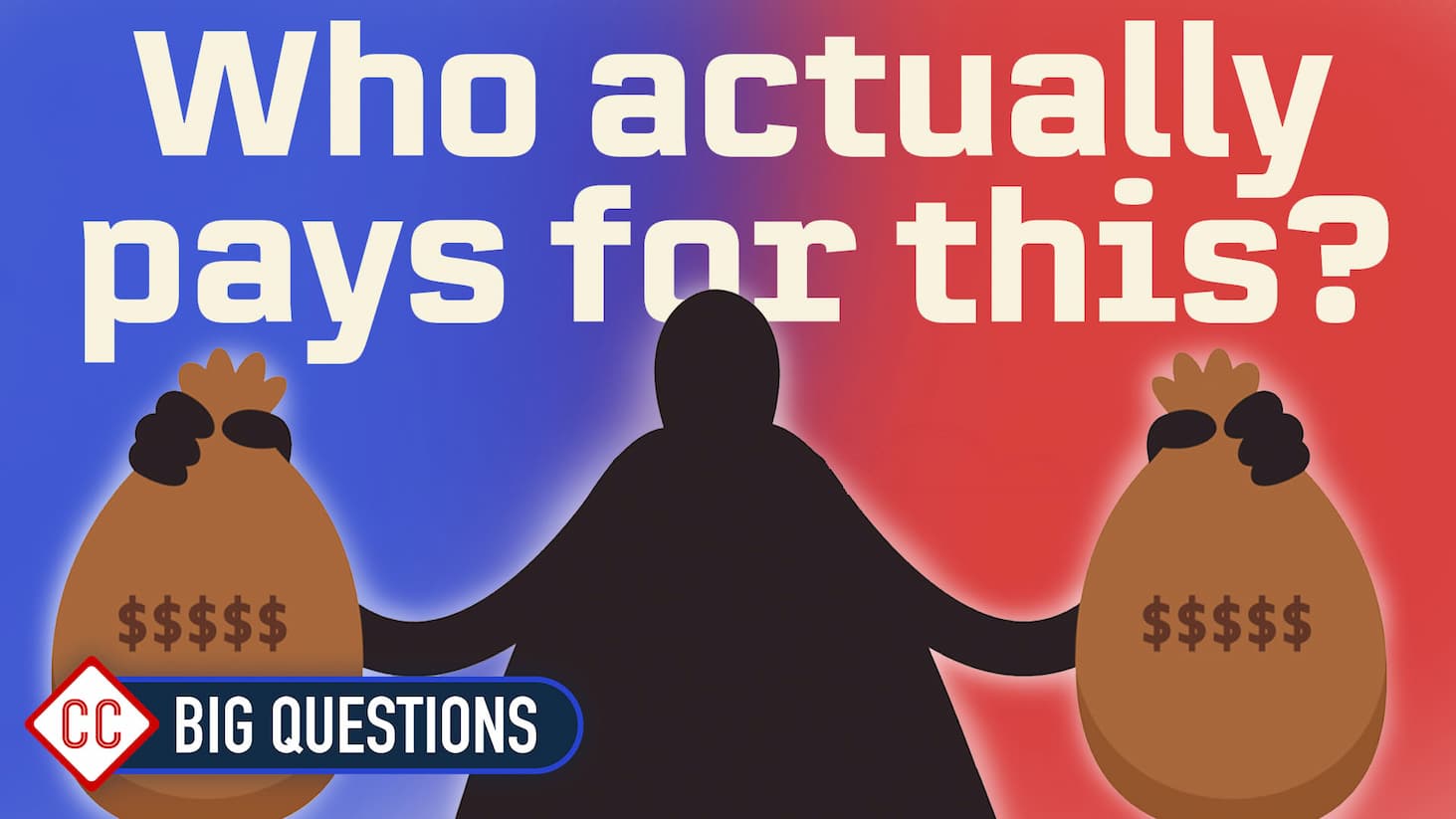
With congressional margins tighter than ever, candidates are raising a lot of money to come out on top. This new video, made in partnership with Crash Course, explores sources of campaign money. There are Republican and Democratic committees, yes, but also Super PACs and other sources. This new article explores how much candidates are spending. |
|
How many jobs did the US add in September? |
|
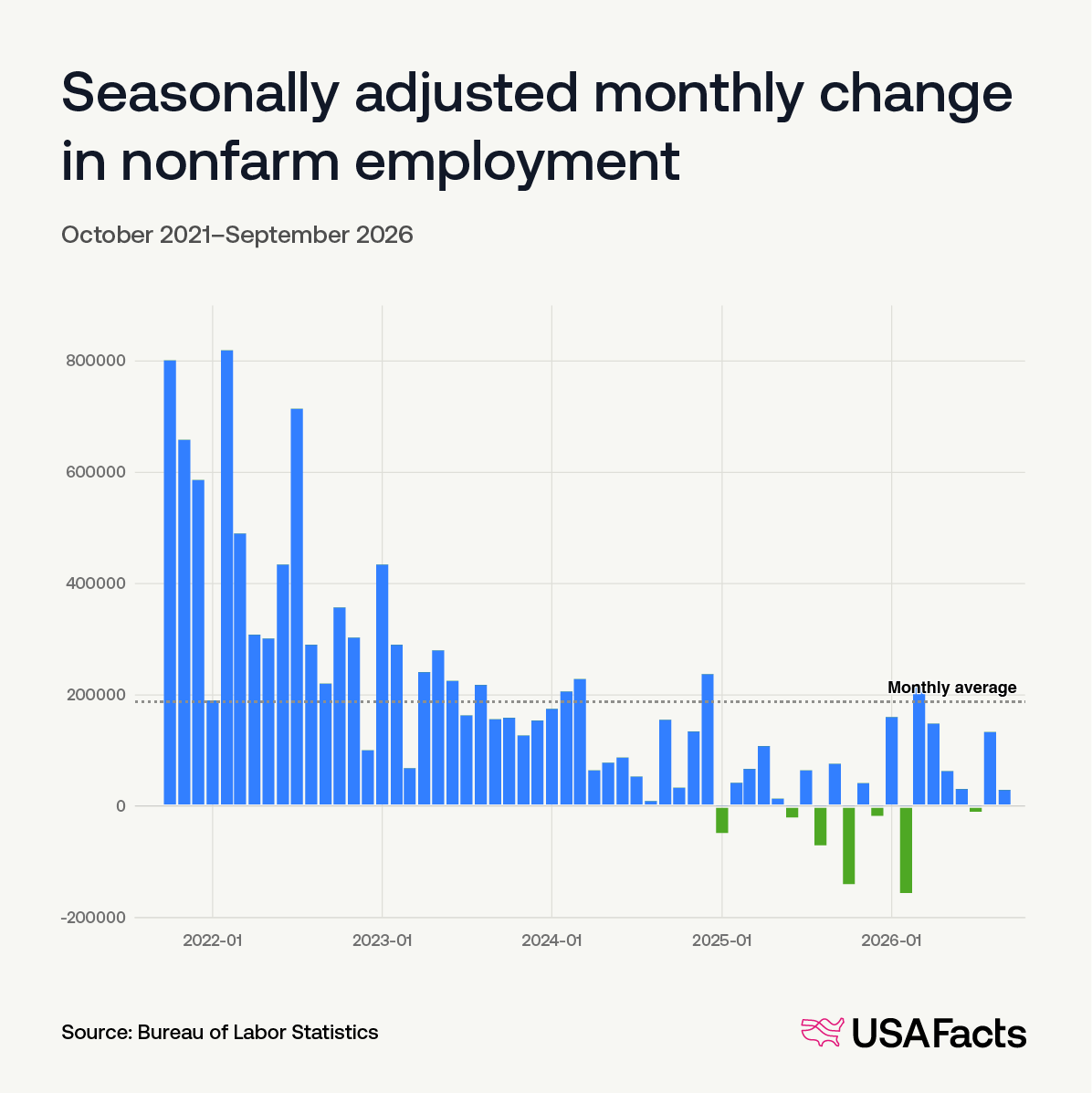
The Bureau of Labor Statistics’ monthly jobs report shows that the nation added about 29,000 jobs in September, compared with 133,000 jobs added in August. These figures are revised as more complete data rolls in, but let’s see what the details can show us so far. |
|
Private education and health services had the most growth of any supersector (the broadest industry groups the bureau tracks) in September 2026, adding 20,000 jobs. Trade, transportation, and utilities followed with 18,000 added, then construction with another 11,000.
The government supersector lost 17,000 jobs, information lost 10,000, and professional and business services lost 9,000.
The country gained an average of 41,300 jobs monthly from October 2025 to this past September. For comparison, that's lower than the average of 53,000 jobs monthly from October 2024 to September 2025.
Meanwhile, the labor force participation rate was 61.8% last month, down 0.7 percentage points from a year prior. The participation rate measures the percentage of people 16 and older who are working or who are unemployed but actively looking for a job.
Layoff data reporting is a bit slower (now’s a good time to remind you that you can sign this open letter demanding timelier government data). There were about 1.64 million layoffs and discharges in August 2026, both permanent and temporary, due to mergers, downsizing, closures, or employee performance.
|
|
Last week, the Trump administration started sending one-time $90 checks to seniors enrolled in Medicare Part B. Here’s who qualifies and how much it might cost. (If you can't get enough on the American healthcare system, we just dropped this video with Steve Ballmer on the topic.) President Trump has suspended sanctions on Russian diesel one month after signing a bill that imposed wider sanctions on the country. Russia and the United States are two of the top-producing oil countries in the world. What are the other three? Have you mastered the facts? Take the weekly quiz to prove it. |
|
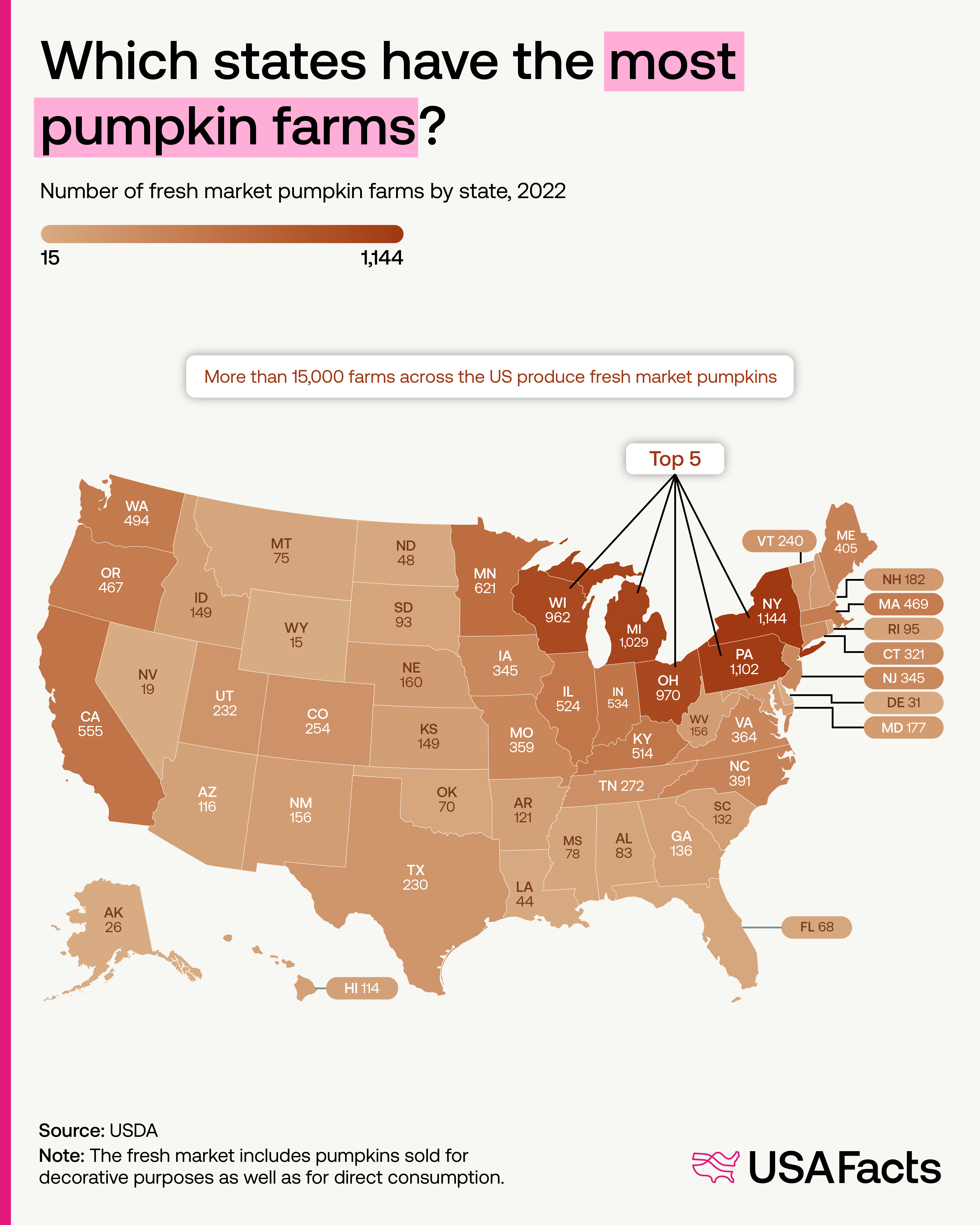
Feel like baking a pumpkin pie or carving a jack-o’-lantern? You've no excuse not to if you live in Wisconsin, Michigan, Ohio, Pennsylvania, or New York, aka the Great Lakes Pumpkin Belt. They have more fresh pumpkin farms than any other state. But which state produces the most pumpkins? Find out on our Instagram. |
|
Was this email forwarded to you? Sign up for your own weekly issue of the USAFacts newsletter. |
|
|
|
|