Even restaurant operators are realizing that things have gotten too expensive
|
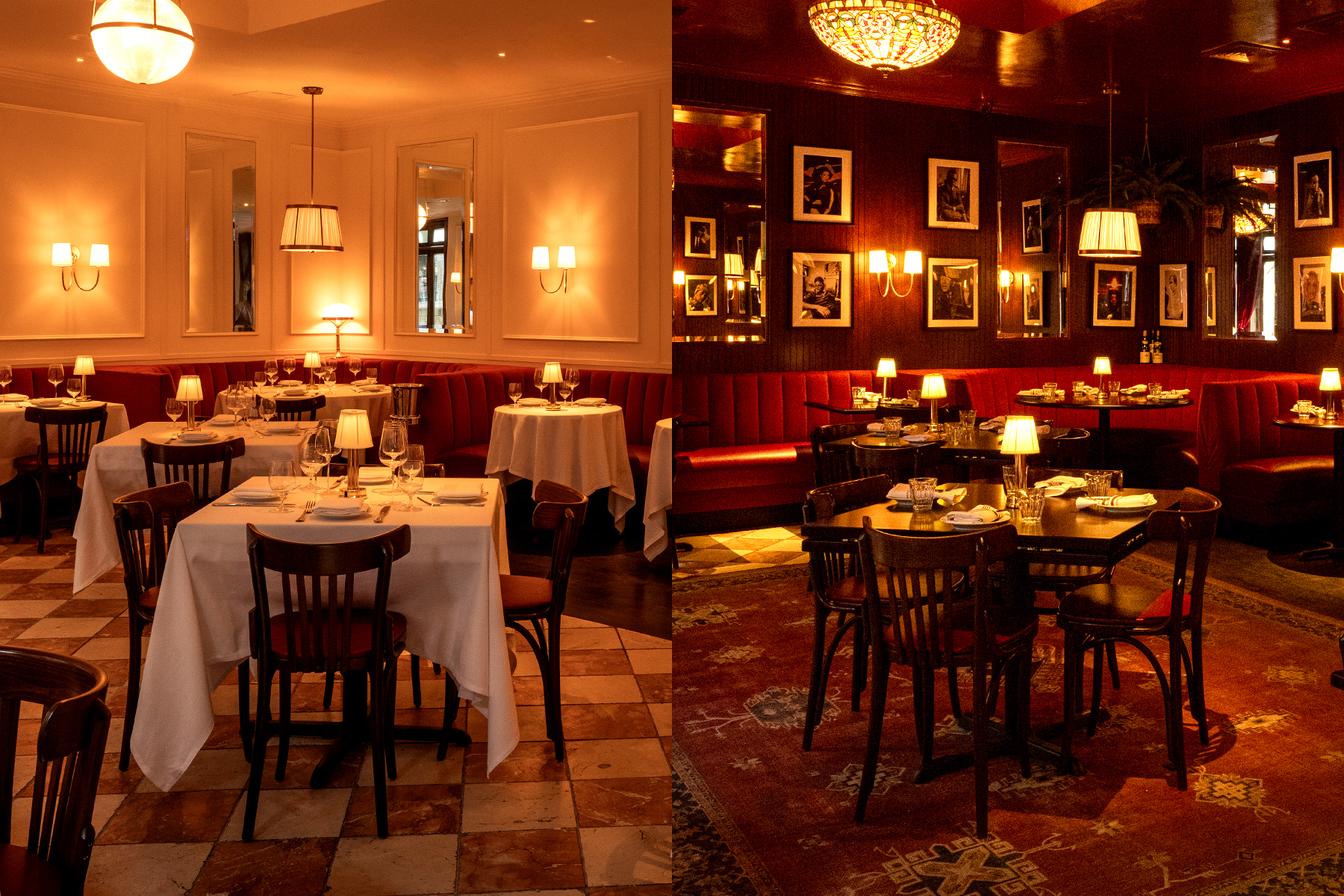
When my colleague Melissa McCart interviewed New York City restaurateurs Cody Pruitt and Jacob Cohen a few months ago about their new restaurant, Floradora, which was replacing the restaurant they opened last year, Chateau Royale, I was less intrigued by the concept — there are a lot of places to get vodka sauce pasta in this city — and more compelled by Pruitt and Cohen’s candor about why they completely shifted gears. Basically, they told her, Chateau Royale was too expensive. Most people were getting the $27 burger far more often than the $90 Dover sole, so they flipped their fancy restaurant into a more affordable one.
The thing about this example that really speaks to the current moment is that Pruitt and Cohen have now done this twice in short succession: In June, they flipped their restaurant Libertine into the more accessible Capitaine. They’re among a handful of operators of acclaimed, high-end restaurants that have made the same choice this year. Also in NYC, the Korean fine dining restaurant Genesis House will soon shift its focus to bulgogi, with a press release stating that it’ll be a “neighborhood spot delivering approachable, yet elevated Korean cuisine.” In Washington, D.C., the Michelin-starred, tasting-menu-oriented Tail Up Goat flipped into the counter-service, no-reservations, entirely a la carte Rye Bunny.
The fine dining flip happened twice recently in Los Angeles, where the upscale Chinese restaurant Firstborn rebooted with a $68-per-person prix-fixe approach and the similarly pricey Chinese spot 88 Club rebranded as the intentionally more affordable Tiger Tiger. Following a similar line of thinking, the popular LA bar Night on Earth recently revamped its menu to make its inventive drinks notably cheaper than those of many other local cocktail bars.
|
Chateau Royale (left); Floradora (right) | Evan Sung |
|
|
|
I’ve talked a lot about prices this year because, as a diner and just as a person, it feels impossible to not think about and talk about them all the time. “Restaurants are too expensive now” is a refrain I hear with some frequency, in reference to everything from McDonald’s to whatever constitutes Manhattan’s newest hot spot serving a $12+ side of fries. Perhaps like you have, I have been humbled by the receipt on the random Wednesday date night and the Tuesday solo dine.
I understand the argument, which is that given rising costs, restaurants need to price this way in order to stay in business. At the same time, it’s clear that even restaurant operators are seeing diminishing returns on these pricey models. They’re realizing that it can’t be all the posturing and excess of last year’s steakhouse moment, when restaurants kept getting glitzier and splurgier, and that both diners and restaurants need to face a serious reckoning over affordability right now.
In my latest piece, I talked to the operators behind Floradora, Rye Bunny, Firstborn, and Tiger Tiger about the necessity of the fine dining flip right now, and how it might make things more sustainable for both restaurants and diners. Read the full story here. |
|
|
|
-
In this week’s Kangtown newsletter, my colleague Matthew Kang shares why he thinks San Diego restaurants are giving diners
more for their money than what's on their plate
(and talks to the founder of the restaurant group he thinks absolutely nails the art of the vibe). Subscribe here for his take. -
In 2024, my former colleague Jaya Saxena spoke to restaurant owners around the country about why restaurant math isn’t working. Their points remain very relevant.
-
“The restaurant industry is broken. Can it be fixed?” New York Times reporter Brett Anderson tried to answer that in a new episode of The Daily.
-
Earlier this year, VinePair published a great piece by Eliza Dumais about restaurant prices and the affordability crisis.
-
There’s plenty of affordable food in NYC, as long as you know where to look. Find our favorite spots on the Eater app.
|
|
|
|
|