Big month. Ultravox, the real-time voice agent platform loved by developers, is now part of Inworld. Separately, our models got big updates: your voices now speak more languages, STT tells you who said what and when, the LLM Router picked up the Responses API and a batch of new models, and the docs got a rebuild.
tl;dr
Ultravox joins Inworld
Localize any voice into new languages
Speaker diarization and word-level timestamps for STT
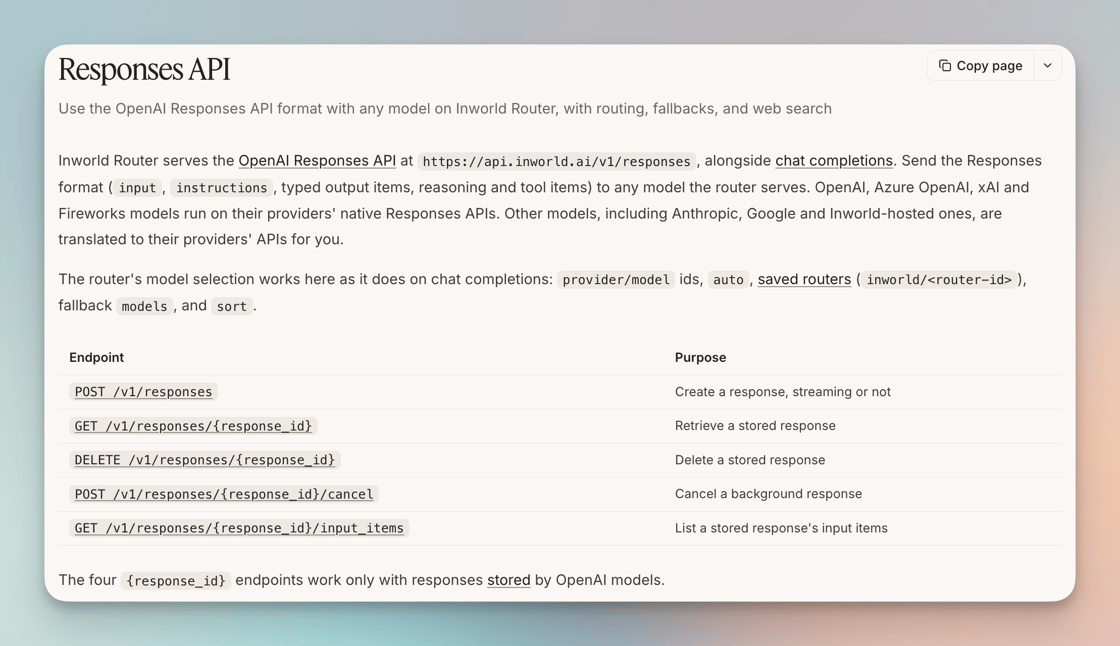
Inworld LLM Inference & Router: New models and responses API
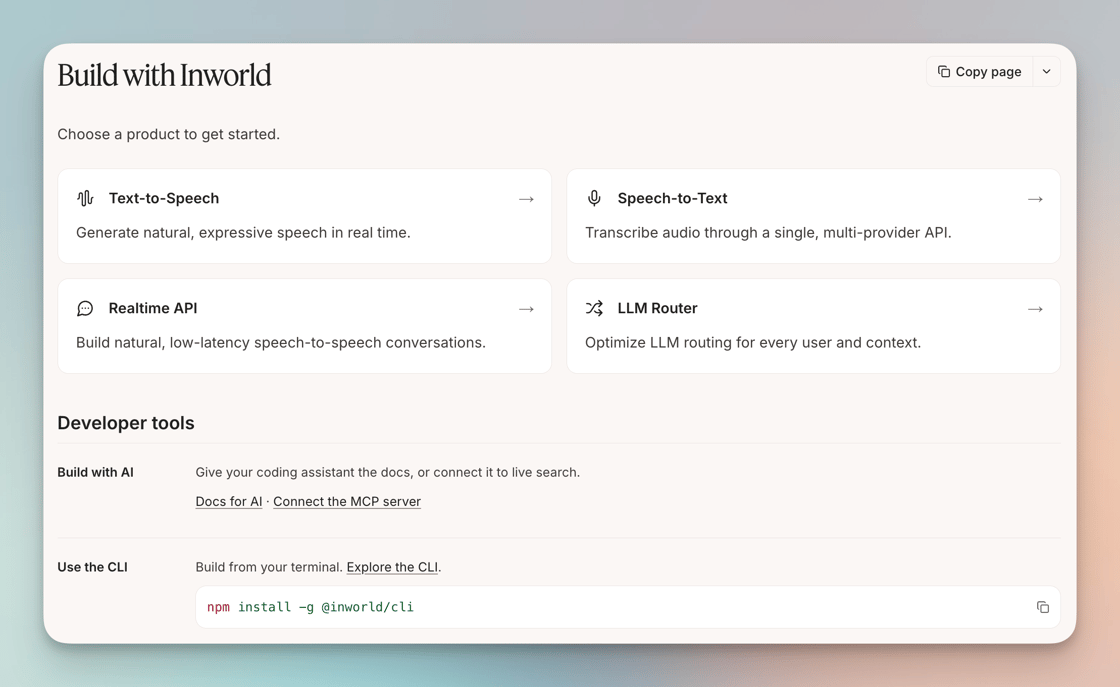
Docs rebuilt, with llms.txt for your coding agent
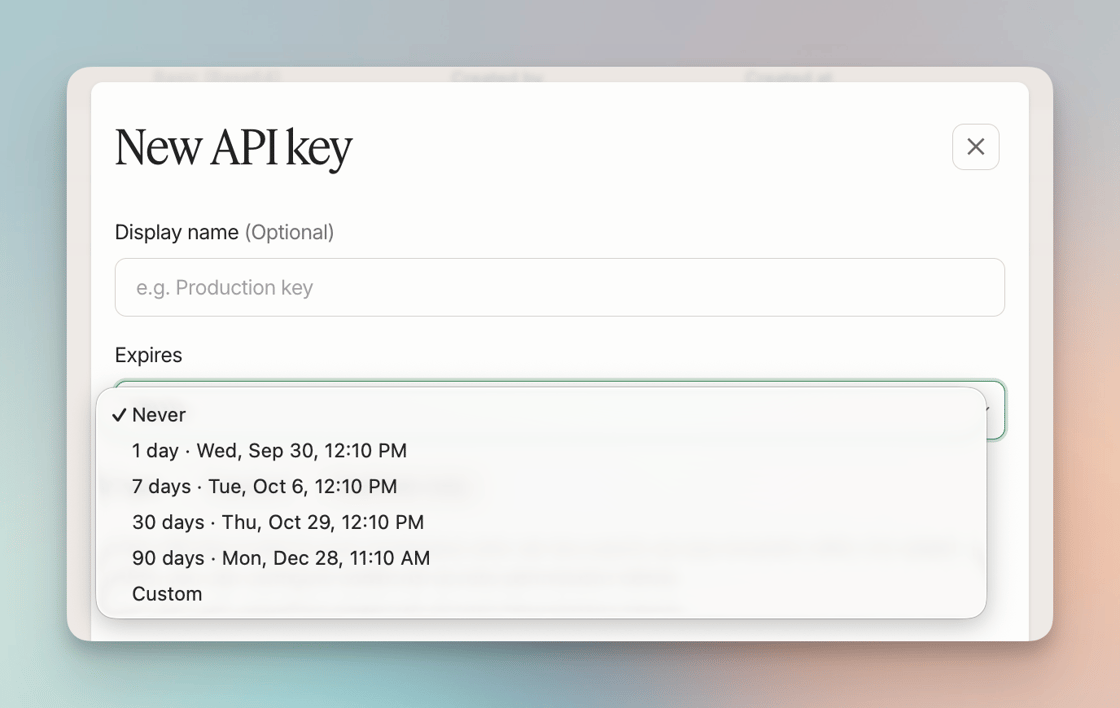
API keys with expiration dates
WAV downloads on every plan, more languages in the Playground
Company
Ultravox joins Inworld
We've acquired Ultravox, the platform developers use to build real-time voice agents, and members of the team that built it have joined Inworld to keep developing it. Ultravox brings speech understanding, reasoning and task completion, along with turn-taking and interruption handling in live conversations. Inworld brings the speech models, model serving and real-time inference underneath. Together, we can improve the full conversation: understanding what a user says, helping them get something done, and responding in a voice that fits the moment.
Every built-in Inworld voice on Ultravox now runs on Realtime TTS-2 with existing voice IDs unchanged, no code changes and no additional cost. This is a big step in our work on speech-to-speech experiences that bring speech understanding, reasoning, and expressive voice generation closer together.
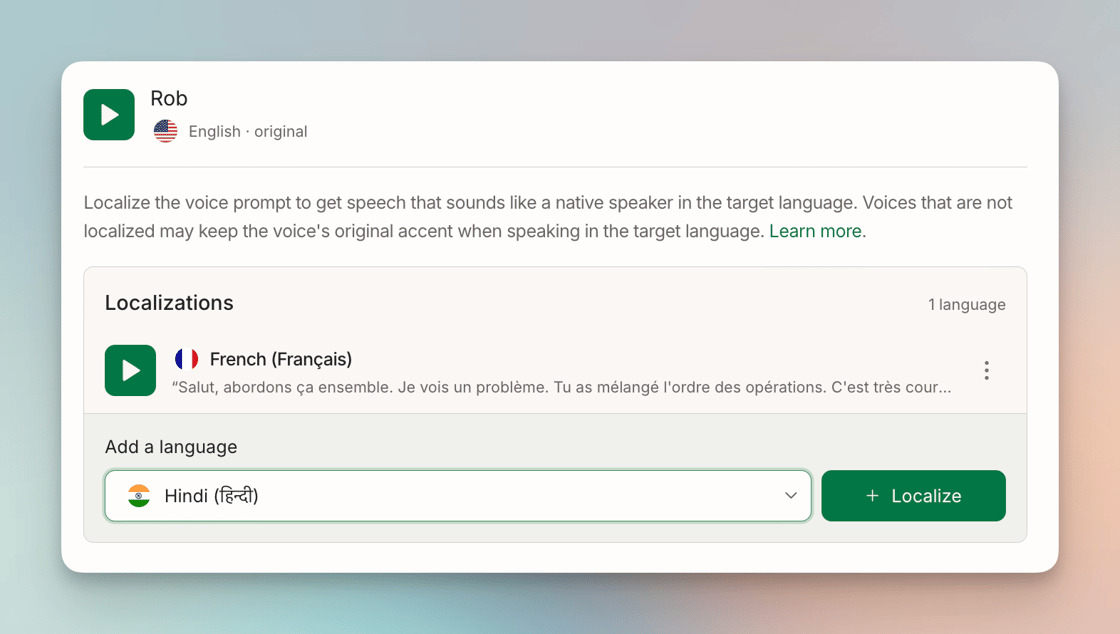
Any voice in your library, whether it's a system voice, an instant or professional clone, or one you designed from text, can now speak other languages while keeping its identity. Open the voice in the Voice Library, add the languages you need, pick the candidate that sounds right and save. Existing localizations are managed from the same Localize page, and the whole flow is available through the API.
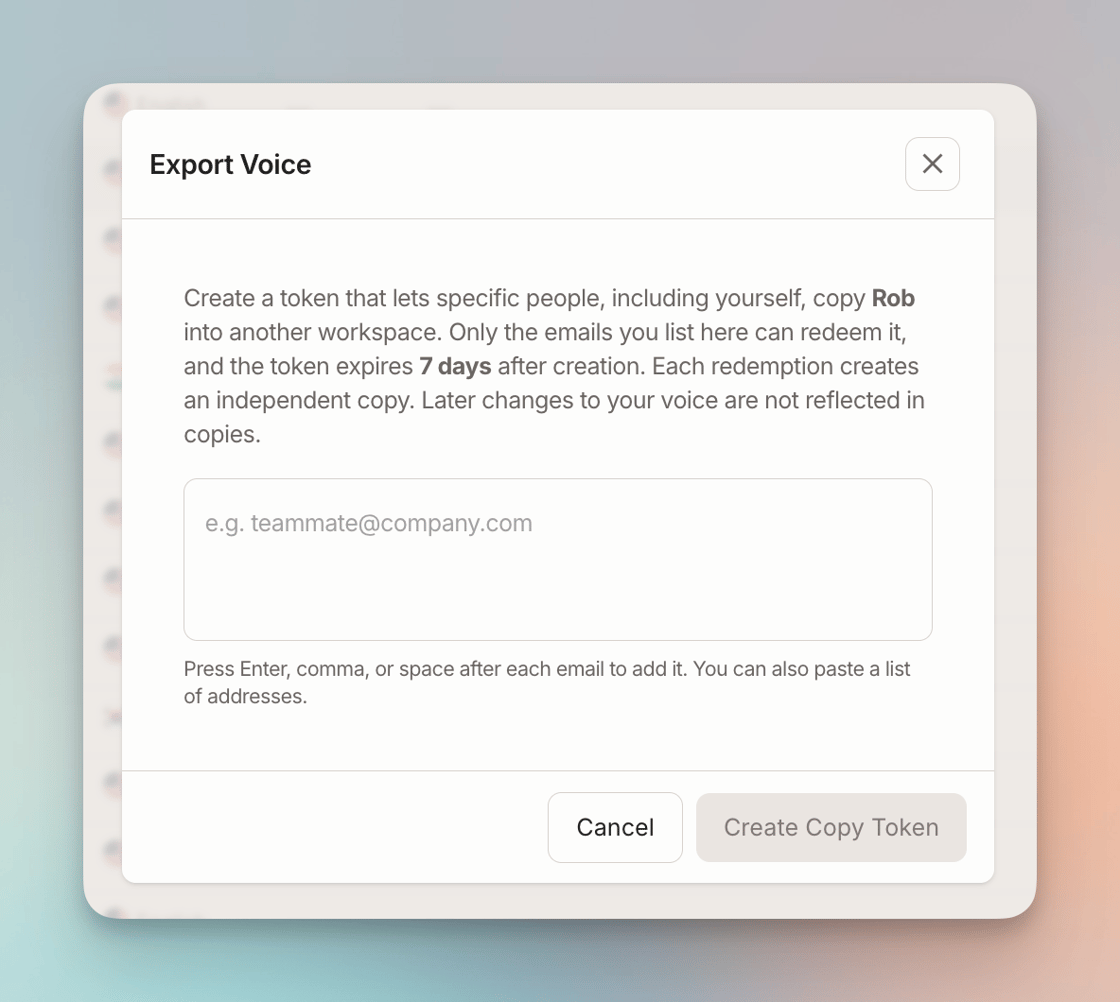
Move voices between workspaces. Export a custom voice and import it into another workspace, or hand it to a teammate with a copy token. Portal only for now.
WAV downloads on every plan. Previously subscribers only. You can also choose the sample rate when you download a WAV.
Every supported language in the Language dropdown. Any language with text normalization is now selectable, including Swahili and Pakistani Punjabi (Shahmukhi). Language pickers also work properly on mobile.
Text normalization for seven more Indic languages. Numbers, dates and abbreviations are now read out correctly in Bengali, Marathi, Urdu, Assamese, Punjabi, Odia and Gujarati, joining Hindi.
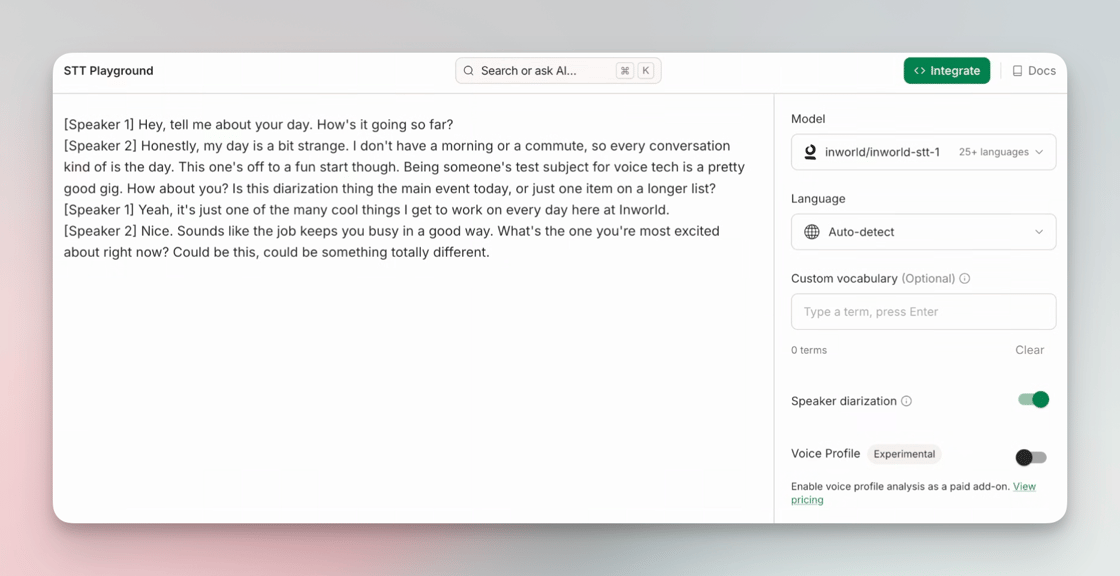
inworld-stt-1 can now tell you who spoke and exactly when. Turn on diarization on file transcription to get speaker-labelled segments, powered by a new diarization model we rolled out this month, and enable word-level timestamps for alignment, captions or highlighting. Both are available in the STT Playground and via the API.
New on Inworld-hosted endpoints this month: Qwen 3.8 Flash and GLM 5.3 Flash, plus the newest frontier releases from OpenAI, Anthropic, xAI and DeepSeek through the same key. And a milestone we're proud of: the Router served more than 400 billion tokens in a single day this week.
The Router now supports the OpenAI Responses API alongside Chat Completions, so tool calling and reasoning on the latest OpenAI models work as expected: point your client at api.inworld.ai and keep your code.
docs.inworld.ai moved to a new engine this month: faster pages, navigation that works on a phone, permalinks on every heading, and a searchable not-found page instead of a dead end. If you build with a coding agent, point it at docs.inworld.ai/llms.txt or llms-full.txt to give it the whole reference in one file. There's also a set of Router AI Coding Instructions on your portal home page to paste into your agent.
You can now set an expiry date when you create an API key, so temporary keys for contractors, demos or CI clean themselves up. Keys without a date keep working as before.

.jpg?width=1120&upscale=true&name=Blog_Ultravox_2355x829%20(1).jpg)