Plus, preschool math blasts off in Mississippi
 ‌ ‌ ‌ ‌ ‌ ‌ ‌ ‌ ‌ ‌ ‌ ‌ ‌ ‌ ‌ ‌ ‌ ‌ ‌ ‌ ‌ ‌ ‌ ‌ ‌ ‌ ‌ ‌ ‌ ‌ ‌ ‌ ‌ ‌ ‌ ‌ ‌ ‌ ‌ ‌ ‌ ‌ ‌ ‌ ‌ ‌ ‌ ‌ ‌ ‌ ‌ ‌ ‌ ‌ ‌ ‌ ‌ ‌ ‌ ‌ ‌ ‌ ‌ ‌ ‌ ‌ ‌ ‌ ‌ ‌ ‌ ‌ ‌ ‌ ‌ ‌ ‌ ‌ ‌ ‌ ‌ ‌ ‌ ‌ ‌ ‌ ‌ ‌ ‌ ‌ ‌ ‌ ‌ ‌ ‌ ‌ ‌ ‌ ‌ ‌ ‌ ‌ ‌ ‌ ‌ ‌ ‌ ‌ ‌ ‌ ‌ ‌ ‌ ‌ ‌ ‌ ‌ ‌ ‌ ‌ ‌ ‌ ‌ ‌ ‌ ‌

View in browser

Weekly Update

A newsletter from The Hechinger Report

Sponsored by:

Kids Music Games logo

In this week's edition: Colleges add public policy courses and majors designed to give students practical experience in solving issues of local governance. The mandated math curriculum for state-funded preschools in Mississippi goes beyond counting and learning shapes. Plus, with free-tuition promises, some colleges try to untangle confusion over what they cost. 

HE-democracy-major-1.jpg

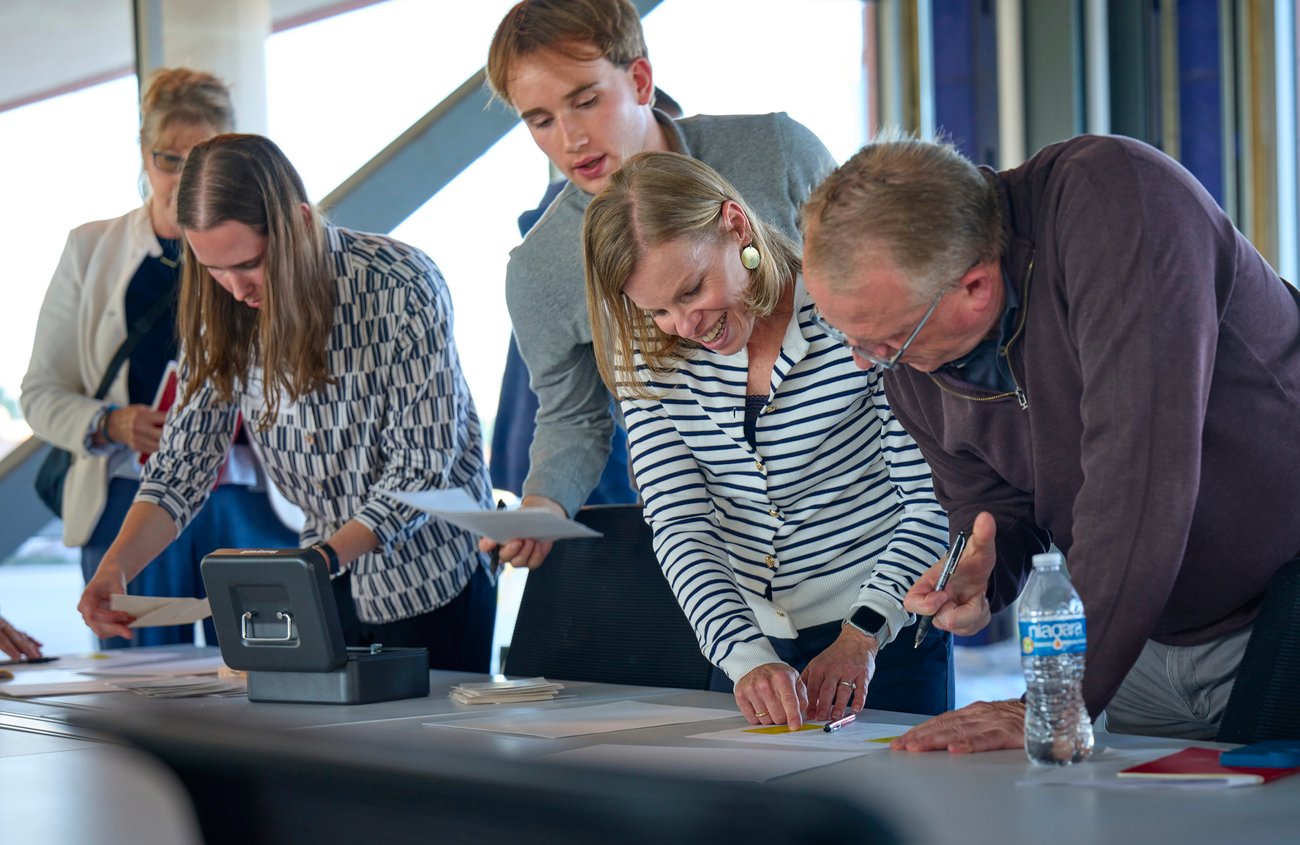
UW-Madison associate professor Amber Wichowsky, center, talks to students and members of the public about solutions to the city's housing shortage held by the University of Wisconsin-Madison at the Kenosha Innovation Neighborhood complex on Oct. 3, 2026, in Kenosha, Wisconsin. Credit: Darren Hauck/Hechinger Report

Students want hands-on training in the work of democracy. Colleges are answering

Andrew Staff knew the data. The sophomore at the University of Wisconsin-Madison had helped create an information packet for the 26 residents of Kenosha County, each randomly selected and paid $100 to spend a Saturday confronting the local housing crunch. The key question: Could factory-built dwellings help? 


But by the end of the six-hour session, during which residents raised and wrestled with one another’s concerns, Staff’s head was spinning. Affordability was just one factor, he noted, ticking off others such as proximity to parks and transportation and the fact that not every resident actually wants their own house. 


Days later, Staff switched his major from political science to public policy, newly offered this fall at the University of Wisconsin-Madison’s La Follette School of Public Affairs, which had helped organize the Kenosha event in part to give students real-world experience. 


“I don’t just want to think about political theory,” said Staff. “I want to get out there and do things.” 


It’s no secret that Gen Z is unhappy with the direction of the country, distrustful of government and concerned about political polarization. But there’s also evidence they want to do something about it: Seventy-nine percent of those polled in April 2026 felt they could make a difference by voting and participating in the democratic process; 38 percent want to run for state or local office, up from 34 percent in 2025. In November’s midterm elections, voter turnout among people ages 18 to 29 was the second-highest in decades, according to one estimate.


Colleges are answering with courses, certificates — and majors — in public policy, which tends to be more hands-on and skills-based than the political science major. Columbia University in July announced a new major in global affairs and public policy, and institutions including the University of Pittsburgh, Kentucky State, the University of Texas at Austin, Georgetown and the University of Virginia have also recently added undergraduate majors in public policy.


Read the story

This week's newsletter is sponsored by: 

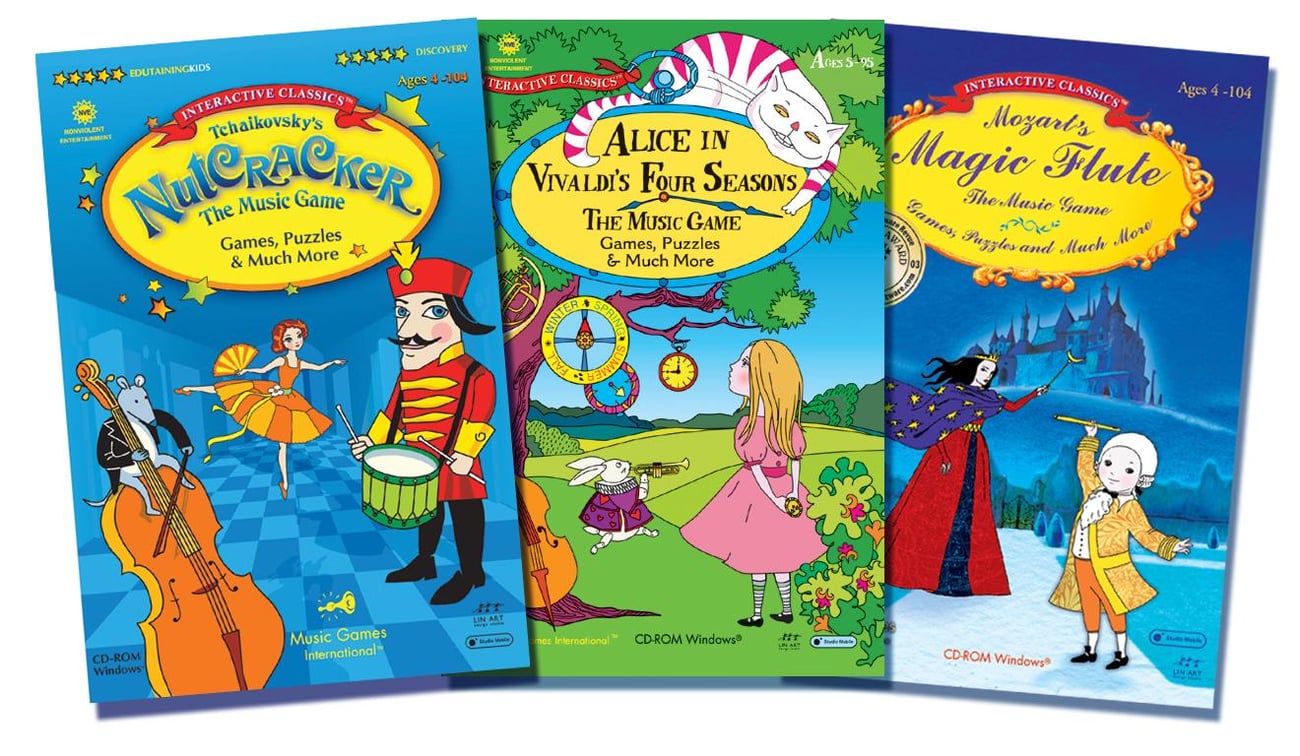
Three illustrated classical music game covers featuring colorful characters and musical scenes

Computer Games for Music Lovers


This Holiday classic gives students an outlet for exploring their own appreciation of music, while sharpening their listening and problem-solving skills and improving understanding of the basic concepts of music.


Play the free MiniNutcracker or use HR25% discount code for the complete Nutcracker, which won 11 awards, including the Distinguished Achievement Award from the Association of Educational Publishers. 


Please share with parents and friends.

Preschool math blasts off in Mississippi

Vaughn Dodd is using Magna-Tiles to make a rocketship, carefully selecting different shapes for the nose cone and the tail. The four-year-old pre-K student at Corinth Elementary School knows that a diamond shape is called a rhombus. She knows the sun is a circle. 


Proficiency with translucent plastic shapes may not lead directly to a future job in Mississippi’s growing aerospace industry, but it’s not a bad launching pad for any number of careers that involve mathematical concepts.


Vaughn’s teacher, Kayla Wood, leads a range of activities in the name of math, some with the whole class and some in small groups. Toys like the Magna-Tiles, which support counting, sorting and other skills, are available for independent play. 


“There are no worksheets here,” Wood said. “We don’t do worksheets at any time, even during literacy. We can form letters and numbers with Play-Doh. It’s very hands-on.”


Wood is implementing Building Blocks, the math component of the Mississippi Beginnings curriculum for state-funded pre-K programs. Mississippi is the first state to mandate a math curriculum for its preschool program, which currently serves around 8,700 children, or a quarter of the state’s population of four-year-olds. The rollout of the program started in 2022 and is expected to be in all state-funded preschools by August 2027.


Read the story

With free-tuition promises, some colleges try to untangle confusion over what they cost


More than expanding financial aid, the point is to help consumers understand the actual price.

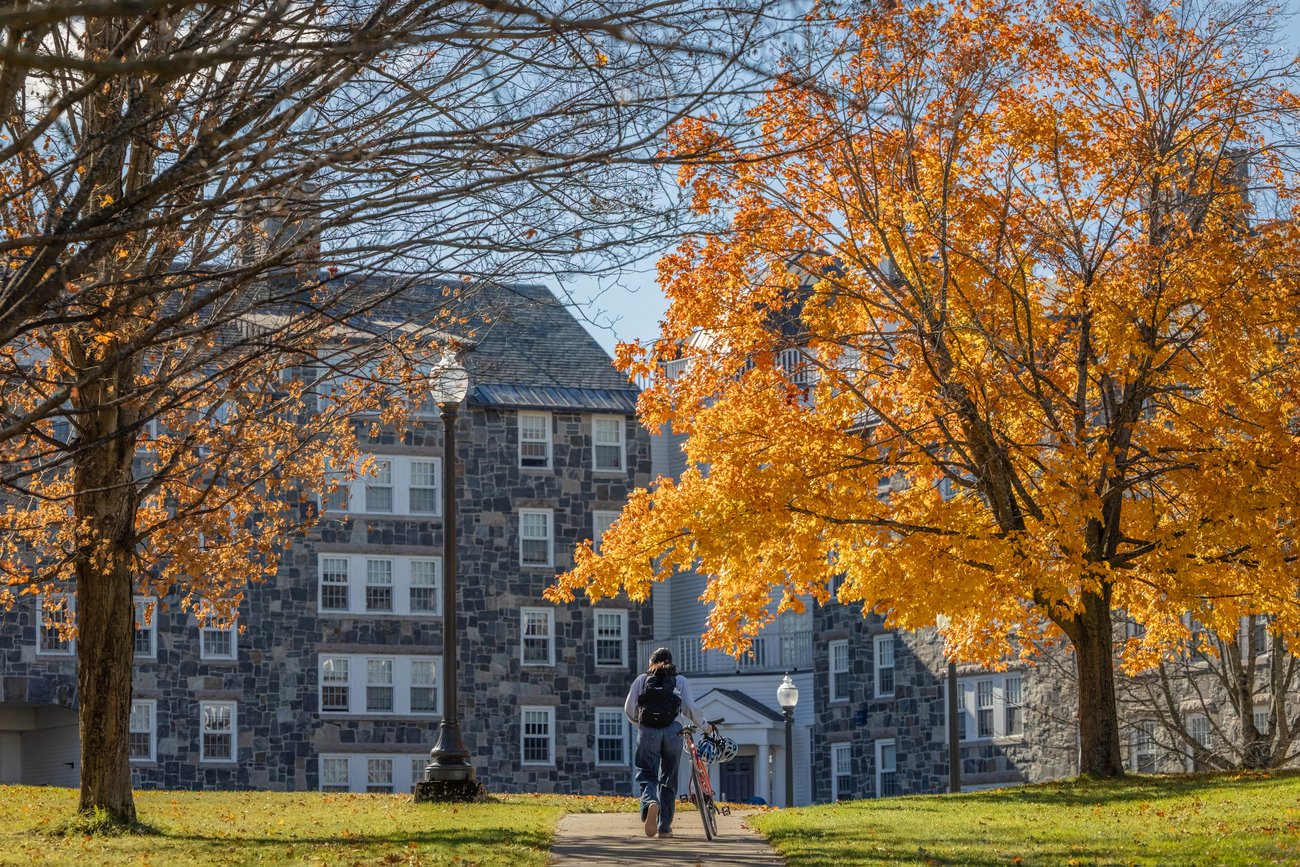
Person walking a bicycle past a stone building beneath autumn trees

Most Americans also think that colleges are overpriced, with nearly two-thirds saying four-year institutions are unaffordable, a Gallup survey found. Read more.

Become a sponsor

Colorful cartoon animals play musical instruments on a decorated stage

Reading list


States step up their role picking winners among college majors and training programs

New 50-state report describes how states prioritize funding for particular fields of study 

How a class on climate change leaves students feeling ‘energized’

A philosophy professor teaches students about climate solutions and careers 


Tracking Trump: His actions on education

The latest: The Education Department said it opened investigations into teacher preparation programs it accused of engaging in race- and sex-based discrimination


Sold a story: Get ready!

One school has a long history with Direct Instruction


STUDENT VOICE: Schools teach students what to learn, but rarely teach them how to learn
We need to expand curriculum coverage to discuss how sleep and stress affect learning and memory if we want students to improve academically

TEACHER VOICE: The future of personalized learning cannot be built on technology alone
Starting with who students are rather than what they are missing is what makes deeper learning possible

OPINION: That Thanksgiving construction-paper hand turkey on your fridge is actually an education policy failure 
Artistry requires thinking and imagination. Let’s teach children that their own perspective is unique and powerful

Invite others to sign up for our newsletters.

Donate

Copyright © 2026 The Hechinger Report, All rights reserved.

Click here to manage your newsletter preferences