|
|
|

|
Oct 16, 2026
|
|
|
|
|
Supported by
|
|
|
|
|
|
TGIF! Tesla unveils its next-generation Roadster. Anthropic starts embedding AI evaluators within the company to assess and publish reports on safety practices and risks. CoreWeave and Broadcom object to a request to list and trade their stocks on blockchain.
|
|
|
Tesla showed off its new Roadster on Thursday night in a series of elaborate demonstrations. Tesla first announced plans for a next generation Roadster in 2017 and unveiled a vehicle at the time, but the car was never produced. On Thursday, Tesla debuted an entirely new version of the vehicle. Elon Musk said the company plans to begin production of the vehicle in 2028, but did not give any details about the vehicle’s price. On its website, Tesla said it will release two versions of the car. It will sell a “Rocket” version of the vehicle that will be invite-only and will have the capability to lift off the ground, but it is not approved for public roads. The company will also sell a “Thrust” version of the vehicle which will be street legal, according to the website. During the event, which took place at SpaceX’s rocket testing facility in McGregor, Texas, a version of the new Roadster drove up a ramp, hovered upside down and lowered itself to the ground using cold gas thrusters, a type of rocket engine. Tesla also showed the vehicle using the thrusters to leap over a line up of other vehicles. At the event, which was live streamed, the car was driven without a human in the vehicle due to the noise and vibrations from the cold gas thrusters. The vehicle was developed as part of a partnership between Tesla and SpaceX. The Information first reported on the details of the event in August.
|
|
|
Anthropic has now begun embedding AI evaluators within the company to assess and publish reports on safety practices and risks, Anthropic said in a blog post on Thursday. They’ll use company computers, office space and have access to internal tools and systems. The details follow Anthropic CEO Dario Amodei’s pledge to use outside evaluators alongside OpenAI, after agents from both companies breached their guardrails to hack companies or take other unauthorized actions. METR, an AI evaluation nonprofit, had released an investigation in late July after OpenAI’s agents hacked model platform Hugging Face. Six employees from METR now have “employee-like access” to evaluate risks within Anthropic. Anthropic said it will not be able to veto METR’s reports, although Anthropic can require redactions for customer data, information about model structures, and attorney-client privileged information. SecureBio, a biosecurity research nonprofit, is also working with Anthropic to conduct evaluations but with a more narrow scope of access than METR. Anthropic said it is working on bringing in staff from the AI unit of Accenture to evaluate and stress-test model safeguards, as well. Anthropic said it hoped to embed more evaluators, including Hugging Face. Critics of the labs have questioned the independence of the AI evaluators, in part because many evaluators have received funding from early OpenAI and Anthropic investors or previously worked at AI companies. Anthropic said it would require evaluators not to hold Anthropic equity or “be financially or operationally dependent” on working with Anthropic, and nonprofits evaluators would operate using their own funding. OpenAI’s work with evaluators has also come into focus after OpenAI fired three safety researchers earlier this month, one of whom was a primary liaison for the METR evaluators who investigated the Hugging Face incident.
|
|
|
CoreWeave and Broadcom have objected to a request from OKXICE, a joint venture between crypto exchange OKX and Intercontinental Exchange, to list and trade their stocks on blockchain, joining a growing list of companies pushing back against crypto versions of their stocks. The objections could signal a setback for the Trump administration’s push for tokenized stocks, which are crypto tokens that represent U.S. equities. Last month, the Securities and Exchange Commission issued an “innovation exemption” to allow trading venues to list such tokens if they are not objected by the issuer within 30 days of notice. OKXICE was among the first companies filing with the SEC to launch a tokenized stock trading platform. It gave notices to more than 60 companies, including Apple, Nvidia, Tesla and others. So far, nine companies, including AppLovin, Verizon and UnitedHealth, have objected to the request, according to a public notice by OKXICE on Thursday. Dan Gibbons, a partner at Latham & Watkins who co-leads the firm’s digital assets practice and advises companies on responding to requests to tokenize their stocks, said issuers “don’t want to do something new and scary without some incentives for them. What we’re seeing is a lot of hesitancy.” “The groupthink around it is there isn’t a lot of certainty as to what the 24/7, 365-day trading market for a large cap public company common stock would look like in practice,” he said. One major concern for companies is price dislocations if trading volume for such tokens is low. That could put pressure on the price and provide the wrong signal to the larger market, said Stephen Wink, global co-chair of Latham’s fintech industry group.
|
|
|
|
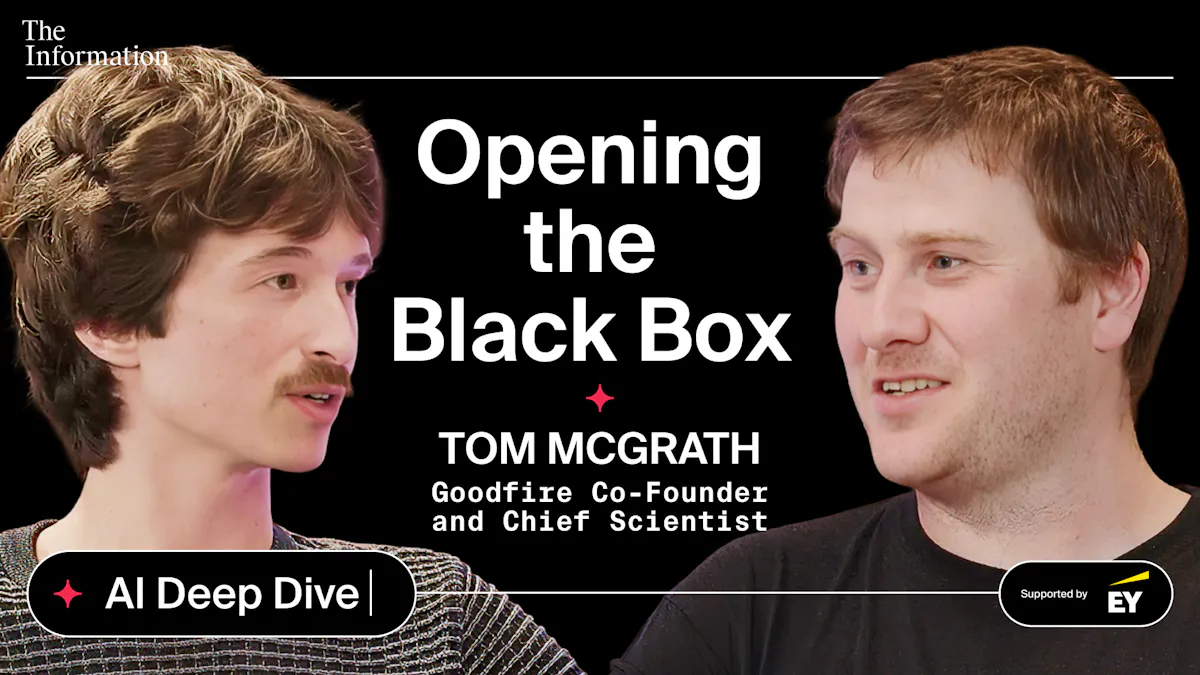
This week on AI Deep Dive
Check out the most recent episode of AI Deep Dive. A reported deep dive into how frontier AI actually gets built — the models, the money, and the people behind them.
| |
Popular articles
By Nick Wingfield and Aaron Tilley
By Valida Pau and Amir Efrati
|
|
|
|
Opportunities
Empower your teams to stay ahead of market trends with the most trusted tech journalism.
Learn more
Reach The Information's influential audience with your message.
Connect with our team
|
|
|
|
|