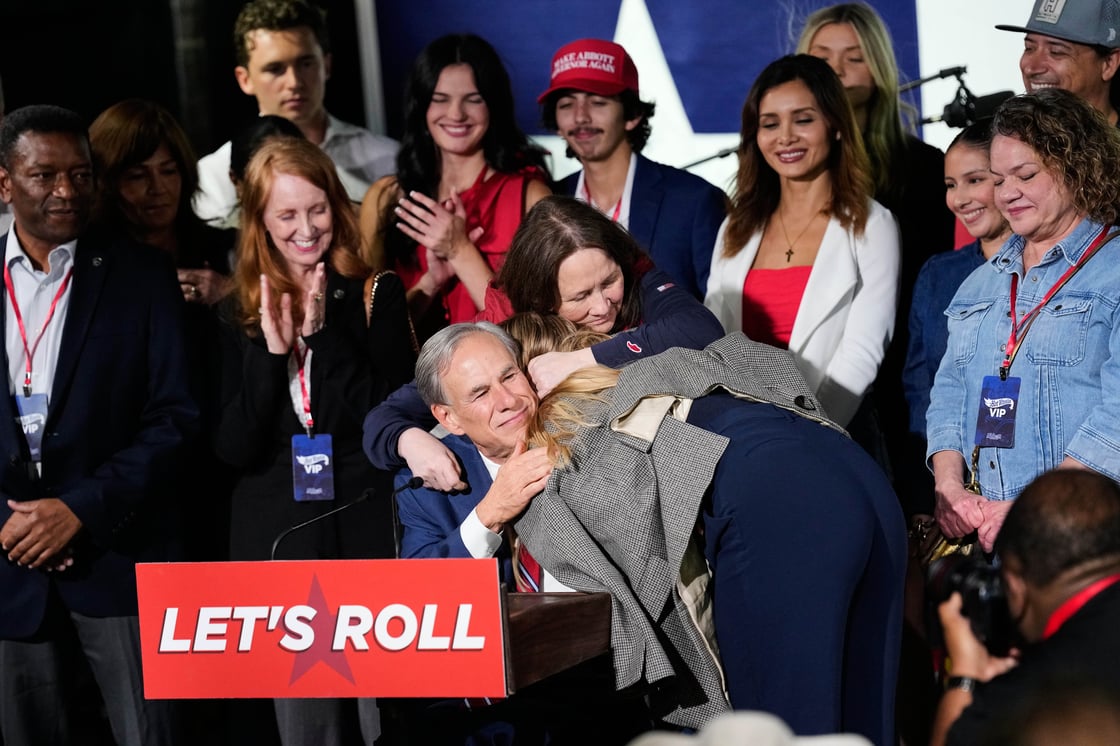
Democrats won the governor's mansion, a U.S. Senate seat for the first time since 1988, and all four Texas Supreme Court seats on the ballot, chief justice included. Republicans still hold the court 5-4. A 32-year GOP streak in statewide races ended in one night.
Call it what it was: voters handed Trump and the GOP a beating. Kansas elected its first Democratic senator in nearly a century, South Carolina flipped a Senate seat nobody had on the board, and Mississippi is still counting one, with the Democrat up about two thousand votes.
I don't write about politics here. I write about verdicts. And this election was about verdicts more than most people realize.
Your state copied Texas. Texas just changed its mind.
Texas built the model: caps on medical malpractice damages, a trucking law that lets defendants split your crash trial in two, a Supreme Court that for a generation treated a plaintiff's verdict as an opening offer.
A verdict becomes money only when the appellate courts let it stand. In Texas the last word belongs to nine elected justices, and four of them just lost their jobs.
Nothing on the books changed. The caps are still the caps, and the next nine-figure verdict still goes to a 5-4 Republican majority. What changed is the math. That majority was a sure thing for thirty years, and the defense bar priced it into every offer. Now one more cycle decides the court, and the sure thing has to go win an election.
The rest of the board flipped too.
Democrats took both chambers of Congress, which leaves the federal tort reform bills that have circled for a decade, litigation funding disclosure chief among them, unlikely to see a floor vote before 2029.
The attorneys general moved too. Georgia, Iowa, Ohio, and Texas all flipped, and Kansas may make it five once the count ends. Those are the offices that built the records in tobacco, opioids, and Meta, the subpoenas no single plaintiff's firm could afford to serve.
None of this changes the case on your desk Monday. It changes who reads your appeal, who digs up the documents you can't, and who writes the next cap. Your next appeal will be read by someone who wasn't on the bench last week.