Employee Who Bugged OpenAI Had Saudi Royal Ties, U.S. Prosecutors Say -- U.S. Sanctions Five Chinese Entities Linked to Google AI Trade Secret Theft  ͏  ͏  ͏  ͏  ͏  ͏  ͏  ͏  ͏  ͏  ͏  ͏  ͏  ͏  ͏  ͏  ͏  ͏  ͏  ͏  ͏  ͏  ͏  ͏  ͏  ͏  ͏  ͏  ͏  ͏  ͏  ͏  ͏  ͏  ͏  ͏  ͏  ͏  ͏  ͏  ͏  ͏  ͏  ͏  ͏  ͏  ͏  ͏  ͏  ͏  ͏  ͏ ­ ­ ­ ­ ­ ­ ­ ­ ­ ­ ­ ­ ­ ­ ­ ­ ­ ­ ­ ­ ­ ­ ­ ­ ­ ­ ­ ­ ­ ­ ­ ­ ­ ­ ­ ­ ­ ­ ­ ­ ­ ­ ­ ­ ­ ­ ­ ­ ­ ­ ­ ­ 

Now streaming → →

Oct 20, 2026

The Information AM

Supported by Sponsor Logo

Save 25% on an annual subscription to read the most important news about technology and business first. For even more, Save $250 on The Information Pro for unlimited access to our proprietary org charts, databases and surveys.

Happy Tuesday! Elon Musk plans to give a SpaceX share to "every kid in America." Anthropic commits at least 5% of shares to a new public benefit fund. OpenAI employee who bugged the office had Saudi royal family ties.

Read more briefings
1.
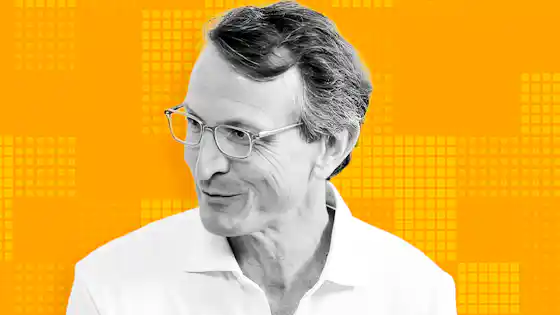
Musk Plans to Give a SpaceX share to “Every Kid in America”
By Nick Wingfield Source: The Information 

Elon Musk pledged on X to give one of his SpaceX shares to every kid in America next year, and will do more such gifts in the future.

According to estimates by the U.S. Census Bureau, about 21.1% of the U.S. population is under 18 years old, which translates to about 73 million children. At SpaceX’s current per share price of $150.05, Musk’s gift could be worth almost $11 billion. Musk gave no details in his post on X how the shares would be delivered.

It’s possible that Musk, the CEO and founder of SpaceX, will use Trump Accounts, the federal investment accounts for children that now accept stock donations, to distribute the shares. SpaceX President Gwynne Shotwell pledged shares to more than 2 million kids’ accounts in July.

2.
Employee Who Bugged OpenAI Had Saudi Royal Ties, U.S. Prosecutors Say
By Tiffany Li Source: The Information 

Prosecutors allege that the OpenAI employee accused of bugging OpenAI’s office had ties to the Saudi Arabian royal family, according to a Sunday filing from the U.S. Attorney’s office in San Francisco.

The FBI arrested Saudi Arabian national Abdulrahman Alfozan, 35, on October 9 after OpenAI found a recording device hidden in one of its meeting rooms and fired Alfozan. The arrest fuelled fears of AI companies facing foreign espionage threats in the global AI race.

According to the filing, Alfozan was in touch with an unnamed member of the Saudi royal family and exchanged “frequent” messages, the latest of which was four days before Alfozan was arrested.

The royal tried to recruit Alfozan to an AI initiative the Kingdom was launching, telling Alfozan that ““Saudi needs you more then [sic] the US!” to which the defendant responded ‘100,’ indicating he agreed.” Alfozan, who had been making $385,000 a year at OpenAI and had a $2.2 million equity package, also told the royal that he wouldn’t leave OpenAI until his stock vested, the filing said.

Alfozan had booked a one-way ticket for him and his wife and son to fly back to Saudi Arabia on October 12, but was arrested three days before the flight. After his arrest, a member of the Saudi military re-booked his wife and son a flight to Qatar, the filing says.

The filing asks for Alfozan to be detained in the U.S. to prevent him from fleeing with “considerable support from a foreign government.”

3.
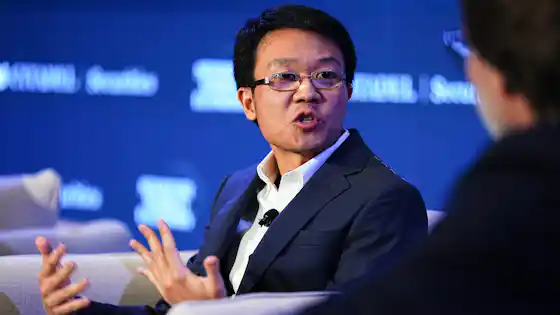
U.S. Sanctions Five Chinese Entities Linked to Google AI Trade Secret Theft
By Juro Osawa Source: The Information  

The U.S. has sanctioned a startup and a venture capital firm from China connected to Linwei Ding, a Chinese national and former Google software engineer sentenced to prison last month for stealing Google’s AI-related trade secrets.

The startup, Shanghai Zhisuan Technology, is an AI company Ding founded in 2023, while the other four sanctioned entities are associated with MiraclePlus, a Beijing-based venture capital firm and startup incubator. Ding, through his startup, applied to MiraclePlus’s incubator program and claimed that his company could replicate Google’s AI infrastructure technology, the State Department said on Monday.

MiraclePlus was established in 2018 as Y Combinator’s China arm and later became independent after Y Combinator left China. It was sanctioned by the U.S. for benefitting from or supporting the theft of trade secrets from US entities.

The five entities’ addition to the Treasury Department’s sanctions list blocks their properties in the U.S. and prohibits U.S. banks and investors from transacting with them.

Ding was convicted in January for stealing thousands of pages of confidential information containing Google’s trade secrets. The case attracted widespread attention in the tech industry due to growing AI rivalry between the U.S. and China.

A message from Goldman Sachs

The outlook for data center power demand

As AI models scale, their massive computational needs are putting unprecedented pressure on power grids.

Goldman Sachs Research projects AI will drive an increase of 170% in global data center power demand by 2030, adding the equivalent of Japan's entire electricity consumption.

Listen to our podcast.

This week on AI Deep Dive

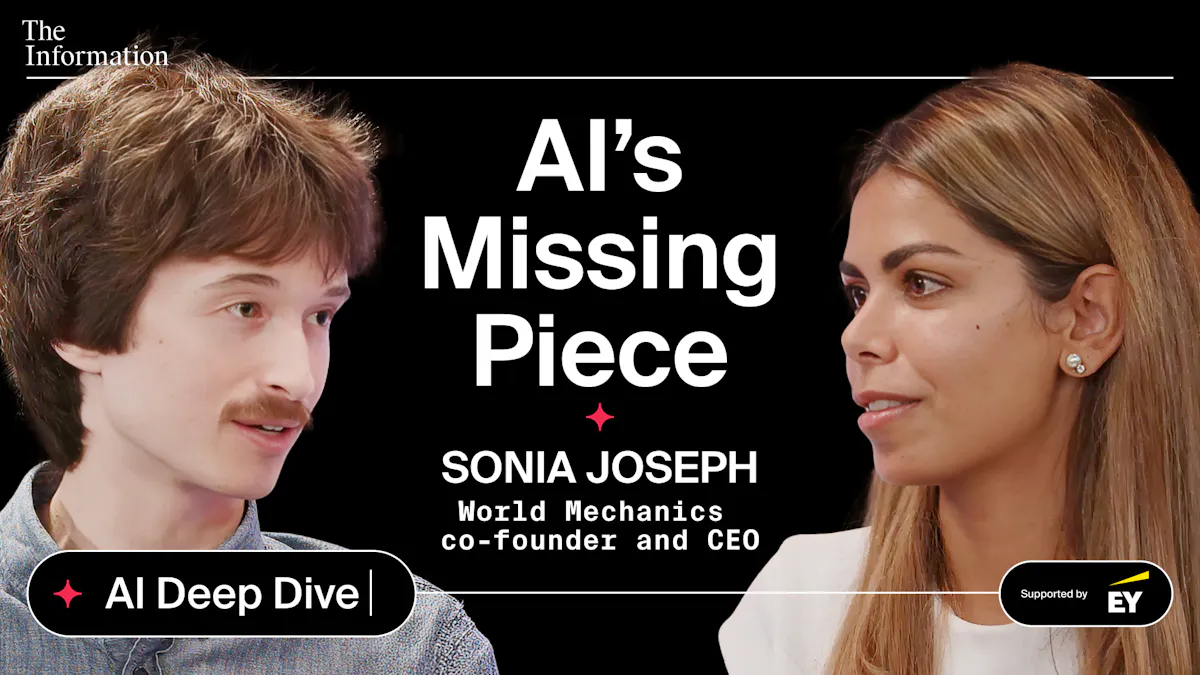
Check out the most recent episode of AI Deep Dive. A reported deep dive into how frontier AI actually gets built — the models, the money, and the people behind them.

Are We Building World Models The Wrong Way? | TITV’s AI Deep Dive

Popular articles


Opportunities

Group subscriptions

Empower your teams to stay ahead of market trends with the most trusted tech journalism.

Learn more


Brand partnerships

Reach The Information's influential audience with your message.

Connect with our team

Follow us
X
LinkedIn
Facebook
Threads
Instagram
Sent to you@example.com | Manage your preferences or unsubscribe | Help
The Information · 251 Rhode Island Street, Suite 107, San Francisco, CA 94103