New Collaboration with Lift Louisiana: A Guide to How to Stay Private and Safe When Seeking Reproductive Care
Since Roe v. Wade was overturned in 2022, getting the reproductive care we need can put our privacy and safety at risk. But that risk isn’t the same for everyone. That’s why Euki partnered with Lift Louisiana to create a new resource, How to Stay Private and Safe When Seeking Reproductive Care, to help people make informed choices that can keep them safer, both online and in the real world. It speaks directly to the people navigating these risks most: people living in states with abortion restrictions, young people, immigrants (including people who are undocumented), people with low incomes, and people living in rural areas.
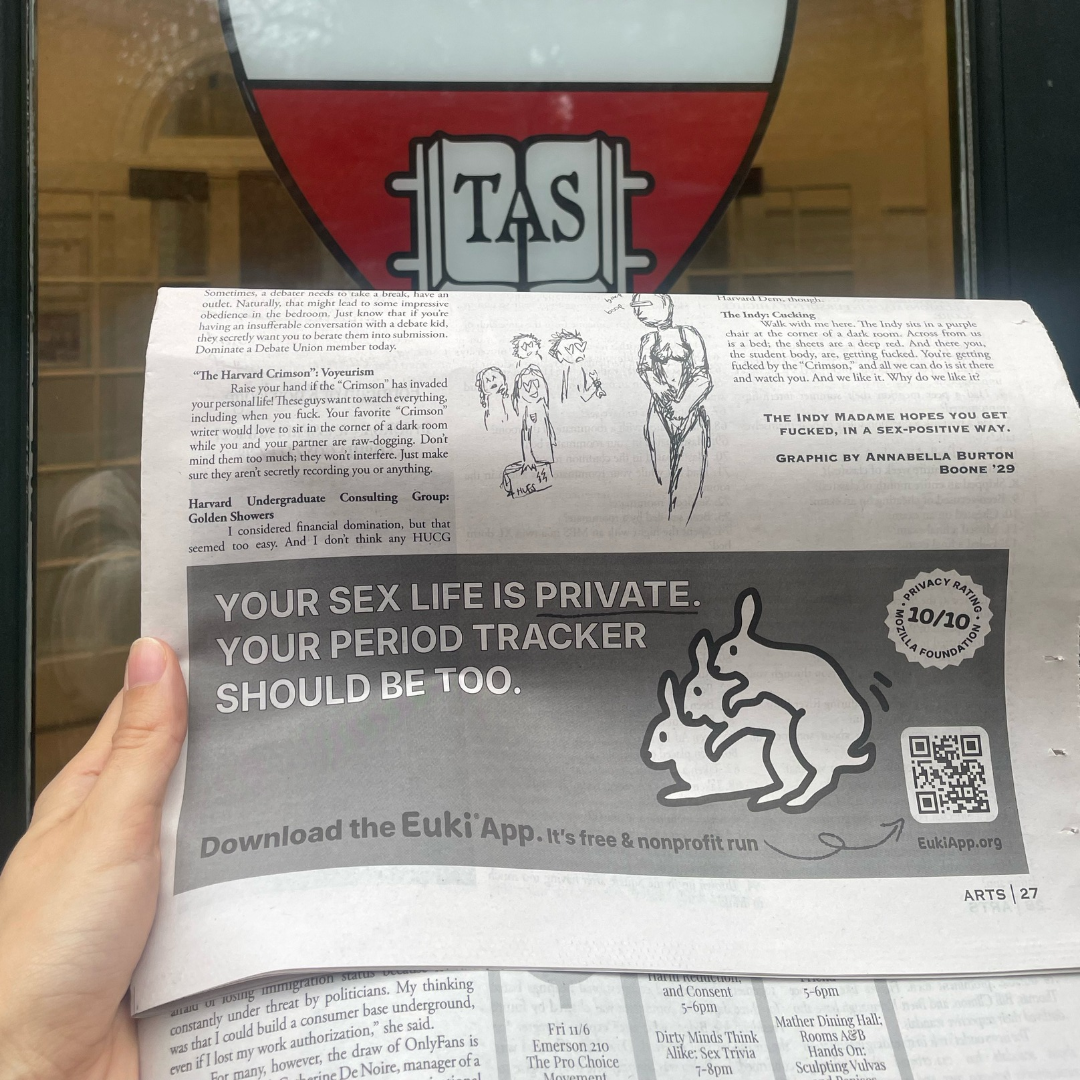
Most of us turn to apps and websites for health information, but many of these are consumer products, not medical providers. That means HIPAA (the federal law that protects sensitive health information held by health care providers) doesn’t apply to them, and the companies behind them can leak, share, or sell your data. Most apps store data in the cloud or on company servers, so if police or the government send a subpoena, the company may have to hand that data over. But if a company never has your data in the first place, there’s nothing to hand over. The resource explains what to look for in a private period tracker, along with tools like VPNs and encrypted messaging apps, and why apps like the Euki App, which store data only on the user’s device, matter so much right now.
Staying safe also means knowing who you can trust. Unlicensed or crisis pregnancy centers (UPCs or CPCs), which sometimes call themselves “pregnancy resource centers,” are anti-abortion organizations that often present themselves as medical clinics. Online, they market themselves as a place to turn when you’re pregnant and unsure what to do, but that marketing is intentionally misleading. The resource shares warning signs to watch for and points readers to trusted organizations where they can get accurate information and real care.
We’re grateful to Lift Louisiana for this partnership and for the work they do every day to connect people across Louisiana with the care and resources they need. No one should have to choose between getting health care and staying safe. Everyone deserves accurate information, real care, and privacy.
As we head into the holiday season, the Euki team is reflecting on how much this community has shaped our work this year. To our users, partners, board members, advisors, UAT members, donors, and supporters: thank you for showing up for privacy, for bodily autonomy, and for each other. Every conversation, partnership, and act of support helps keep the Euki App free, private, and in the hands of the people who need it most. We’re so grateful to be building this work alongside you.
Please keep an eye on your inbox on Giving Tuesday, December 1, to learn how you can support Euki’s end-of-year campaign.
A new op-ed in the Journal of Medical Internet Researchcalls for stronger protections for reproductive health data in FemTech apps, highlighting the Euki App as an example of privacy built into an app’s design rather than treated as an afterthought.
As a founding member of theMilken Institute’s Women’s Health Network, Euki’s Executive Director, Ana Ramirez, joined fellow members in Washington, D.C., for the Network’s annual in-person meeting, connecting with leaders across innovation, research, and investment to advance women’s health.
Natural Cycles has launched its first smart ring, which measures temperature overnight to calculate a user’s daily fertility status. The launch comes just months after a class action lawsuit alleged the app shared users’ reproductive health data with third parties without consent. It’s an important reminder that as wearables expand, so does the amount of sensitive data being collected about our bodies and the amount of autonomy we have over that data in the end.
A new investigation from KFF Health News, published in The Washington Post, reveals that data brokers use smartphone location data to draw inferences about people’s health and sell them to advertisers. Along with a similar theme above, many people don’t realize that the location data their phones emit at a hospital or abortion clinic isn’t covered by HIPAA and the article shares a few steps to protect yourself.
The National Asian Pacific American Women’s Forum (NAPAWF) and Ibis Reproductive Health released Navigating Abortion Care: A Guide for AANHPI Communities. Grounded in conversations with Asian American, Native Hawaiian, and Pacific Islander abortion seekers and providers, the guide helps people prepare for an abortion and uphold their privacy
Join the Cycle of Care Membership! For as little as $5 a month, you help keep the Euki App free, independent, and in the hands of the people who need it most, protecting privacy every step of the way.
Share Euki with Your Community
Help people keep their health data safe by sharing Euki with your networks!