Google’s latest spam update is complete, AI Overviews are appearing on more branded searches, and there’s fresh guidance on AI-generated content.
In this edition, we cover the SEO and GEO updates worth your attention, what they mean for your website, and how to respond. Plus, discover Search Console’s new visual search reporting and a few smaller stories you may have missed. |
1. Google’s September Spam Update is Complete |
Google has confirmed that its September 2026 spam update finished rolling out on 8 October, nearly two weeks after launching on 24 September. The update applied globally across all languages.
SEO experts like Lily Ray reported significant movement during the rollout. |
|
“Early signs that the current Google Spam update is hitting sites with highly templated, programmatic, (probably) AI-generated pages, like one page for every phone number/area code.”
|
|
— Lily Ray, Amsive
|
|
|
|
What this means
If your rankings or organic traffic dropped, review the affected pages against Google’s spam policies. Pay particular attention to large volumes of repetitive or unoriginal content that offer little value to readers. Google says recovery can take months as its systems recognize that a site complies with its policies.
|
|
2. AI Overviews Expand into Branded Searches |
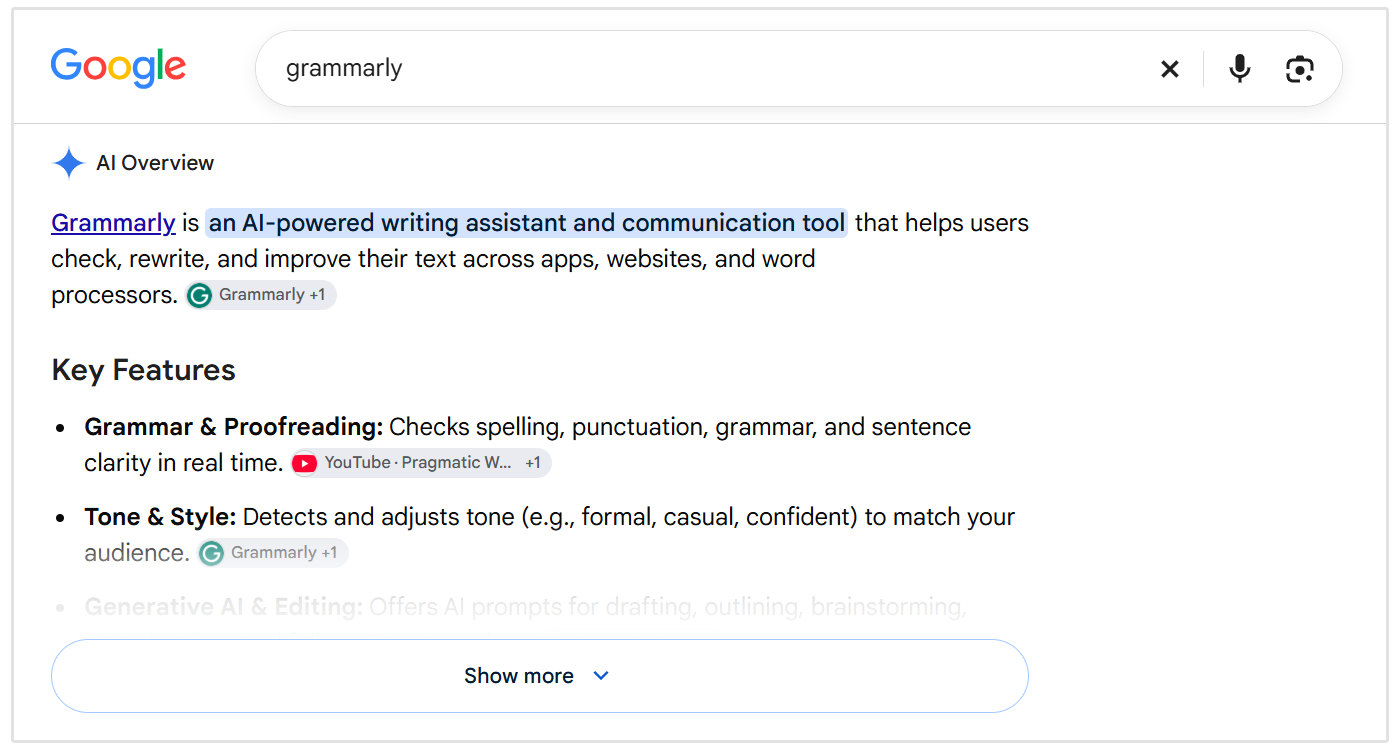
Google’s AI Overviews are increasingly appearing when people search for a brand by name, giving AI-generated summaries a prominent role in how businesses are presented.
A recent study by Slate checked US search results for 100 selected brands. 82 showed an AI Overview on the first check, rising to 93 after repeat checks. |
The sources behind these summaries are also worth watching. Only 29% of the citations collected pointed to brand-owned websites. The rest came from sources including news outlets, social platforms, and review sites. |
|
What this means
AI may introduce your brand before someone visits your website. Regularly review how Google’s AI Overviews describe your brand and which sources they cite. Correct outdated details on your website and online profiles, and build credible reviews, media coverage, and brand mentions that accurately represent your business.
|
|
3. Google Updates its AI Content Guidance |
This applies to articles, page titles, meta descriptions, structured data, and image alt text.
Its updated helpful content guidance also highlights four qualities used to assess a page’s main content: effort, originality, skill, and accuracy.
Mass-producing AI content without oversight or curation is listed as an example of little to no effort. |
|
What this means
Use AI to support your content creation, then add your own expertise, examples, and insights. Check the facts and make sure each page offers readers something useful beyond a rewrite of information already available online.
|
|
4. Search Console Adds Visual Search Reporting |
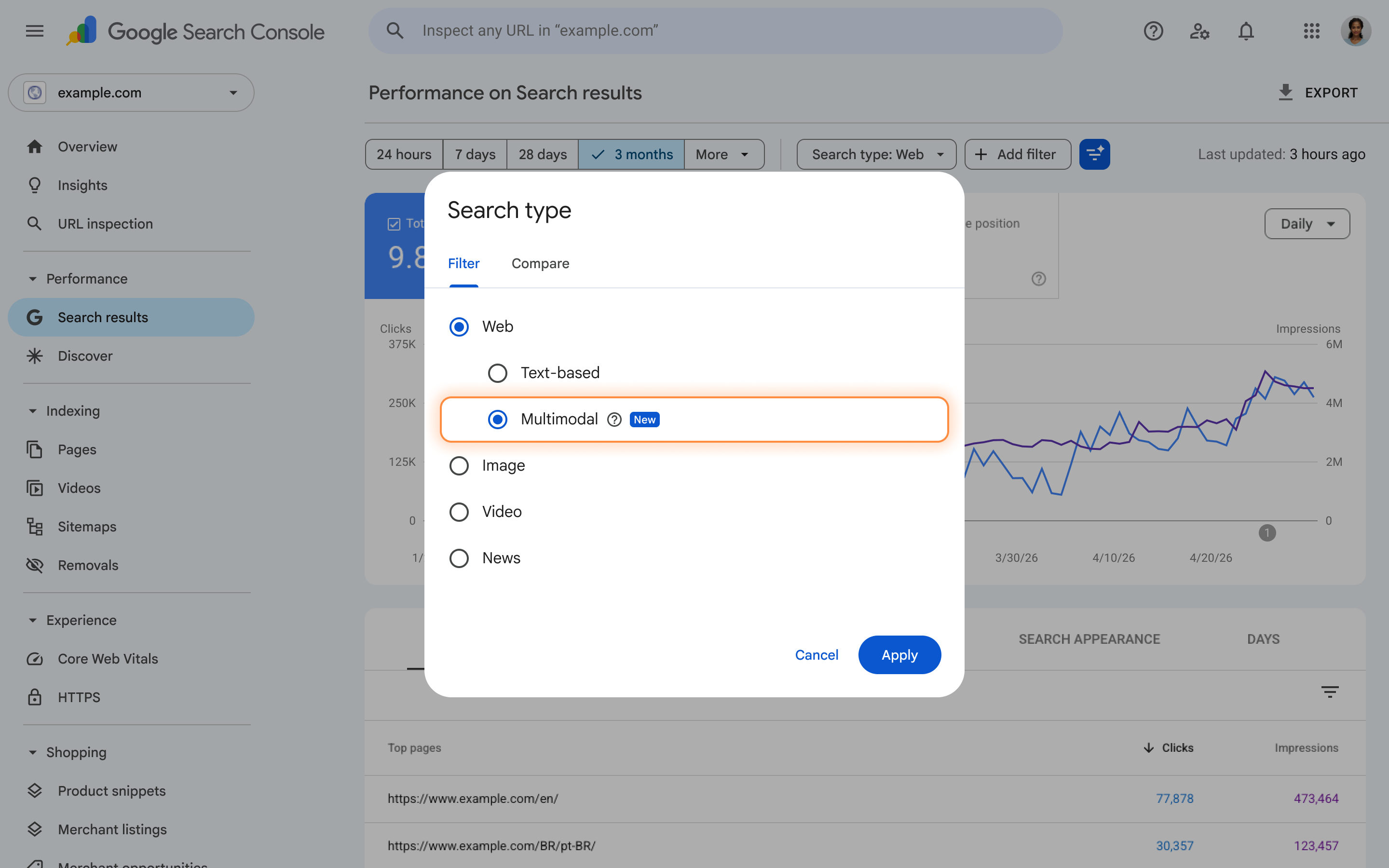
Google Search Console has introduced visual search reporting, showing how people discover your content through Google Lens, Circle to Search, image uploads, and Chrome’s image search. The rollout began globally on 24 September. |
The new “Web: multimodal” filter in the Search results performance report lets you see clicks, impressions, and the pages appearing in these results. This provides useful visibility for online stores and other websites with lots of images. |
|
What this means
Your images can help people discover your website too. Give image SEO attention alongside your written content by using clear, relevant images with descriptive filenames and alt text to help search engines understand them.
|
|
Here are a few more SEO and AI search developments you may have missed from the last month.
- Gemini adds referral tracking: UTM tags have appeared on outgoing links, helping website owners identify traffic from Gemini. (Source)
- Some AI Overview links open AI Mode: Google is testing follow-up links that keep users exploring within AI Mode. (Source)
- ChatGPT expands interactive answers: OpenAI’s GPT-6 rollout introduces more visual, interactive responses and reported improvements in web-search answer quality. (Source)
- Some rank trackers report data issues: Several providers have reported missing or delayed Google ranking data, making unusual movements worth checking against other evidence. (Source)
- Google tests publisher payments: More details have emerged about a limited pilot rewarding publishers whose content contributes significantly to AI-generated answers. (Source)
|
|
|
 |
 |
SEOptimer
17/F., Yue Hing Building, 103 Hennessy Road, Wanchai, Hong Kong |
|
|
|
|