Our 2026 Fellows are on the streets of New York. This is what hope looks like in action.
͏ ͏ ͏ ͏ ͏ ͏
͏ ͏ ͏ ͏ ͏ ͏
͏ ͏ ͏ ͏ ͏ ͏ ͏ ͏ ͏ ͏ ͏ ͏
͏ ͏ ͏ ͏ ͏ ͏
͏ ͏ ͏ ͏ ͏ ͏ ͏ ͏ ͏ ͏ ͏ ͏
͏ ͏ ͏ ͏ ͏ ͏
͏ ͏ ͏ ͏ ͏ ͏ ͏ ͏ ͏ ͏ ͏ ͏
͏ ͏ ͏ ͏ ͏ ͏
͏ ͏ ͏ ͏ ͏ ͏ ͏ ͏ ͏ ͏ ͏ ͏
͏ ͏ ͏ ͏ ͏ ͏
͏ ͏ ͏ ͏ ͏ ͏ ͏ ͏ ͏ ͏ ͏ ͏
͏ ͏ ͏ ͏ ͏ ͏
͏ ͏ ͏ ͏ ͏ ͏ ͏ ͏ ͏ ͏ ͏ ͏
͏ ͏ ͏ ͏ ͏ ͏
͏ ͏ ͏ ͏ ͏ ͏ ͏ ͏ ͏ ͏ ͏ ͏
͏ ͏ ͏ ͏ ͏ ͏
|
| |
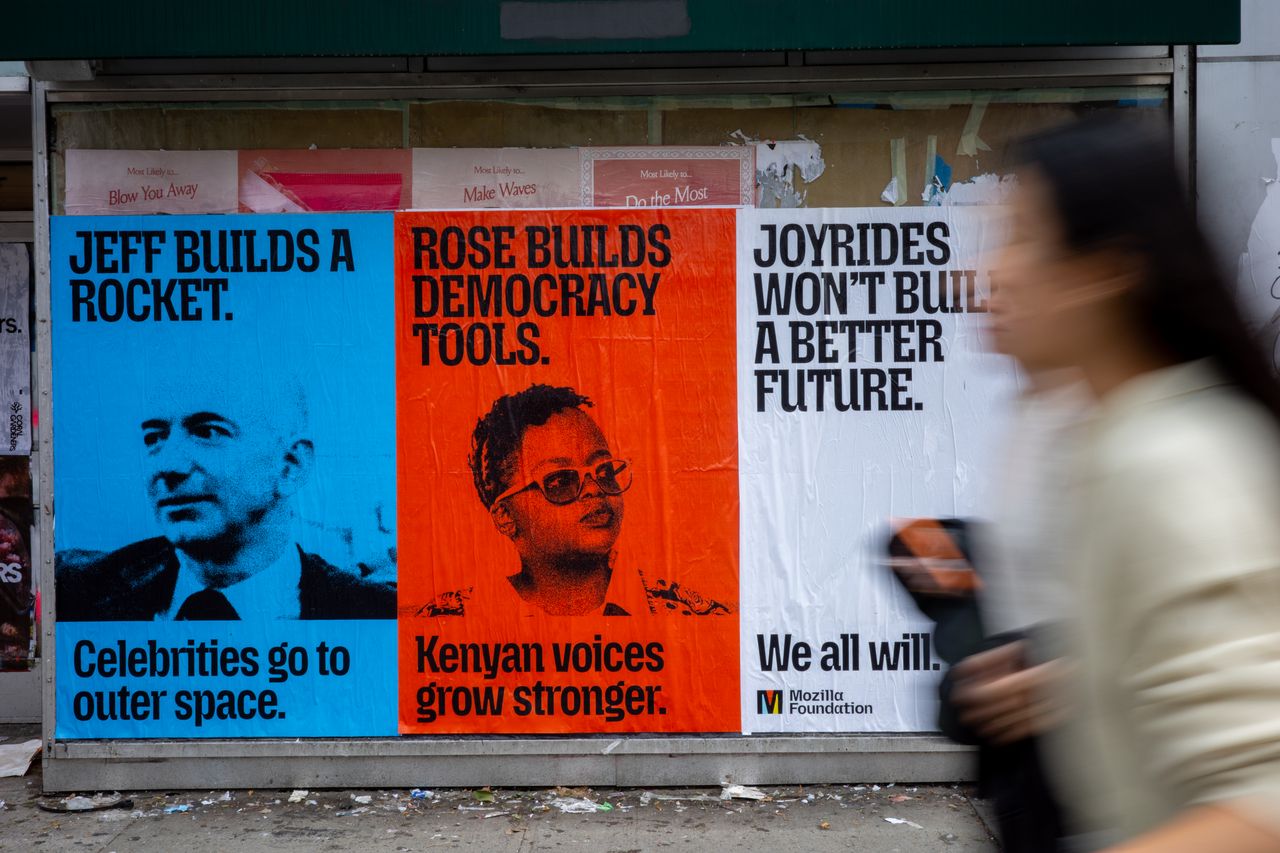
Remember Rudy, Rose and Iara? Keep reading to learn the stories behind the posters that took over the streets of New York City. |
One man made a rocket that let celebrities cosplay as astronauts. Another man is responsible for glasses that record the people standing in front of them—with or without consent. Our "public square" appears to be governed by wannabe kings. They tell us that this future is inevitable.
The incentives are not mysterious. They do it for the money and the chance to dominate—goals that are every bit as boring as the imagination that spawned them.
But we can imagine something different. Because a better tech future won't just be built by tech giants.
It’ll be built by the restless and radical among us. The ones who dare to imagine. The ones who understand the risks—and create anyway. Because they know the future is still ours to build.
So when it was time to spread the word about the work of our Fellows—we chose the street over a press release. Street posters belong to independent culture, to activism, and to movements that were never let in—but kept going anyway.
|
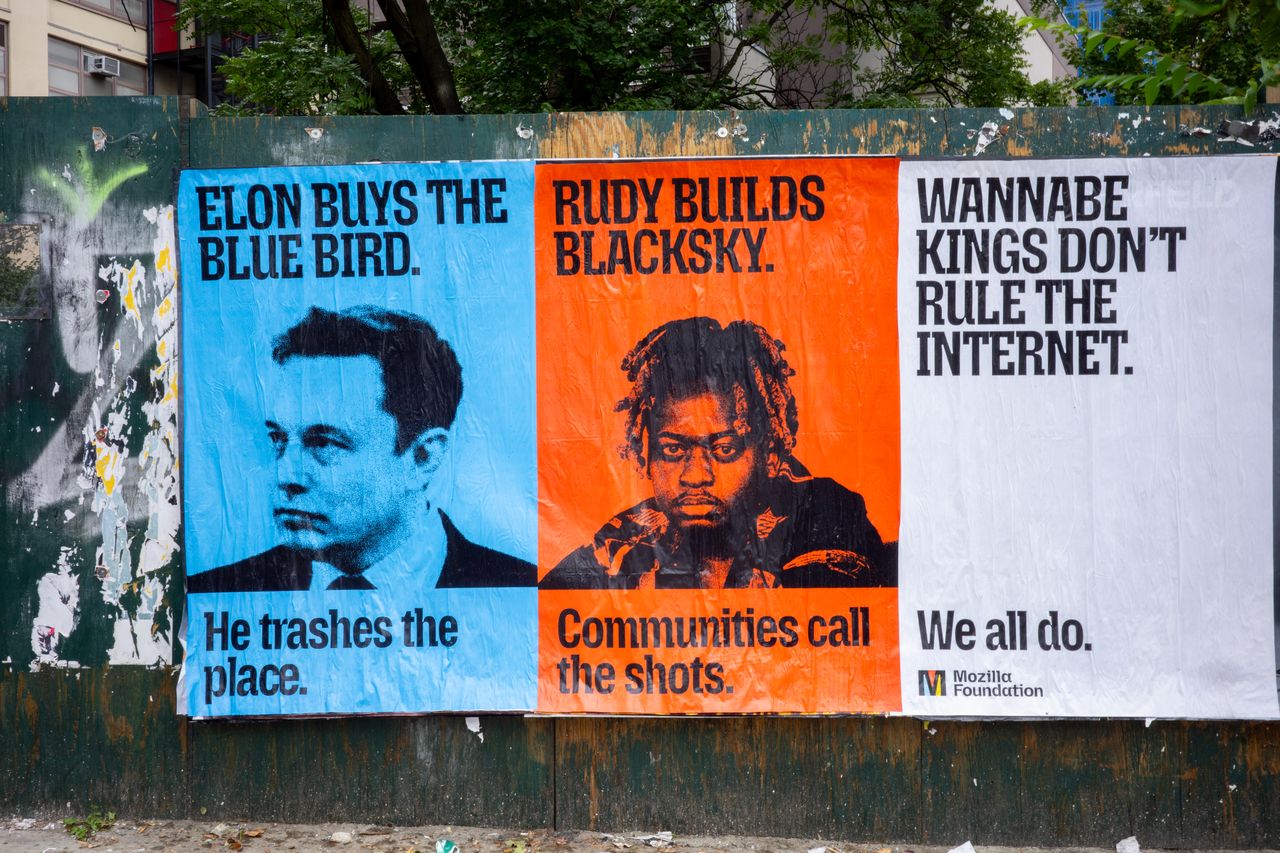
Blacksky is the largest Black community on the decentralized web, three million members, built for the people who have historically been the most surveilled and the most deplatformed by the systems everyone else uses by default. Rudy Fraser is now adding permissioned posts to the AT Protocol, so communities can decide when visibility serves them and when it doesn't. Wannabe kings don't rule the internet. We all do.
|
|
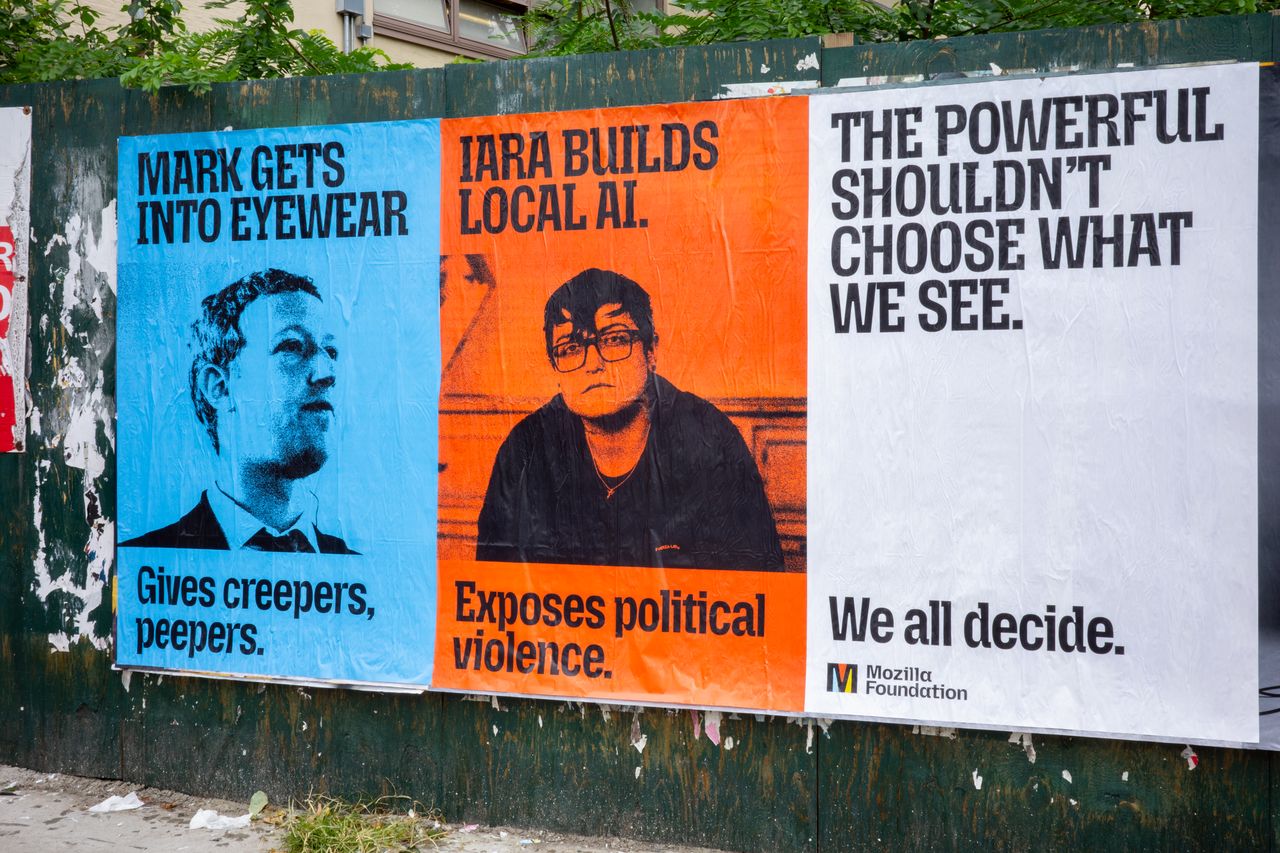
Tracking police violence in Brazil is deliberately hard. The data is fragmented, unstructured, and buried in bureaucratic jargon. Iara Passos is building an AI system that automatically finds public reports of police violence and turns them into usable data for nationwide monitoring. It’s entirely self-hosted, with no proprietary APIs or large commercial platforms. Its outputs will be audited by local journalists and activists who will be paid for their work. The powerful shouldn't choose what we see. We all decide.
|
|
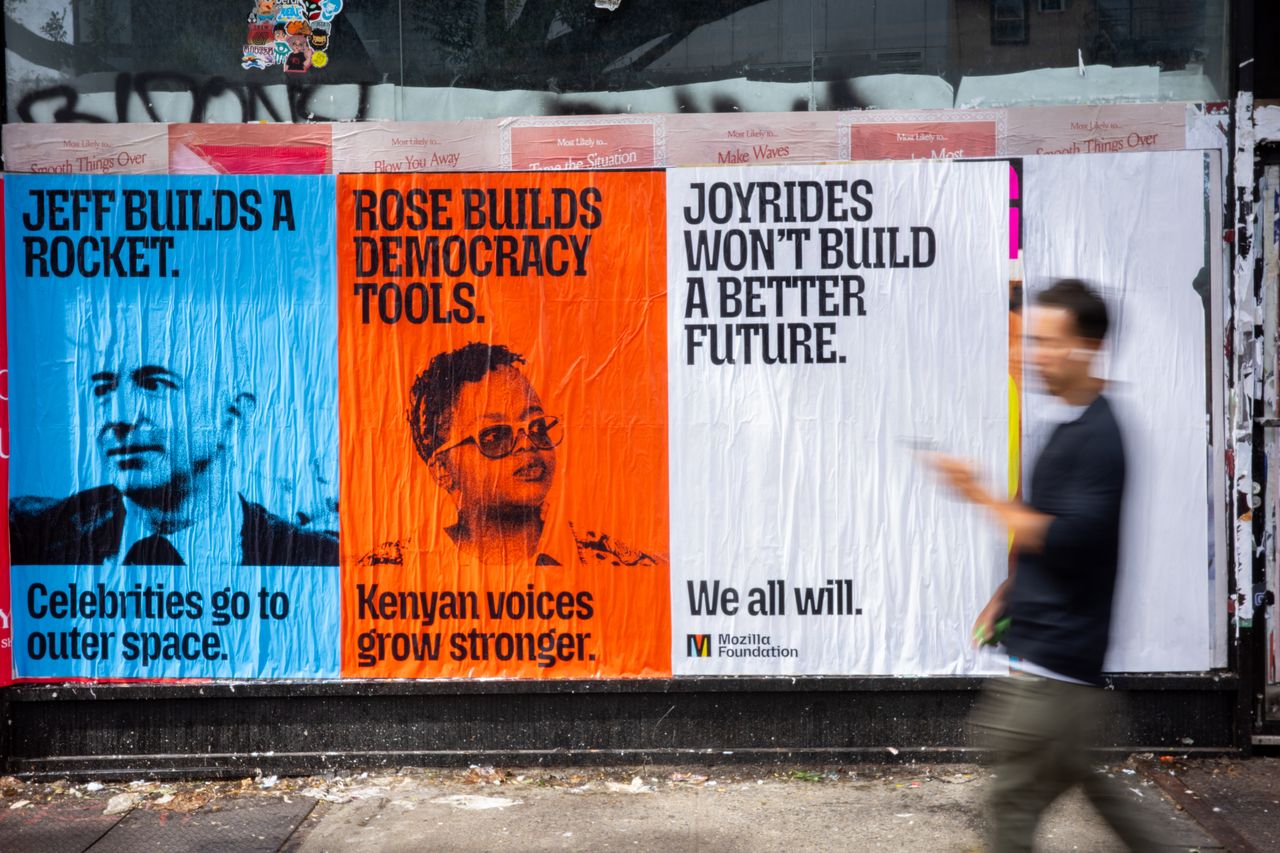
In 2025, Rose Njeri Tunguru built a tool that let Kenyans email their elected officials, and the state found it threatening enough to arrest her for it. She is now building Open Elections Kenya, open-source parallel vote tallying that will let Kenyans verify official results ahead of the 2027 elections rather than take them on faith. Joyrides won't build a better future. We will.
|
The posters will eventually come down. What remains, is the work they represent and the belief that a good tech future is still possible. We know this because Rose, Iara, Rudy, and countless others are already imagining the future that should exist–and are making it happen.
— Your friends at Mozilla Foundation
If you come across our Fellows on the streets of NYC, take it as an invitation to imagine a future built by people like Rudy, Iara and Rose. Remember: the future is still ours to build.

|
|
Mozilla Foundation is building a better technology future—powered by people, open by design, fueled by imagination.
|
|
|
|