Hello, Popsugar here, with your reminder to do things that make you feel well. Today's newsletter was written and curated by health and fitness section lead Alexis Jones. |
|
|
|
It makes sense that I'm an athlete. As a child, I was always going to the hospital for jumping too high or hurting myself or breaking my arm. When I started snowboarding, all of that energy got funneled into my sport, which is a symptom of ADHD I didn't know about. You can hyperfixate on one thing, and for me, that was snowboarding.
Snowboarding became my life. But when I wasn't snowboarding, I didn't know how to manage. I forgot appointments and plans I made with friends. I didn't feel like myself. Getting diagnosed and discovering that everything had an explanation was the most refreshing, freeing feeling.
As an athlete, we know when something's wrong with our bodies. My knee hurts, or my back hurts, or I'm bleeding — it's so obvious. But when it comes to mental health, it isn't. You don't know what you're working with sometimes. That was a big part of my ADHD journey. I was so unaware of what I was experiencing because it felt understandable in a lot of ways; I am very busy. I have a lot of things I need to do. Of course I'm going to be overwhelmed, of course I'm going to be exhausted. But surprise, surprise, there's a world where that doesn't have to be the case. – Chloe Kim, as told to Chandler Plante
|
|
|
|
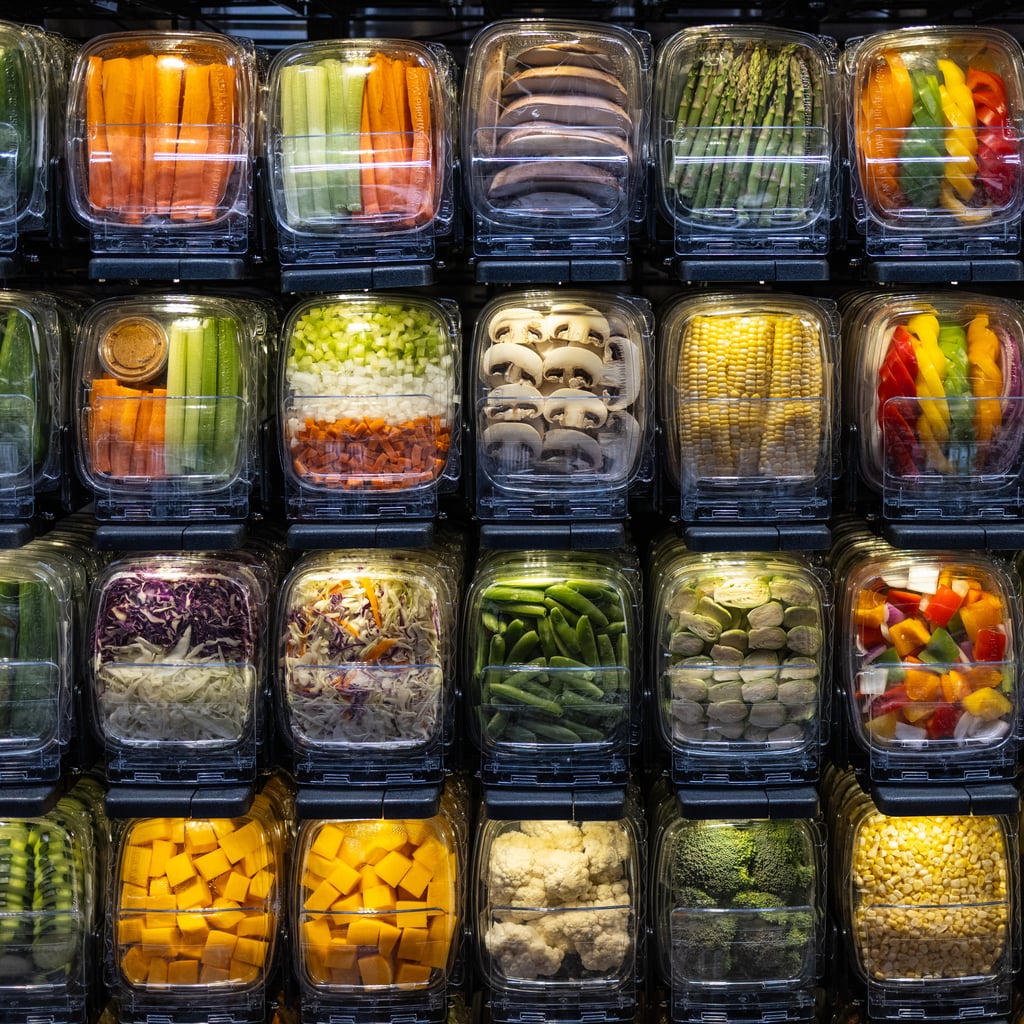
Where we shop for food was never meant to be a status symbol. Influencer culture has changed all of that. |
|
|
|
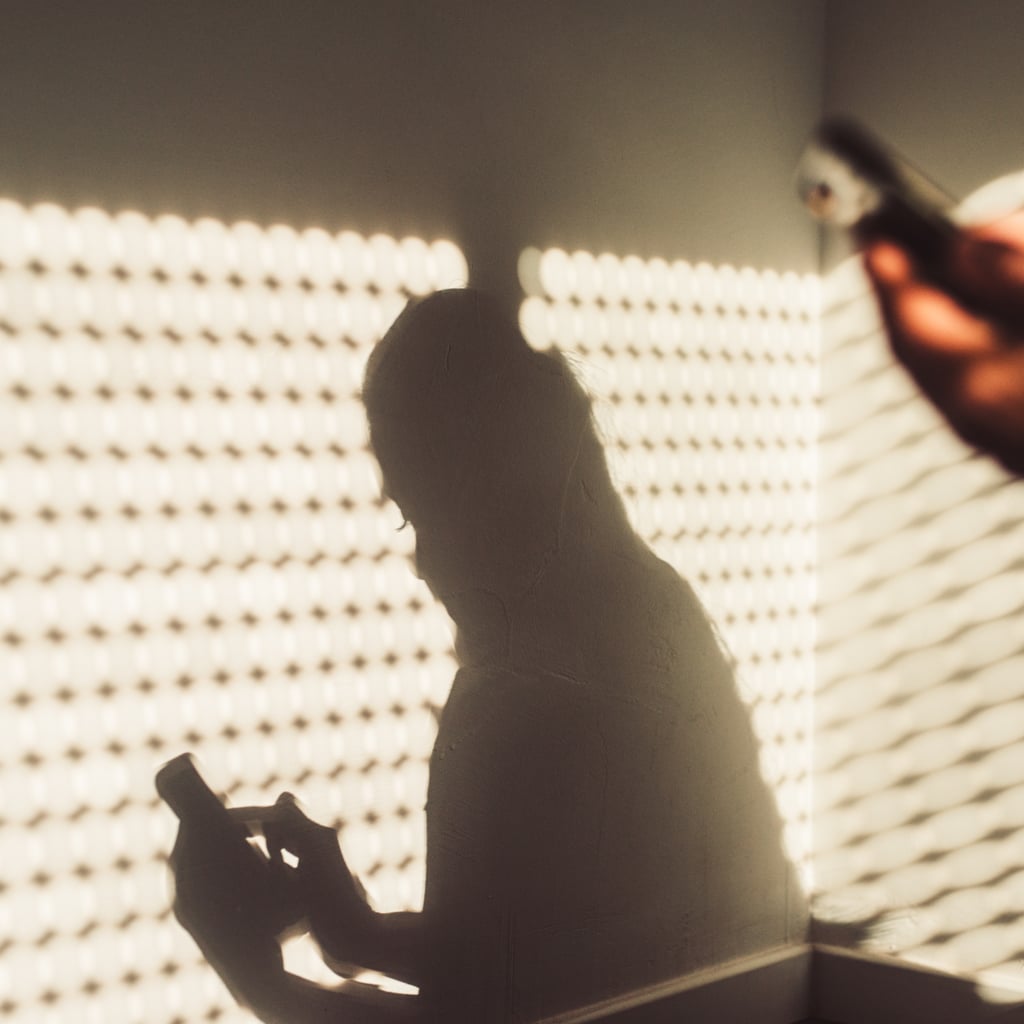
| "What if I'm tired of talking about my diagnosis, or I don't want to find a silver lining in something that has made my life harder?" |
|
|
|
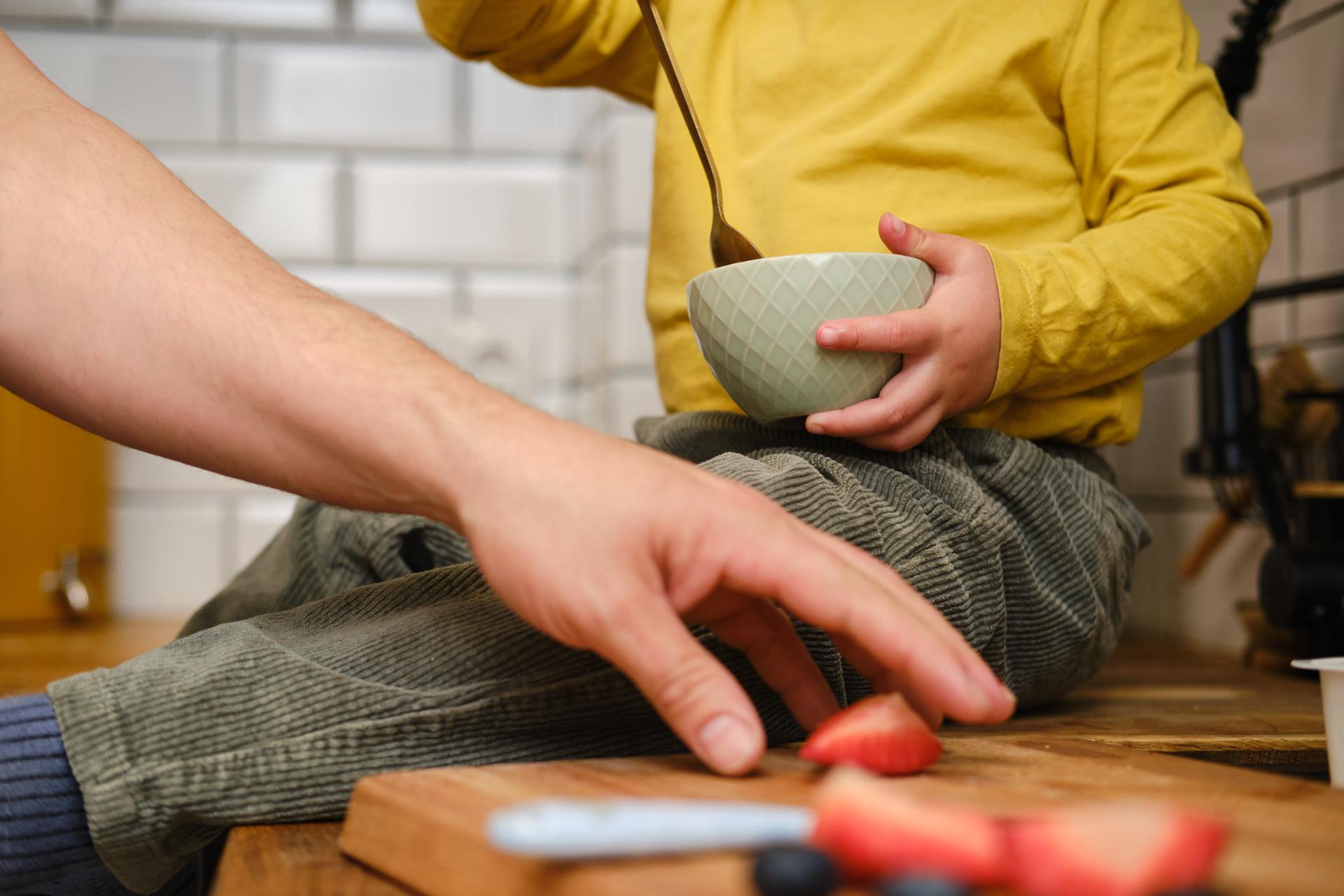
We've all heard of the "almond mom," a familiar internet archetype for a female guardian whose fixation on "healthy" eating and thinness hovers over her children like a daunting reminder that their bodies are to be managed and monitored. "She might count calories, reserve compliments only for when her child loses weight, or treat smaller portions as a badge of honor," writes PS contributor Jenna Ryu. The archetype is at best annoying, and at worst permanently damaging. But what happens when the almond parent is actually your dad? Though the almond dad gets much less attention, his impact can be harmful all the same.
Jayla Flowers can attest to it, telling PS that it wasn't uncommon for her to hear, "Don't get too big!" from her father if her cheerleading uniform was snug. Neither was his suggestion to go on an impromptu three-mile run to do something about it.
Ahead, we ask experts and real women about their experiences with almond dads, how to handle them, and care for your mental health. "Because in a culture that already gives people plenty of reasons to scrutinize themselves, home shouldn't be another place they feel they're falling short," writes Ryu. |
|
|
|
Here at Popsugar, we love watching women win — on and off the field. So I'll be highlighting the biggest dubs, headlines, and need-to-knows in the world of women's sports. |
|
|
|
PS — click here to read more from us.
Did someone forward you this email? Subscribe now to get more from Popsugar Fitness in your inbox. |
|
|
|
update preferences | privacy notice | unsubscribe
This email was sent to you@example.com. View online
As POPSUGAR editors, we independently select and write about stuff we love and think you'll like too. If you buy a product we have recommended, we may receive affiliate commission, which in turn supports our work.
POPSUGAR is a part of PMX Global, LLC, a subsidiary of Penske Media Corporation.
© 2026 VM Publishing, LLC. All rights reserved. |
|
|
|
|